English
 中文简体
中文简体 русский
 Español

Technical Characteristics: The CNC machine tool for inclined beds adopts the domestic or imported hi...
See DetailsWatching a batch of parts come off a Horizontal Turret Lathe Machine looking completely different from the test piece machined the week before is a familiar headache in plenty of workshops. The drawing didn't change. The tooling didn't change. What changed was the material sitting in the chuck, and that single difference can quietly reshape everything about how a job runs — from chip formation to surface finish to how long a batch actually takes to complete. Getting a handle on how different materials behave during turning saves a lot of guesswork once production actually starts.
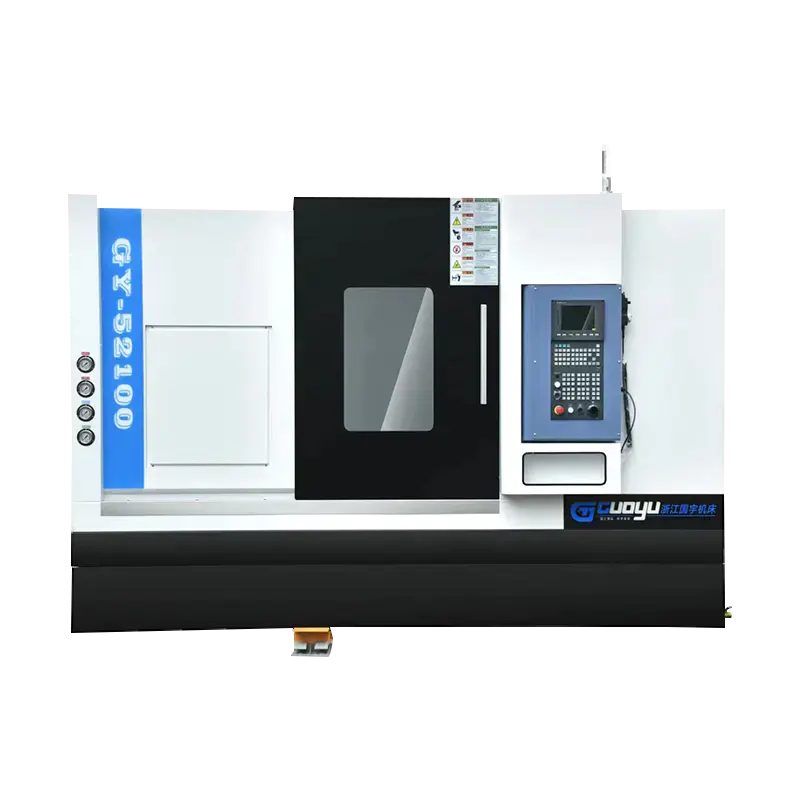
Machining decisions start well before a cutting tool ever touches the workpiece.
The raw material available for machining influences how it should be clamped, how chips behave during cutting, what surface quality can be expected, and how consistent the overall process remains throughout production.
A Horizontal Turret Lathe Machine gets chosen by many shops precisely because it can handle a wide range of materials without needing a completely different production setup for every job. Even with that flexibility built into the machine, no two materials behave the same way once metal or plastic actually starts coming off in chips.
Material selection touches several practical parts of a job that show up long before final inspection:
Thinking through these factors before a job starts on the machine tends to prevent a lot of surprises once cutting actually begins.
| Material | General Behavior | Common Applications |
|---|---|---|
| Carbon steel | Balanced machining behavior | Shafts, sleeves, structural parts |
| Stainless steel | Stable with careful control | Industrial equipment components |
| Aluminum alloys | Lightweight, comparatively easy to shape | Lightweight mechanical parts |
| Brass | Produces clean surfaces reliably | Connectors and fittings |
| Copper | Soft with distinctive cutting response | Electrical components |
| Cast iron | Tends to break into shorter chips | Machine structures |
Carbon steel shows up constantly on shop floors because it strikes a workable balance between strength and how easily it machines. Plenty of general mechanical components rely on it precisely because it behaves predictably batch after batch.
Stainless steel asks for a bit more attention during setup. Its behavior under the cutting tool differs enough from ordinary steel that process stability needs closer monitoring, especially on longer runs.
Aluminum alloys get picked whenever a design genuinely needs to shed weight without sacrificing structural function. Machining characteristics here tend to support efficient cycle times while leaving a smooth finished surface, something a lot of consumer product parts depend on.
Brass gets chosen often for components needing fine detail and consistent finishing, like small connectors that need to look clean straight off the machine without extra polishing.
Copper is softer than many engineering metals, and that characteristic creates its own challenges during machining. Keeping the process stable matters here just to maintain dimensional accuracy across a batch, since copper can deform more easily than harder alloys under the same cutting pressure.
Cast iron has been a workshop staple for a long time. Rather than producing long ribbons of chip material that need constant clearing, it tends to break into smaller pieces on its own, which genuinely simplifies chip management during longer production runs.
Many buyers associate turning with metal work only, but engineering plastics are also commonly machined on lathes in industrial applications.
These materials are often chosen when a project calls for lighter components, electrical insulation, corrosion resistance, or easier maintenance compared with metal options. They can be easier to shape in certain situations, though their machining behavior brings its own considerations.
Common categories that show up regularly:
Each of these responds differently once the cutting tool engages.
Some plastics cut cleanly with barely any fuss, leaving crisp edges without much extra effort. Others are noticeably more sensitive to heat buildup during cutting, which means process control needs more attention to avoid melting or warping the surface rather than cutting it cleanly.
Composite materials add another layer of complexity, since machining conditions can shift as the cutting tool passes through different internal layers within the same part. Unlike many metals, plastics can respond more noticeably to temperature changes during machining, making dimensional control an important factor to consider rather than something to overlook.
Soft materials look easier to machine on paper, yet they bring their own set of production headaches that don't show up until a part is actually in the chuck.
Instead of resisting the cutting force the way harder metals do, softer workpieces can deform slightly right at the clamping point. A thin-walled brass fitting, for example, might flex just enough during clamping to throw off a tight tolerance, while a long, slender copper rod can start vibrating if it isn't properly supported along its length.
Chip control becomes its own challenge here too. Certain soft materials generate long, continuous chips that wrap around the workpiece instead of breaking apart naturally, which can interrupt a cutting pass and mar the surface finish if nobody catches it in time.
Surface marks are worth watching closely as well. Because these materials respond so readily to pressure, how a part gets handled and clamped plays a real role in whether it comes off the machine looking clean or showing faint pressure marks from the chuck jaws.
Machining a soft material successfully depends just as much on how carefully it's held throughout the process as it does on the actual cutting parameters.
Harder materials call for a different mindset at the machine.
Rather than chasing fast material removal rates, machinists working with harder stock tend to prioritize keeping the process steady throughout the entire cut. Vibration becomes a much bigger concern here, since it can quietly throw off both dimensional accuracy and surface finish without necessarily being obvious until the part gets measured afterward.
Harder workpieces generally push back against the cutting tool with more resistance, and their chip formation looks noticeably different from what happens with softer metals. This makes upfront planning a genuinely important part of preparing for the job rather than something to figure out mid-cut.
A few practical points are worth reviewing before making the initial cut on a harder material:
Working through these details ahead of time tends to keep the job running smoothly rather than dealing with surprises halfway through a batch.
Material type only tells part of the story. The physical shape a workpiece arrives in before machining starts plays its own role in how efficiently a job runs.
A Horizontal Turret Lathe Machine regularly processes several different starting forms:
Round bar stock usually needs minimal prep before cutting starts, which makes it a common choice for many rotational parts where speed matters.
Tube stock adds its own wrinkle, since keeping wall thickness even throughout the cut becomes part of the actual machining task rather than something handled beforehand.
Cast blanks often come with uneven outer surfaces that require careful setup before machining begins, helping ensure the part is positioned securely and accurately in the chuck.
Forged workpieces typically carry extra material specifically intended to be machined away, while semi-finished parts arrive after an earlier stage of manufacturing has already shaped part of the geometry, changing how the remaining machining sequence gets planned.
Each of these starting forms shapes setup time, cutting sequence, and how the whole job gets scheduled on the floor.
Material diversity on the shop floor mirrors just how varied manufactured products have become across different sectors.
Automotive production regularly combines steel, aluminum, cast components, and engineering plastics within a single assembly, sometimes all machined on the same production line during a single shift.
Industrial machinery manufacturing often pairs structural metals with copper-based electrical components and specialized materials chosen for particular functional needs within the same piece of equipment.
Energy equipment frequently depends on corrosion-resistant materials working alongside insulating components, especially where equipment sits outdoors or in harsh environments for years at a stretch.
Consumer product manufacturing often blends lightweight metals with plastics to balance how a product looks, how much it weighs, and how practical it is to actually produce at volume.
Agricultural equipment tends to lean on durable metallic materials built to handle demanding outdoor conditions and heavy repeated use.
Medical manufacturing often requires carefully selected materials that meet specific cleanliness standards and application-specific requirements, where getting the material choice wrong isn't just a production headache but a genuine compliance issue.
Across every one of these sectors, the range of materials passing through turning operations keeps expanding as product designs get more specialized.
Picking a material rarely comes down to simply comparing strength numbers or how something looks on a spec sheet. Buyers generally need to think through how a material will behave throughout the entire manufacturing process, not just in its final application.
A handful of practical questions tend to guide this decision well:
Looking past just the finished part often leads to better purchasing decisions overall. Material availability, how consistently a supplier can deliver it, recycling considerations, and whatever downstream processing comes next all shape long-term manufacturing efficiency in ways that aren't always obvious upfront.
The starting form of the raw material deserves just as much attention as the material type itself. Round bars, tubes, forged blanks, cast components, and semi-finished parts each set up different machining conditions before cutting even begins, and understanding these differences lets production teams plan around potential challenges instead of scrambling to fix them mid-run. Communication between design engineers, purchasing teams, and the machinists actually running the equipment matters here too. Designers tend to focus on how a part needs to function, while people running the machine understand firsthand how different materials actually behave under a cutting tool. Getting these perspectives talking to each other early on tends to smooth out production and cut down on unexpected mid-project adjustments. As manufacturing keeps evolving, more workshops are handling a genuinely wide mix of materials rather than sticking with one go-to option for every job that comes through the door. Instead of hunting for a single material that works for everything, plenty of manufacturers now evaluate each project on its own terms, weighing what the product actually needs against what's practical to machine reliably. Treating material selection as part of the overall machining strategy — rather than an afterthought decided before anyone's talked to the shop floor — tends to create a far more predictable path from raw stock to finished part, no matter what mix of materials happens to be running through the shop that week.
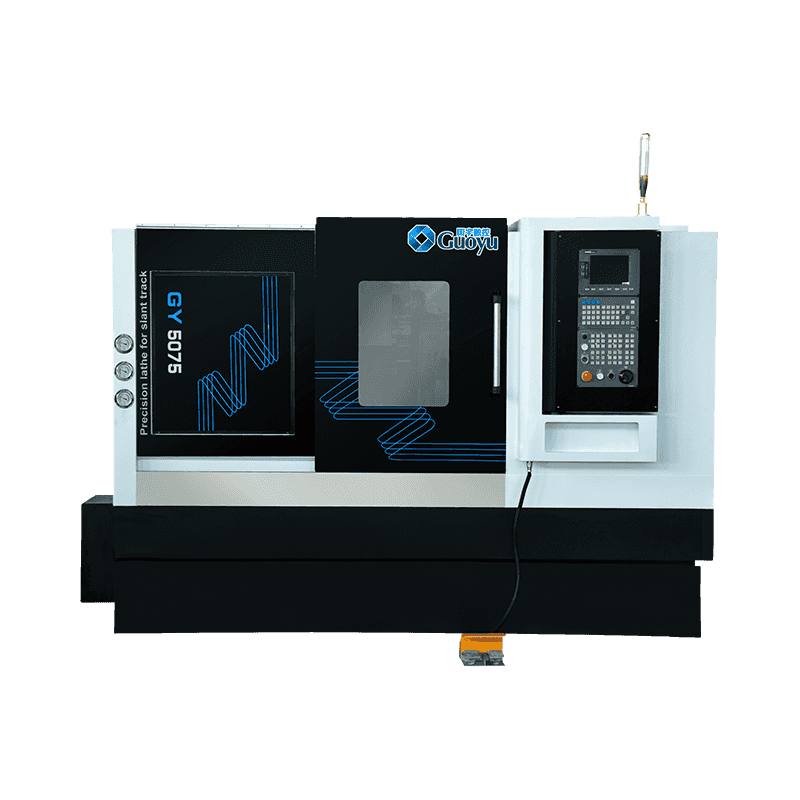
Technical Characteristics: The CNC machine tool for inclined beds adopts the domestic or imported hi...
See Details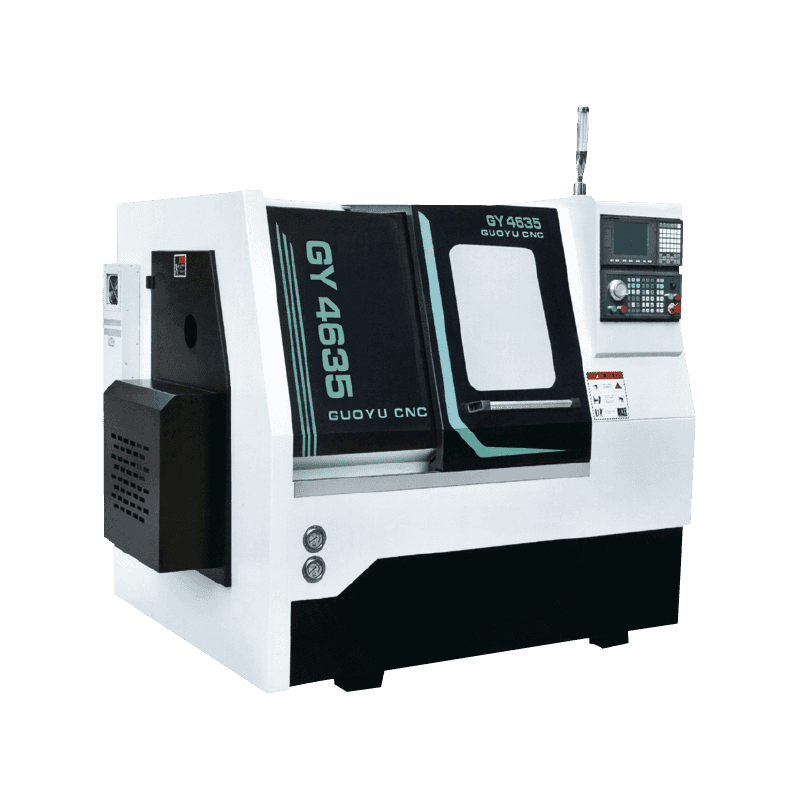
The Conjoined 45° Oblique Gauge Cutter Precision CNC Horizontal Lathe is a really practical turning ...
See Details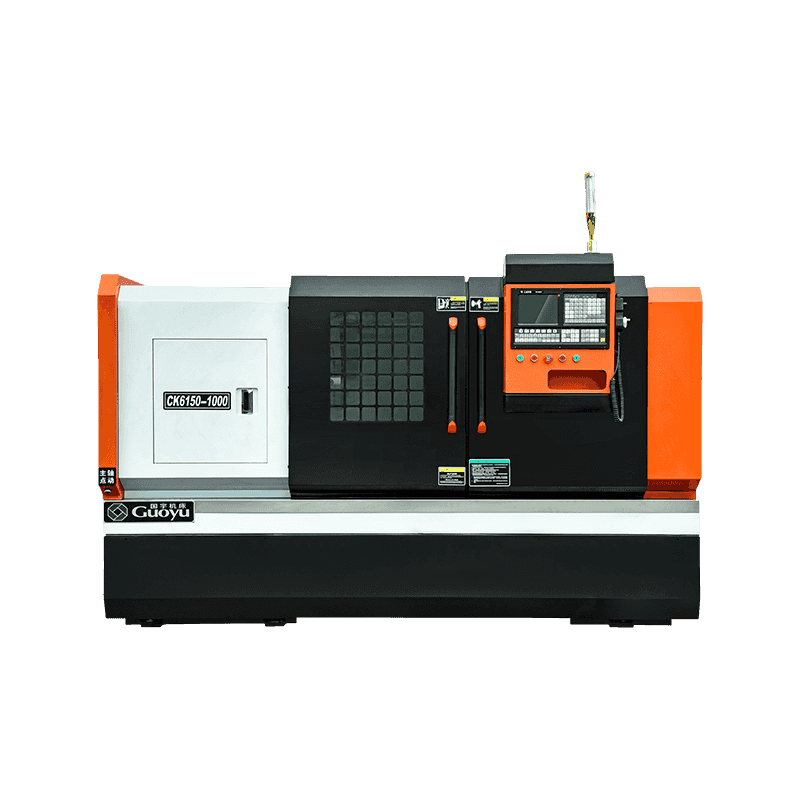
The Heavy Cutting Hard Guideway CNC Lathe For Metal Cutting is a really tough, heavy-duty machining ...
See Details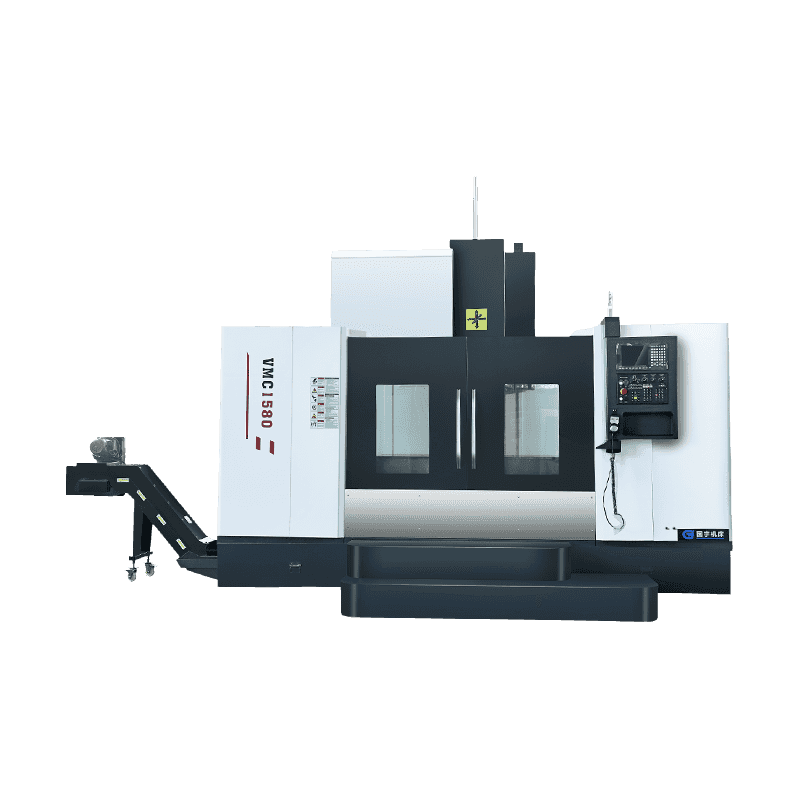
We are pleased to present the VMC1580 High-Speed Vertical Machining Center, a reliable and efficient...
See Details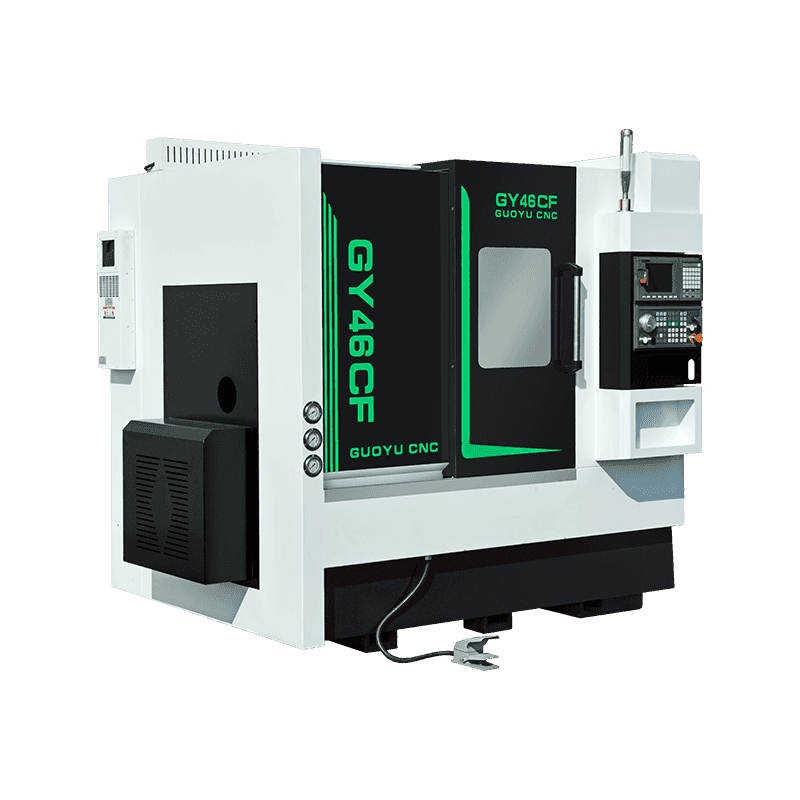
The 4+4 Type Precision CNC Lathe With Conjoined Oblique Rail Cutter Tower is a really practical, mul...
See Details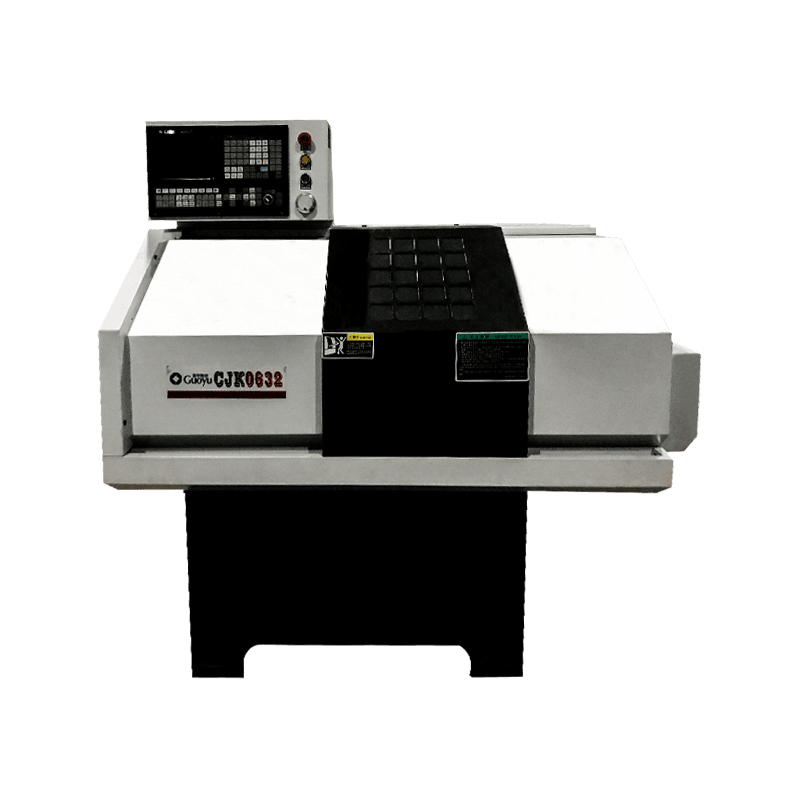
The Precision Line Rail Precision CNC Lathe is a completely practical machining choice if you want t...
See Details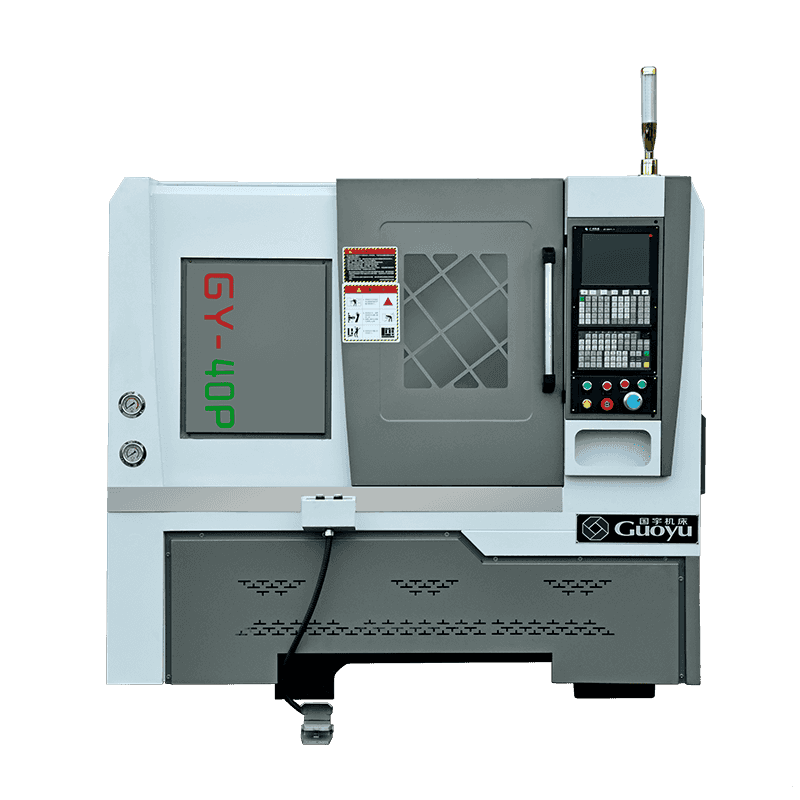
Technical Characteristics: 40P is a kind of small precision machine tool, that is suitable for the e...
See Details
After-sales service commitment: 1. From the date of acceptance, the machine tool host is under warra...
See DetailsOur team of digital and business experts will guide you to the right direction.
Let's Talk
Zhejiang Guoyu CNC Machine Tool Co., Ltd. relies on rich experience, professional technology and advanced methods to ensure the quality of its products, so that customers can enjoy more professional and thoughtful service.
 [email protected]
 +86-15356565970
 Xialiang Industrial Area, Luqiao District, Taizhou City, Zhejiang Province, China
Copyright © Zhejiang Guoyu CNC Machine Tool Co., Ltd. All Rights Reserved.