English
 中文简体
中文简体 русский
 Español

Technical Characteristics: It can cut all kinds of turning surfaces by bicycle, such as conical surf...
See DetailsA part that fits perfectly on paper but refuses to seat correctly on the assembly line. A batch of components that pass inspection one week and get rejected the next, even though nothing on the drawing changed. A supplier who promises consistency but delivers something slightly different every time an order comes in. Anyone sourcing machined parts for a living has run into this kind of frustration, and it usually traces back to inconsistent machining. Precision CNC Lathes exist to solve that problem, turning raw material into finished parts with a level of repeatability that manual machining or older equipment struggles to match.
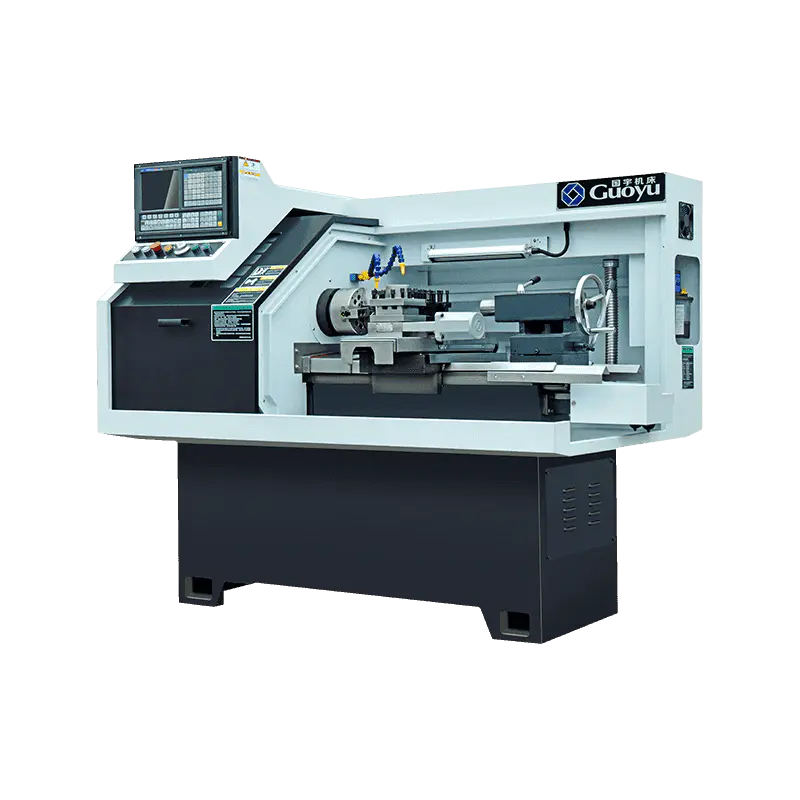
Manufacturing runs on consistency. A part that measures correctly once but drifts slightly on the next run creates problems that ripple through an entire production line, sometimes without anyone noticing until assembly fails or a customer complains. This kind of machining controls every cut through programmed instructions rather than manual adjustment, so the tenth part off the machine looks essentially the same as the thousandth.
A single component rarely exists in isolation. It fits into a larger assembly, mates with other parts, and needs to perform a specific function alongside everything else built around it. When a machined part comes out slightly off, that inconsistency doesn't stay contained. It shows up later as a squeak, a leak, a part that wears out faster than expected, or an assembly that simply won't go together correctly.
This matters wherever machined parts play a functional role rather than a purely decorative one. A part that needs to rotate smoothly, seal tightly, or bear repeated load depends on dimensions staying within a tight, consistent range across every single unit produced.
A few situations show how quickly inconsistency becomes a real problem:
These problems rarely announce themselves right away. They build up quietly and tend to surface downstream, often far from where the actual machining happened, which makes tracing the real cause frustrating and expensive.
This kind of machining shows up across a genuinely wide range of industries, and the common thread connecting all of them is a need for round or cylindrical parts machined to a consistent, repeatable standard. Any industry building products with rotating shafts, precise bores, or fitted cylindrical components tends to lean on precision turning somewhere in its production process.
Automotive manufacturing relies heavily on this approach for components that need to rotate smoothly and hold tight tolerances under constant mechanical stress. Aerospace work depends on it too, often even more strictly, since components in that field frequently need to perform reliably under demanding conditions where any inconsistency carries real consequences. Medical device production leans on precision turning for components that need to fit correctly into the human body or into equipment used during procedures, where even a small deviation can matter a great deal.
Precision turning supports a broader range of production needs beyond these obvious examples. Here's a quick look at where it tends to show up in everyday manufacturing:
| Industry Area | Typical Reason for Relying on Precision Turning |
|---|---|
| Automotive | Rotating shafts and components needing consistent tolerances |
| Aerospace | Parts operating under demanding conditions requiring reliable dimensions |
| Medical devices | Small, precise components where fit and consistency matter significantly |
| Industrial equipment | Cylindrical parts subject to repeated mechanical stress |
| Electronics manufacturing | Small precision components fitting into compact assemblies |
Each of these industries has its own specific demands, but the underlying need stays the same: parts that come out the same way every single time, regardless of how many units get produced.
The basic idea behind a CNC lathe isn't complicated. A piece of material spins on a spindle while a cutting tool removes material from it, gradually shaping it into the finished part. What makes Precision CNC Lathes different from more basic machining setups is how tightly they control every part of that process through programmed instructions rather than manual adjustment.
A machinist manually adjusting cutting depth and feed rate by hand introduces small variations from part to part, even when the same person runs the machine every time. This kind of equipment follows a stored program that dictates exactly how the tool moves relative to the spinning material. Programmed control removes a lot of that variability, the kind that comes from fatigue, small human error, or slight differences in technique.
A few specific factors contribute to this consistency:
Skilled people still matter a great deal here. Setting up a job correctly, choosing the right tooling, and catching problems early still depends heavily on experienced operators. Once a job is set up correctly, though, the machine itself carries a lot of the consistency burden that used to rest entirely on manual skill.
Not every machined part actually needs the tight consistency that this kind of turning provides. A part with generous tolerances, used in a low-stakes application where slight variation doesn't matter much, might do just fine with more basic machining methods. Precision turning tends to matter when the part in question plays a functional role where variation directly affects performance, safety, or fit.
A shaft that needs to spin smoothly inside a bearing depends on a very consistent diameter. A component that seals against another part depends on both pieces holding tight, matching tolerances. A part destined for an assembly where many identical units need to interchange freely depends on every single unit falling within the same narrow range, since one outlier can cause problems downstream.
A few practical questions help clarify whether a part actually needs this level of precision:
When the answer to several of these questions is yes, this kind of turning tends to make a real difference. When the part in question tolerates more variation without any real consequence, simpler machining approaches might do the job just as well, without the added cost that tighter precision sometimes carries.
Material plays a real role in how precision turning gets used across different industries. Metals behave differently under a cutting tool depending on their hardness, how they respond to heat generated during cutting, and how they hold their shape once material gets removed. A material that machines predictably tends to hold tighter tolerances more easily than one that reacts unpredictably to cutting forces or heat buildup.
This becomes especially relevant in industries working with a wide range of materials for different applications. Aerospace and medical work often involve materials chosen specifically for their performance characteristics, which sometimes makes them harder to machine consistently. Automotive and general industrial work might use more common materials that machine somewhat more predictably, though even these still require careful control to maintain consistency across a full production run.
A few material-related factors that influence turning outcomes:
Matching machining parameters to the specific material being used matters just as much as the equipment itself. Even a well-programmed setup can't fully compensate for a material that behaves inconsistently under the cutting tool.
Plenty of companies that need precision-turned components don't actually own or operate the equipment themselves. Instead, they work with outside shops that specialize in this kind of machining, sending over drawings and specifications rather than running the equipment internally. This decision usually comes down to a mix of production volume, capital investment, and how central precision machining is to the core business.
A company producing high volumes of a specific part, where precision turning represents a core part of daily production, often finds it worthwhile to invest in equipment and staff internally. This gives tighter control over scheduling, quality oversight, and the ability to make quick adjustments without waiting on an outside vendor's timeline.
A company that only occasionally needs precision-turned parts, or one producing a wide variety of low-volume components, often finds outsourcing more practical. This avoids the capital cost of equipment that would sit idle much of the time, while still accessing the consistency that this kind of turning provides, just through a specialized outside partner instead.
A few factors that typically influence this decision:
Each company's specific volume, budget, and operational priorities tend to point toward one option or the other fairly clearly once those factors get laid out honestly.
Whether a company runs its own equipment or works with an outside shop, evaluating a turning partner involves looking beyond just a quoted price. Consistency throughout a production run matters more than the appearance of an individual sample part, because a process that performs well on early pieces but loses stability over extended runs can create the same issues this machining approach is intended to prevent.
Asking about quality control practices during a production run, rather than just at final inspection, reveals a lot about how seriously a shop treats consistency. A shop that checks parts only at the very end of a run risks catching problems too late, after a whole batch of inconsistent parts has already been produced. One that checks periodically throughout a run catches drift early, before it turns into a bigger, more expensive problem.
A few practical points worth checking before committing to a turning partner:
Paying attention to these details tends to matter more over time than focusing purely on upfront cost. A cheaper option that produces inconsistent parts often ends up costing far more once rework, delays, and downstream failures get factored into the real total.
Precision CNC Lathes have become a genuinely foundational part of how a wide range of industries produce reliable, functional components, addressing the consistency problem that manual and older machining methods struggle with. Whether the application involves a shaft spinning smoothly inside a bearing, a sealing component that needs to hold tight tolerances, or a small part destined for a compact electronic assembly, the underlying need stays the same: parts that come out the same way, run after run, without the kind of drift that causes problems downstream. Understanding why certain parts need this level of precision, how material choice affects the outcome, and how to evaluate a machining partner properly gives buyers a much clearer picture of what actually matters when sourcing these components, rather than getting caught up in surface-level factors that don't actually predict long-term consistency.
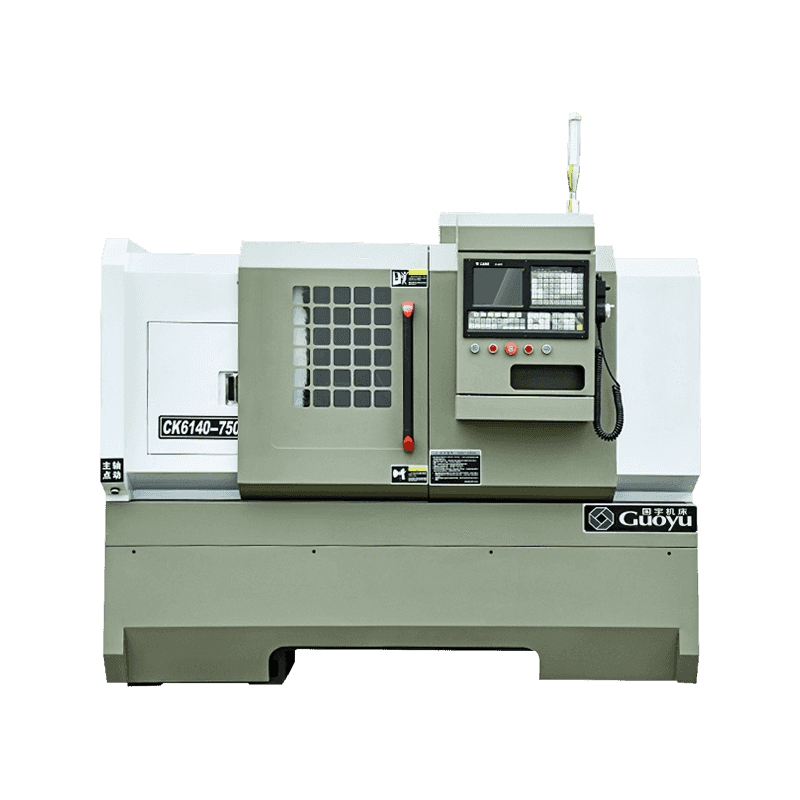
Technical Characteristics: It can cut all kinds of turning surfaces by bicycle, such as conical surf...
See Details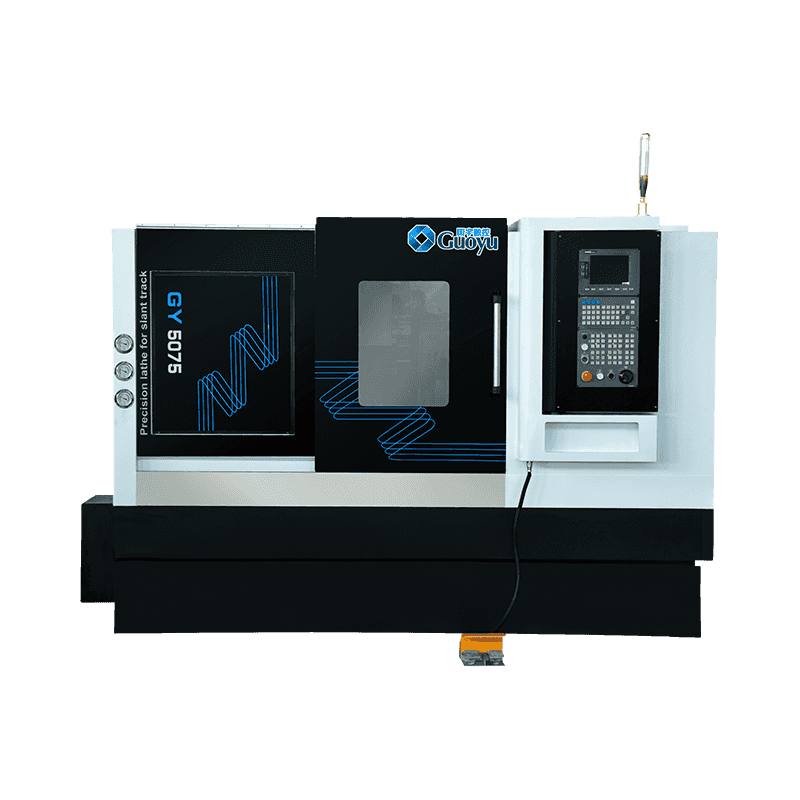
Technical Characteristics: The CNC machine tool for inclined beds adopts the domestic or imported hi...
See Details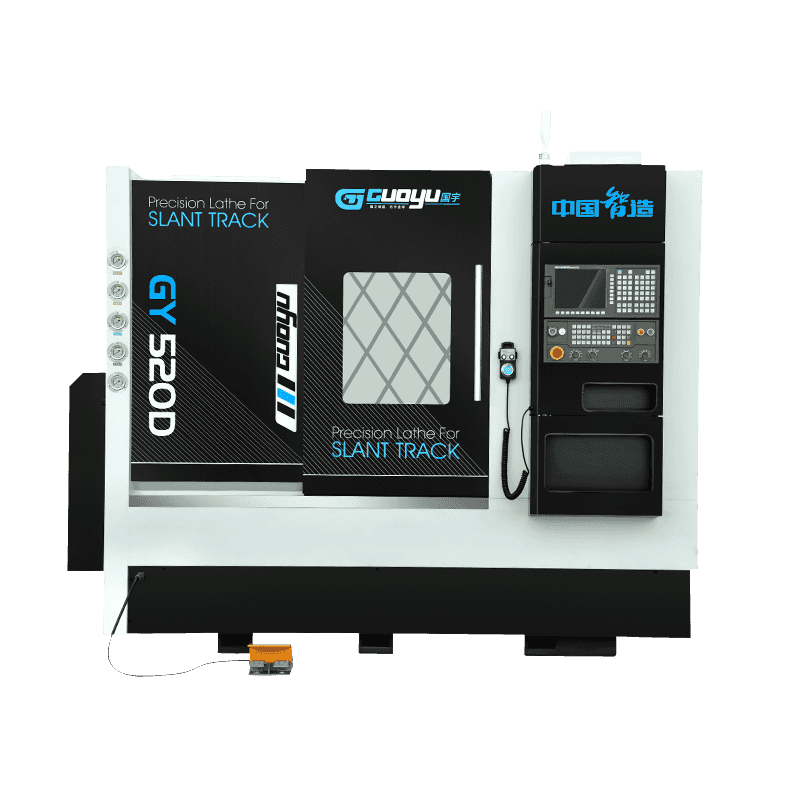
Technical Characteristics: The CNC machine tool for inclined beds adopts the domestic or imported hi...
See Details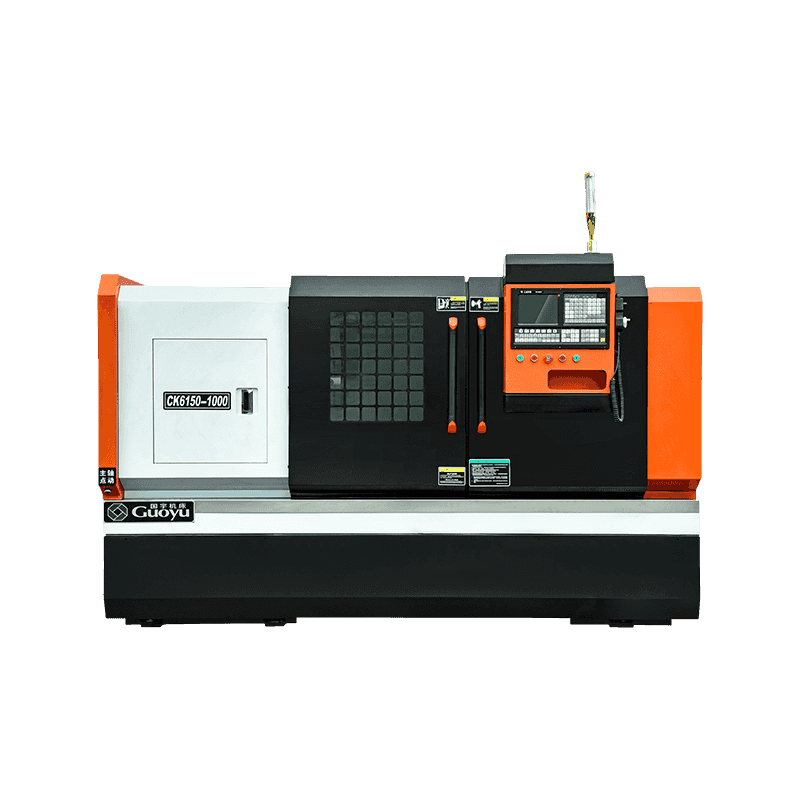
The Heavy Cutting Hard Guideway CNC Lathe For Metal Cutting is a really tough, heavy-duty machining ...
See Details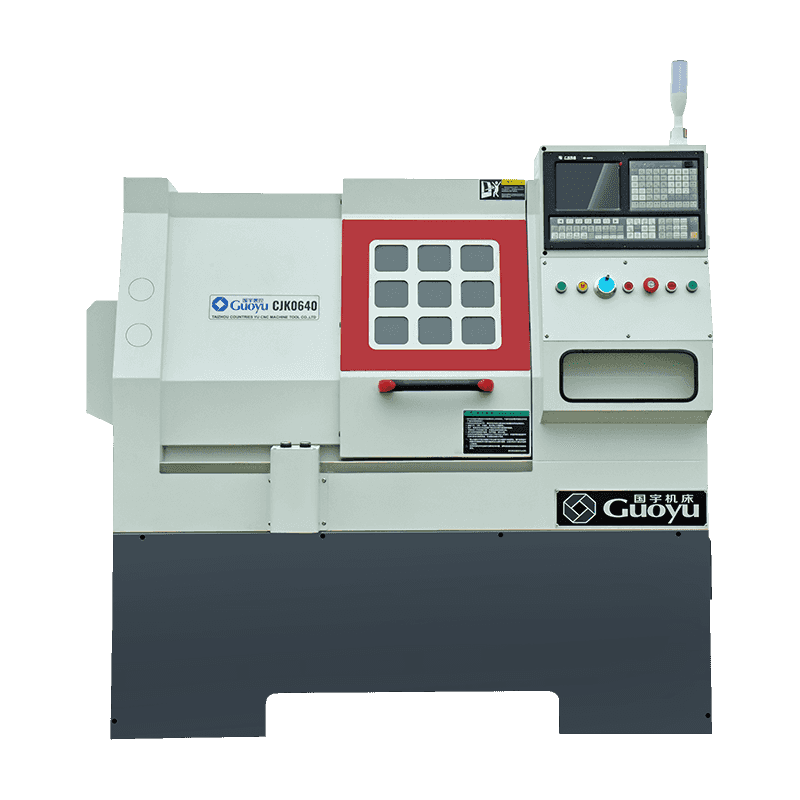
Technical Characteristics: The machine tool is equipped with a quantitative automatic lubrication sy...
See Details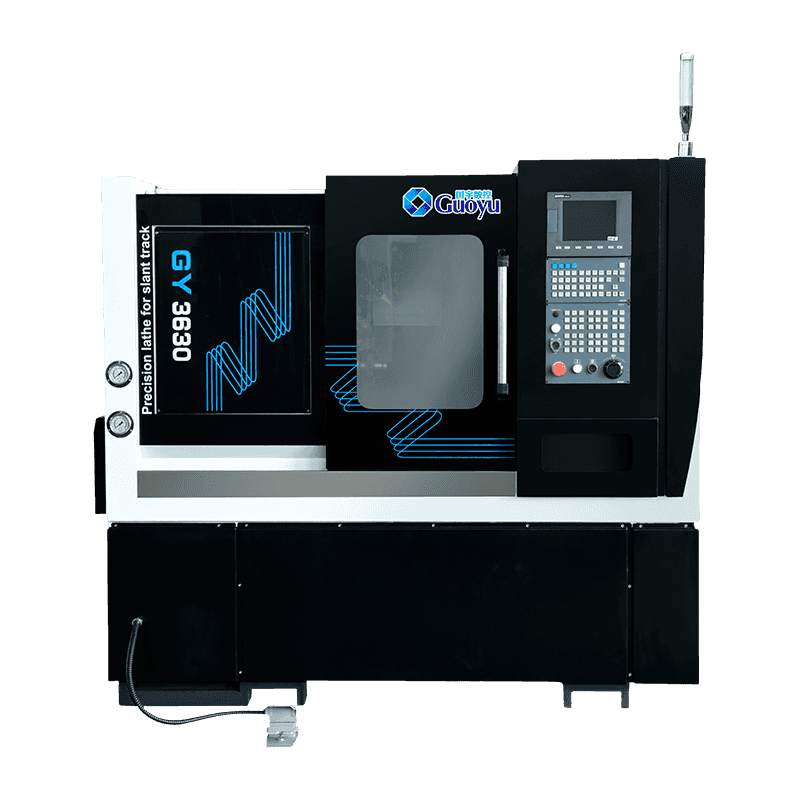
The Conjoined 45° Oblique Gauge Cutter Precision CNC Lathe is a really practical machining solution ...
See Details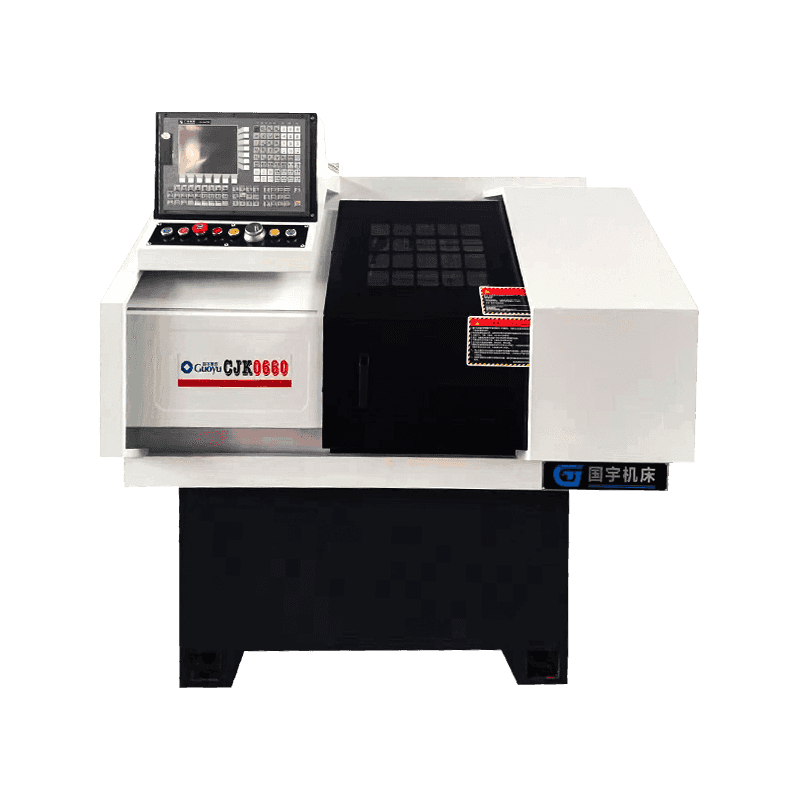
The Custom Precision Line Rail Precision CNC Lathe is just a really practical, compact machining sol...
See Details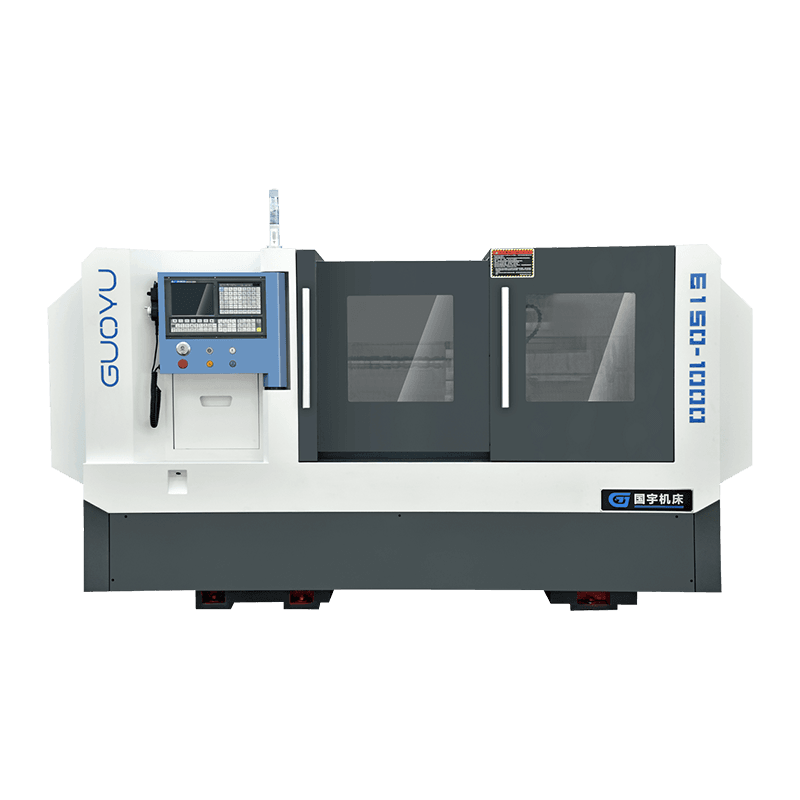
Technical Characteristics: It can cut all kinds of turning surfaces by bicycle, such as conical surf...
See DetailsOur team of digital and business experts will guide you to the right direction.
Let's Talk
Zhejiang Guoyu CNC Machine Tool Co., Ltd. relies on rich experience, professional technology and advanced methods to ensure the quality of its products, so that customers can enjoy more professional and thoughtful service.
 [email protected]
 +86-15356565970
 Xialiang Industrial Area, Luqiao District, Taizhou City, Zhejiang Province, China
Copyright © Zhejiang Guoyu CNC Machine Tool Co., Ltd. All Rights Reserved.