English
 中文简体
中文简体 русский
 Español

Technical Characteristics: It can cut all kinds of turning surfaces by bicycle, such as conical surf...
See DetailsManufacturing rarely stands still. Schedules get tighter, customers ask for more variety, and the same workshop that used to run three or four part types now has to handle a dozen. In that kind of environment, buying a machine isn't just a purchasing decision anymore — it's tangled up with how you plan workflow, manage resources, hold quality steady, and grow without painting yourself into a corner. The Twin Turret CNC Lathe keeps coming up in these conversations because it lets a shop run multiple operations inside one process instead of shuffling parts between machines. For some manufacturers that's about tightening up workflow. For others, it's a way to take on more complicated jobs without eating up more floor space. Either way, it's worth understanding what you're actually solving for before you start comparing spec sheets.
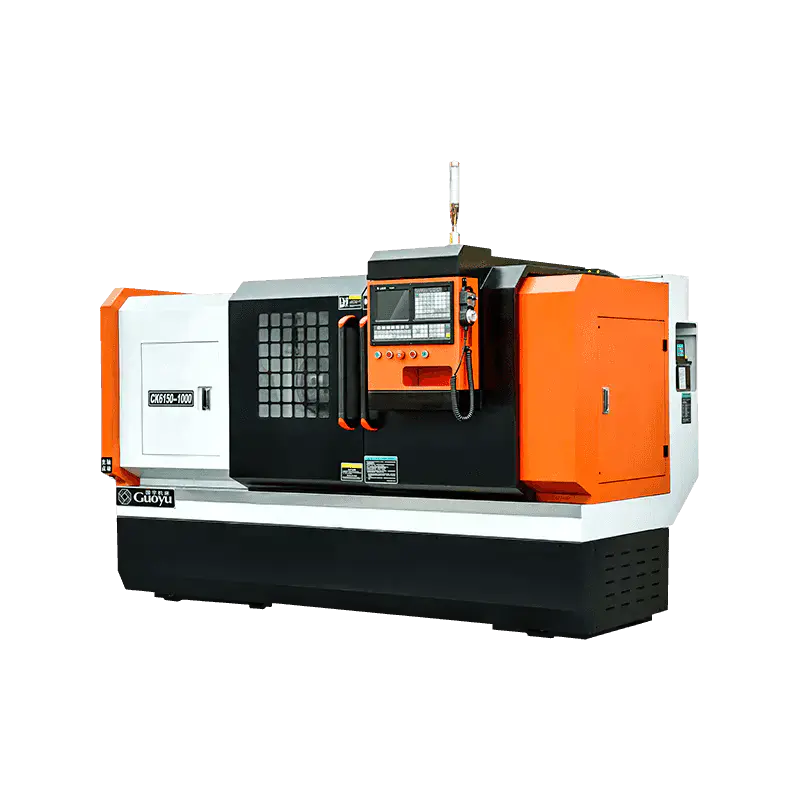
Production needs change over time, sometimes more quickly than the equipment on the shop floor. A lathe that suited production several years ago may no longer align with current manufacturing requirements.
A few things tend to push manufacturers toward reconsidering their setup:
The old way — moving a part through several separate stations before it's done — gets harder to manage as complexity climbs. A Twin Turret CNC Lathe pulls more of that work into one integrated process, which can cut down on unnecessary handling and simplify how production actually flows. This isn't limited to one niche, either — automotive parts, industrial equipment, fluid control components, consumer goods — a lot of sectors end up looking at this kind of machine when they're rethinking their production strategy.
A lot of buying decisions start backwards — someone falls in love with a machine's spec sheet before anyone's clearly defined what's actually broken in the current process. That's how you end up comparing five machines with five different "advantages" and no clear way to judge which one solves your problem.
It's worth pausing and asking what you're really trying to fix:
Once you've actually named the problem, picking a machine gets a lot less confusing.
Two shops running the same monthly output can have completely different equipment needs, depending on what they're actually machining.
| Type of Production | What Tends to Matter More |
|---|---|
| Simple, repetitive parts | Stable, efficient workflow |
| Mixed product lineup | Flexibility across different jobs |
| Frequent design changes | Adaptability |
| Multiple operations per part | How well the process integrates end-to-end |
| Custom or one-off production | Versatility to handle varying requirements |
A shop cranking out the same bracket day after day genuinely needs different things from a shop juggling five customers with five different part designs. Knowing which camp you're in keeps you from paying for capability you'll never actually use.
It's tempting to judge a machine purely on its own specs, but in practice it's one link in a longer chain: raw material comes in, moves between operations, gets inspected, and eventually ships out the door. A machine that looks great in isolation can still create friction if it doesn't fit cleanly into everything around it.
Before committing, it's worth working through a few practical questions:
Thinking past the machine itself, to the whole system around it, tends to pay off more than focusing on the spec sheet alone.
Equipment keeps getting smarter, but people are still the ones running it, programming it, and keeping it maintained. That makes usability a real factor, not an afterthought.
Shop floors have a mix of skill levels — some operators have been running lathes for twenty years, others are a year or two in. A machine that's genuinely usable across that range tends to get adopted faster and cause fewer headaches than one that assumes everyone's already an expert.
Worth checking before you buy:
A machine your team can pick up quickly starts paying for itself faster than one that needs months of adjustment.
It's natural to focus on today's workload when you're evaluating a purchase, but manufacturing conditions rarely stay put for long. Customer needs shift, product designs get revised, new markets open up, and volumes swing up or down.
That doesn't mean you should buy capacity you don't need "just in case." It means asking honestly whether the machine can flex if things change:
None of these need a definitive answer right now — but thinking them through avoids a lot of regret two or three years down the road.
Every machine needs care over its working life, and that care ripples into scheduling, costs, and how smoothly production actually runs. A machine that's a pain to service can cause real downtime even if it machines beautifully on paper.
| What to Look at | Why It Actually Matters |
|---|---|
| How accessible are the service areas | Makes routine checks less of a hassle |
| Availability of replacement parts | Keeps downtime from dragging on |
| How involved is routine maintenance | Affects daily operating burden |
| Technical support quality | Speeds up problem-solving when things break |
| What operators need to handle themselves | Shapes day-to-day upkeep |
Shops that build maintenance into their planning from day one tend to deal with far fewer surprise interruptions later.
Two machines can look nearly identical on paper and still feel completely different once they're actually running your parts. A few areas worth comparing beyond the raw numbers:
These broader questions usually shape long-term satisfaction more than any single feature on the brochure.
A machine doesn't operate in a vacuum — floor layout affects efficiency, safety, and how smoothly material actually moves through your shop.
Before buying, walk through the physical realities: how materials will flow in and out, how much room operators and maintenance techs actually need, where inspection happens, and whether there's room to grow later. A machine that appears suitable on paper but is difficult to integrate into the existing layout can create unnoticed inefficiencies. In some cases, a small layout adjustment after installation can have a greater impact than adding another feature.
Buying equipment like this usually isn't a one-person call — production managers, operators, engineers, maintenance staff, and leadership all tend to have a stake in it. Getting input from more than one seat at the table catches things a single perspective would miss.
| Question | Why It's Worth Asking |
|---|---|
| Does it fit what we're actually producing right now? | Keeps the purchase grounded in real needs |
| Can it flex if things change? | Protects against outgrowing it too fast |
| Will it fit our current workflow? | Smoother rollout, fewer surprises |
| Will our team actually be comfortable using it? | Faster adoption, less resistance |
| Is upkeep something we can realistically manage? | Keeps operations running steadily |
| Does it fit our physical layout? | Avoids avoidable workflow friction |
| Does this match where the business is going? | Ties the purchase to the bigger picture |
There's no single "correct" Twin Turret CNC Lathe for every shop — the right one is whichever machine lines up with your actual parts, your team, your workflow, and where you're trying to take the business next. Skip the marketing pitch and focus on the operational reality, and the decision tends to get a lot clearer on its own.
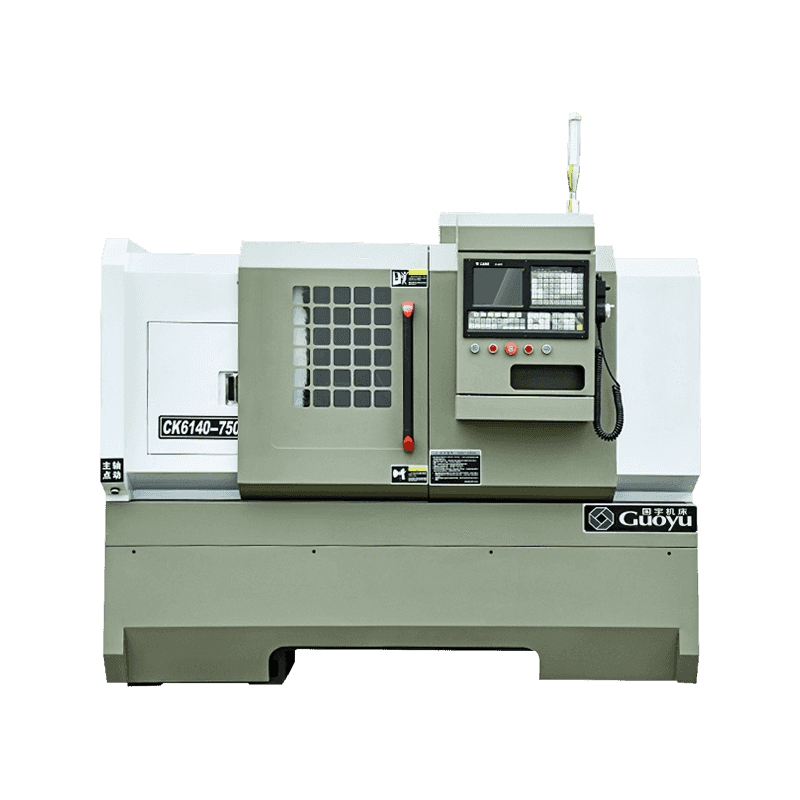
Technical Characteristics: It can cut all kinds of turning surfaces by bicycle, such as conical surf...
See Details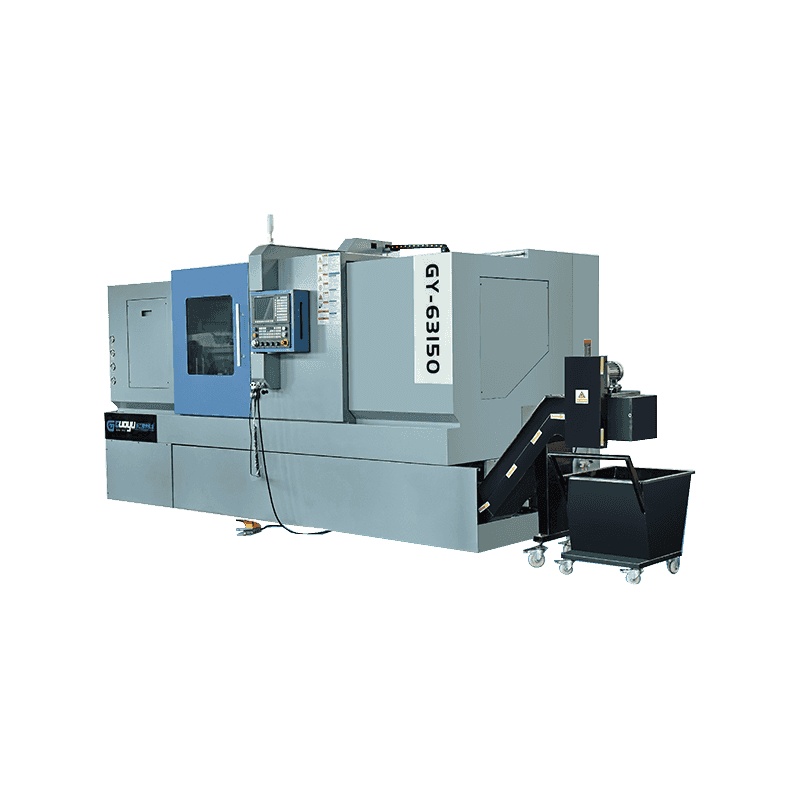
The Precision CNC Lathe With Programmable Tailstock For Connected Inclined Rail Tool Tower is just a...
See Details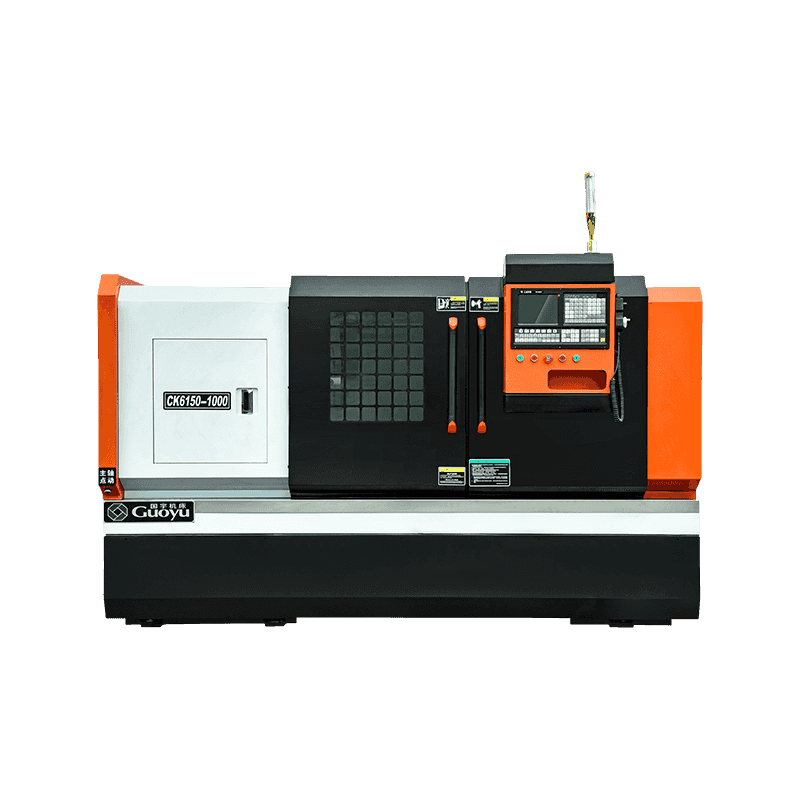
The Heavy Cutting Hard Guideway CNC Lathe For Metal Cutting is a really tough, heavy-duty machining ...
See Details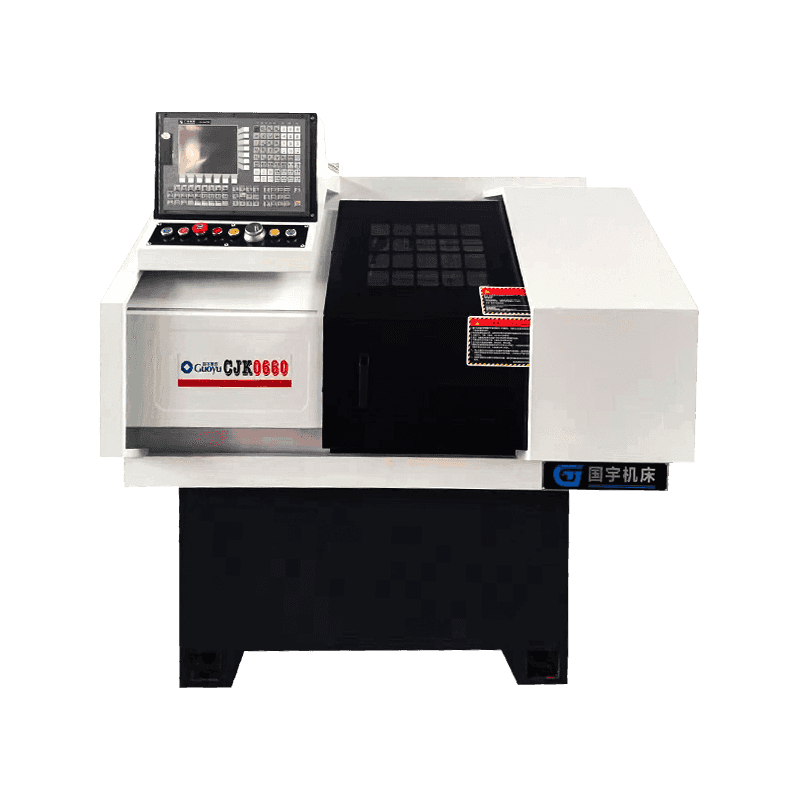
The Custom Precision Line Rail Precision CNC Lathe is just a really practical, compact machining sol...
See Details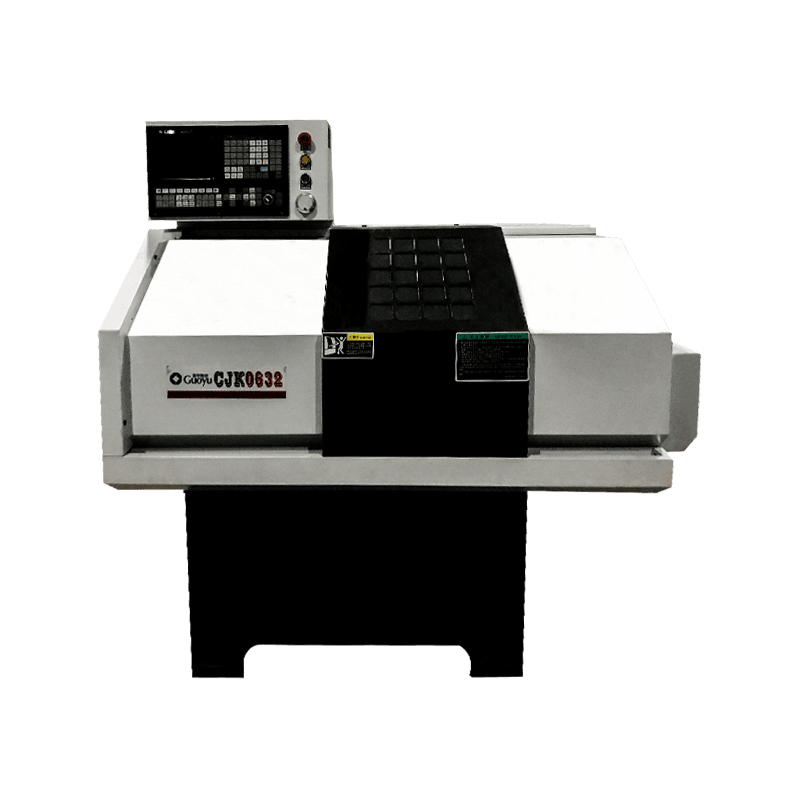
The Precision Line Rail Precision CNC Lathe is a completely practical machining choice if you want t...
See Details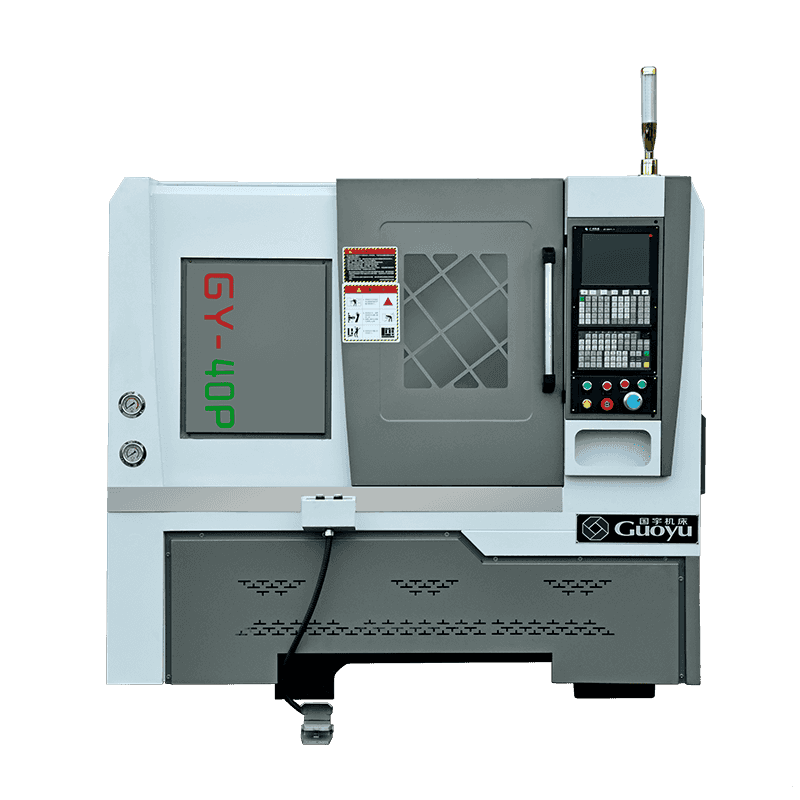
Technical Characteristics: 40P is a kind of small precision machine tool, that is suitable for the e...
See Details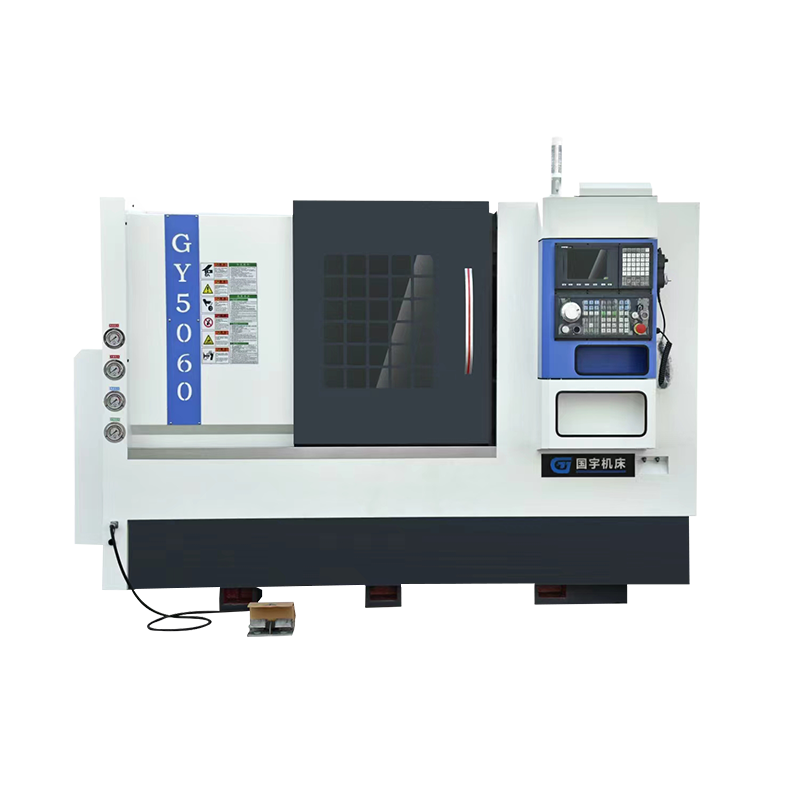
Technical Characteristics: All lathes are integrally cast with 250 materials to ensure processing ri...
See Details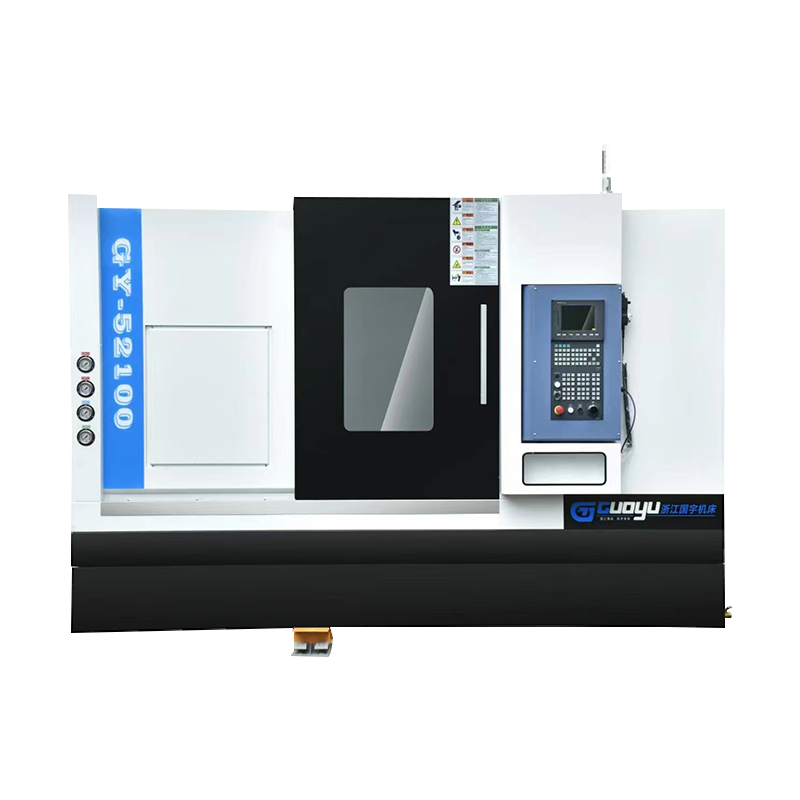
Technical Characteristics:Line Rail CNC lathes are integrally cast with 250 materials to ensure proc...
See DetailsOur team of digital and business experts will guide you to the right direction.
Let's Talk
Zhejiang Guoyu CNC Machine Tool Co., Ltd. relies on rich experience, professional technology and advanced methods to ensure the quality of its products, so that customers can enjoy more professional and thoughtful service.
 [email protected]
 +86-15356565970
 Xialiang Industrial Area, Luqiao District, Taizhou City, Zhejiang Province, China
Copyright © Zhejiang Guoyu CNC Machine Tool Co., Ltd. All Rights Reserved.