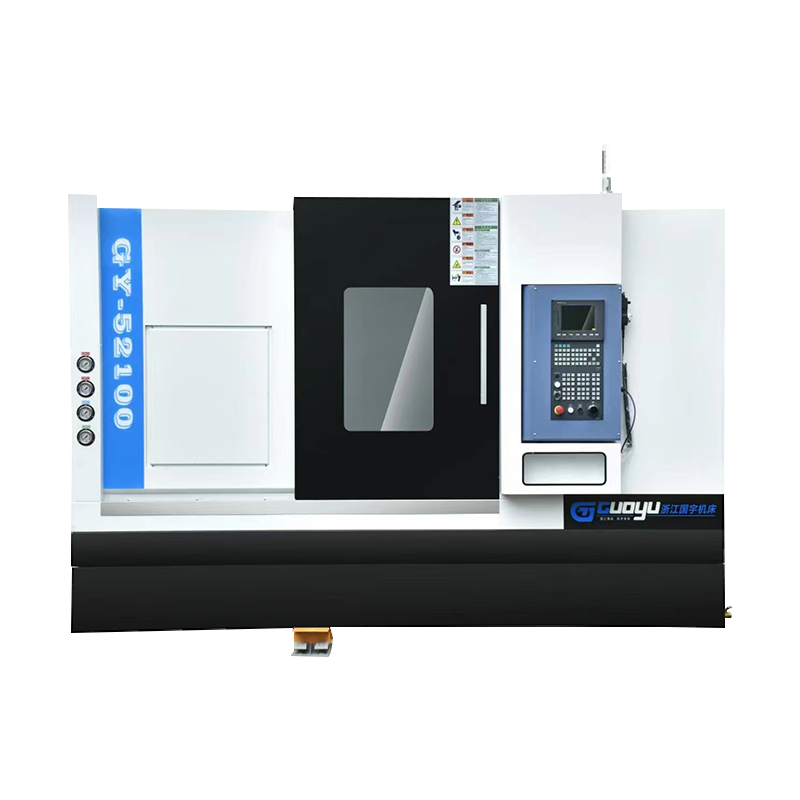
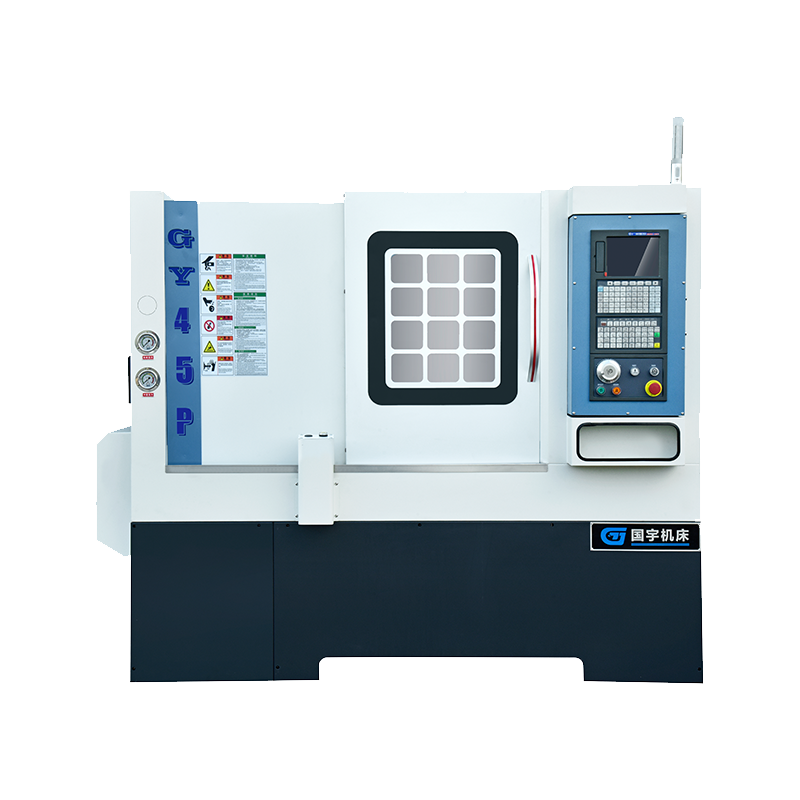
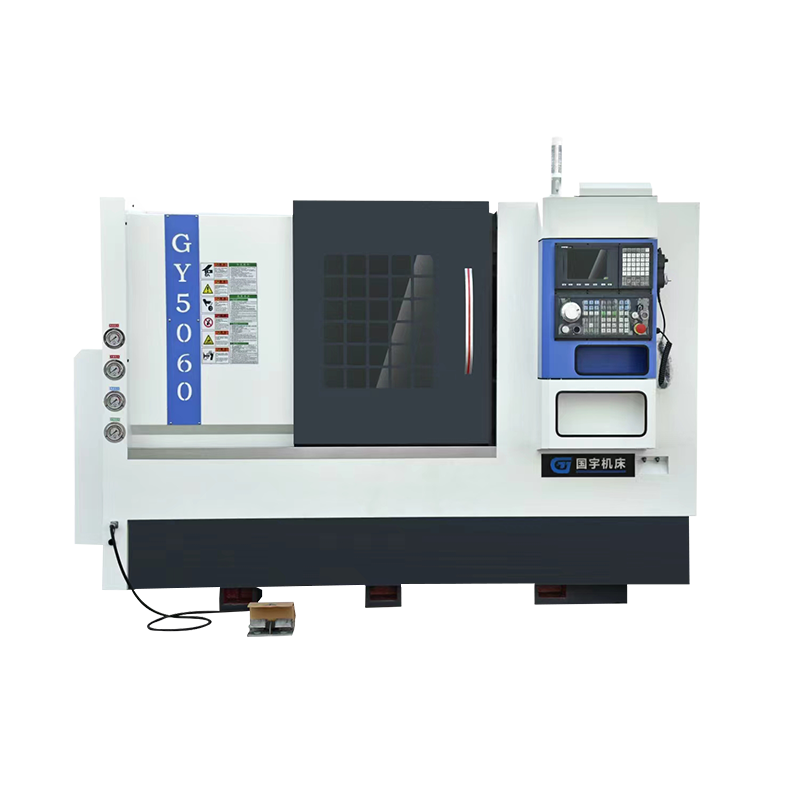
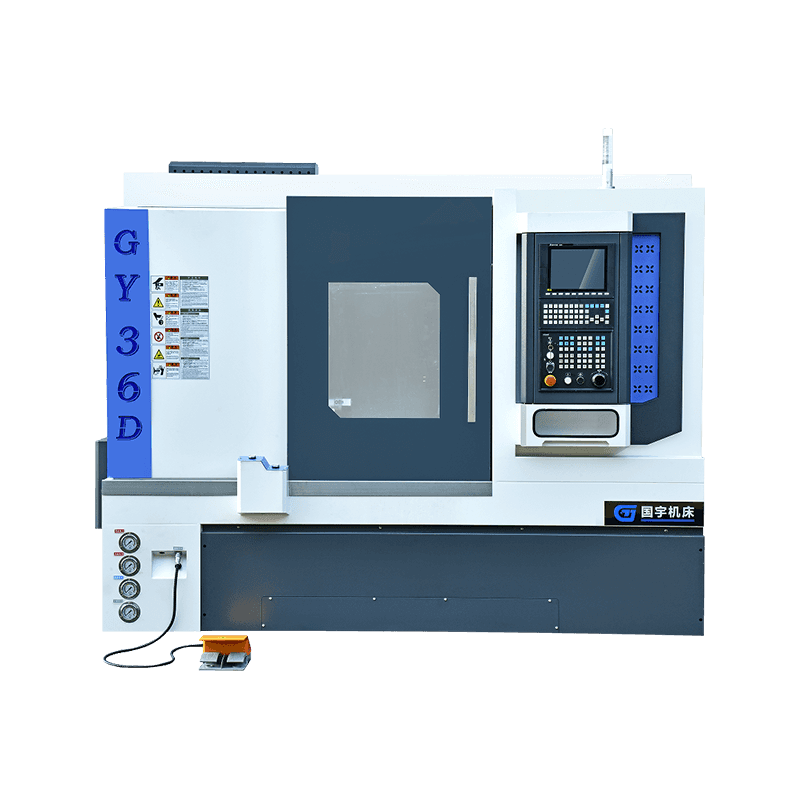
How CNC Slant Bed Lathes Improve Precision and Production Efficiency
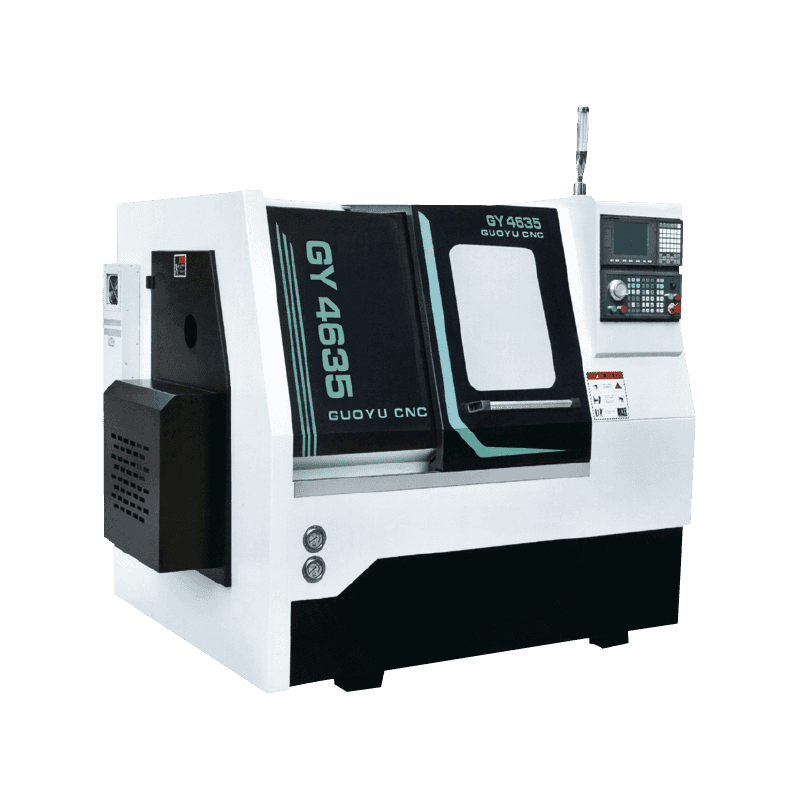
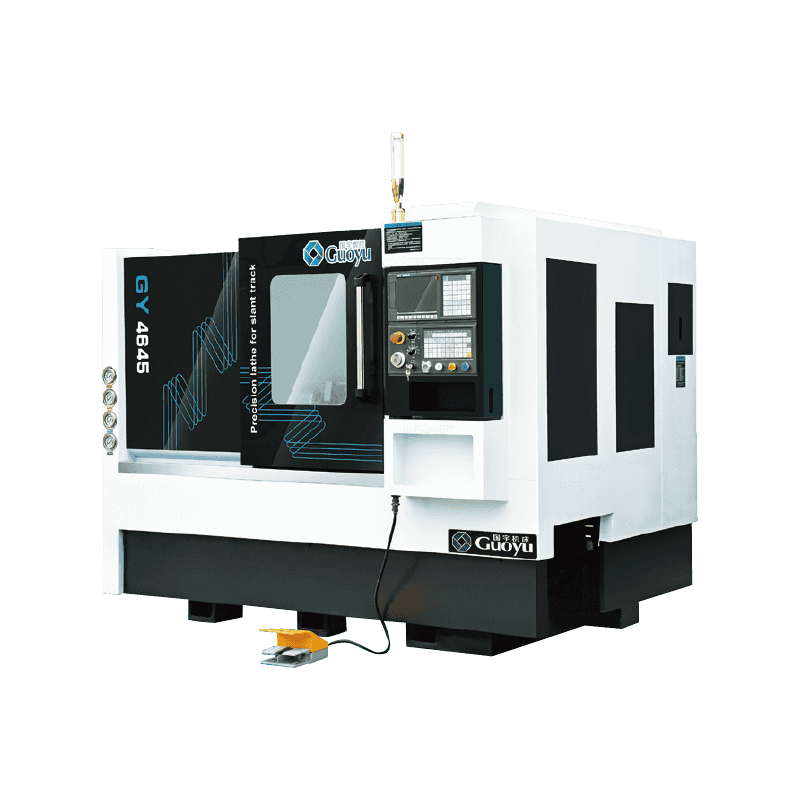
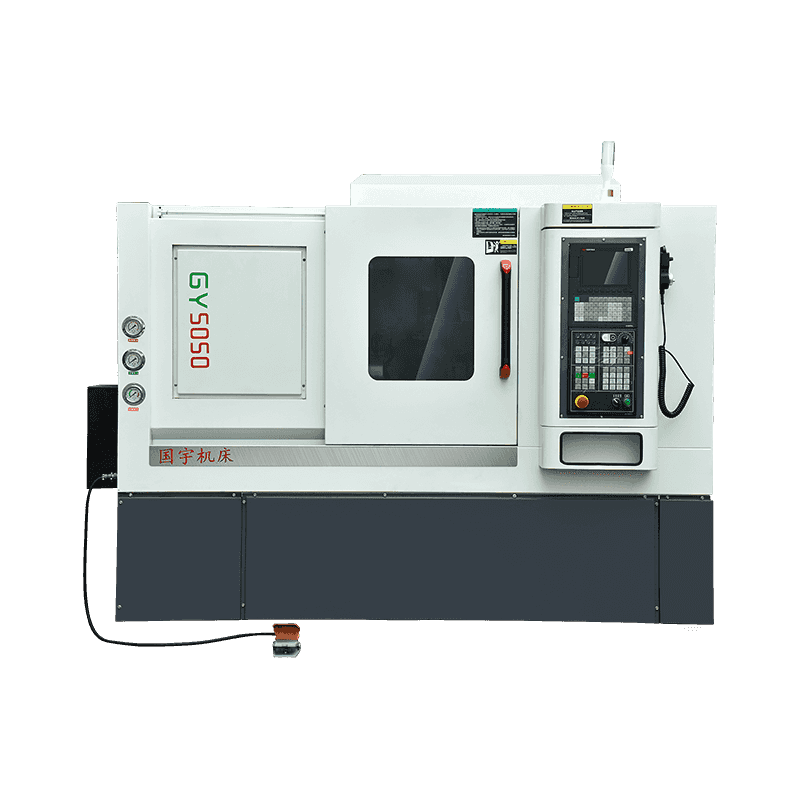
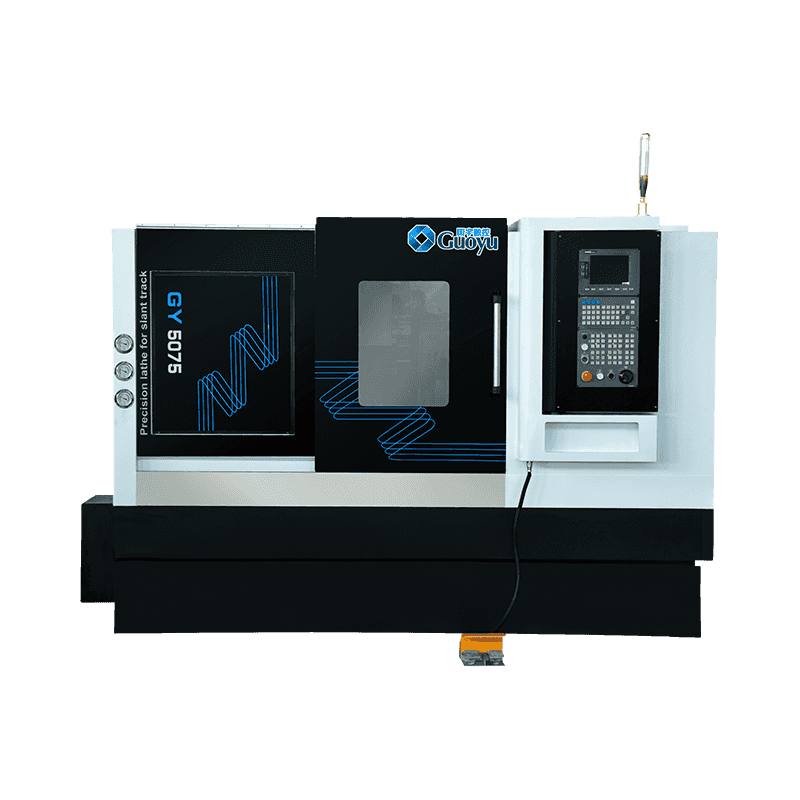
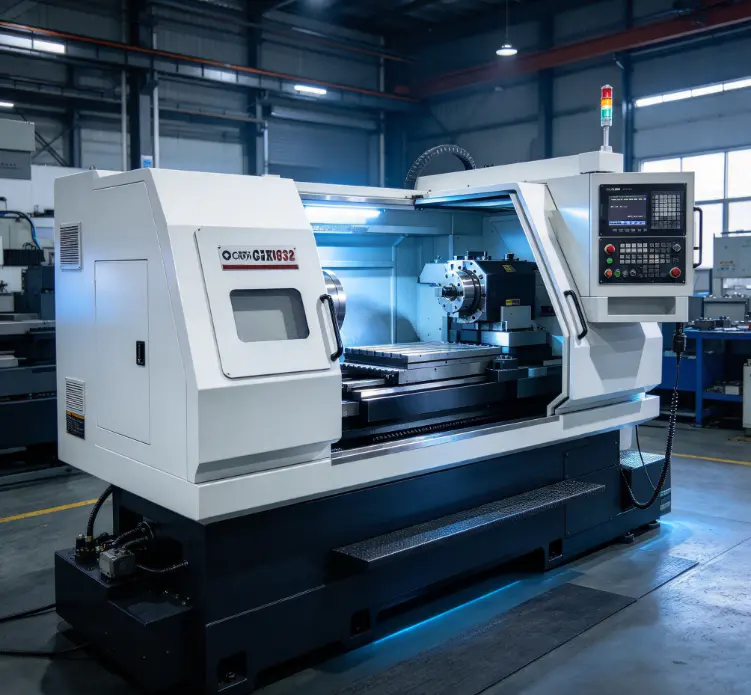
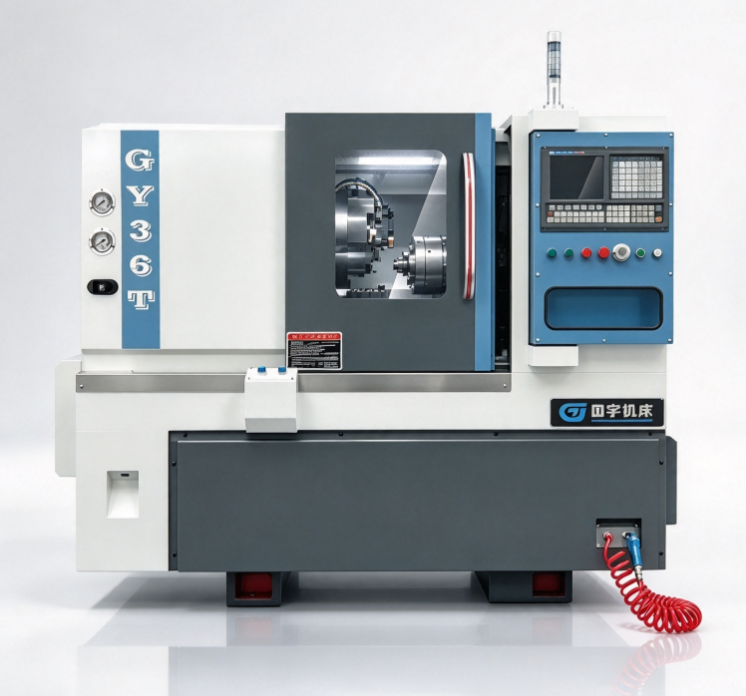
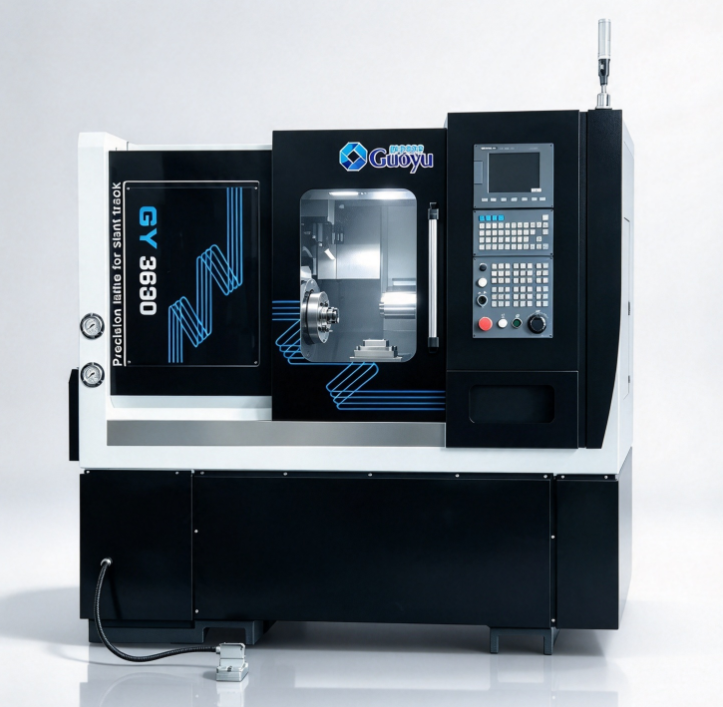
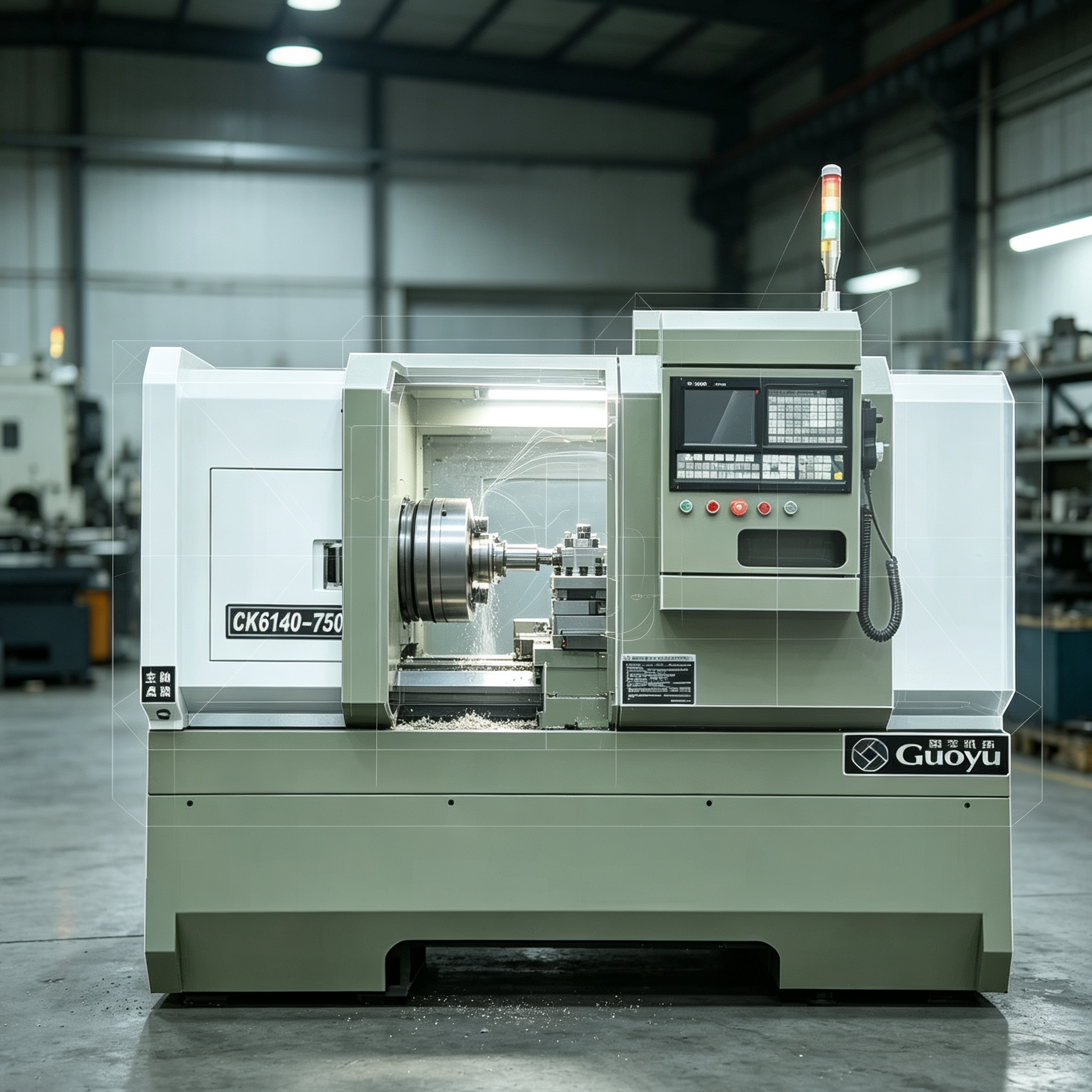
In many machining environments, basic turning capacity is no longer enough for current production demands. As part tolerances become tighter, machining speeds increase, and component shapes grow more complicated, the machine's structural design starts to matter much more. For this reason, CNC Slant Bed Lathes are widely adopted in metalworking, automotive parts manufacturing, hardware processing, and custom component production. The slant bed layout is more than a visual difference, as it contributes directly to cutting rigidity, smoother chip removal, more stable machining performance, and better day-to-day operating efficiency.
Why the Slant Bed Design Matters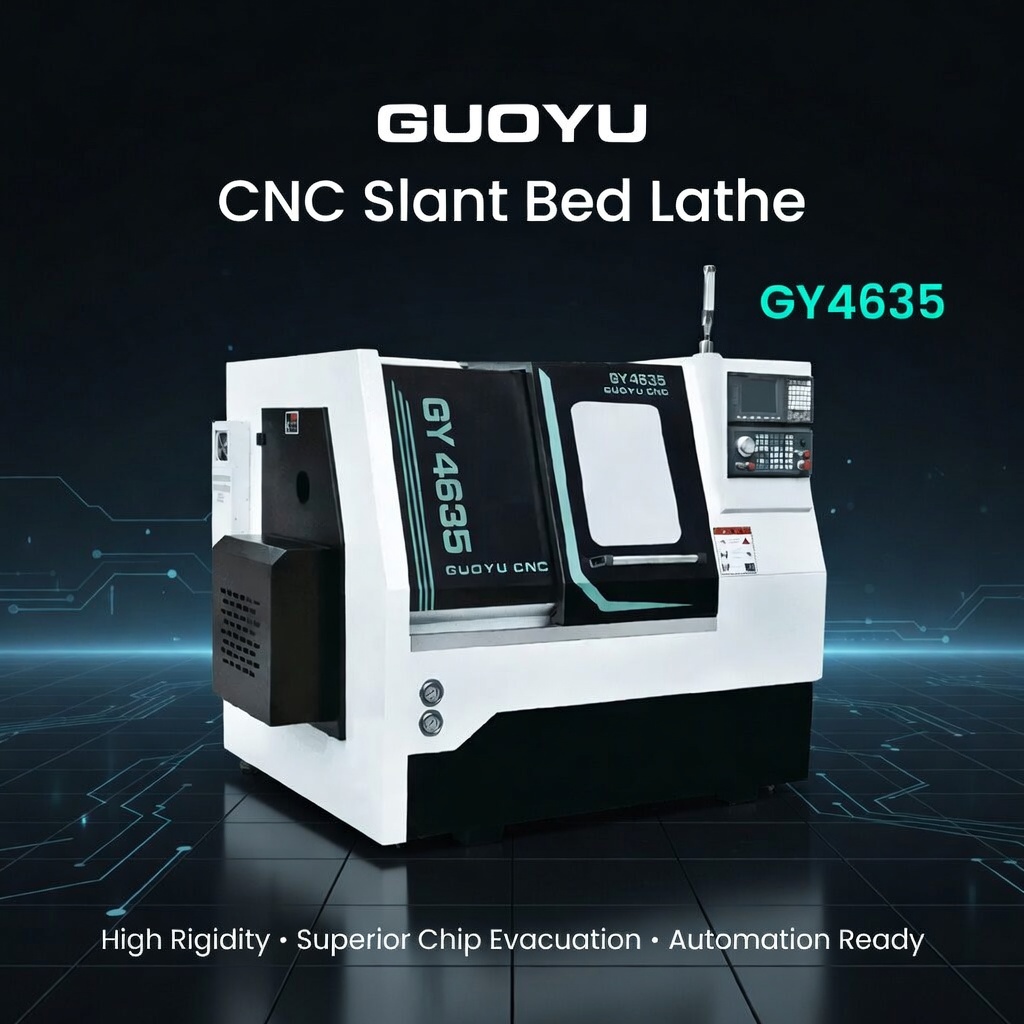
A slant bed machine uses an angled bed layout instead of the traditional flat horizontal structure. In machining applications, this design is valued not only for its layout but also for the practical performance benefits it can bring to daily production.
- Better rigidity during cutting
- With the machine body arranged to handle cutting loads more efficiently, a slant bed lathe can provide strong support during continuous turning, interrupted cuts, and heavier-duty machining work. This added stability helps improve dimensional control, particularly when processing steel, alloy materials, or parts that require steady performance over longer production runs.
- Improved chip removal
- In turning operations, chip flow plays an important role in both surface quality and machine stability. With a slant bed structure, chips are able to move away from the cutting area more efficiently under gravity, which helps keep the tool zone cleaner during machining. This reduces the chance of chip buildup around the workpiece, minimizes repeated chip interference, and can help maintain smoother production in high-use workshop environments.
- Smoother automation compatibility
- Many of today's CNC Slant Bed Lathes are designed to support turret tooling, hydraulic clamping systems, tailstock functions, and different forms of automated material handling. This makes them a practical fit for production settings that rely on consistent repeatability, shorter machining cycles, and reliable output across batch runs.
Key Features Buyers Usually Compare
When comparing machine options, buyers in North America and Europe usually care less about polished product claims and more about whether the machine will perform well in everyday production. The real concern is how it handles the parts, the workload, and the output requirements. In that context, several machine details usually become the main focus.
Spindle stability and speed range
Spindle performance is not simply about the maximum speed shown in the specification sheet. What matters in daily machining is whether the spindle runs smoothly, maintains usable torque, and stays reliable across different materials and part dimensions. For workshops producing both fine-detail components and medium-duty parts, this can influence machining stability, finished surface quality, and overall tool consumption.
Guideway configuration
The guideway arrangement plays a key role in how the machine travels and how it reacts during cutting. Linear rail systems are often used where quicker axis movement and precise positioning are important, especially for precision parts and general-purpose machining. In applications involving greater cutting force, hardened guideway designs are still a common choice for some users. Selection usually depends on the part style, cutting demands, and how the production schedule is set up.
Turret and tooling setup
On the shop floor, efficiency often depends on how smoothly the tooling system works. Fast indexing, repeatable positioning, and solid toolholding all help keep cycle times under control. When the turret is matched properly to the job, the machine can move through multi-step operations with less delay and more consistent results.
Bed angle and machine footprint
The bed angle is not only a design preference. It can influence loading access, chip flow, machine reach, and how comfortably the equipment fits into the available floor space. Options such as 35° or 45° are often chosen based on the part type and the working layout of the shop. For some users, these differences also affect routine service access and day-to-day usability.
Typical Applications of CNC Slant Bed Lathes
In real production environments, these machines are often used for:
- precision shaft machining
- threaded parts and connectors
- flanges and sleeves
- automotive components
- hydraulic fittings
- general industrial metal parts
- repeat production of complex turned components
This broad application range is one reason CNC Slant Bed Lathes remain popular with contract manufacturers and parts suppliers that need both flexibility and repeatable output.
Why Factory-Direct Sourcing Gets Attention
For many buyers, machine selection is not only about technical specifications. It is also about communication, lead time, after-sales support, and configuration flexibility. That is why Slant Bed CNC Lathe Factory Direct purchasing has become more attractive in recent years.
Buying factory direct can offer several practical advantages:
- clearer communication on machine configuration
- more flexible options for spindle, turret, chuck, and control system
- better control over project budget
- shorter feedback loops during technical discussions
- easier matching of the machine to specific part requirements
Of course, the value of factory-direct purchasing depends on whether the supplier understands actual machining applications rather than simply listing standard models.
What to Look for in a Supplier
A reliable supplier should be able to explain more than catalog features. In many cases, the better question is not "Which machine is newest?" but "Which machine fits the parts, tolerance range, and production volume?"
A good supplier of Slant Bed CNC Lathe Factory Direct solutions should be prepared to discuss:
- material type and cutting conditions
- maximum part diameter and length
- spindle bore requirements
- turret style and tooling quantity
- automation or loading needs
- target accuracy and finish expectations
- long-term maintenance and service support
When these points are discussed early, buyers usually make better decisions and avoid overbuying or underconfiguring the machine.
For workshops that need a balance of precision, rigidity, and production efficiency, CNC Slant Bed Lathes remain a strong option. They are widely used because they support stable machining, cleaner chip flow, and better suitability for repeat production. For companies evaluating Slant Bed CNC Lathe Factory Direct purchasing, the real advantage often comes from getting a machine that matches the workpiece, process, and output target instead of choosing by price alone.
A well-matched slant bed CNC lathe is not simply a machine purchase. It is part of a longer-term production decision that affects efficiency, consistency, and operating cost across the shop floor.


 English
 中文简体
中文简体 русский
 Español