English
 中文简体
中文简体 русский
 Español

Technical Characteristics: It can cut all kinds of turning surfaces by bicycle, such as conical surf...
See Details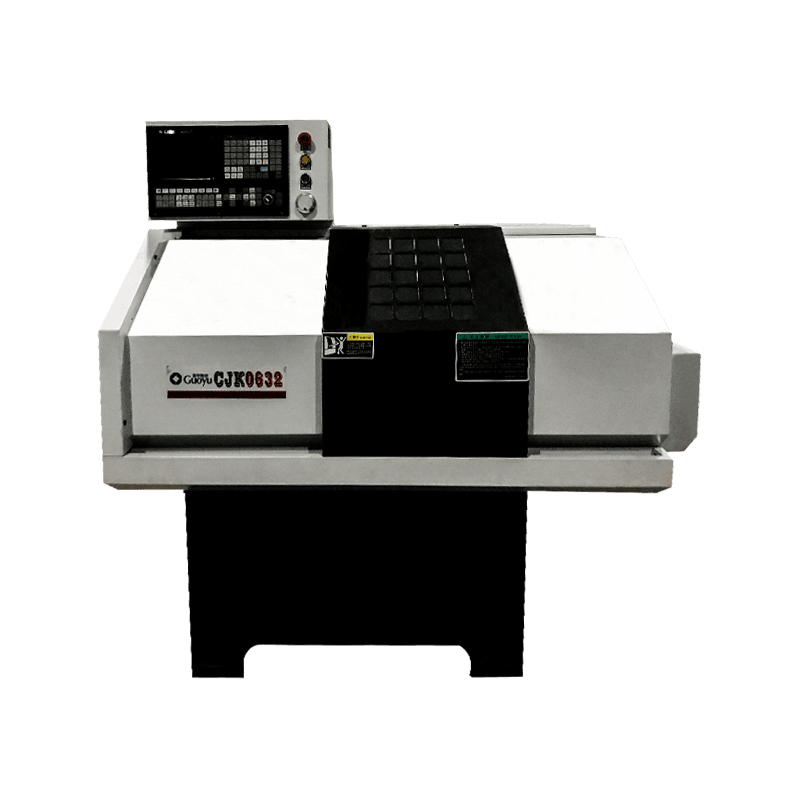
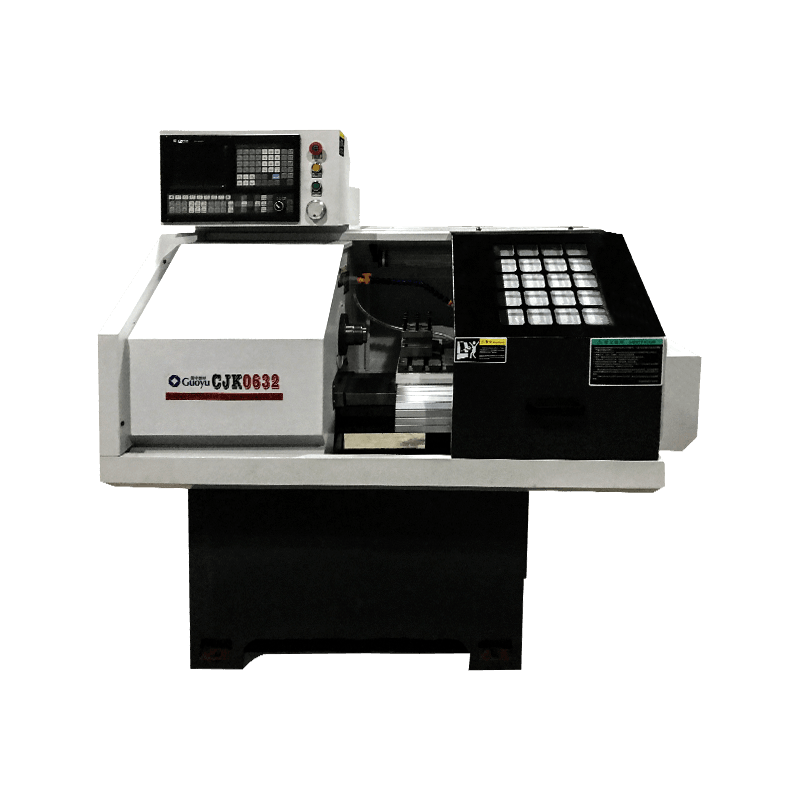
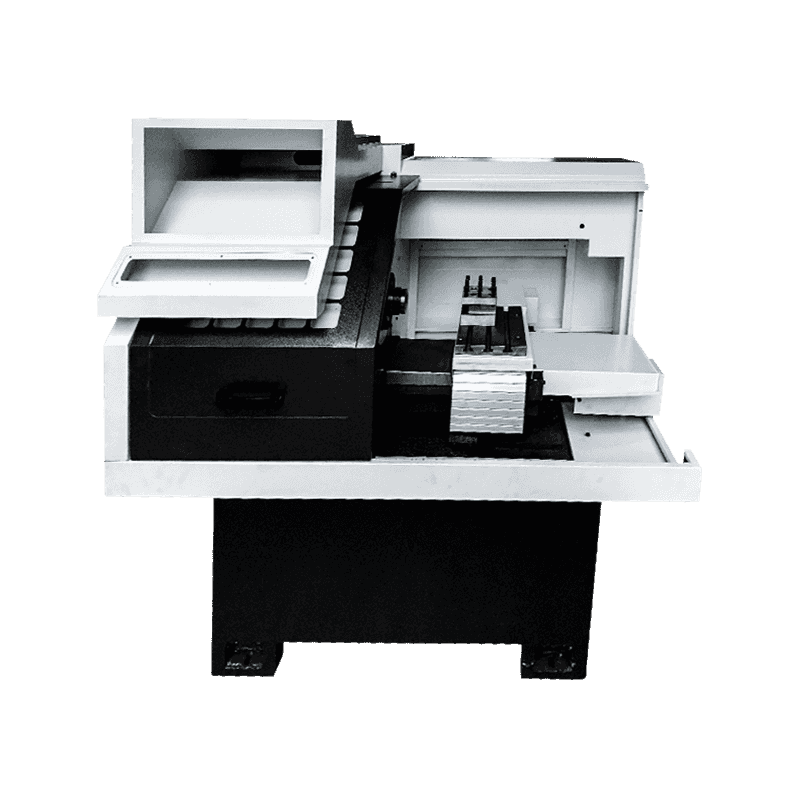
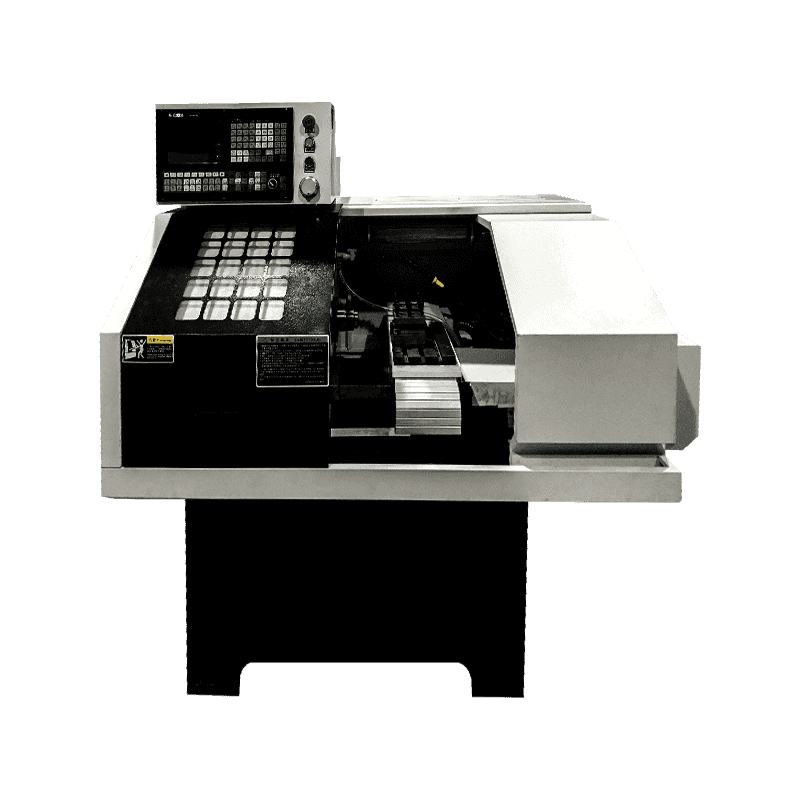
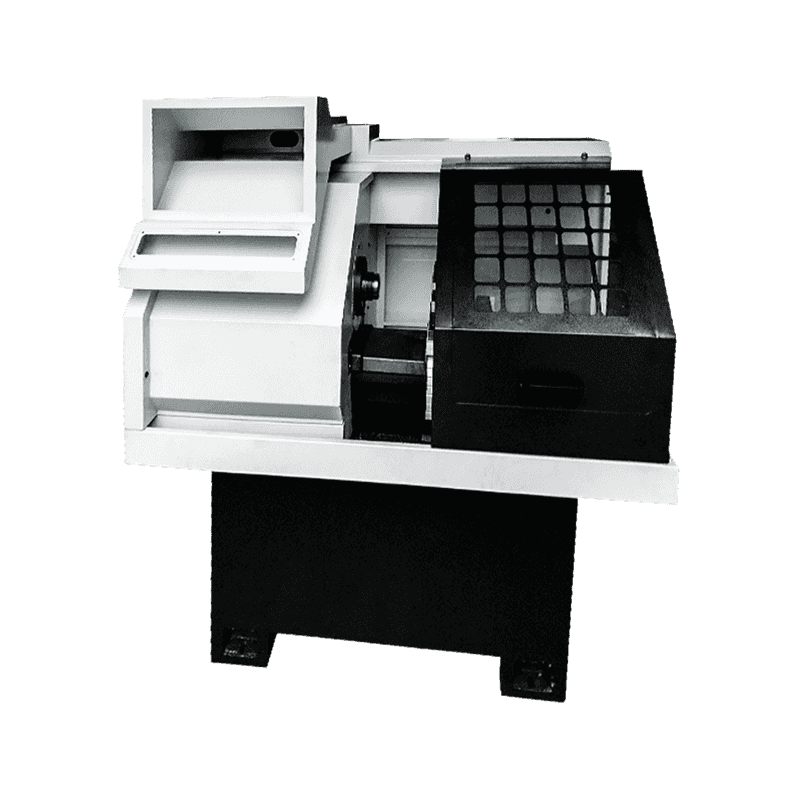
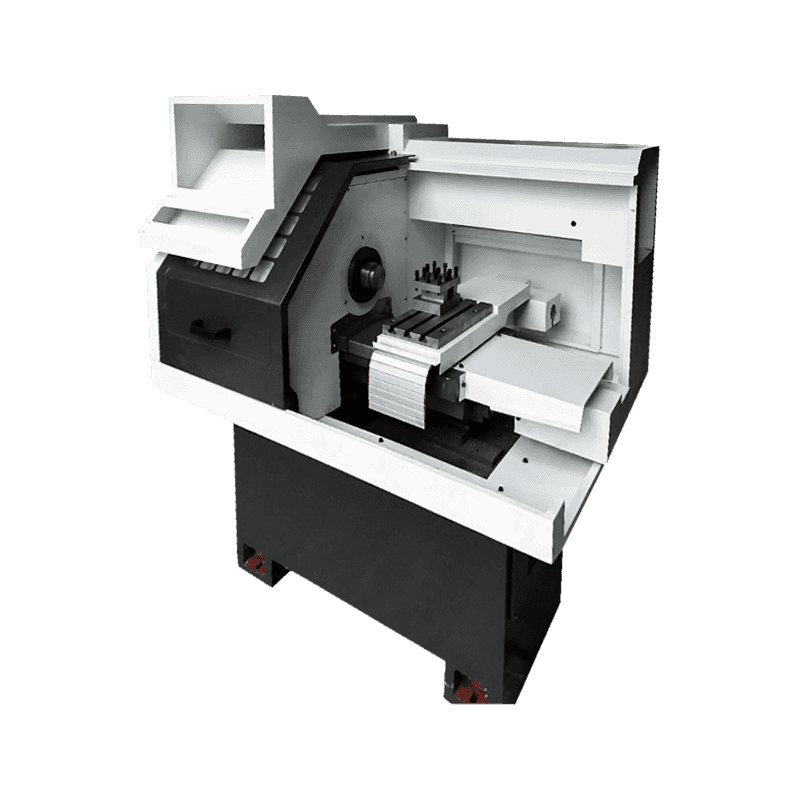
The Precision Line Rail Precision CNC Lathe is a completely practical machining choice if you want to turn out accurate parts without any annoying fuss. Its linear guide rail setup makes a huge difference since it gives your operator plenty of snappy axis travel and smooth tool indexing, which keeps the cutting performance steady during long repeat production shifts. We gave it a heavy, rigid frame structure and a dependable drive assembly so it handles daily workshop knocks just fine across all sorts of different workpieces. It plays nice with small-part turning, bar-fed jobs, hydraulic fittings, electronic bits, and general subcontract shop work, providing flexible tooling configurations and a highly production-minded layout. It is just a solid choice for manufacturers who need consistent turning results out of a compact, efficient machine platform that gets the job done.
Small precision turned parts
The CJK-0632 is a really good fit for shops churning out smaller turned parts on a regular basis. You can throw items like pins, bushings, sleeves, stub shafts, and threaded pieces at it when you just need to keep your repeatability and size consistency under control from batch to batch.
If you are making small metal parts for electronics, this machine gives you a pretty practical setup for day-to-day work. It plays nice with connector parts, sensor housings, communication fittings, and similar components that call for accurate turning in a compact shop layout.
The machine handles a variety of everyday turning tasks for automotive and motorcycle applications just fine, including spacers, small sleeves, fastener-related parts, valve fittings, and other custom-machined metal pieces used in supporting assemblies.
This machine works great for turning smaller parts used in hydraulic and pneumatic lines, such as threaded connectors, sleeves, joint pieces, and common metal fittings. It’s a solid choice for jobs where keeping your sizing dependable and your results steady actually matters over long production runs.
The CJK-0632 drops right into general machining work and subcontract manufacturing where you need to produce a wide mix of routine turned parts without breaking a sweat. It cuts through standard materials like steel, brass, and aluminum just fine, making it highly practical for regular shop orders and ongoing batch jobs.
Compact machine design for efficient floor use
The CJK-0632 is built with a pretty small footprint, making it a highly practical choice for workshops where floor space is tight. Its layout handles small parts machining just fine while still giving you the raw rigidity you need for stable, un-fussy cutting performance.
Packed with a linear guide rail setup, the machine gives your operator smooth axis travel and snappy positioning. This design does a great job of turning out consistent repeatability, supports clean surface finishes, and makes the lathe a solid fit for precision turning work.
The gang tool setup lets you arrange multiple tools directly on the slide, cutting out annoying tool change lag and boosting your overall machining efficiency. This comes in extra handy for short-cycle production, basic turning sequences, and repeat part runs.
Cranking out a spindle speed range of 0–3000 rpm and featuring a 39 mm spindle bore, this machine is a fine match for feeding small-diameter bar stock and precision pieces. It offers the speed and control your crew needs for common turning, facing, boring, and light threading shifts.
The machine body is put together to provide dependable backbone support while the spindle is cutting. Paired up with a 3 kW spindle motor, it delivers a steady balance of power and control to handle continuous day-to-day production in small and medium batch work.
Its enclosed guarding does a decent job of containing flying metal chips and coolant spray during machining, keeping the workspace way cleaner and making things easier for the operator. This setup also keeps your production conditions looking a lot safer and more organized on the shop floor.
| Project | Unit | Specification | |
| Operation ability | Maximum rotation diameter of the bed | mm | 260 |
| Maximum rotation diameter on the skateboard | 80 | ||
| Maximum turning length | 130 | ||
| Maximum travel distance | X | 320 | |
| Z | 150 | ||
| Spindle box | Spindle speed range | r/min | 0-3000 |
| Spindle basic speed | 1000 | ||
| Main motor power | KW | 3 | |
| Spindle head model | mm | ||
| Spindle through hole diameter | 39 | ||
| Passable bar diameter | 30 | ||
| Spindle front shaft diameter size | |||
| Height from spindle center to bed surface | |||
| Height from spindle center to ground | |||
| Tailstock | Maximum stroke of tailstock sleeve | ||
| Tailstock sleeve diameter | |||
| Tailstock sleeve taper hole taper | Mohs | ||
| Fast forward speed | X | m/min | 8000mm/min |
| Z | 8000mm/min | ||
| Dota | Drive mode | Row of knives | |
| Number of swords | Bit | 2 | |
| Single station indexing time | s | ||
| Dimensions of outer circle knife | mm | ||
| Number of boring tool holders | individual | ||
| Number of end tool holders | |||
| Boring bar diameter | mm | ||
| Chuck/Chuck | Zhongshi | inches | Pneumatic chuck |
| Machine tool dimensions (length × width × height) | mm | 1550*900*1400 | |
| Machine weight | Net weight | kg | 750KG |
| Gross weight | |||
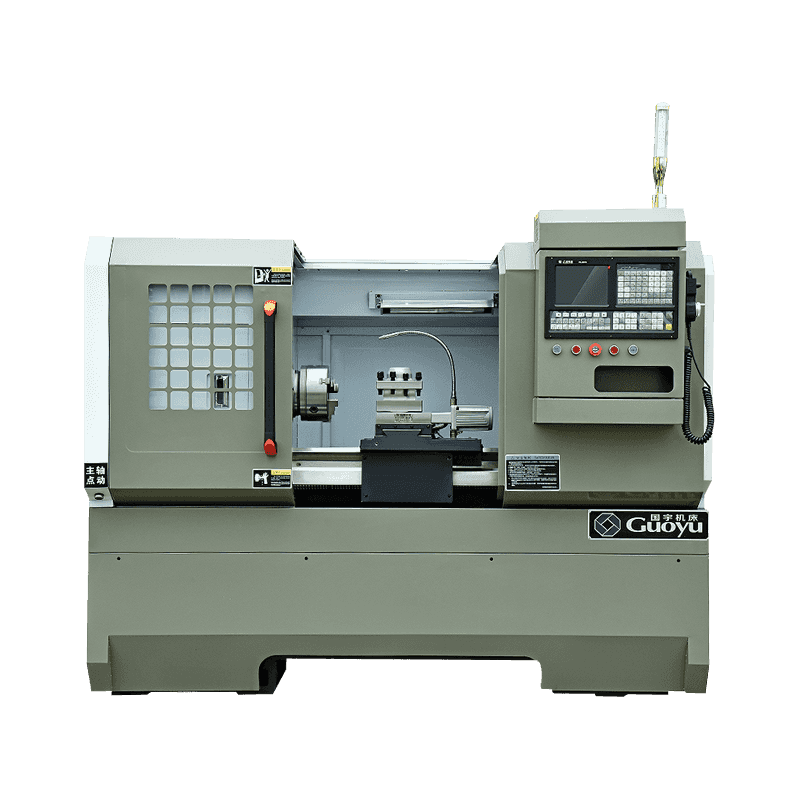
Technical Characteristics: It can cut all kinds of turning surfaces by bicycle, such as conical surf...
See Details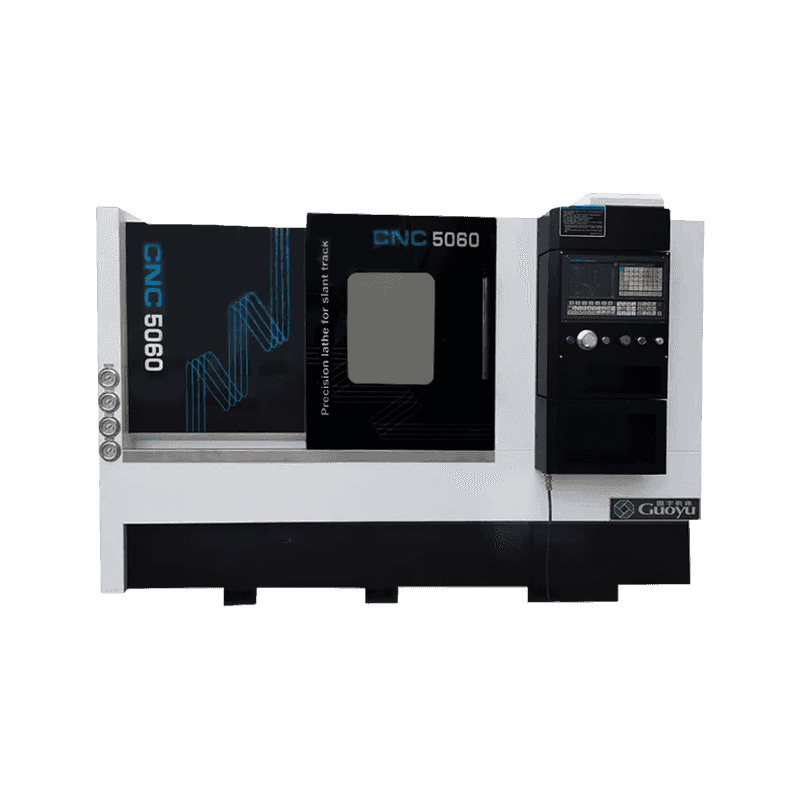
The Conjoined 35° Oblique Rail Cutter Tower Tail Seat Precision CNC Lathe is a really practical mach...
See Details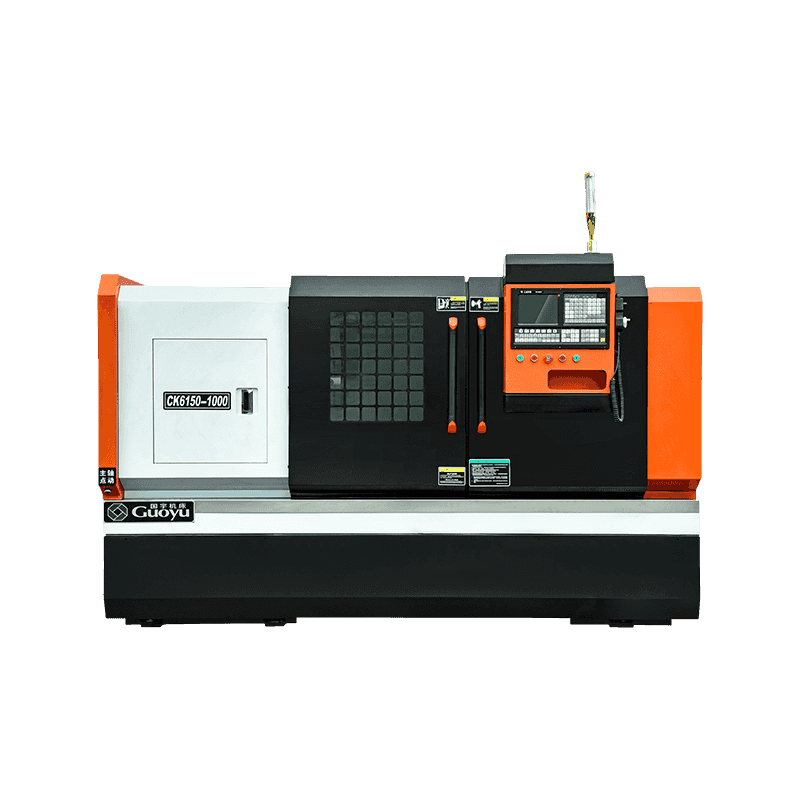
The Heavy Cutting Hard Guideway CNC Lathe For Metal Cutting is a really tough, heavy-duty machining ...
See Details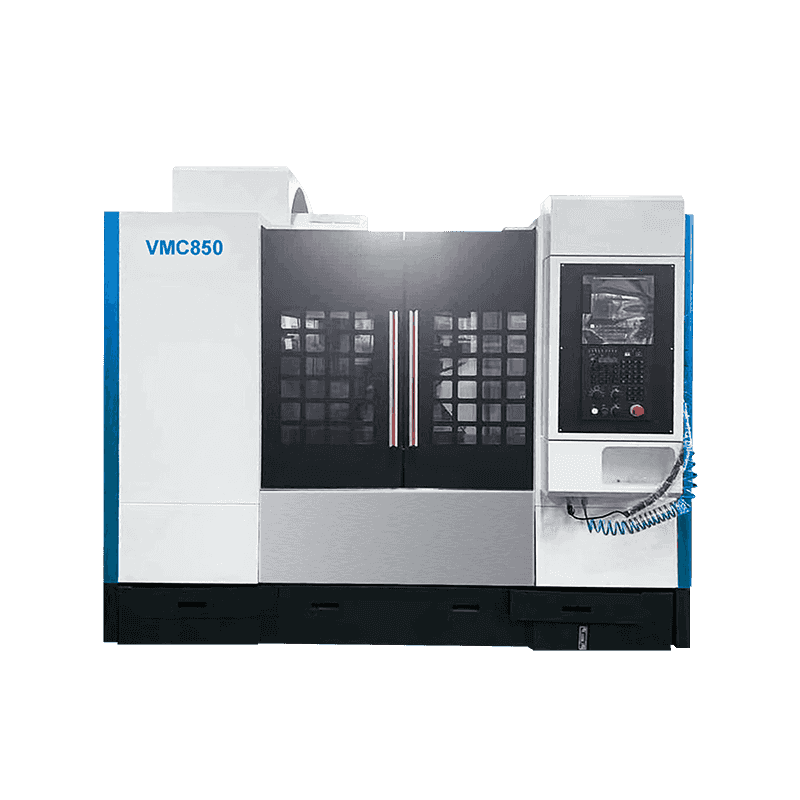
Technical Characteristics The machine tool is a single-column vertical guideway structure. The colum...
See Details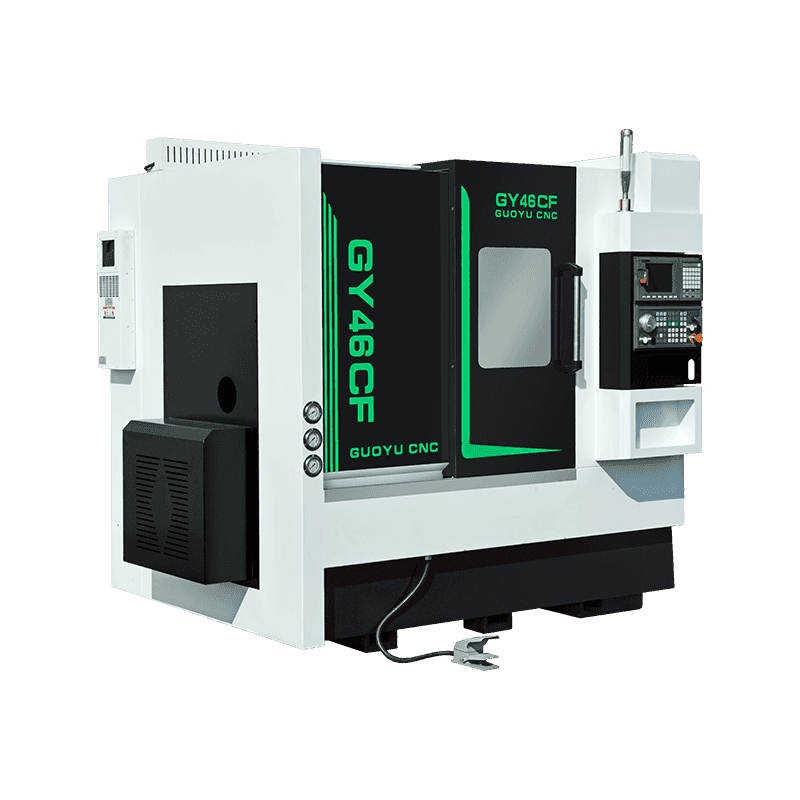
The 4+4 Type Precision CNC Lathe With Conjoined Oblique Rail Cutter Tower is a really practical, mul...
See Details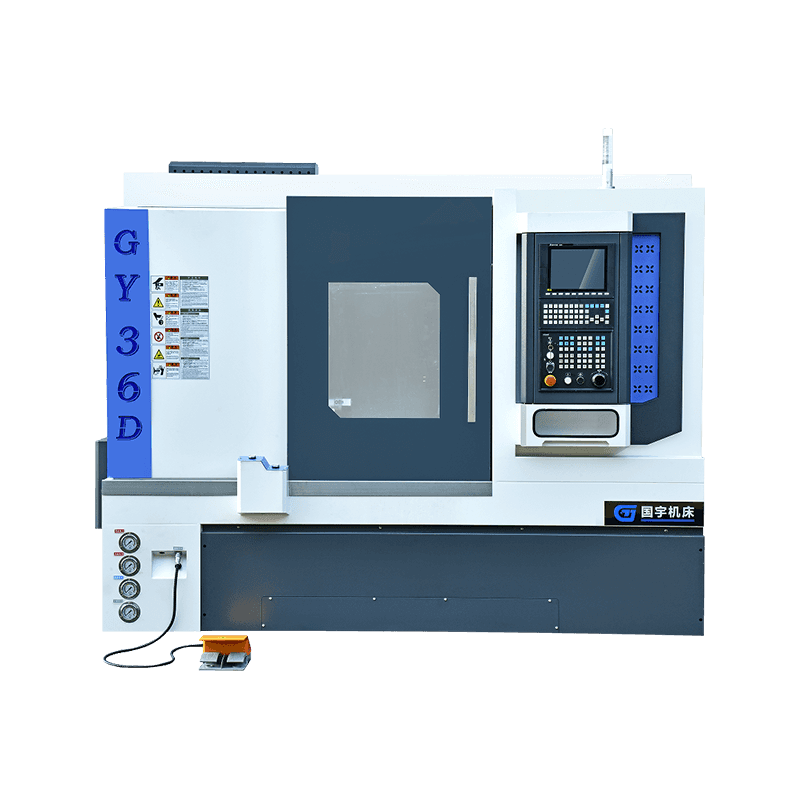
Technical Characteristics: All lathes are integrally cast with 250 materials to ensure processing ri...
See Details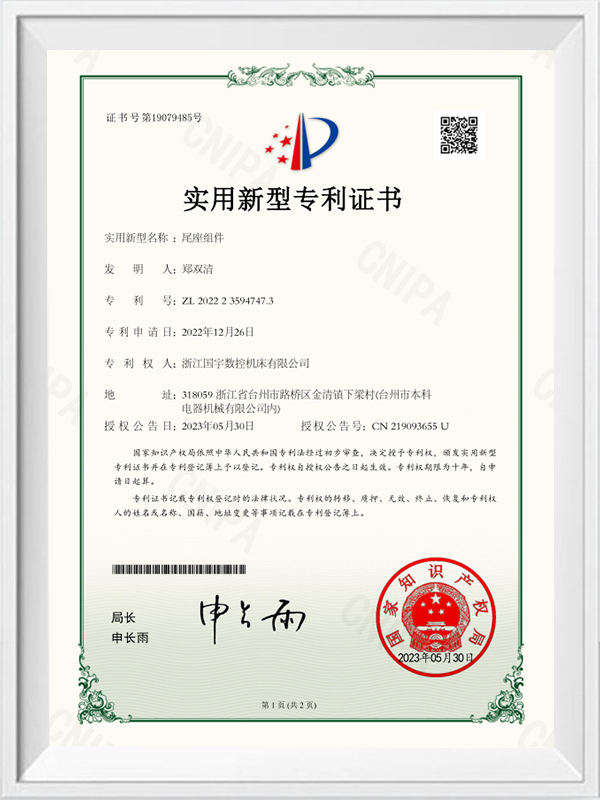
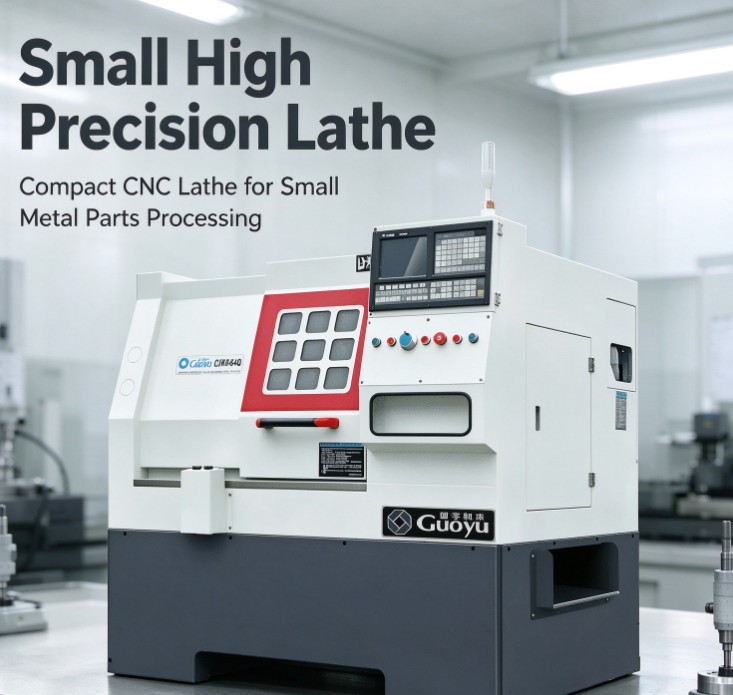
Small components quietly carry a lot of weight across manufacturing. They show up in instruments, mechanical assemblies, electronic equipment, medical devic...
READ MORE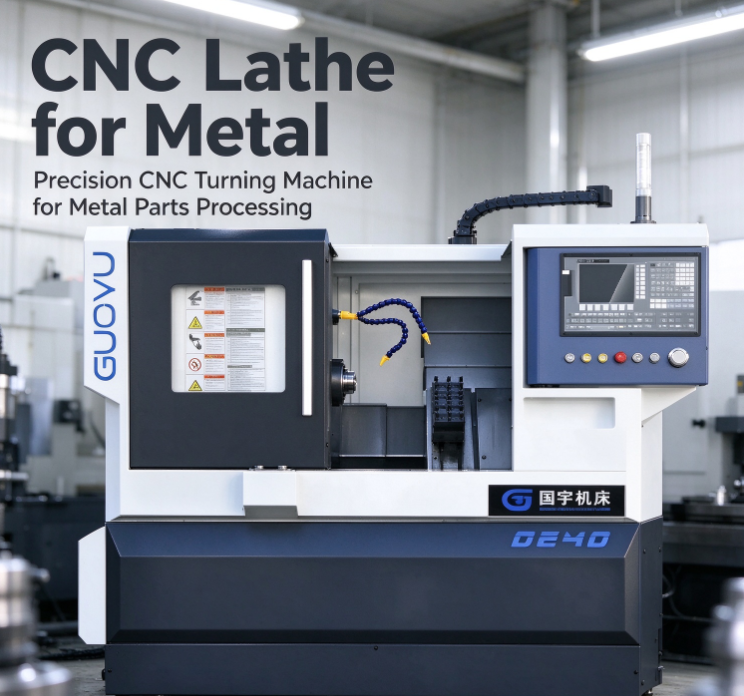
Metal parts show up in almost every corner of modern manufacturing. They form the shafts inside machines, the fittings in plumbing systems, the connectors i...
READ MORE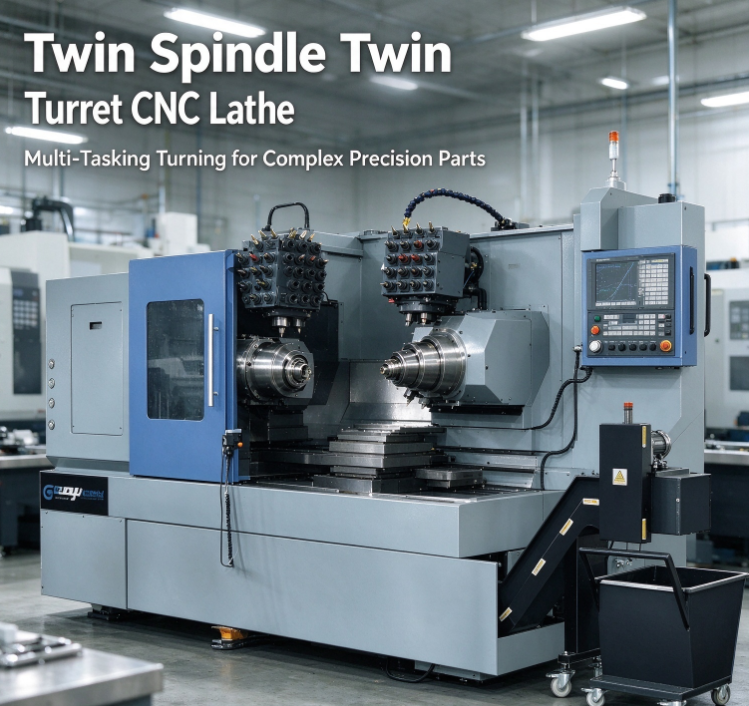
A Twin Spindle Twin Turret CNC Lathe shows up in shops where parts need multiple turning operations done with real coordination and a steady, predictable fl...
READ MOREA gang tool lathe is a CNC turning center where the cutting tools are mounted on a single slide in a row—like tools lined up on a gang. No turret rotates. Instead, the entire tool block moves along the X and Z axes to bring different tools into cutting position. The word “gang” comes from the idea of tools working together as a group. These machines are almost always single-spindle. You load a bar, machine one end, then cut off the part. If you need the back side machined, you do a second operation manually or on another machine.
A twin-spindle CNC lathe (sometimes called a dual-spindle or second-operation lathe) has two independent spindles facing each other. The main spindle holds the bar stock. The subspindle (second spindle) picks off the partially finished part from the main spindle, then machines the back side while the main spindle starts cutting the next part. Both spindles run simultaneously.
The gang tool lathe is simpler and cheaper. The twin spindle lathe is more complex and expensive but can complete a part front and back in one cycle without operator intervention.
The choice between them usually comes down to three things: part volume, part complexity, and how much floor space you have. Let me walk you through the differences in a way that matches what Western shops actually ask when they're comparing quotes.
Difference 1: Tool change speed and turret vs. gang design
On a gang tool lathe, tool changes are fast. Not “kind of fast.” Blazing fast. Because there's no rotating turret. The machine just slides the desired tool into position. Change time is often under half a second. This makes gang tool lathes excellent for small parts with many tool operations—drill, bore, turn, thread, cutoff—all in a few seconds.
But there's a trade-off. The tool positions are fixed on the gang slide. You can't easily add a new tool in the middle of a setup without rearranging the whole tool block. And the number of tools is limited by the slide length. Typical gang tool lathes hold 6 to 12 tools. That's fine for simple parts. For complex parts needing 15 tools, you run out of real estate.
On a twin spindle lathe, tool changes happen via turret indexing. A typical turret holds 8 to 12 tools, and some twin spindle machines have two turrets (one for each spindle). Indexing takes about one second per tool—slower than a gang tool but still fast. The advantage is flexibility. You can put different tools on different turret faces and change your setup without physically unbolting and rebolting tools.
Difference 2: Part completion in one cycle
This is the biggest practical difference. A gang tool lathe with a single spindle cannot machine the back of a part without a second setup. After the cutoff, the part has a burr or a rough face on the back side. If your part needs a back bore, back chamfer, or back thread, you either:
A twin spindle CNC lathe solves this completely. The subspindle picks off the part, and the second turret (or the same turret if it swings) machines the back side. The part comes out finished on both ends. No second operator. No second machine. No work-in-progress waiting between operations.
For a shop running 5,000 identical parts per month, that “second operation eliminated” feature pays for the twin-spindle machine in under a year.
Difference 3: Floor space and machine footprint
Gang tool lathes are small. Really small. A typical gang tool lathe (like an OmniTurn or Hardinge GT series) fits on a workbench or a small stand. Floor space is maybe 10 to 15 square feet. You can put three of them in the space of one twin-spindle lathe.
A twin-spindle lathe with a subspindle, bar feeder, and coolant system is a full-size machine. Footprint is usually 50 to 100 square feet. Plus, you need clearance for bar stock feeding out the back of the spindle. If floor space is tight in your shop—and in most Western urban job shops, it is—that footprint difference is a serious consideration.

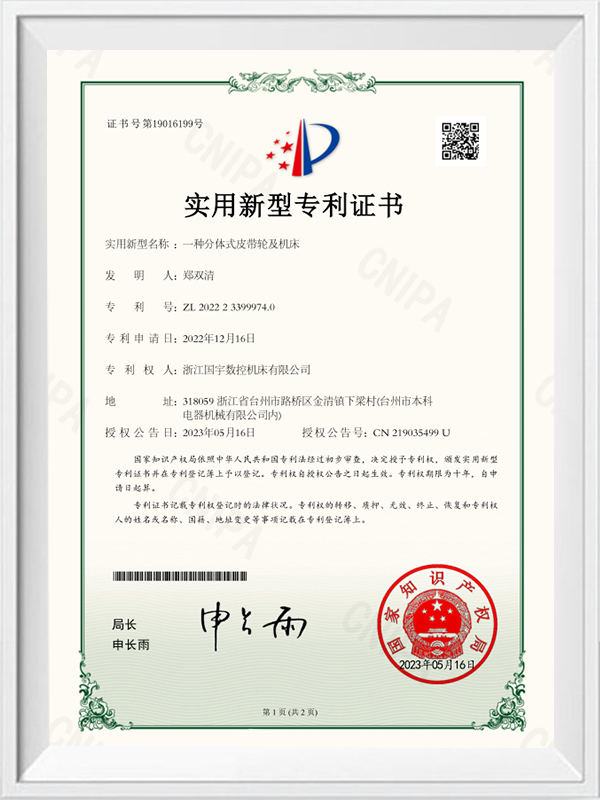
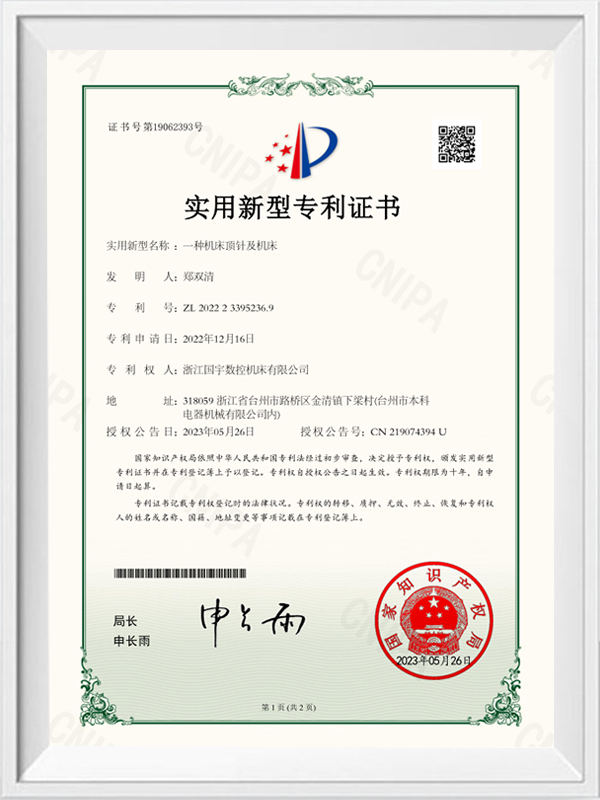
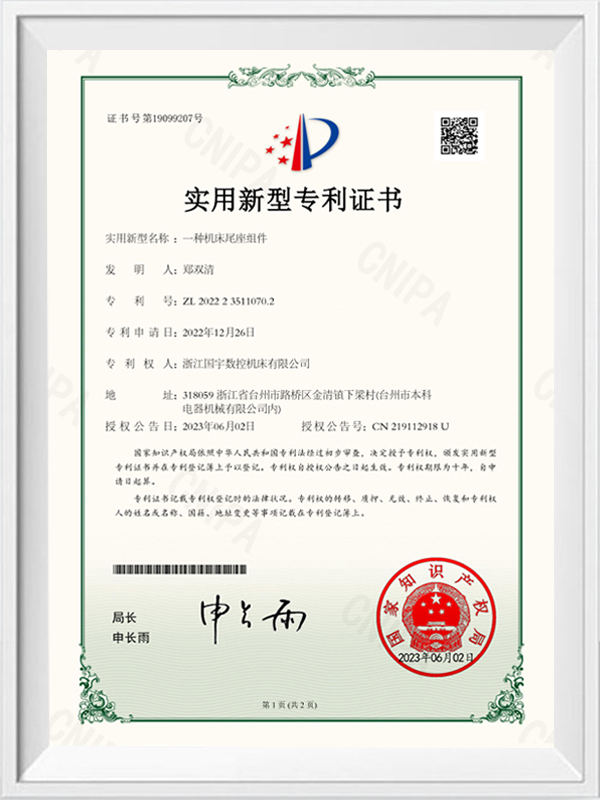
Zhejiang Guoyu CNC Machine Tool Co., Ltd. relies on rich experience, professional technology and advanced methods to ensure the quality of its products, so that customers can enjoy more professional and thoughtful service.
 [email protected]
 +86-15356565970
 Xialiang Industrial Area, Luqiao District, Taizhou City, Zhejiang Province, China
Copyright © Zhejiang Guoyu CNC Machine Tool Co., Ltd. All Rights Reserved.

Wholesale Precision Line Rail Precision CNC Lathe Suppliers