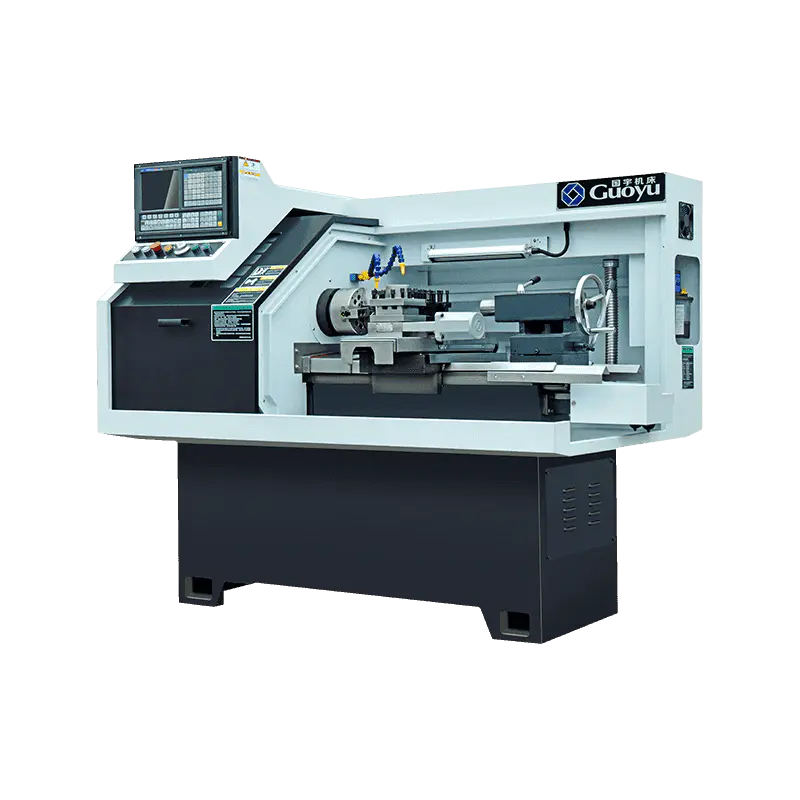
What Buyers Often Care About Before Choosing a Heavy-Duty CNC Lathe
Buying a heavy-duty lathe is rarely a simple equipment upgrade. For most manufacturers, it is a production decision tied to output, tolerance control, delivery performance, and long-term operating cost. A machine may look impressive in a brochure, but buyers in real workshops tend to focus on something more practical: whether the lathe can stay stable under load, adapt to the kind of parts they run every day, and continue performing after months of continuous use.
That difference between specification value and working value is often where purchasing decisions are made.
Stability Under Load Comes First
One of the first things serious buyers consider is how the machine behaves during actual cutting, not just during an idle demonstration. When a shop machines steel shafts, thick-wall sleeves, flanges, or other medium-to-large components, cutting force changes quickly and vibration becomes more noticeable. If the structure is not rigid enough, the result may be chatter, uneven surface finish, dimensional drift, or unnecessary tool wear.
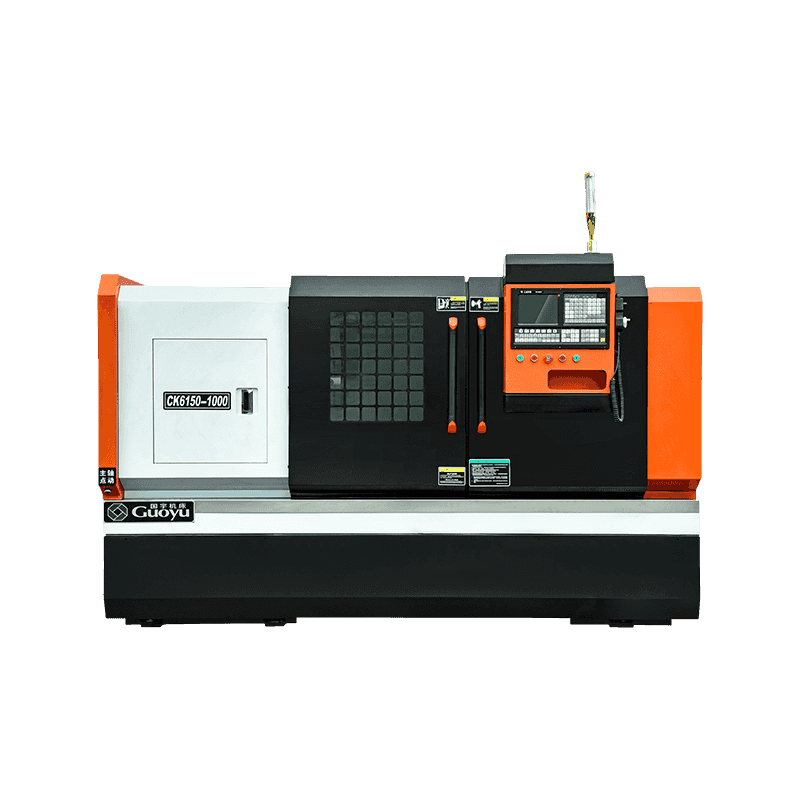
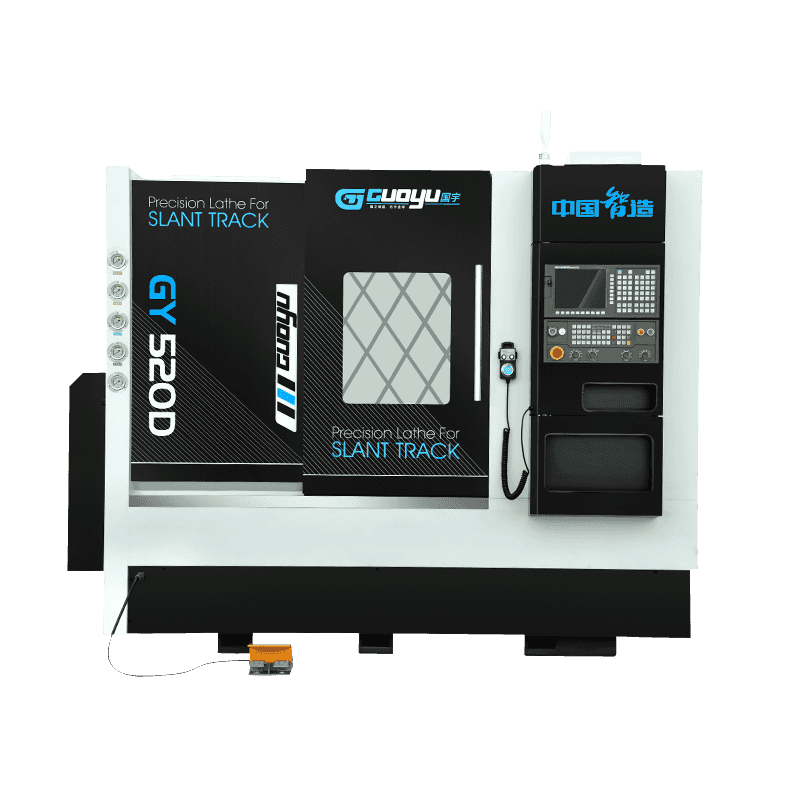
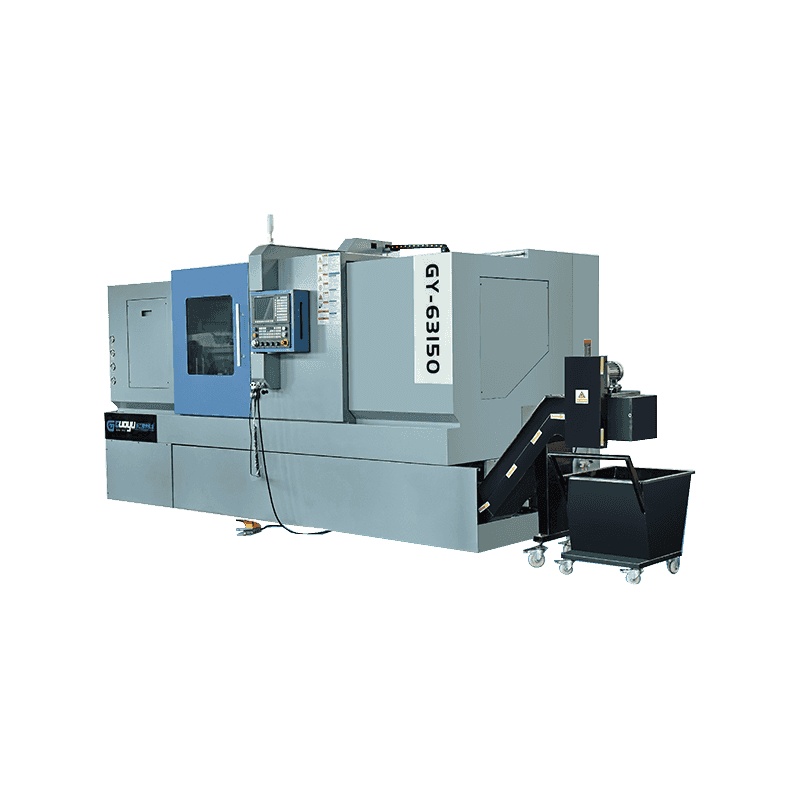
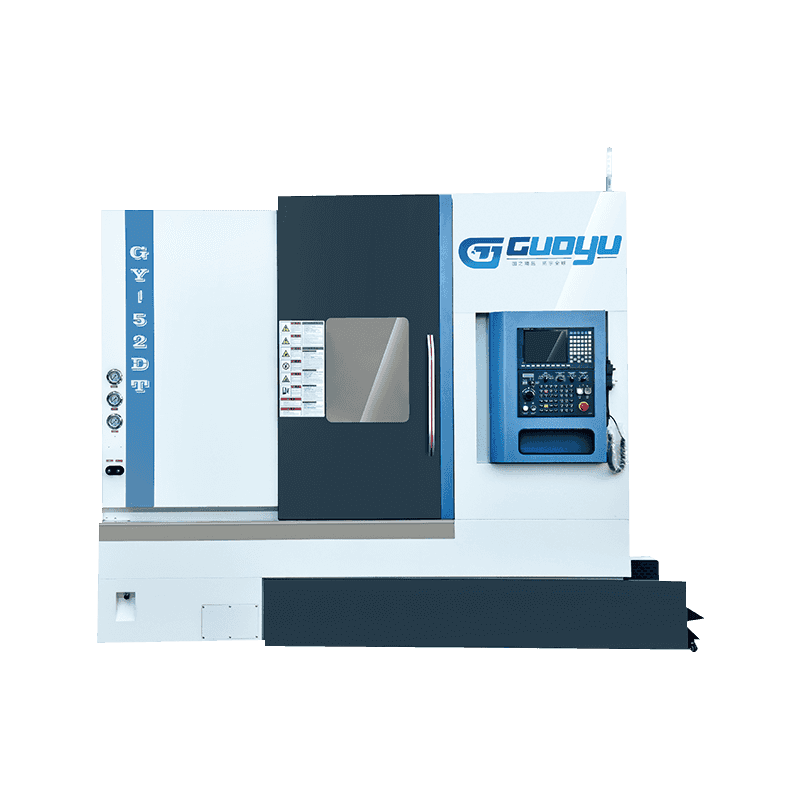
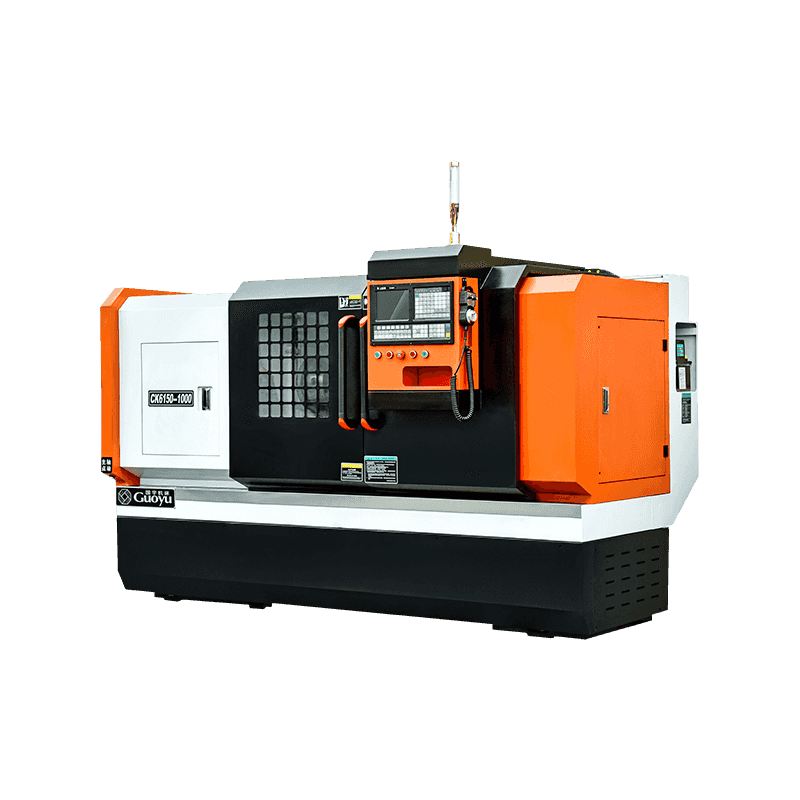
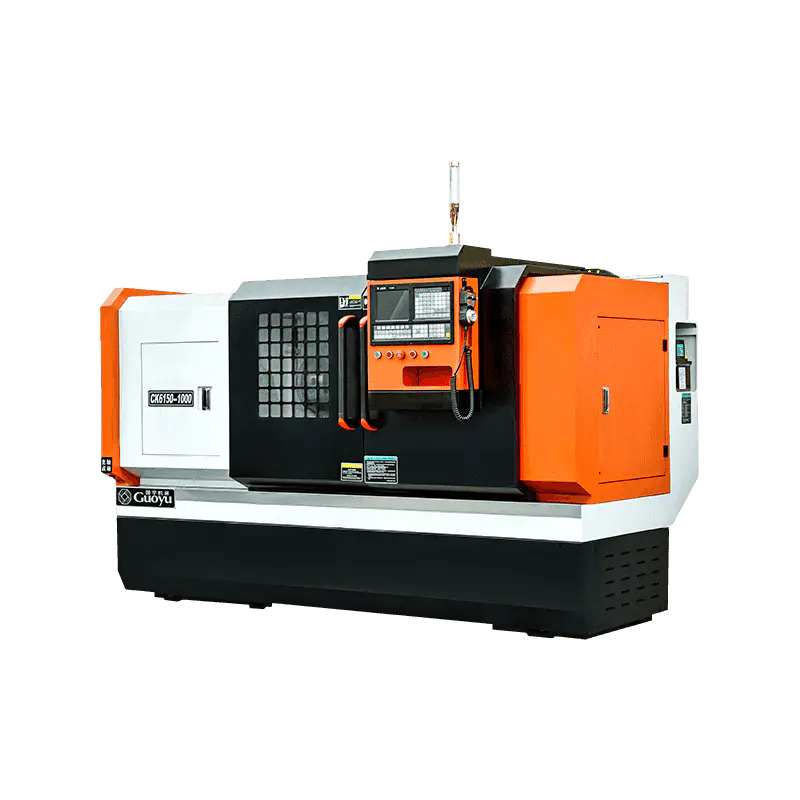
This is why stability remains one of the most important concerns when selecting a Heavy-Duty CNC Lathe. Buyers usually want confidence that the machine can hold its performance during long runs, not just complete a few test parts. In production terms, stable cutting means fewer process interruptions, more predictable part quality, and less time spent correcting avoidable issues on the shop floor.
The Machine Must Match the Parts, Not Just the Specification Sheet
Another point buyers care about is application fit. A machine that works well for one type of job may not be the right choice for another. Some workshops mainly turn long shafts and require dependable tailstock support. Others process larger diameter parts and place more importance on spindle behavior and bed rigidity. Shops handling repeated batch work may focus on turret efficiency and part-to-part consistency.
For that reason, experienced buyers often begin with the workpiece rather than the catalog. They look at:
- typical part size and weight
- material type and cutting demand
- production volume and shift pattern
- tolerance expectations
- whether the machine needs to support future orders as well as current ones
This approach helps avoid a common mistake: choosing a machine because the numbers look attractive, while overlooking whether it truly suits the production environment.
Ease of Setup and Daily Operation Also Matters
In many factories, efficiency is shaped as much by setup time as by cutting time. A machine that is difficult to access, slow to change over, or awkward to manage between jobs can quietly reduce output day after day. Buyers therefore pay close attention to how practical the machine is in normal use.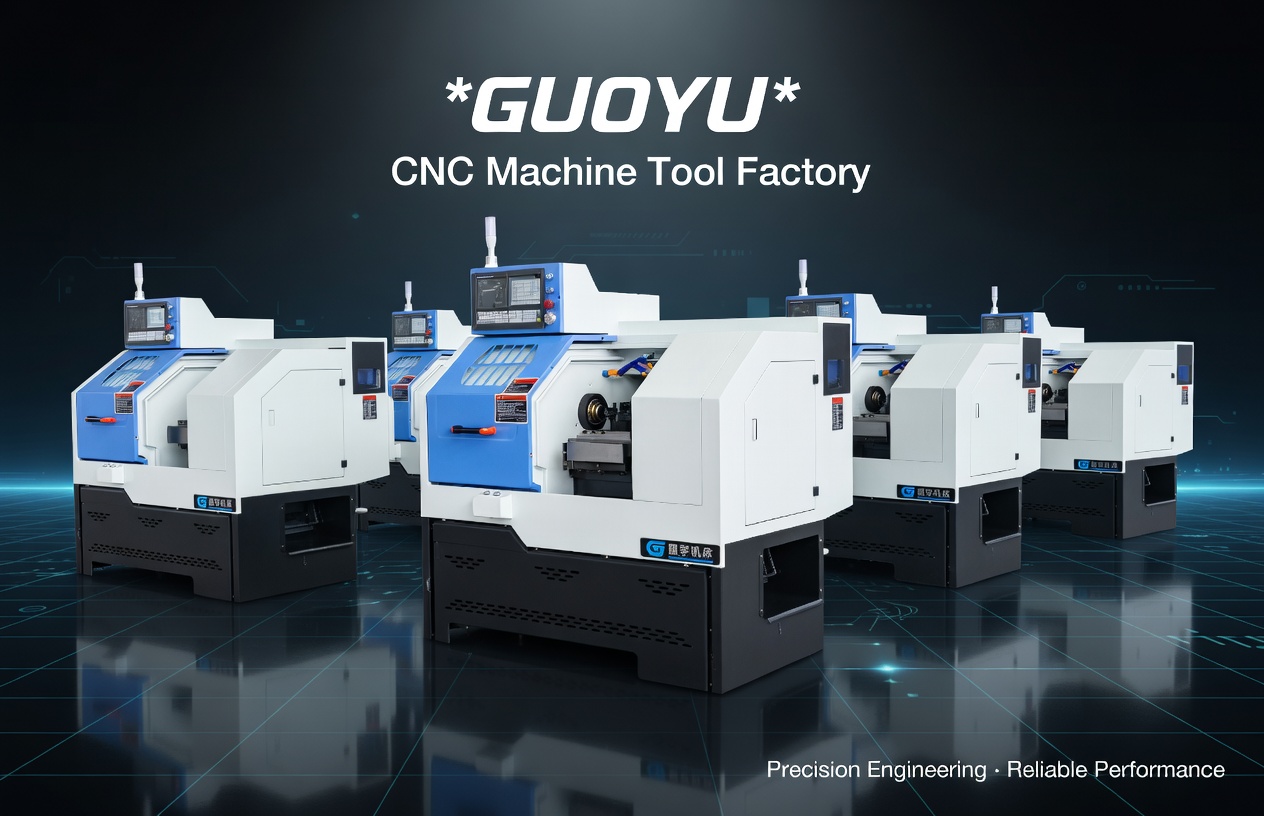
Common concerns include:
- whether the working area is easy to access
- how quickly tools can be changed or indexed
- whether chip removal is manageable during longer cycles
- how conveniently the tailstock and clamping system support different workpieces
- whether the machine layout helps operators work efficiently without unnecessary adjustment
These details may seem minor during the purchasing stage, but in daily production they can have a noticeable effect on workflow, labor efficiency, and overall shop rhythm.
Long-Term Cost Is About More Than the Purchase Price
Price always matters, but most professional buyers know that the cheapest machine is not always the lowest-cost option over time. Unexpected downtime, unstable machining, excessive tool consumption, and inconsistent output can all add hidden cost after installation. That is why many purchasing teams look beyond the initial quotation and consider the machine’s long-term operating value.
A well-built Heavy-Duty CNC Lathe can help control those risks by offering better structural stability, more dependable machining behavior, and stronger repeatability across batches. Over time, that may translate into:
- lower rework rates
- more consistent tool life
- improved delivery reliability
- fewer operator interventions
- better use of available production hours
In heavy machining, reliability is not a marketing phrase. It is often the factor that protects profit margin.
Buyers Increasingly Look at Supplier Capability, Not Only the Machine
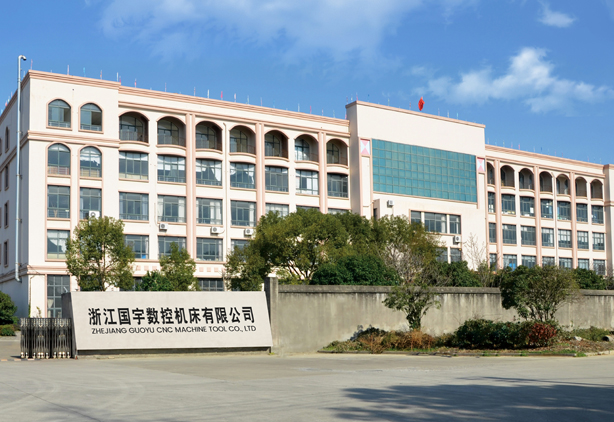
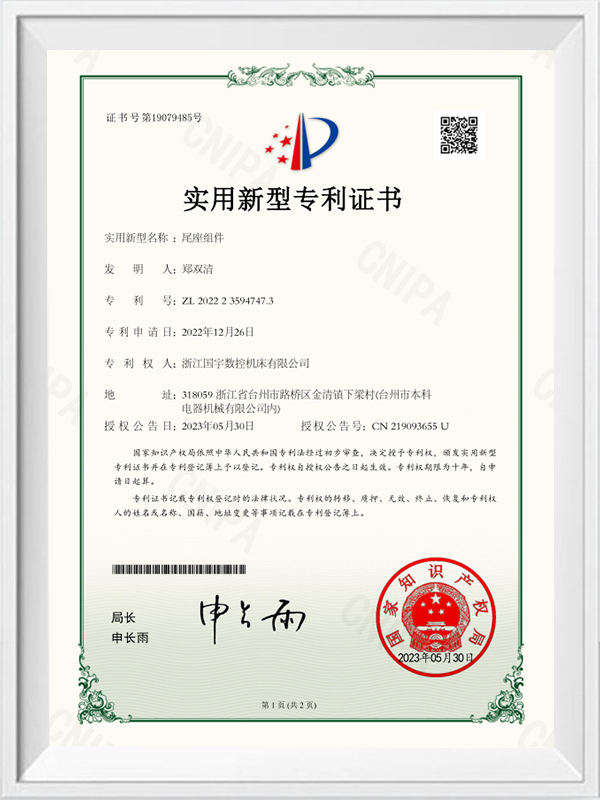
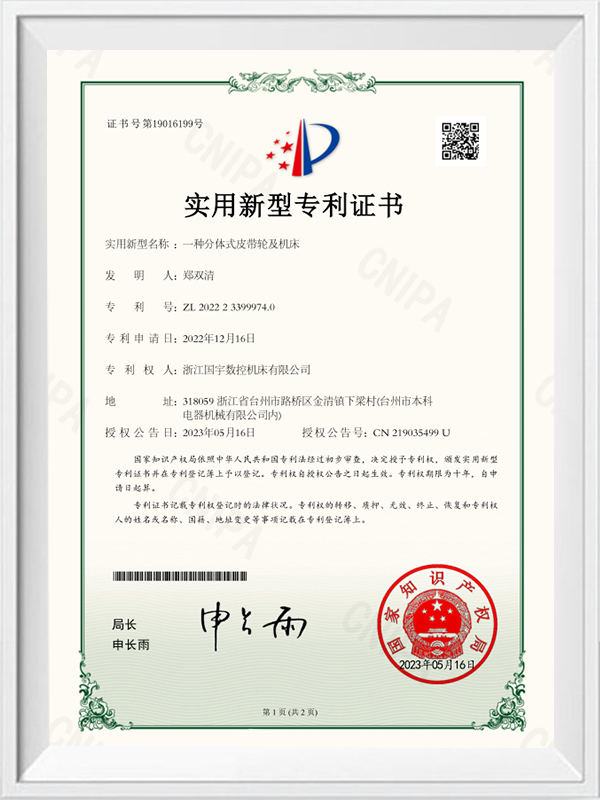
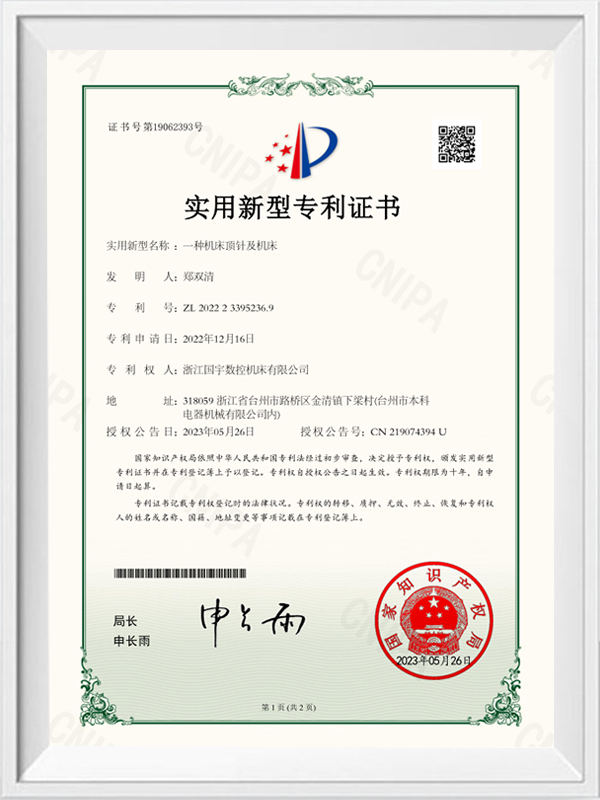
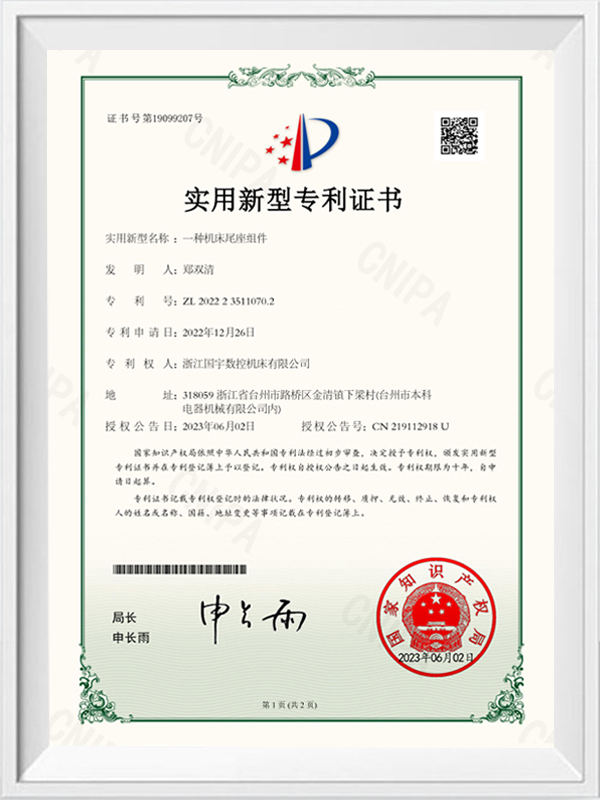
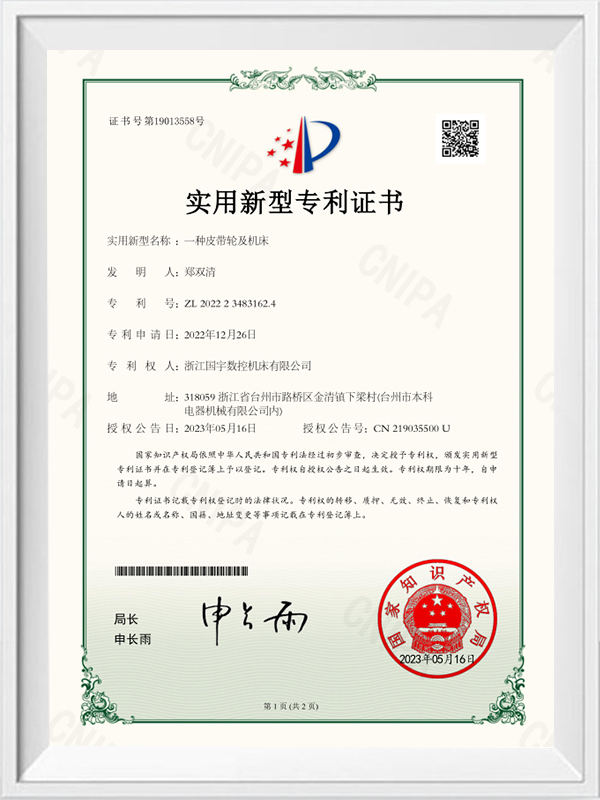
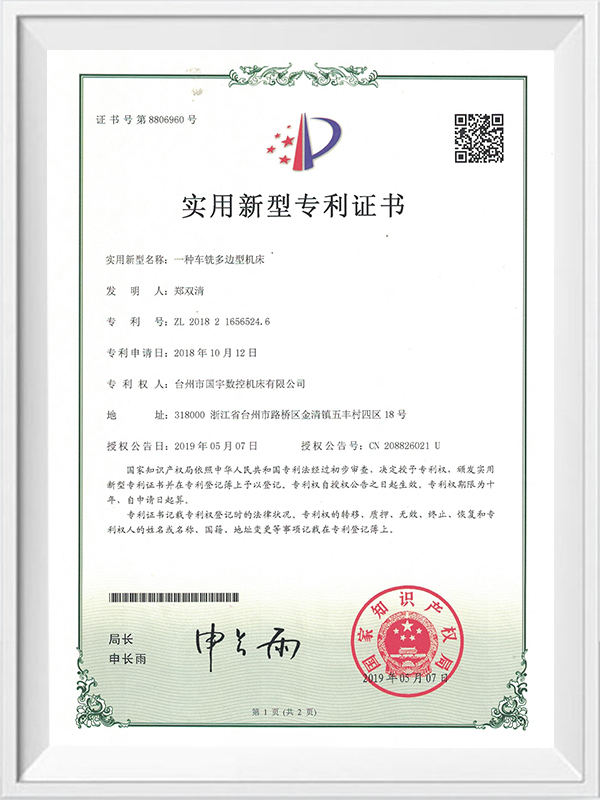
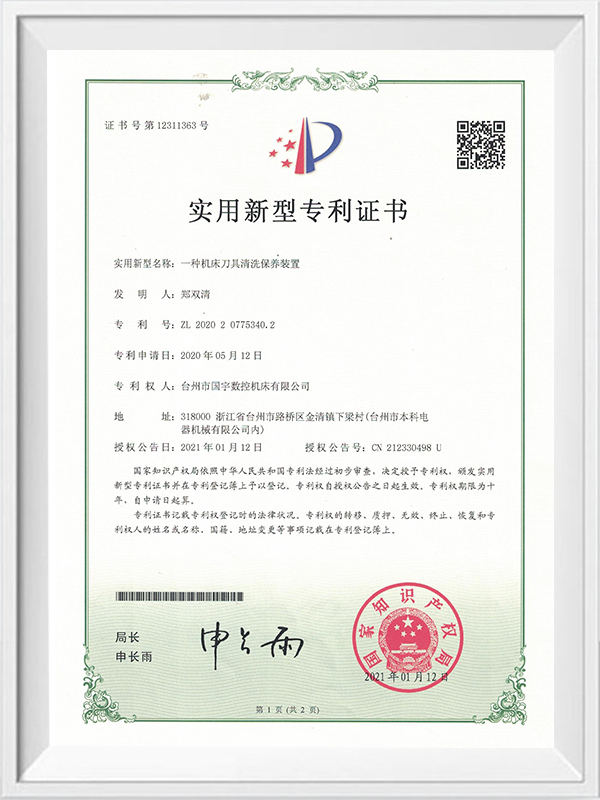
Another shift in buyer behavior is that more companies now assess the manufacturer behind the machine, not just the machine itself. This is especially true in overseas markets, where importers and factory managers want confidence in production capability, technical understanding, and customization support.
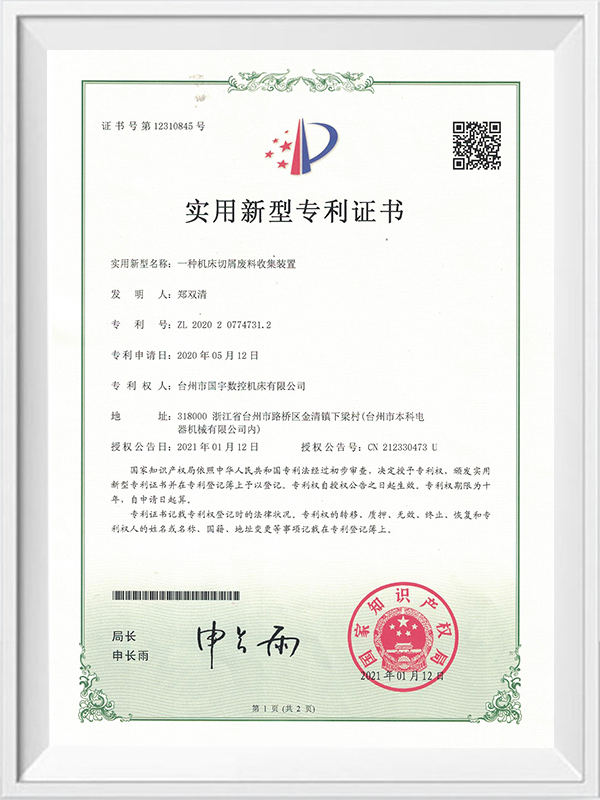
A supplier with broader experience in CNC lathe development is often better positioned to recommend the right configuration for different part types and working conditions. That becomes valuable when a buyer needs more than a standard machine—such as special customization, application-based recommendations, or support for a particular production requirement.
For many customers, the machine is only part of the purchase. The rest is trust in the factory that builds it.
Before selecting a Heavy-Duty CNC Lathe, most buyers are looking beyond basic figures such as power, speed, or machine size. What matters more in real purchasing decisions is whether the lathe can meet everyday production needs with consistent cutting performance, practical operation, controlled long-term cost, and enough adaptability for future jobs. In other words, the best choice is usually the machine that fits the workpiece, the workflow, and the factory’s production plans.
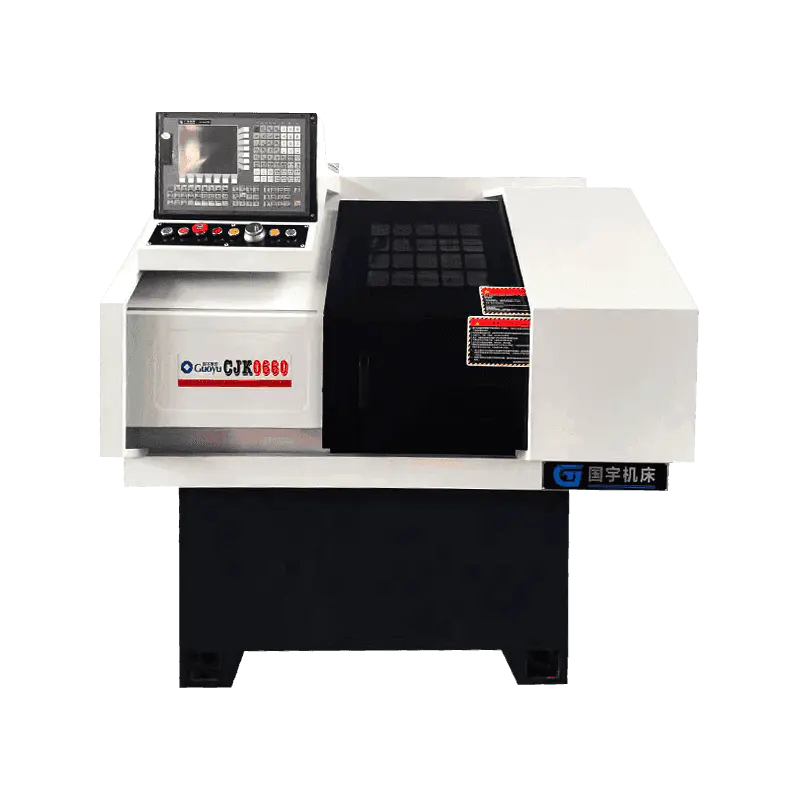
This is also why the supplier behind the equipment becomes part of the decision. When a manufacturer can provide not only a broad machine range but also the flexibility to respond to different machining needs, buyers are often in a stronger position to choose equipment that truly matches their application. In this respect, Heavy-Duty CNC Lathe Factory Guoyu offers both a wide selection of CNC lathe products and customization support for varied production requirements, helping customers make equipment decisions with greater confidence and practicality.


 English
 中文简体
中文简体 русский
 Español