English
 中文简体
中文简体 русский
 Español

Technical Characteristics: The machine tool is a single-column vertical guideway structure. The colu...
See DetailsRound parts keep coming off a mill looking slightly off, tolerances drifting just enough to fail inspection, cycle times running longer than the quote ever accounted for. A Precision CNC Lathe solves this exact mismatch, and it explains why so many shops eventually stop trying to force turning work through equipment that was never really built for it. The confusion between lathes and mills is understandable, since both cut metal and both run on CNC programs, yet they approach round a part from completely different directions. Mechanical engineers, production managers, procurement teams, OEM component manufacturers, and shop owners evaluating equipment all run into this same fork in the road eventually. Shafts, discs, sleeves, anything fundamentally round, and the question of which machine actually handles that geometry better, faster, and more consistently, without turning a straightforward part into a scheduling headache.
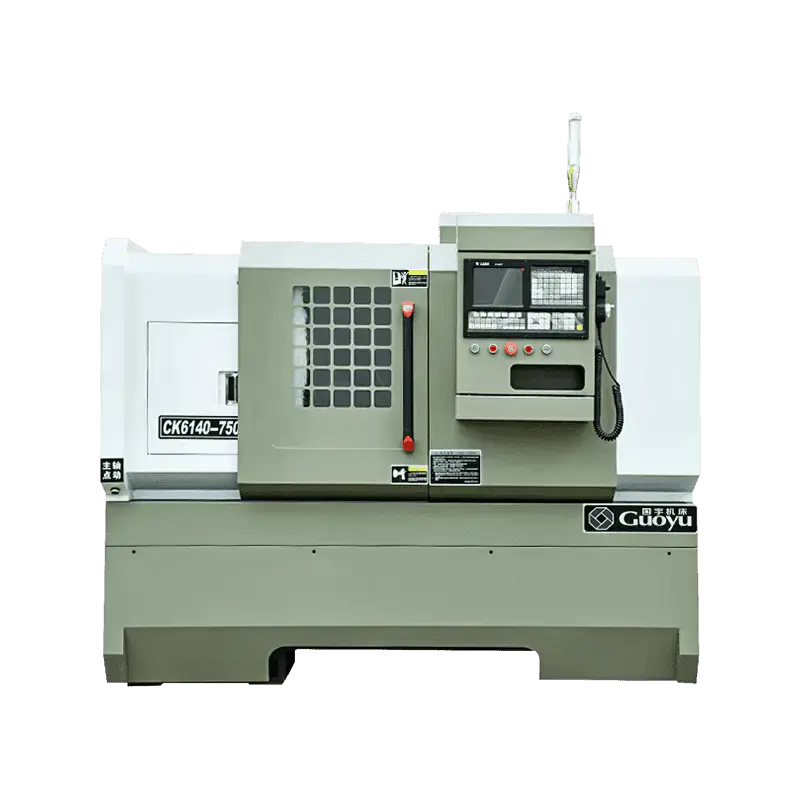
A lathe spins the workpiece itself while a stationary cutting tool shapes it from the outside in. A mill does the opposite, holding the part still while a rotating cutting tool moves around and through it. That single difference in mechanism cascades into everything else. How each machine handles round geometry, how fast it can remove material from a cylindrical shape, how consistent the resulting surface finish tends to be.
Turning parts, meaning anything with a fundamentally circular cross section, like shafts, bushings, or flanges, play directly to a lathe's core strength. The workpiece rotating against a fixed tool creates a naturally symmetrical cut, since the tool traces the same radius around the entire circumference without needing separate passes or complex toolpaths. A mill, by contrast, needs to interpolate a circular path using rotating cutter movement, which introduces more opportunity for tiny inconsistencies to creep into the finished geometry.
Efficiency here really comes down to matching the machine's natural strength to the part geometry. Neither machine wins universally, no matter what a sales rep might claim.
Generally, yes, and by a meaningful margin for straightforward turning work. Since the workpiece rotation itself generates the circular geometry, a lathe removes material continuously around the entire circumference in a single pass, rather than requiring a milling cutter to trace that same circular path through multiple interpolated movements. For high volume production of shafts, pins, or similar round components, this efficiency advantage compounds considerably across a full production run.
Once a part moves beyond pure round geometry, incorporating flats, slots, off center holes, or asymmetrical features, a mill often becomes the more practical choice. Or, at the very least, a necessary complement to turning operations. Parts requiring both a turned outer diameter and a milled keyway or flat, for instance, frequently move through both machine types during production rather than relying on either one exclusively.
Precision and finish quality matter enormously for turning parts specifically, since dimensional consistency around a rotating component often affects how well it performs once assembled into a larger mechanism.
| Factor | CNC Lathe | CNC Mill |
|---|---|---|
| Roundness Consistency | High, natural result of workpiece rotation | Requires precise interpolation to achieve equivalent roundness |
| Surface Finish on Cylindrical Parts | Typically smoother with continuous cutting motion | Can show interpolation marks without careful toolpath planning |
| Cycle Time for Simple Round Parts | Faster, single continuous pass | Slower, multiple interpolated passes needed |
| Handling Complex Off-Center Features | Limited without additional live tooling | Well suited, designed for multi-axis feature work |
| Batch Production Consistency | Strong, especially with bar feeding systems | Good, though setup time can add up across batches |
The deciding factor, once you look at this comparison, usually comes down to how much of a part's geometry is fundamentally round versus how much requires off axis or asymmetrical features that a mill handles more naturally.
Volume changes the calculation considerably. Setup time, cycle time, and material handling all scale differently depending on how many parts a shop actually needs to push through, and the math rarely stays the same once quantities climb into the thousands.
It does, particularly once bar feeding and automated part handling enter the equation. A lathe equipped with bar stock feeding can run continuously through a production batch with minimal operator intervention between parts, which compounds efficiency advantages considerably across thousands of units compared to a mill requiring more manual part loading and repositioning for similar volume.
Cost considerations extend well beyond just the machine purchase price, reaching into cycle time, tooling requirements, and scrap rate across a production run. A lathe handling straightforward round parts typically demonstrates lower per unit cost at volume, since faster cycle times and simpler tooling requirements reduce both machine time and consumable expense compared to milling the same geometry through interpolated toolpaths.
Not every turning application places the same demands on a lathe, and matching machine configuration to actual production needs avoids both underperformance and unnecessary cost down the line.
Larger diameter parts, harder materials, applications involving substantial material removal, these generally call for a Heavy Duty CNC Lathe built with reinforced structural components and stronger spindle capacity. This configuration handles the increased cutting force and vibration that comes with heavier stock removal without sacrificing dimensional accuracy across the finished part.
Not universally, though it matters considerably for high volume production of smaller, simpler turned parts where cycle time efficiency directly affects overall production cost. A High Speed CNC Lathe configuration prioritizes rapid spindle rotation and quick tool changes, which benefits shops running large batches of smaller components far more than it benefits shops producing lower volume, larger diameter parts where heavy duty capability matters more than raw speed.
Skip these evaluation steps, and mismatches tend to surface only after equipment arrives on the shop floor, at which point retooling or reconfiguring costs considerably more than a thorough evaluation would have during sourcing. Plenty of shop owners learn this the hard way, discovering a spindle capacity gap only once an oversized batch jams on the floor.
Tolerance expectations vary enormously across turning applications, and understanding how each machine handles tight dimensional requirements helps buyers avoid specifying equipment that cannot realistically hold the tolerance a project demands.
A lathe's continuous rotational cutting motion tends to produce more consistent roundness and diameter control compared to a mill attempting the same geometry through interpolated toolpaths. For parts requiring tight tolerance across a cylindrical surface, particularly bearing surfaces or precision fit components, this consistency advantage becomes considerably more important than it might seem on paper. Small variations introduced through interpolation on a mill can accumulate into meaningful deviation across a batch, whereas a properly calibrated lathe tends to hold that consistency more reliably across repeated parts.
With the right setup, yes, though it typically demands more careful programming and potentially slower feed rates to achieve equivalent results. Shops without dedicated turning equipment sometimes rely on milling to produce round features when a lathe simply is not available. This can work fine for lower volume or less demanding applications, but it rarely matches the efficiency or consistency a dedicated lathe delivers for genuinely round, rotationally symmetric parts. The tradeoff usually shows up as longer programming time and a higher risk of subtle roundness deviation across a batch, which matters more the tighter the tolerance requirement becomes across a demanding production run.
Recognizing that these two machine types often work together, rather than competing for the same job, helps buyers plan equipment investment around actual production workflow rather than assuming a single machine purchase needs to handle every part geometry a shop might encounter.
Choosing between turning and milling capability really comes down to understanding what your actual part geometry demands. A Precision CNC Lathe handles round, symmetrical turning parts with a speed and consistency that milling struggles to match, while a mill remains essential for parts requiring off center features, flats, or complex multi axis geometry. Many shops end up running both machine types side by side, using each for the work it handles naturally rather than forcing every part through a single machine type regardless of geometry. Zhejiang Guoyu CNC Machine Tool Co., Ltd. works with mechanical engineers, production managers, and procurement teams evaluating exactly this kind of equipment decision, whether the need points toward a Heavy Duty CNC Lathe for substantial stock removal or a High Speed CNC Lathe configuration for high volume smaller part production, and sharing your part geometry, material type, and production volume is a practical way to start narrowing down the right machine configuration for your shop. Taking the time to map out these details before finalizing a purchase tends to pay off across the full working life of the equipment, not just during the earliest production runs.
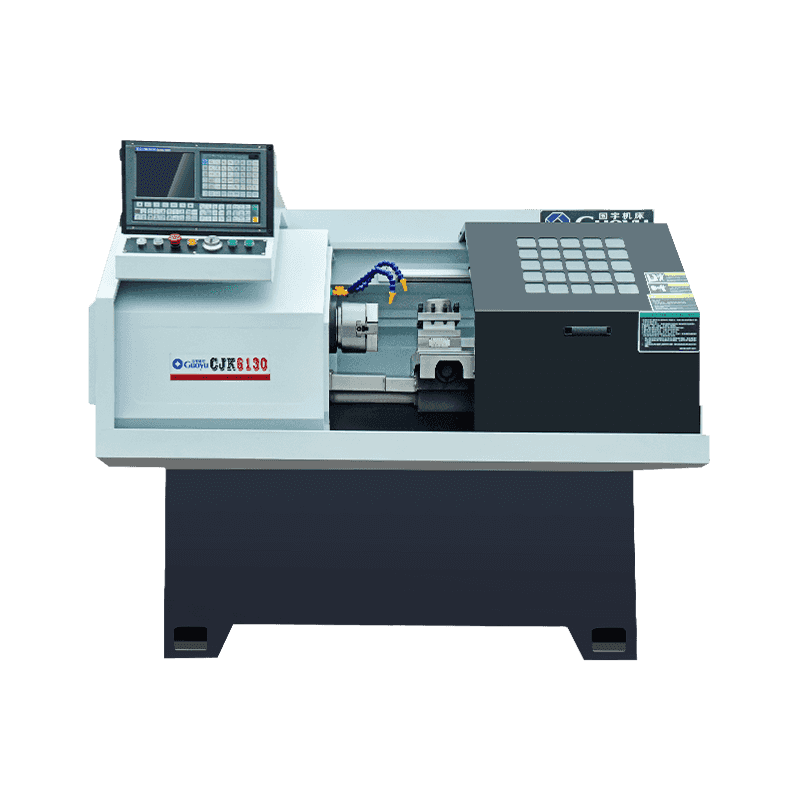
Technical Characteristics: The machine tool is a single-column vertical guideway structure. The colu...
See Details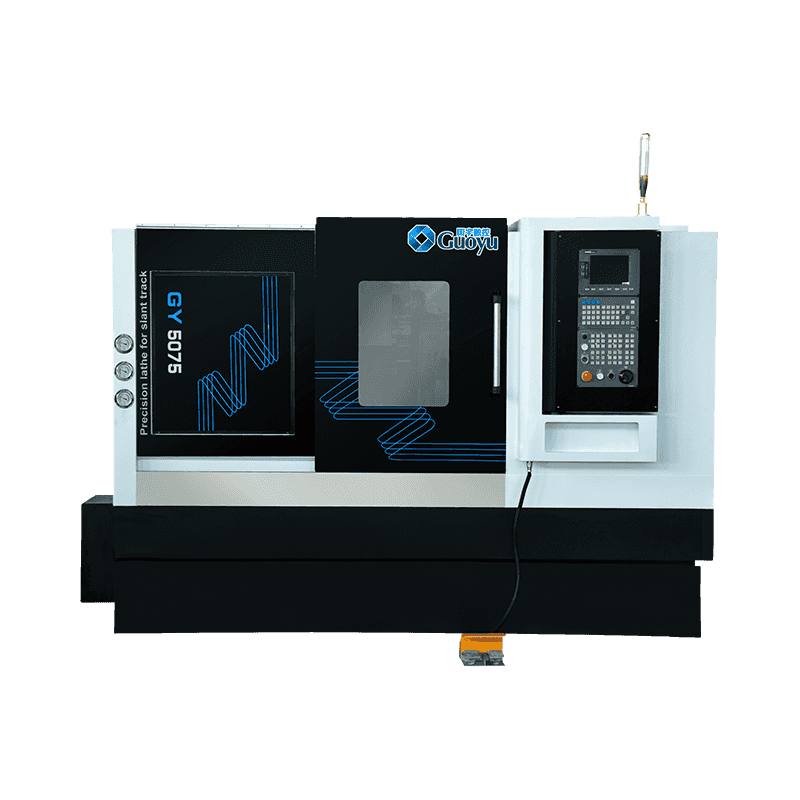
Technical Characteristics: The CNC machine tool for inclined beds adopts the domestic or imported hi...
See Details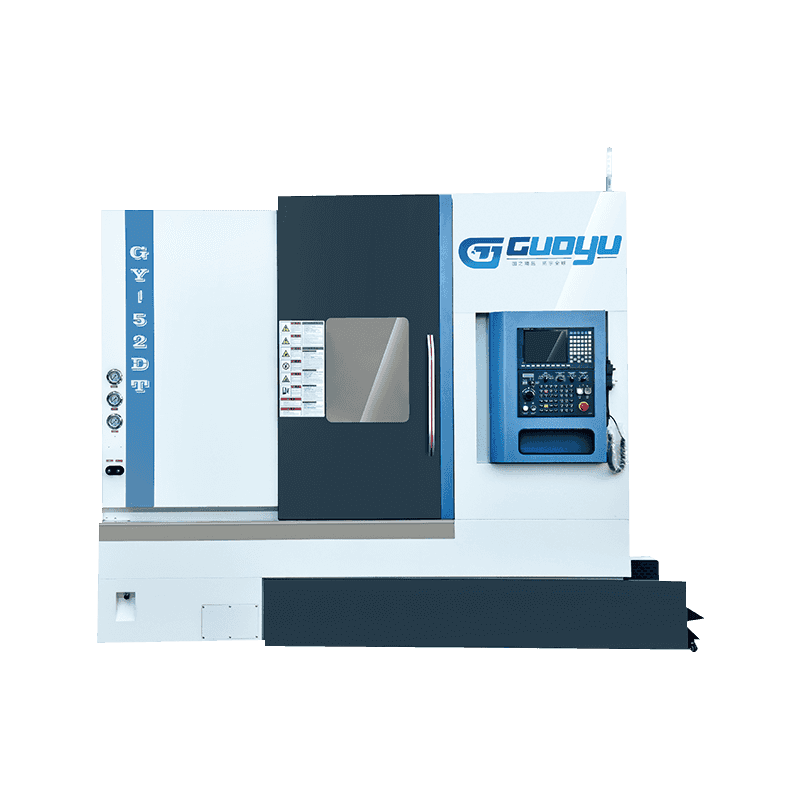
Technical Characteristics: The CNC machine tool for inclined beds adopts the domestic or imported hi...
See Details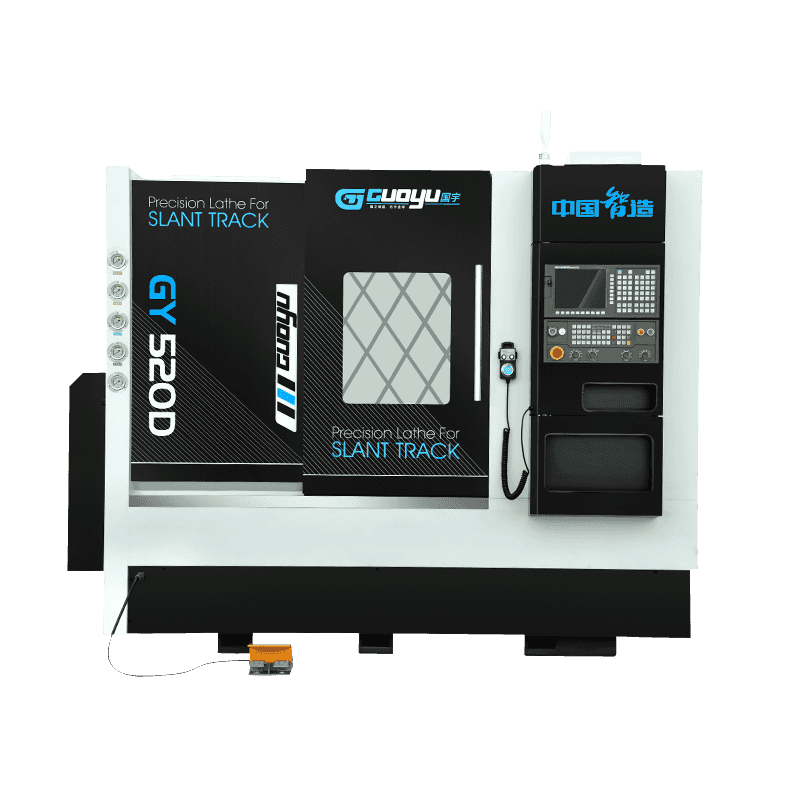
Technical Characteristics: The CNC machine tool for inclined beds adopts the domestic or imported hi...
See Details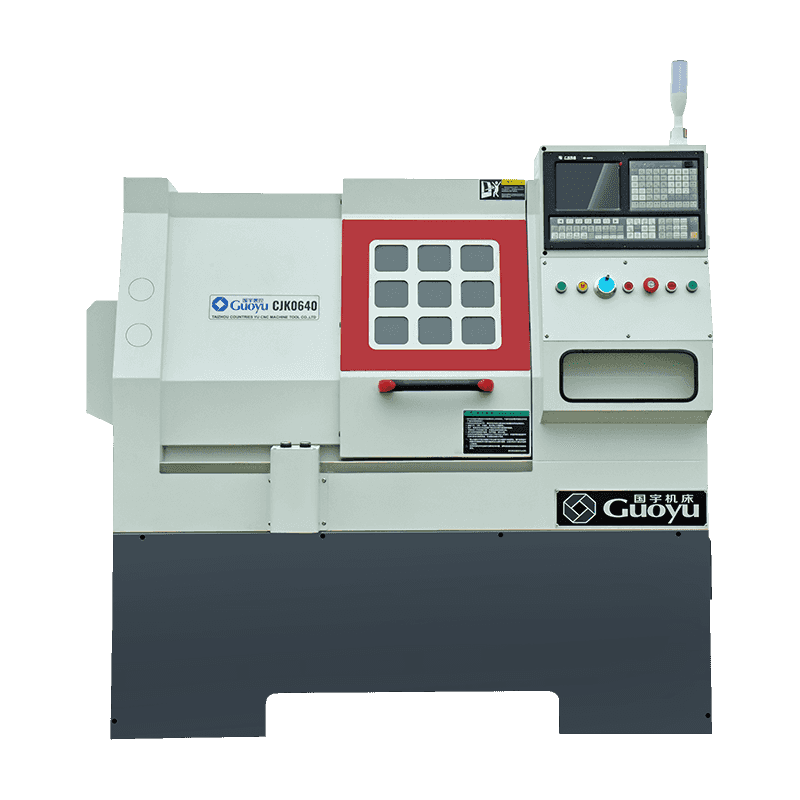
Technical Characteristics: The machine tool is equipped with a quantitative automatic lubrication sy...
See Details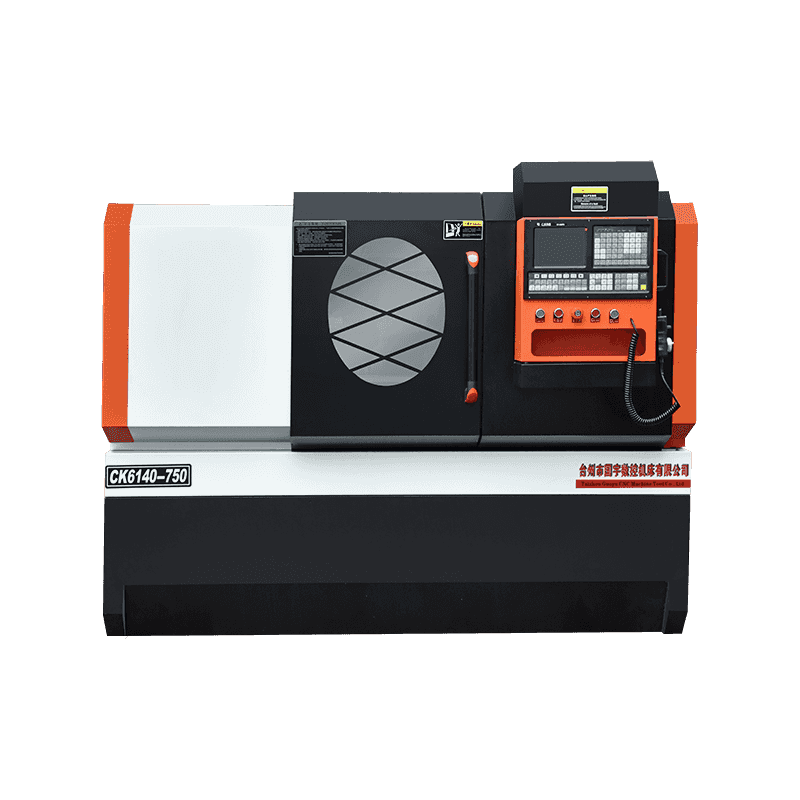
Technical Characteristics: It can cut all kinds of turning surfaces by bicycle, such as conical surf...
See Details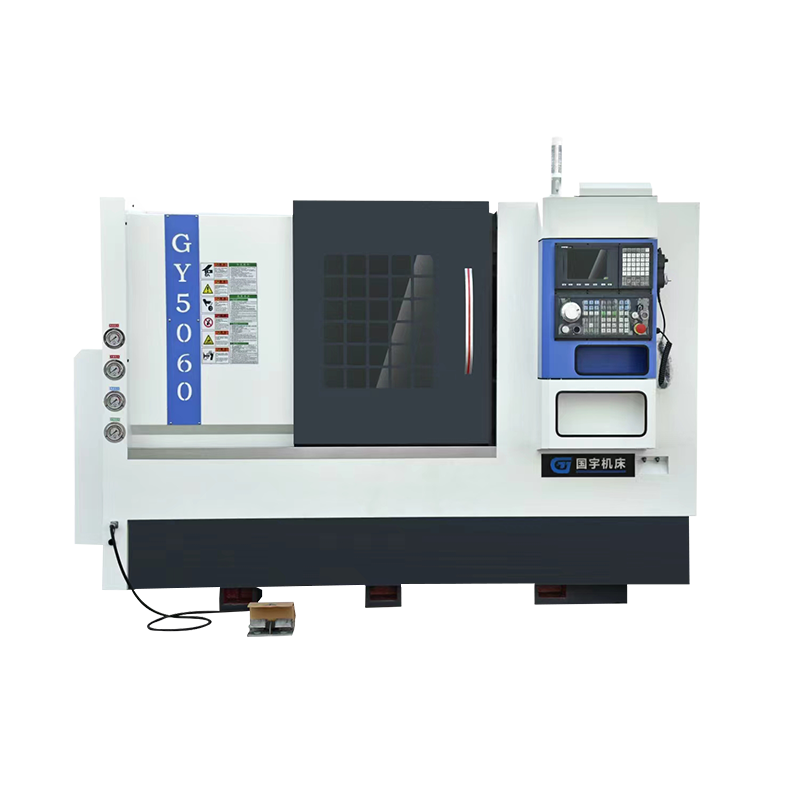
Technical Characteristics: All lathes are integrally cast with 250 materials to ensure processing ri...
See Details
After-sales service commitment: 1. From the date of acceptance, the machine tool host is under warra...
See DetailsOur team of digital and business experts will guide you to the right direction.
Let's Talk
Zhejiang Guoyu CNC Machine Tool Co., Ltd. relies on rich experience, professional technology and advanced methods to ensure the quality of its products, so that customers can enjoy more professional and thoughtful service.
 [email protected]
 +86-15356565970
 Xialiang Industrial Area, Luqiao District, Taizhou City, Zhejiang Province, China
Copyright © Zhejiang Guoyu CNC Machine Tool Co., Ltd. All Rights Reserved.