English
 中文简体
中文简体 русский
 Español

Technical Characteristics: It can cut all kinds of turning surfaces by bicycle, such as conical surf...
See DetailsChoosing between forged-and-machined parts and pieces cut straight on a CNC Lathe for Metal usually comes down to a nagging question nobody wants to say out loud: will this part actually hold up, or will it fail three months into service and cost twice as much to fix? Buyers who have been burned before know the feeling. A supplier promises smooth surfaces and tight tolerances, the invoice looks reasonable, and then the batch shows uneven wear or cracks under load that nobody predicted. That gap between what a process claims to deliver and what it actually delivers is exactly why this comparison matters, and why so many procurement teams spend weeks going back and forth before signing off on a method.
Forging starts with heat and force. Metal gets pushed into shape while it's hot, and the grain inside the material bends along with it instead of getting sliced through. That's the whole appeal — the internal structure stays continuous, so the part resists stress in ways a plain cut piece sometimes can't. Once the rough shape comes out of the die, it still needs machining afterward to hit final dimensions, smooth surfaces, and add features like threads or bores.
CNC lathe processing skips the forming step entirely. A solid bar or billet goes straight into the machine, and a cutting tool removes material until the final geometry appears. No die, no press, no reheating cycle. Just a spinning workpiece and a tool path following instructions from a program.
In some ways, yes. In others, not so much. Both routes end with a machined surface, and both can hit similar tolerance bands depending on the equipment involved. What differs is everything that happens before the cutting tool touches the metal. Forging changes the material's internal behavior before machining even starts; a CNC Lathe for Metal, by contrast, works with whatever grain structure the raw stock already has.
That distinction sounds small on paper. In practice, it shapes decisions about strength requirements, part geometry, and how much scrap ends up on the shop floor.
People sometimes assume forging is the rougher process and machining is where precision lives. That's mostly true, though it's worth unpacking. Forged blanks arrive close to shape but not exact — draft angles, flash lines, and slight dimensional drift are normal outcomes of the forming step. A precision CNC lathe then removes the extra stock and brings everything into spec.
With straight CNC lathe processing, there's no intermediate blank to correct. The bar stock goes in, and precision comes entirely from the machine's rigidity, the tooling, and the program itself. Fewer steps can mean fewer chances for error to creep in, but it also means the machine and setup carry the full weight of accuracy.
It does, more than many buyers expect at the outset. Forging dies are expensive to build and slow to adjust once they are cut, so the economics only make sense when a part will run in meaningful quantities over time. Small batches or prototype runs rarely justify tooling of that scale.
CNC lathe processing flips that logic. Program changes take minutes, not weeks, so short runs, custom variations, or one-off replacement parts fit naturally into a lathe-based workflow. A rapid CNC lathe setup can move from one part number to the next without the extended changeover and waiting periods a forging line requires.
| Factor | Forging + Machining | CNC Lathe Processing |
|---|---|---|
| Grain structure | Continuous, follows part shape | Determined by raw stock |
| Tooling investment | Higher, die-dependent | Lower, program-dependent |
| Best fit for volume | Larger, repeating runs | Mixed batch sizes, custom work |
| Lead time for design change | Longer | Shorter |
| Material waste | Lower per part after initial setup | Varies with part geometry |
| Typical strength under load | Often higher for stress-bearing shapes | Comparable when material choice matches load |
Forging tends to waste less material once a die is running, since the process pushes metal into shape rather than cutting it away. That said, the upfront blank still needs machining, and any complex feature added afterward produces chips just like any other cutting operation.
CNC lathe processing removes material by definition — that's the entire mechanism. For simple round or stepped geometries, waste stays modest. For parts with deep pockets or unusual profiles, more stock ends up as scrap. Buyers weighing raw material cost against machine time often find the answer changes part by part rather than following one blanket rule.
None of this rules out CNC lathe processing for the same parts — many manufacturers still finish forged blanks on a lathe. It just means the forming decision usually happens earlier in the design conversation.
A heavy duty CNC lathe earns its place when parts are large, heavy, or made from tougher alloys that resist cutting. Rather than forming the shape first, the whole part gets machined from solid stock in fewer handling steps. That's attractive for buyers who want to avoid coordinating two separate suppliers — one for forging, one for finishing.
It also suits situations where design tweaks are still likely. Locking a shape into a forging die too early can get expensive if specifications shift mid-project.
Comparing quotes side by side does not always capture the full picture. Forged-and-machined parts can involve higher setup costs while bringing lower per-unit cost as production volume increases. CNC lathe processing may appear cheaper per piece initially, yet machine time accumulates on parts with complex geometry.
Buyers who only compare unit price sometimes miss hidden costs tied to rework, inspection failures, or shipping delays caused by tooling problems. A fair comparison has to include:
Complex internal features, undercuts, or asymmetric shapes usually favor CNC lathe processing paired with additional milling operations, since the machine can follow intricate tool paths that a forging die simply can't replicate without enormous cost. Forging shines instead with shapes that are relatively straightforward externally but need internal grain continuity for strength.
Tight tolerances are achievable through either route, though the path differs. Forged parts need a machining pass regardless, so tolerance control happens at that stage no matter what. Lathe-only parts put the entire tolerance burden on the cutting process from the very pass.
Forging dies take time to design, cut, and test before production even begins. Once that groundwork is done, though, parts can come off the line quickly and in volume. CNC lathe processing skips the tooling wait entirely — a program gets written, verified, and run, often within a much shorter window from order to delivery.
For buyers facing tight deadlines or uncertain final specifications, that shorter startup time on a CNC Lathe for Metal often outweighs the per-unit savings forging might offer at scale.
Not every CNC lathe serves the same purpose, which is easy to forget once "CNC lathe" becomes shorthand for the whole category. A precision CNC lathe suits parts where surface finish and tolerance stacking matter more than raw cutting speed. A heavy duty CNC lathe handles larger stock and tougher alloys where rigidity keeps chatter and deflection under control. A high speed CNC lathe fits high-volume runs of simpler geometries, where cycle time reduction adds up across thousands of pieces.
Matching the machine type to the part — not just the process type — often makes as much difference as the forging versus lathe decision itself. Buyers who treat CNC lathe processing as one uniform category sometimes end up disappointed with results that a different lathe configuration would have handled better.
Comparing forging with CNC lathe processing seldom results in selecting only one method. In many cases, buyers choose a combination, using forged blanks with continuous grain flow for stress-bearing sections while machining helps control cost and production time. Getting that balance right takes a supplier who understands both routes well enough to recommend the one that actually fits the part, not just the one that's easiest to quote. Zhejiang Guoyu CNC Machine Tool Co., Ltd. works with manufacturers through exactly that kind of evaluation, helping match part requirements to the right combination of forming and machining so buyers get parts that perform without paying for capability they don't need. Share part drawings or load specifications, and discussions on a suitable process can begin from there.
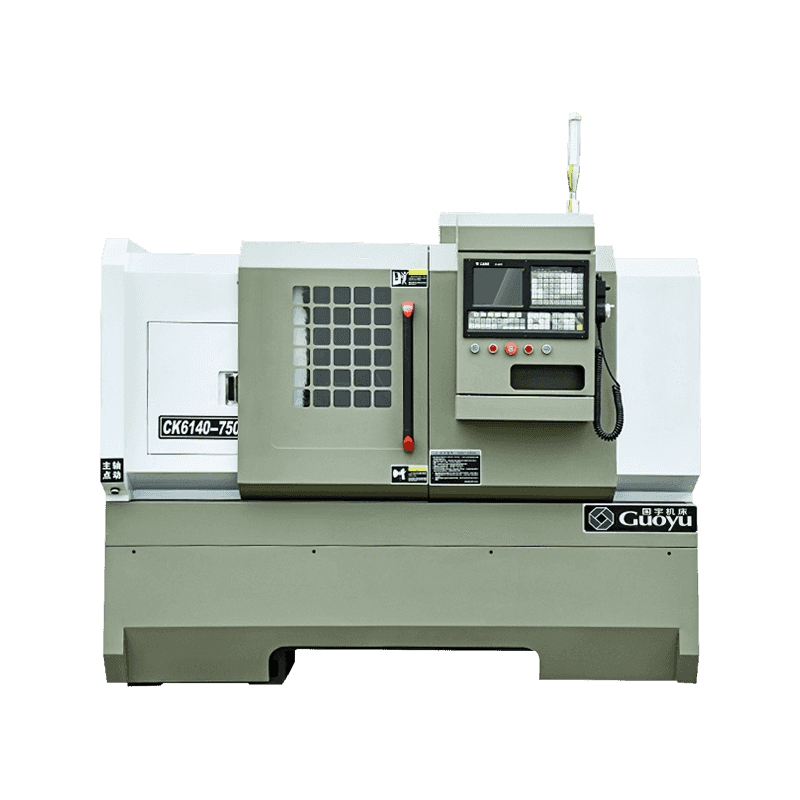
Technical Characteristics: It can cut all kinds of turning surfaces by bicycle, such as conical surf...
See Details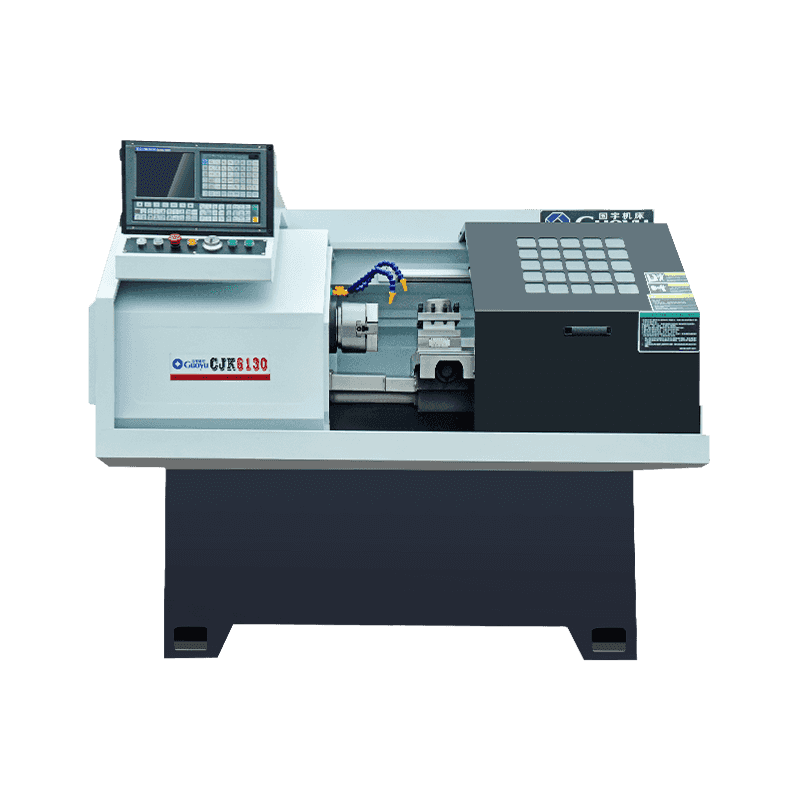
Technical Characteristics: The machine tool is a single-column vertical guideway structure. The colu...
See Details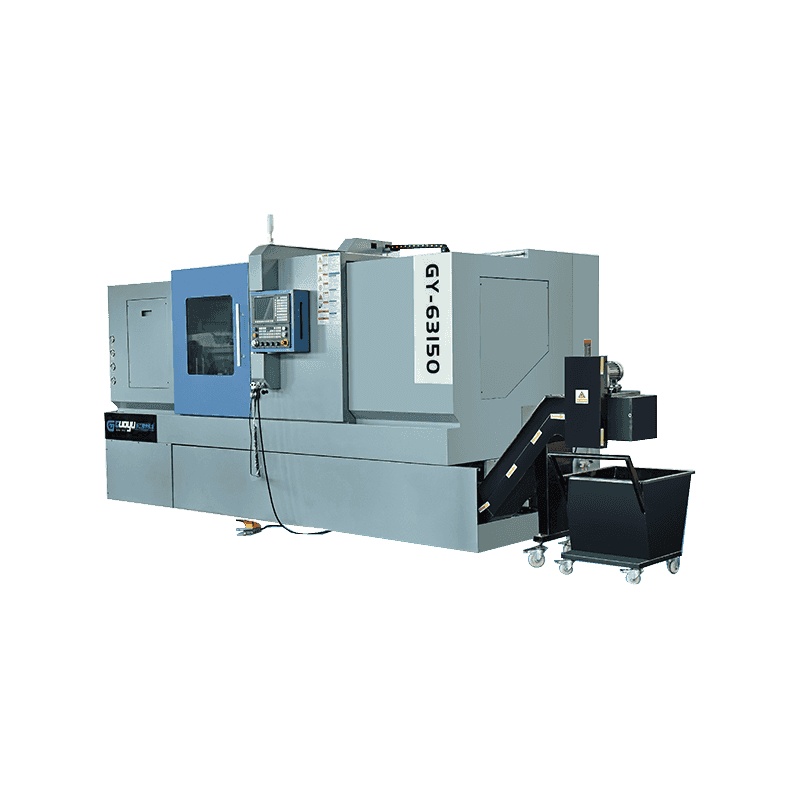
The Precision CNC Lathe With Programmable Tailstock For Connected Inclined Rail Tool Tower is just a...
See Details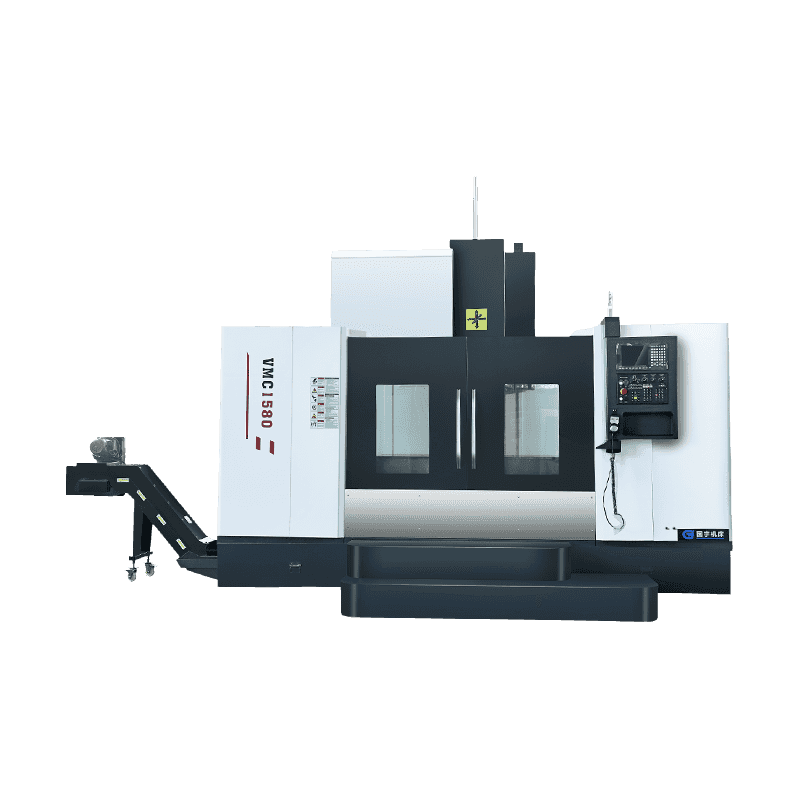
We are pleased to present the VMC1580 High-Speed Vertical Machining Center, a reliable and efficient...
See Details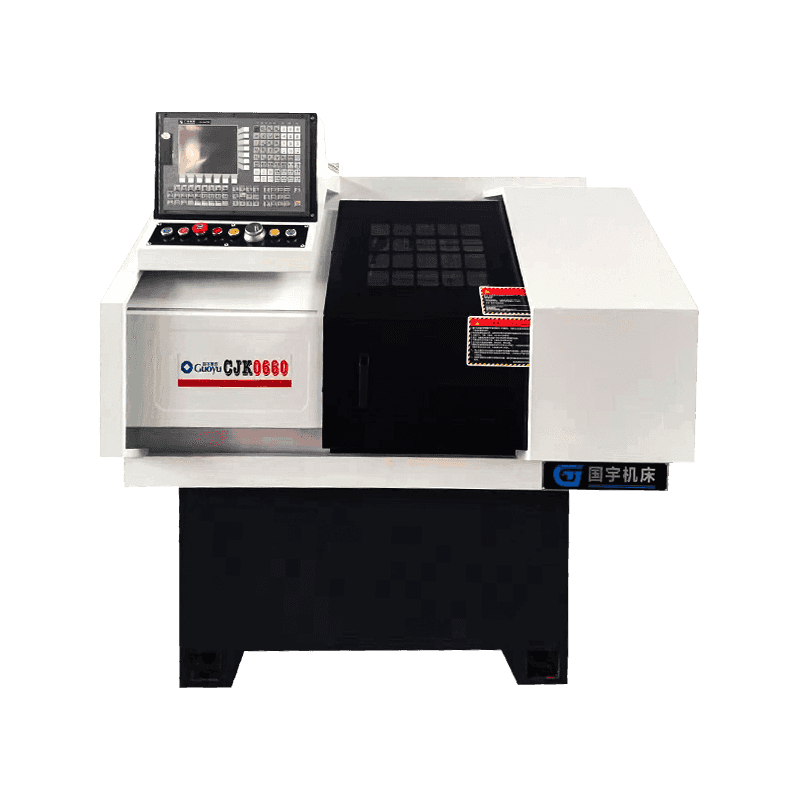
The Custom Precision Line Rail Precision CNC Lathe is just a really practical, compact machining sol...
See Details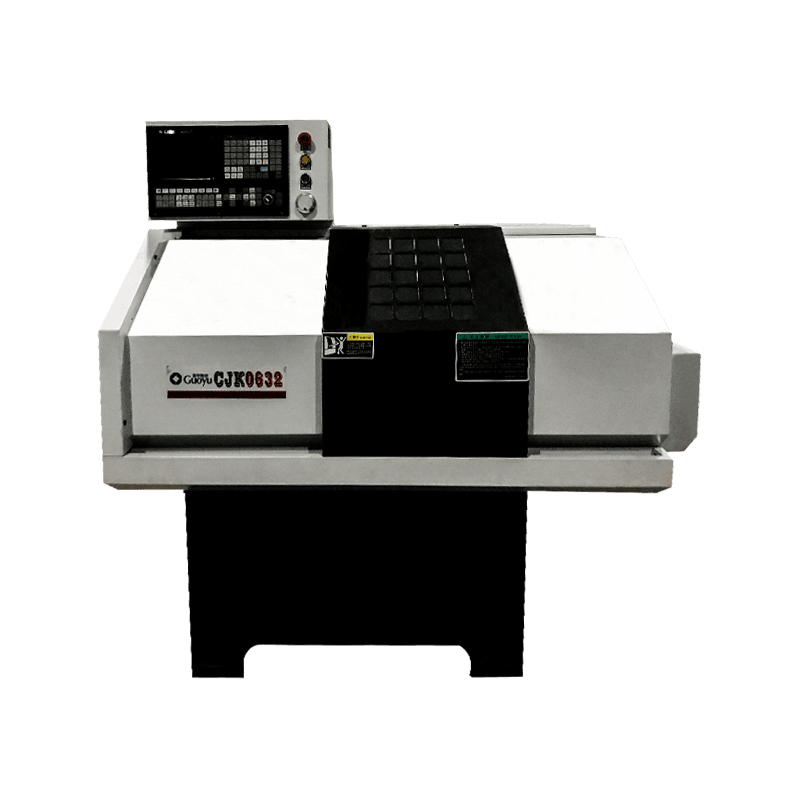
The Precision Line Rail Precision CNC Lathe is a completely practical machining choice if you want t...
See Details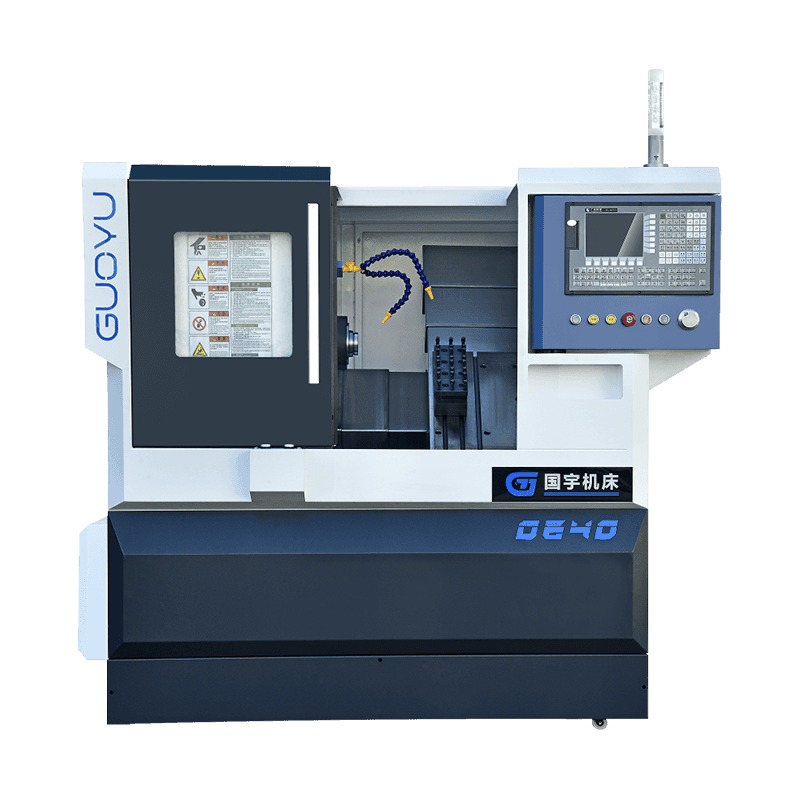
Introducing our Optional Control System CNC Lathe for Metal Processed, a sophisticated and reliable ...
See Details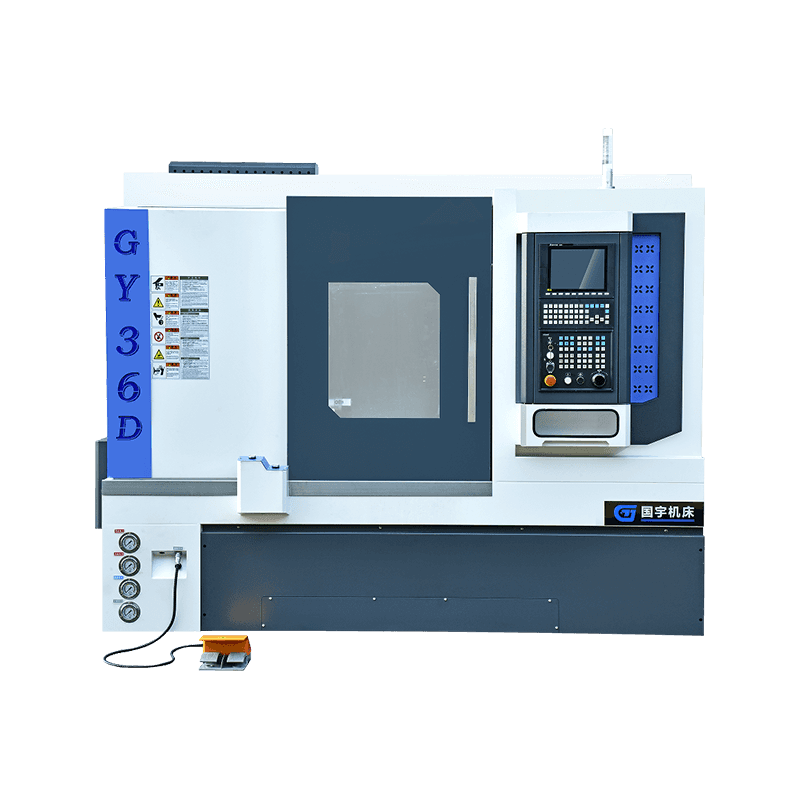
Technical Characteristics: All lathes are integrally cast with 250 materials to ensure processing ri...
See DetailsOur team of digital and business experts will guide you to the right direction.
Let's Talk
Zhejiang Guoyu CNC Machine Tool Co., Ltd. relies on rich experience, professional technology and advanced methods to ensure the quality of its products, so that customers can enjoy more professional and thoughtful service.
 [email protected]
 +86-15356565970
 Xialiang Industrial Area, Luqiao District, Taizhou City, Zhejiang Province, China
Copyright © Zhejiang Guoyu CNC Machine Tool Co., Ltd. All Rights Reserved.