English
 中文简体
中文简体 русский
 Español

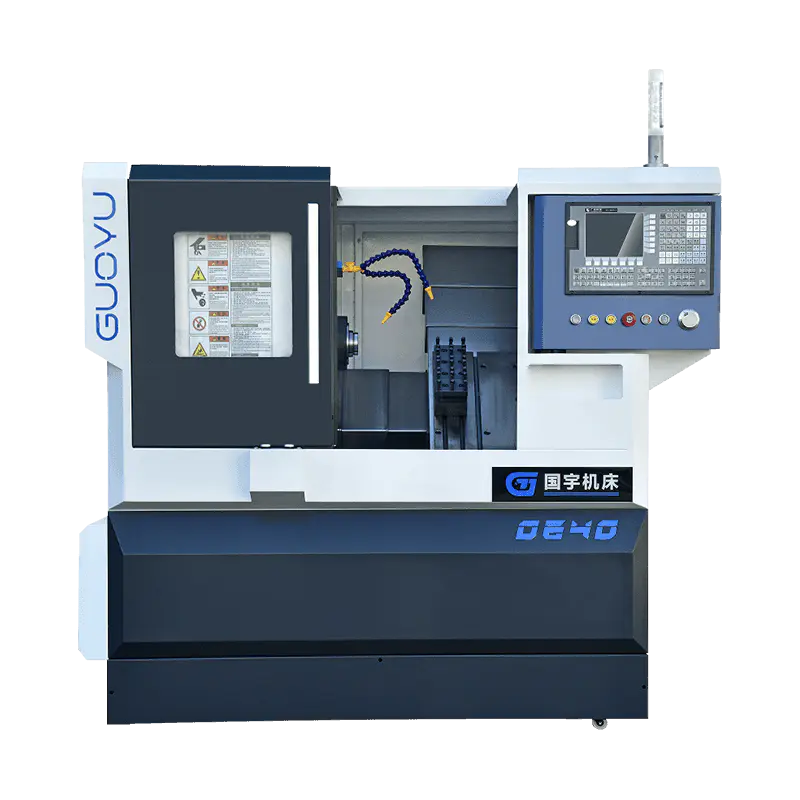
Technical Characteristics: It can cut all kinds of turning surfaces by bicycle, such as conical surf...
See DetailsCompare enough machining quotes and you'll notice something strange. The prices swing wildly, but so does the equipment sitting behind each number. A CNC lathe for metal work isn't one fixed thing, and treating it like a single interchangeable category is where a lot of sourcing decisions go sideways. Part geometry, batch size, alloy hardness, tolerance windows, all of it pushes the equation in different directions, and picking wrong tends to surface later as scrapped parts, blown deadlines, or a repair bill nobody budgeted for. Terms like precision, heavy duty, and high speed get thrown around almost interchangeably in sales conversations, yet underneath the labels sit genuinely different machines built for genuinely different jobs. None of this means you need an engineering degree before requesting a quote. It simply means spending a little time understanding the differences between lathe configurations can prevent far more time being lost after an unsuitable setup produces an unsatisfactory batch.
Turning gets a lot of attention in this conversation, but it's worth zooming out first. Metal parts reach their final shape through several distinct routes, and lathe work is only one branch of that tree.
Turning earns its popularity honestly. Shafts, bushings, fittings, anything built around a central axis tends to gravitate toward a lathe, which explains why CNC turning still anchors so much of the metal components industry.
Picture raw stock spinning at a controlled speed while a computer-guided tool shaves away material with a precision no hand-operated setup could match consistently. That's the basic mechanism, and it happens to excel specifically at round, tapered, or otherwise symmetrical geometry, run after run, without the drift you'd expect from manual operation.
What actually separates one lathe from the next usually traces back to three things. Spindle power and structural rigidity dictate how the machine copes with tougher alloys or wider stock diameters. Tooling flexibility decides how many operations fit into one setup before someone has to reposition the part. And control system sophistication, frankly, determines whether a complex profile gets machined in one pass or requires a string of manual interventions along the way.
| Lathe Type | Best Suited For | Key Characteristic |
|---|---|---|
| Precision CNC lathe | Tight tolerance components, medical or aerospace parts | Fine control, minimal deviation across repeat runs |
| Heavy duty CNC lathe | Large diameter shafts, oversized industrial parts | Strong spindle power, handles substantial material removal |
| High speed CNC lathe | High volume production runs, simpler geometries | Faster cycle times, efficient for repetitive parts |
| Universal CNC lathe | Mixed production environments, varied part types | Flexible configuration across multiple job types |
Nobody wins this comparison outright, and that's the point. A shop churning out small precision components lives in a completely different world than one machining oversized structural shafts, even if both crews would casually describe their equipment the same way over coffee.
It does, often more than buyers expect. Round stock with modest dimensional demands runs fine on a high speed setup, where throughput outranks elaborate control. But complexity climbs fast once you add multiple diameters, tapered sections, threading, or grooves into a single part, and machine capability needs to climb right along with it.
Matching machine type to what the part actually demands, rather than grabbing whatever happens to be free on the floor, tends to pay off in fewer reworks and steadier dimensional consistency.
Volume pulls the decision in its own direction, somewhat independent of geometry, and it deserves separate attention for that reason.
Prototype runs or low volume work generally favor flexible, universal configurations, since quick changeover between designs matters more than shaving seconds off cycle time. Mid volume production, repeating the same part without chasing massive scale, tends to land on precision or standard setups balancing accuracy against reasonable output. High volume manufacturing, especially for simpler shapes produced by the thousands, usually justifies investing in high speed configurations, where even small per-part time savings compound into something meaningful across a full production run. Miss this assessment in either direction and trouble follows. Underpowered equipment straining against high volume demand on one side, overbuilt precision machinery sitting idle on straightforward work on the other.
Hardness and composition matter just as much as shape here. Aluminum and other softer metals machine efficiently across nearly any lathe configuration without demanding much from spindle power. Stainless steel, certain tool steels, tougher alloys generally, place real stress on both cutting tools and machine rigidity, which usually points buyers toward heavier duty equipment built to absorb that stress without premature tool wear or creeping dimensional inconsistency.
Heat matters too, and it's easy to overlook. Some materials generate considerably more thermal load under cutting stress than others, and if the machine and cooling setup aren't matched to that reality, both tool life and final accuracy tend to suffer for it.
Once the technical picture comes into focus, sourcing takes over, whether that means buying equipment outright or lining up an outsourced machining partner.
Skip this step and mismatched expectations tend to surface later, usually right around the point where a supplier's equipment turns out to be a poor fit for the actual part specifications.
Landing on the right metal processing solution really comes down to lining up part geometry, tolerance demands, production volume, and material behavior against what the machine handling the job can genuinely deliver, rather than assuming one lathe configuration covers every scenario equally well. Teams that map these factors out before committing to equipment or an outsourcing partner tend to sidestep the expensive mismatches that show up later as tool wear, dimensional drift, or a production line that just can't keep pace. Whether the job calls for tight tolerance precision work, heavy duty handling of oversized components, high speed output across large batches, or a universal setup flexible enough for mixed production, understanding what separates these paths upfront makes both the equipment decision and the sourcing conversation a lot more productive. Zhejiang Guoyu CNC Machine Tool Co., Ltd. supports manufacturers working through exactly this kind of evaluation, offering CNC lathe solutions across precision, heavy duty, high speed, and universal configurations, and welcomes inquiries from engineering and procurement teams looking to match machine capability to their specific metal processing needs.
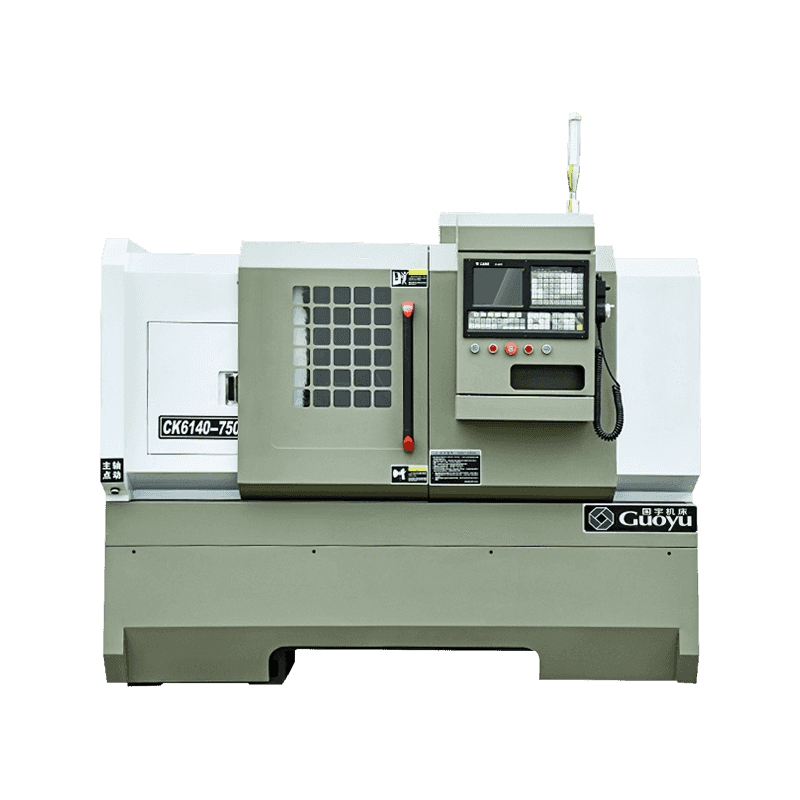
Technical Characteristics: It can cut all kinds of turning surfaces by bicycle, such as conical surf...
See Details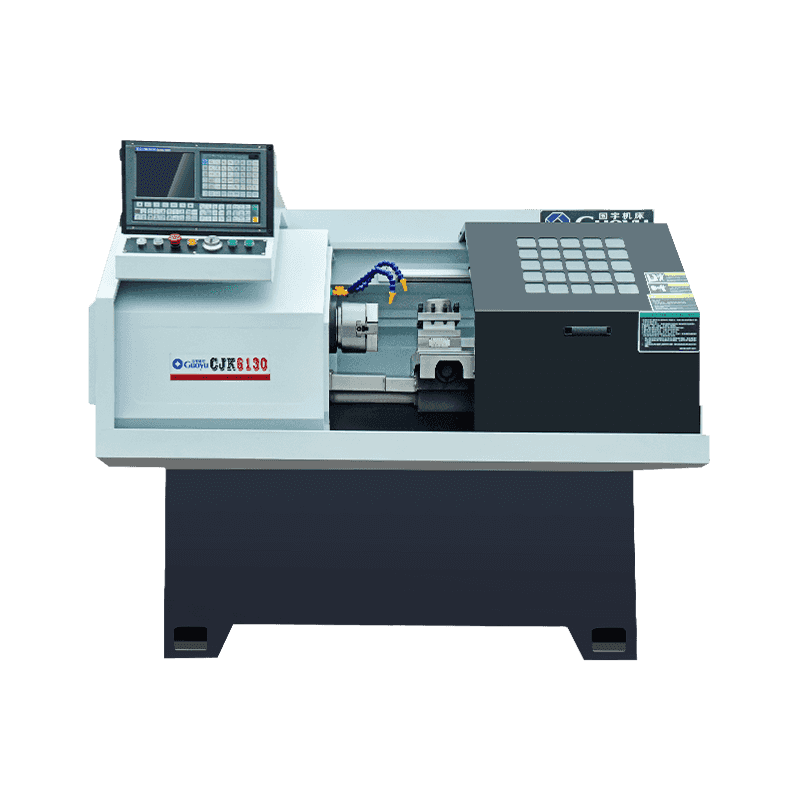
Technical Characteristics: The machine tool is a single-column vertical guideway structure. The colu...
See Details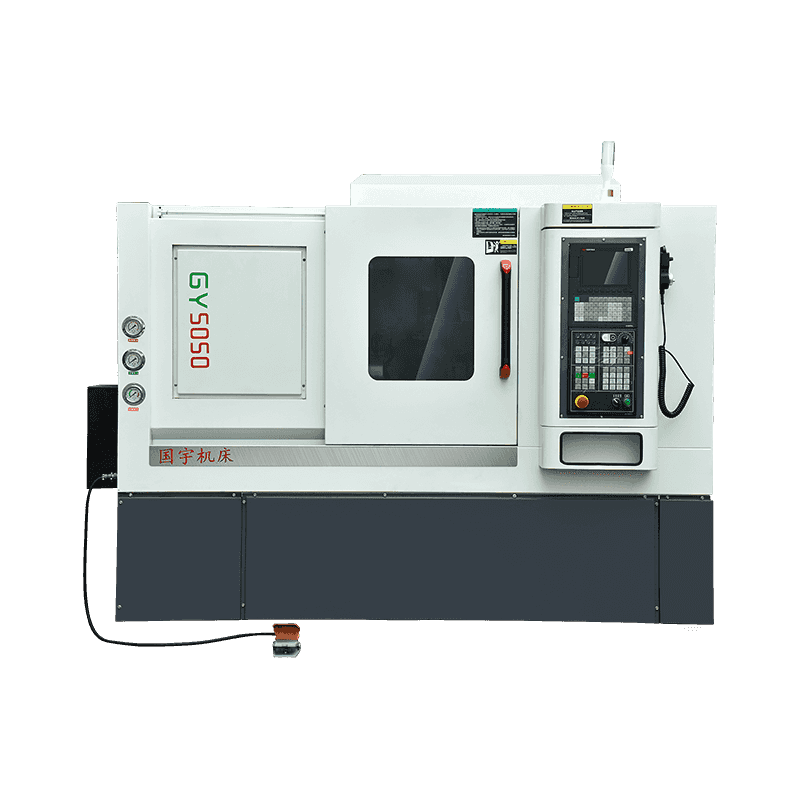
Technical Characteristics: The machine tool is of high precision, and the spindle is supported by hi...
See Details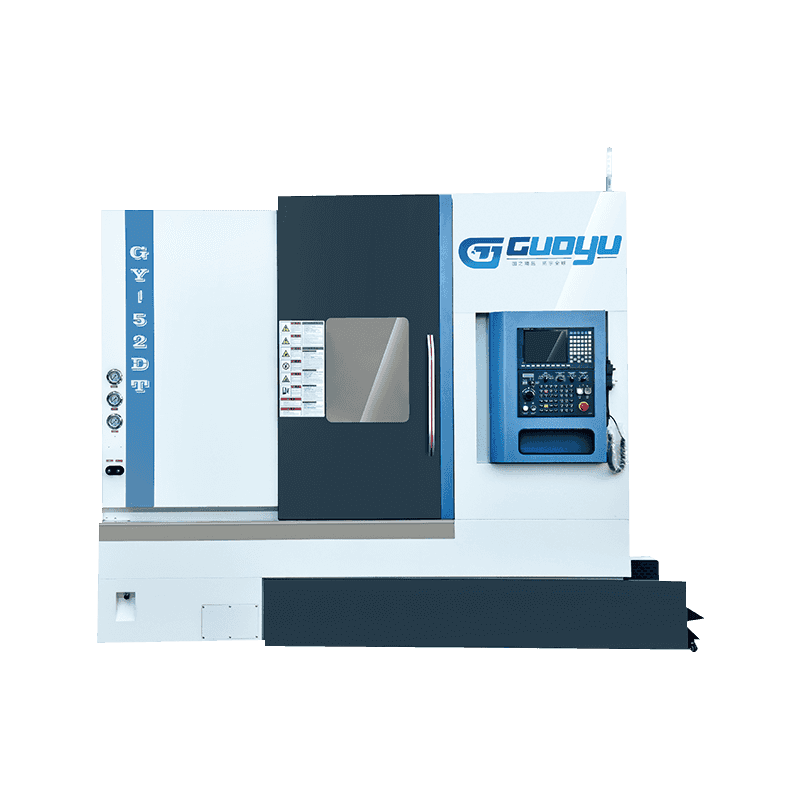
Technical Characteristics: The CNC machine tool for inclined beds adopts the domestic or imported hi...
See Details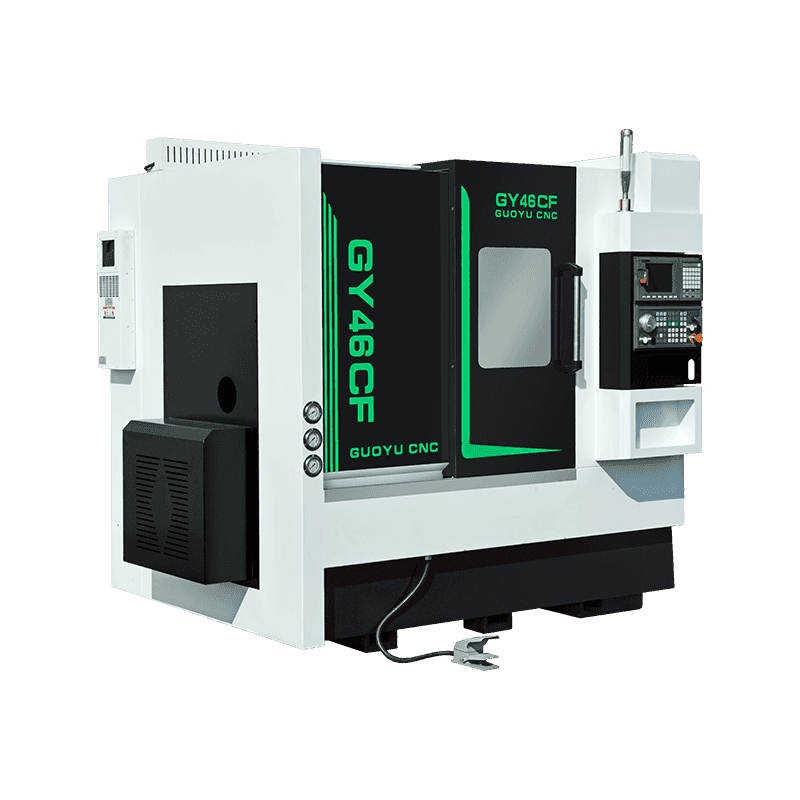
The 4+4 Type Precision CNC Lathe With Conjoined Oblique Rail Cutter Tower is a really practical, mul...
See Details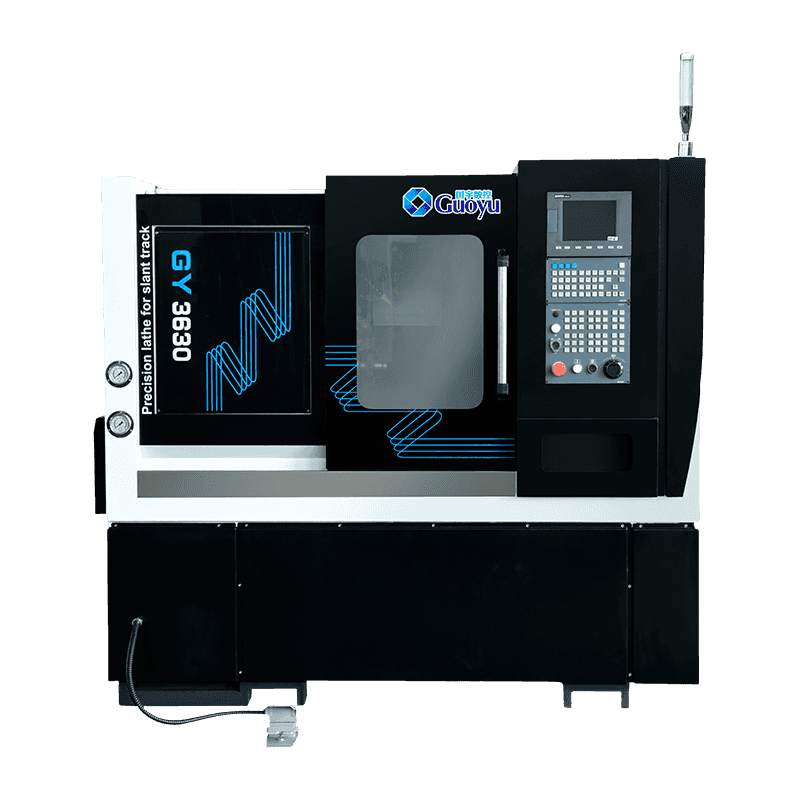
The Conjoined 45° Oblique Gauge Cutter Precision CNC Lathe is a really practical machining solution ...
See Details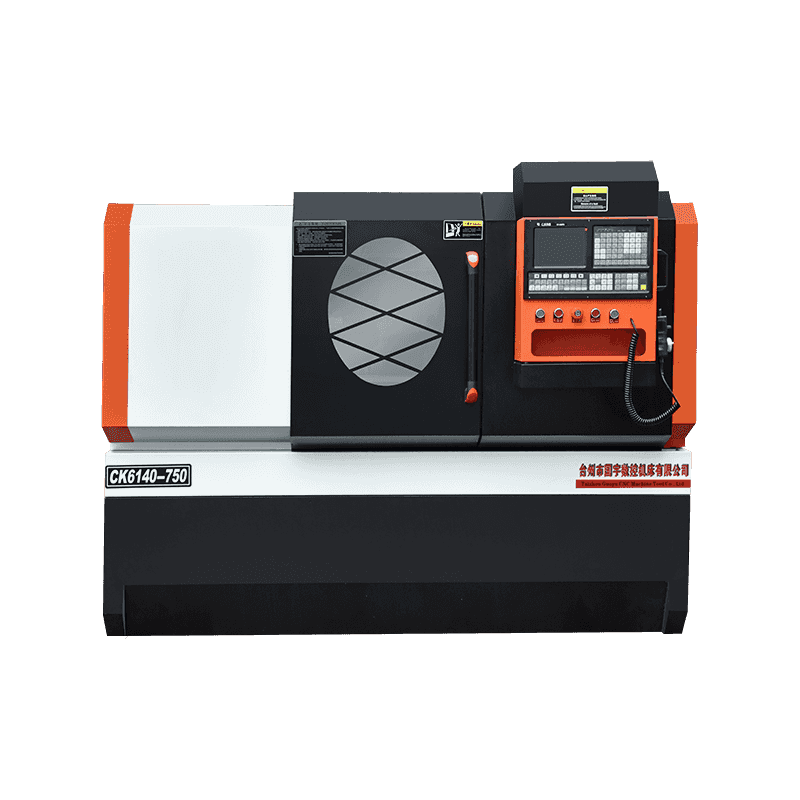
Technical Characteristics: It can cut all kinds of turning surfaces by bicycle, such as conical surf...
See Details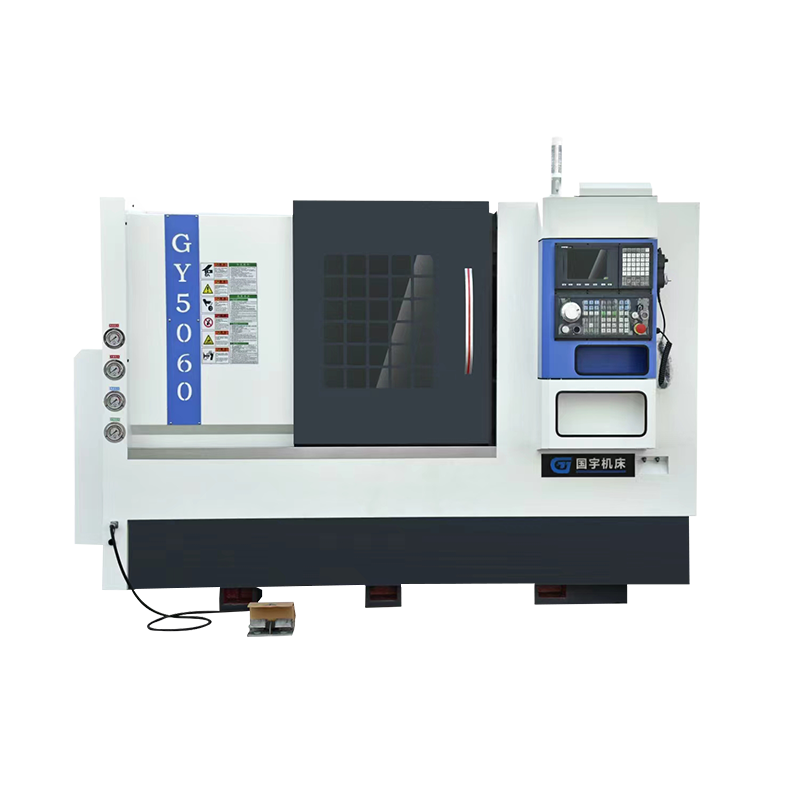
Technical Characteristics: All lathes are integrally cast with 250 materials to ensure processing ri...
See DetailsOur team of digital and business experts will guide you to the right direction.
Let's Talk
Zhejiang Guoyu CNC Machine Tool Co., Ltd. relies on rich experience, professional technology and advanced methods to ensure the quality of its products, so that customers can enjoy more professional and thoughtful service.
 [email protected]
 +86-15356565970
 Xialiang Industrial Area, Luqiao District, Taizhou City, Zhejiang Province, China
Copyright © Zhejiang Guoyu CNC Machine Tool Co., Ltd. All Rights Reserved.