English
 中文简体
中文简体 русский
 Español

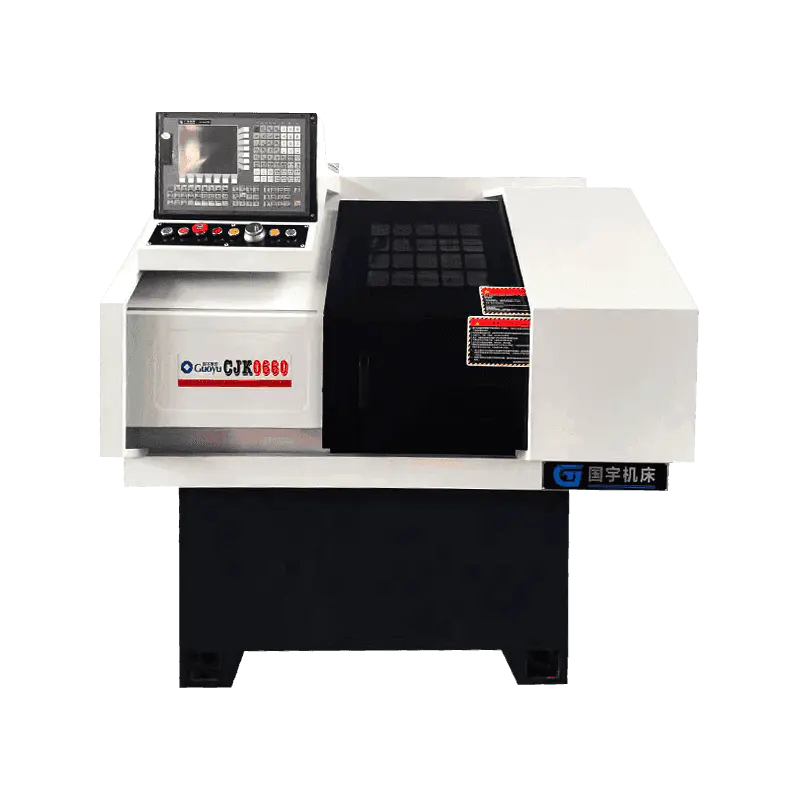
Technical Characteristics: It can cut all kinds of turning surfaces by bicycle, such as conical surf...
See DetailsWalk into almost any machine shop these days and you'll notice something different from a decade ago. The same operator who used to run one bracket design every day now switches between three or four part numbers within a single week. A shop that once poured its whole layout around one steady product line now has to make room for smaller batches, tighter deadlines, and customers who change their minds halfway through a project. This kind of shift is pushing manufacturers to look at their equipment differently. One piece of equipment showing up more often in these conversations is the Custom CNC Lathe. Rather than buying a machine off a catalog and rearranging the shop floor to fit it, more manufacturers are asking their equipment to fit the way they already work — the parts they cut, the space they have, and where they hope to be in a few years. Purchasing conversations now go well past spindle speed and tooling capacity. Production managers ask about installation logistics, how easily a technician can reach the electrical cabinet during a breakdown, and whether the layout still makes sense if the shop takes on new work next year. These questions are shaping how customized equipment gets evaluated and why it keeps showing up in equipment planning meetings.
A supplier producing automotive shafts during one production cycle and hydraulic fittings in another operates differently from a shop machining the same bushing continuously over an extended period. Product requirements change, order volumes become smaller, and customers increasingly expect shorter delivery schedules. Equipment needs to adapt to these changes without requiring major facility modifications or additional operator training whenever production demands shift.
This has pushed manufacturers to look past standard configurations. The question isn't just "can this machine cut the part," it's "can this machine handle the next five jobs without creating headaches in between."
Customization lets equipment slide into an existing system instead of forcing the shop to reorganize itself around a fixed machine footprint.
A few things are driving this shift on the shop floor:
None of this is new territory for machine buyers, but the weight given to it has grown. A lathe isn't judged only by what it can cut this quarter — it's judged by how well it holds up as the shop's work changes around it.
A customized machine isn't a stock model with a couple of extra options bolted on. The real difference starts on paper, long before steel gets ordered.
Every shop has its own quirks. Some work in tight rooms with low ceilings. Others have room to spare but need a layout that keeps forklifts and foot traffic separate. Some cut the same shape day after day, while others switch setups multiple times a shift.
Because of these differences, a machine built for one shop doesn't always translate well to another — even if both shops make similar parts.
A Custom CNC Lathe gets built around the actual working conditions of a shop rather than a generic assumption about how a factory floor operates.
That planning stage usually involves working through practical questions:
These answers shape the machine's configuration, how it fits into the surrounding workflow, and how it gets installed on day one.
Instead of bending the shop's habits around a machine's limits, the machine gets built around habits the shop already has.
Two shops making similar parts can still run their floors in completely different ways.
Some keep one spindle running the same job for weeks at a stretch.
Others swap fixtures and programs several times a day.
Some shops want fast changeovers above everything else.
Others care more about keeping a steady, predictable output.
Because these habits differ, the equipment built to support them differs too.
Customization gives shops room to think through these habits before installation day rather than after the machine is already bolted to the floor.
A few practical points tend to come up during that planning:
| Shop Consideration | Why It Matters on the Floor |
|---|---|
| Floor layout | Keeps foot traffic and material flow from colliding |
| Material movement | Cuts down on extra handling between stations |
| Production scheduling | Keeps upstream and downstream steps in sync |
| Maintenance access | Makes routine servicing less of a chore |
| Room to grow | Leaves space for new work later on |
| Operator comfort | Affects how smoothly a shift actually runs |
None of these points look dramatic on their own, but they add up over months of daily operation. A shop that walks through them early usually spends less time fixing avoidable problems later.
Machine buyers used to look at equipment one piece at a time — how fast it cuts, how tight its tolerances run, what it costs. That's changing.
More shops now look at the whole line rather than a single machine in isolation.
Raw stock passes through several stations before it becomes a finished part. If one station runs smoothly while the next one bottlenecks, the whole schedule slips regardless of how good any single machine performs on its own.
That's why workflow shows up in purchasing conversations now.
Buyers ask things like:
These questions matter just as much as raw cutting performance.
Production planning has grown more connected than it used to be. Instead of buying machines one at a time and hoping they fit together, shops increasingly plan equipment as part of a bigger system.
That kind of planning tends to pull in more people, too. Production staff, maintenance techs, engineers, and floor managers often sit in on the same equipment discussions, each bringing a different angle — workflow, accessibility, installation logistics, long-term goals. Mixing those viewpoints usually leads to decisions that hold up better once the machine is actually running.
Customization shows up across a wide mix of industries because no two production floors run exactly alike.
Shops cutting transportation parts often deal with schedules that shift week to week.
Medical component manufacturers tend to lean on tight, well-organized workflows where every step needs to be traceable.
Energy sector suppliers frequently take on projects that change scope partway through.
Industrial equipment makers often juggle several part designs within the same production run.
General machining shops might see a different customer job land on the floor every week.
Even with all these differences, a few themes keep repeating:
These shared concerns explain why customized equipment keeps coming up in conversations across such different corners of manufacturing. It isn't tied to one industry — it reflects how production planning is changing across the board, where flexibility and daily workflow keep bumping into each other.
Ordering customized equipment takes more legwork than picking a standard model off a spec sheet. Because the machine gets built around specific working conditions, buyers usually spend real time studying their own floor before signing off on anything. That process often starts with plain observation rather than technical calculations. Production managers walk the floor and watch how work actually moves. Operators point out the recurring headaches that slow down a shift. Maintenance staff flag the access points that give them trouble. Floor planners look at available space and where the shop might expand. Putting these observations together usually gives a clearer picture of what the new machine actually needs to do.
A handful of questions tend to guide these conversations:
Will it handle what the shop is doing right now?
Buyers often start by looking at current production rather than jumping straight to future plans. Understanding today's workflow gives customization something solid to build on.
Can it flex if production changes later?
Shop floors rarely stay the same for long. Part designs get revised. Customers change what they order. Schedules loosen or tighten depending on the season. A machine that can bend with those changes tends to hold up better over the years.
How will maintenance actually get handled?
Maintenance planning increasingly gets discussed before the machine ever arrives. Clear inspection points, straightforward cleaning routines, and organized servicing schedules all feed into how stable day-to-day production stays.
Does it fit the space that's actually available?
Floor layout affects more than just where the machine sits. It shapes how operators move around it, how material gets delivered, how easily a technician can reach it, and whether there's room to grow later.
For that reason, buyers increasingly look at the whole surrounding space rather than just the machine's footprint on paper.
As these purchasing conversations keep evolving, customization is turning into less of a feature list and more of a question: does this machine actually fit the way the shop already works, day in and day out.
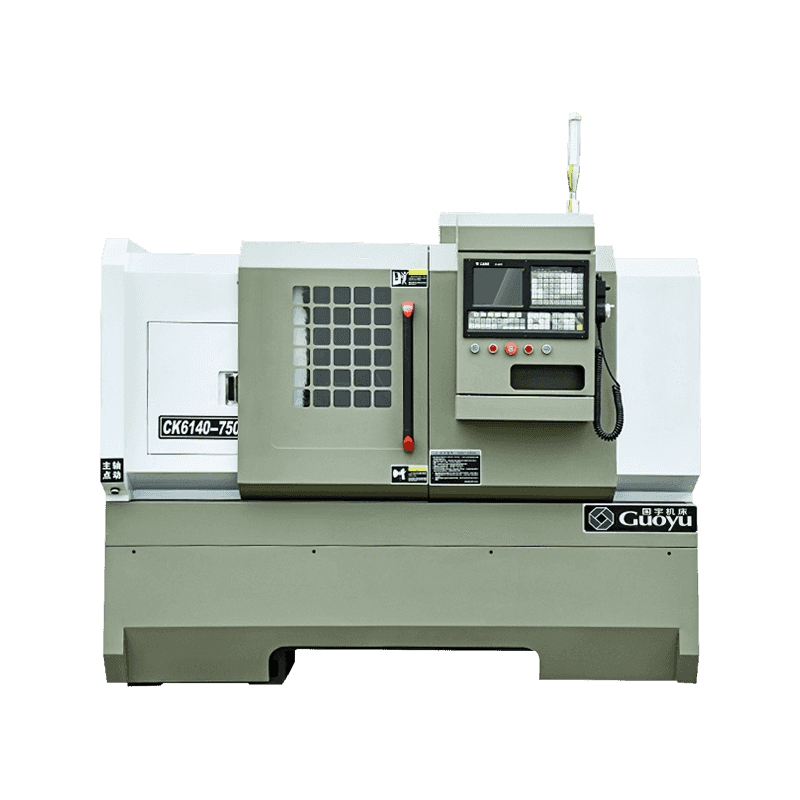
Technical Characteristics: It can cut all kinds of turning surfaces by bicycle, such as conical surf...
See Details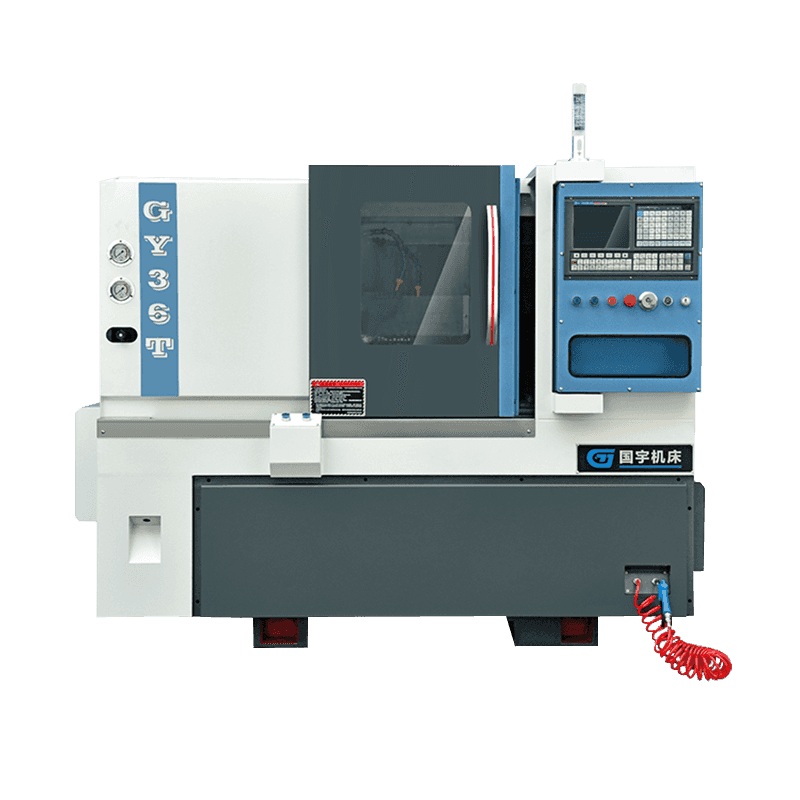
Technical Characteristics: The CNC machine tool for inclined beds adopts the domestic or imported hi...
See Details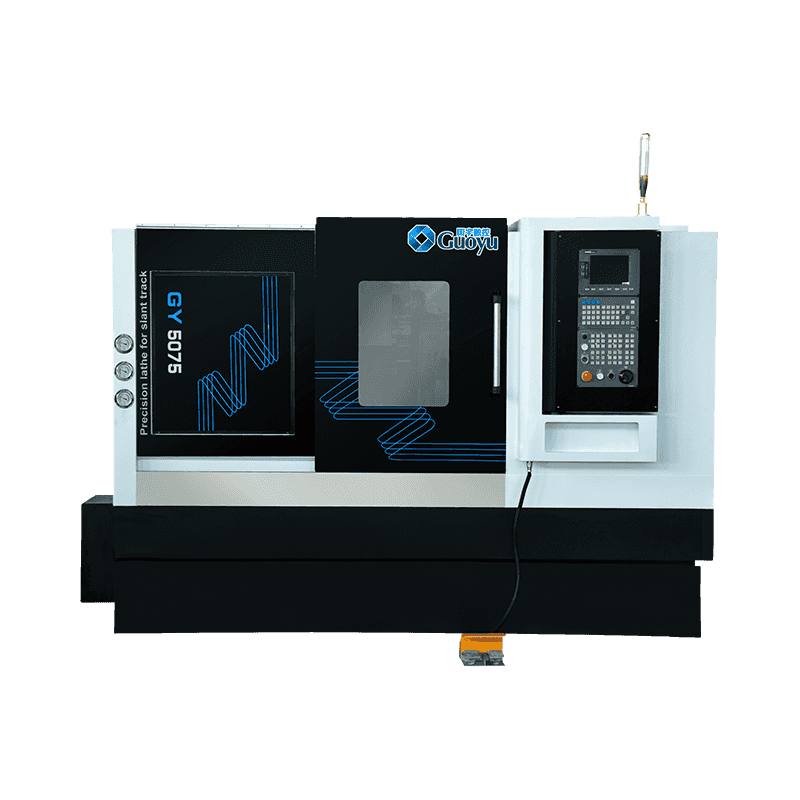
Technical Characteristics: The CNC machine tool for inclined beds adopts the domestic or imported hi...
See Details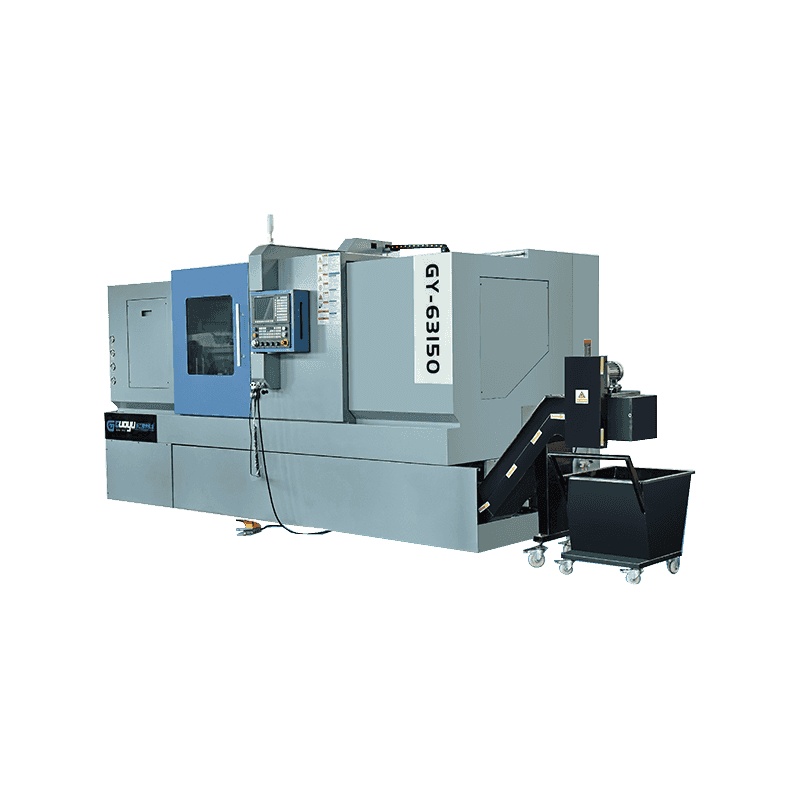
The Precision CNC Lathe With Programmable Tailstock For Connected Inclined Rail Tool Tower is just a...
See Details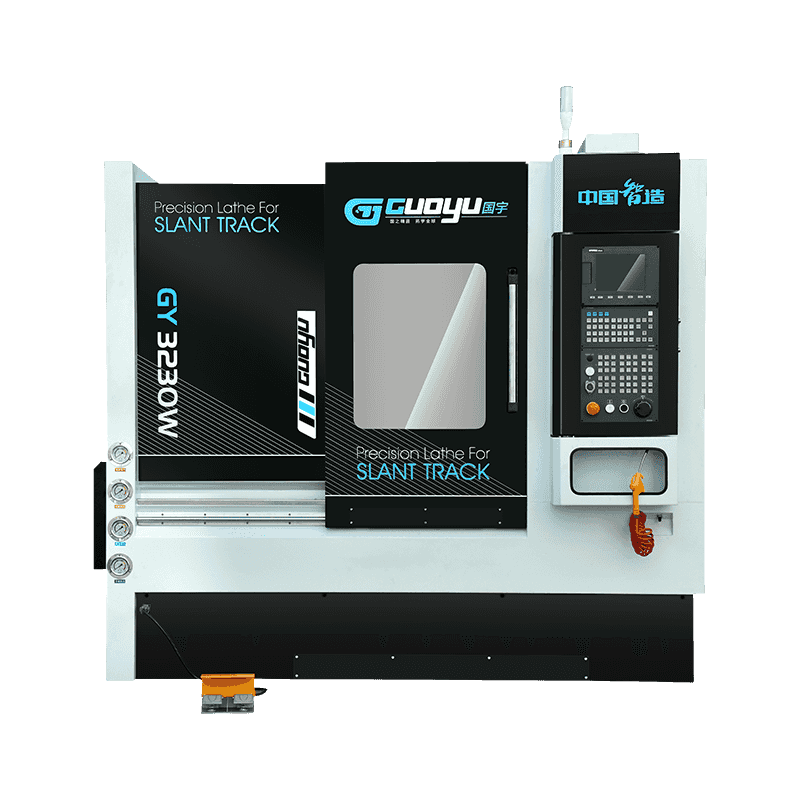
Technical Characteristics: The machine tool is of high precision, and the spindle is supported by hi...
See Details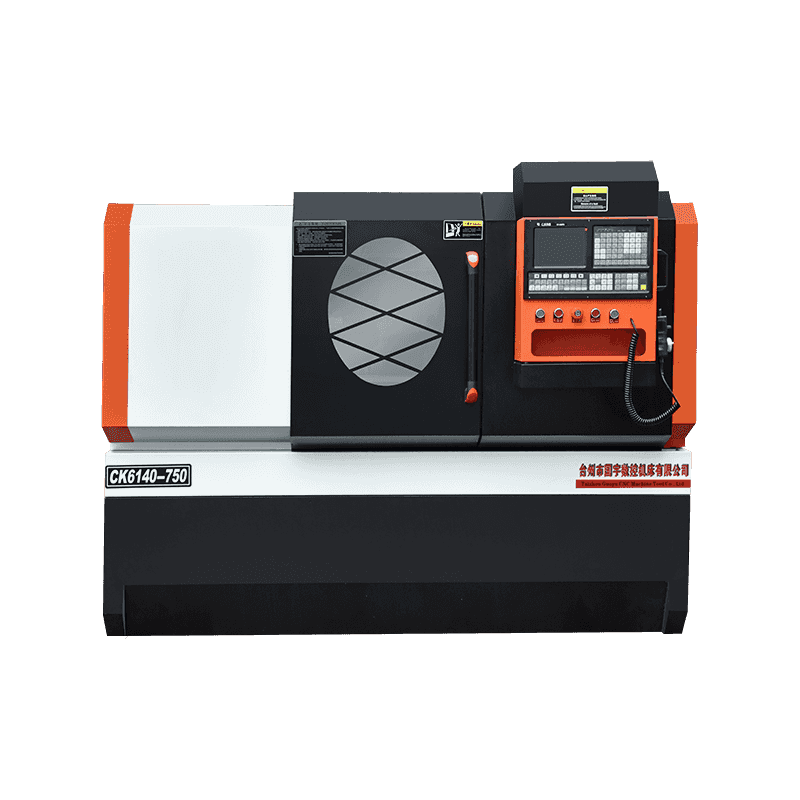
Technical Characteristics: It can cut all kinds of turning surfaces by bicycle, such as conical surf...
See Details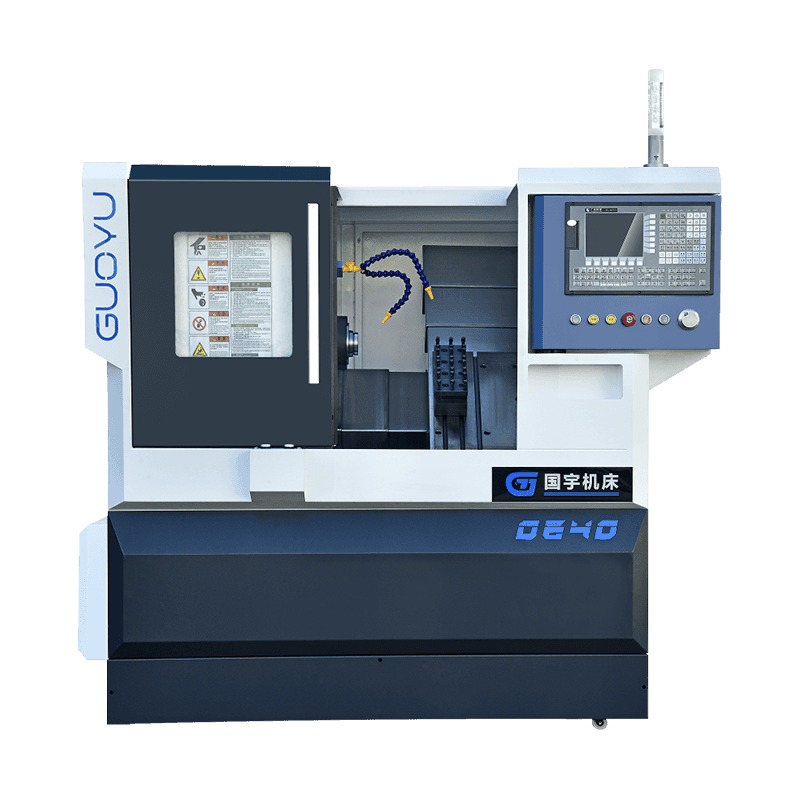
Introducing our Optional Control System CNC Lathe for Metal Processed, a sophisticated and reliable ...
See Details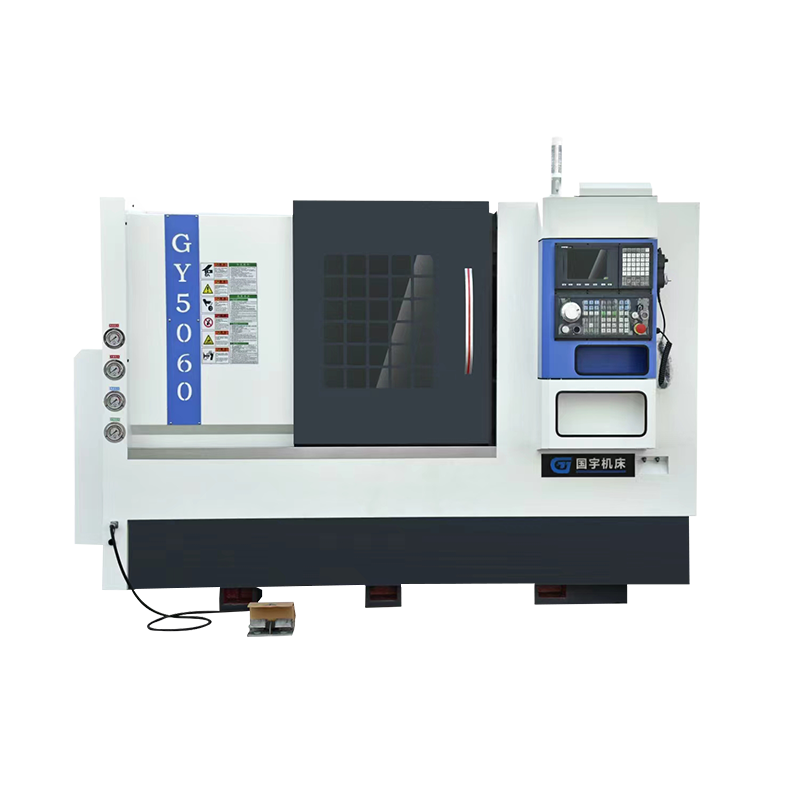
Technical Characteristics: All lathes are integrally cast with 250 materials to ensure processing ri...
See DetailsOur team of digital and business experts will guide you to the right direction.
Let's Talk
Zhejiang Guoyu CNC Machine Tool Co., Ltd. relies on rich experience, professional technology and advanced methods to ensure the quality of its products, so that customers can enjoy more professional and thoughtful service.
 [email protected]
 +86-15356565970
 Xialiang Industrial Area, Luqiao District, Taizhou City, Zhejiang Province, China
Copyright © Zhejiang Guoyu CNC Machine Tool Co., Ltd. All Rights Reserved.