English
 中文简体
中文简体 русский
 Español

Technical Characteristics: The machine tool is a single-column vertical guideway structure. The colu...
See DetailsChoosing the wrong rail system for a CNC lathe isn't something that announces itself during the machine setup. It shows up weeks later — in chatter marks you can't dial out, in finish inconsistencies on tight-tolerance parts, or in a machine that handles roughing fine but struggles the moment you push cut depth. Selecting the appropriate rail configuration from the beginning is more important than many buyers expect during the selection process. The choice between hard rails and linear rails is a key consideration for anyone using a Heavy Duty CNC Lathe Machine in production.
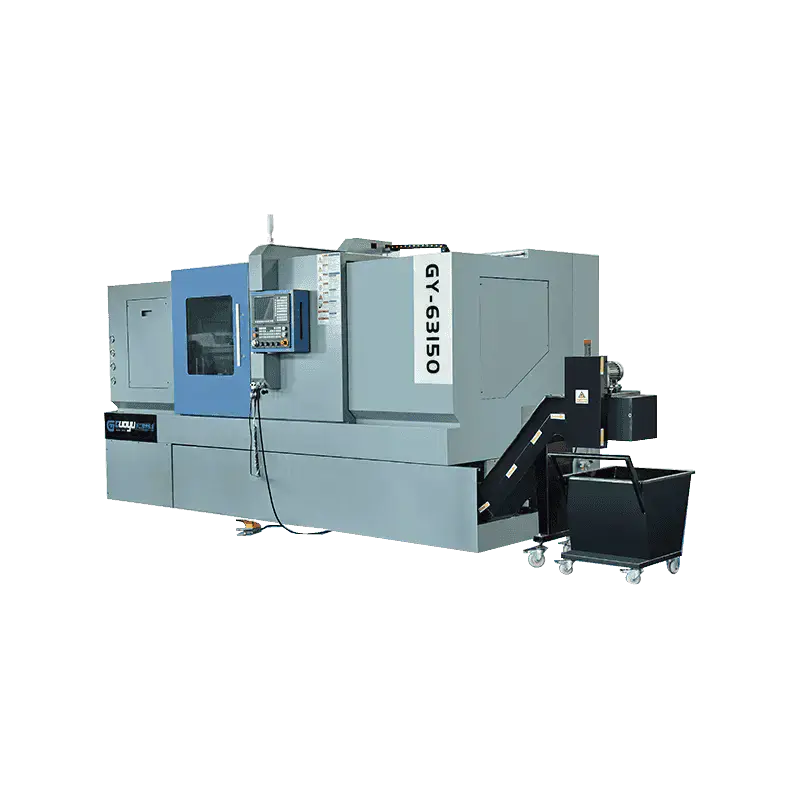
Both systems guide the carriage along the machine axes, but how they accomplish that, and what they sacrifice to do so, are genuinely different.
Hard rail, also called box way or flat way, uses a wide sliding surface machined directly into the machine casting. The contact area is large, the geometry is stable, and the resistance to vertical and lateral cutting forces is built into the physical mass of the system.
Key structural characteristics:
Linear rail systems, also called linear guides or profiled rail guides, use recirculating ball or roller elements rolling inside a precision-ground rail profile. There's far less contact area, which is exactly why they're faster and lower in friction, but also why they manage heavy cutting forces differently.
Key structural characteristics:
Understanding what each system does well in practice changes the selection decision considerably.
Hard rail handles interrupted cuts, heavy facing operations, and aggressive material removal with stability that linear rail systems can struggle to match at comparable machine sizes. The large contact area distributes cutting force across a longer span, which limits the moment arm that causes chatter and deflection.
Linear rail, under the same conditions, concentrates force through the bearing blocks. These are precision components, but they have load ratings that matter in heavy-duty applications. Exceed those ratings repeatedly and longevity suffers.
Linear rail's low friction advantage becomes clear in high-speed finishing passes or in machines running high rapid traverse rates. The ball bearing elements reduce energy loss significantly compared to the sliding friction of hard rail, which means less heat, better thermal stability in short cutting cycles, and faster axis response.
Hard rail systems run slower because friction is inherently higher. The lubricant film does a lot of work, and at higher speeds, maintaining that film consistently becomes more demanding.
This is where hard rail holds a meaningful edge that's easy to underestimate. The large contact interface acts as a natural damping layer, absorbing micro-vibrations before they can show up on the part surface. For operators machining alloy steels, cast iron, or any material prone to chatter, that damping quality directly affects surface finish on aggressive cuts.
Linear rail systems, with their rolling contact, transmit vibration more efficiently through the structure. This is partly why high-speed precision machines using linear rails often pair them with carefully tuned spindle systems and controlled cutting parameters to compensate.
The workpiece material has a significant influence on this decision, and this is where the question of "which is better for my parts" is answered more directly.
For shops cutting thick-walled structural components, roughing out forged blanks, or producing mold bases in P20 or H13 tool steel, hard rail is typically the more suitable configuration. The loads involved, both in terms of cutting force and workpiece weight, favor the stability and damping characteristics that box way construction provides.
Linear rail systems perform well here. These materials cut at higher speeds without generating the kind of forces that challenge the load ratings of precision linear guides. The speed advantage delivers shorter cycle times, and the positioning accuracy supports tighter tolerances across repeated passes.
This is where the choice gets harder. A machine that needs to rough a workpiece down from bar stock and then finish it to tolerance in the same setup has to handle both extremes. Some operators address this by accepting a compromised solution, while others use two machines, one configured for each phase. Neither is ideal, which is why the question of a single machine's rail configuration matters so much for shops running blended workloads.
The maintenance profile of each system is different enough to factor into a purchase decision, especially for shops where machine downtime has a real cost.
Hard rail systems require consistent lubrication to keep the sliding interface working correctly. If the lubrication circuit fails or interval-based oiling is neglected, wear accelerates on the contact surfaces. Reconditioning worn hard rail involves scraping or grinding, which requires skilled labor and machine downtime.
Checklist for hard rail maintenance:
Linear guides are generally considered lower maintenance in everyday operation. The recirculating elements are sealed or fitted with wipers, and lubrication needs are less frequent in many configurations. However, they're less forgiving of contamination. Chips and metallic swarf that find their way into the bearing elements cause scoring and premature wear that's expensive to correct.
Checklist for linear rail maintenance:
| Factor | Hard Rail | Linear Rail |
|---|---|---|
| Rigidity under heavy cutting | High | Moderate, load-rating dependent |
| Vibration damping | Strong, inherent to sliding interface | Lower, more dependent on machine design |
| Speed and traverse rate | Lower | Higher |
| Positioning accuracy | Good, depends on wear state | High, consistent with correct preload |
| Maintenance complexity | Regular lubrication critical | Lower daily maintenance, sensitive to contamination |
| Suitability for heavy interrupted cuts | Well suited | Less suited at aggressive parameters |
| Suitability for high-speed finishing | Limited | Well suited |
| Long-term wear characteristics | Gradual, reparable | Can be more sudden if contamination occurs |
| Cost of reconditioning | Higher skilled labor cost | Component replacement rather than rework |
Reading across this, neither system is inherently better in an absolute sense. The selection follows the work — and the work varies by shop.
For large-format lathes handling shaft work, heavy ring components, or long pipes and tubing, the rail choice carries more weight than it does on smaller turning centers. The reasons stack up quickly.
A heavy-duty lathe working with large-diameter steel components puts real moment loads into the carriage system during facing and profiling passes. The torque from an interrupted cut on a large flange, for instance, can generate lateral force spikes well above what a linear rail system at that machine size was designed to absorb repeatedly.
Hard rail configurations in heavy-duty lathes provide a physical margin here that linear systems of comparable specification don't. The carriage doesn't lift, doesn't rock, and the dampening keeps surface finish consistent even when the workpiece isn't perfectly balanced.
Linear rail configurations are commonly used in heavy-duty lathes designed for high-speed finishing of large aluminum or other non-ferrous components, where cycle time and surface finish quality are given greater priority than high cutting force resistance.
Rather than treating this as a product specification question alone, it helps to frame it around actual shop conditions.
Running through these honestly usually surfaces a clear lean toward one configuration or the other. The tricky cases are shops with genuinely mixed workloads, where the decision becomes a judgment call about which end of the performance range matters more.
Some machine designs do combine hard rail on the Z-axis, where heavy longitudinal cutting force is absorbed, with linear rail on the X-axis, where faster cross-slide movement and higher positioning accuracy are the priority. This hybrid approach tries to extract the strengths of both without fully accepting either's limitations.
The trade-off is added complexity in maintenance and alignment, since the two systems respond differently to wear, temperature, and load cycling. For shops with experienced maintenance staff and controlled environments, it can work well. For environments where machine care is more variable, a single consistent rail type tends to be easier to manage over the long term.
Rail configuration in a CNC lathe is not a one-size decision. It's a match between the machine's structural design and the actual demands the workpieces will place on it day after day. Hard rails are commonly used in production environments processing heavy materials, where damping and load capacity are essential. Linear rails are often selected for applications where speed, precision, and reduced friction are given greater priority than cutting force absorption. The better question isn't which system is better in general, but which one suits the parts being produced, the cutting parameters being run, and the maintenance environment in which the machine will operate. For manufacturers and procurement teams working through this decision for a new machine purchase or a capacity expansion, Zhejiang Guoyu CNC Machine Tool Co., Ltd. produces Heavy Duty CNC Lathe Machines with both hard rail and linear rail configurations, offering engineering support to help match machine structure to specific production requirements. If your shop is evaluating which configuration fits the work you're running, sharing your application details is a practical starting point.
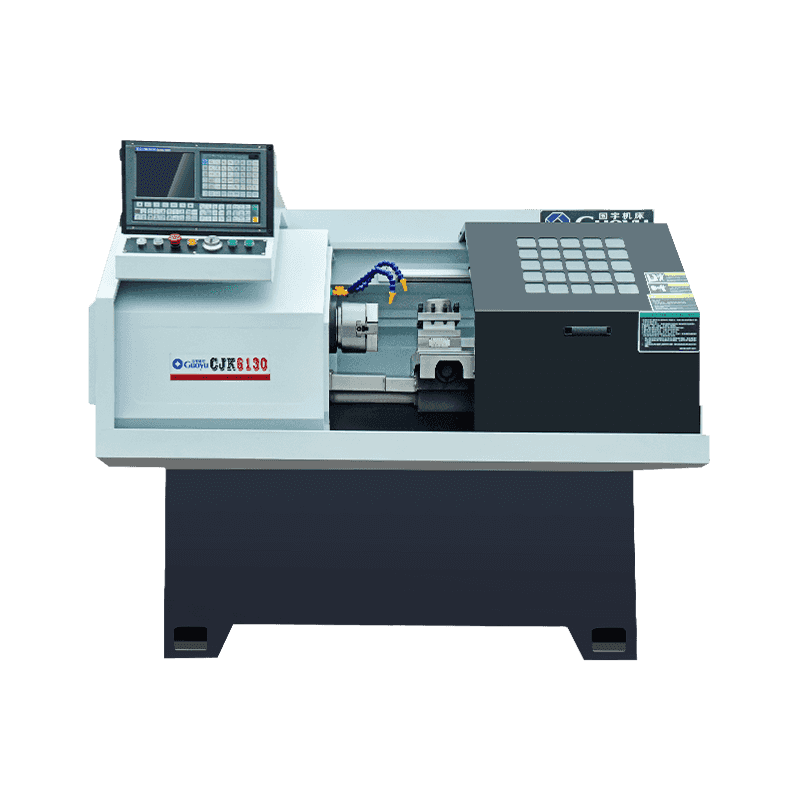
Technical Characteristics: The machine tool is a single-column vertical guideway structure. The colu...
See Details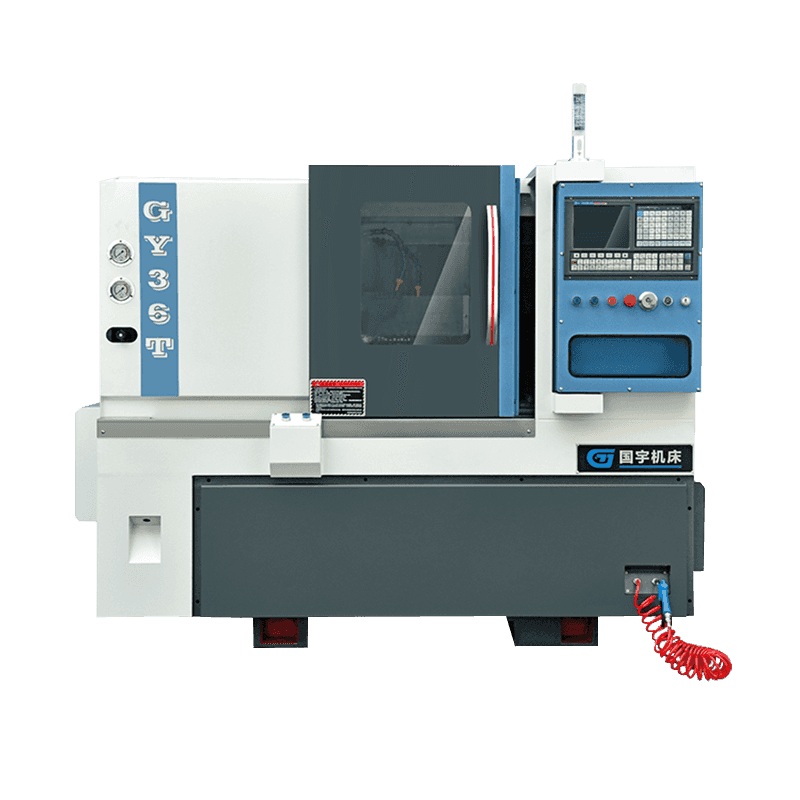
Technical Characteristics: The CNC machine tool for inclined beds adopts the domestic or imported hi...
See Details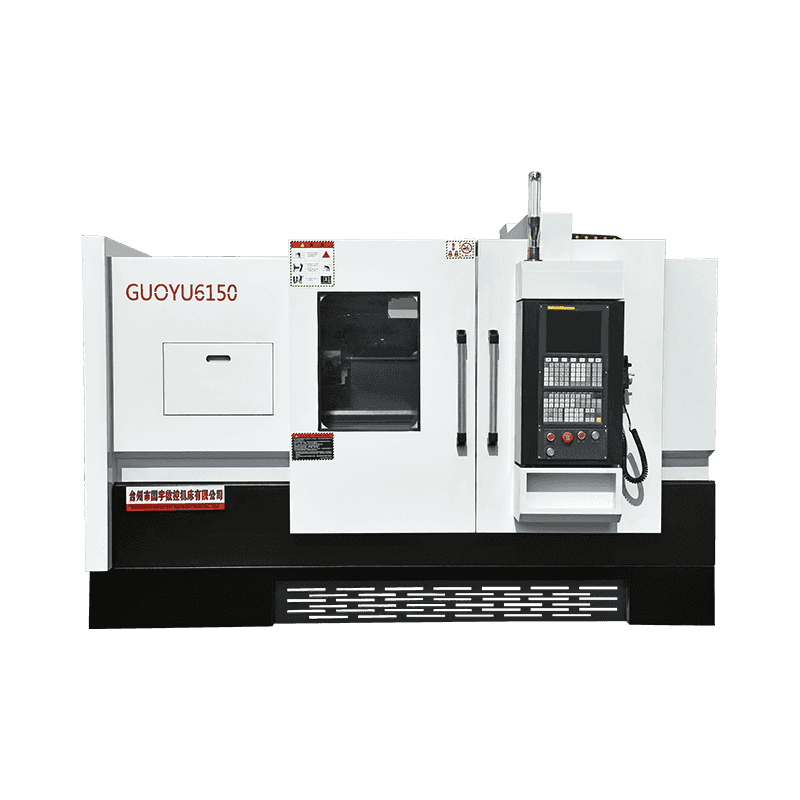
Technical Characteristics: It can cut all kinds of turning surfaces by bicycle, such as conical surf...
See Details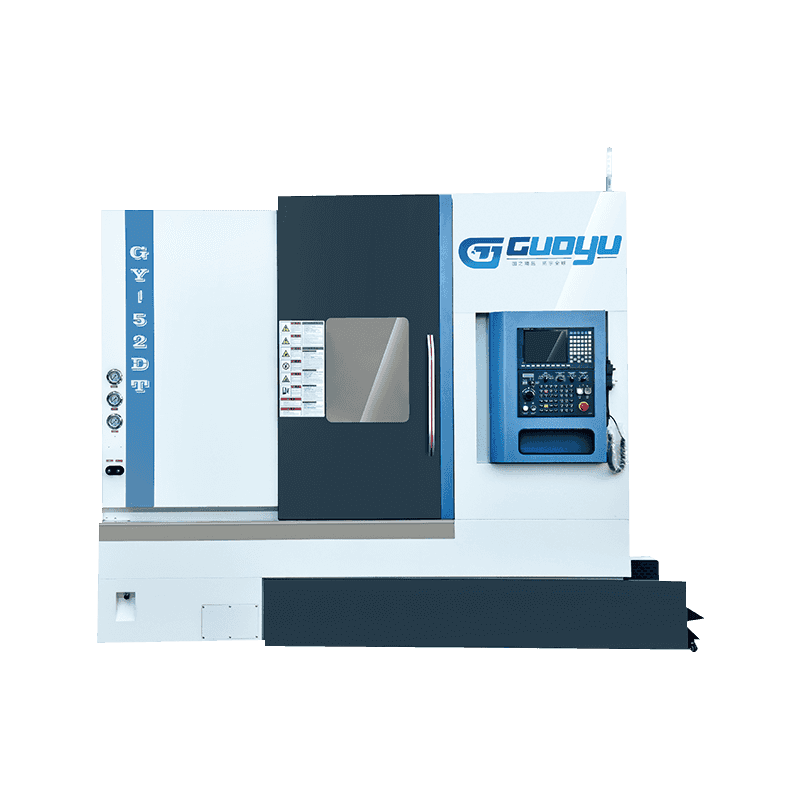
Technical Characteristics: The CNC machine tool for inclined beds adopts the domestic or imported hi...
See Details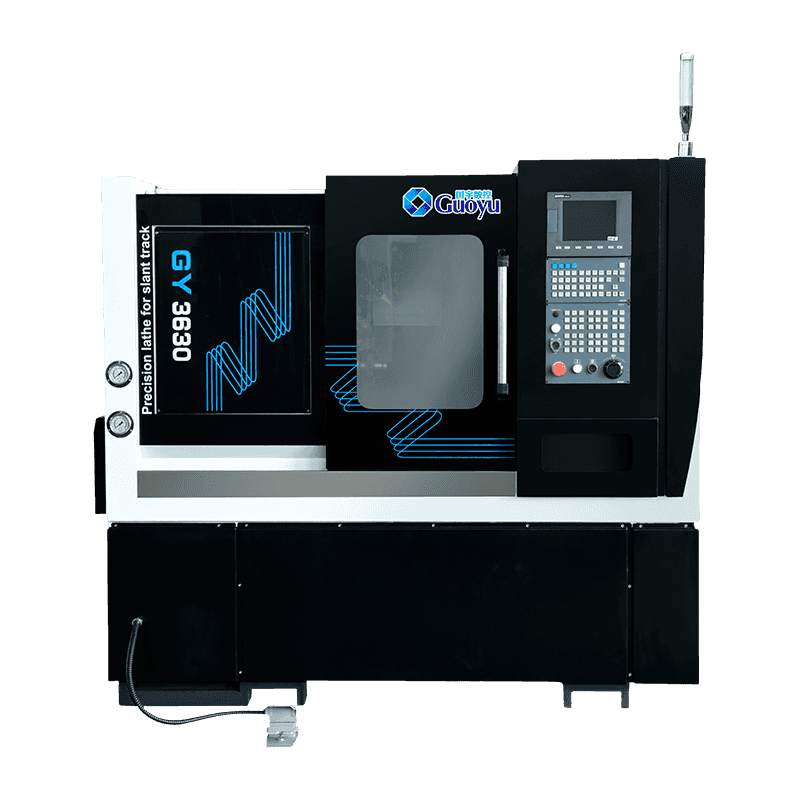
The Conjoined 45° Oblique Gauge Cutter Precision CNC Lathe is a really practical machining solution ...
See Details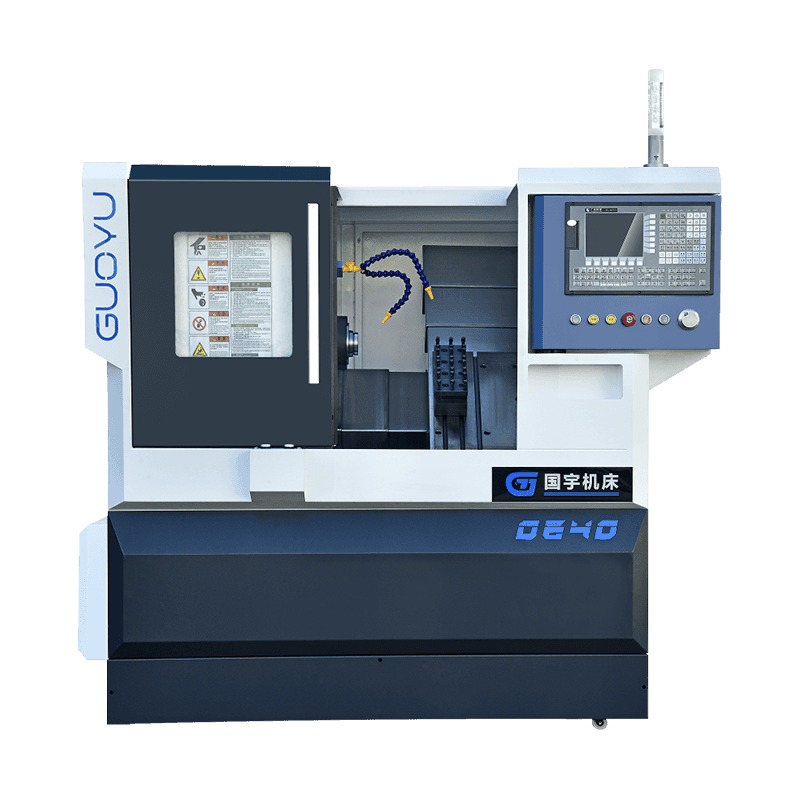
Introducing our Optional Control System CNC Lathe for Metal Processed, a sophisticated and reliable ...
See Details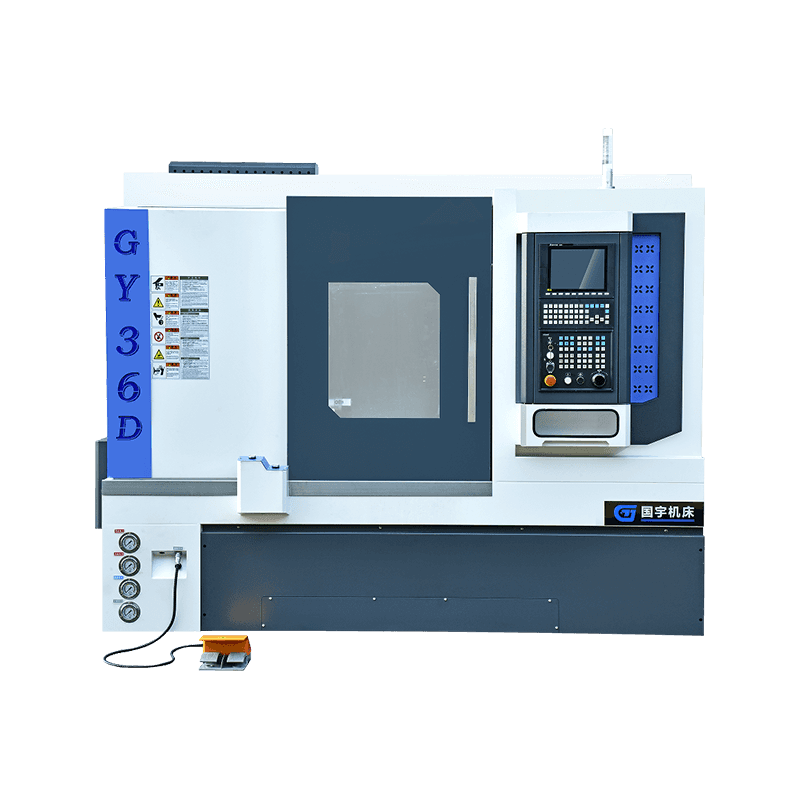
Technical Characteristics: All lathes are integrally cast with 250 materials to ensure processing ri...
See Details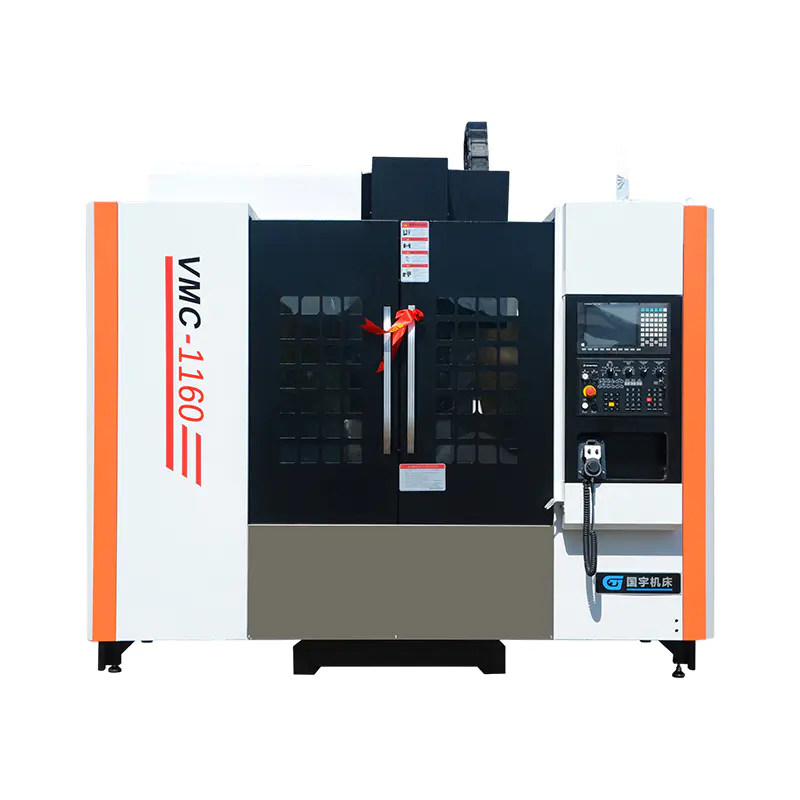
After-sales service commitment: 1. From the date of acceptance, the machine tool host is under warra...
See DetailsOur team of digital and business experts will guide you to the right direction.
Let's Talk
Zhejiang Guoyu CNC Machine Tool Co., Ltd. relies on rich experience, professional technology and advanced methods to ensure the quality of its products, so that customers can enjoy more professional and thoughtful service.
 [email protected]
 +86-15356565970
 Xialiang Industrial Area, Luqiao District, Taizhou City, Zhejiang Province, China
Copyright © Zhejiang Guoyu CNC Machine Tool Co., Ltd. All Rights Reserved.