English
 中文简体
中文简体 русский
 Español

Technical Characteristics: It can cut all kinds of turning surfaces by bicycle, such as conical surf...
See DetailsIn the realm of modern manufacturing, the CNC lathe stands as a fundamental pillar, responsible for producing cylindrical components that power countless industries. Among the various configurations available, the heavy-duty hard rail CNC lathe represents a class of machine tool designed for robustness, precision, and the capacity to handle demanding machining operations. Its construction and capabilities are distinct, making it a critical asset in workshops focused on durability and accuracy.
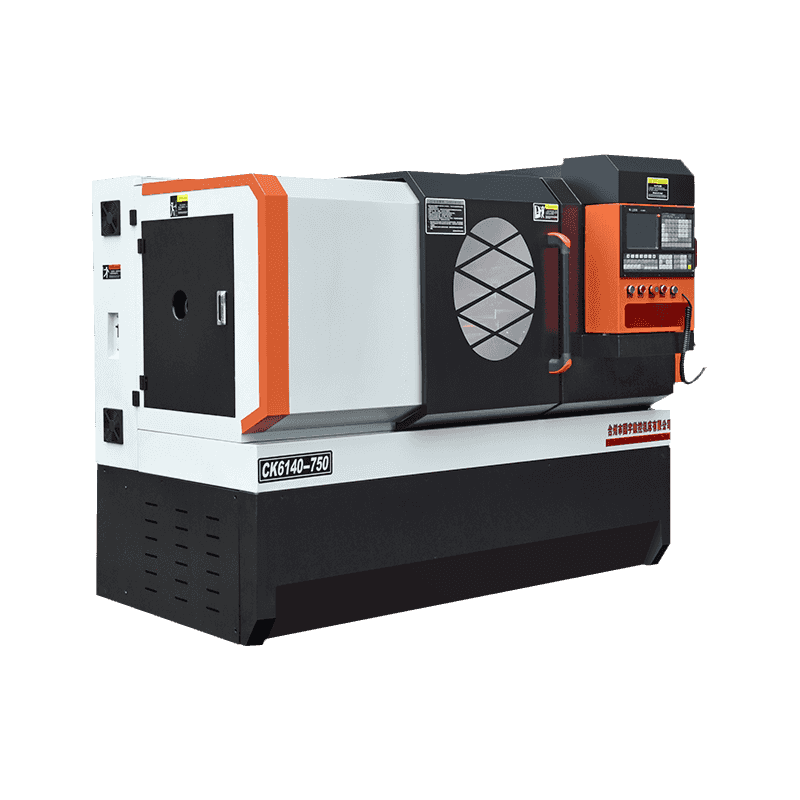
A heavy duty hard rail CNC lathe is a complex assembly of precision mechanical components and electronic control systems. Its primary parts include:
The robust construction and high torque of these machines allow them to efficiently process a wide spectrum of materials, ranging from common metals to challenging alloys.
Non-Ferrous Metals
Materials like aluminum, brass, and copper are readily machined. While soft, they can be cut at very high speeds. The rigidity of the hard rail lathe is beneficial here as it minimizes vibration, allowing for surface finishes even at these elevated speeds. Large aluminum components for the aerospace or automotive sectors are common applications.
Steels and Stainless Steels
This is the core application area. From low-carbon steels used in general shafts and fittings to high-carbon steels requiring precise dimensional control, the machine's power handles them effectively. Austenitic stainless steels (like 304), which are tough and work-hardening, benefit from the high rigidity and vibration damping of the hard rail design, preventing chatter and extending tool life.
Hardened Metals and Tool Steels
Heavy duty hard rail lathes are capable of machining pre-hardened tool steels (e.g., H13, D2) and other materials with hardness values exceeding 40-50 HRC. While often used for roughing before heat treatment, the machine's stiffness allows for light finishing cuts on hardened parts, a process sometimes referred to as "hard turning." This can eliminate the need for cylindrical grinding in some applications.
Exotic Alloys for Specialized Industries
Industries such as aerospace, oil and gas, and medical device manufacturing often require components made from difficult-to-machine alloys. Materials like Inconel, Titanium (Ti-6Al-4V), and Hastelloy are notorious for their toughness and low thermal conductivity. The combination of high cutting torque, rigid tool holding, and the stability provided by the hard rails is essential for machining these alloys productively and to the required specifications. The machine's mass helps absorb the immense cutting forces generated without deflection.
How Hard Rails Enhance Performance
The choice of guideway system is fundamental to a lathe's character. Hard rails provide distinct performance advantages over linear guideways in heavy duty applications:
Rigidity & Load Capacity ≈ The primary advantage is their immense load-bearing capacity. The large contact surface area between the saddle and the bed distributes cutting forces over a wide area. This allows the machine to take deeper cuts and higher feed rates in tough materials without deflecting, directly translating to higher material removal rates.
Vibration Damping ≈ The sliding interface of metal-to-metal (with anti-friction liners) creates a natural damping effect. Unlike the point contact of rolling elements in linear guides, the sliding contact dissipates vibrational energy. This is critical for achieving good surface finish and dimensional accuracy, especially when machining interrupted cuts or hard materials, as it suppresses the development of chatter.
Accuracy & Longevity ≈ Hand-scraped hard rails, when properly maintained with lubrication, provide a level of geometric accuracy and long-term stability that is difficult to match. The "wringing" fit of the mating surfaces ensures precise motion. While they require more maintenance than sealed linear guides, they are extremely durable. A machine with well-maintained hard rails can retain its original accuracy for decades, as the large surfaces are resistant to the point-load brinelling that can damage linear guides under loads.
Thermal Stability ≈ The substantial mass of cast iron in the bed and the hard rails acts as a heat sink, absorbing thermal energy generated during cutting. This helps to stabilize the machine's temperature, reducing thermal growth and maintaining consistent accuracy over long production runs.
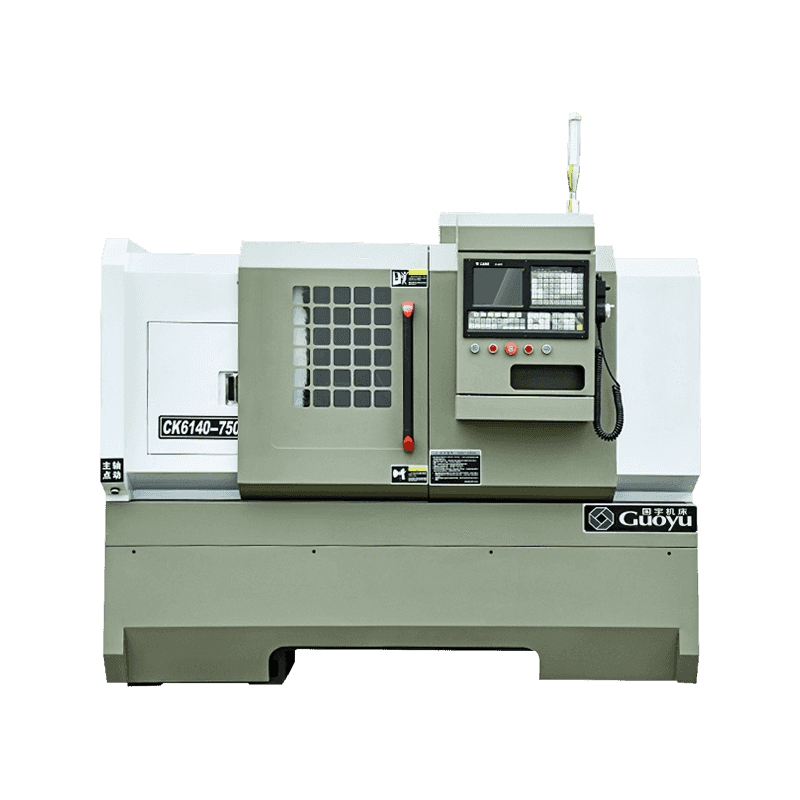
Technical Characteristics: It can cut all kinds of turning surfaces by bicycle, such as conical surf...
See Details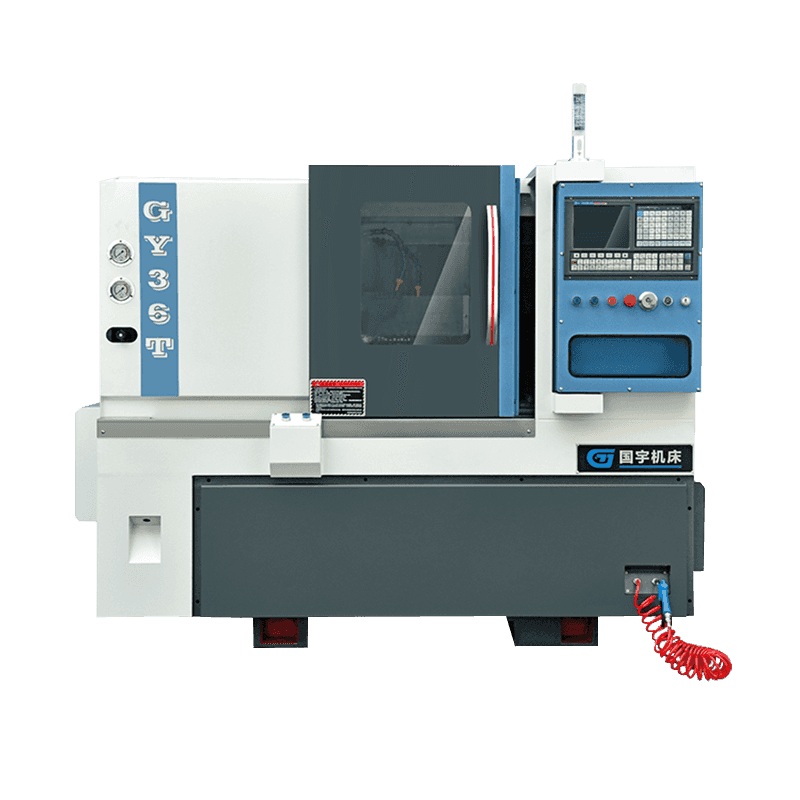
Technical Characteristics: The CNC machine tool for inclined beds adopts the domestic or imported hi...
See Details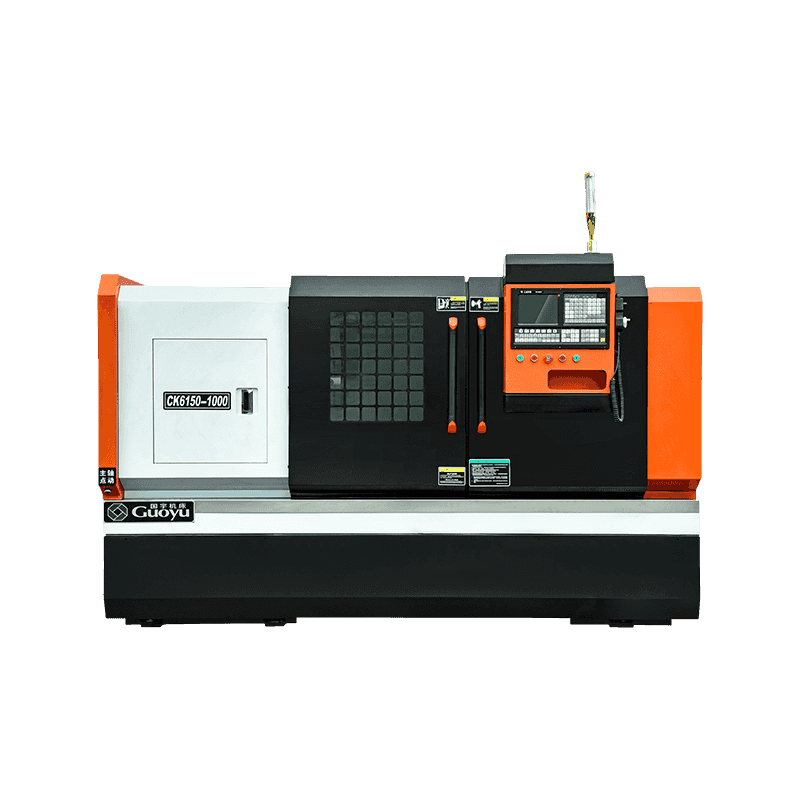
The Heavy Cutting Hard Guideway CNC Lathe For Metal Cutting is a really tough, heavy-duty machining ...
See Details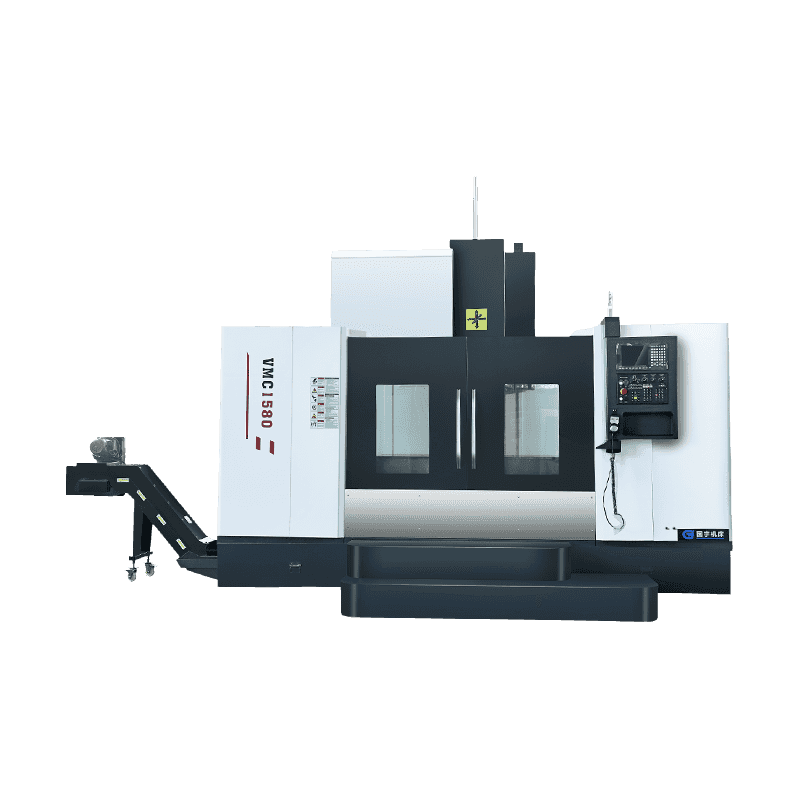
We are pleased to present the VMC1580 High-Speed Vertical Machining Center, a reliable and efficient...
See Details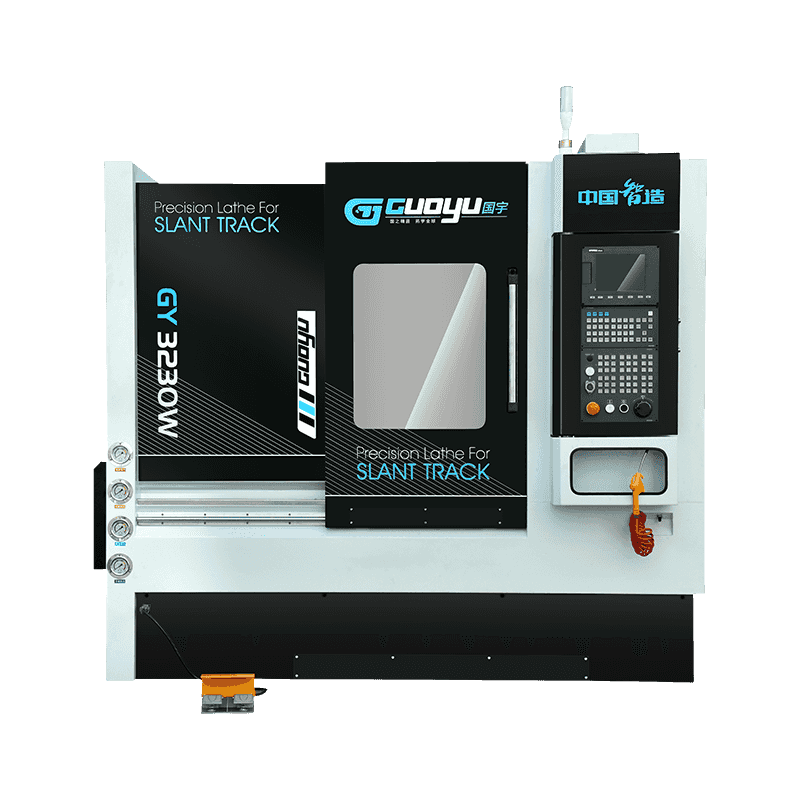
Technical Characteristics: The machine tool is of high precision, and the spindle is supported by hi...
See Details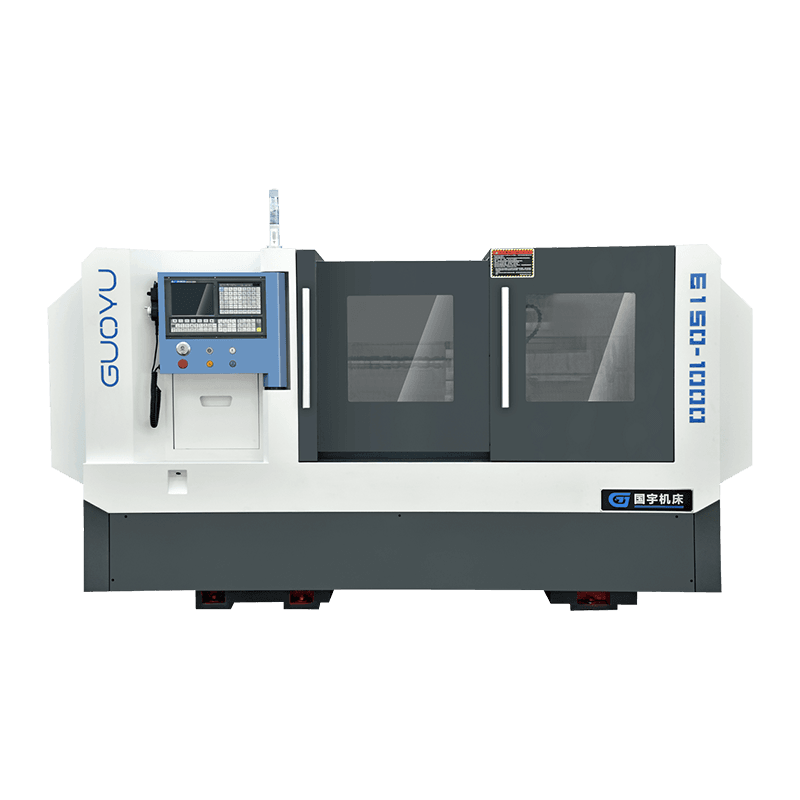
Technical Characteristics: It can cut all kinds of turning surfaces by bicycle, such as conical surf...
See Details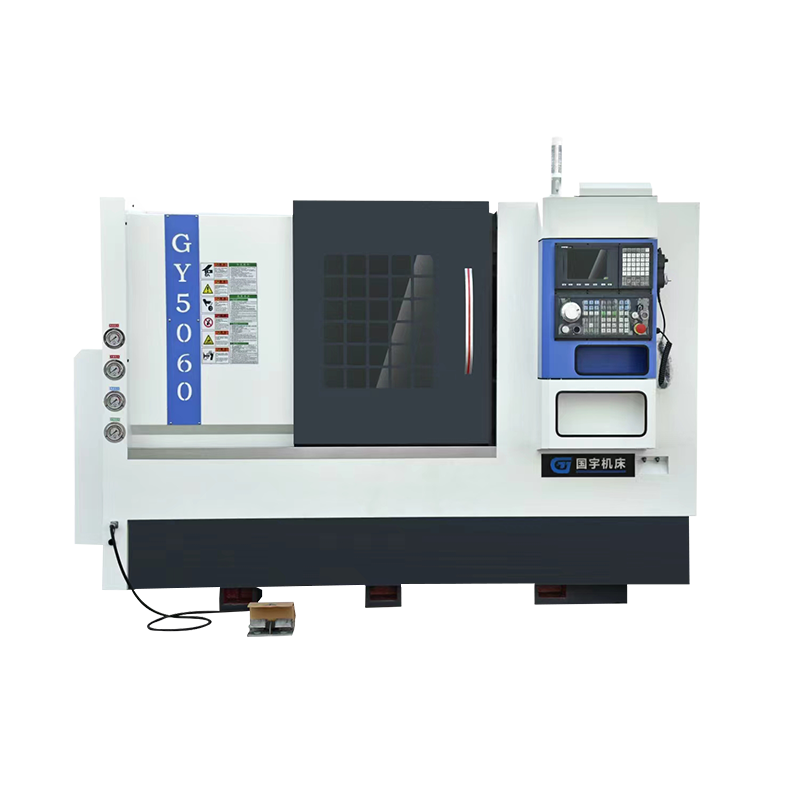
Technical Characteristics: All lathes are integrally cast with 250 materials to ensure processing ri...
See Details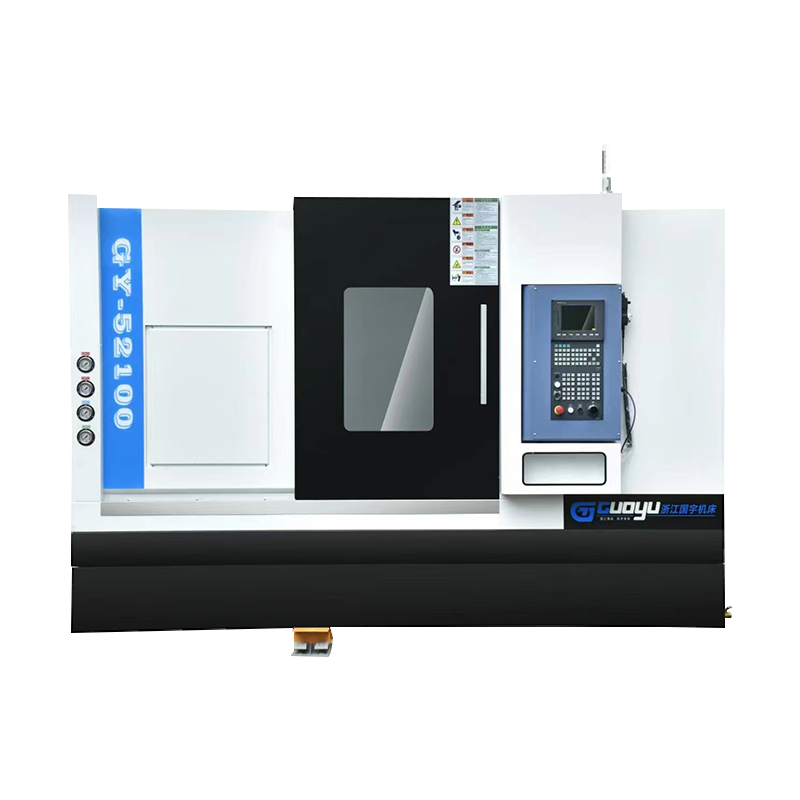
Technical Characteristics:Line Rail CNC lathes are integrally cast with 250 materials to ensure proc...
See DetailsOur team of digital and business experts will guide you to the right direction.
Let's Talk
Zhejiang Guoyu CNC Machine Tool Co., Ltd. relies on rich experience, professional technology and advanced methods to ensure the quality of its products, so that customers can enjoy more professional and thoughtful service.
 [email protected]
 +86-15356565970
 Xialiang Industrial Area, Luqiao District, Taizhou City, Zhejiang Province, China
Copyright © Zhejiang Guoyu CNC Machine Tool Co., Ltd. All Rights Reserved.