English
 中文简体
中文简体 русский
 Español

Technical Characteristics: It can cut all kinds of turning surfaces by bicycle, such as conical surf...
See DetailsA critical factor for any CNC machine, whether large or small, is its ability to produce highly accurate parts. Mini CNC machines are no exception, but many users wonder if these smaller machines can match the precision of their full-sized counterparts.
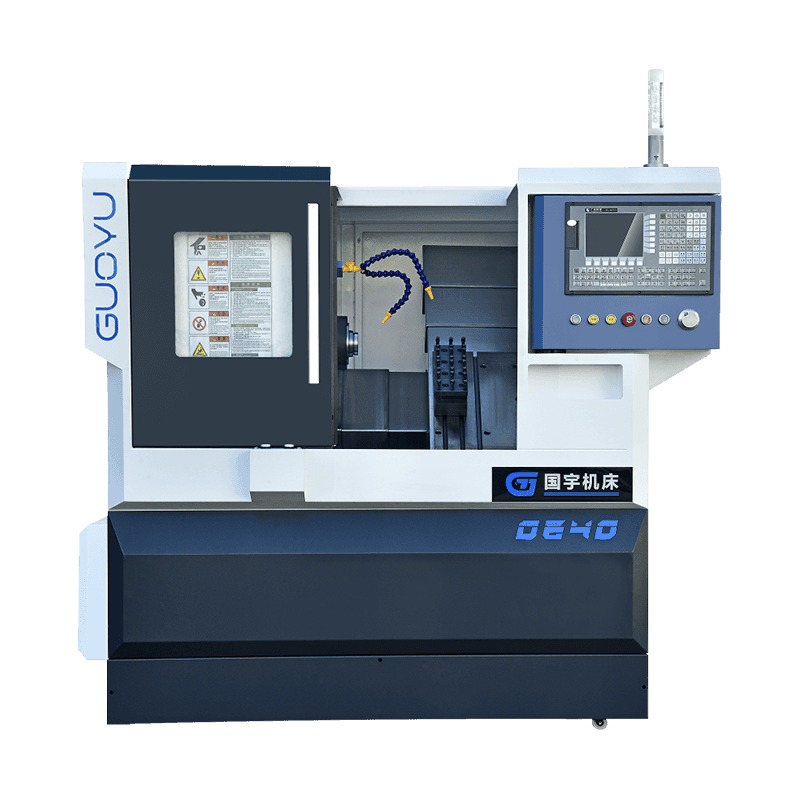
Mini CNC machines are designed to provide precision within a tolerance range of approximately 0.01mm to 0.1mm, depending on the machine model. This makes them highly capable for producing fine parts, though they may not always achieve the accuracy levels of larger, more industrial machines.
The precision of a mini CNC machine depends on several factors, including the quality of the machine's components, its rigidity, and the type of control software used. Higher-end mini CNC models often come with advanced features like closed-loop feedback systems, which help improve accuracy by adjusting in real-time for any errors detected during machining.
Limitations of mini CNC machines in terms of accuracy:
While they can handle intricate designs, mini CNC machines may face limitations when working with tougher materials or more complex operations. For example, the machine's size might limit the type of tooling that can be used, and less robust construction could introduce slight inaccuracies during high-speed operations.
For high-precision tasks, users often turn to more expensive, large-scale CNC machines. However, for typical applications, mini CNC machines offer sufficient accuracy, especially in small-scale or prototyping tasks.
One of the main advantages of mini CNC machines is their relatively low cost, but this raises the question of whether they offer good value for money. While their affordability makes them an attractive option, it's important to balance cost against performance and expected lifespan.
Are mini CNC machines cost-effective?
Yes, mini CNC machines are often significantly more affordable than their larger counterparts. Prices for entry-level mini CNC machines start at around $500 to $2,000, with more advanced models costing up to $5,000 or more.
These lower costs make them appealing to hobbyists, small businesses, and educational institutions. For users who only need to make small parts or prototypes, mini CNC machines offer great value by providing the benefits of CNC machining without the high upfront cost.
While mini CNC machines are more affordable, they generally have lower power and smaller workspaces compared to large CNC machines. This may limit their ability to handle large or complex projects, particularly those requiring heavy-duty cutting or high-speed milling.
The performance of budget-friendly mini CNC machines can vary significantly, with some models offering advanced features like touchscreen interfaces, precise control, and higher resolution, while others may be more basic and require manual adjustments.
The Accessibility of Mini CNC Machines for Hobbyists and Small Businesses
The accessibility of mini CNC machines has made them a popular choice for hobbyists, small businesses, and educational users. However, this rise in demand brings up questions regarding the ease of use, setup, and software compatibility for new users.
Many mini CNC machines are designed with user-friendly interfaces and come with detailed instructions for assembly and operation. These machines often use simplified control software, such as GRBL or Mach3, which can be operated through a laptop or desktop computer.
For beginners, there are plenty of online tutorials, forums, and support groups that can assist in learning how to set up and operate mini CNC machines. Additionally, manufacturers often offer customer service to address any technical challenges users may face.
One of the main concerns for new users is understanding the software that operates mini CNC machines. While some entry-level models are plug-and-play, more advanced machines may require users to install and learn specific software programs, such as Fusion 360, SolidWorks, or other CAD/CAM software, which may have steep learning curves.
Fortunately, many mini CNC machines now come with pre-configured software that is compatible with common file formats like G-code, making it easier for users to transition from design to machining without additional hurdles.
For small businesses looking to streamline their production process, mini CNC machines are a viable option. They can be used to produce small batches of custom parts, prototypes, and tools. However, these machines are better suited for low to medium production volumes, rather than high-output manufacturing.
Mini CNC machines are not limited to just one type of material or application. However, the extent of their versatility is a topic of interest, as users often wonder how well these compact machines can handle different materials and machining tasks.
Which materials can mini CNC machines handle?
Mini CNC machines can typically handle a variety of materials, including plastics (like acrylic and PVC), soft metals (such as aluminum and brass), and wood. Some advanced models can also handle harder materials, such as carbon fiber, but this depends on the machine's power and the type of tooling used.
While mini CNC machines may not be ideal for working with very hard metals, such as steel or titanium, they are still capable of machining parts for projects that require lower material hardness or those made primarily of composite materials.
What applications are suited for mini CNC machines?
Mini CNC machines are good for prototyping, educational use, small production runs, and hobbyist projects. Common applications include the creation of model parts, custom mechanical components, circuit boards, and detailed wood carvings.
These machines are also popular for 3D engraving, sign making, and the production of small decorative objects, making them versatile tools for a wide variety of industries, including electronics, jewelry, and crafting.
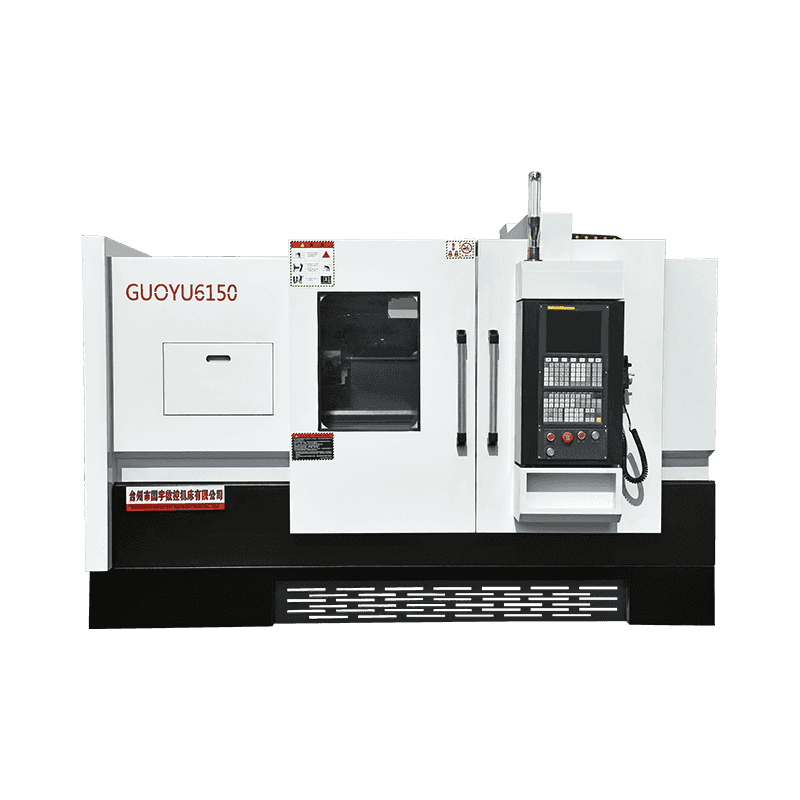
Technical Characteristics: It can cut all kinds of turning surfaces by bicycle, such as conical surf...
See Details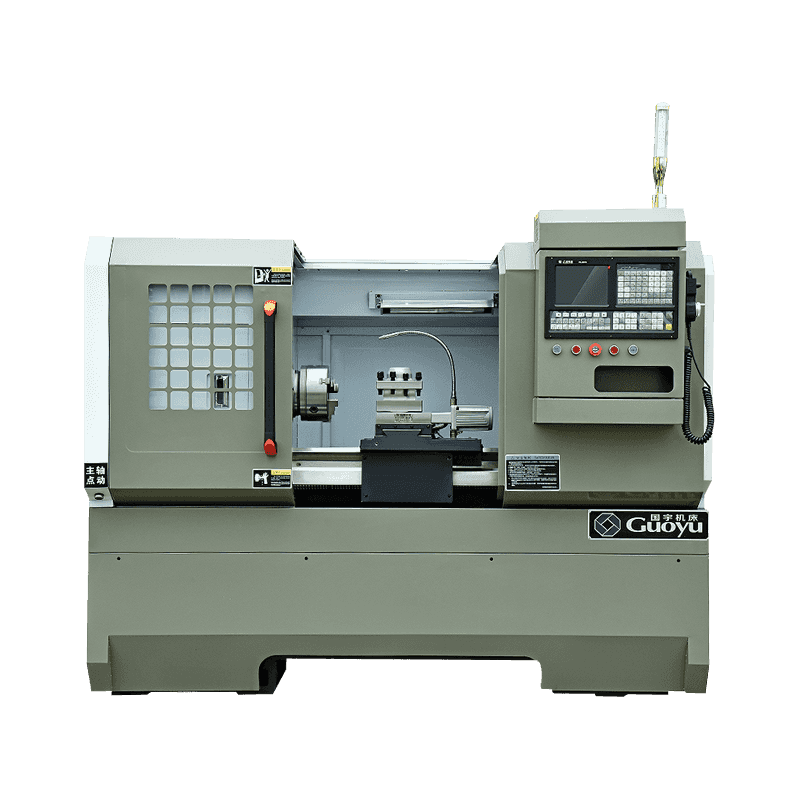
Technical Characteristics: It can cut all kinds of turning surfaces by bicycle, such as conical surf...
See Details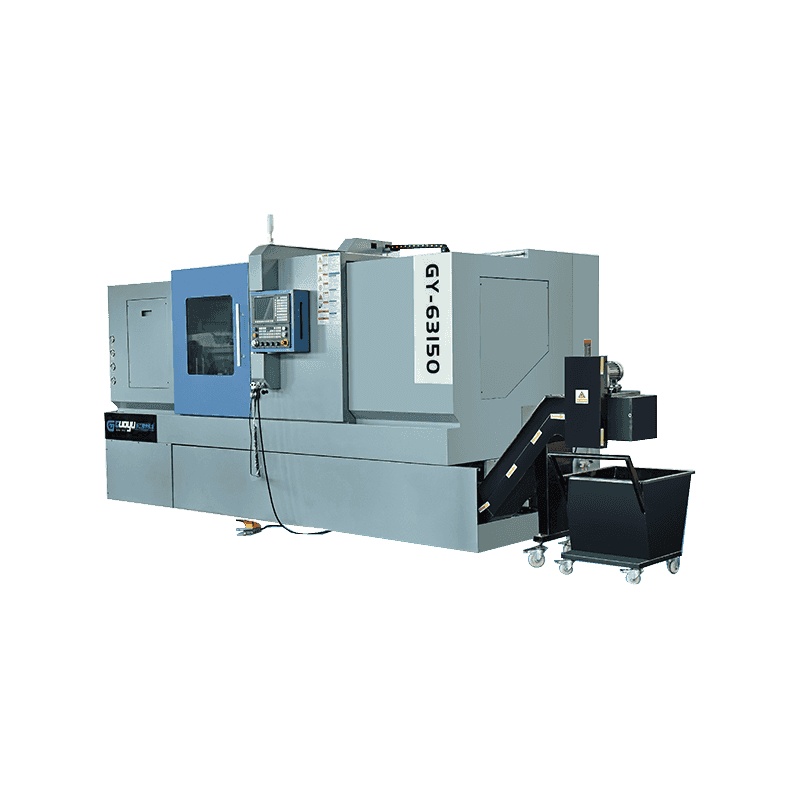
The Precision CNC Lathe With Programmable Tailstock For Connected Inclined Rail Tool Tower is just a...
See Details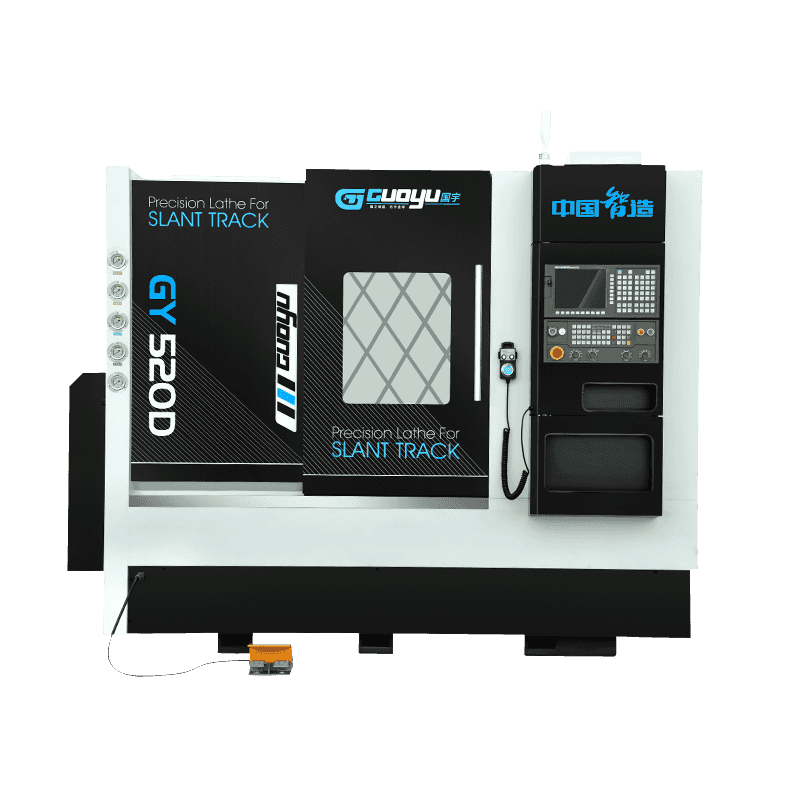
Technical Characteristics: The CNC machine tool for inclined beds adopts the domestic or imported hi...
See Details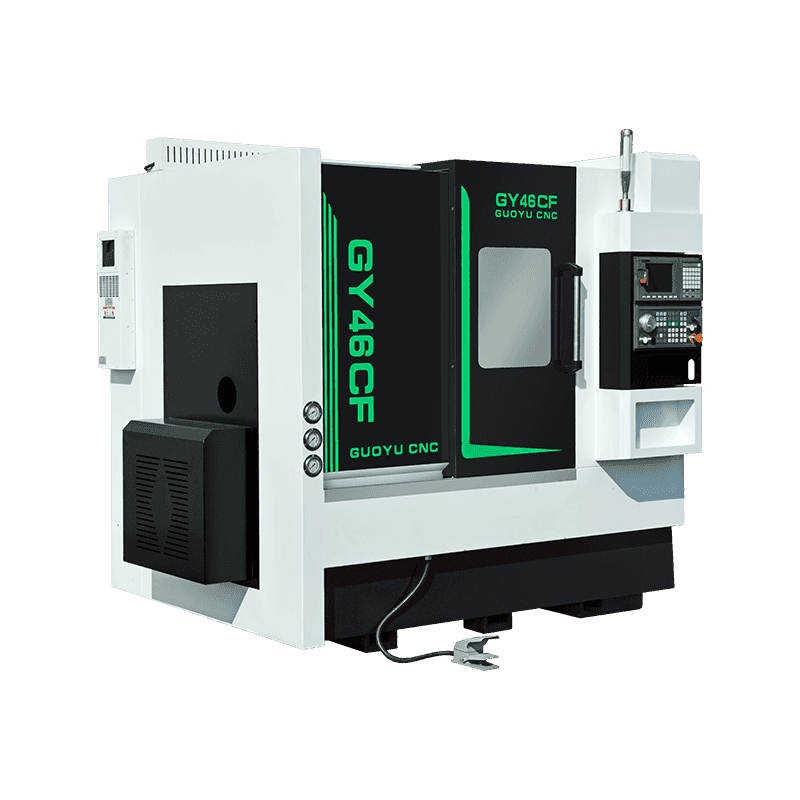
The 4+4 Type Precision CNC Lathe With Conjoined Oblique Rail Cutter Tower is a really practical, mul...
See Details
Introducing our Optional Control System CNC Lathe for Metal Processed, a sophisticated and reliable ...
See Details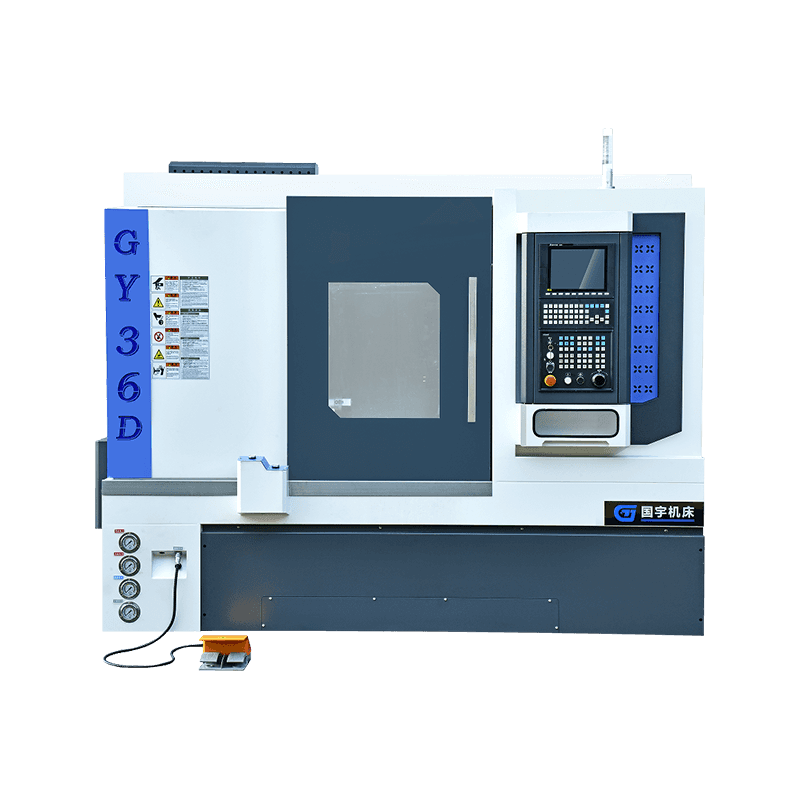
Technical Characteristics: All lathes are integrally cast with 250 materials to ensure processing ri...
See Details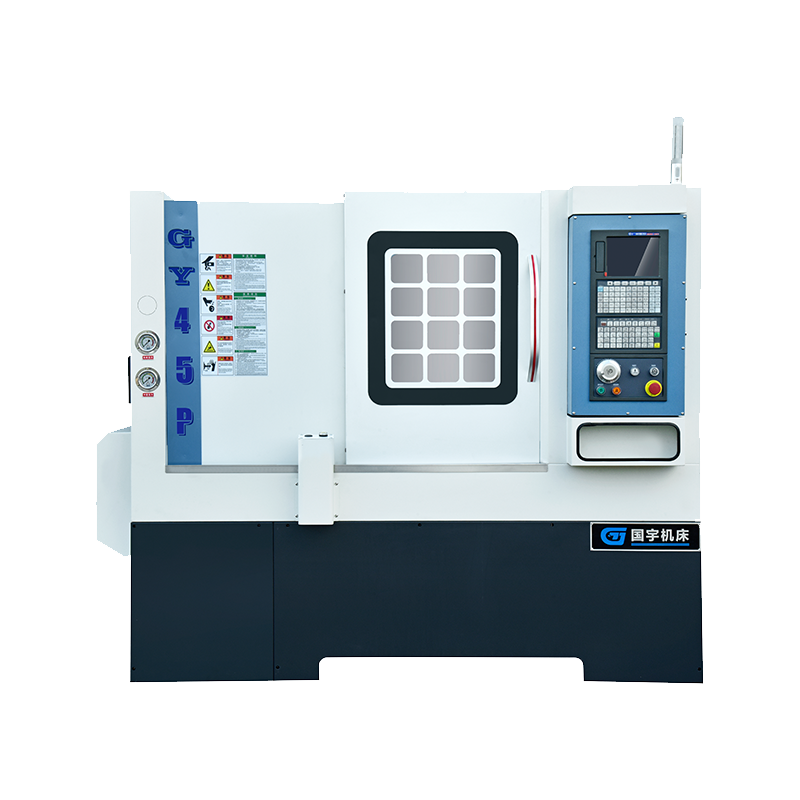
Technical Characteristics:Based on international advanced technology, the design of this machine too...
See DetailsOur team of digital and business experts will guide you to the right direction.
Let's Talk
Zhejiang Guoyu CNC Machine Tool Co., Ltd. relies on rich experience, professional technology and advanced methods to ensure the quality of its products, so that customers can enjoy more professional and thoughtful service.
 [email protected]
 +86-15356565970
 Xialiang Industrial Area, Luqiao District, Taizhou City, Zhejiang Province, China
Copyright © Zhejiang Guoyu CNC Machine Tool Co., Ltd. All Rights Reserved.