English
 中文简体
中文简体 русский
 Español

Technical Characteristics: It can cut all kinds of turning surfaces by bicycle, such as conical surf...
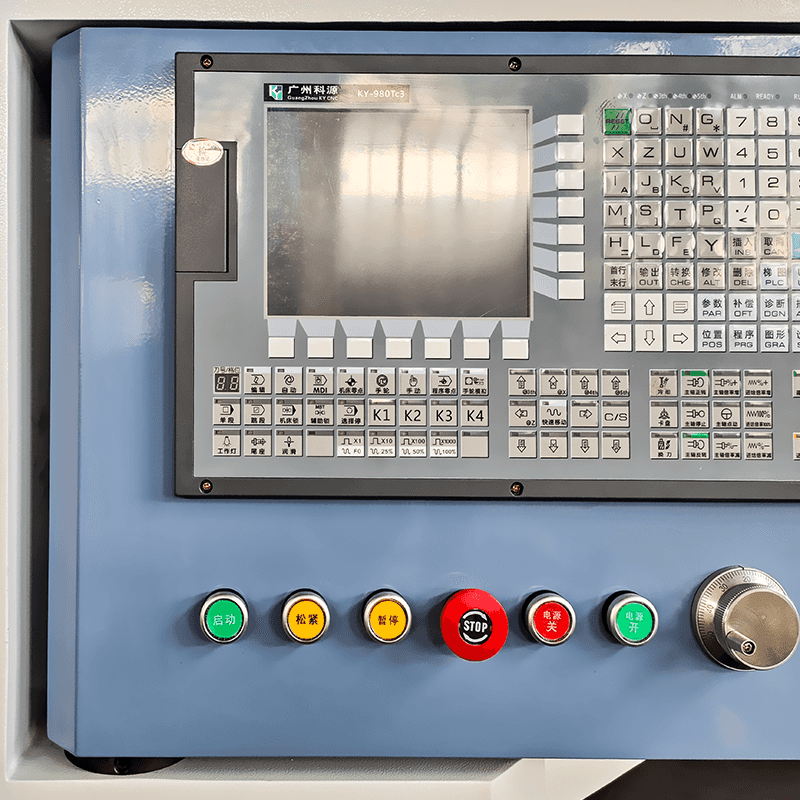
See DetailsLinear Guideway Gang Tool CNC lathes are widely used in precision machining environments where efficiency, repeatability, and compact design are required. While they share many characteristics with standard CNC lathes, their structural configuration and tooling approach create distinct operational differences.
 es between a Linear Guideway Gang Tool CNC Lathe and a standard CNC lathe?
The differences between these two types of CNC lathes primarily relate to machine structure, tooling configuration, and production application.
Tooling System
Guideway Structure
Machine Size and Layout
Production Focus
Rigidity Characteristics
Cycle Efficiency
These differences make gang tool lathes particularly suited for precision batch manufacturing of small components.
A Linear Guideway Gang Tool CNC Lathe performs a range of turning and secondary operations, especially on bar-fed or short-length components.
1. External Turning Operations
Straight turning for cylindrical profiles
Step turning for multiple diameters
Taper turning using programmed axis movement
These operations are typically used in the production of shafts, pins, and bushings.
2. Internal Machining Operations
Drilling with axial tools mounted on the gang plate
Boring to enlarge pre-drilled holes
Internal grooving
Because tools remain fixed in position, cycle transitions between drilling and turning can occur rapidly through programmed axis shifts.
3. Threading Operations
External threading using single-point threading tools
Internal threading for tapped holes
Rigid tapping when equipped with spindle synchronization
Threading cycles are controlled through CNC programming, ensuring pitch accuracy and repeatability.
4. Grooving and Parting
Radial grooving for retaining rings
Face grooving
Cut-off (parting) operations to separate finished components from bar stock
5. Secondary Features (Optional Configurations)
Live tooling (on certain models) for cross drilling or light milling
Sub-spindle operations for back-side finishing
While gang tool lathes primarily focus on turning, many models incorporate limited milling capability depending on machine configuration.
Linear Guideway Gang Tool CNC Lathes are generally designed for small to medium-sized precision parts. Their compact structure and gang plate tooling arrangement favor shorter workpiece lengths and smaller diameters.
Typical bar capacity ranges from approximately 12 mm to 52 mm in diameter, depending on spindle bore size. Many standard models commonly process bar stock between 20 mm and 32 mm in diameter. Larger diameters may be possible when using chuck-based configurations rather than bar feeders.
In terms of workpiece length, gang tool lathes are often optimized for parts under 200 mm in length. Machines equipped with sub-spindles may accommodate slightly longer effective machining lengths by transferring the part for secondary operations. However, very long shafts or heavy components are generally outside the intended application scope.
The swing over bed dimension typically falls between 200 mm and 400 mm, though actual cutting diameter is smaller due to tooling clearance. Travel ranges for X-axis movement may be approximately 300 mm to 600 mm, while Z-axis travel may range from 200 mm to 500 mm depending on machine model.
These size parameters make gang tool lathes suitable for manufacturing components such as connectors, fasteners, hydraulic fittings, medical parts, electronic hardware, and automotive small-diameter shafts. Their work envelope is tailored for repetitive production where high positional accuracy and efficient tool transitions are required.
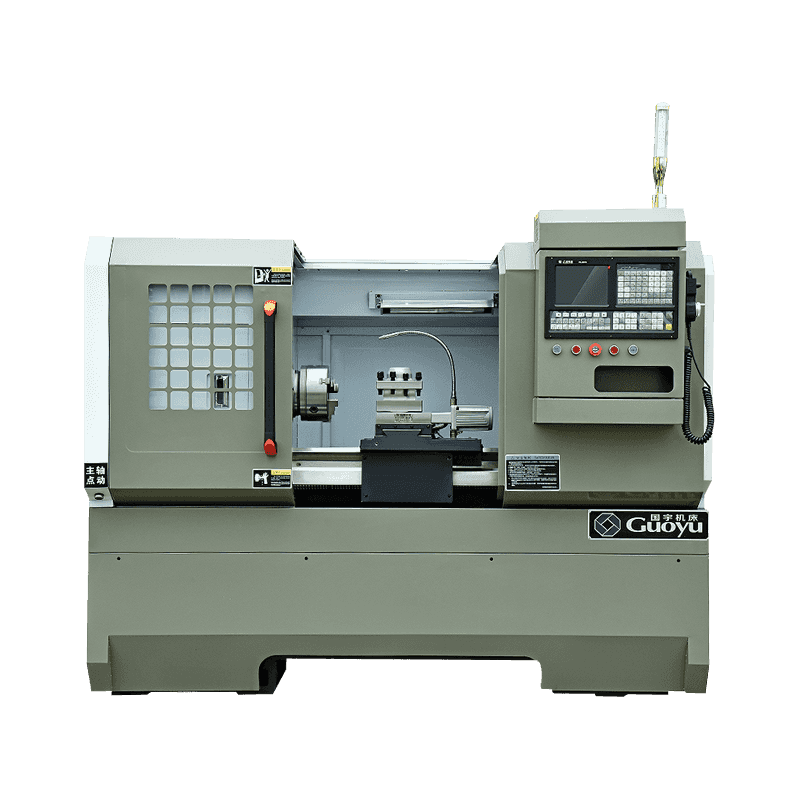
Technical Characteristics: It can cut all kinds of turning surfaces by bicycle, such as conical surf...
See Details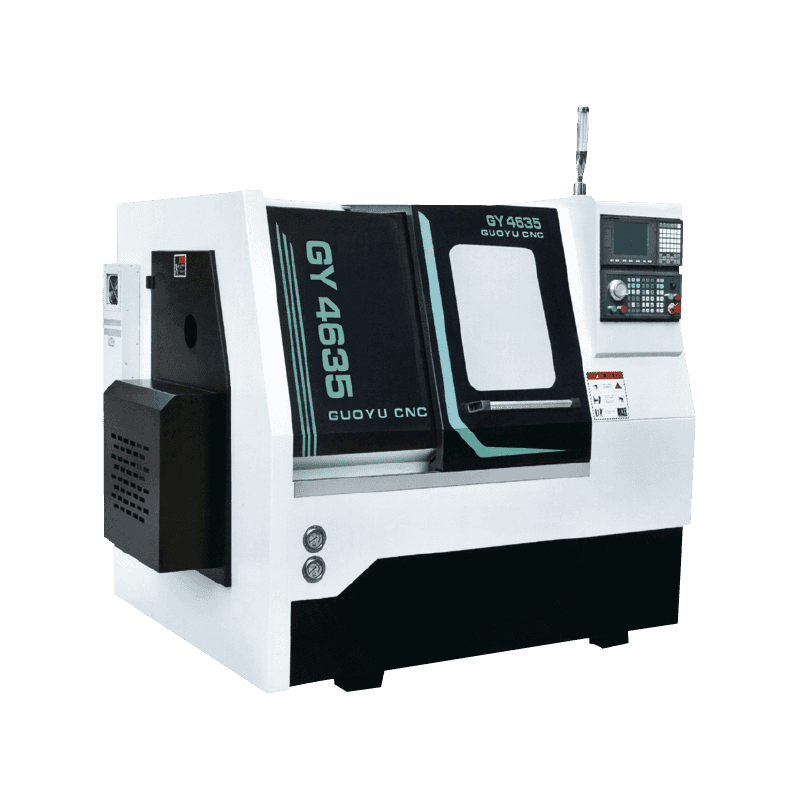
The Conjoined 45° Oblique Gauge Cutter Precision CNC Horizontal Lathe is a really practical turning ...
See Details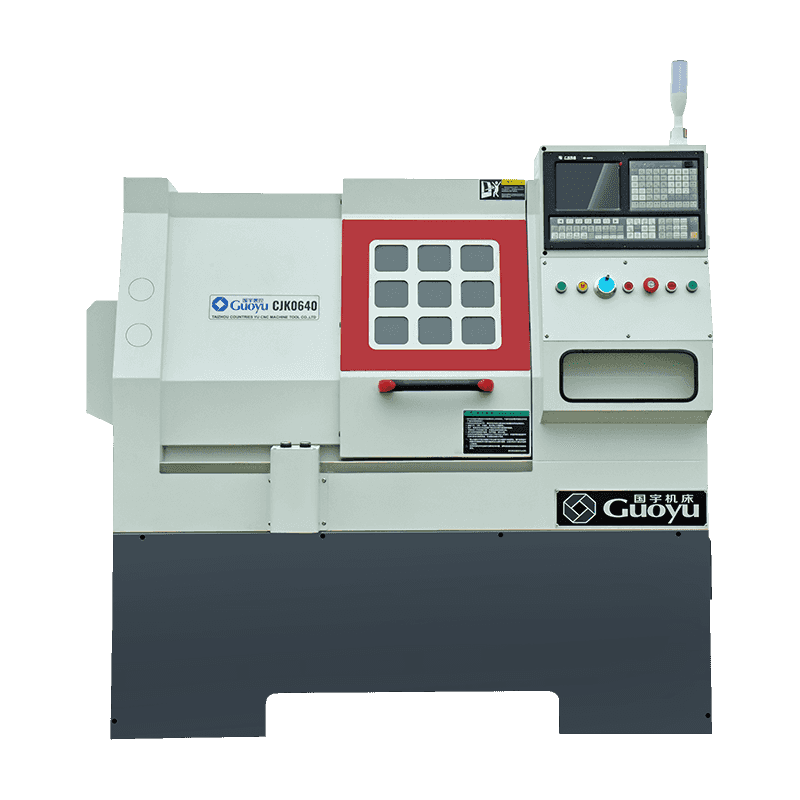
Technical Characteristics: The machine tool is equipped with a quantitative automatic lubrication sy...
See Details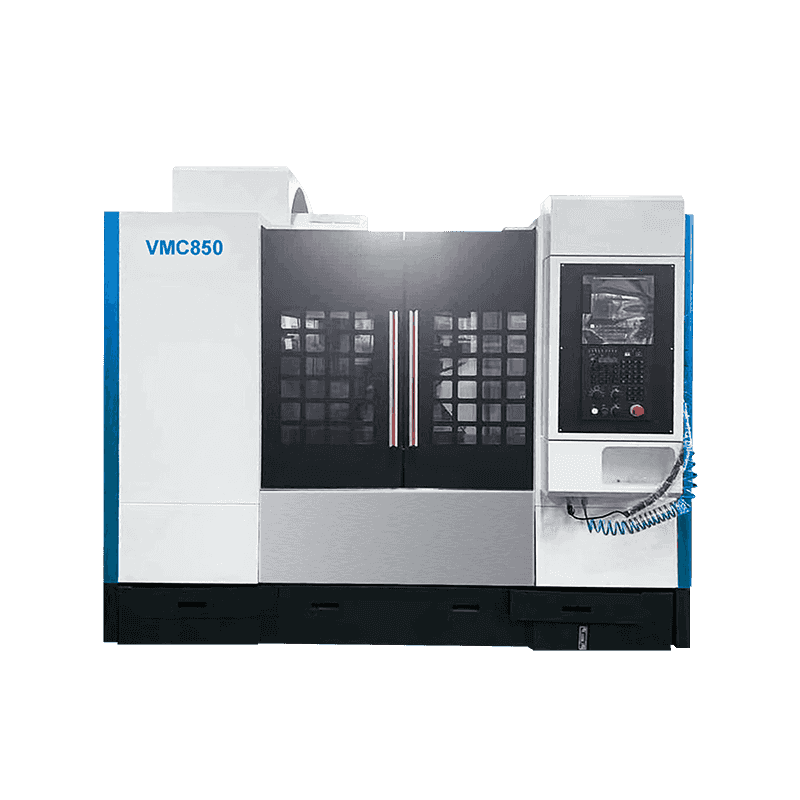
Technical Characteristics The machine tool is a single-column vertical guideway structure. The colum...
See Details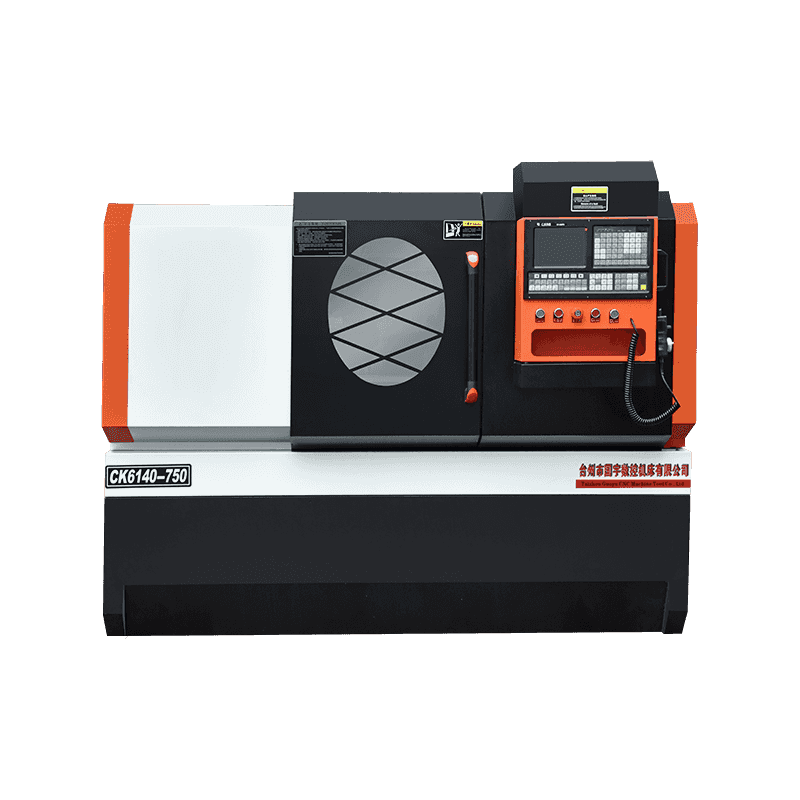
Technical Characteristics: It can cut all kinds of turning surfaces by bicycle, such as conical surf...
See Details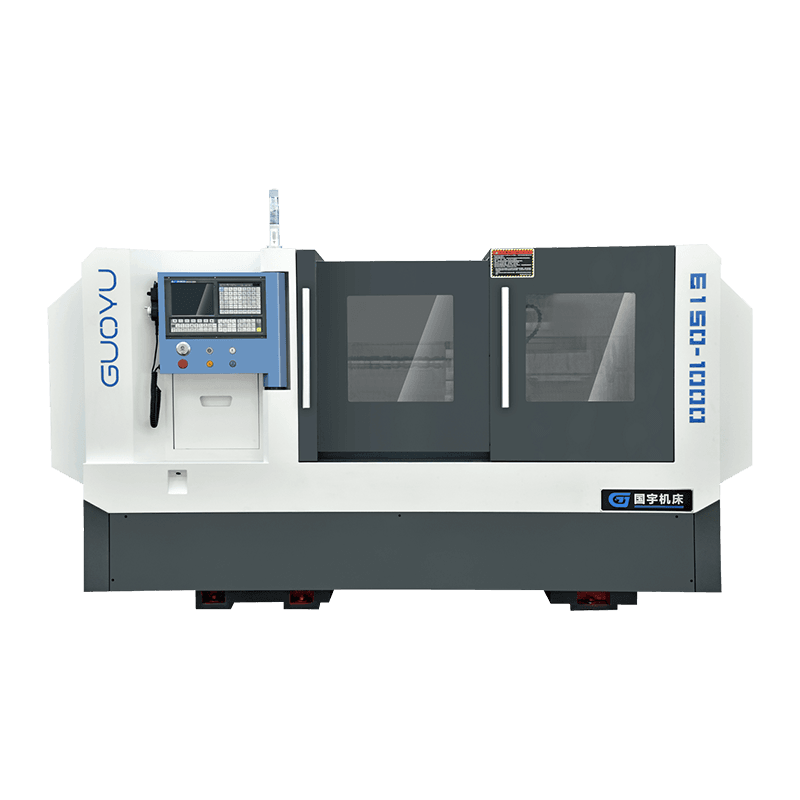
Technical Characteristics: It can cut all kinds of turning surfaces by bicycle, such as conical surf...
See Details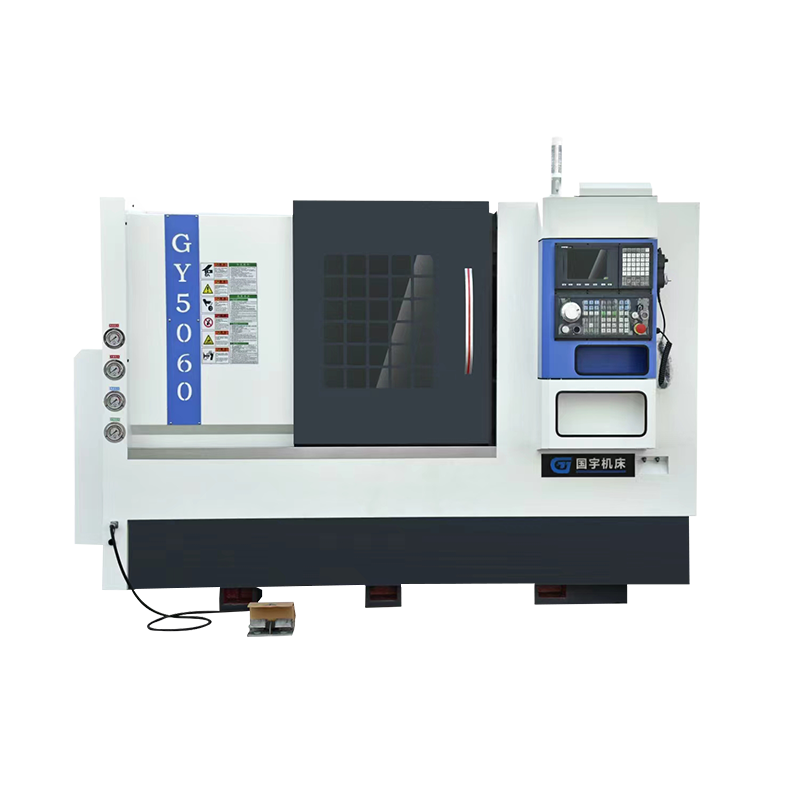
Technical Characteristics: All lathes are integrally cast with 250 materials to ensure processing ri...
See Details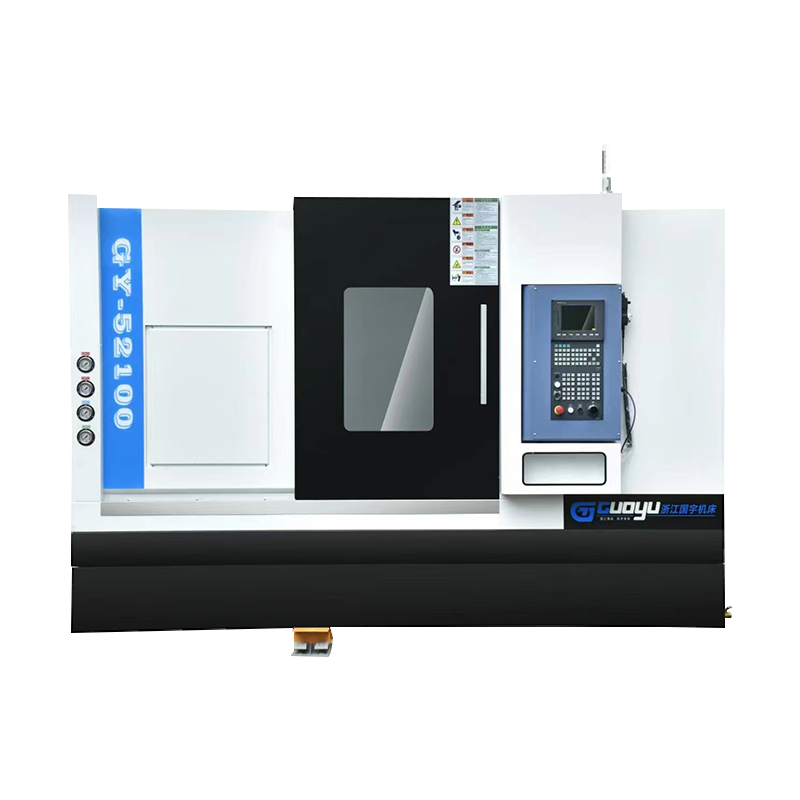
Technical Characteristics:Line Rail CNC lathes are integrally cast with 250 materials to ensure proc...
See DetailsOur team of digital and business experts will guide you to the right direction.
Let's Talk
Zhejiang Guoyu CNC Machine Tool Co., Ltd. relies on rich experience, professional technology and advanced methods to ensure the quality of its products, so that customers can enjoy more professional and thoughtful service.
 [email protected]
 +86-15356565970
 Xialiang Industrial Area, Luqiao District, Taizhou City, Zhejiang Province, China
Copyright © Zhejiang Guoyu CNC Machine Tool Co., Ltd. All Rights Reserved.