English
 中文简体
中文简体 русский
 Español

Technical Characteristics: The machine tool is a single-column vertical guideway structure. The colu...
See DetailsThe selection of rails in a hard rail CNC machine directly impacts its rigidity, load-bearing capacity, and machining precision. Hard rails, often made of hardened steel, provide a durable and stable surface for the movement of the machine’s axes. Unlike linear guideways with recirculating ball bearings, hard rails rely on sliding contact and precise lubrication to reduce friction.
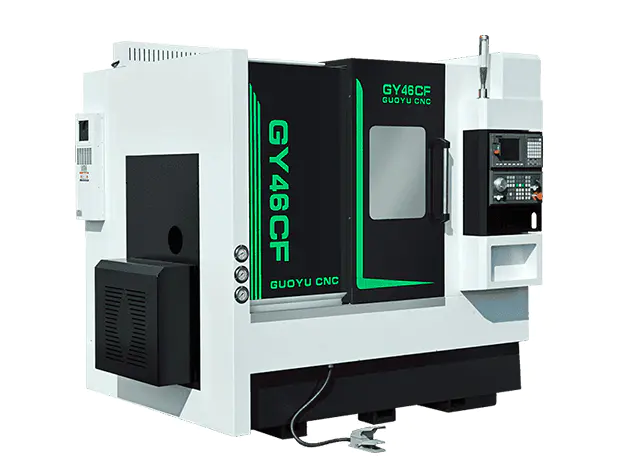
This design enhances the machine’s ability to withstand heavy loads and maintain accurate positioning over time. Designers must consider the width, hardness, and surface finish of the rails to ensure consistent performance. Additionally, rail placement along the X, Y, and Z axes affects load distribution and vibration damping. Proper alignment and surface flatness are essential for wear and maintaining precise machining tolerances.
|
Aspect |
Consideration |
Effect on Performance |
|
Material |
Hardened steel |
High wear resistance, stable under load |
|
Surface finish |
Ground or lapped |
Reduces friction and ensures smooth motion |
|
Rail width |
Wide vs. narrow |
Wider rails improve load distribution |
|
Alignment |
Precision mounting |
Ensures consistent positioning and reduces vibration |
The bed of a hard rail CNC machine serves as the primary structural foundation and must balance rigidity with vibration absorption. Materials such as cast iron, steel, or composite alloys are commonly used for their stiffness and damping properties. Designers often incorporate ribbing or honeycomb structures to reduce weight while maintaining strength. The bed’s geometry must provide stable support for the rails, spindle, and worktable while allowing for thermal expansion without compromising alignment. In addition, the machine bed should facilitate ease of maintenance, such as providing access to lubrication points and cooling channels. Careful consideration of the bed’s mass and geometry helps reduce chatter and improve surface finish during high-speed or heavy-load machining.
|
Bed Material |
Advantage |
Limitation |
|
Cast iron |
High damping, stable |
Heavy, slower to transport |
|
Steel |
Strong, durable |
Less damping than cast iron |
|
Composite alloys |
Lighter, corrosion-resistant |
Higher cost, specialized manufacturing |
How can motion transmission systems be structured to ensure accuracy and repeatability?
Motion transmission in a hard rail CNC machine typically involves ball screws, gears, or rack-and-pinion systems. The design must minimize backlash and ensure precise movement along each axis. Ball screws are commonly used due to their efficiency and repeatable accuracy, but proper preload and alignment are critical to avoid errors. For heavy-load applications, dual-drive or reinforced screw designs may be implemented. Additionally, the interface between the rails and the moving components must be carefully designed to reduce wear and maintain consistent friction. Lubrication and dust protection also play a role in sustaining smooth motion. Sensors and encoders are integrated to provide real-time feedback, allowing the control system to correct deviations and maintain repeatability during complex machining operations.
|
Component |
Purpose |
Key Design Factor |
|
Ball screw |
Linear motion |
Preload, alignment, lubrication |
|
Gear system |
Torque transmission |
Backlash minimization |
|
Encoders |
Position feedback |
Resolution and reliability |
Maintenance considerations influence structural design in order to sustain performance and reduce downtime. Designers should ensure that moving parts, lubrication points, and electrical components are accessible without major disassembly. Removable panels, modular assemblies, and clear labeling of critical components can simplify inspections and repairs. Cooling and lubrication systems should be integrated with easy-to-service channels, and monitoring devices can alert operators to wear or misalignment before it affects production. Additionally, proper spacing around axes and rails allows cleaning of chips or debris, which is essential for maintaining accuracy over time. By prioritizing maintainability, manufacturers can extend the machine’s service life and improve overall operational efficiency.
|
Design Feature |
Maintenance Benefit |
|
Modular panels |
Easy access to components |
|
Integrated lubrication |
Reduced downtime and consistent performance |
|
Sensor feedback |
Early detection of wear or misalignment |
|
Clearance around rails |
Simplifies cleaning and inspection |
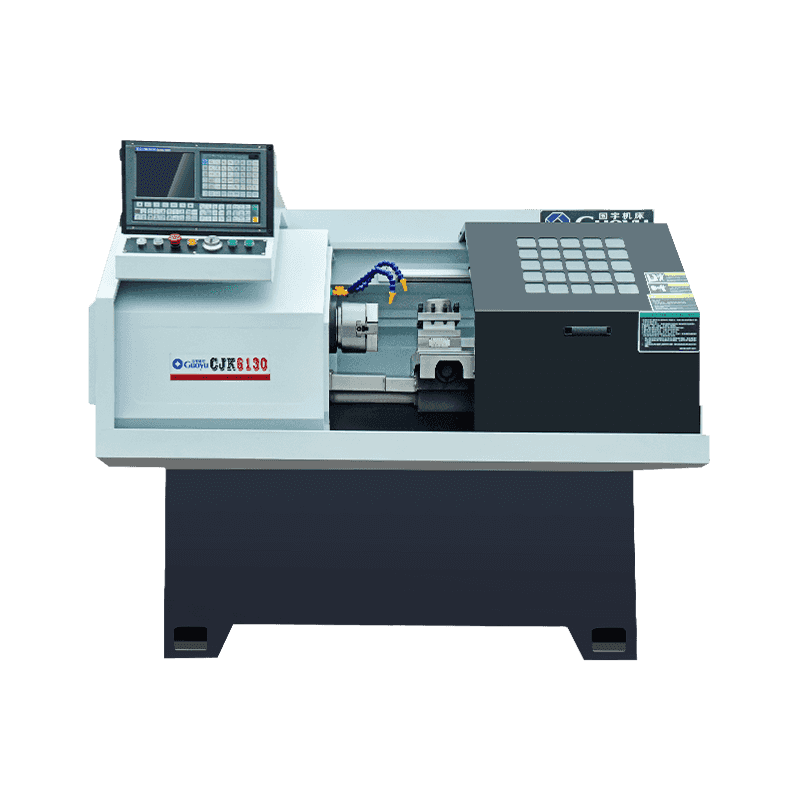
Technical Characteristics: The machine tool is a single-column vertical guideway structure. The colu...
See Details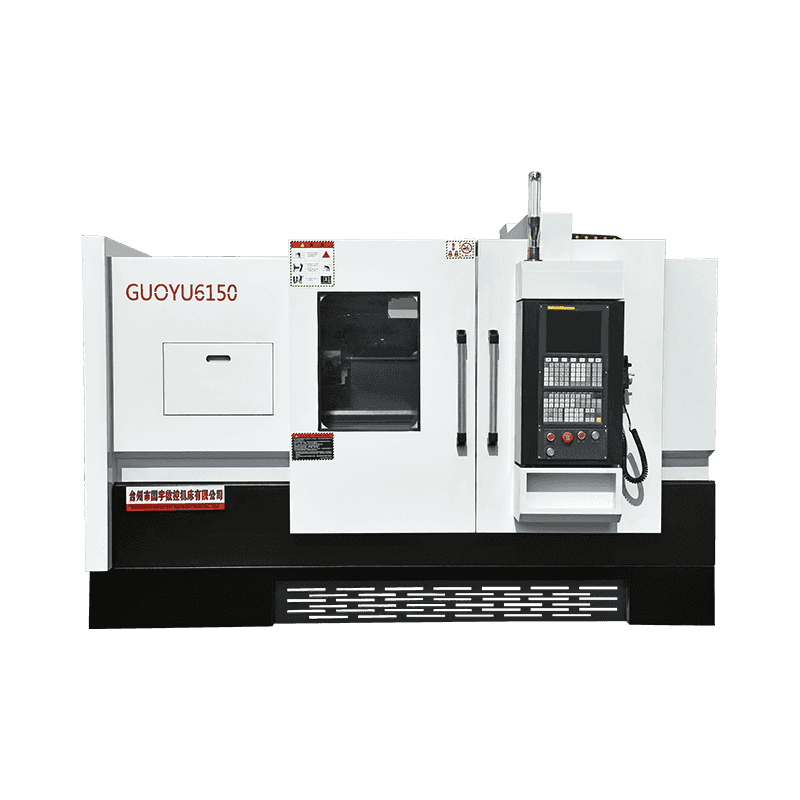
Technical Characteristics: It can cut all kinds of turning surfaces by bicycle, such as conical surf...
See Details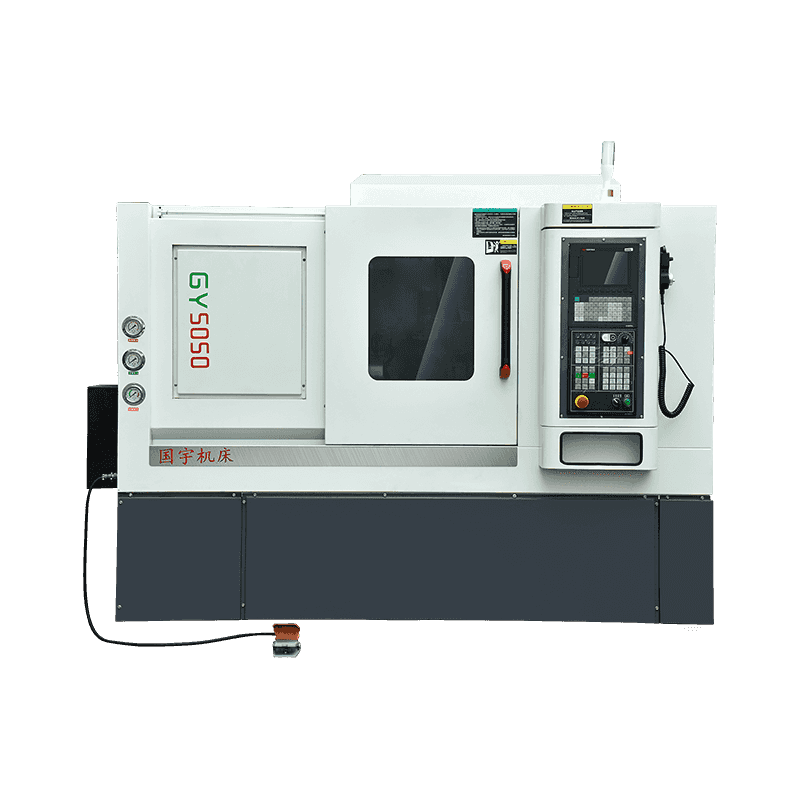
Technical Characteristics: The machine tool is of high precision, and the spindle is supported by hi...
See Details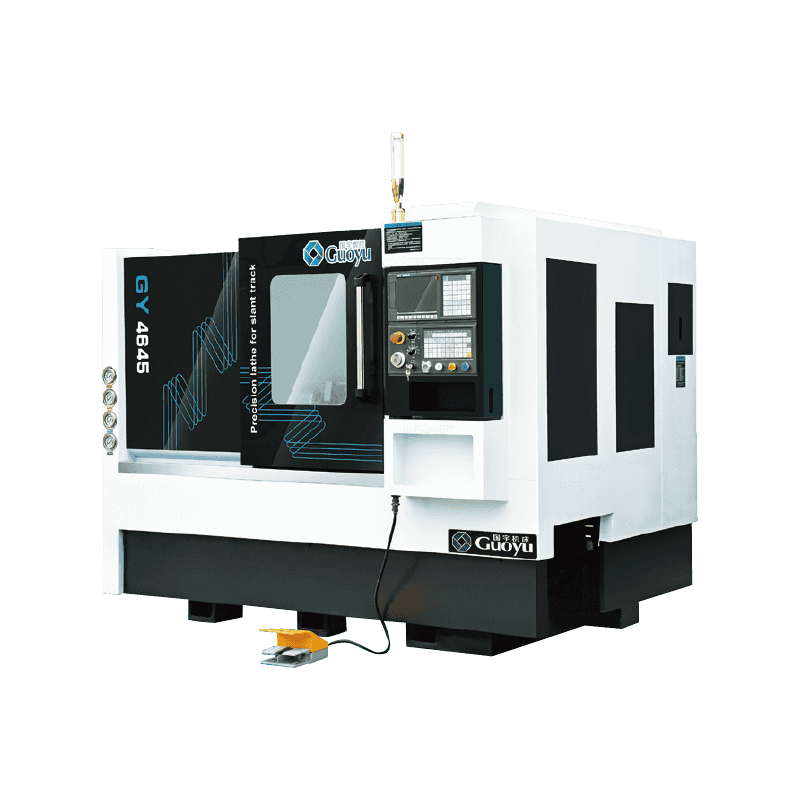
The Conjoined 35° Oblique Rail Cutter Tower Tail Seat Precision CNC Horizontal Lathe is a really pra...
See Details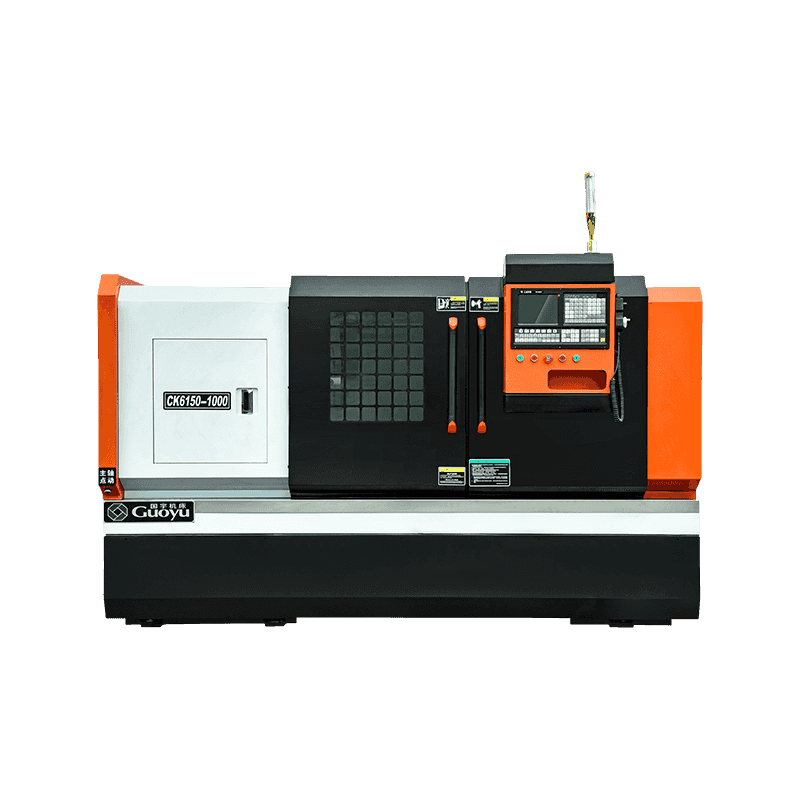
The Heavy Cutting Hard Guideway CNC Lathe For Metal Cutting is a really tough, heavy-duty machining ...
See Details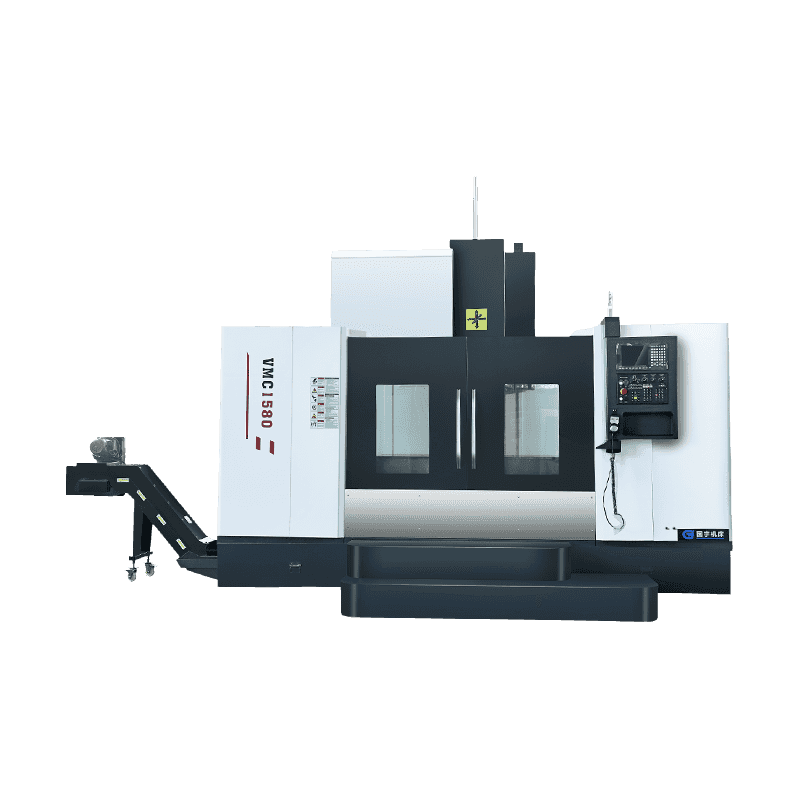
We are pleased to present the VMC1580 High-Speed Vertical Machining Center, a reliable and efficient...
See Details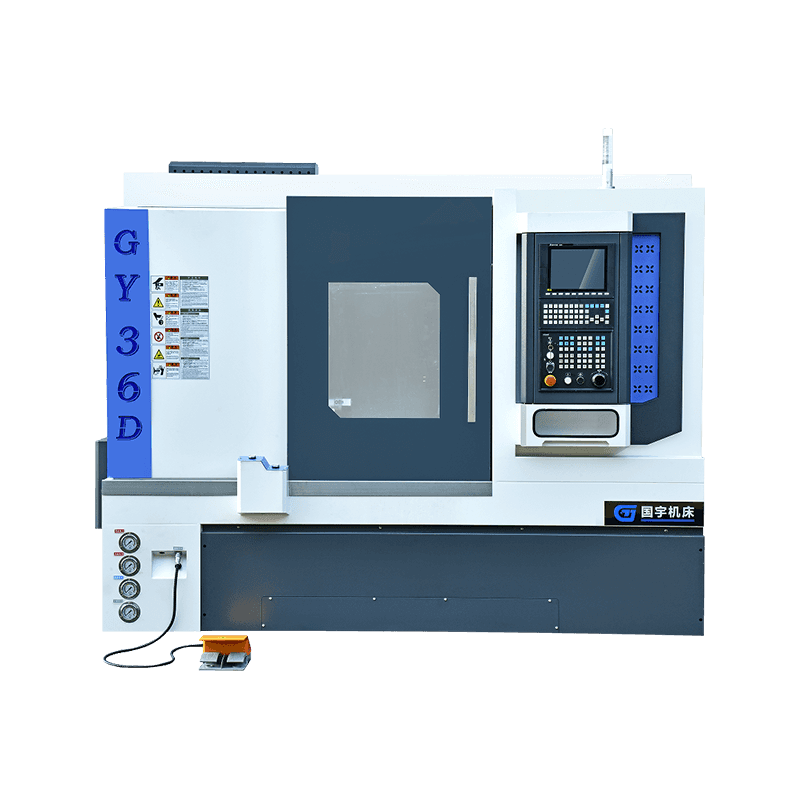
Technical Characteristics: All lathes are integrally cast with 250 materials to ensure processing ri...
See Details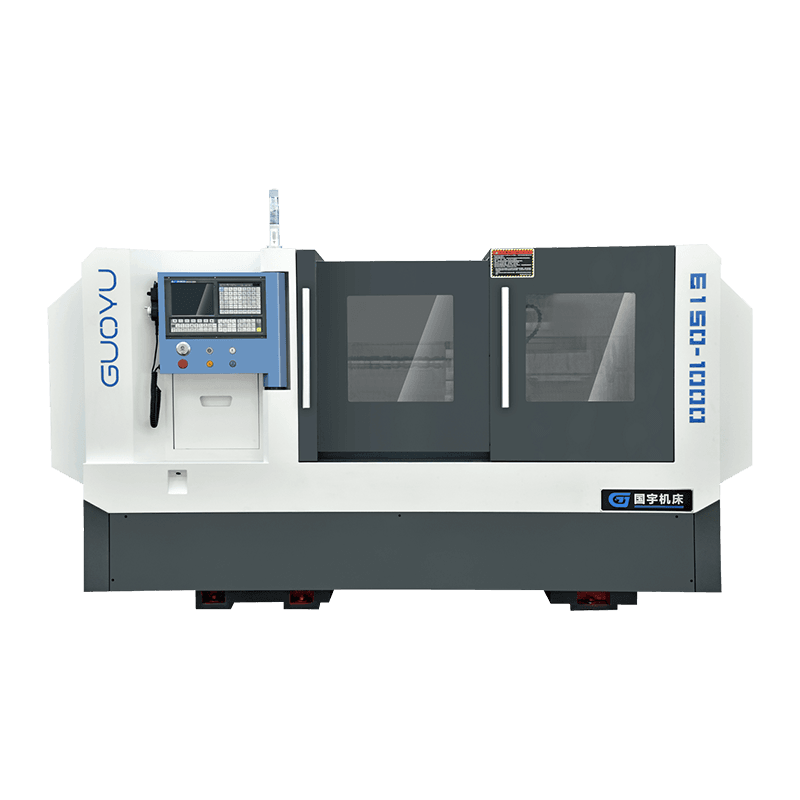
Technical Characteristics: It can cut all kinds of turning surfaces by bicycle, such as conical surf...
See DetailsOur team of digital and business experts will guide you to the right direction.
Let's Talk
Zhejiang Guoyu CNC Machine Tool Co., Ltd. relies on rich experience, professional technology and advanced methods to ensure the quality of its products, so that customers can enjoy more professional and thoughtful service.
 [email protected]
 +86-15356565970
 Xialiang Industrial Area, Luqiao District, Taizhou City, Zhejiang Province, China
Copyright © Zhejiang Guoyu CNC Machine Tool Co., Ltd. All Rights Reserved.