English
 中文简体
中文简体 русский
 Español

Technical Characteristics: It can cut all kinds of turning surfaces by bicycle, such as conical surf...
See Details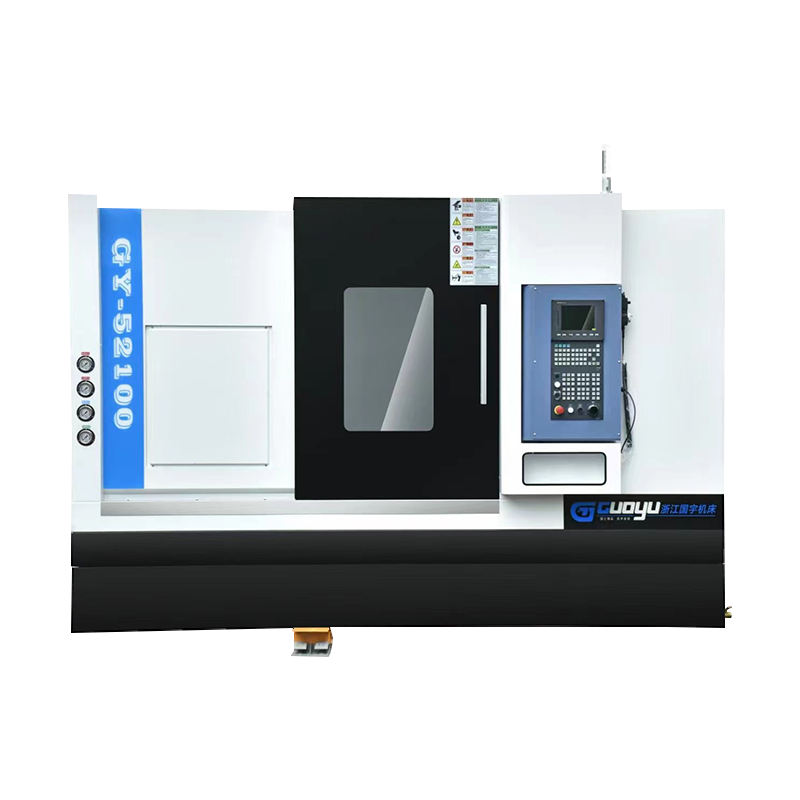
Mini CNC machines have become increasingly relevant due to their compact size, versatility, and precision. They are suitable for industries where space, cost, and efficiency are critical factors. Key sectors that drive demand include:
Electronics Manufacturing:
Jewelry and Craft Industry:
Medical Equipment and Devices:
Education and Research Institutions:
Automotive and Mechanical Components:
These industries share a need for accuracy and small-scale production, making mini CNC machines a practical choice.
Several regional factors affect the adoption and demand for mini CNC machines:
Industrial Development:
Regions with growing manufacturing sectors tend to adopt compact, flexible machines.
Small-scale industries benefit from cost-effective and space-saving equipment.
Education and Research Initiatives:
Areas with strong technical universities and research centers encourage the use of mini CNC machines for training and experimentation.
Cost and Infrastructure:
Compact machines require less initial investment and simpler infrastructure.
Regions with smaller workshops or limited floor space favor mini CNC machines.
Government Policies and Incentives:
Support for local manufacturing and technological development can increase adoption.
Regions promoting small- and medium-sized enterprises often encourage automation tools like mini CNC machines.
These factors combine to make certain regions more favorable for the use of compact CNC equipment.
Based on current market trends, Asia, particularly East Asia, exhibits the higher demand for mini CNC machines. Several reasons contribute to this regional preference:
Manufacturing Concentration:
East Asia hosts a large number of electronics, automotive, and machinery manufacturers.
The region includes countries with both mass production and small-scale precision workshops.
Growing Small- and Medium-Sized Enterprises (SMEs):
SMEs benefit from cost-efficient, versatile machinery for prototyping and limited production.o
Mini CNC machines allow these enterprises to remain competitive without large-scale factory setups.
Educational Institutions and Technical Training Centers:
High adoption in universities and vocational schools for practical training.
Encourages early exposure to CNC technology, boosting long-term market demand.
Regional Supply Chain Networks:
Availability of spare parts, local support, and machine suppliers enhances accessibility.
Established logistics make it easier for businesses to purchase and maintain mini CNC machines.
Other regions, such as Europe and North America, also maintain a stable demand, but their market focuses more on larger-scale industrial CNC machines, which explains why mini CNC machines are more concentrated in East Asia.
Future demand for mini CNC machines in high-demand regions is influenced by several trends:
Increased Focus on Automation:
Small workshops and educational institutions are adopting automation to improve efficiency.
Mini CNC machines provide an entry point into automated manufacturing.
Prototyping and Customization:
Growing interest in customized and rapid prototyping solutions supports mini CNC machine sales.
Startups and SMEs are adopting machines for flexible production.
Technological Advancements:
Improvements in software, control systems, and machine durability make mini CNC machines more appealing.
Compact, multifunctional machines expand their potential applications.
E-commerce and Global Supply Chains:
Easier access to machines and accessories via online platforms increases regional adoption.
Export and import of small machinery contribute to market growth in specific regions.
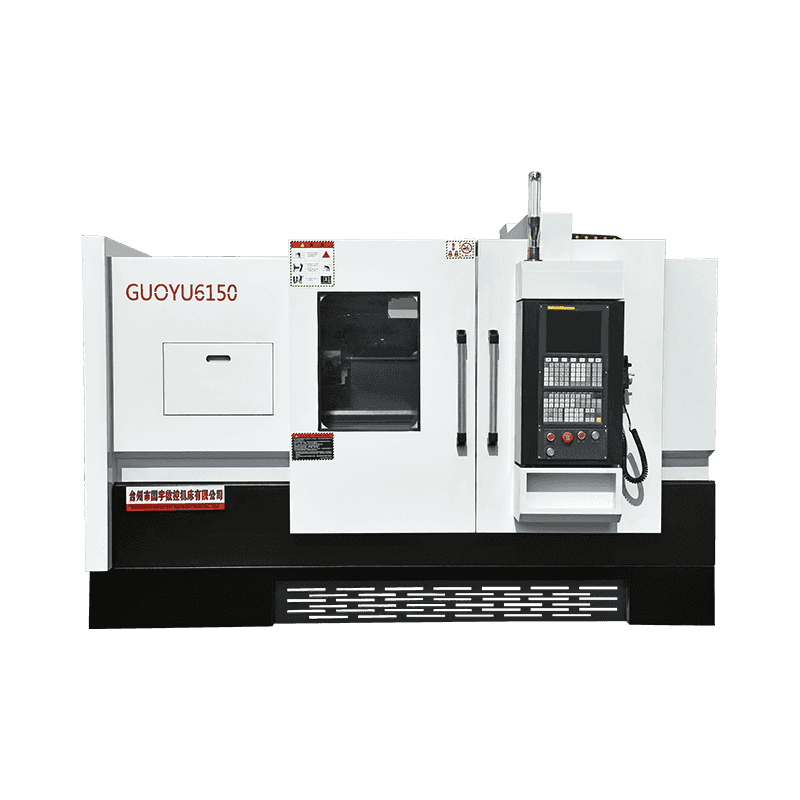
Technical Characteristics: It can cut all kinds of turning surfaces by bicycle, such as conical surf...
See Details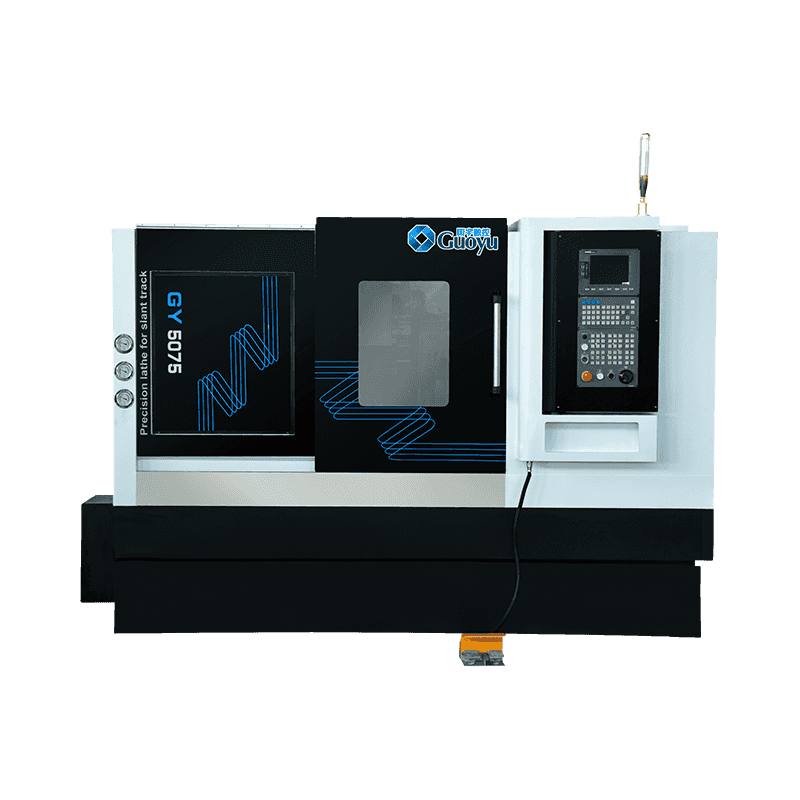
Technical Characteristics: The CNC machine tool for inclined beds adopts the domestic or imported hi...
See Details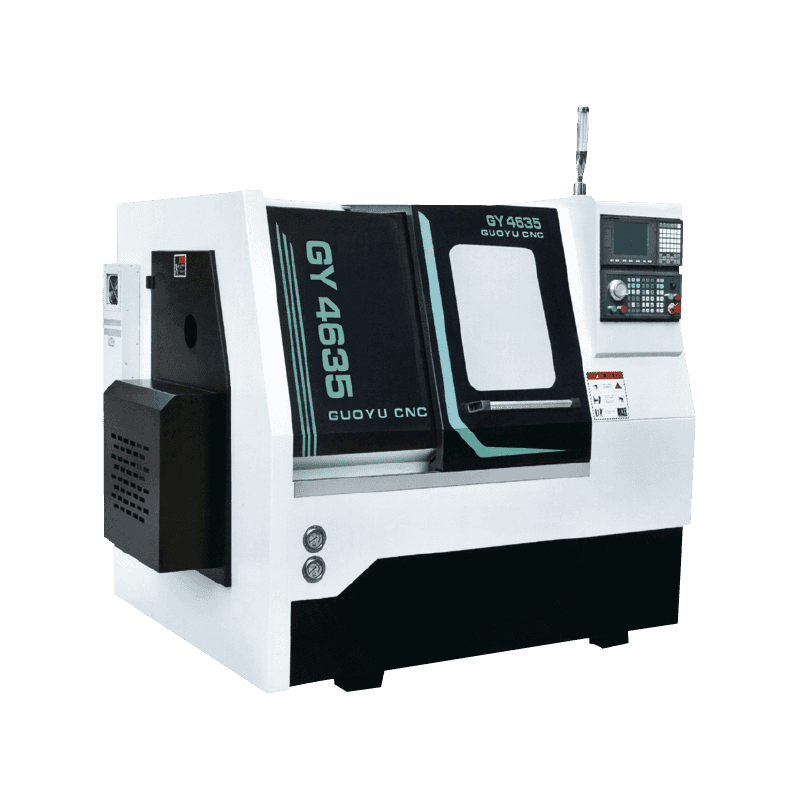
The Conjoined 45° Oblique Gauge Cutter Precision CNC Horizontal Lathe is a really practical turning ...
See Details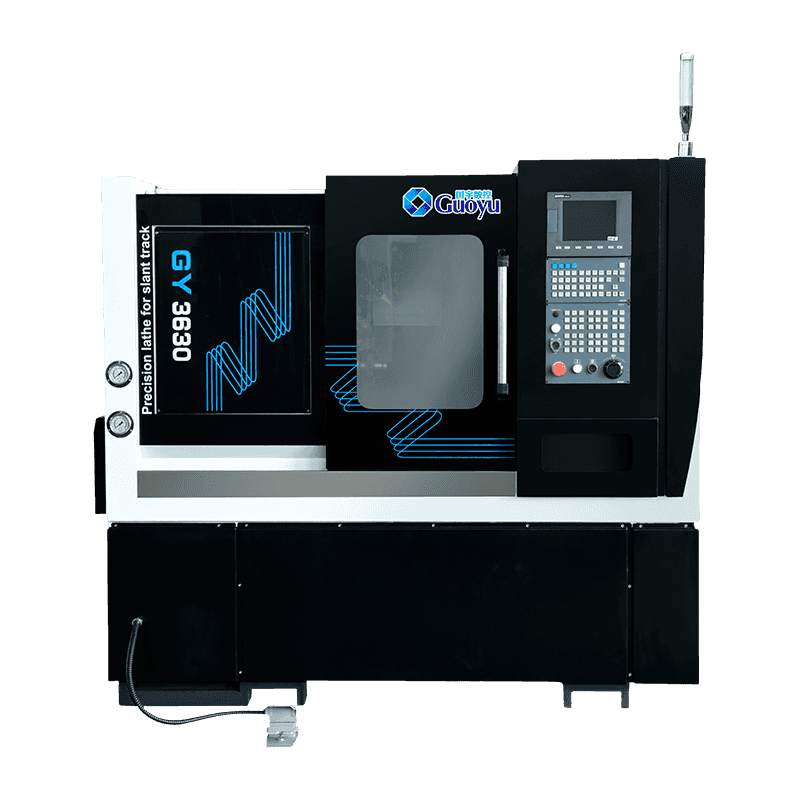
The Conjoined 45° Oblique Gauge Cutter Precision CNC Lathe is a really practical machining solution ...
See Details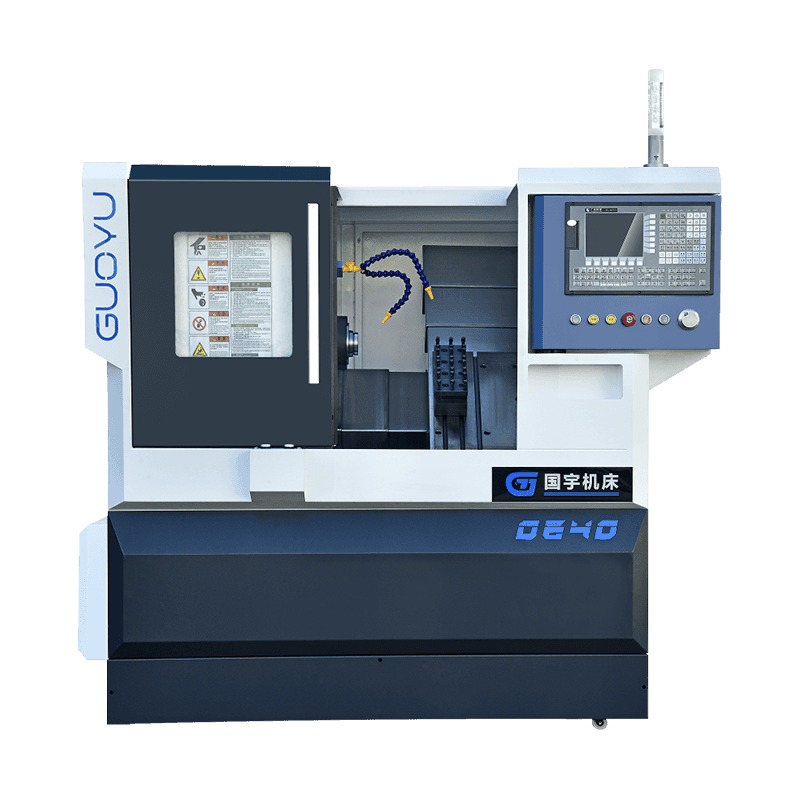
Introducing our Optional Control System CNC Lathe for Metal Processed, a sophisticated and reliable ...
See Details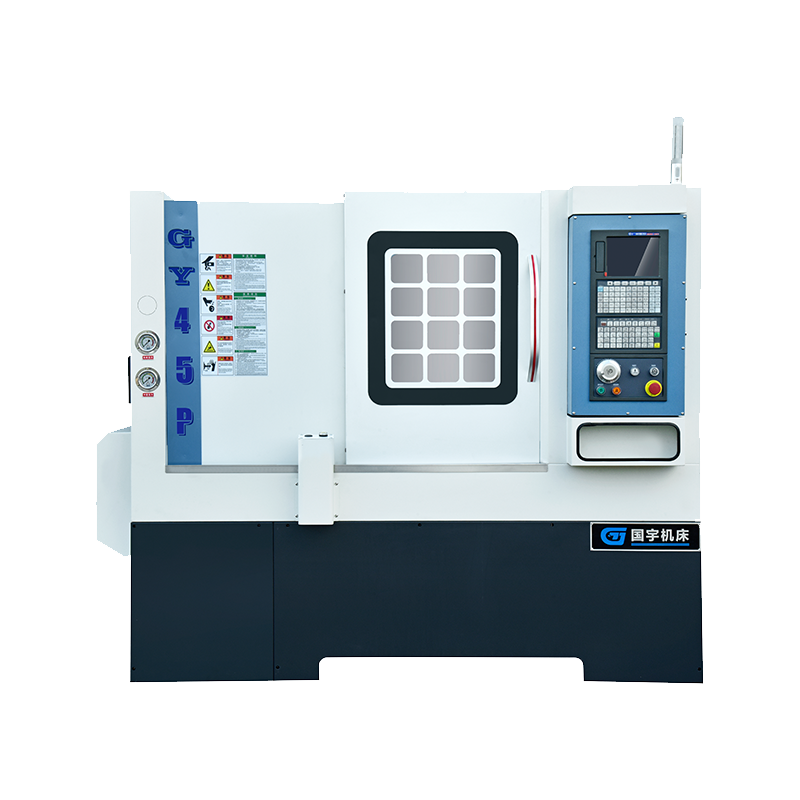
Technical Characteristics:Based on international advanced technology, the design of this machine too...
See Details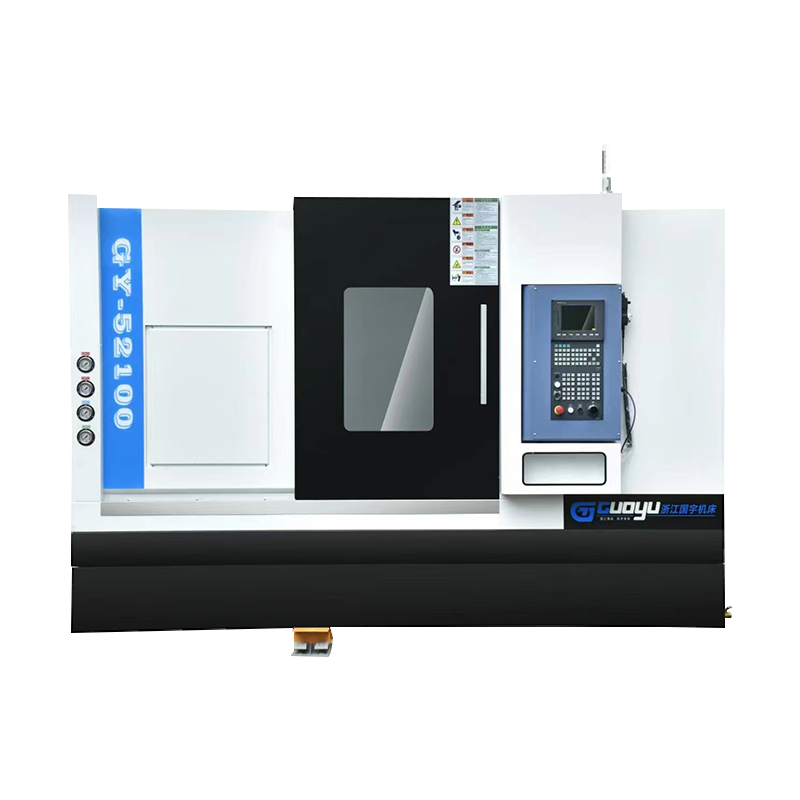
Technical Characteristics:Line Rail CNC lathes are integrally cast with 250 materials to ensure proc...
See Details
After-sales service commitment: 1. From the date of acceptance, the machine tool host is under warra...
See DetailsOur team of digital and business experts will guide you to the right direction.
Let's Talk
Zhejiang Guoyu CNC Machine Tool Co., Ltd. relies on rich experience, professional technology and advanced methods to ensure the quality of its products, so that customers can enjoy more professional and thoughtful service.
 [email protected]
 +86-15356565970
 Xialiang Industrial Area, Luqiao District, Taizhou City, Zhejiang Province, China
Copyright © Zhejiang Guoyu CNC Machine Tool Co., Ltd. All Rights Reserved.