English
 中文简体
中文简体 русский
 Español

Technical Characteristics: The CNC machine tool for inclined beds adopts the domestic or imported hi...
See DetailsWalk through any shop still running its production around conventional turning equipment and a familiar pattern tends to surface. Cycle times stretch longer on Tuesday than they did on Monday, for reasons nobody can quite pin down. Two machinists running what is supposedly the identical job produce parts that land at opposite ends of the tolerance band. Setup eats into the morning before a single chip gets cut. None of this points to one broken machine, or one underperforming operator. It points to something structural in how manual turning equipment operates — and it explains why so many manufacturing facilities eventually arrive at the same fork in the road: tighten the existing process further, or move to a Heavy Duty CNC Lathe Machine that removes the bottleneck rather than managing around it.
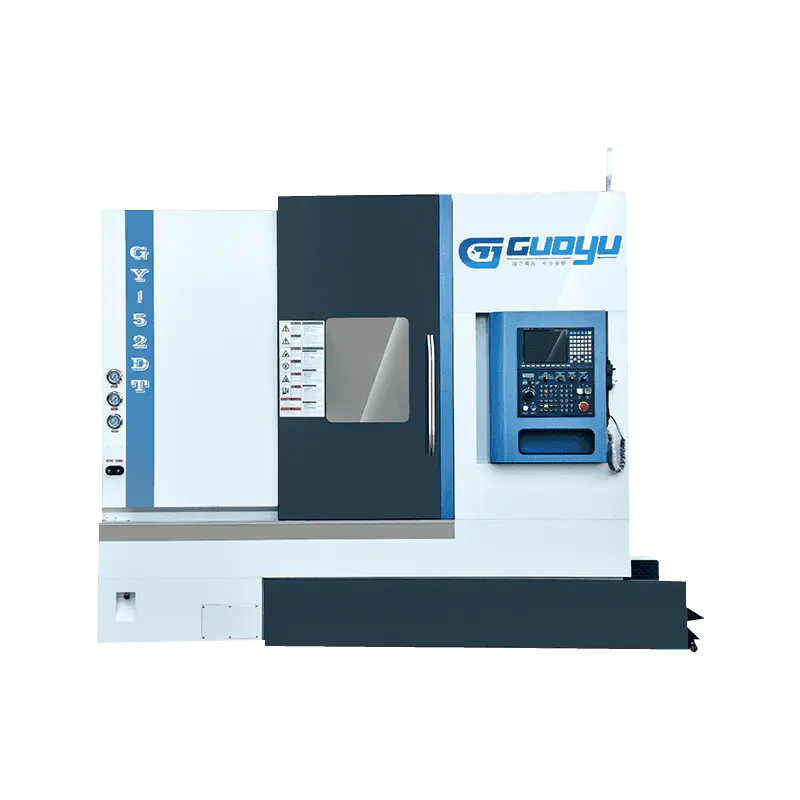
Conventional lathes put feed rate, depth of cut, tool positioning, and timing in the hands of whoever is standing at the controls. That is not a design flaw — it is simply what manual turning has always asked of the person running it. But it puts a ceiling on consistency that experience alone never quite closes.
Put two skilled operators on the same machine running the same part, and their cycle times will diverge. Put the same operator on the same job at the start of a shift versus the end of it, and fatigue introduces its own drift. None of this reflects poorly on the workforce. It is simply what happens when control sits with a human hand rather than a program, and the effect becomes more pronounced as volume climbs.
Every job change on a conventional lathe means manual realignment, tool swaps, and a string of test cuts before full production can begin with any confidence. In shops running smaller batches with frequent changeovers, setup time takes up a portion of total machine hours that would surprise people if they actually tracked it — hours during which the machine remains occupied but yields no sellable output.
Add that lost time across a typical week, and the gap compounds. A shop losing even a modest percentage of available machine hours to setup, stacked on top of the inherent pace limits of manual cycles, ends up with an efficiency problem that shows up directly in late deliveries and a cost-per-part figure nobody likes discussing in the morning meeting.
Manual feed control means cutting parameters often shift slightly mid-cut, particularly on longer passes where holding a perfectly steady feed rate by hand is genuinely difficult to sustain. That variability wears tools unevenly, and uneven wear shows up downstream as surface finish problems and dimensional drift that follows no predictable curve.
Operators compensate the only way they can — checking dimensions more often, adjusting on the fly. Each adjustment adds time. Each adjustment also introduces a fresh source of variability, tying output quality even more tightly to whichever individual happens to be running the machine that day.
Beyond the broad operator and setup issues already covered, several narrower bottlenecks tend to show up again and again in shops still leaning primarily on manual or semi-automated turning equipment.
These bottlenecks rarely act in isolation. Setup inefficiency feeds into operator dependency. Tool wear variability feeds into accuracy drift. What looks like a handful of small inefficiencies on paper stacks into a real productivity gap once measured against what automated turning achieves on comparable parts.
A CNC lathe machine runs a programmed sequence of movements with a level of repeatability manual control simply cannot reach. Once a program is proven out, every subsequent cycle follows the same feed rate, the same depth of cut, the same tool path — removing the operator-to-operator and shift-to-shift swings that define manual machining.
This does not push skilled people out of the picture. It moves their attention from continuous manual control during each individual cut to program development, setup verification, and broader process oversight — work that puts their expertise to use across a far larger volume of parts than standing at one machine ever could.
Where a manual lathe needs an operator's constant attention through every cut, CNC operation lets the cycle run unattended once it starts, freeing the operator to prep the next job, check finished parts, or in some shop configurations oversee more than one machine at once. This shift in how operator time gets spent — not raw cutting speed alone — is often where the bigger efficiency gains actually come from.
Because a CNC program fixes the exact tool path and cutting parameters, dimensional consistency across a run improves substantially over what manual machining delivers. Tool wear compensation is programmed and adjusted systematically, not left to an operator's intuition about when to step in, and parts from the machine maintain closer tolerances throughout the batch.
CNC systems support scheduled tool change sequences and, in many setups, automated wear monitoring that flags an aging tool based on actual cutting data rather than a visual check. That turns tool management from something reactive — discovering a failed insert mid-cycle on a manual machine — into something planned, with the downtime that follows shrinking accordingly.
A Heavy Duty CNC Lathe Machine is built around a reinforced bed, headstock, and tailstock structure designed to hold its dimensional stability under the cutting forces that come with large-diameter or long workpieces. That rigidity is not a nice-to-have detail. Deflection during a cut — even deflection too small to see — shows up directly as dimensional inaccuracy and surface finish trouble once you are pushing heavy components.
Shops that have tried stretching standard-duty equipment past its intended range run into exactly this. Parts that pass inspection comfortably on smaller jobs start drifting in tolerance the moment workpiece size or cutting force creeps near what the machine's structure was actually built to handle.
Heavy components — large shafts, thick-walled cylinders, forged blanks — need real cutting torque to machine at a reasonable pace without falling back on overly conservative feed rates that slow everything down. A heavy duty spindle delivers the torque to keep cutting parameters productive even on tough materials and large cross-sections, rather than forcing a tradeoff between what the machine can handle and how fast the job moves.
Beyond what a machine can do on a single part, heavy duty CNC lathes are built for long production runs without the thermal drift, structural fatigue, or accelerated wear that catches up with lighter-duty equipment pushed into round-the-clock heavy service. For shops running large batches of substantial components, this is the difference between an investment that holds its throughput year after year and one that turns into a recurring maintenance headache.
| Feature | Traditional Lathe | CNC Lathe |
|---|---|---|
| Efficiency | Capped by manual cycle pacing | Higher, through continuous programmed operation |
| Accuracy | Dependent on operator skill and attention | Consistent across the full production run |
| Labor Cost per Part | Higher, due to continuous operator involvement | Lower, with reduced operator time per part |
| Production Speed | Slower, with variable cycle times | Faster, with stable and repeatable cycle times |
| Setup Flexibility | Requires manual realignment for each job change | Program-based setup; often faster for repeat jobs |
| Data and Traceability | Minimal to none — no programmable record | Strong — parameters can be logged and analyzed |
| Suitability for Large Batch Runs | Efficiency decreases as volume increases | Scales well due to consistent repeatability |
What this comparison shows is not that traditional lathes have no place left. For genuinely low-volume, highly variable job shop work, manual flexibility still has real value. But for production defined by repeat parts, larger batches, or heavy workpieces—where consistency and throughput carry the weight—the case for CNC automation becomes considerably stronger. And when the parts themselves demand it, heavy‑duty configurations move from a consideration to a clear preference.
Automotive manufacturing runs high volumes of shafts, axles, and drivetrain components that need both dimensional consistency across enormous quantities and the structural muscle to machine the steel grades these parts are typically made from. Heavy duty CNC lathes support the sustained throughput these schedules demand while holding the tolerance consistency that automotive quality expectations require.
Valve bodies, flange connections, drill collars, pipe fittings — oil and gas components tend to be large, heavy, and cut from tough alloy materials that demand serious cutting force. The pairing of heavy workpiece handling and high torque spindle performance suits this category well, particularly given how much rides on machining consistency when component failure carries real downstream consequences.
Manufacturers building components for industrial machinery — gearboxes, large bearing housings, structural shafts for heavy equipment — work with parts whose size and weight sit well past what standard-duty turning equipment can reasonably handle. Heavy duty CNC lathe capability lets these manufacturers keep this machining in-house rather than outsourcing every large component to a specialized heavy machining shop.
Railway axles, wheel components, and other transportation parts demand heavy-duty machining capability alongside strict dimensional consistency, given how safety-critical these components are. CNC repeatability, combined with the structural capacity heavy duty configurations bring, addresses both demands at once rather than forcing a compromise between them.
Picking the right specification means working through several practical questions rather than defaulting to whatever option looks biggest or automated on a spec sheet.
Working through these points against actual shop data — current cycle times, part dimensions, batch sizes, rejection rates — produces a far more defensible specification than starting from a vague sense that bigger and more automated must be better.
A CNC lathe factory designs and builds the machine itself, with engineering, production, and quality control sitting under one roof. A CNC lathe supplier, in many cases, is a distribution or trading entity sourcing machines from one or more factories and reselling them — sometimes under its own name — without direct involvement in how they were actually built.
That distinction matters once a buyer starts asking about customization, technical support depth, or long-term parts availability. A factory relationship usually means more direct access to engineering input for custom specs, faster resolution when something goes wrong since the support team actually knows the machine's design inside out, and steadier long-term spare parts supply since the factory controls its own production and stock.
For buyers specifying a new CNC heavy duty lathe with particular requirements — a non-standard bed length, a specific spindle configuration, integration with existing shop automation — going straight to a manufacturing factory rather than through an intermediary supplier generally means clearer communication and more reliable execution of whatever is non-standard about the order. The factory's own engineering team can answer technical questions about capability and configuration directly, without the lag that comes from a distributor relaying questions back to whoever actually built the machine.
Beyond catalog configurations, plenty of CNC lathe factories offer OEM production for buyers with specific automation integration needs, branding requirements for resale, or mechanical specifications driven by unusual part geometry. Checking a factory's actual OEM track record — rather than taking customization claims at face value — is a reasonable step before committing to anything non-standard.
The new CNC heavy duty lathe equipment reaching the market keeps pushing in directions that extend the efficiency gains already discussed here.
These developments continue along the direction that drove the shift from manual to CNC: reduced variability, less operator dependency, and more machine time spent producing finished parts instead of waiting on someone or something.
Sourcing a heavy duty CNC lathe machine takes more than lining up headline specs side by side. It is worth confirming a prospective factory's manufacturing scale and quality control processes, asking for reference installations in comparable applications where they exist, getting clarity on warranty terms and realistic response time for support and spare parts once the machine is installed, and understanding what training and commissioning support actually comes with delivery rather than what gets implied in a sales conversation. Zhejiang Guoyu CNC Machine Tool Co., Ltd. manufactures a range of CNC lathe machines, including heavy duty configurations built for large workpiece handling, high torque cutting work, and sustained production environments, with OEM customization and direct factory support available for buyers working through an equipment upgrade decision.
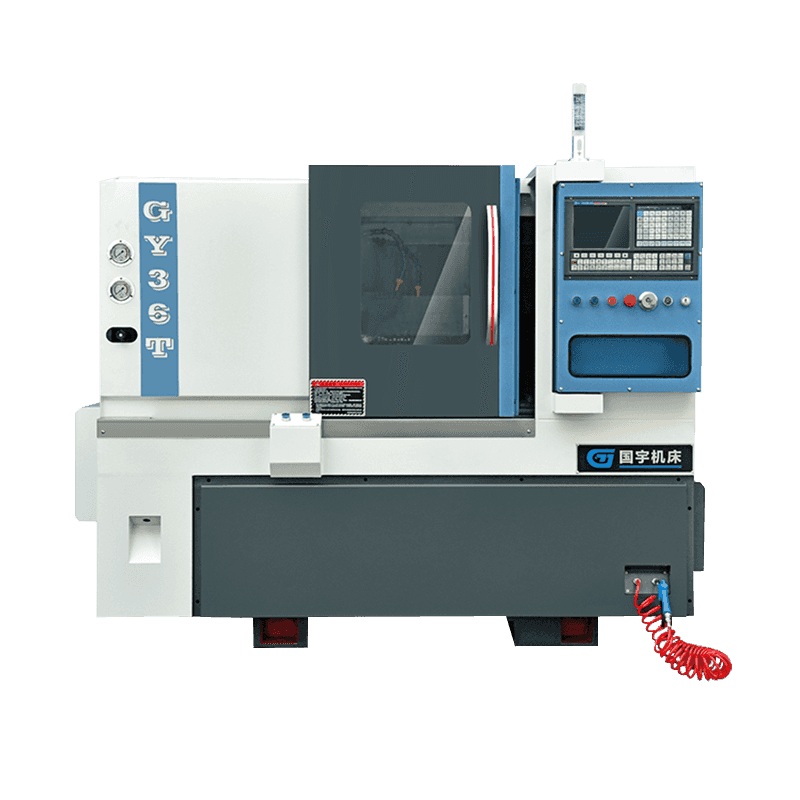
Technical Characteristics: The CNC machine tool for inclined beds adopts the domestic or imported hi...
See Details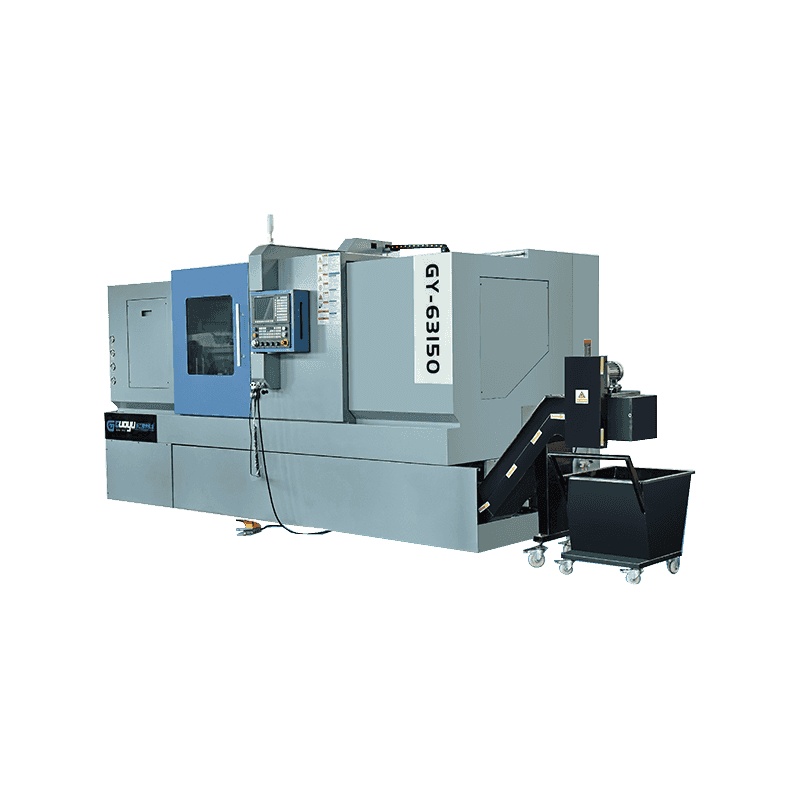
The Precision CNC Lathe With Programmable Tailstock For Connected Inclined Rail Tool Tower is just a...
See Details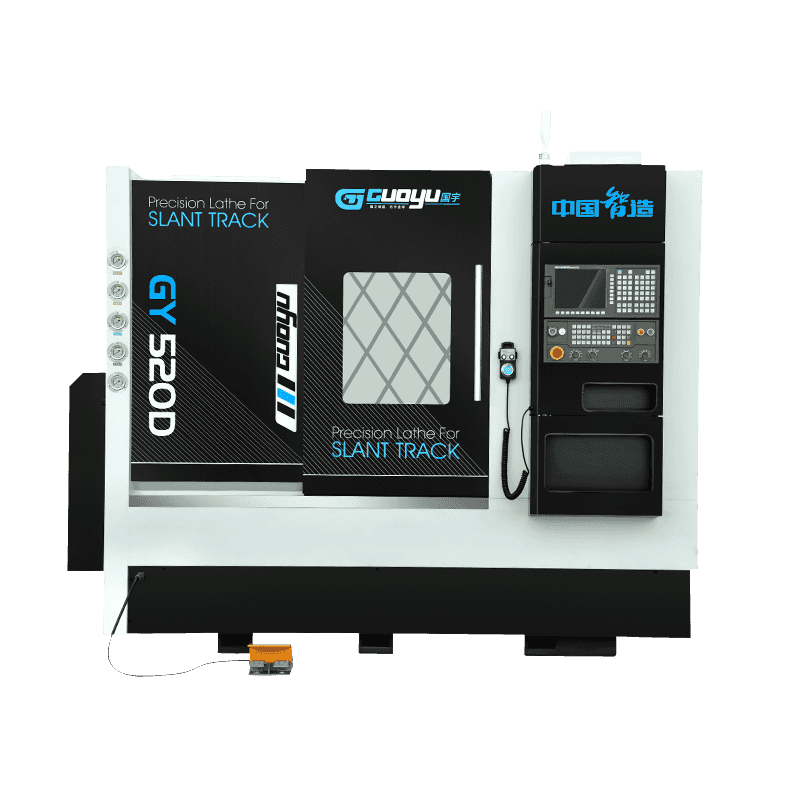
Technical Characteristics: The CNC machine tool for inclined beds adopts the domestic or imported hi...
See Details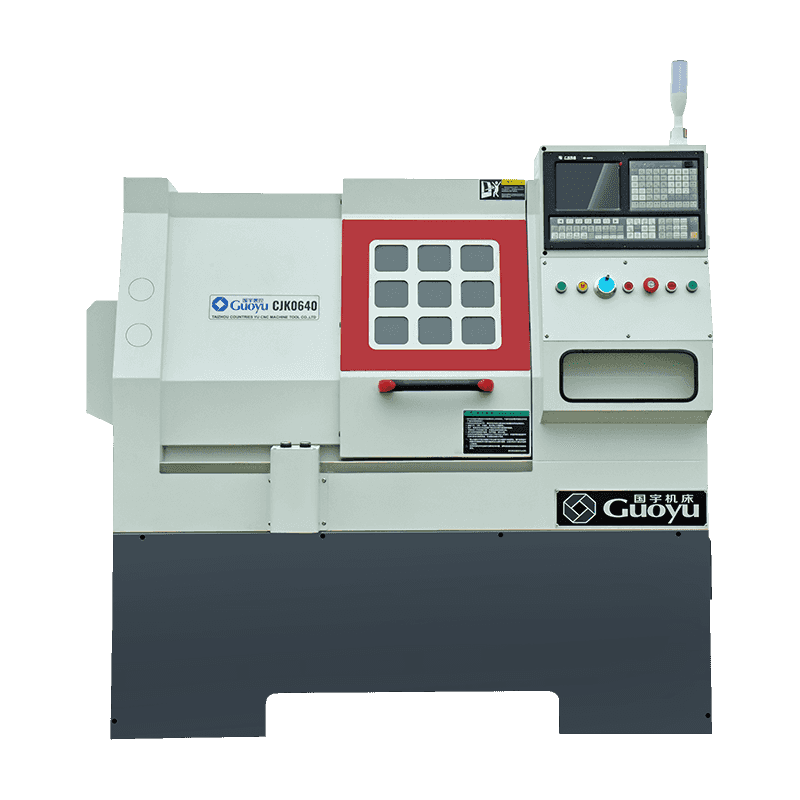
Technical Characteristics: The machine tool is equipped with a quantitative automatic lubrication sy...
See Details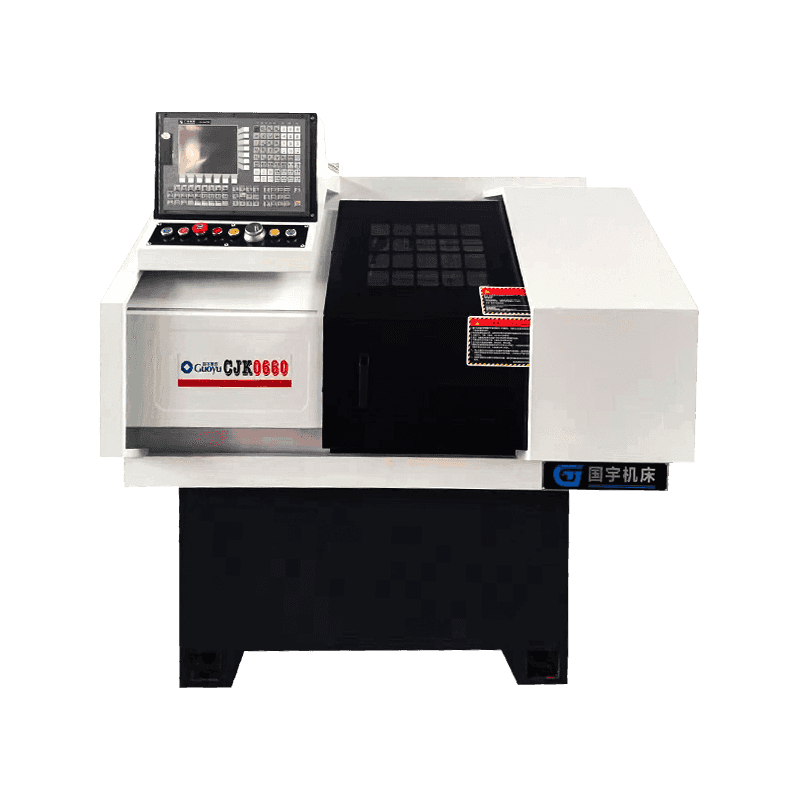
The Custom Precision Line Rail Precision CNC Lathe is just a really practical, compact machining sol...
See Details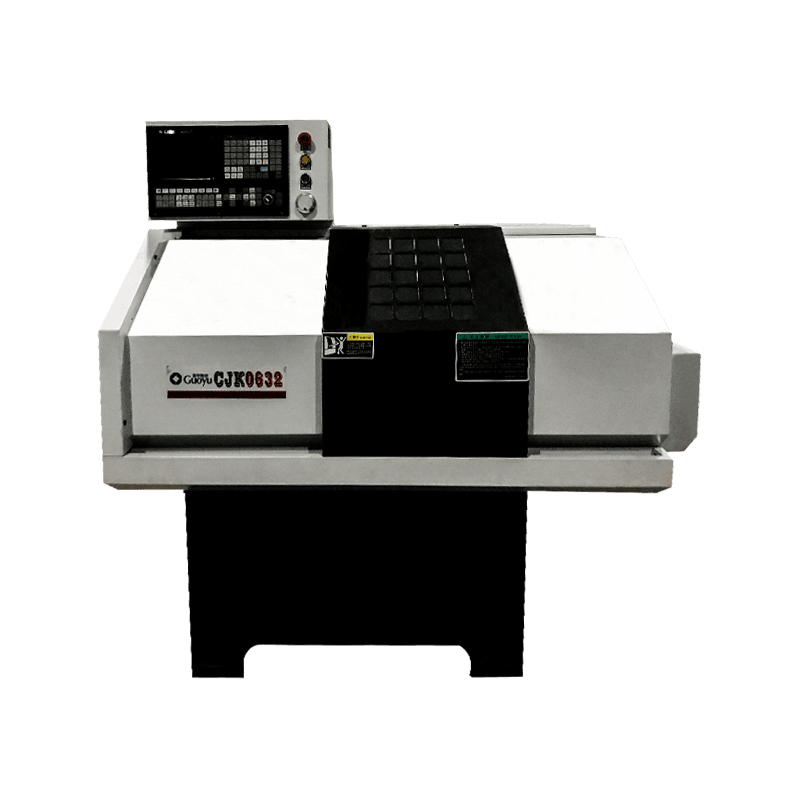
The Precision Line Rail Precision CNC Lathe is a completely practical machining choice if you want t...
See Details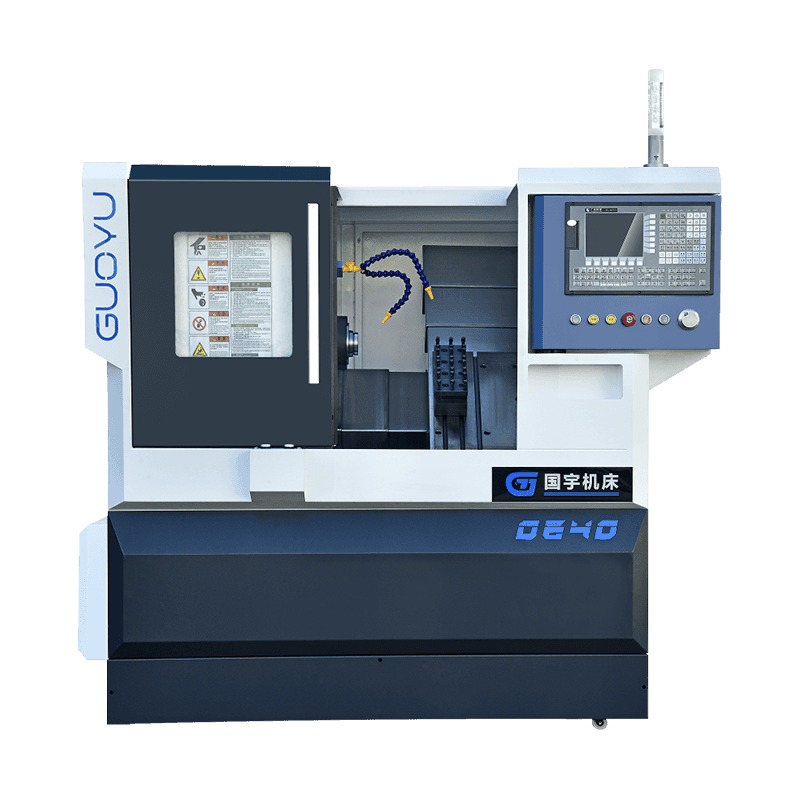
Introducing our Optional Control System CNC Lathe for Metal Processed, a sophisticated and reliable ...
See Details
After-sales service commitment: 1. From the date of acceptance, the machine tool host is under warra...
See DetailsOur team of digital and business experts will guide you to the right direction.
Let's Talk
Zhejiang Guoyu CNC Machine Tool Co., Ltd. relies on rich experience, professional technology and advanced methods to ensure the quality of its products, so that customers can enjoy more professional and thoughtful service.
 [email protected]
 +86-15356565970
 Xialiang Industrial Area, Luqiao District, Taizhou City, Zhejiang Province, China
Copyright © Zhejiang Guoyu CNC Machine Tool Co., Ltd. All Rights Reserved.