English
 中文简体
中文简体 русский
 Español

The Conjoined 35° Oblique Rail Cutter Tower Tail Seat Precision CNC Lathe is a really practical mach...
See DetailsEquipment procurement decisions in metal machining rarely reduce to a single specification. The tension between machining accuracy and cutting capacity is one that engineers and production managers encounter repeatedly — and it does not resolve itself with a simple rule. A Heavy Duty CNC Lathe Machine configured for large-diameter turning may not deliver the surface finish or dimensional tolerance that precision aerospace components require. A Precision CNC Lathe built for tight tolerances may not generate the spindle torque needed to remove stock efficiently from large steel forgings. Understanding what drives each performance dimension, how they interact at the machine design level, and when each should take priority in a procurement decision is the foundation of a machine selection that holds up under sustained production demands.
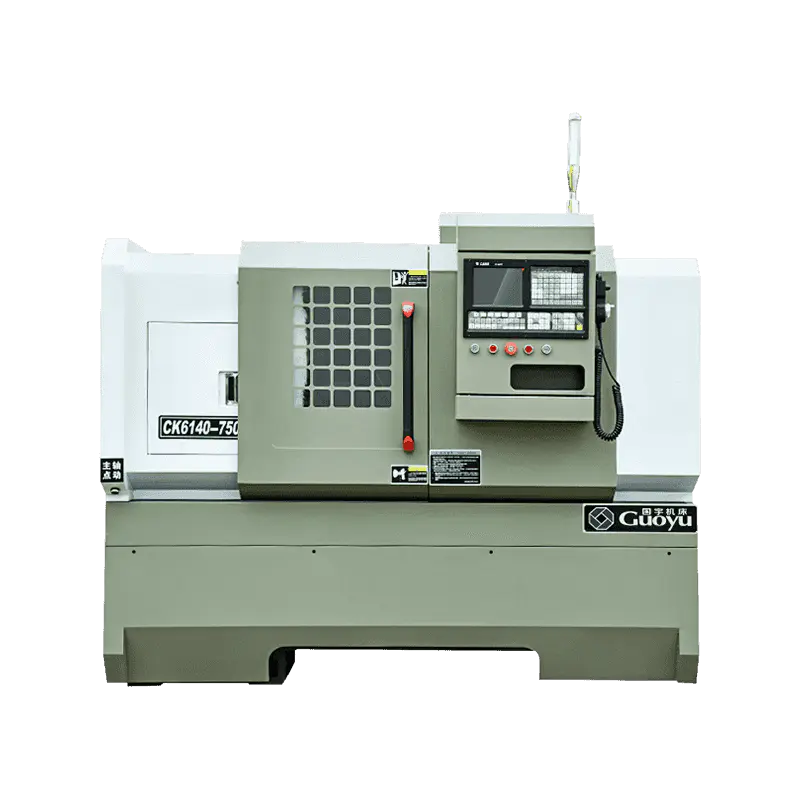
Machining accuracy in a CNC lathe encompasses several related but distinct performance characteristics. Positioning accuracy describes how closely the tool reaches the commanded coordinate position. Repeatability describes how consistently it returns to the same position across multiple cycles. Geometric accuracy covers the straightness of the slide travel, the squareness of the axes relative to each other, and the runout of the spindle. Surface finish quality is a downstream result of all of these combined with the cutting tool condition and the stability of the machine structure during the cut.
A machine specification that lists a positioning accuracy figure without qualifying the measurement conditions, the thermal state of the machine, or the load applied during measurement provides an incomplete picture of how the machine will perform in production. Evaluating accuracy claims involves identifying which accuracy characteristics are relevant to the intended application and confirming that the specification reflects those characteristics under representative conditions.
The accuracy a CNC lathe can achieve and sustain is determined by its structural and mechanical design:
Cutting capacity in a CNC lathe describes the range of workpiece sizes the machine can accommodate and the cutting forces it can sustain while maintaining stable operation. The physical envelope — swing over bed, swing over carriage, turning diameter, and distance between centers — defines the workpiece dimensions the machine can hold and rotate. The spindle power and torque determine what material removal rates are achievable within that envelope without stalling the spindle or introducing chatter from insufficient cutting force reserve.
A machine with a large physical envelope but limited spindle power can hold large workpieces but cannot remove stock from them at rates that make production economical. The capacity specification is only meaningful when both the envelope and the power are evaluated together against the intended workpiece dimensions and material.
The factors that limit cutting capacity are distinct from those that limit accuracy but interact with them at the design level:
The tension between accuracy and cutting capacity at the machine design level arises from competing structural requirements. High accuracy demands a machine structure that minimizes deflection under load, manages thermal growth, and maintains geometric relationships across the full range of slide travel. High cutting capacity demands a structure that can withstand sustained high cutting forces, accommodate large workpieces, and generate high spindle torque without structural resonance.
These demands are not mutually exclusive, but satisfying both simultaneously at a high level requires a more substantial machine — heavier bed, more capable spindle system, more sophisticated thermal compensation — which increases the machine cost and physical footprint. The practical question for a procurement decision is not whether accuracy and capacity can coexist but where on the cost and size spectrum the required combination sits.
Current machine tool design has reduced the trade-off in specific machine categories. A Precision CNC Lathe designed for medium-sized precision components can incorporate hardened and ground guideways, high-quality spindle bearings, and a rigid bed construction that delivers sustained accuracy while also handling the cutting forces required for steel and alloy turning at production rates. The trade-off is not eliminated — such machines are not suited for the very large workpiece diameters or the continuous heavy roughing that a dedicated heavy duty lathe handles — but the range of work they can handle at high accuracy has expanded.
A heavy duty CNC lathe configured for large shaft and forging work may also incorporate closed-loop position feedback and thermal compensation systems that allow it to hold tighter tolerances than older heavy-duty machines of comparable physical size. The key distinction remains the primary design intent: a machine designed around heavy cutting will always make different structural choices than one designed around tight tolerance work, even when both incorporate modern control systems.
| Machine Type | Accuracy Priority | Cutting Capacity Priority | Suited Application |
|---|---|---|---|
| Precision CNC Lathe | High | Moderate | Aerospace, medical, mold components |
| Heavy Duty CNC Lathe | Moderate to High | High | Large shafts, forgings, heavy steel parts |
| High Speed CNC Lathe | Moderate | Moderate | High-volume production, aluminum, non-ferrous |
| Universal CNC Lathe | Moderate | Moderate | General machining, varied part families |
| Small High Precision Lathe | High | Low | Small precision parts, instrument components |
| CNC Lathe for Metal (general) | Varies | Varies | Mixed material, flexible production |
The table reflects the typical design emphasis of each machine category rather than fixed performance limits. A heavy duty CNC lathe from a manufacturer with strong precision engineering capability may hold tighter tolerances than a general-purpose machine of comparable size. The category descriptions provide orientation for the initial selection process, but final procurement decisions require evaluating the specific machine against the specific application requirements.
Accuracy is the primary selection criterion when:
Precision CNC Lathes and small high precision lathes are the configurations that address these requirements. The machine design prioritizes structural stiffness, thermal management, and guideway precision over the capacity to remove large volumes of material quickly.
Cutting capacity becomes the primary criterion when:
Heavy duty CNC lathes and large universal lathes address these requirements. Their design prioritizes structural load capacity, spindle power and torque, and workholding capability over the precision characteristics that define the accuracy-focused categories.
Many production programs do not fall cleanly into either category. A facility machining medium-sized steel components for industrial equipment — parts that require dimensional tolerances tighter than rough forging but not as tight as aerospace components, in materials that require meaningful cutting force — needs a machine that can hold adequate tolerance while also generating the torque and rigidity to remove stock efficiently. This is the space where Universal CNC Lathes and mid-range precision lathes with robust construction are evaluated, and where the selection requires weighing both accuracy and capacity specifications against the specific part family rather than optimizing for either in isolation.
The material being machined influences which dimension of machine performance is more constraining in practice:
Automotive turning programs typically involve medium to large production volumes of steel components — crankshafts, transmission shafts, brake components — where cycle time efficiency and dimensional consistency across the production run are both important. The tolerance requirements are meaningful but not at the level of aerospace components. This is a natural fit for machines that combine adequate accuracy with sufficient cutting capacity to maintain production rates, rather than machines optimized for either extreme.
Large valve bodies, pipe fittings, and downhole components require the physical capacity to accommodate large diameters and lengths, combined with the structural rigidity to handle tough alloys and maintain form accuracy on sealing surfaces. Heavy duty CNC lathes are the standard configuration for this work, and the accuracy requirements of the sealing and thread features drive the specification of the guideway and spindle systems within an otherwise capacity-focused machine design.
Stringent accuracy requirements apply to aerospace structural components and precision instrument parts. Material removal rates are secondary to achieving consistent dimensional results within tight tolerance bands. Precision CNC Lathes and small high precision lathes are specified for this work, and the machine selection process prioritizes thermal stability, guideway precision, and spindle runout characteristics over cutting envelope and torque capacity.
The machine type and general capability level establish the frame for a procurement decision, but the final selection requires confirming specific characteristics against the intended application:
For facilities sourcing a CNC lathe for a new production program or upgrading existing capacity, the machine specification review is more reliable when conducted with the manufacturer's application engineering team using the actual part drawings and material specifications, rather than based on catalogue specifications alone.
Zhejiang Guoyu CNC Machine Tool Co., Ltd. manufactures CNC lathes across heavy duty, precision, and universal configurations, with engineering support for application-specific machine selection and custom specification requirements. For procurement teams evaluating machine configurations against a defined part family and production program, contacting the technical team with workpiece dimensions, material specifications, tolerance requirements, and volume targets provides the basis for a machine recommendation grounded in the actual production context rather than general category descriptions.
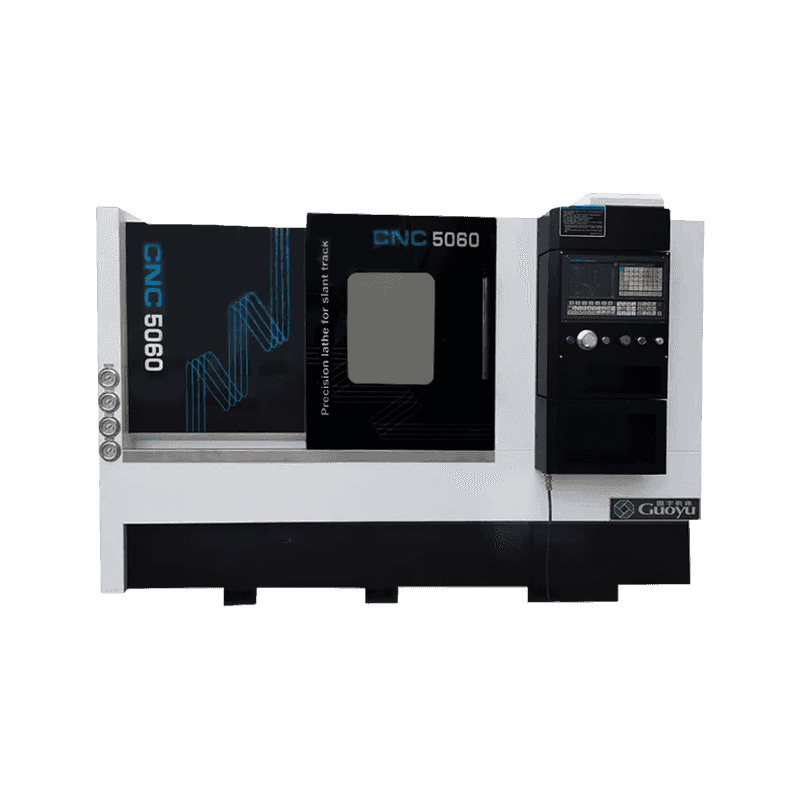
The Conjoined 35° Oblique Rail Cutter Tower Tail Seat Precision CNC Lathe is a really practical mach...
See Details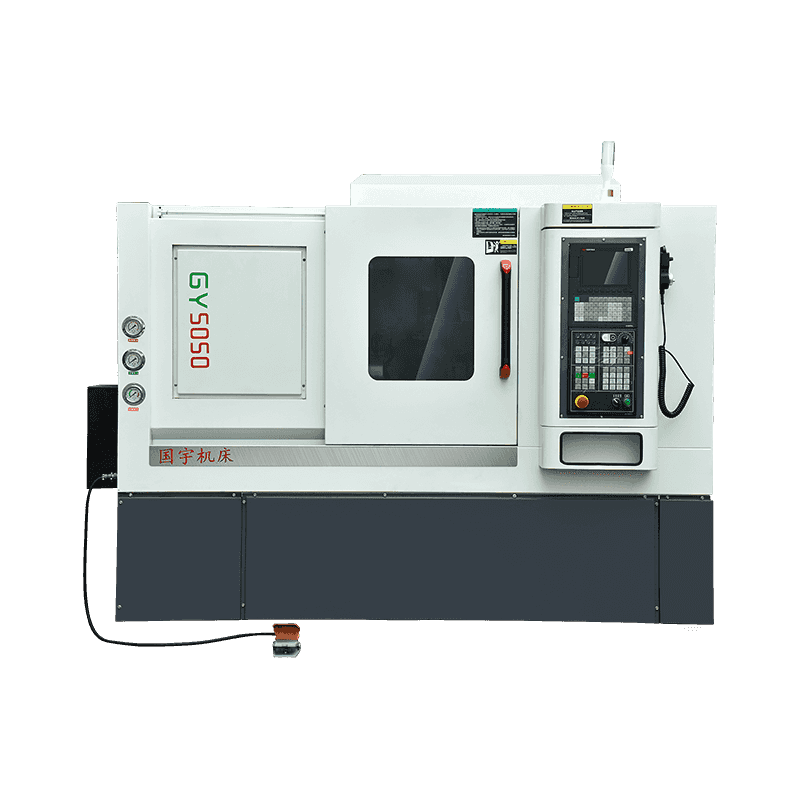
Technical Characteristics: The machine tool is of high precision, and the spindle is supported by hi...
See Details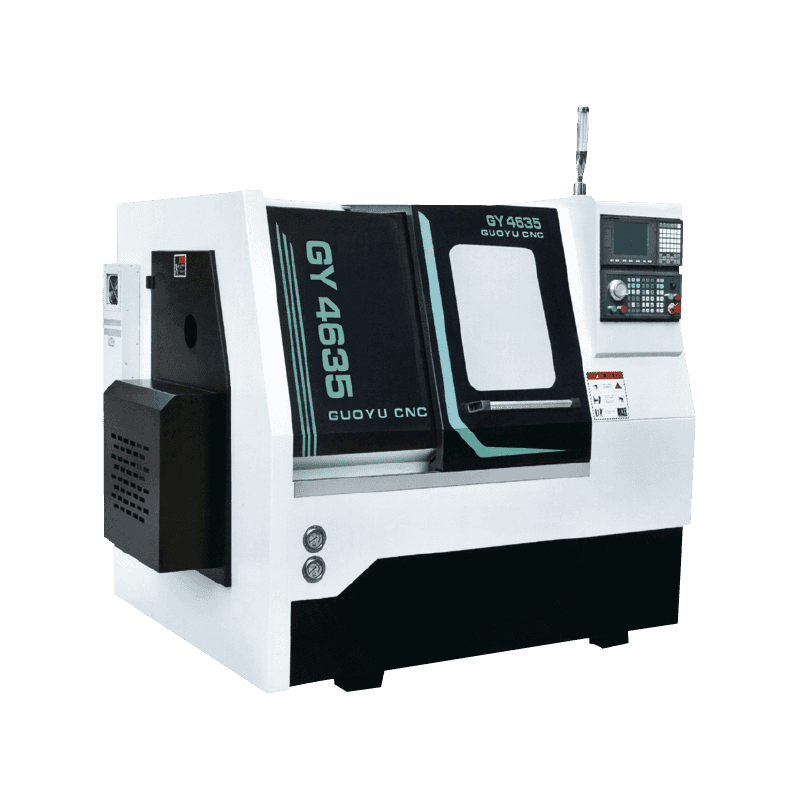
The Conjoined 45° Oblique Gauge Cutter Precision CNC Horizontal Lathe is a really practical turning ...
See Details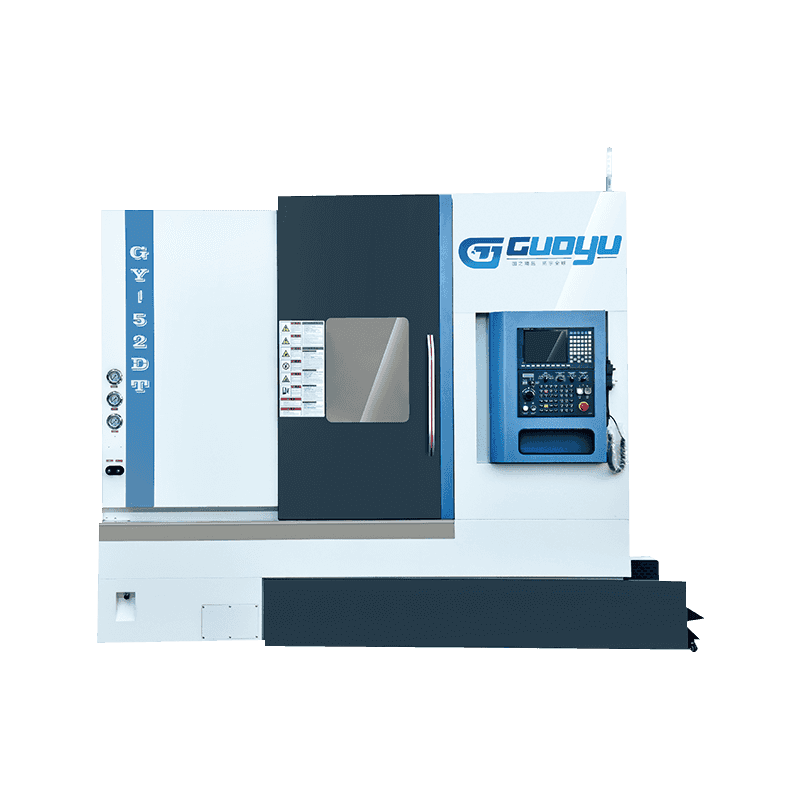
Technical Characteristics: The CNC machine tool for inclined beds adopts the domestic or imported hi...
See Details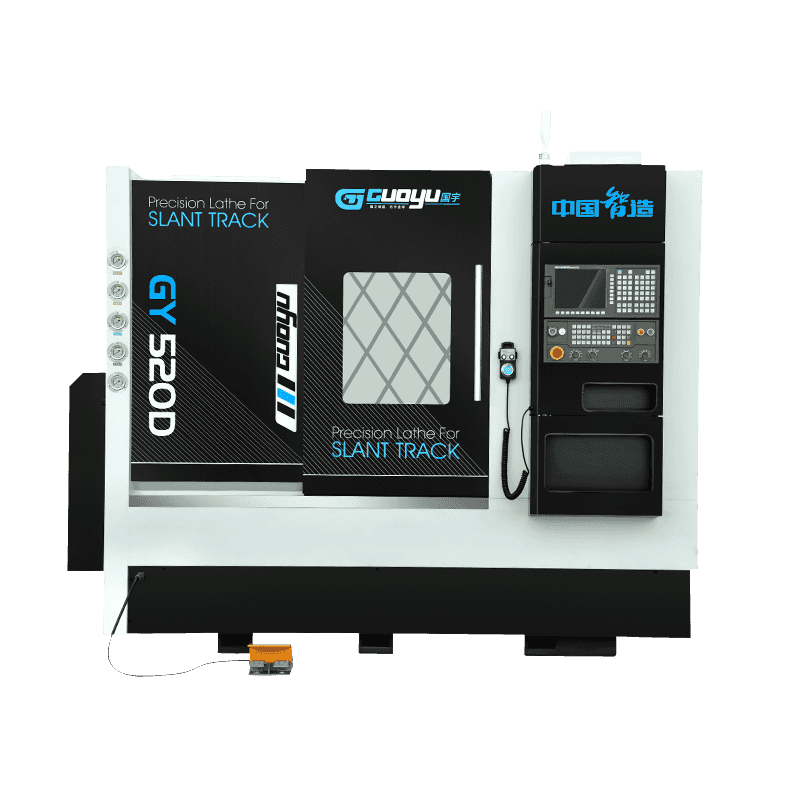
Technical Characteristics: The CNC machine tool for inclined beds adopts the domestic or imported hi...
See Details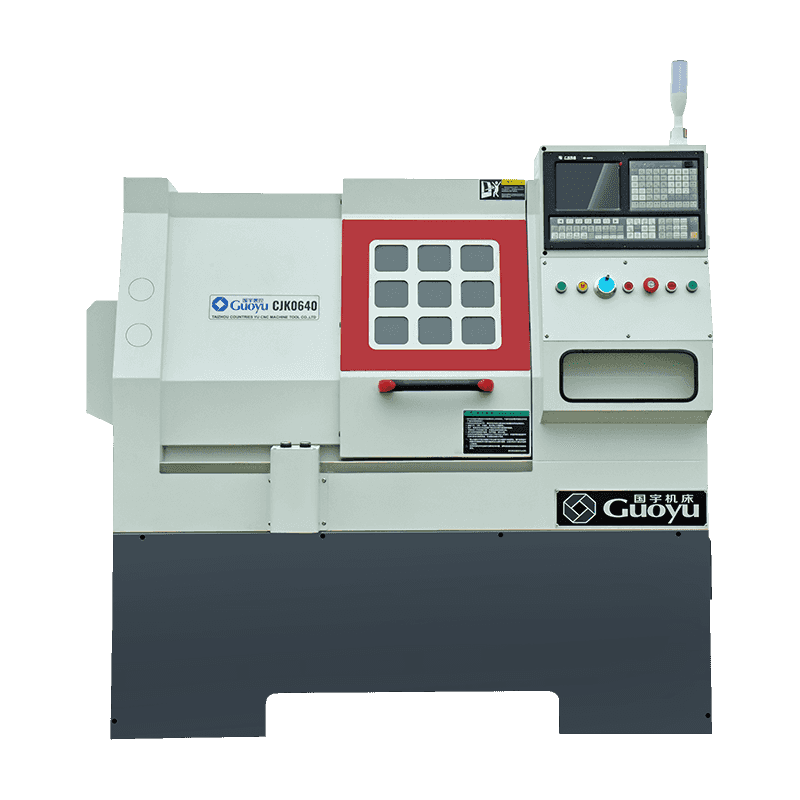
Technical Characteristics: The machine tool is equipped with a quantitative automatic lubrication sy...
See Details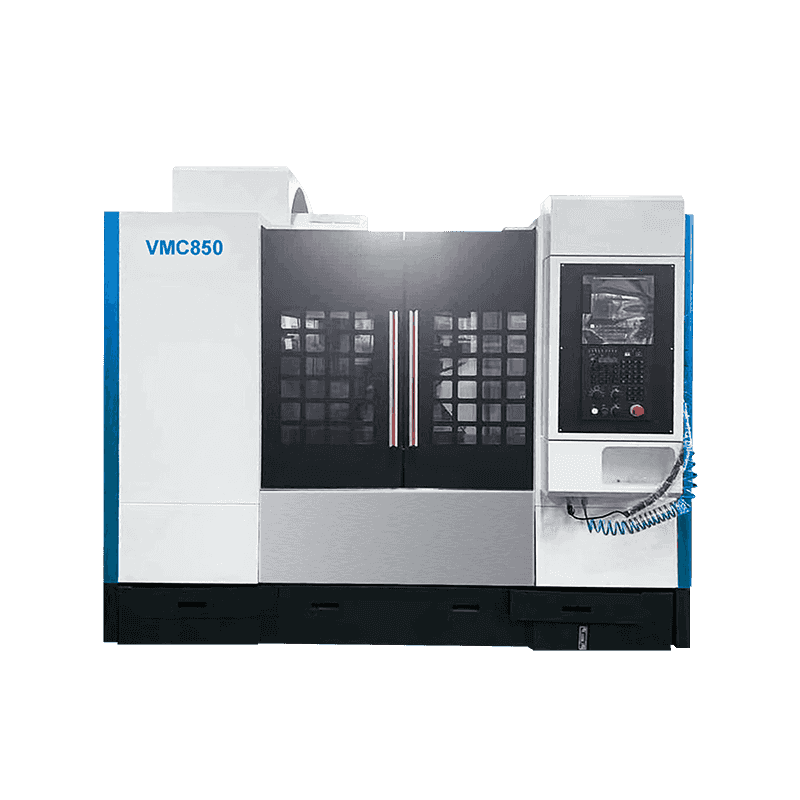
Technical Characteristics The machine tool is a single-column vertical guideway structure. The colum...
See Details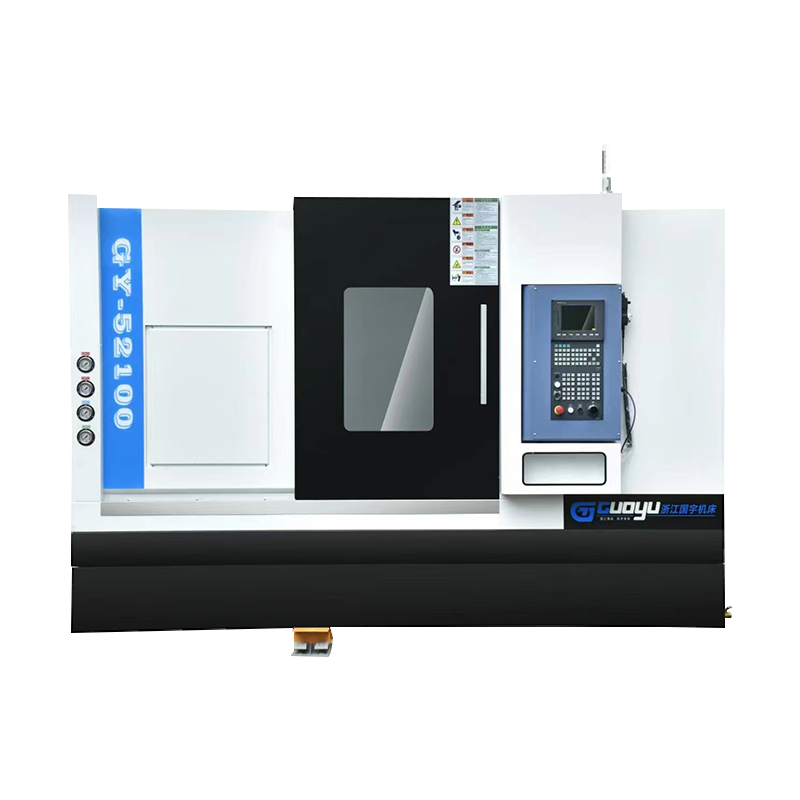
Technical Characteristics:Line Rail CNC lathes are integrally cast with 250 materials to ensure proc...
See DetailsOur team of digital and business experts will guide you to the right direction.
Let's Talk
Zhejiang Guoyu CNC Machine Tool Co., Ltd. relies on rich experience, professional technology and advanced methods to ensure the quality of its products, so that customers can enjoy more professional and thoughtful service.
 [email protected]
 +86-15356565970
 Xialiang Industrial Area, Luqiao District, Taizhou City, Zhejiang Province, China
Copyright © Zhejiang Guoyu CNC Machine Tool Co., Ltd. All Rights Reserved.