English
 中文简体
 русский
 Español


Technical Characteristics: The CNC machine tool for inclined beds adopts the domestic or imported hi...
See DetailsPrecision matters in modern manufacturing. Automotive parts, industrial machinery, electronic components, and medical equipment all rely on metal pieces that fit together accurately and keep performing day after day. A tiny deviation in one machined part can throw off the whole product. That's why CNC lathes sit at the center of so many production floors.
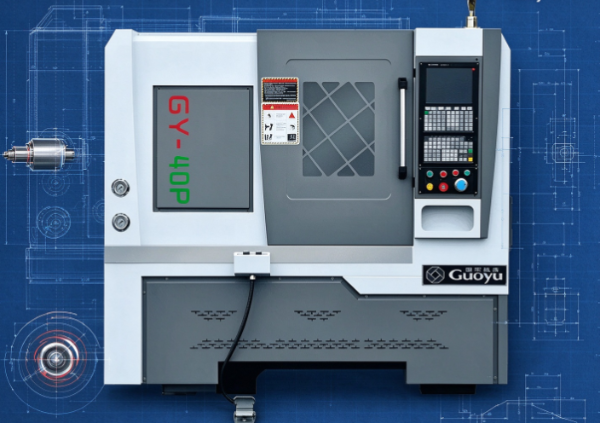
The machine alone doesn't settle its quality, though. The manufacturer behind it shapes how well it performs, how long it lasts, and whether it fits a given production need. A reliable maker of high-precision CNC lathes understands machining requirements, holds consistent production standards, and supports the equipment for its whole working life.
Picking a supplier is hard for buyers. Many companies sell similar machine types, yet their manufacturing capabilities, quality management, and service arrangements differ. Knowing what makes a manufacturer reliable helps buyers decide with confidence and avoid avoidable production trouble.
Experience shows how well a company knows machining processes, equipment development, and the problems that appear in real production.
A manufacturer with relevant experience tends to grasp how machine structure, component quality, machining accuracy, and operating conditions connect. That matters because a CNC lathe has to do more than finish one task. It must stay stable across different materials, workpieces, and shop environments.
Experience also helps a company spot common issues during development and assembly. Vibration, uneven tool movement, and component wear all hurt machining results. A company that has fought these problems in actual production is usually better at finding the cause and making the right adjustment.
Years in business shouldn't be the only yardstick, though. Buyers should check whether that experience matches their own applications.
A maker of general metalworking equipment may have different strengths from one that focuses on precision turning or complex parts. Seeing that difference keeps buyers from choosing a machine that doesn't fit.
Useful questions to ask:
The answers show whether the company has real industry knowledge or just sells a catalog of machines.
A CNC lathe is built from many parts that must work as one. Overall performance depends on part quality, the assembly process, and how well the manufacturer controls production.
A reliable maker has a clear process covering material selection, component processing, assembly, inspection, and final testing. Each stage leaves its mark on the accuracy and stability of the finished machine.
The bed, spindle system, guide structures, and other key parts all feed into machining performance. Poorly made components, or assembly without enough control, can lead to unwanted movement, vibration, and uneven cutting.
Capability isn't just owning production equipment. It also means skilled workers, suitable facilities, organized procedures, and the ability to catch problems before a machine leaves the factory.
A factory visit tells buyers a lot. They can see how machines are assembled, how components are managed, and whether work follows an orderly process.
Several areas deserve a close look:
Component processing and assembly
Part quality affects the whole machine. Proper processing and careful assembly cut down inconsistencies between machine units.
Production organization
A well-run factory usually has clear responsibilities and procedures. Workers know their tasks, and key stages are documented and controlled.
Equipment inspection
Inspection should run through the whole build, not just after assembly. Problems get caught before they reach the finished machine.
Production flexibility
Customers want different configurations. A capable maker handles reasonable customization without lowering the basic quality of the machine.
Together these points show whether a manufacturer can turn out CNC lathes consistently.
Quality control is among the important parts of CNC lathe manufacturing. Precision equipment has to perform consistently, which takes attention to detail from start to finish.
Relying entirely on a final inspection is a mistake. Problems can appear at any stage, including component processing, assembly, electrical installation, and machine adjustment.
A structured quality process keeps small issues from growing.
Incoming components, for example, should be checked before they enter production. A purchased part that misses its specification can undermine the entire machine if it goes in unchecked.
During assembly, workers should follow set procedures. Key connections, moving structures, and operating systems need checks to confirm the machine is put together correctly.
Once assembled, the lathe should go through functional testing. That shows whether it runs as expected and whether its main functions respond properly.
A practical quality control process can include these stages:
| Quality Control Stage | Main Inspection Focus | Purpose |
|---|---|---|
| Incoming material inspection | Component condition and consistency | Keep unsuitable parts out of production |
| Component processing | Processing quality and dimensional accuracy | Maintain consistency between machine parts |
| Machine assembly | Installation and component connections | Reduce assembly-related problems |
| Functional testing | Machine movement and operating functions | Check overall operating condition |
| Final inspection | General performance and appearance | Confirm readiness for delivery |
Exact inspection methods vary with machine design and intended use. Even so, buyers should expect the manufacturer to explain its procedures plainly.
It's also worth asking whether inspection records are kept. Records create accountability and make problems easier to trace if they show up after delivery.
A maker that takes quality seriously will explain how it checks its machines instead of leaning on broad claims.
Accuracy is a central concern when buying a high-precision CNC lathe. Manufacturers may call their machines suitable for precision work, but buyers need practical evidence of what that means.
Accuracy depends on several linked factors: machine structure, component quality, spindle performance, tool movement, temperature changes, and operating conditions.
A stable structure reduces unwanted movement during cutting. Proper alignment between key components supports consistent results. The control system, meanwhile, has to coordinate machine motion with the programmed instructions.
Still, the machine isn't the only influence on the result. Cutting tools, workpiece material, tool installation, and operating methods all affect the finished part.
So a reliable manufacturer avoids sweeping accuracy claims and explains the conditions behind its figures.
One practical test is to ask for a demonstration on a representative workpiece. If you have a specific component in mind, the manufacturer can discuss whether the machine suits it and how the machining would be set up.
During a demonstration, watch for these details:
Repeated tests help too. A machine that produces one good part may still wobble during continuous production.
Buyers should therefore weigh single results together with how well performance holds over time.
Clear explanations and live demonstrations say far more than general statements about precision.
Production needs differ from shop to shop. Some companies turn standard metal parts. Others make pieces with unusual shapes, different materials, or special requirements.
That makes customization worth considering when choosing a manufacturer.
A suitable maker should understand the customer's process before recommending a machine. That means discussing workpiece dimensions, material types, machining operations, production volume, and the working environment.
These details show whether a standard CNC lathe will do or whether the configuration needs adjusting.
Customization doesn't always mean redesigning the machine. Often it's a matter of choosing the right structure, adjusting the configuration, or pairing the machine with proper tooling and auxiliary equipment.
A shop processing long metal parts, for example, has different loading and support needs from one making small precision pieces. A workshop running several workpiece types may need a machine built for flexible production.
A manufacturer who understands these differences can spare buyers needless equipment costs and operating headaches.
Customization should still come from real production needs, not from piling on optional features. Each added configuration should have a clear purpose.
Buyers should also ask whether customized machines get the same inspection and testing as standard models. A changed configuration shouldn't mean less quality control.
Communication is especially important here. The manufacturer should say which requirements it can meet, which need extra work, and which don't suit the proposed machine.
A frank discussion before production reduces misunderstandings and sets realistic expectations on both sides.
Buying a CNC lathe isn't a one-off deal. The machine becomes part of the customer's production, and its condition can directly affect delivery schedules.
Even a well-built machine will need maintenance, adjustment, spare parts, or troubleshooting at some point. When support is hard to reach, small faults can stop production far longer than they should.
For this reason, after-sales service belongs in any manufacturer evaluation.
A reliable supplier should say what support comes after delivery. That may include installation guidance, operator training, maintenance instructions, troubleshooting help, and spare parts.
Training matters most when a company adopts CNC equipment for the first time or replaces an older system. Workers need to learn operating procedures, safety rules, and basic maintenance.
Without proper training, incorrect operation can cause extra wear or production errors.
Technical support counts when something goes wrong. The manufacturer should offer a clear channel for describing problems and getting practical guidance.
A few questions help gauge service quality:
Does the manufacturer provide installation guidance?
Good installation makes sure the machine is placed and prepared to meet its operating requirements.
Is operator training available?
Training familiarizes workers with machine functions and routine procedures.
Can customers obtain replacement parts?
Ready access to spare parts shortens downtime when components wear out.
How are technical problems handled?
The manufacturer should explain how to report issues and what help is available.
Are maintenance instructions provided?
Clear instructions cover routine inspection, cleaning, lubrication, and other upkeep.
These services carry extra weight for factories running continuous production lines. Reliability depends on the machine's starting condition and also on how well it's maintained over its life.
Communication may seem less important than accuracy or capability, but it shapes the whole purchase.
Buying a CNC lathe involves many decisions. Buyers must understand machine functions, compare configurations, discuss production needs, arrange delivery, and prepare for installation.
If the manufacturer can't explain these matters clearly, misunderstandings can start before the machine is even built.
A reliable maker communicates directly and practically. Its sales and technical staff know the equipment they represent and answer questions without vague wording.
Transparency matters most when discussing specifications and performance expectations.
A supplier should say which machining operations a given model is designed for. If a customer's application falls outside the recommended conditions, that should be said before an order is placed.
The same goes for pricing, delivery, customization, warranty coverage, and service responsibilities. Buyers should know what the purchase includes and what needs separate arrangements.
Documentation counts as well. Product information, operating instructions, maintenance guidance, and quality records help customers understand what they're buying.
Early conversations are revealing. Does the company ask about your actual application before suggesting a machine? Does it explain how the available configurations differ? Can it give clear information on production and delivery?
Such details show whether the company wants to understand customer needs or just close a sale.
Comparing product descriptions isn't enough. Buyers need to match a manufacturer's claims with practical evidence.
A structured evaluation makes the decision easier and lowers the chance of buying unsuitable equipment.
These steps can help when assessing suppliers.
Review the manufacturer's product range
Check whether its CNC lathes are designed for your machining applications. A fitting product range suggests the company understands the needs of its target customers.
Examine manufacturing facilities
Visit the factory if possible, or ask for a live production presentation. Look at component processing, assembly arrangements, inspection procedures, and overall organization.
Request a machining demonstration
Share details of the workpiece and the machining requirements. A demonstration shows whether the proposed equipment suits your application.
Discuss quality management
Ask how components are inspected, how assembly quality is controlled, and what tests happen before shipment. The answers should be understandable.
Check service arrangements
Find out what installation, training, maintenance, and technical support are offered, and how replacement parts can be obtained.
Review business documentation
Go over product specifications, purchase agreements, warranty terms, and delivery arrangements. Make sure important commitments are written down, not left to verbal promises.
Weigh all of these together. A High-Precision CNC Lathe Manufacturer may have strong production capability but thin after-sales support. Another may offer flexible customization but lack experience with your type of machining.
The right choice depends on your actual production requirements.
This table offers a handy comparison:
| Evaluation Area | What Buyers Should Check |
|---|---|
| Manufacturing experience | Familiarity with relevant machining applications |
| Production capability | Factory facilities, assembly processes, and workforce |
| Quality control | Inspection procedures and testing arrangements |
| Machining accuracy | Practical demonstrations and repeated processing results |
| Customization | Ability to accommodate specific production requirements |
| Technical support | Installation guidance, training, and troubleshooting |
| After-sales service | Spare parts, maintenance, and warranty arrangements |
| Business transparency | Clear specifications, pricing, and delivery information |
The goal isn't to find the manufacturer that promises the most. It's to find one whose real capabilities match what the buyer expects.
For companies investing in CNC turning equipment, this choice affects production stability, part consistency, maintenance planning, and long-term operating costs. Careful evaluation before ordering lays the groundwork for a more practical relationship between supplier and customer.
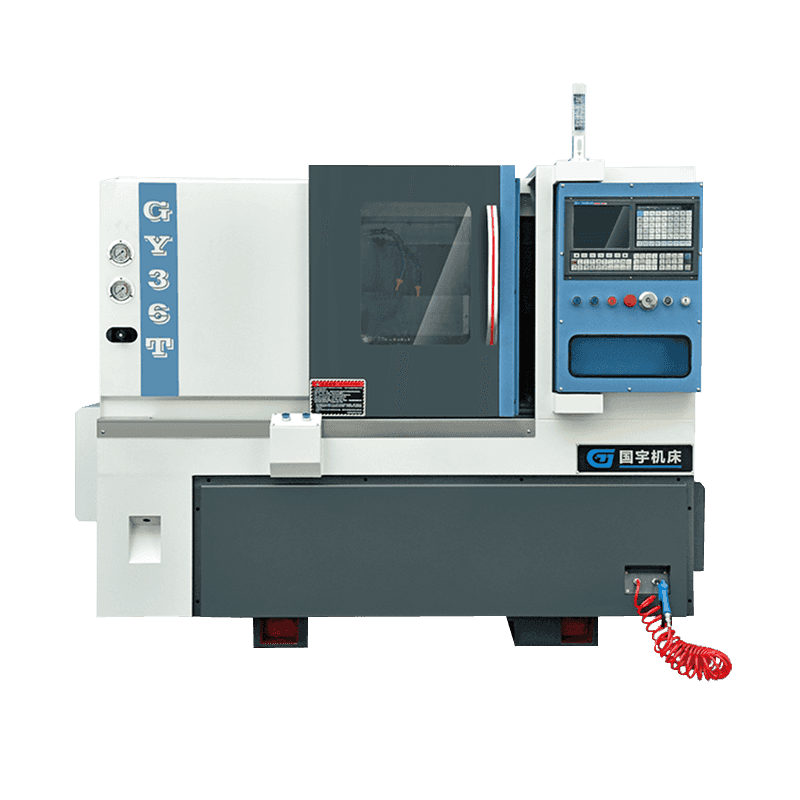
Technical Characteristics: The CNC machine tool for inclined beds adopts the domestic or imported hi...
See Details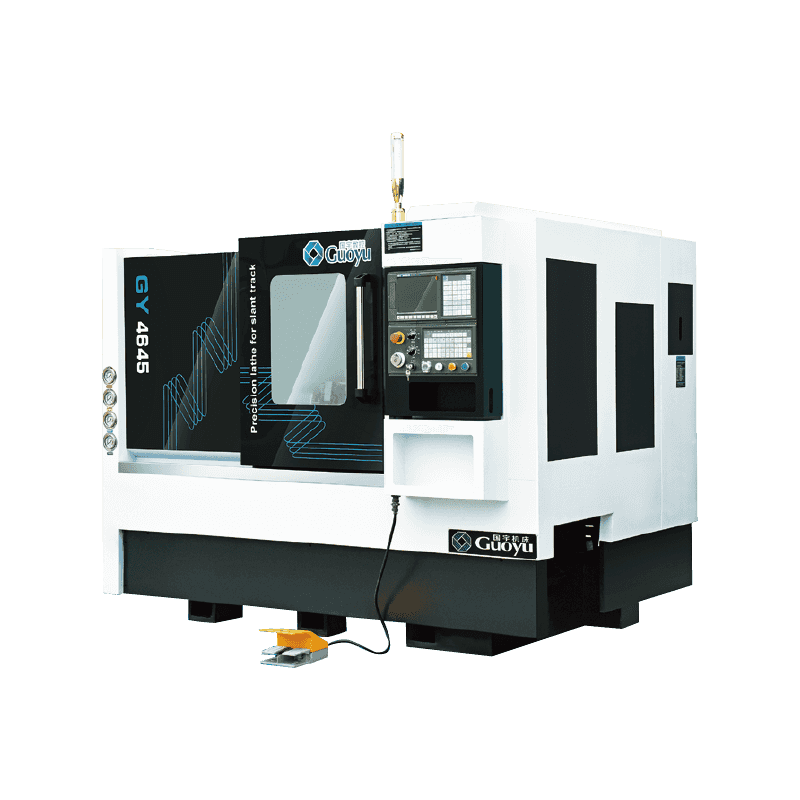
The Conjoined 35° Oblique Rail Cutter Tower Tail Seat Precision CNC Horizontal Lathe is a really pra...
See Details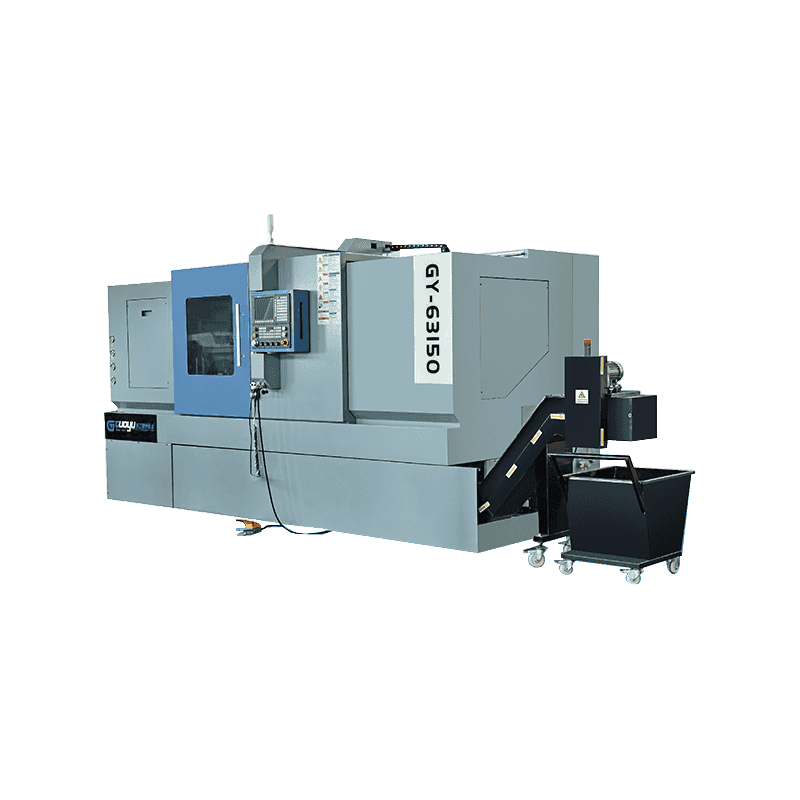
The Precision CNC Lathe With Programmable Tailstock For Connected Inclined Rail Tool Tower is just a...
See Details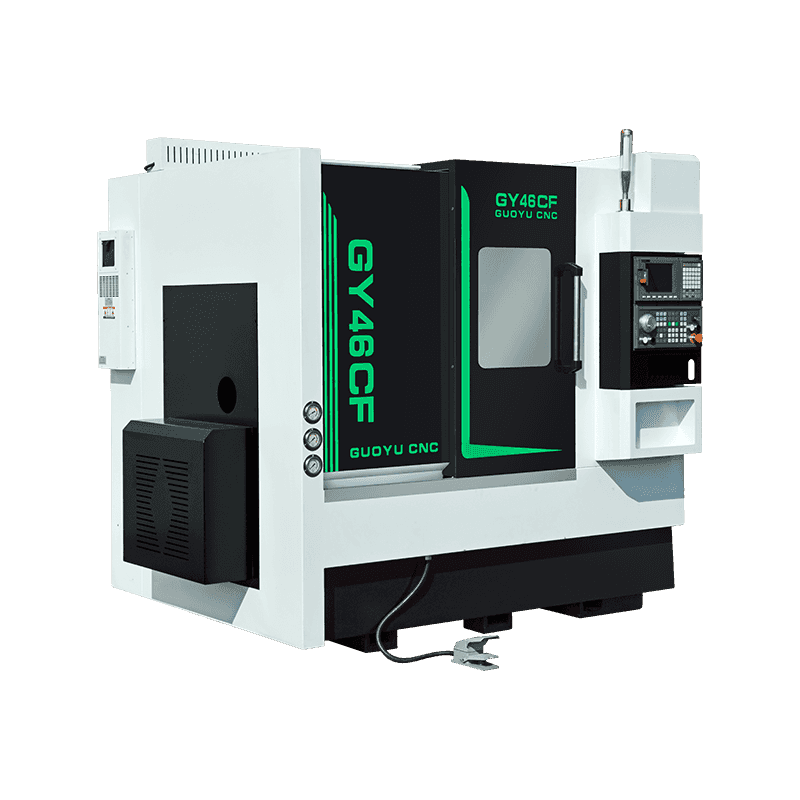
The 4+4 Type Precision CNC Lathe With Conjoined Oblique Rail Cutter Tower is a really practical, mul...
See Details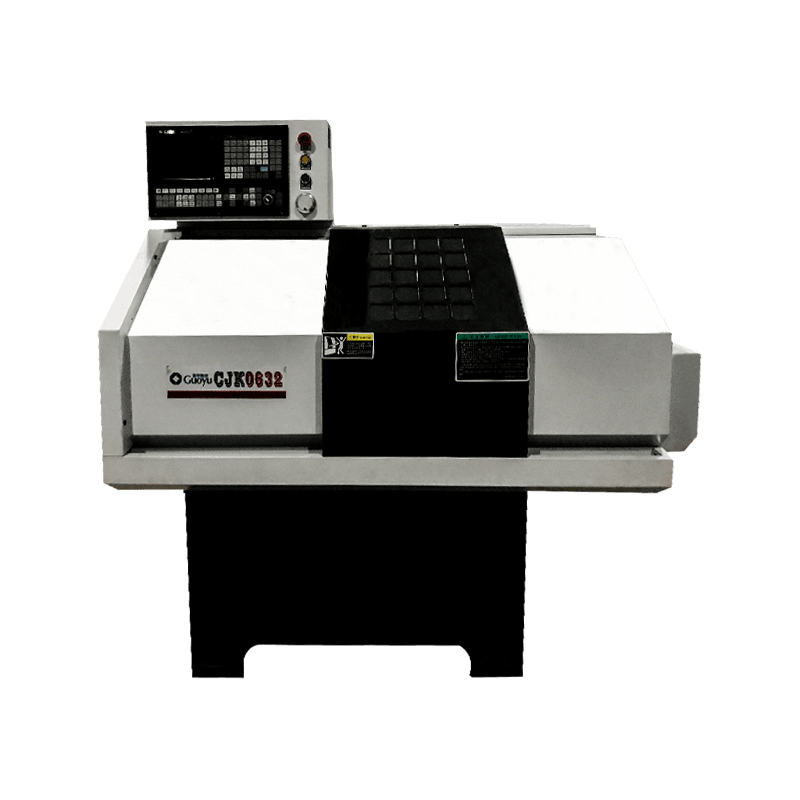
The Precision Line Rail Precision CNC Lathe is a completely practical machining choice if you want t...
See Details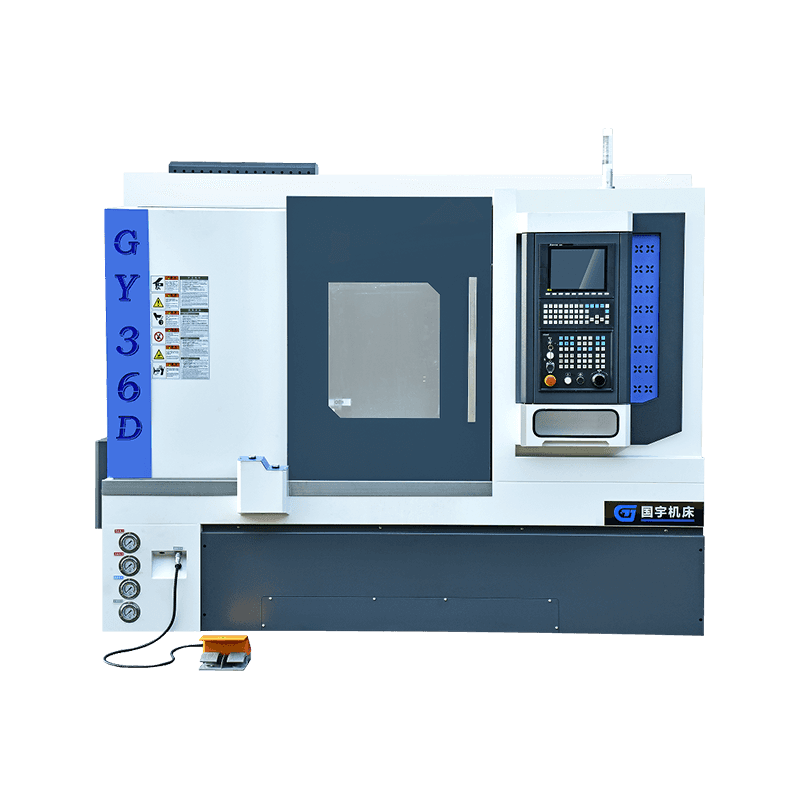
Technical Characteristics: All lathes are integrally cast with 250 materials to ensure processing ri...
See Details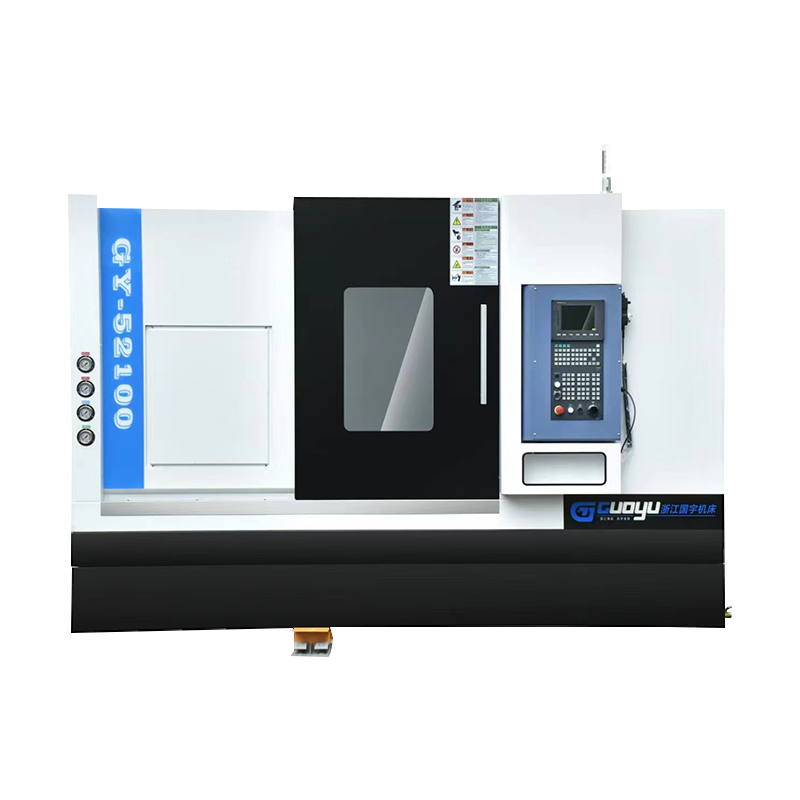
Technical Characteristics:Line Rail CNC lathes are integrally cast with 250 materials to ensure proc...
See Details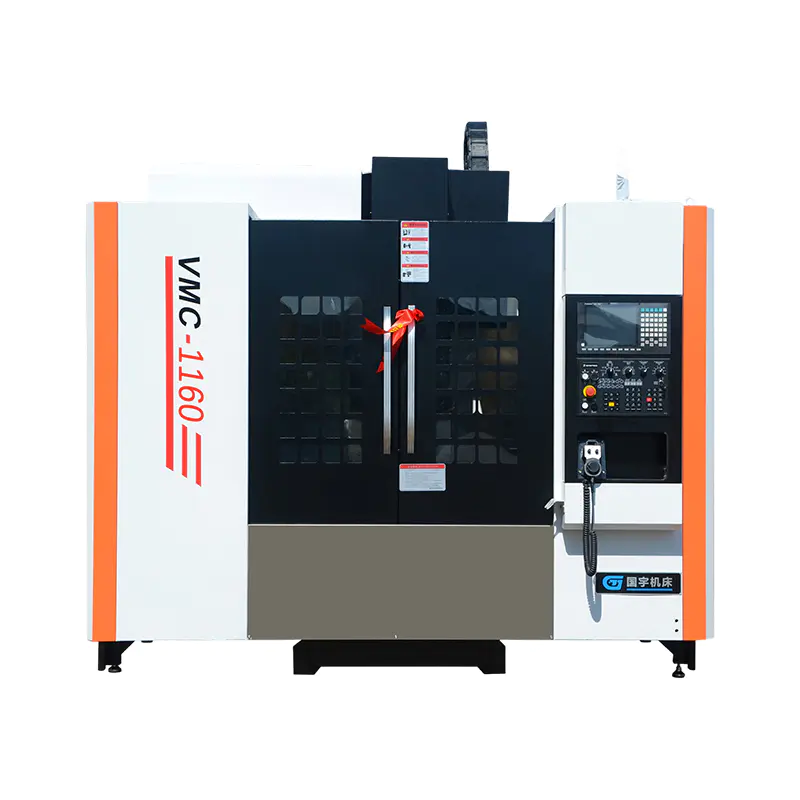
After-sales service commitment: 1. From the date of acceptance, the machine tool host is under warra...
See DetailsOur team of digital and business experts will guide you to the right direction.
Let's Talk
Zhejiang Guoyu CNC Machine Tool Co., Ltd. relies on rich experience, professional technology and advanced methods to ensure the quality of its products, so that customers can enjoy more professional and thoughtful service.
 [email protected]
 +86-15356565970
 Xialiang Industrial Area, Luqiao District, Taizhou City, Zhejiang Province, China
Copyright © Zhejiang Guoyu CNC Machine Tool Co., Ltd. All Rights Reserved.