English
 中文简体
 русский
 Español


Technical Characteristics: The machine tool is a single-column vertical guideway structure. The colu...
See DetailsParts have to fit. That's the plain reality behind a lot of modern manufacturing. Many products are built from components that must mate with each other closely, and a tiny error in size or shape can change how the whole assembly behaves. So accuracy in machining is a daily concern in almost every industry that makes things.
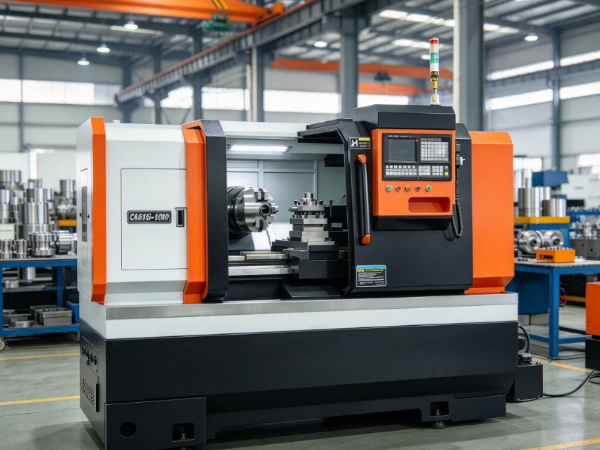
High precision CNC lathes are one of the main tools for meeting that concern. The machine turns a workpiece while computer-controlled movements shape it, and it does so with a level of consistency that's hard to match by hand. You'll find these lathes making parts for machinery, vehicles, medical devices, electronics and plenty of other industrial products.
Cutting metal is only part of what they do. They also feed into production planning, quality control and process improvement. A shop that runs them well can organize its work more clearly, depend less on individual operator habits and adapt faster when a customer changes a requirement.
The basic action is simple. The workpiece spins, and the cutting tool follows a path that was planned in advance. With that setup, the machine can produce cylindrical surfaces, grooves, holes, threads and other features.
On a conventional lathe, much of the result depends on what the operator does by hand. CNC turning shifts that control into a program. After the program and setup have been checked, the machine can run the same operation again and again through a full production run.
That repeatability is the real draw when a customer needs lots of parts with near-identical dimensions. It also helps keep one batch consistent with the next. Operators haven't been replaced, of course. They still set the machine up, watch it, inspect parts and make adjustments. The difference is that the machine now handles most of the routine movement.
Accuracy matters after machining, too. Think of a shaft, a sleeve or a connector that has to slide into a mating part. If the dimensions drift, assembly turns awkward. In the finished product you might then get play, noise or uneven wear.
Precision CNC turning gives manufacturers a way to control all this. What makes it work is the combination of machine movement, cutting tools, a stable workpiece and sound production procedures.
Several things have to go right at once. The machine must move the way it's told to. The workpiece has to stay put. And the tool needs to cut under suitable conditions. CNC control ties these together while production is running.
A program sends the tool along a set route, so there's less manual positioning in each cycle. With the machine prepared properly, similar workpieces can go through the same sequence.
Here's where that helps most:
Even so, a CNC control isn't a precision guarantee by itself. The machine needs proper installation and upkeep. Workholding, tool condition, the material being cut and the shop environment all leave their mark on the result.
How you check accuracy counts as well. Waiting until a whole batch is done isn't ideal. Inspecting at sensible points along the way lets operators notice a drift in the process before it spreads across hundreds of parts.
Any industry that needs parts with tight requirements for shape, fit and surface will turn to precision turning. The products vary widely, yet the machining logic is similar from one to the next.
| Industry | Typical Components | Main Manufacturing Needs |
|---|---|---|
| Automotive | Shafts, bushings, connectors, and rotating parts | Consistent dimensions and reliable assembly |
| Aerospace | Structural fittings and precision mechanical parts | Careful control of component shape and quality |
| Medical equipment | Instrument components and small mechanical parts | Accurate dimensions and suitable surface finishes |
| Electronics | Connectors, pins, and small metal components | Repeatable production and detailed features |
| Industrial machinery | Spindles, sleeves, rollers, and shafts | Stable operation and compatibility with other parts |
| Energy equipment | Valves, fittings, and mechanical connections | Reliable component fit and functional performance |
Car makers use turned parts inside larger mechanical systems. A shaft or bushing has to match whatever it connects to, and a size error can show up in assembly or in how the system runs.
Medical equipment makers often turn small metal parts for instruments and mechanical assemblies. Those parts may have fine details and strict surface needs. They also call for careful inspection and sensible material handling.
In electronics, turned parts end up in connectors and other compact components. Because they're so small, both cutting and measuring get harder. Tool condition, workpiece stability and step-by-step consistency all need close attention.
Industrial machinery depends on turned parts as well. Rotating shafts, sleeves and rollers must have the right dimensions to work with the equipment around them. A steady machining process makes assembly and operation easier.
So these lathes show up everywhere. Products change, but the need for controlled shaping doesn't.
Most people link CNC lathes with round parts, and that's fair. But the range is wider than plain cylinders. What a given machine can make depends on its configuration, its tooling and how it's set up.
Typical examples:
Many parts need more than one operation. Turning, facing, grooving, drilling or threading might all be required before a part can be assembled. Depending on its capabilities, one CNC lathe setup can combine several of these in a single process.
That flexibility is useful when designs vary. Still, no machine fits every job. Before buying, look at the part's geometry, the material, tool access and expected volume.
A precision lathe is only as good as what's holding the work and cutting it. Control software can't make up for a poor tool or a weak clamp, and either one can make machining unstable.
The tool does the cutting on the spinning workpiece. Its shape and wear state affect surface finish, cutting behavior and final size. A worn tool can leave a rough surface or push dimensions off target, which is why tool choice should suit both the material and the operation.
Parts with several grooves, shoulders or threaded sections may call for a series of cuts using different tools. Whoever writes the program has to think about tool access and the order of operations.
Holding the work matters just as much. While it rotates and takes cutting force, the workpiece must stay secure. If it moves, expect dimensional errors or an uneven surface.
When preparing a workpiece, shops usually check:
Keep setup procedures consistent, too. If two operators clamp and position the same part differently, results will vary. Written work instructions help close that gap.
Efficiency isn't just cutting speed. Setup time, inspection, tool changes, material handling and the number of parts needing rework all eat into it.
A CNC lathe automates repeated movements. After a program is prepared and verified, the machine runs the planned operations with less hands-on involvement, so operators can watch the process and get other tasks ready.
Saved programs help too. When a familiar part comes around again, the old program can be pulled up and tweaked if needed. That cuts down on reprogramming, assuming the setup and workpiece conditions still fit.
Grouping several operations into one setup can also pay off. If a part visits fewer machines, there are fewer handling steps and fewer chances for positioning errors.
| Production Factor | How CNC Lathe Machines Help |
|---|---|
| Repeated machining | Stored programs support consistent production sequences |
| Manual operation | Automated movement reduces repeated manual adjustments |
| Part handling | Multiple operations may be completed within one setup |
| Production planning | Programmed processes make job preparation more structured |
| Quality inspection | Repeatable operations can make process changes easier to identify |
| Rework control | Early inspection helps detect problems during production |
Automation isn't a cure-all. A badly prepared program, the wrong tooling, poor workholding or inconsistent material can still halt production.
Look at the whole workflow, not only how fast the spindle turns. Good processes treat machining, inspection, material movement and machine maintenance as one picture.
These machines can handle demanding work, but results depend on how they're run and managed. A few problem areas deserve attention.
Machine condition and stability
Wear changes how a machine moves and how consistent it is. Regular checks can reveal loose parts, odd vibration and other early signs of trouble. Follow a sound maintenance routine, and fix issues before they show up in part quality.
Tool wear and replacement
Tools lose their edge gradually. That changes the cut and can spoil the surface finish. Operators should keep an eye on tool performance and swap tools out when needed.
Material variation
One batch of raw material may not cut like the last. Differences in hardness, internal structure or surface condition can shift results. Inspecting incoming material and adjusting the process accordingly keeps those differences under control.
Program preparation
The program must match the part design, the machine setup and the tools in use. A mistake can mean a wrong tool path or a ruined part. Verifying the program and running a trial before regular production is worth the time.
Operator knowledge
Automation doesn't make skilled people unnecessary. Operators need to understand machine operation, tool selection, workholding, inspection and basic troubleshooting. When conditions change, their judgment still counts.
Inspection and quality management
Check parts against what they actually need to do. The inspection method should fit the design of the component and the risks that come with dimensional variation. A clear inspection process keeps quality under control.
None of these stand alone. Tool wear can cause a size change, and an unstable setup can create vibration that hurts surface quality. It makes sense to manage the machine, tools, materials and procedures as a single production system.
Start by getting clear on what you'll be making. A lathe that does fine on simple shafts may struggle with complex shapes or parts with lots of features.
The workpiece itself comes first: its shape, material, size and machining needs decide what equipment and tooling are required. Volume matters, too. Machines for repeated batch work may need different qualities from those used for varied, small-batch jobs.
These points can guide the choice:
Don't forget floor space and how the machine will connect to other equipment. A new lathe should slot into the real workflow rather than create handling or scheduling headaches.
When evaluating equipment, talk about actual jobs. Sample workpieces, drawings and machining requirements show much more clearly whether a machine fits the application. That beats deciding from general product descriptions.
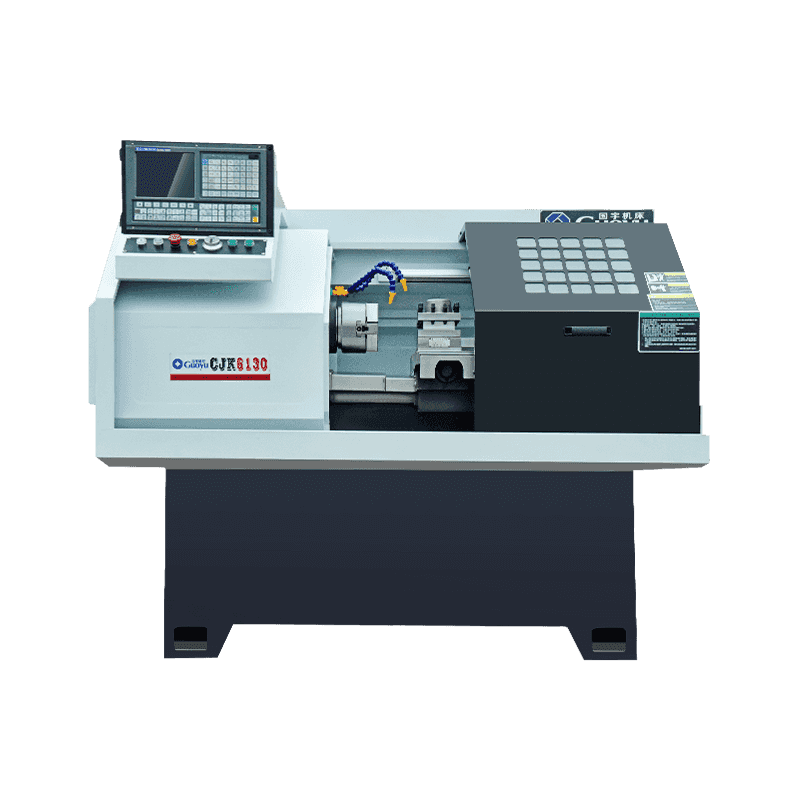
Technical Characteristics: The machine tool is a single-column vertical guideway structure. The colu...
See Details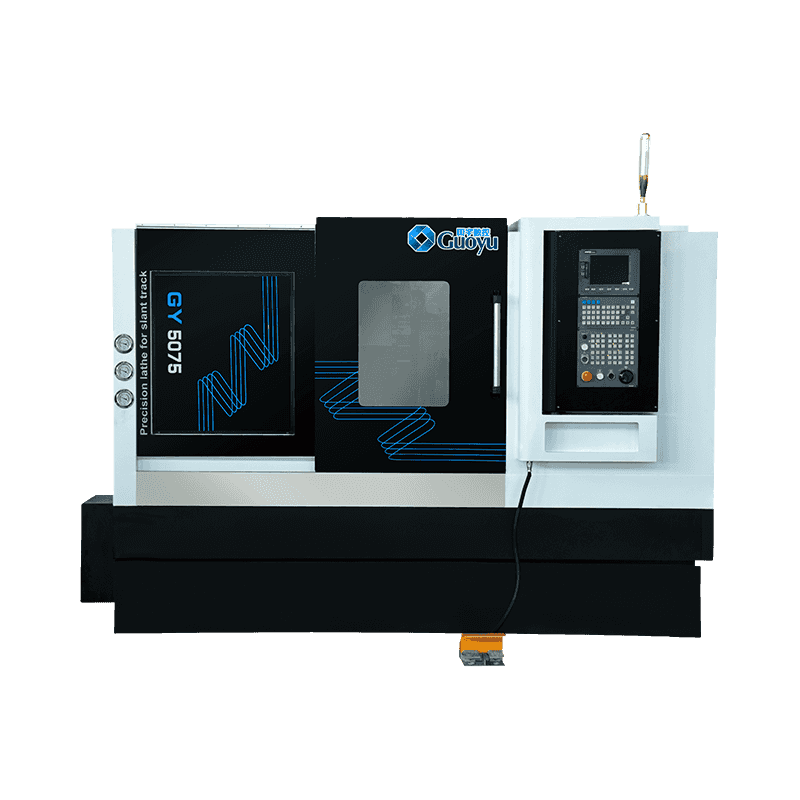
Technical Characteristics: The CNC machine tool for inclined beds adopts the domestic or imported hi...
See Details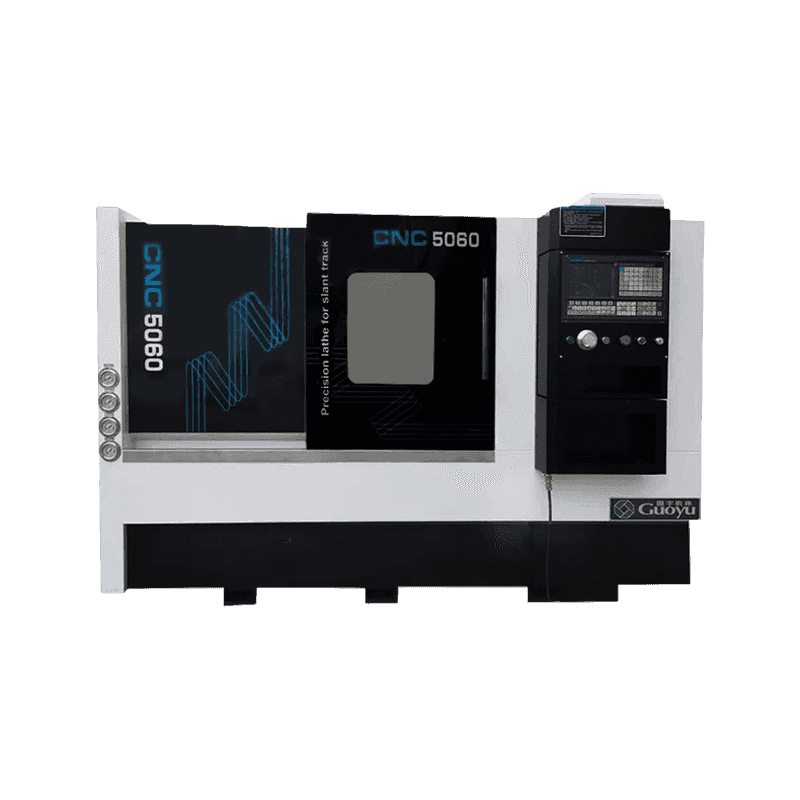
The Conjoined 35° Oblique Rail Cutter Tower Tail Seat Precision CNC Lathe is a really practical mach...
See Details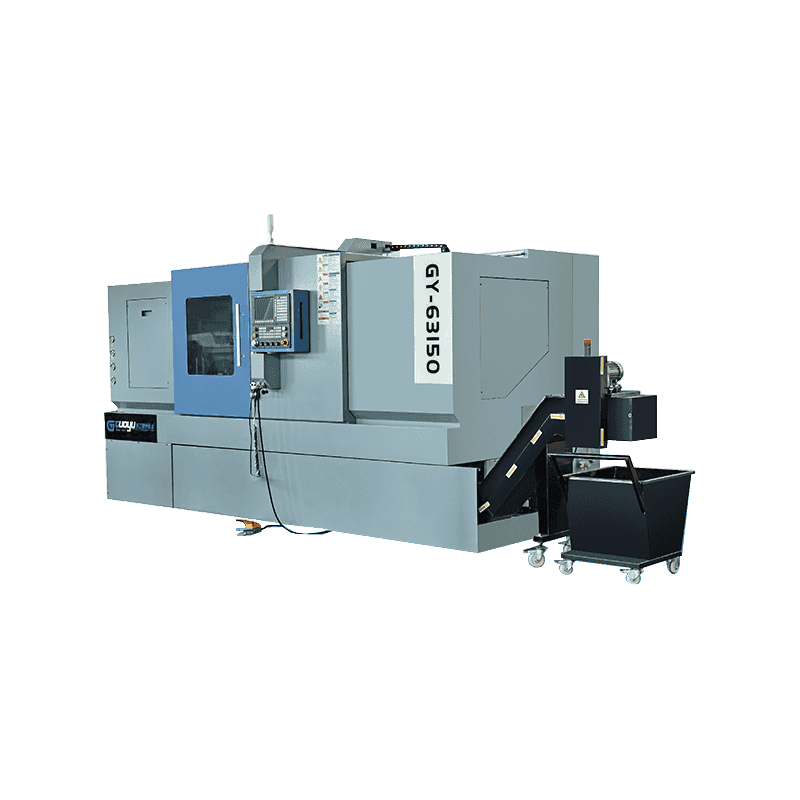
The Precision CNC Lathe With Programmable Tailstock For Connected Inclined Rail Tool Tower is just a...
See Details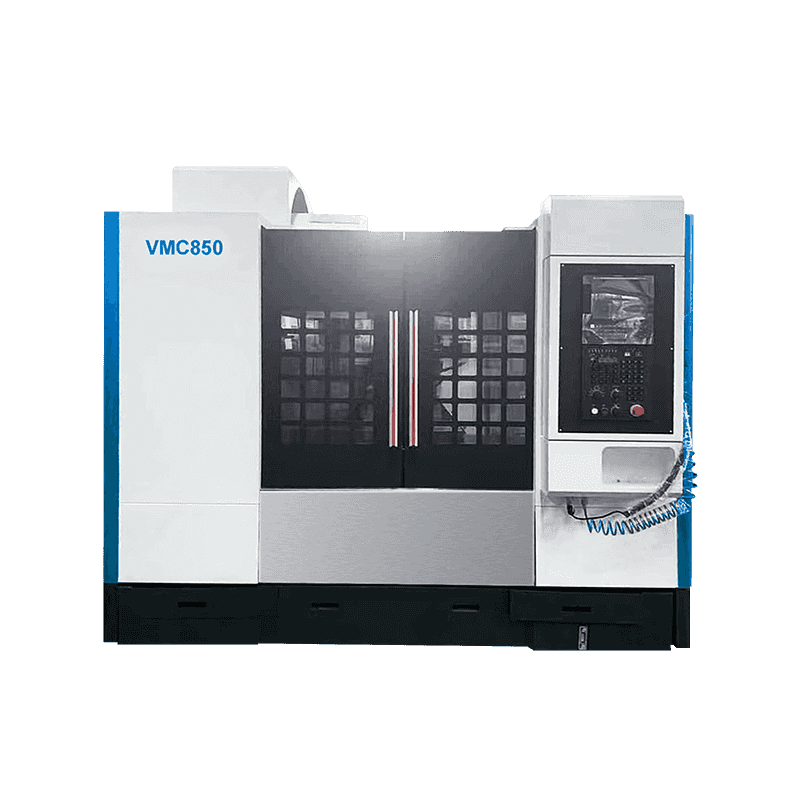
Technical Characteristics The machine tool is a single-column vertical guideway structure. The colum...
See Details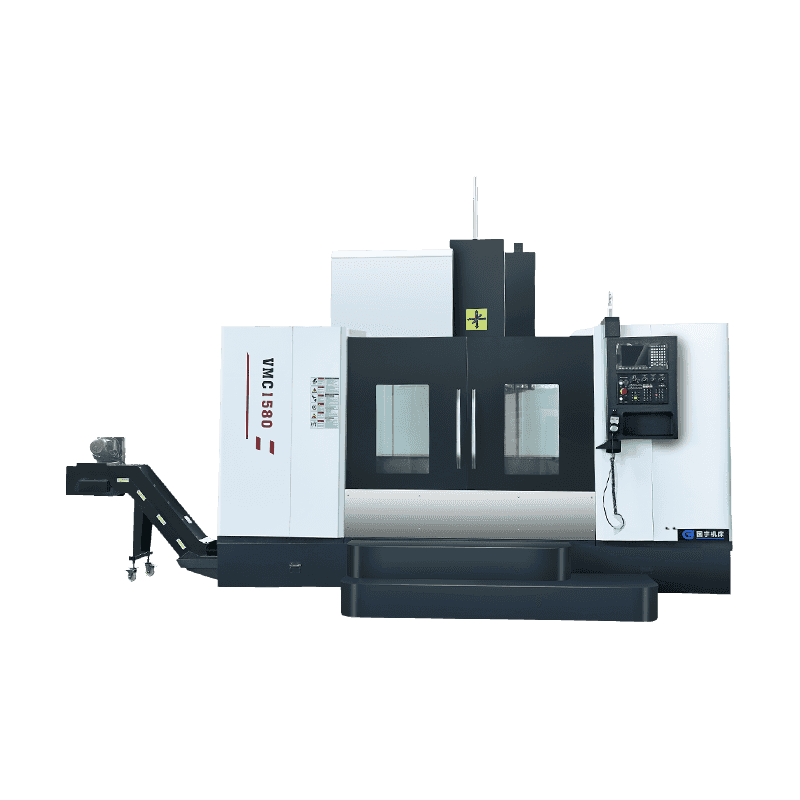
We are pleased to present the VMC1580 High-Speed Vertical Machining Center, a reliable and efficient...
See Details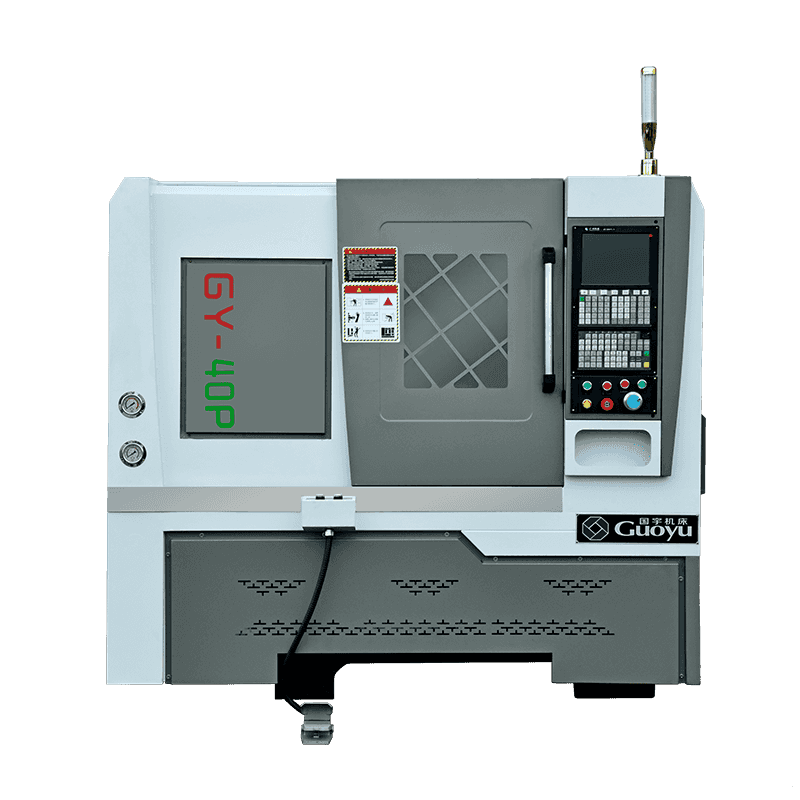
Technical Characteristics: 40P is a kind of small precision machine tool, that is suitable for the e...
See Details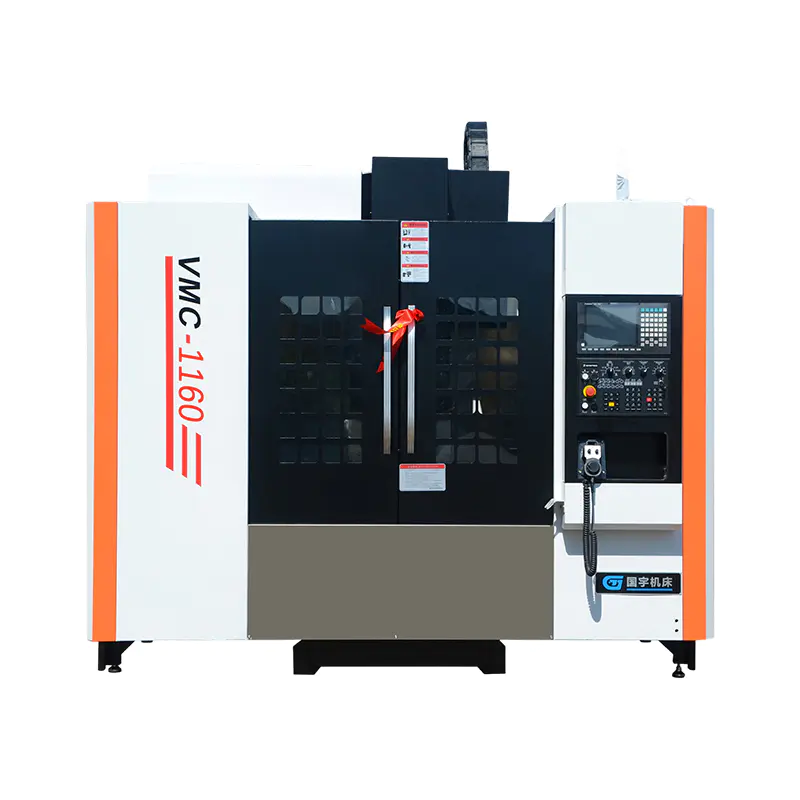
After-sales service commitment: 1. From the date of acceptance, the machine tool host is under warra...
See DetailsOur team of digital and business experts will guide you to the right direction.
Let's Talk
Zhejiang Guoyu CNC Machine Tool Co., Ltd. relies on rich experience, professional technology and advanced methods to ensure the quality of its products, so that customers can enjoy more professional and thoughtful service.
 [email protected]
 +86-15356565970
 Xialiang Industrial Area, Luqiao District, Taizhou City, Zhejiang Province, China
Copyright © Zhejiang Guoyu CNC Machine Tool Co., Ltd. All Rights Reserved.