English
 中文简体
中文简体 русский
 Español

Technical Characteristics: It can cut all kinds of turning surfaces by bicycle, such as conical surf...
See DetailsA shop supervisor at a company machining large pump housings used to spend his mornings walking the floor with a clipboard, checking which lathe was running what job and scribbling notes about tomorrow's schedule. These days he pulls up a dashboard on a tablet instead, watching machining programs queue up automatically as orders come in from the planning system upstairs. The lathes themselves haven't changed all that much in basic function — they're still turning heavy metal parts the same way lathes always have. What's changed is everything happening around them. Heavy Duty CNC Lathe Machines still do the same core job they've always done — shaping rotating workpieces with programmed precision instead of a hand on a lever. What's shifted is how these machines now talk to scheduling systems, feed data back to quality checks, and slot into a factory floor that runs on a lot more digital coordination than it used to.
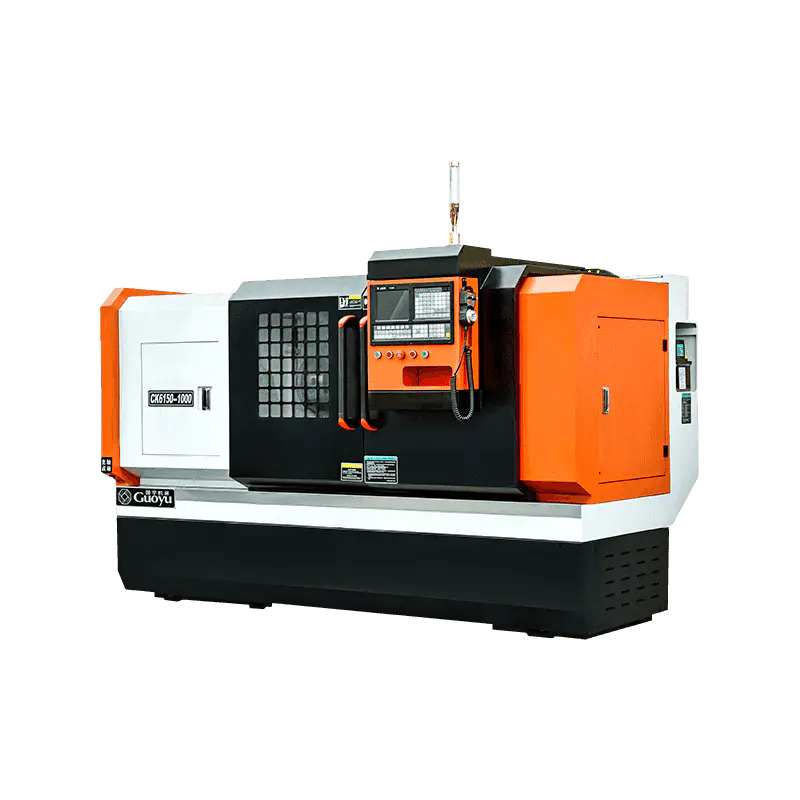
At its core, this machine takes a rotating workpiece and shapes it using programmed instructions instead of manual hand controls. The "heavy duty" part matters here — these aren't the compact lathes used for small precision parts. They're built to hold and machine larger, heavier components without wobbling, flexing, or losing accuracy partway through a long cut.
A typical setup includes a few key sections working together:
| Component | What It Actually Does |
|---|---|
| Machine frame | Holds everything steady under real load |
| Rotating spindle | Grips and spins the workpiece |
| Tool system | Does the actual cutting and shaping |
| CNC control unit | Runs the programmed movements |
| Operator interface | Lets a person manage and adjust the job |
The CNC part is really what separates this from an old-school manual lathe. Instead of someone standing there adjusting a lever by feel, a program tells the machine exactly where to move and how fast, run after run, without the small variations that come from human hands getting tired or distracted partway through a shift.
Manufacturing used to mean a bunch of separate machines, each running its own job with someone walking between them keeping track of progress on paper. That's shifting toward something more connected, where equipment, planning software, and quality checks all feed into each other instead of operating as isolated islands.
That shift tends to show up as:
Rather than treating each lathe as its own little world, a lot of shops now think about how that machine fits into the bigger picture — feeding data upward, receiving instructions from planning software, working alongside other equipment on the same job.
A Heavy Duty CNC Lathe Machine slots into this pretty naturally, mostly because its programmable nature already speaks the same digital language the rest of a connected factory runs on.
Automation on a factory floor doesn't usually mean robots doing everything with no human involved. More often it means repetitive, predictable tasks running through a program instead of someone standing there manually guiding every cut.
A heavy duty CNC lathe handles that repetitive work by following the same programmed instructions consistently, part after part.
| What's Happening | How the Machine Helps |
|---|---|
| Making the same part repeatedly | Runs the identical program each time |
| Keeping parts consistent | Cuts to the same specs without drifting |
| Fitting into a set schedule | Runs jobs queued up by planning software |
| Avoiding random slowdowns | Keeps machining steady without constant stops |
None of this actually removes the need for a skilled operator standing nearby. It just shifts what that person's actually doing — less time manually guiding every single cut, more time watching for problems, adjusting programs, and making sure the whole job comes out right.
Plenty of manufacturing work still involves genuinely big, heavy parts — think pump housings, large gear blanks, structural components for machinery. Those parts need a machine sturdy enough to hold them steady through a long cut without flexing or vibrating in ways that would ruin the finish.
These machines tend to get pulled into work involving:
The heavier build isn't just about size for its own sake — it's what keeps a cut accurate when the workpiece itself weighs a serious amount and needs to stay perfectly stable while it's spinning.
As factories lean further into smart manufacturing, these heavier machines aren't getting phased out. They're adapting right along with everything else, picking up the same digital connections and programmable flexibility as smaller equipment.
Running a factory floor smoothly isn't just about keeping people organized anymore — it's about coordinating machines, orders, and materials so nothing sits idle waiting on something else.
Because a CNC lathe runs on digital programs, those programs can get written, tweaked, and stored electronically rather than existing only in someone's memory or a handwritten notebook.
| What Changes | Why It Actually Helps |
|---|---|
| Programs written digitally | Makes prepping a new job a lot quicker |
| Repeatable machining steps | Makes planning ahead more reliable |
| Scheduling that can flex | Adjusts easily when orders shift |
| Machining that stays organized | Keeps the whole floor running smoother |
Digital programs also make it a lot easier to run the same job again months later with the exact same results, instead of trying to recreate settings from memory or old notes.
When a customer wants something changed mid-project, an updated program can often get loaded in without tearing apart the whole production setup from scratch.
Production rarely stays exactly the same for long. Orders shift, product designs get tweaked, and sometimes a big batch job gets followed immediately by a handful of custom one-offs.
A Heavy Duty CNC Lathe Machine handles that shifting demand reasonably well because switching to a different machining program doesn't require rebuilding the machine itself — just loading different instructions.
That flexibility tends to matter for:
As customers expect faster turnarounds and more customization, having equipment that can pivot between different jobs without a lengthy changeover becomes a real practical advantage rather than just a nice feature.
A growing number of factories are working toward setups where machines actually exchange information with planning software instead of operating in their own separate bubble.
A heavy duty CNC lathe can plug into that kind of setup by receiving job instructions digitally and reporting back on progress as it works.
| Where It Connects | What the Machine Actually Does |
|---|---|
| Production planning | Picks up scheduled jobs automatically |
| Manufacturing management | Keeps its work organized within the bigger plan |
| Quality monitoring | Helps flag inconsistencies as they happen |
| Equipment coordination | Works alongside other machines on shared projects |
The whole point of a connected factory is cutting down on the guesswork and manual double-checking that used to eat up so much time walking between machines with a clipboard.
Machines that can actually plug into these systems help a factory floor run with a lot less friction between departments that used to operate almost independently of each other.
Picking out a machine like this involves a lot more than just looking at how big it is or what it costs upfront.
A few practical things worth working through:
Choosing something that fits both today's jobs and whatever's likely coming down the pipeline tends to save a lot of headaches later, rather than ending up stuck with equipment that only handles what the business needed two years ago.
A machine really needs to fit into the whole workflow, not just handle one specific task in isolation from everything else happening on the floor.
Like any serious piece of equipment, a heavy duty CNC lathe needs consistent care to keep performing the way it's supposed to.
A few habits worth keeping up with regularly:
| Maintenance Task | Why It Actually Matters |
|---|---|
| Cleaning machine surfaces | Keeps operating conditions from degrading |
| Checking moving parts | Catches wear before it becomes a bigger problem |
| Reviewing control systems | Keeps operation stable and predictable |
| Tracking overall machine condition | Makes future maintenance easier to plan around |
Staying on top of these small habits tends to keep production running smoothly, avoiding the kind of surprise breakdown that stops a whole job halfway through.
Maintenance planning also gets a lot easier when a machine's condition and history get tracked digitally alongside everything else in a factory's production system, rather than living in someone's memory or a paper logbook.
Companies increasingly think beyond just today's immediate production needs when picking out new equipment. They're asking how a machine will fit into scheduling, inventory tracking, and planning systems that keep evolving over the years.
A Heavy Duty CNC Lathe Machine fits comfortably into that kind of thinking because its programmable nature lets it adapt to different production strategies without needing a complete overhaul every time priorities shift.
As factories lean further into connected, digital workflows, companies tend to gravitate toward equipment that can flex along with those changes instead of forcing a rigid process everyone else has to work around.
That kind of adaptability matters a lot for manufacturing environments that keep evolving rather than staying frozen in one fixed setup for years at a time.
Modern factories keep blending automation, digital coordination, and flexible production methods together, and equipment able to adapt to all of that becomes genuinely important for a company's long-term plans. A Heavy Duty CNC Lathe Machine supports that broader shift by combining programmed, automated machining with the kind of digital connectivity that lets it work alongside planning software and other equipment rather than sitting off on its own. Its actual role goes beyond just shaping individual parts. It becomes part of a factory's bigger connected system — one that keeps organizing itself, adjusting on the fly, and responding to whatever production demands show up next, the same way that shop supervisor's tablet now shows him exactly what's happening across the floor instead of relying on a clipboard and a lot of walking around.
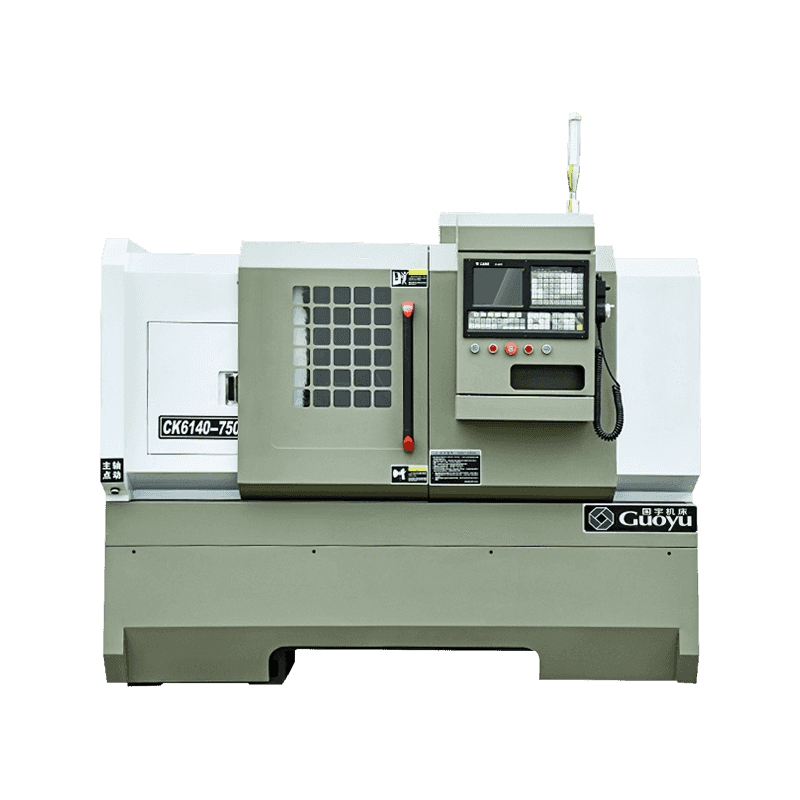
Technical Characteristics: It can cut all kinds of turning surfaces by bicycle, such as conical surf...
See Details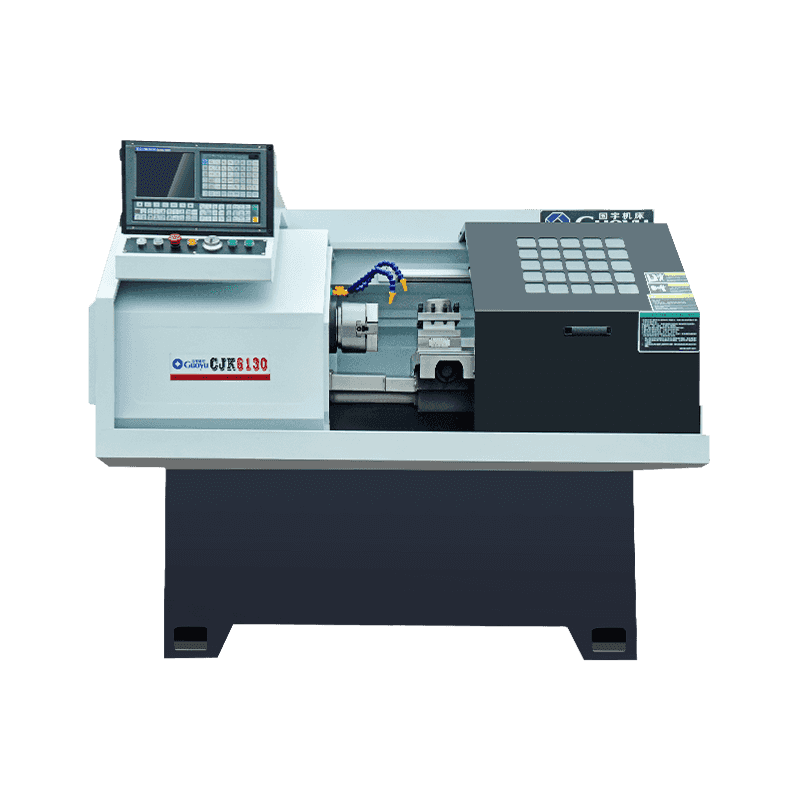
Technical Characteristics: The machine tool is a single-column vertical guideway structure. The colu...
See Details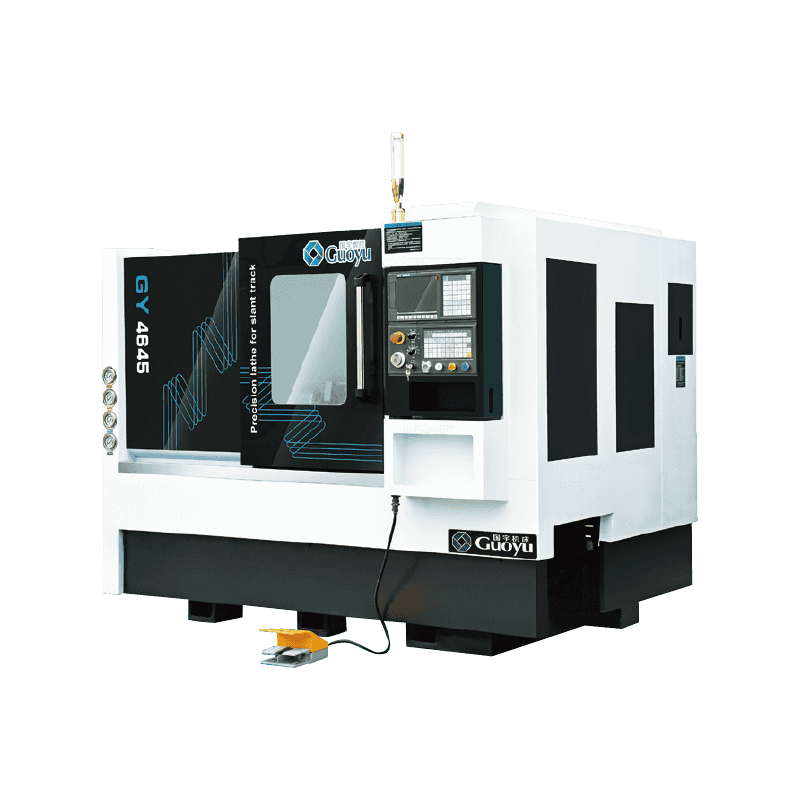
The Conjoined 35° Oblique Rail Cutter Tower Tail Seat Precision CNC Horizontal Lathe is a really pra...
See Details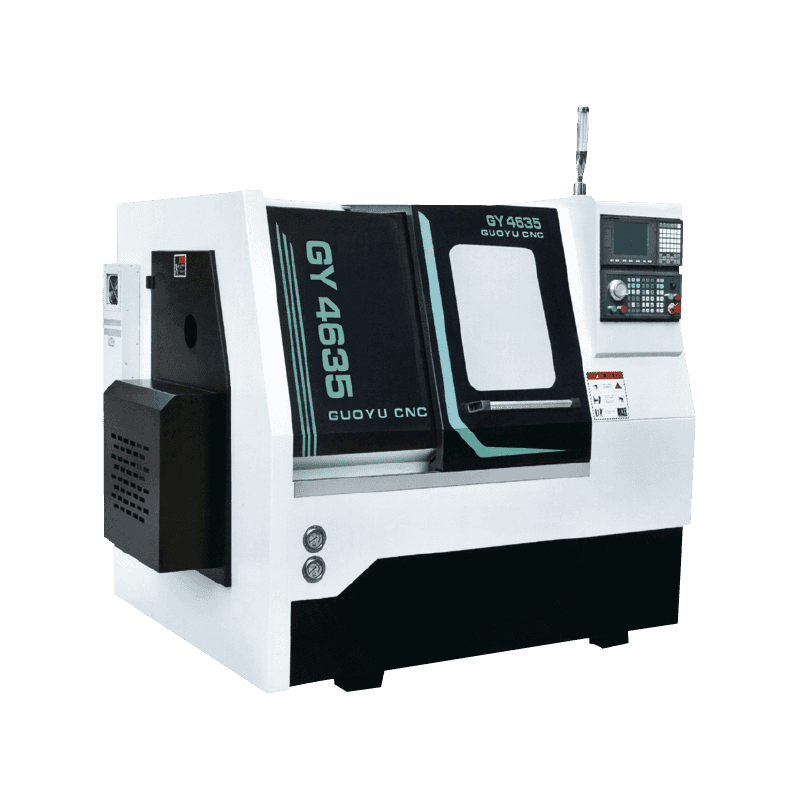
The Conjoined 45° Oblique Gauge Cutter Precision CNC Horizontal Lathe is a really practical turning ...
See Details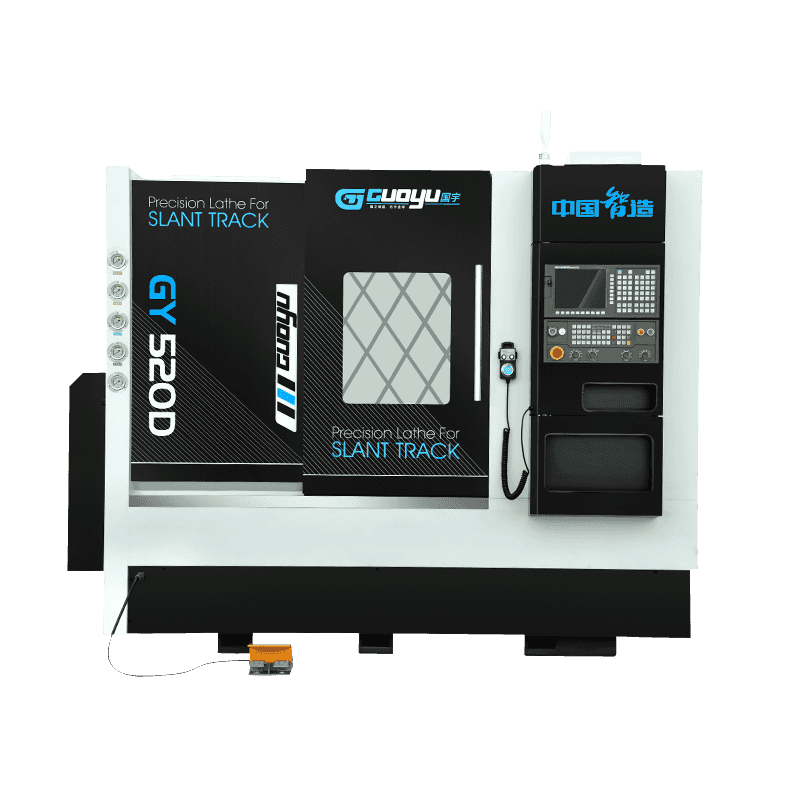
Technical Characteristics: The CNC machine tool for inclined beds adopts the domestic or imported hi...
See Details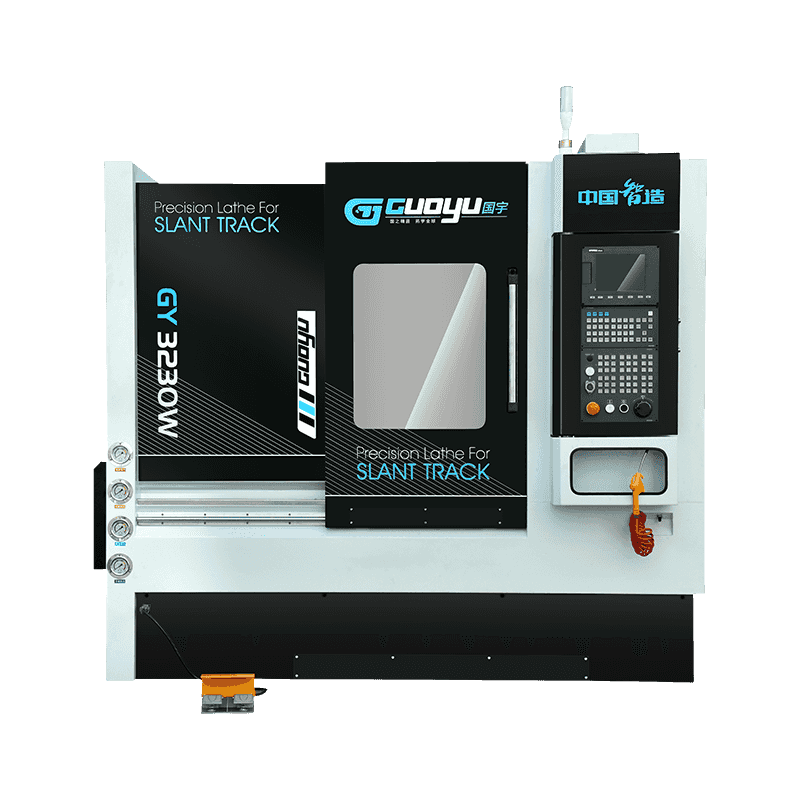
Technical Characteristics: The machine tool is of high precision, and the spindle is supported by hi...
See Details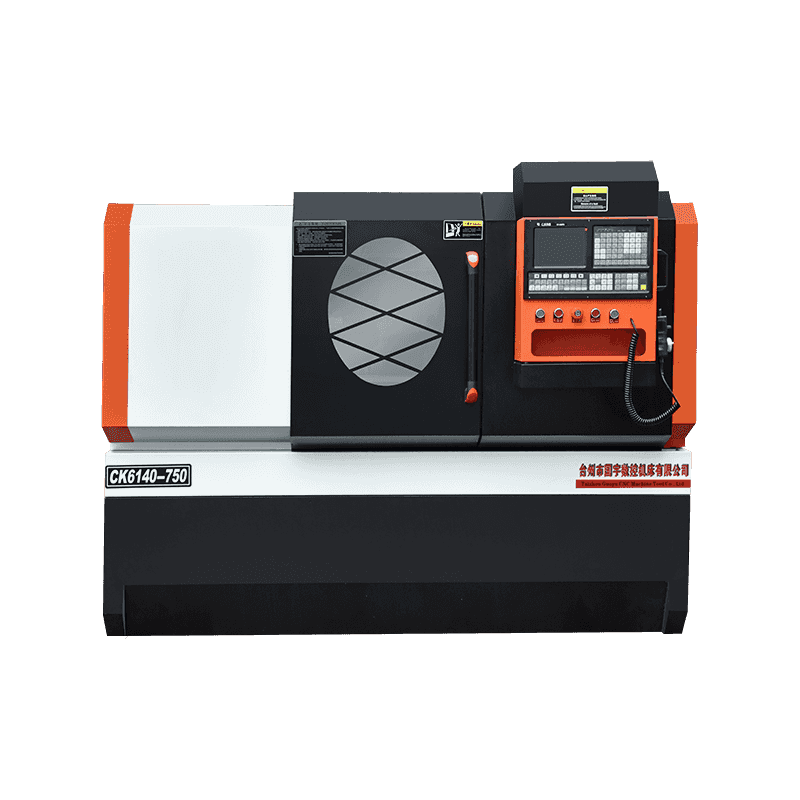
Technical Characteristics: It can cut all kinds of turning surfaces by bicycle, such as conical surf...
See Details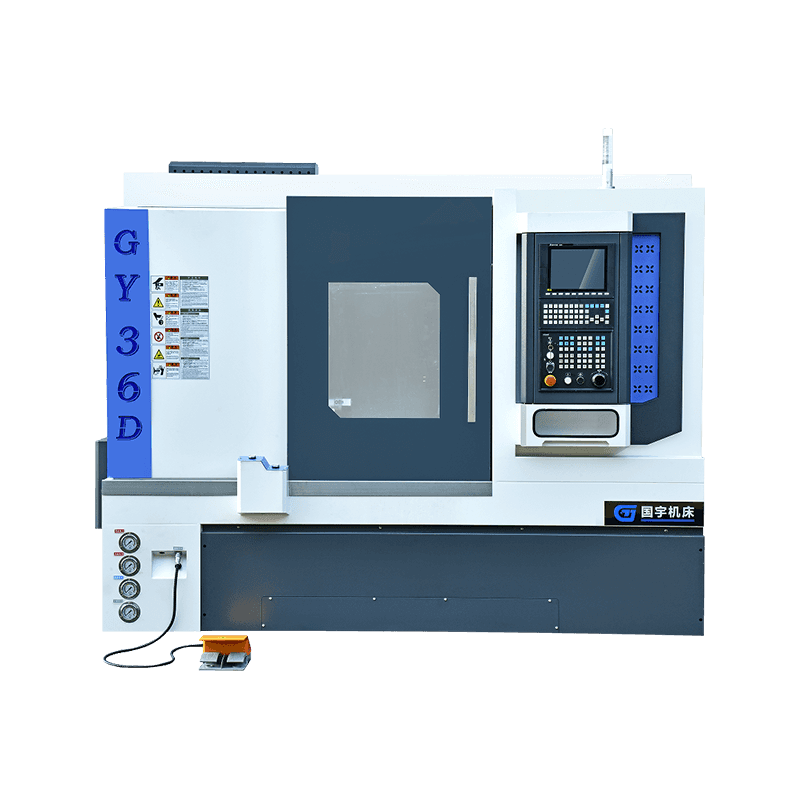
Technical Characteristics: All lathes are integrally cast with 250 materials to ensure processing ri...
See DetailsOur team of digital and business experts will guide you to the right direction.
Let's Talk
Zhejiang Guoyu CNC Machine Tool Co., Ltd. relies on rich experience, professional technology and advanced methods to ensure the quality of its products, so that customers can enjoy more professional and thoughtful service.
 [email protected]
 +86-15356565970
 Xialiang Industrial Area, Luqiao District, Taizhou City, Zhejiang Province, China
Copyright © Zhejiang Guoyu CNC Machine Tool Co., Ltd. All Rights Reserved.