English
 中文简体
中文简体 русский
 Español

Technical Characteristics: It can cut all kinds of turning surfaces by bicycle, such as conical surf...
See DetailsA lathe that held tight tolerances six months ago but now produces parts that consistently drift toward the outer edge of the acceptable range. A spindle that runs warm enough to notice but not warm enough to trigger an alarm, sitting in that uncomfortable middle ground where nobody is quite sure whether to shut down for inspection or keep running. A maintenance log that stopped being updated when production pressure picked up, leaving the current condition of the machine as something of a mystery. These situations are common in shops running a Universal CNC Lathe under real production conditions, and they almost always reflect the same underlying dynamic: maintenance that was deferred gradually until the machine started showing the consequences.
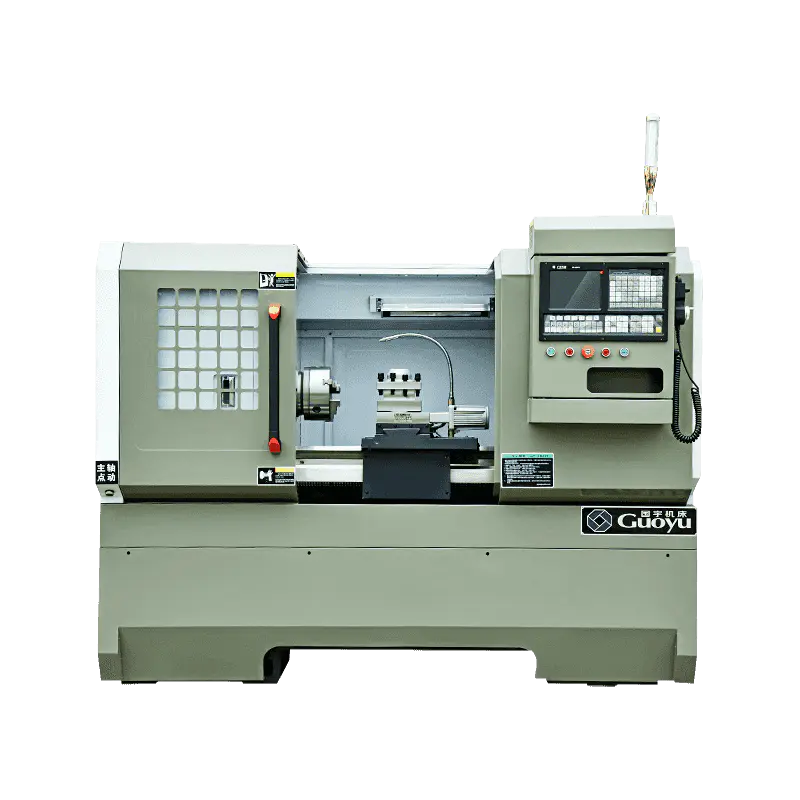
CNC lathe maintenance is not simply a list of tasks to complete on a schedule. It is a system of interconnected habits that together determine whether a machine holds its designed performance over years of use or steadily loses precision and reliability through accumulated wear that could have been prevented or slowed. Building that system in a structured way, understanding which components need attention and how often, gives operations teams a far more reliable outcome than reactive maintenance that only responds once something has already gone wrong.
Machining accuracy is not a fixed property of a CNC lathe. It depends on the current condition of the spindle bearings, guideways, ball screws, and turret, all of which wear over time and drift gradually away from their factory-calibrated positions as they do. That drift often becomes visible as parts move closer to the tolerance limit, and over time, some parts may fall beyond the acceptable range.
In many situations, yes. Insufficient lubrication is a common factor behind premature wear in CNC lathe components, often because lubrication systems receive less attention when they seem to be operating normally. A partially blocked lubrication line or a reservoir running low can reduce oil delivery to guideways or the ball screw without triggering any visible alarm, while wear accumulates at a rate that would not occur under proper lubrication.
Chips accumulating in the chip pan, on guideways, or around the turret area create multiple problems simultaneously. They trap heat against surfaces that need to stay cool, they work their way into moving components and act as abrasives, and they contaminate coolant as they accumulate. Clearing chips at the start and end of every shift costs very little time and prevents a disproportionate amount of long-term wear.
The following checks, carried out consistently at the beginning of each shift, help identify common early warning signs before they develop into more serious issues:
A CNC lathe that goes straight from cold to cutting full parts skips the thermal stabilization period during which the spindle, guideways, and drive components reach their operating temperatures and expand to their working dimensions. Parts cut during this cold phase often fall outside normal tolerance. Running a warm-up cycle before the initial production parts of the day helps reduce the effect of thermal error on overall part variation.
Guideways determine the straightness and parallelism of the cutting path across the full travel range of the machine. While daily maintenance clears surface contamination, a weekly inspection looks more carefully at the guideway surface for scoring, unusual wear patterns, or areas where lubrication does not appear to be reaching consistently.
CNC machines generate heat in their electrical cabinets, and dust accumulation around cooling fans and ventilation screens reduces heat dissipation efficiency over time. A weekly check of electrical cabinet cooling, fan operation, and ventilation screen cleanliness costs very little time and prevents the kind of control system failures that tend to happen at the worst possible moments during production.
Weekly checks worth incorporating into a standard routine:
Ball screws convert rotary motor motion into linear axis movement, and their condition directly determines how accurately the machine positions the cutting tool relative to the workpiece. Backlash developing in a ball screw nut shows up as positioning inconsistency, particularly during direction reversals, and it tends to develop gradually enough that it is easy to attribute to other causes before the actual source is identified.
| Maintenance Area | What to Check | Consequence of Neglect |
|---|---|---|
| Ball Screws and Nuts | Backlash, smooth travel, lubrication delivery | Positioning errors and axis vibration |
| Spindle Bearings | Temperature, noise, runout measurement | Loss of machining accuracy and eventual spindle failure |
| Hydraulic System | Fluid level, filter condition, pressure consistency | Clamping failures and turret indexing errors |
| Coolant System | Concentration, pH level, contamination | Corrosion, bacterial growth, reduced tool life |
| Electrical Connections | Tightness, corrosion at terminals | Intermittent control errors and drive faults |
| Way Covers and Seals | Condition, gaps, debris accumulation | Chip ingress into guideways |
| Filter Elements | Hydraulic, coolant, and air filters | System contamination and reduced flow efficiency |
Running a periodic spindle runout check with a test bar and indicator gives an objective measurement of spindle condition that does not rely on part inspection results alone. A gradual increase in measured runout over successive monthly checks identifies bearing wear trends early, before the machine starts producing out-of-tolerance parts consistently.
Annual calibration goes beyond cleaning and lubrication to assess the geometric accuracy of the machine as a whole, checking axis straightness, perpendicularity, spindle alignment, and tailstock alignment against the machine's original specifications. These checks confirm whether the accumulated effect of normal wear over the preceding year has moved any parameter to the point where correction is needed.
A thorough annual inspection typically includes:
Surface finish degradation in a machine that has been running stably points toward vibration entering the cutting process from somewhere in the system. Common sources include:
Not always, and assuming it does leads to misdiagnosed problems. Gradual increases in cycle time can come from hydraulic system sluggishness as fluid deteriorates or filters restrict flow, from turret indexing that takes slightly longer as hydraulic pressure drops below its working value, or from axis acceleration that has been automatically limited by the control system responding to encoder feedback inconsistencies.
Dimensional variation that appears to shift as the machine runs and then stabilizes after an hour or so of operation typically reflects thermal growth in the spindle, headstock, or bed. While some thermal growth is normal, excessive variation during the warmup period can often be reduced through consistent warmup cycling and maintaining coolant temperature within a narrower range through regular system maintenance.
A maintenance checklist completed and signed by operators at the end of each shift creates a verifiable record of completed tasks, brings attention to issues as they begin to appear instead of after they become more serious, and provides documentation that can support warranty claims or service diagnostics when outside assistance is needed.
Maintaining a small inventory of high-wear consumables and components, particularly filters, seals, way wipers, and lubrication system components, allows maintenance to proceed on schedule rather than waiting for parts to arrive after a failure. The cost of carrying a modest spare parts inventory is almost always lower than the cost of extended downtime waiting for a critical component.
A Universal CNC Lathe running two or three shifts per day accumulates operating hours much faster than one running a single shift, and maintenance intervals that make sense for light production use may allow too much wear accumulation in a continuous production environment. Adjusting inspection frequency to reflect actual operating hours rather than calendar time tends to catch wear before it affects production, particularly for components like coolant, lubricant, and filters whose condition depends on use rather than time.
Long-term CNC lathe performance is not something that happens passively. It comes from a maintenance system that addresses daily contamination management, weekly component checks, monthly system-level assessment, and annual calibration in a coordinated way that catches wear trends before they become accuracy or reliability problems. Each level of that system builds on the others, and gaps in any one level tend to show up eventually as unexpected failures or gradual accuracy loss that is harder to trace and correct than it would have been to prevent. Shops that invest in structured maintenance documentation, consistent operator training on daily care requirements, and scheduled downtime for deeper inspection work tend to keep their equipment performing closer to its original specification across longer periods than those relying on reactive responses to failures. For operations evaluating a Universal CNC Lathe purchase or planning to upgrade existing equipment, understanding the maintenance requirements of any machine under consideration, and confirming that manufacturer support for spare parts and service is genuinely available, forms an important part of the total cost of ownership assessment that purchase price alone does not capture. Building or reviewing a maintenance schedule, addressing gaps in the current routine, and following it consistently can help a machine shop maintain the accuracy and reliability of its CNC turning equipment over time.
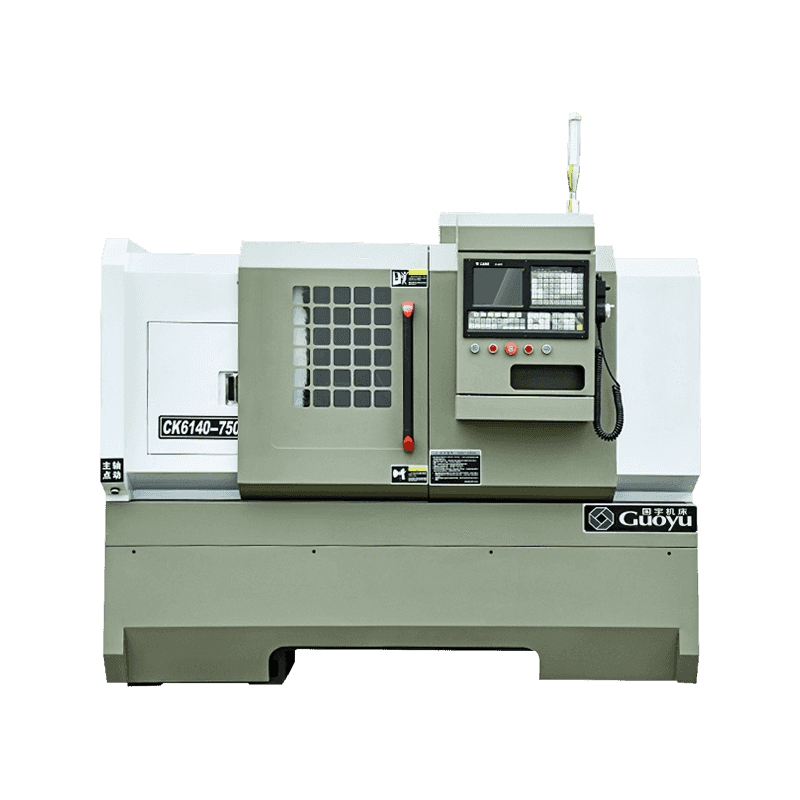
Technical Characteristics: It can cut all kinds of turning surfaces by bicycle, such as conical surf...
See Details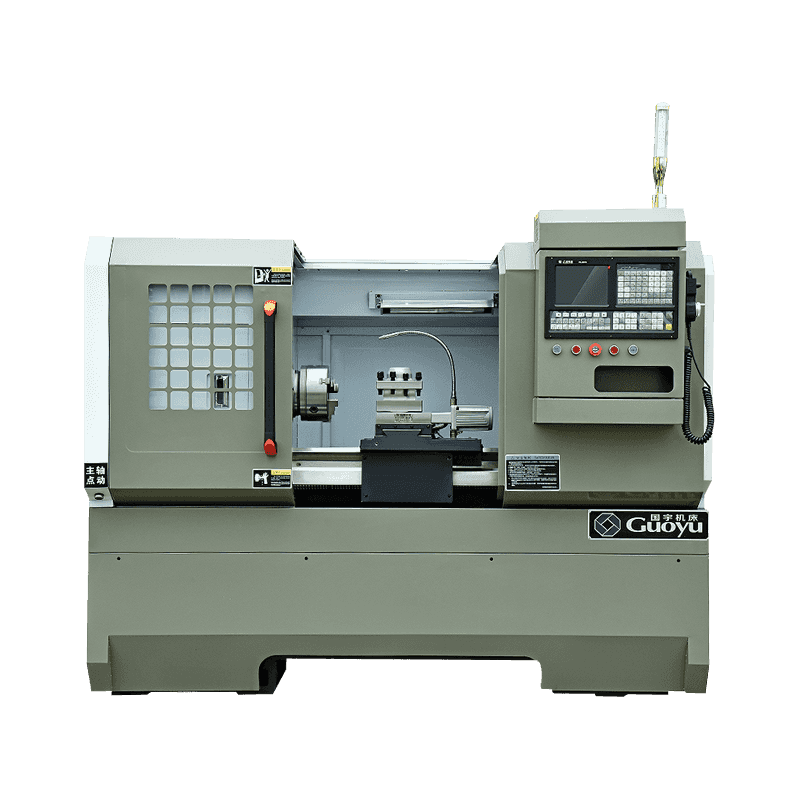
Technical Characteristics: It can cut all kinds of turning surfaces by bicycle, such as conical surf...
See Details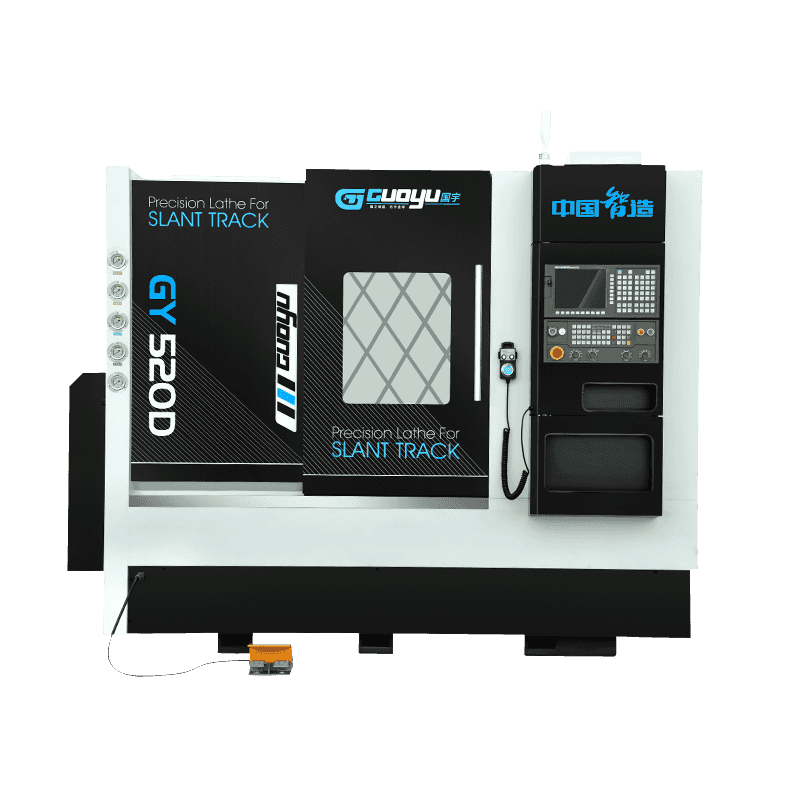
Technical Characteristics: The CNC machine tool for inclined beds adopts the domestic or imported hi...
See Details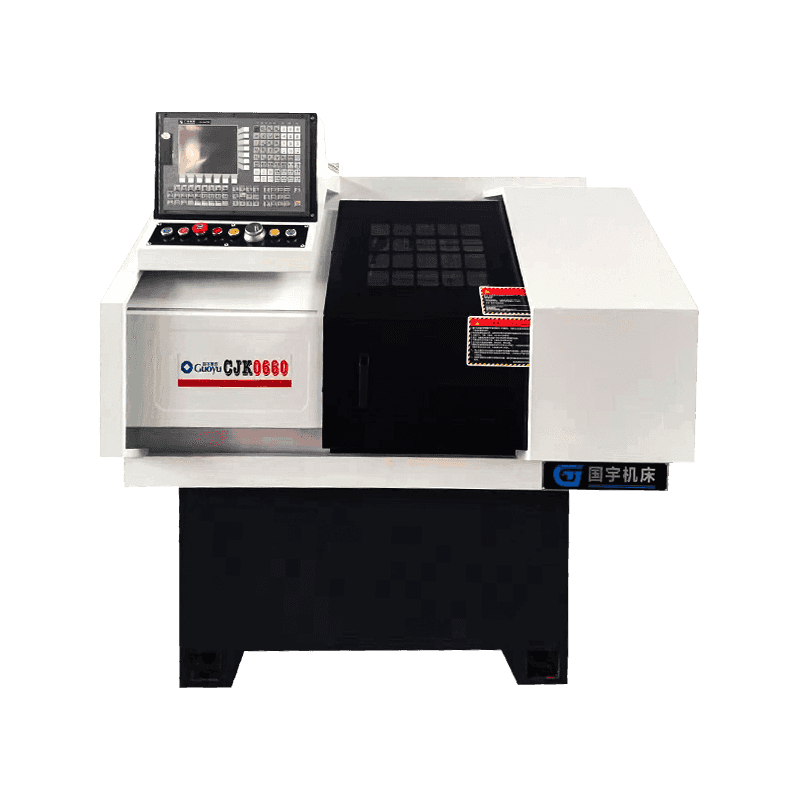
The Custom Precision Line Rail Precision CNC Lathe is just a really practical, compact machining sol...
See Details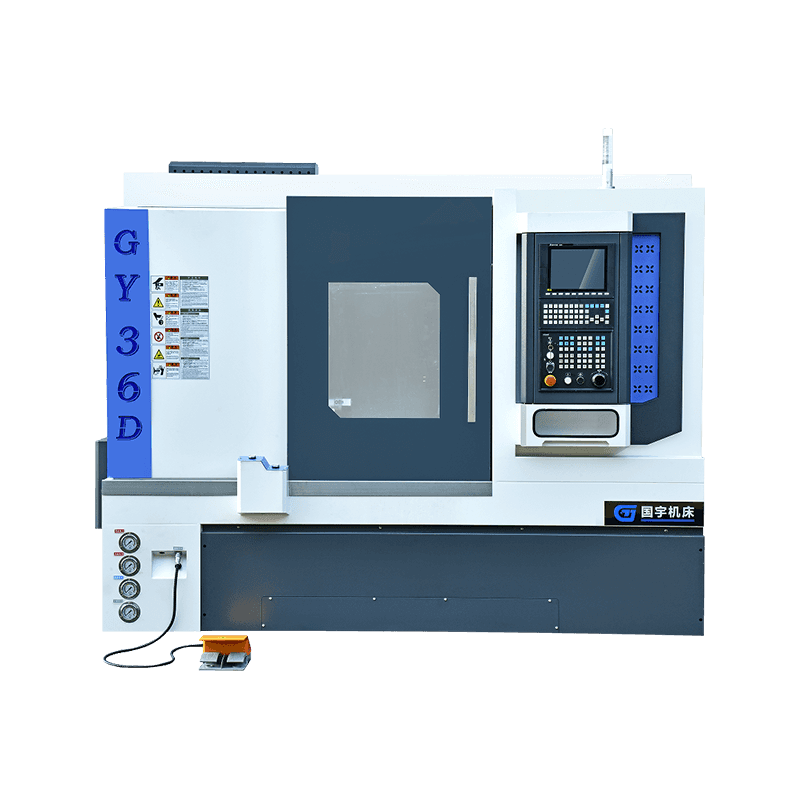
Technical Characteristics: All lathes are integrally cast with 250 materials to ensure processing ri...
See Details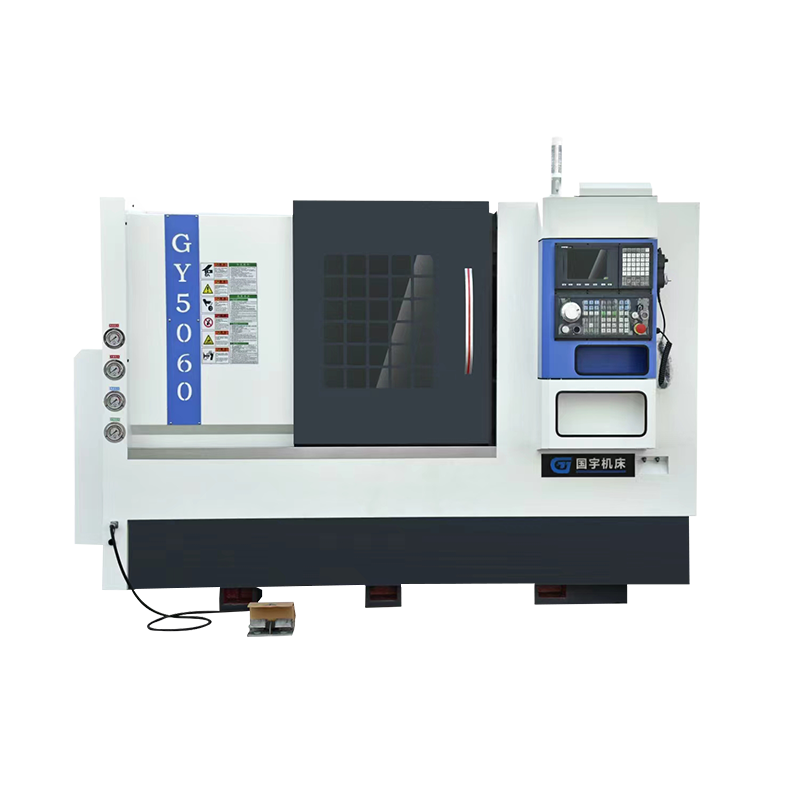
Technical Characteristics: All lathes are integrally cast with 250 materials to ensure processing ri...
See Details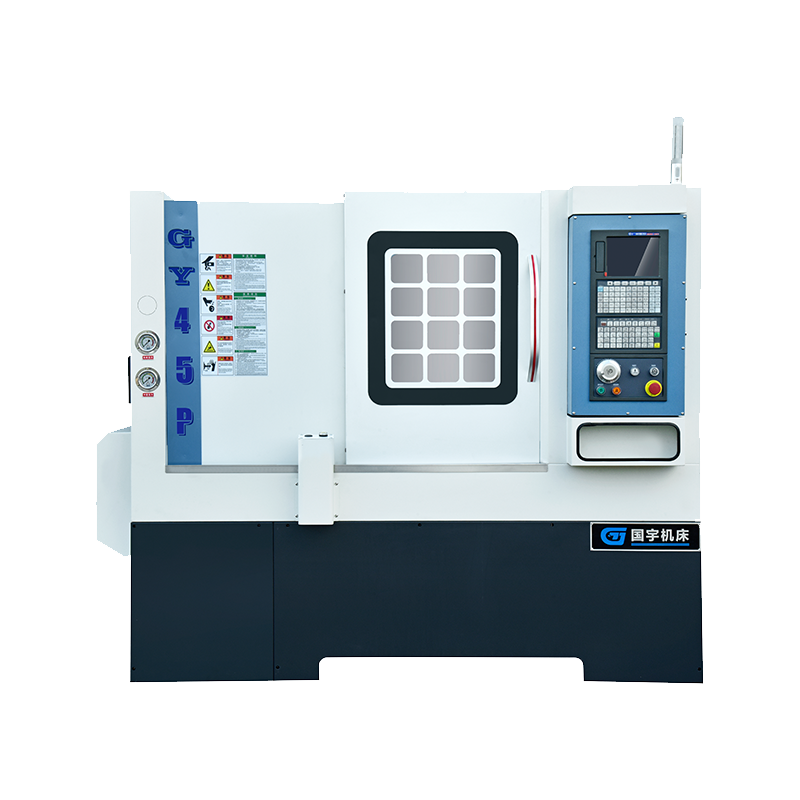
Technical Characteristics:Based on international advanced technology, the design of this machine too...
See Details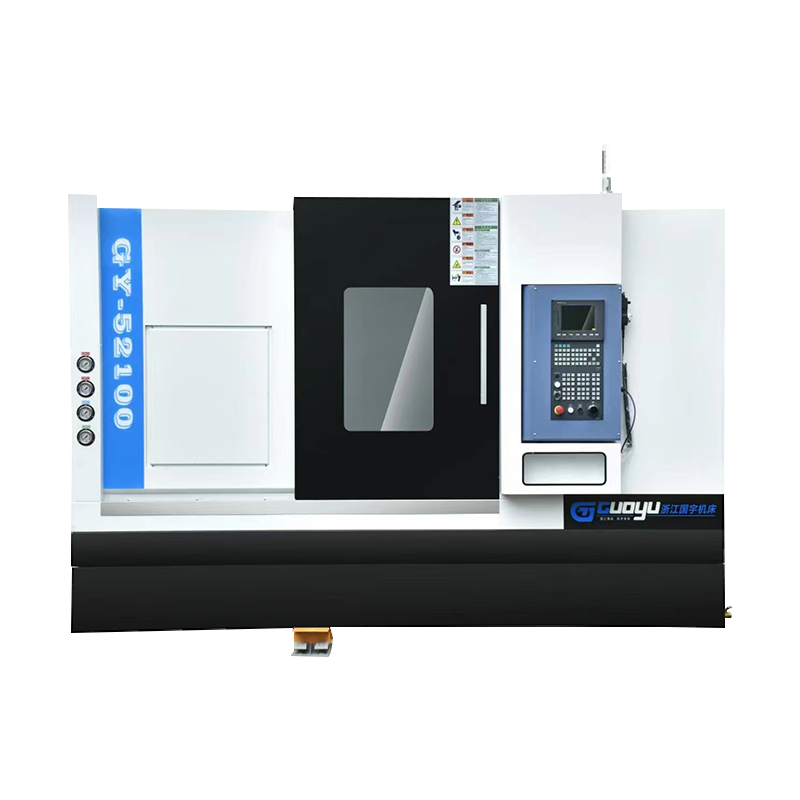
Technical Characteristics:Line Rail CNC lathes are integrally cast with 250 materials to ensure proc...
See DetailsOur team of digital and business experts will guide you to the right direction.
Let's Talk
Zhejiang Guoyu CNC Machine Tool Co., Ltd. relies on rich experience, professional technology and advanced methods to ensure the quality of its products, so that customers can enjoy more professional and thoughtful service.
 [email protected]
 +86-15356565970
 Xialiang Industrial Area, Luqiao District, Taizhou City, Zhejiang Province, China
Copyright © Zhejiang Guoyu CNC Machine Tool Co., Ltd. All Rights Reserved.