English
 中文简体
中文简体 русский
 Español

The Conjoined 35° Oblique Rail Cutter Tower Tail Seat Precision CNC Horizontal Lathe is a really pra...
See DetailsIn the landscape of precision machining, the gang tool CNC lathe occupies a specific and valuable niche. Unlike larger, turret-style lathes, the gang tool machine is defined by its simplicity and efficiency. Its tooling is mounted directly on a single, large cross-slide that moves in both the X and Z axes, "ganged" together in a row. This design eliminates the tool index time of a turret and maximizes rigidity, making it an ideal solution for high-volume production of small, complex parts.
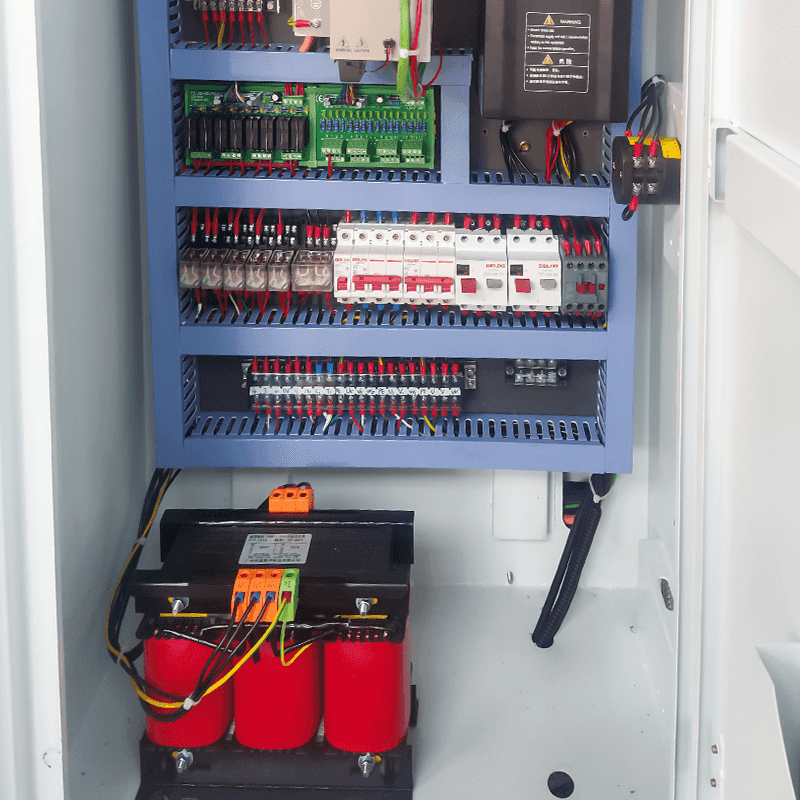
The differences between these two machine configurations are significant and influence their ideal applications.
Reduced Cycle Times: The immediate advantage is speed. In a turret lathe, a significant portion of the cycle time is spent indexing the turret from one tool to the next. In a gang tool lathe, all tools are already positioned at the cutting point. The machine simply moves the appropriate tool into the workpiece by moving the entire slide. This "tool index" time is effectively eliminated, faster part completion, particularly for parts requiring multiple operations.
Enhanced Rigidity and Precision: Because the tools are mounted on a single, massive cross-slide as close to the guideways as possible, the tool overhang is minimized. This setup reduces the leverage that cutting forces can exert on the machine structure. The result is a very rigid system that is less prone to deflection and vibration. This inherent stability directly contributes to the machine's ability to hold tight tolerances and achieve surface finishes.
Simpler Setup and Programming: With all tools visible and accessible on the slide, tool setup and touch-off are straightforward. The programmer can visualize the tool layout easily, and the control software is often designed to simplify the coordination of multiple tools. This simplicity can reduce the time required for job changeovers.
Lower Initial Cost: Generally, for a given level of precision and part size capacity, a gang tool lathe is less expensive than a turret-type machine. This is due to its simpler mechanical design, lacking the complex and precise indexing mechanism of a turret.
While highly efficient, the gang tool design has specific constraints that define its use cases.
Workpiece Size Constraint: The primary limitation is part size. The travel of the cross-slide determines the diameter that can be turned. More critically, the length of the part is limited by the slide's stroke. Because the tools move with the slide, they cannot machine a feature that is longer than the slide's travel. This makes gang tool lathes ideal for small parts, typically those that can be held in a collet up to approximately 1-2 inches (25-50mm) in diameter.
Tool Interference: Since all tools are fixed on a common slide, the programmer must be mindful of tool clearance. As the slide moves to bring one tool into action, other tools on the slide may come into proximity with the chuck, tailstock, or the part itself. Careful planning of tool positions and machining sequences is required to avoid collisions.
Ideal Applications: Given these characteristics, gang tool lathes excel in the high-volume production of small, precision components.
Electronics: Connector pins, insulators, and small housings.
Medical: Bone screws, dental implants, and small surgical instrument components.
Watchmaking and Jewelry: Small gears, pins, and decorative elements.
Automotive: Small fuel system components, sensor bodies, and fittings.
The term "high precision" in this context refers to a machine's capability to consistently produce parts with very tight dimensional tolerances. A well-maintained and properly operated high precision gang tool lathe is typically capable of holding positional tolerances in the range of ±0.0001 inches to ±0.0002 inches (approximately 2.5 to 5 micrometers). Some advanced machines, particularly those used for ultra-precision applications, can achieve even tighter tolerances. This level of precision is a result of several factors: the inherent rigidity of the gang tool design, high-quality ground ball screws for axis movement, high-resolution encoders for precise feedback, and the thermal stability of the machine's structure, often made from materials with low coefficients of thermal expansion. It is important to note that the final part accuracy is also dependent on external factors such as the quality of the cutting tools, the workholding method, the material properties, and the ambient temperature control in the machining environment.
The performance of a high precision gang tool lathe is heavily dependent on its spindle. These machines typically employ one of two main types of spindle systems, depending on the target application.
Integral Motor Spindles: For the higher levels of precision and balance, many machines use an integral spindle motor. In this design, the rotor of the motor is directly integrated onto the spindle shaft itself. This eliminates the need for belts, pulleys, or couplings, which can introduce vibration and reduce accuracy. The result is an extremely smooth, vibration-free rotation, which is essential for achieving surface finishes and minimizing tool wear. These spindles often run on ultra-precise angular contact ball bearings or, in some cases, air bearings for the ultimate in precision.
Motorized Spindles: A common and highly effective alternative is a motorized spindle, where a high-speed electric motor is mounted directly to the spindle housing and drives the spindle via a precision coupling or a short, toothed belt. This design offers a good balance of speed, torque, and precision. It allows for higher torque at lower speeds compared to some integral motor designs, which can be advantageous for machining certain materials. Both configurations are designed to provide high rotational accuracy (low runout) and the ability to operate at the high RPMs often required for machining small-diameter parts efficiently. The spindle choice is typically matched to the machine's intended use, whether for ultra-precision finishing or more general-purpose high-speed turning.
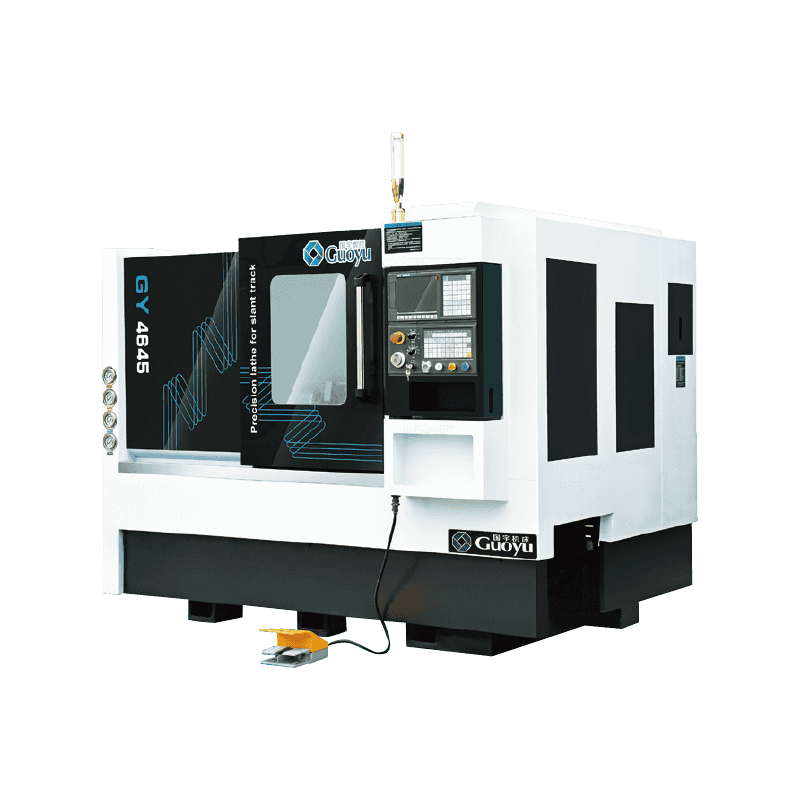
The Conjoined 35° Oblique Rail Cutter Tower Tail Seat Precision CNC Horizontal Lathe is a really pra...
See Details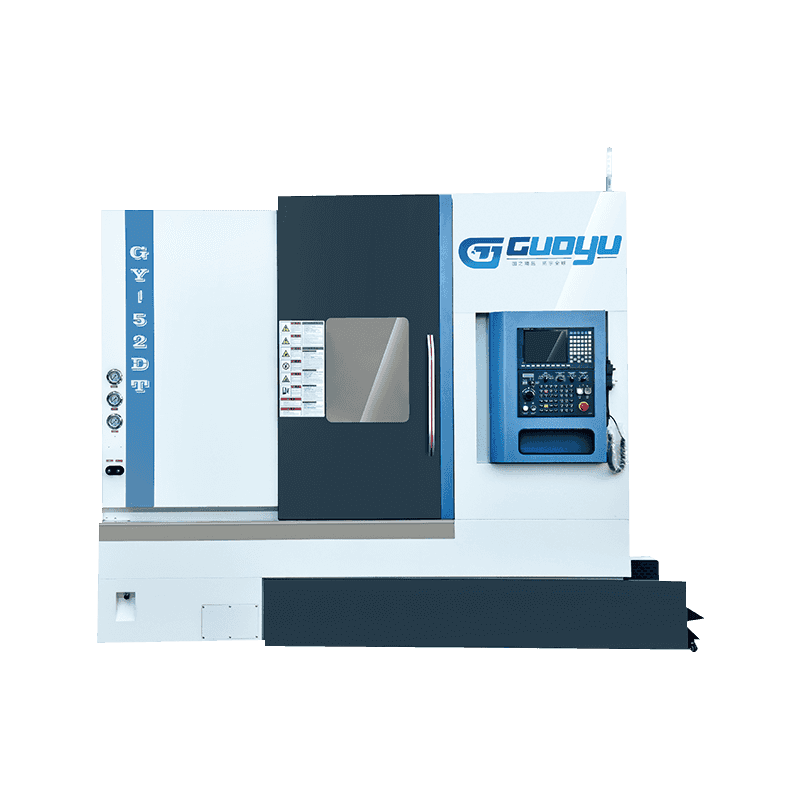
Technical Characteristics: The CNC machine tool for inclined beds adopts the domestic or imported hi...
See Details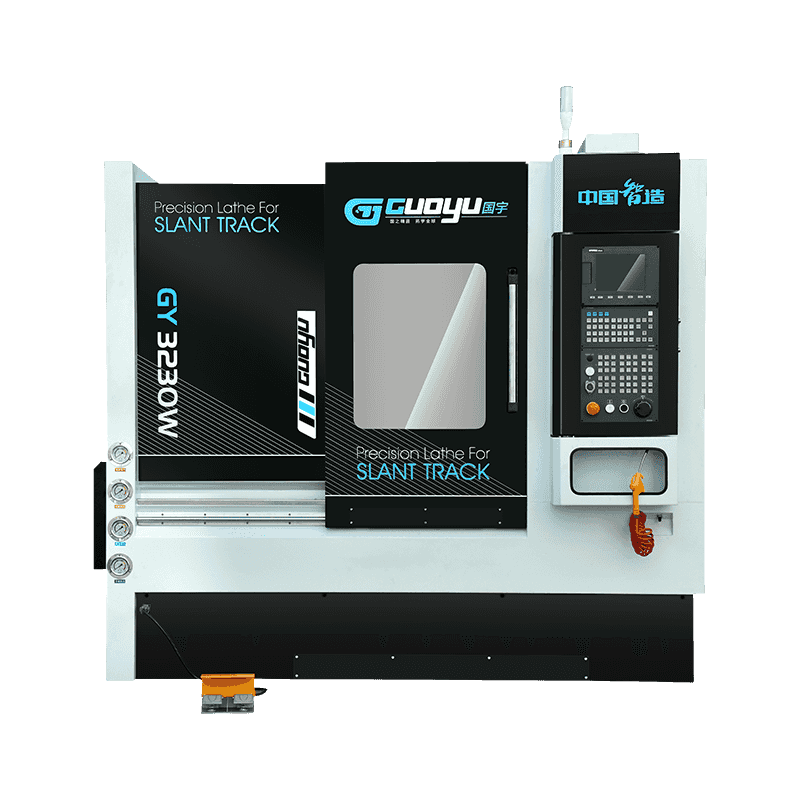
Technical Characteristics: The machine tool is of high precision, and the spindle is supported by hi...
See Details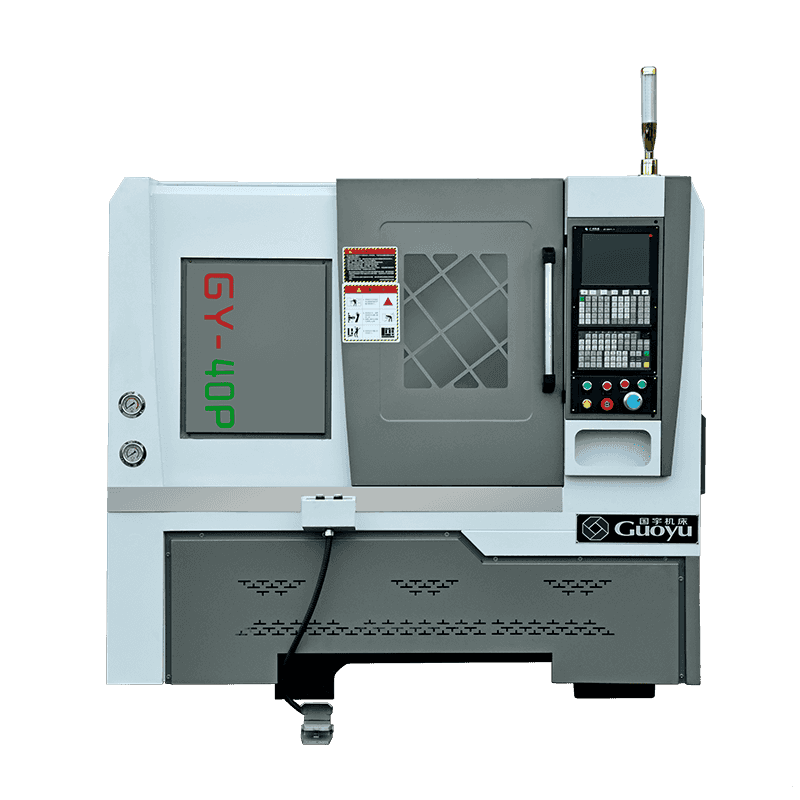
Technical Characteristics: 40P is a kind of small precision machine tool, that is suitable for the e...
See Details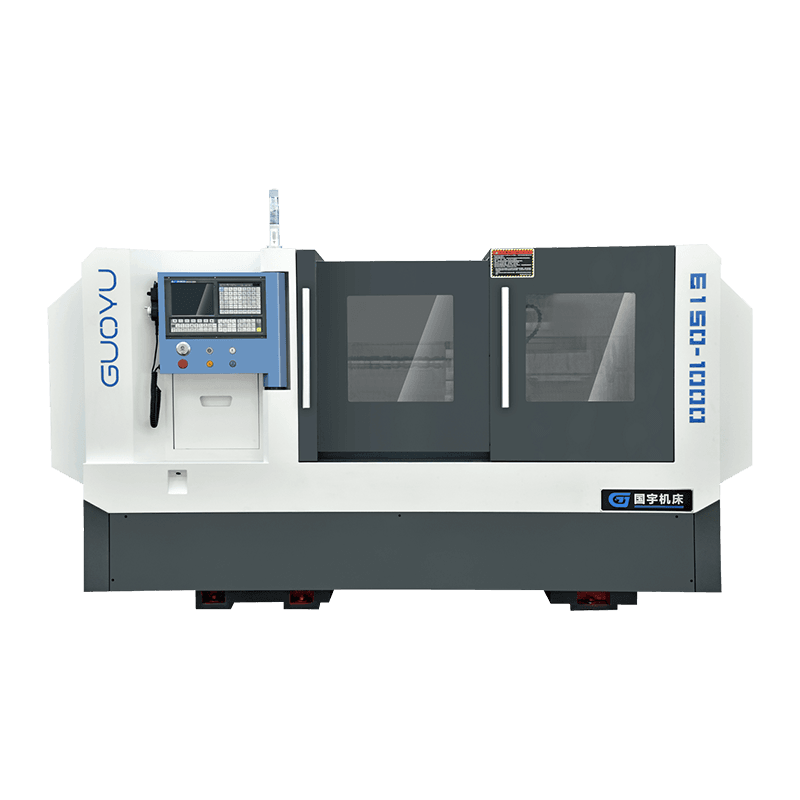
Technical Characteristics: It can cut all kinds of turning surfaces by bicycle, such as conical surf...
See Details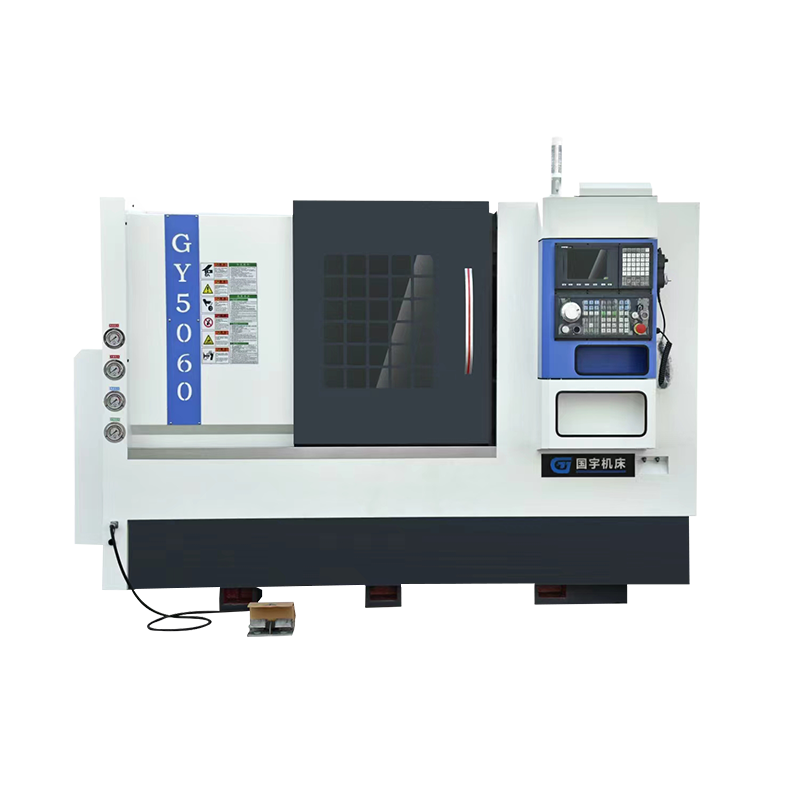
Technical Characteristics: All lathes are integrally cast with 250 materials to ensure processing ri...
See Details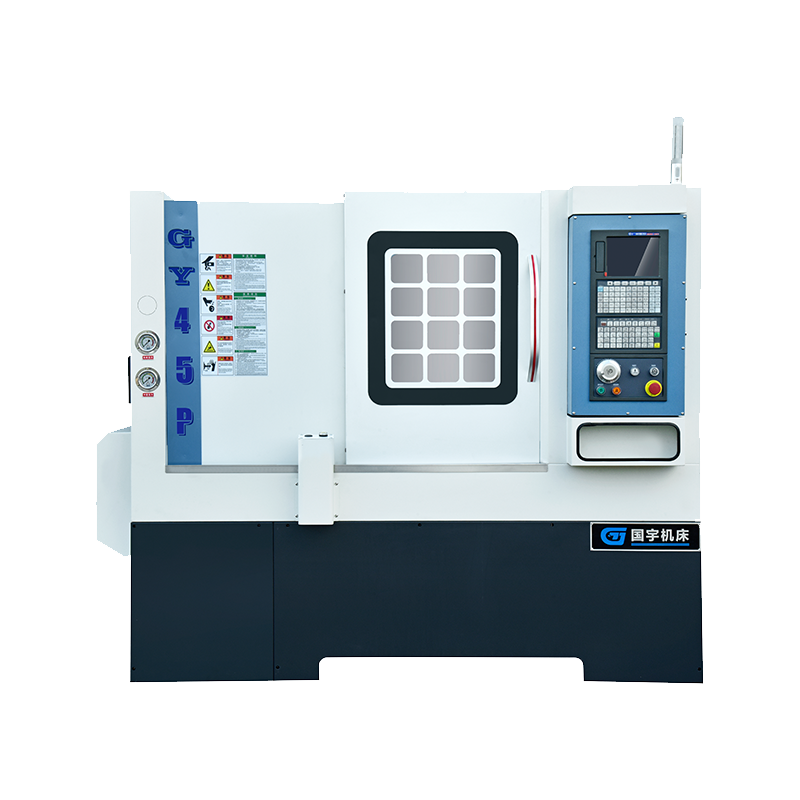
Technical Characteristics:Based on international advanced technology, the design of this machine too...
See Details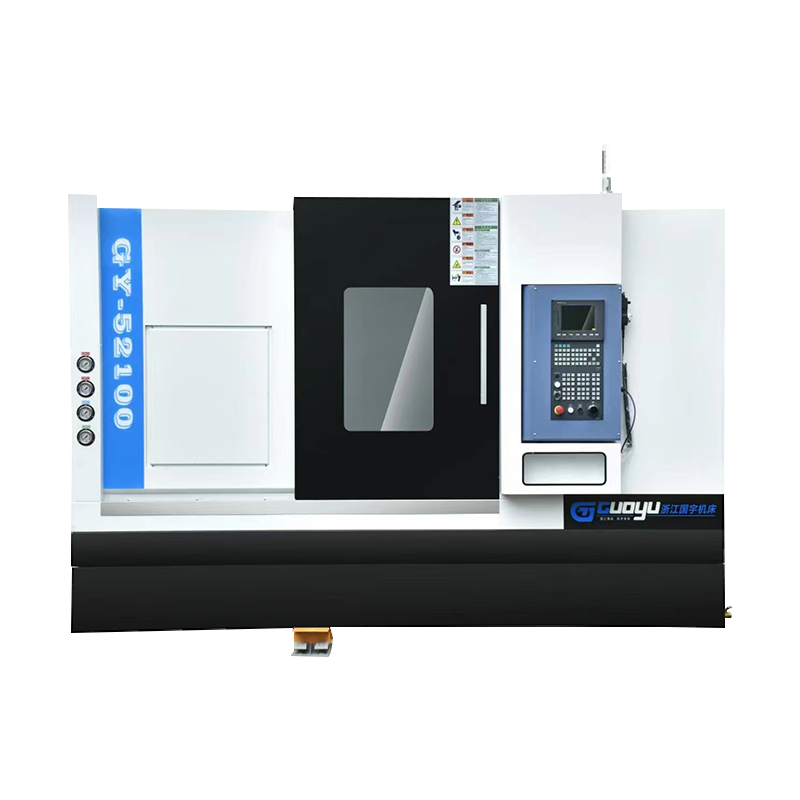
Technical Characteristics:Line Rail CNC lathes are integrally cast with 250 materials to ensure proc...
See DetailsOur team of digital and business experts will guide you to the right direction.
Let's Talk
Zhejiang Guoyu CNC Machine Tool Co., Ltd. relies on rich experience, professional technology and advanced methods to ensure the quality of its products, so that customers can enjoy more professional and thoughtful service.
 [email protected]
 +86-15356565970
 Xialiang Industrial Area, Luqiao District, Taizhou City, Zhejiang Province, China
Copyright © Zhejiang Guoyu CNC Machine Tool Co., Ltd. All Rights Reserved.