English
 中文简体
中文简体 русский
 Español

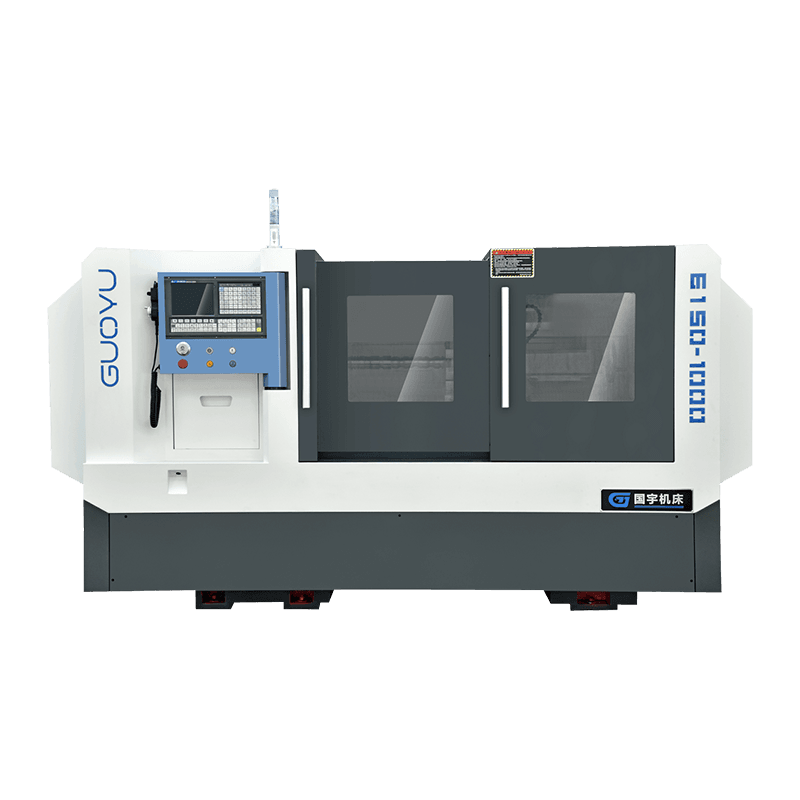
Technical Characteristics: It can cut all kinds of turning surfaces by bicycle, such as conical surf...
See DetailsIn motion systems used for machining work, stability is not only about structure design on paper. It is often revealed when the machine starts moving across different directions and speeds. A Linear Rail CNC Machine uses guided movement paths that try to keep motion controlled under changing load conditions.
In practice, the behavior is shaped by how parts interact rather than by any single component alone. The rail system, driving system, and frame all influence how movement feels during actual operation.
Linear rail structures guide movement along a fixed direction, but the more interesting part is how they behave when the direction changes. Instead of relying on broad surface sliding, motion is carried through rolling contact points.
That changes the way resistance appears during movement. It does not stay constant, but it also does not shift abruptly when compared with simpler sliding designs.
In a Linear Rail CNC Machine, this often shows up in small details rather than obvious changes.
One detail often noticed in practice is that smoother motion is not always about speed. It is more about how evenly resistance is distributed while the axis is moving.
Rail selection affects how the structure reacts when external force enters the system. This does not only happen during cutting, but also during acceleration and deceleration phases.
Different configurations behave differently once load is applied to the frame. Some feel more resistant to bending, while others respond more quickly but with less structural resistance.
| Aspect | Practical Behavior |
|---|---|
| Contact area design | Changes how force spreads along the rail |
| Internal preload level | Affects how freely movement begins |
| Support layout | Influences how the frame reacts under uneven load |
In a Linear Rail CNC Machine, these differences are not always visible at rest. They become more noticeable once the tool engages material and force feedback starts flowing back into the motion system.
Sometimes a small change in rail choice does not change the machine visually, but it changes how the machine "feels" during operation.
Assembly accuracy influences how motion is distributed across the structure. Even small deviations in alignment can change how smoothly the axis moves during operation.
When rails are not aligned evenly, movement can still take place, but the resistance along the travel path becomes less balanced. This imbalance does not always appear as an obvious fault at the beginning. Instead, it tends to show up gradually through differences in feel during motion.
In some cases, the axis may move slightly differently depending on direction. Certain positions along the travel range can feel tighter compared with others, and the response during acceleration or reversal may not remain fully uniform.
In a Linear Rail CNC Machine, these effects are not immediate structural failures. They are more related to consistency of motion over time, especially when the system is used repeatedly under similar operating conditions.
The ball screw system and rail system do not perform the same role. One generates motion, the other controls how that motion stays aligned.
When the screw pushes the axis forward, the rail system determines whether that movement stays clean or starts to drift under load.
In practice, the interaction looks like this:
If one side responds faster than the other, the movement can feel slightly uneven, especially during quick changes in direction.
Vibration at higher movement speeds is rarely tied to a single cause. It usually comes from several influences acting together, and the effect is not always easy to isolate during operation.
As speed increases, small imperfections in structure or alignment tend to show themselves more clearly. The machine may still run without interruption, but the motion can start to feel less steady, especially during cutting or quick direction changes.
In a Linear Rail CNC Machine, vibration does not always present in the same way. Sometimes it appears during rapid transitions, sometimes during load engagement, and sometimes only in specific regions of travel.
A few conditions often appear in practice:
These do not operate separately. They tend to overlap, and the combined effect is what makes vibration harder to predict.
Rail spacing is not just a layout choice on the drawing. It changes how the structure reacts when forces try to twist or shift the frame during movement.
When spacing is tighter, the structure tends to respond more directly to side forces. With wider spacing, the force spreads out more, although that also brings higher sensitivity to alignment during assembly.
This behavior is not fixed. It depends on how the frame supports the rails and how forces move through the structure during operation.
In a Linear Rail CNC Machine, this becomes more noticeable when direction changes happen quickly, where twisting force does not stay uniform across the frame.
| Design Aspect | Practical Effect on Motion Behavior |
|---|---|
| Narrow rail spacing | Motion feels more direct but reacts more to side force |
| Wider rail spacing | Twisting resistance improves but alignment becomes more sensitive |
| Uneven spacing | Movement may feel inconsistent across travel |
| Balanced layout with rigid frame | Motion response feels more even during direction change |
The final behavior is usually the result of the whole structure, not spacing alone.
Maintenance affects how the motion system behaves over time, especially where rolling contact is involved. The changes are usually gradual rather than sudden.
Lubrication conditions slowly influence how resistance develops. When lubrication becomes uneven or less effective, certain parts of the movement may start to feel slightly different. It is not always obvious at first.
Dust or fine particles can also change how contact surfaces behave. Even small accumulation can affect how smoothly motion continues over repeated cycles.
In a Linear Rail CNC Machine, these effects are often noticed more in motion feel than in immediate performance change. The system still works, but the consistency of movement can shift slightly over time.
External conditions such as dust levels, temperature changes, and airflow around the machine can influence how motion systems behave during use.
Temperature variation can result in subtle changes in material response, which may affect how parts interact during movement. Dust or small particles may also enter contact areas and slowly change how surfaces move against each other.
These effects are usually not immediate. They tend to appear gradually and become more noticeable during long periods of operation.
In a Linear Rail CNC Machine, environmental influence is often indirect. It does not change the structure itself, but it changes how the structure behaves under repeated movement conditions.
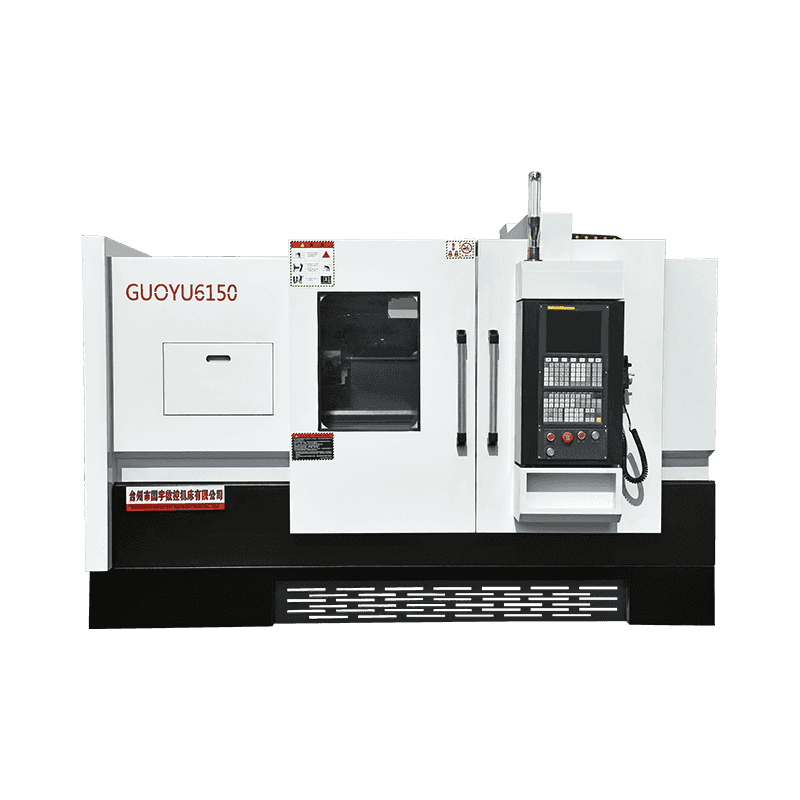
Technical Characteristics: It can cut all kinds of turning surfaces by bicycle, such as conical surf...
See Details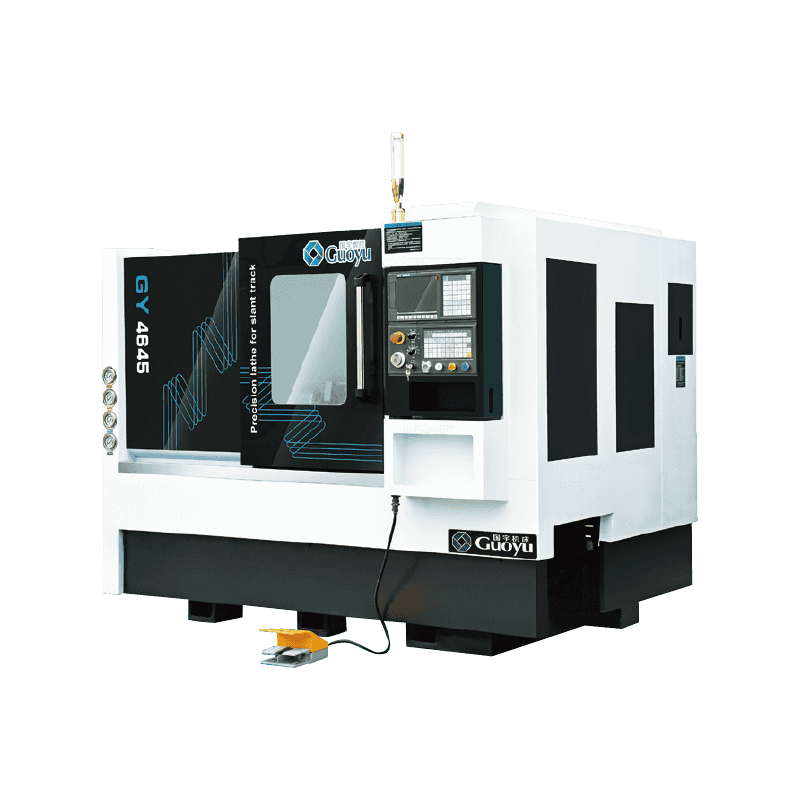
The Conjoined 35° Oblique Rail Cutter Tower Tail Seat Precision CNC Horizontal Lathe is a really pra...
See Details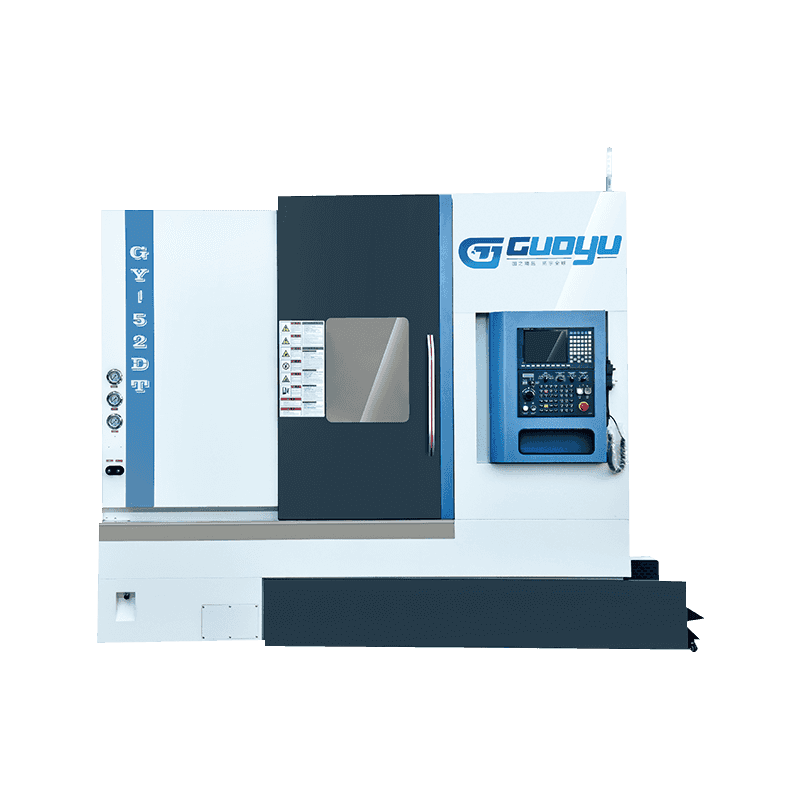
Technical Characteristics: The CNC machine tool for inclined beds adopts the domestic or imported hi...
See Details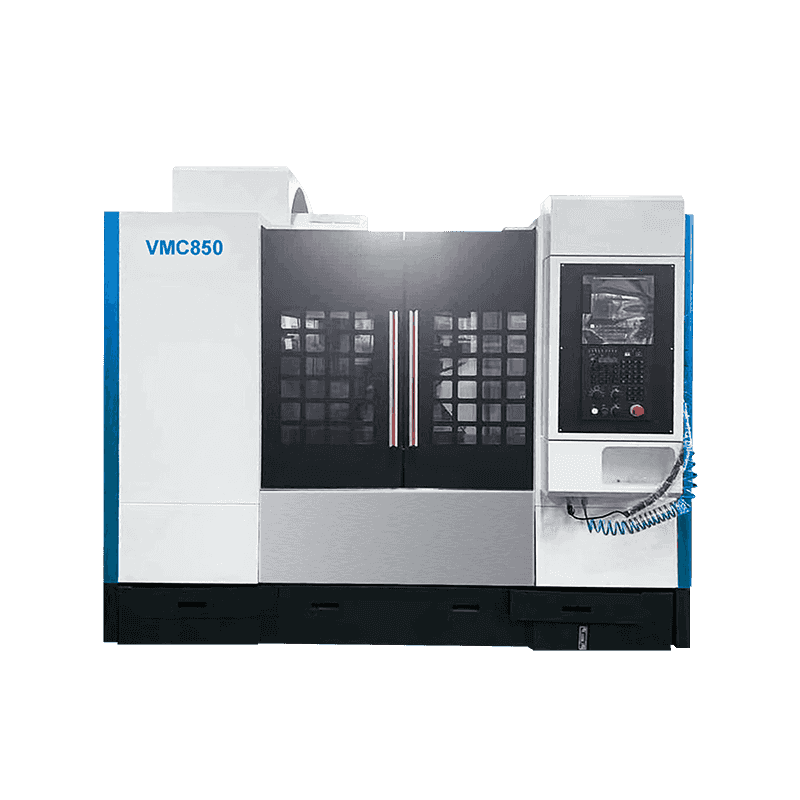
Technical Characteristics The machine tool is a single-column vertical guideway structure. The colum...
See Details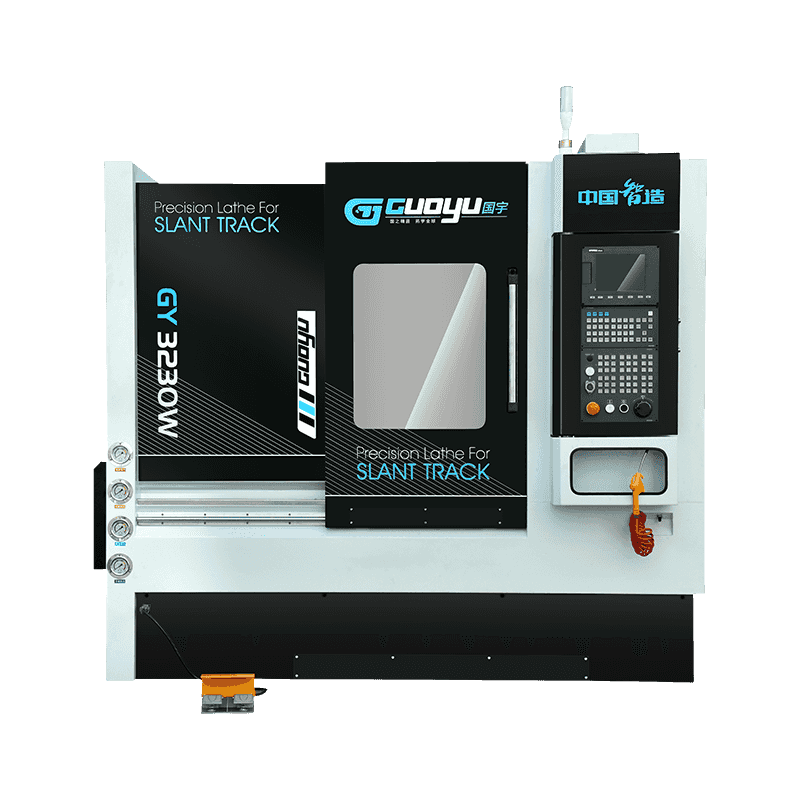
Technical Characteristics: The machine tool is of high precision, and the spindle is supported by hi...
See Details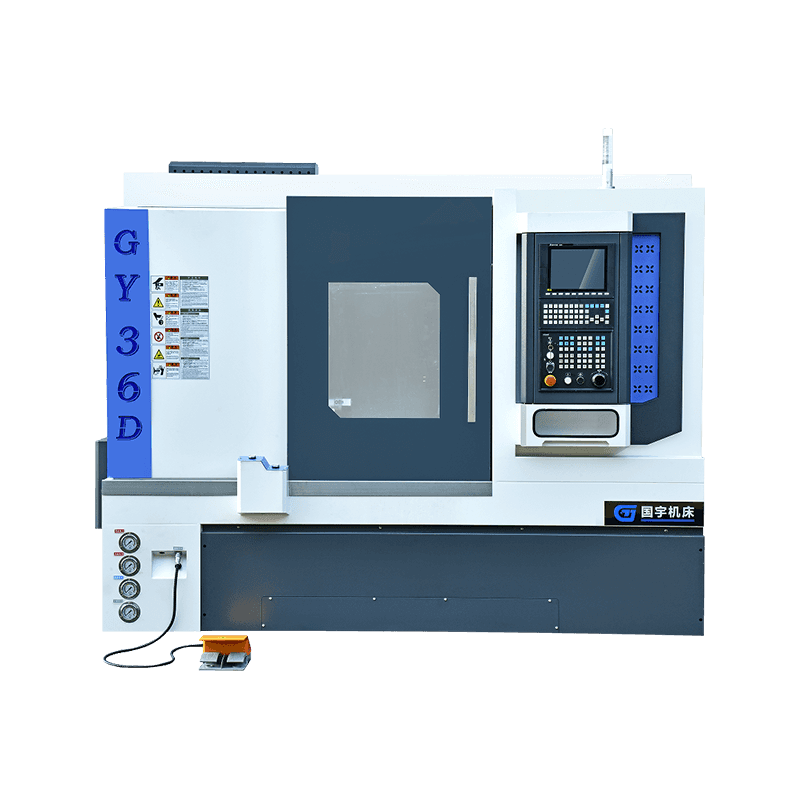
Technical Characteristics: All lathes are integrally cast with 250 materials to ensure processing ri...
See Details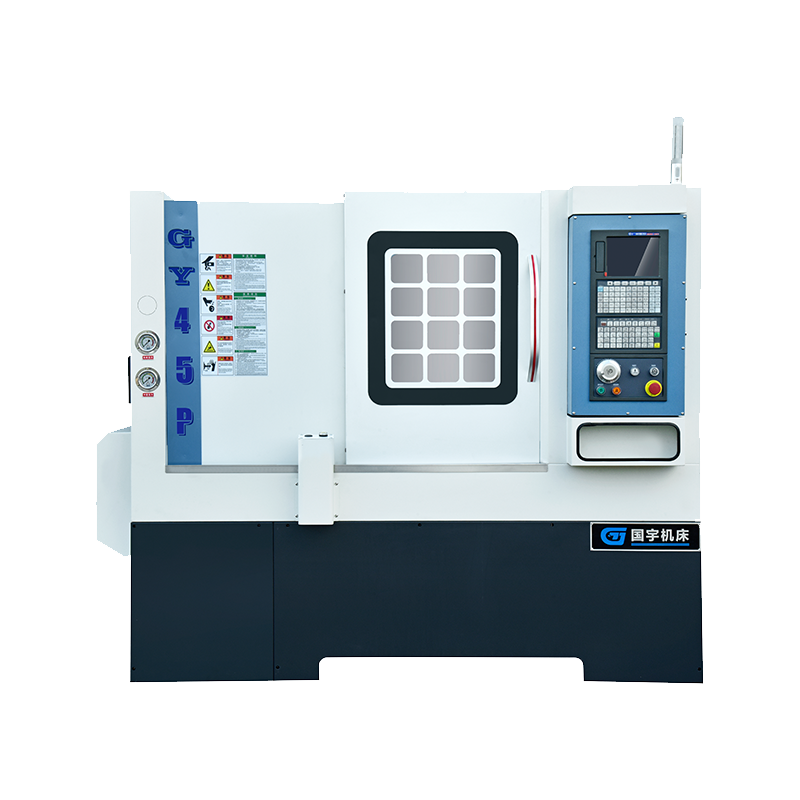
Technical Characteristics:Based on international advanced technology, the design of this machine too...
See Details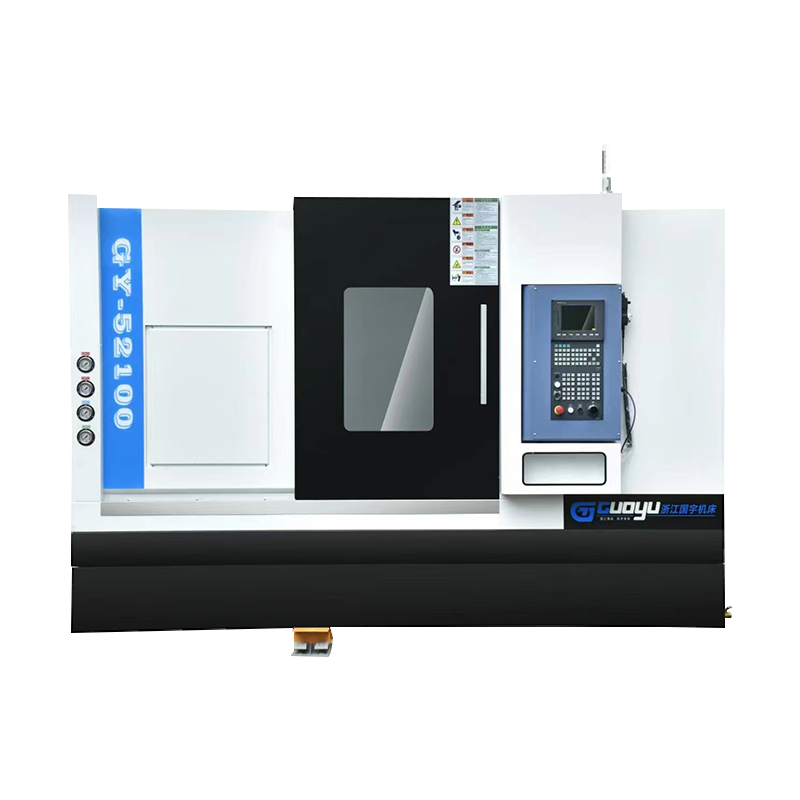
Technical Characteristics:Line Rail CNC lathes are integrally cast with 250 materials to ensure proc...
See DetailsOur team of digital and business experts will guide you to the right direction.
Let's Talk
Zhejiang Guoyu CNC Machine Tool Co., Ltd. relies on rich experience, professional technology and advanced methods to ensure the quality of its products, so that customers can enjoy more professional and thoughtful service.
 [email protected]
 +86-15356565970
 Xialiang Industrial Area, Luqiao District, Taizhou City, Zhejiang Province, China
Copyright © Zhejiang Guoyu CNC Machine Tool Co., Ltd. All Rights Reserved.