English
 中文简体
中文简体 русский
 Español

Technical Characteristics: It can cut all kinds of turning surfaces by bicycle, such as conical surf...
See DetailsIn machining environments, decisions around turning equipment rarely come from a single specification sheet. What matters more is how the machine behaves once it starts running in real production cycles.
A CNC Lathe Supplier is often involved earlier than expected. Not only during machine selection, but also when production flow, part variation, and operator routines are being arranged. In practice, this connection shows itself later in how stable the line feels during daily work.
Some factories notice differences only after switching between parts becomes frequent or when production continues without long pauses.
Before selecting equipment, attention usually goes to how the machine behaves during repeated operation rather than isolated cutting tests. Short demonstrations rarely reflect what happens in longer production cycles.
In actual use, variation tends to appear when:
At this point, communication with a CNC Lathe Supplier becomes more practical. Discussions often shift from capability descriptions to how the system behaves when conditions are not perfectly controlled.
| Area observed in production | What is usually checked in practice | Why it matters in daily use |
|---|---|---|
| Machine behavior during long runs | Whether adjustment is needed over time | Small drift can affect later assembly |
| Setup change frequency | How often reconfiguration is required | Impacts workflow rhythm |
| Support response during operation | How quickly issues are handled | Reduces unexpected pauses |
Small batch production does not stay in one fixed pattern. It moves between different part types, sometimes within the same working day. Because of this, configuration flexibility becomes noticeable during actual switching rather than during setup.
Operators usually pay attention to how the machine behaves when:
A CNC Lathe Supplier may provide different machine structures, but the practical difference appears when switching becomes part of daily rhythm rather than occasional change.
In many cases, production does not stop completely, but flow becomes less smooth when configuration is not aligned with variation frequency.
Precision in daily machining is not a fixed state. It behaves more like a condition that depends on repeated operation, tool condition, and machine response over time.
A CNC Lathe Supplier influences this indirectly through machine design and system behavior. The effect becomes visible after repeated cycles rather than during initial setup.
In daily production, attention usually goes to:
Even minor deviations may not be visible immediately but tend to appear later during assembly or inspection stages. That is why consistency over time is often observed more carefully than single-cycle accuracy.
When bar feeder systems are added, the noticeable change is usually seen in the timing between operations rather than in cutting performance itself. Material loading becomes less dependent on manual steps.
In practice, this changes how the production area operates:
However, the integration is not always completely smooth. If feeding rhythm does not match machining timing, small interruptions may appear during longer runs. These are usually more visible after extended operation rather than at the beginning.
A CNC Lathe Supplier typically adjusts these parameters during setup, but real stability still depends on how the line is organized in daily use.
Automation changes the way a workshop runs, but it does not remove the need for control. It only shifts attention from manual loading to system behavior, alarm handling, and routine checks.
In many production lines, a CNC Lathe Supplier becomes part of that structure by helping match the machine with feeding, unloading, and monitoring steps. The real issue is usually not whether the machine can run, but whether it can keep moving through normal shifts without constant interruption.
When production becomes less dependent on direct hand work, a few things start to matter more:
A setup that looks simple on paper may still need careful adjustment in daily use. That is why unmanned operation is often treated as a process design issue, not only a machine feature.
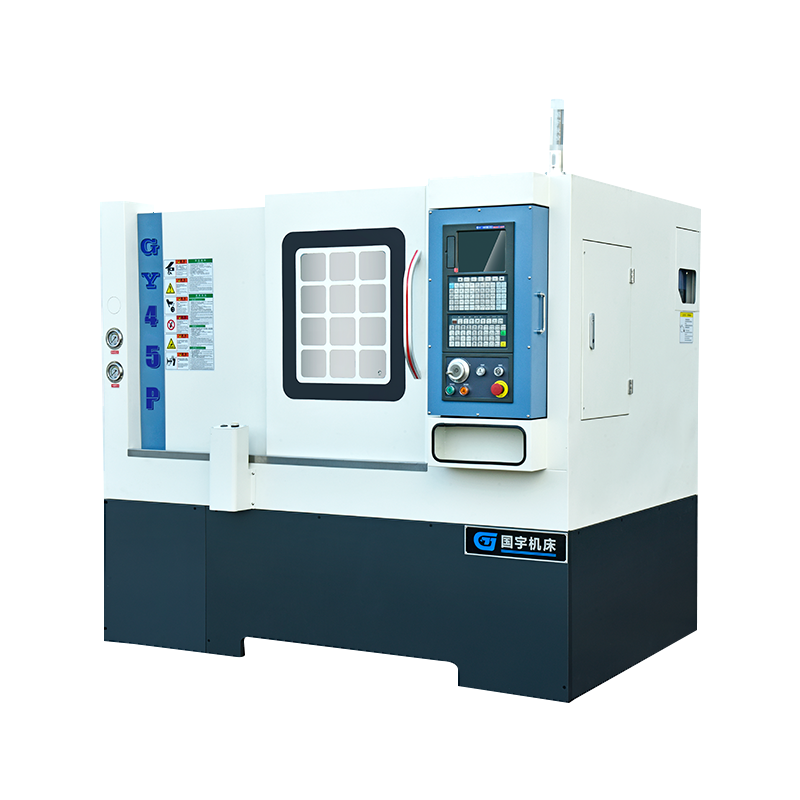
Heat builds up during operation. It may start small, but over time it can change how the machine behaves. In a turning environment, this is often noticed after the line has already been running for a while, not at the start.
That is one reason thermal compensation draws attention in machine planning. A CNC Lathe Supplier may describe the function in technical language, but in practice it is about keeping the machine response more even when conditions shift through the day.
The effect is usually seen in small ways. Parts may begin to feel less consistent after the machine has been working for long periods. Alignment can also become more sensitive when room temperature changes or when the spindle is under steady load.
Operators and process engineers often watch for:
These details are not dramatic, but they matter. In production work, small changes often show up in the next stage rather than the current one.
Spare parts are usually ignored until something wears out or stops working. Then the supply chain becomes part of the production problem. For that reason, spare part access is not a side topic. It is part of operational continuity.
A CNC Lathe Supplier may have a strong machine design, but if replacement parts are hard to obtain, the situation becomes less stable over time. The issue is not only whether parts exist, but whether they can be obtained in a usable timeframe and with clear matching information.
| What to check | What it shows in practice | Why it matters |
|---|---|---|
| Parts list clarity | Whether the machine is easy to support later | Reduces confusion during repair |
| Normal replacement items | How often common wear parts need attention | Helps plan downtime more calmly |
| Supply route | Whether parts come through one channel or several | Affects continuity when demand changes |
| Matching support | Whether the supplier helps identify the correct part | Avoids delays from incorrect orders |
Service is often judged only when a machine stops. At that moment, the quality of response becomes very visible. But the effect starts earlier, because regular maintenance support can influence how often issues appear initially.
With a CNC Lathe Supplier, response is not only about speed. It is also about whether the issue is understood clearly, whether the guidance is practical, and whether the repair process is easy to follow inside the workshop.
In daily use, continuous operation depends on several small things working together:
When service handling is slow or unclear, the line may not fully stop, but it often becomes less stable. Teams then start working around the problem instead of solving it directly, which usually creates more friction later.
Maintenance support is often more useful when it feels straightforward. Not elaborate, not distant, just clear enough to keep production moving in a steady way.
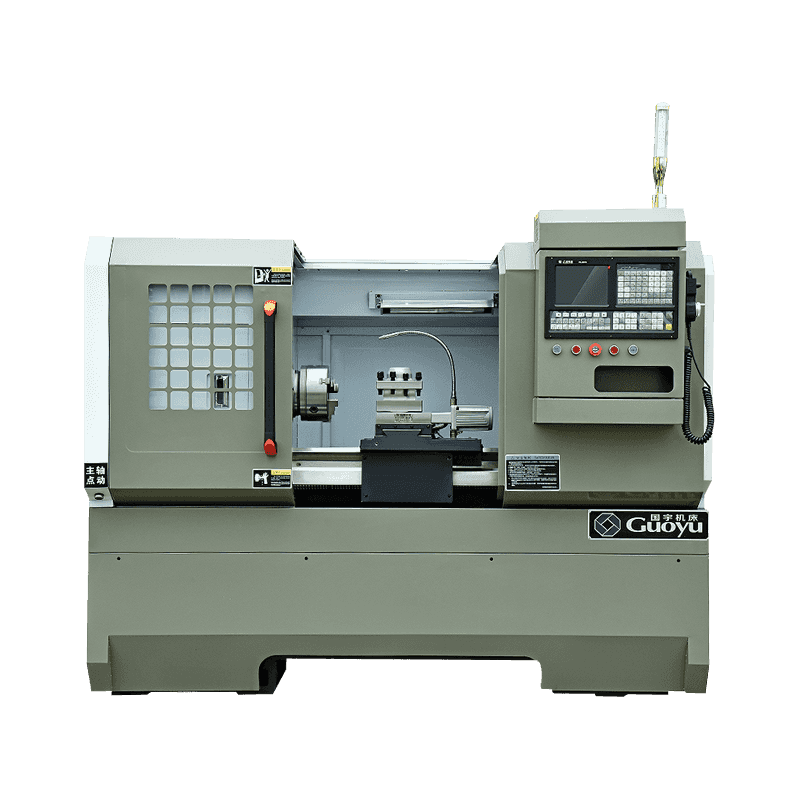
Technical Characteristics: It can cut all kinds of turning surfaces by bicycle, such as conical surf...
See Details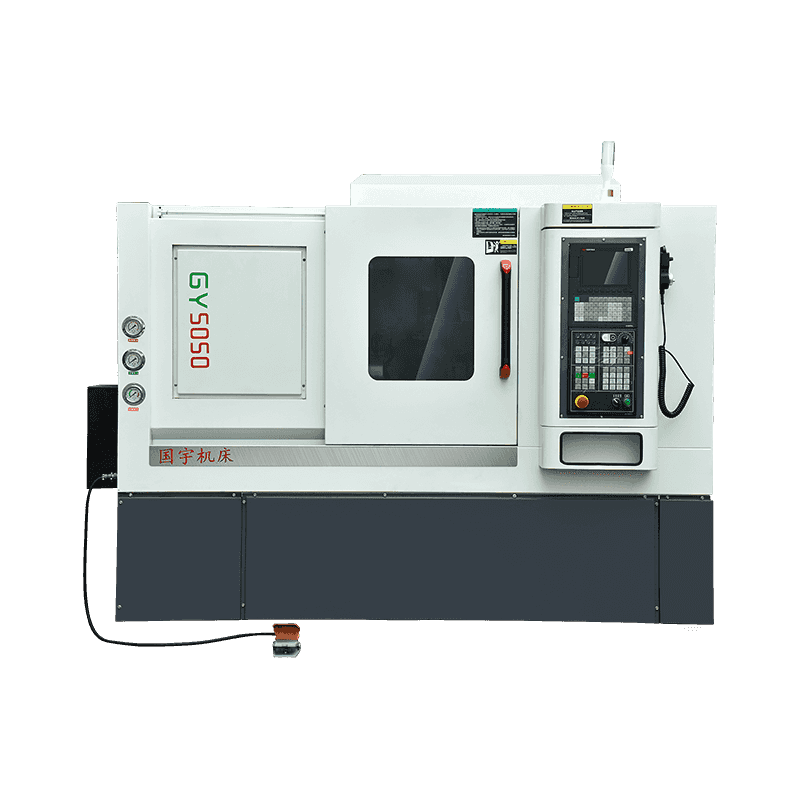
Technical Characteristics: The machine tool is of high precision, and the spindle is supported by hi...
See Details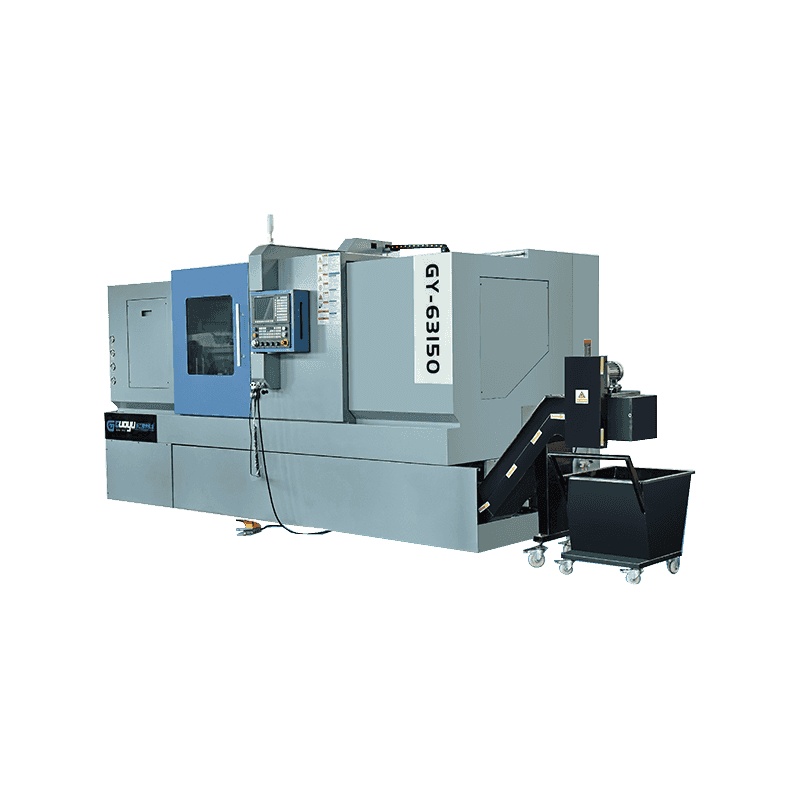
The Precision CNC Lathe With Programmable Tailstock For Connected Inclined Rail Tool Tower is just a...
See Details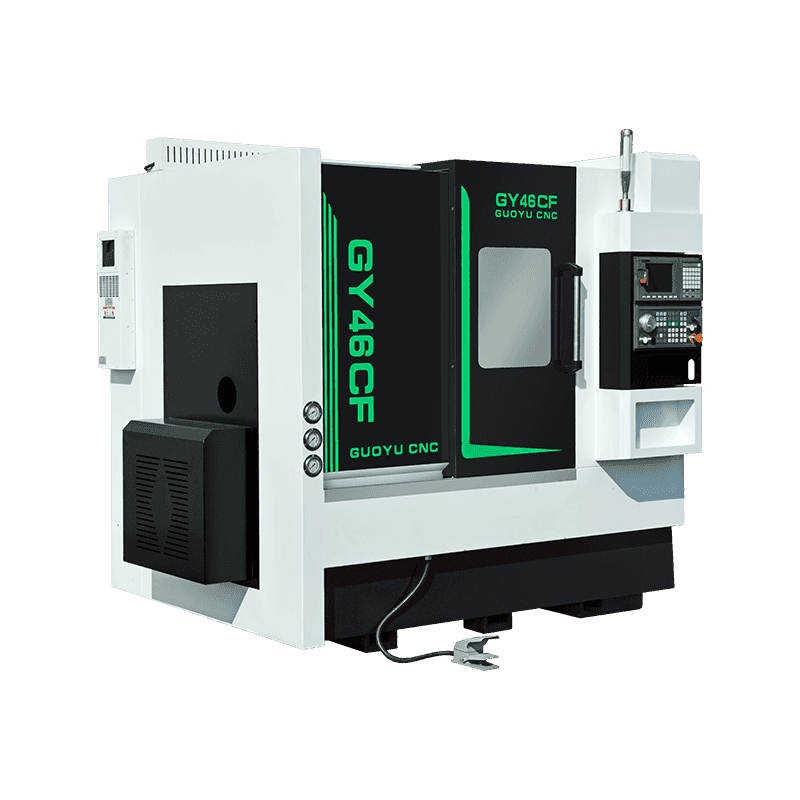
The 4+4 Type Precision CNC Lathe With Conjoined Oblique Rail Cutter Tower is a really practical, mul...
See Details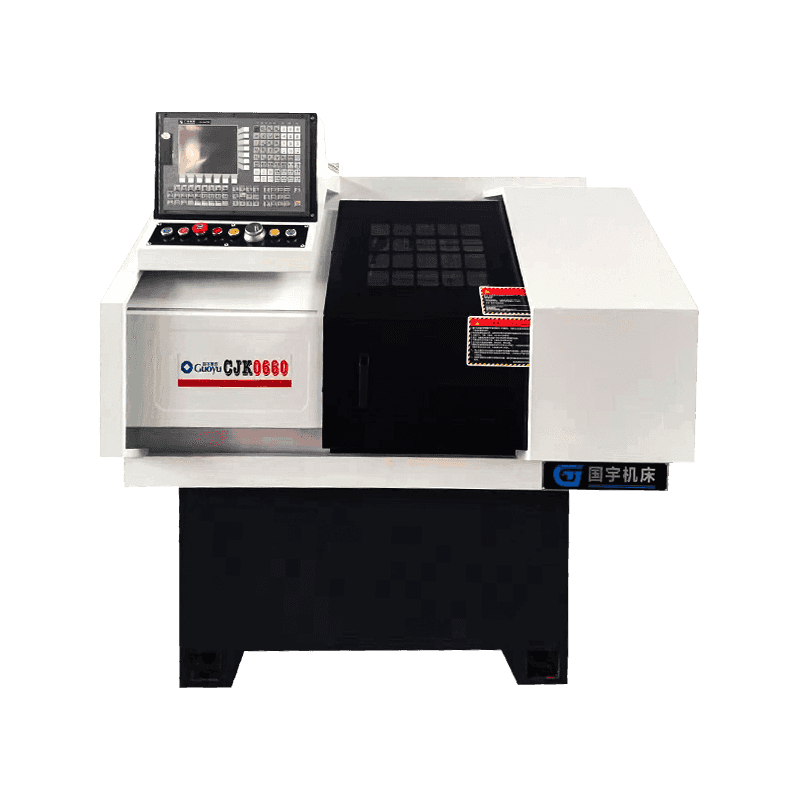
The Custom Precision Line Rail Precision CNC Lathe is just a really practical, compact machining sol...
See Details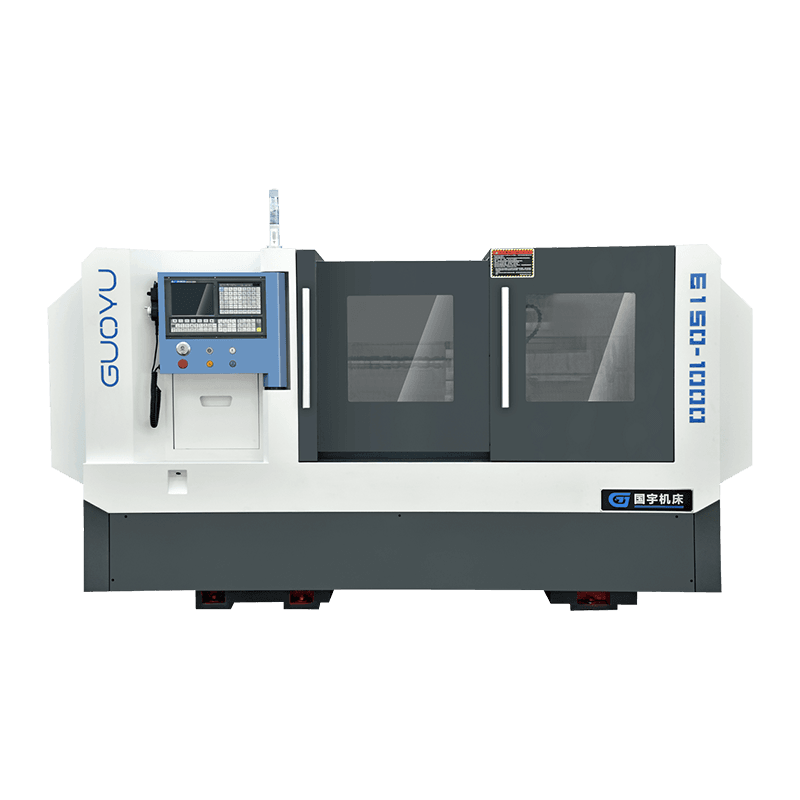
Technical Characteristics: It can cut all kinds of turning surfaces by bicycle, such as conical surf...
See Details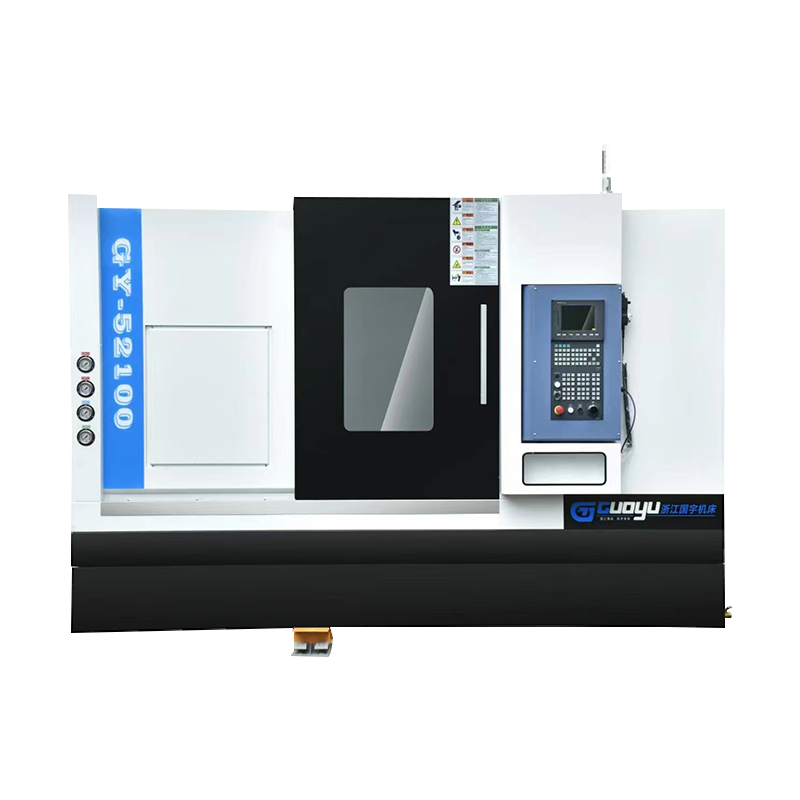
Technical Characteristics:Line Rail CNC lathes are integrally cast with 250 materials to ensure proc...
See Details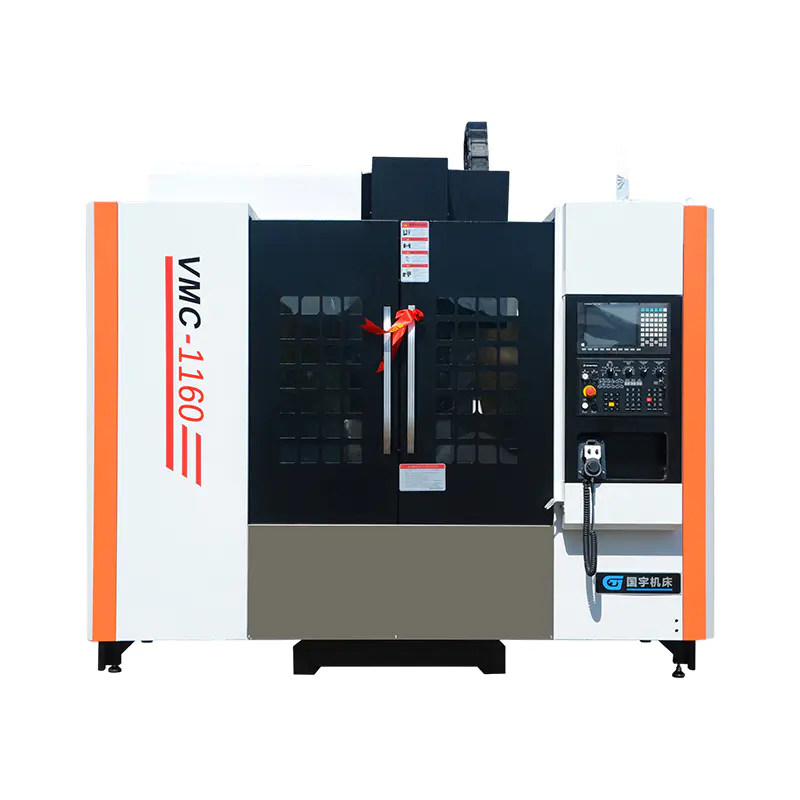
After-sales service commitment: 1. From the date of acceptance, the machine tool host is under warra...
See DetailsOur team of digital and business experts will guide you to the right direction.
Let's Talk
Zhejiang Guoyu CNC Machine Tool Co., Ltd. relies on rich experience, professional technology and advanced methods to ensure the quality of its products, so that customers can enjoy more professional and thoughtful service.
 [email protected]
 +86-15356565970
 Xialiang Industrial Area, Luqiao District, Taizhou City, Zhejiang Province, China
Copyright © Zhejiang Guoyu CNC Machine Tool Co., Ltd. All Rights Reserved.