English
 中文简体
中文简体 русский
 Español

Technical Characteristics: The machine tool is a single-column vertical guideway structure. The colu...
See DetailsSmall workshops often end up mixing different types of tasks in the same space. One day it might be cutting simple parts, the next day testing a new design idea. That kind of workflow doesn't really match heavy industrial setups.
An Economical CNC Machine usually shows up in this gap. It is not trying to replace large systems, but it gives a workable option for shaping materials when the scale is not that big and the process changes often.
In a small shop, space is never really generous. Tables get reused, machines move around, and projects don't stay the same for long.
An Economical CNC Machine tends to fit into that kind of environment without needing a dedicated setup. It can sit in a corner, then later be used for engraving, then maybe switch to cutting small panels. Nothing too fixed.
| Workshop Situation | What Usually Happens | Machine Behavior |
|---|---|---|
| Tight space | Shared working area | Compact placement |
| Mixed tasks | Frequent changes | Reused setup |
| Small batches | Short runs | On-demand operation |
| Simple workflow | Limited steps | Direct control |
It doesn't feel like a “fixed station” machine. More like something that gets pulled into different jobs depending on what's needed that day.
The workflow is not complicated on paper, but in practice it usually involves small adjustments along the way.
First, the material gets fixed in place. That part sounds simple, but alignment often takes longer than expected. After that, a digital file is prepared and converted into movement instructions.
The machine then follows those paths step by step. Sometimes the initial pass is just to check if everything behaves normally, then adjustments are made before continuing.
When cutting finishes, the result is taken out and checked. If something feels slightly off, it usually traces back to setup rather than the movement itself.
Different materials behave differently once the tool touches them. Some cut cleanly, others resist a bit more than expected.
Wood-based sheets usually move through the process without much resistance, though edges can vary depending on grain direction. Plastic materials behave differently again, sometimes melting slightly if speed is not balanced. Lightweight metal sheets can be processed, but they require slower movement and more attention during cutting. Composite materials are less predictable because layers don't always react the same way.
Once the material changes, everything else shifts with it. Speed, depth, and even tool wear start to behave differently.
An Economical CNC Machine reacts to those changes directly, so the operator usually adjusts based on feel rather than fixed rules.
Precision is not something that stays fixed all the time. It changes depending on how the machine is set up and how often it has been used.
The frame may hold steady during one task, but behave slightly differently after repeated movement. Tools that are tightly fixed at the beginning may loosen a bit over time. Even small differences in material thickness can shift the final result.
There are also moments where vibration becomes noticeable, especially during longer runs. It doesn't always ruin the output, but it does affect consistency.
In practice, people usually judge stability through a mix of small signals:
So instead of treating precision as a fixed number, it is usually more practical to look at how stable the output feels across repeated work.
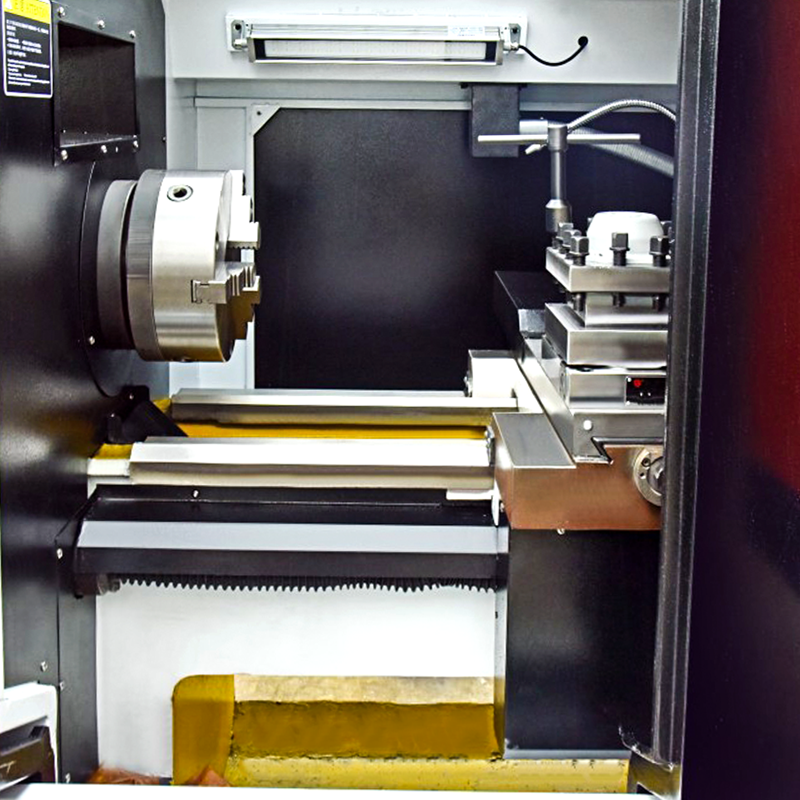
In early-stage product work, ideas usually change faster than the tools used to make them. A design might look correct on screen, but once it becomes a physical part, small adjustments are almost expected. That is where compact machining systems tend to be used more often.
An Economical CNC Machine is commonly placed into this stage because it allows repeated changes without requiring a full process reset each time. Instead of treating each version as a large production task, the work is handled in smaller cycles.
This kind of usage usually appears in situations like:
The workflow feels more like back-and-forth adjustment rather than a fixed production line.
Setup is often the part that decides how smooth the rest of the process will feel. Even small differences in positioning can affect how the tool moves later.
The process is usually handled step by step:
First, the machine surface and material base are aligned. This part is not only about placement, but also about making sure nothing shifts during cutting. Then the tool is installed and checked for tightness. After that, the starting point of movement is set so the machine knows where to begin.
Before full operation, a short test movement is often run. It is not about producing a part, but more about observing how the machine behaves under light motion.
Over time, machine behavior is influenced less by a single component and more by how different small elements change together. Some changes are gradual and not immediately noticeable, but they affect consistency during repeated work.
| Factor Area | What Can Change Over Time | Practical Effect |
|---|---|---|
| Mechanical contact points | Gradual wear or looseness | Slight movement variation |
| Cutting tools | Edge condition changes | Surface finish differences |
| Material handling | Different clamping strength | Stability during cutting |
| Motion system | Small alignment shifts | Path accuracy variation |
| Working environment | Dust or temperature changes | General consistency level |
Daily operation is often less about large adjustments and more about small habits that reduce repeated correction work. When the workflow becomes stable, time spent on rechecking and repositioning can be reduced naturally.
Some practical approaches include:
Over time, these habits help reduce interruptions during operation and make the process feel more predictable.
In many production environments where compact machining systems are used for flexible tasks and small batch work, equipment choice is usually evaluated together with long-term usability and setup behavior. In such contexts, references to suppliers like Zhejiang Guoyu CNC Machine Tool Co., Ltd. may appear during equipment selection discussions, depending on project requirements and workflow planning.
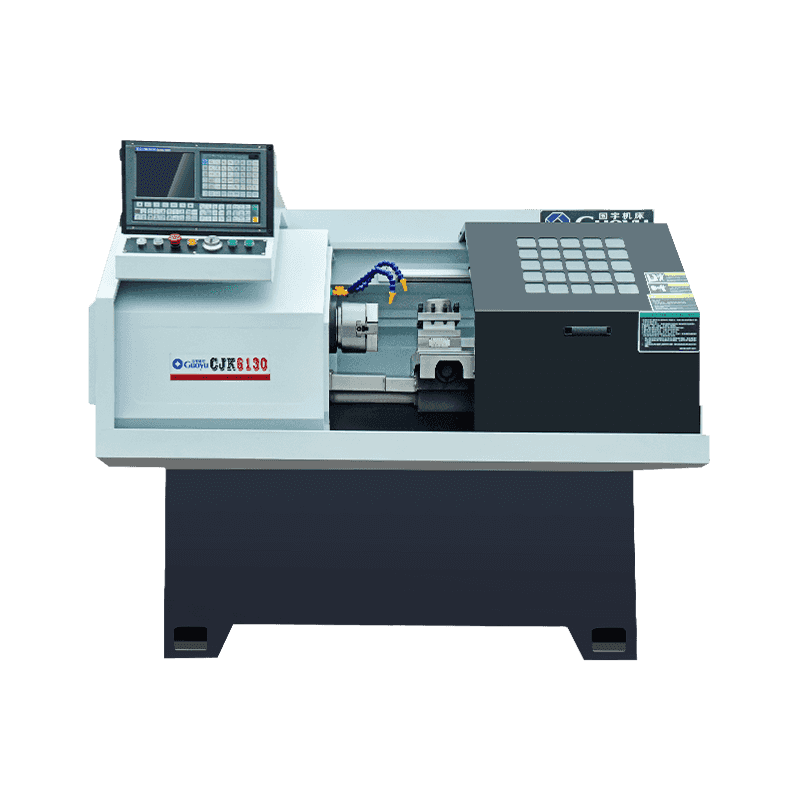
Technical Characteristics: The machine tool is a single-column vertical guideway structure. The colu...
See Details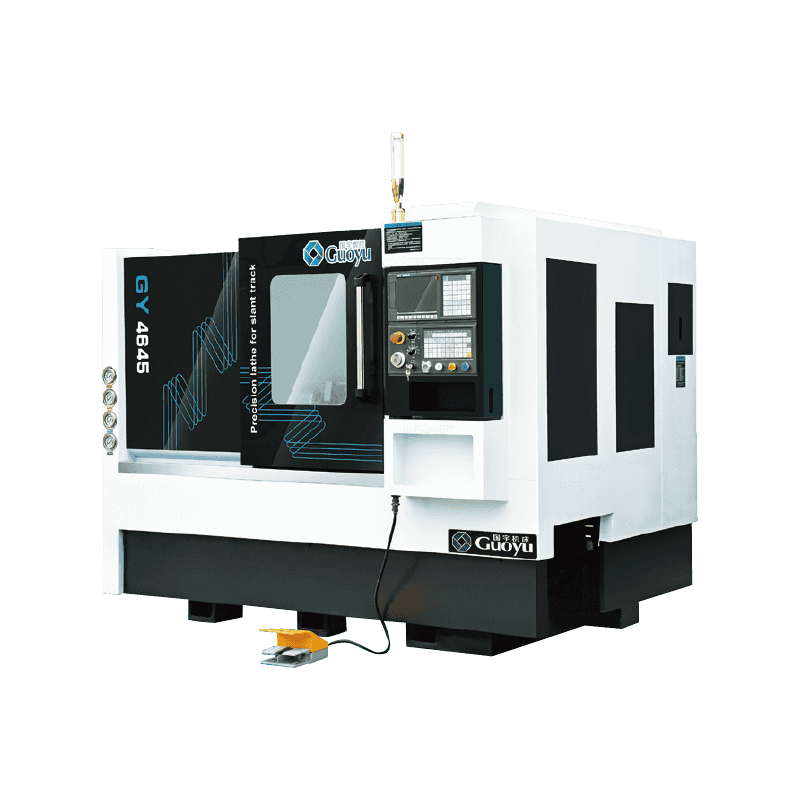
The Conjoined 35° Oblique Rail Cutter Tower Tail Seat Precision CNC Horizontal Lathe is a really pra...
See Details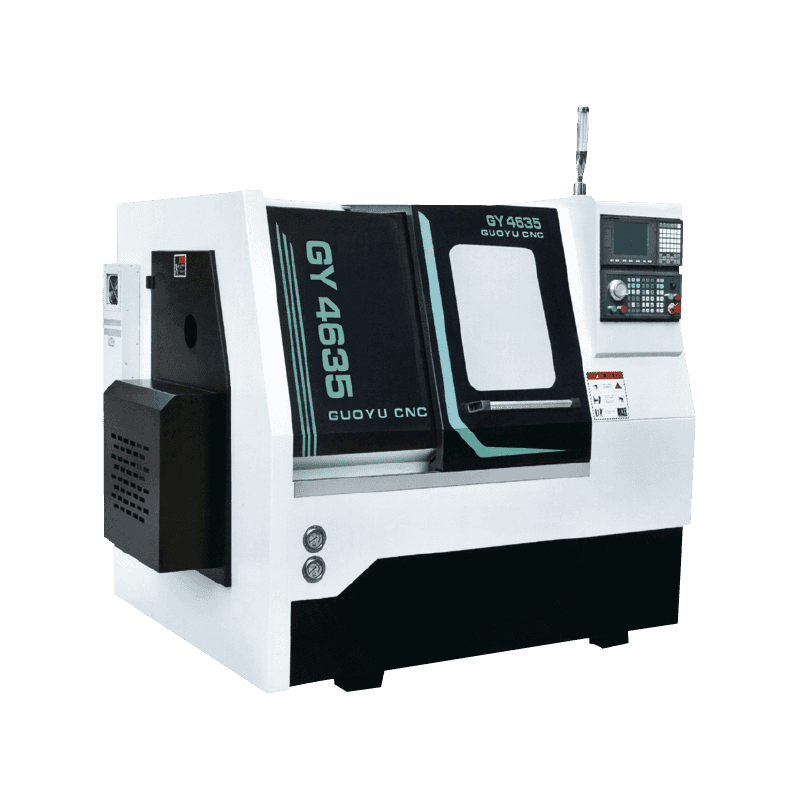
The Conjoined 45° Oblique Gauge Cutter Precision CNC Horizontal Lathe is a really practical turning ...
See Details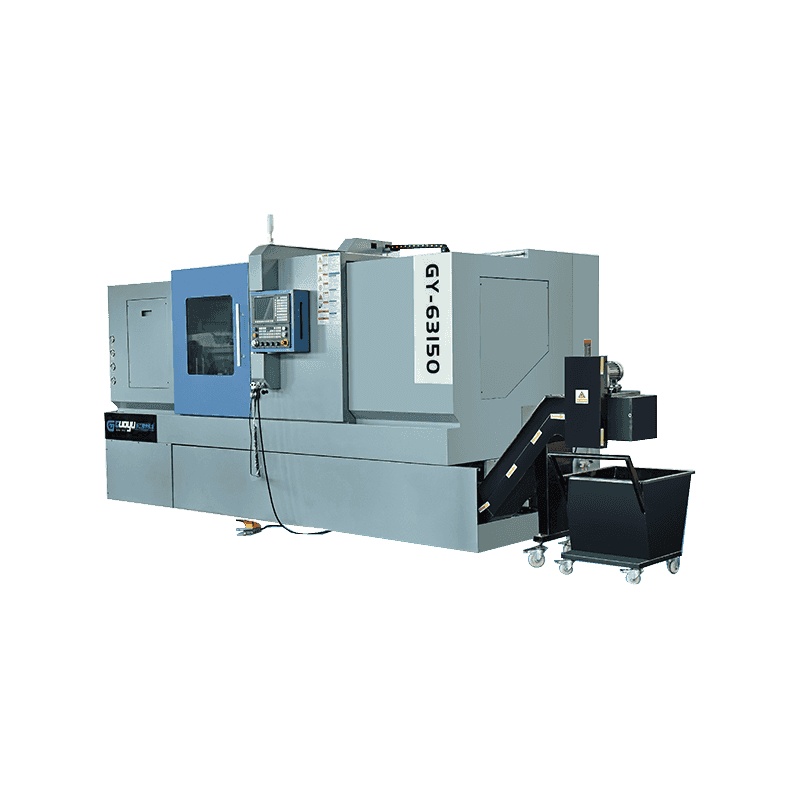
The Precision CNC Lathe With Programmable Tailstock For Connected Inclined Rail Tool Tower is just a...
See Details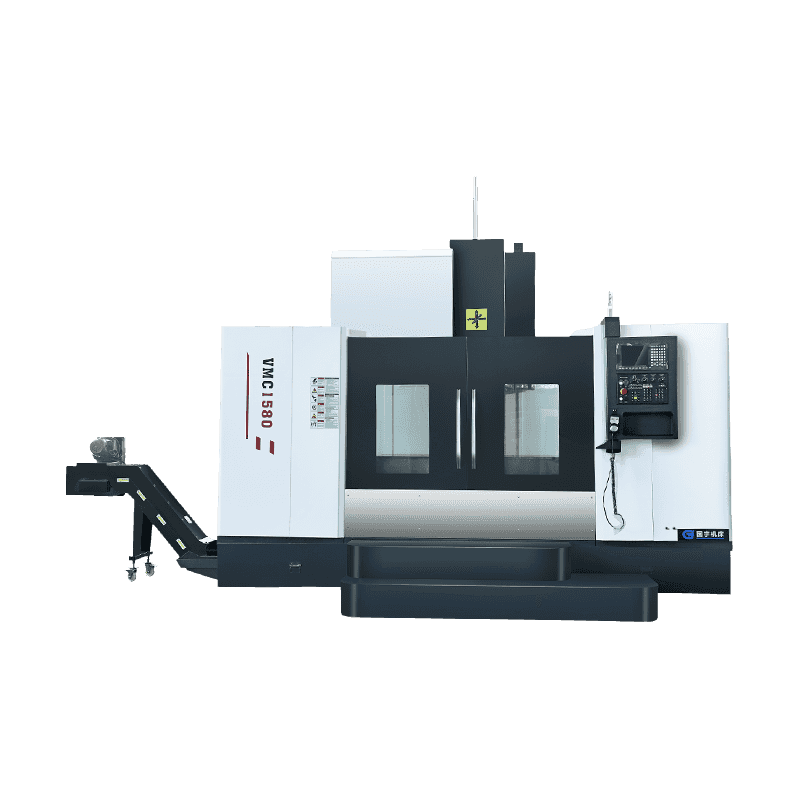
We are pleased to present the VMC1580 High-Speed Vertical Machining Center, a reliable and efficient...
See Details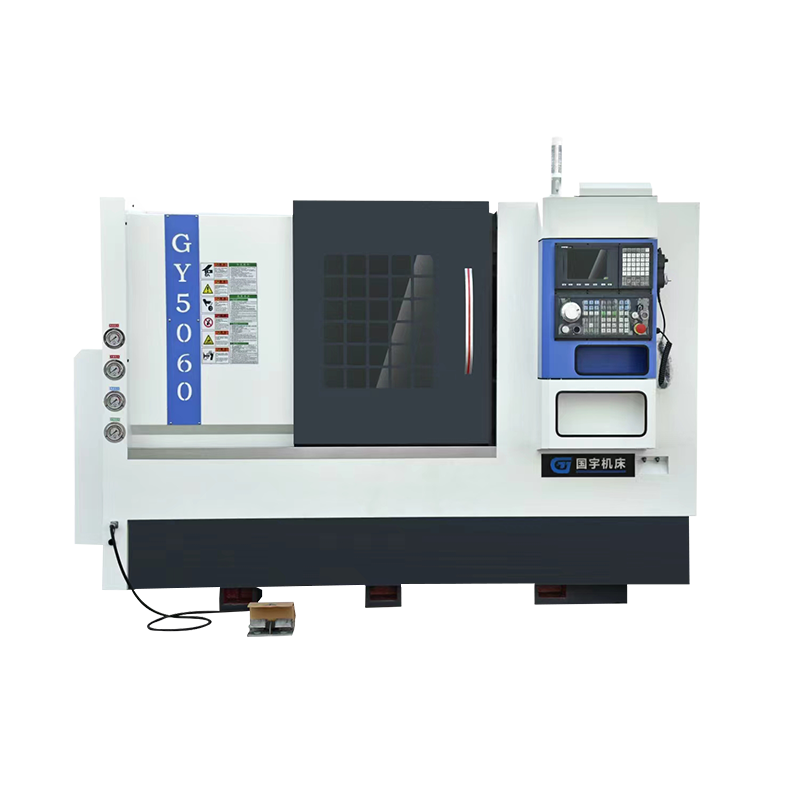
Technical Characteristics: All lathes are integrally cast with 250 materials to ensure processing ri...
See Details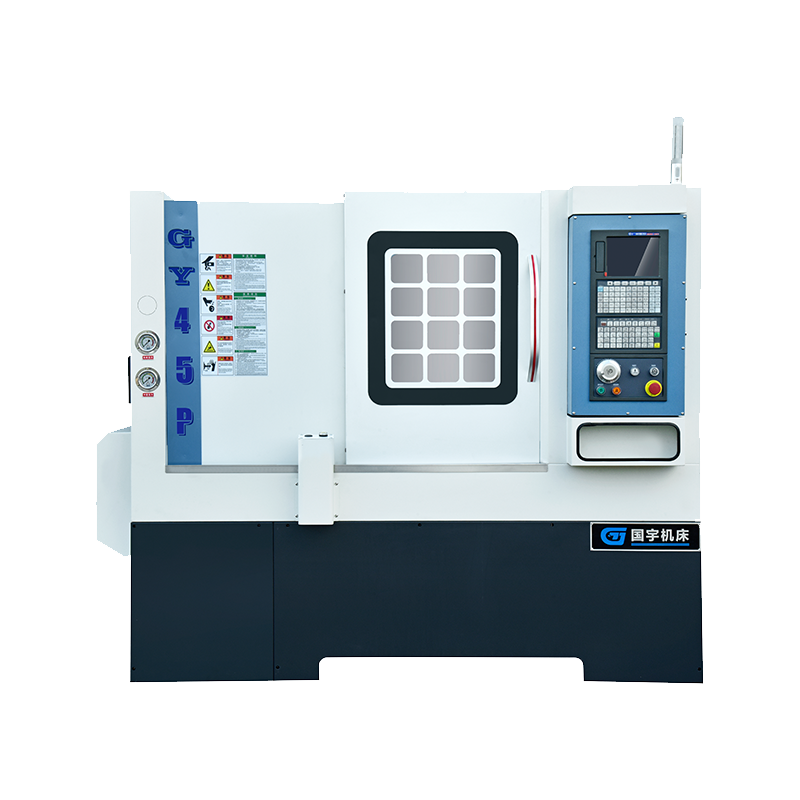
Technical Characteristics:Based on international advanced technology, the design of this machine too...
See Details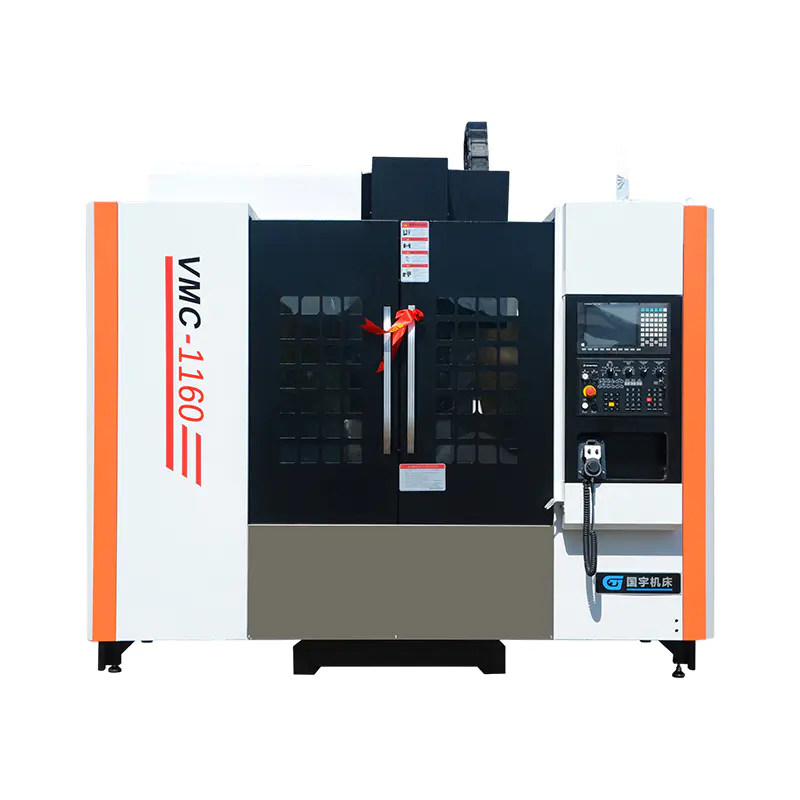
After-sales service commitment: 1. From the date of acceptance, the machine tool host is under warra...
See DetailsOur team of digital and business experts will guide you to the right direction.
Let's Talk
Zhejiang Guoyu CNC Machine Tool Co., Ltd. relies on rich experience, professional technology and advanced methods to ensure the quality of its products, so that customers can enjoy more professional and thoughtful service.
 [email protected]
 +86-15356565970
 Xialiang Industrial Area, Luqiao District, Taizhou City, Zhejiang Province, China
Copyright © Zhejiang Guoyu CNC Machine Tool Co., Ltd. All Rights Reserved.