English
 中文简体
中文简体 русский
 Español

Technical Characteristics: It can cut all kinds of turning surfaces by bicycle, such as conical surf...
See DetailsProduction changeovers can become a hidden source of lost time in a machining shop, especially once orders start varying frequently and equipment has to shift from one job to the next without much warning. A few minutes lost here and there adds up fast over a full shift.
A Precision CNC Lathe can support a more organized changeover process by making setup activities easier to repeat, helping operators prepare jobs consistently, and cutting down on unnecessary interruptions between production runs. The machine alone doesn't solve everything, but it gives operators something predictable to build a routine around.
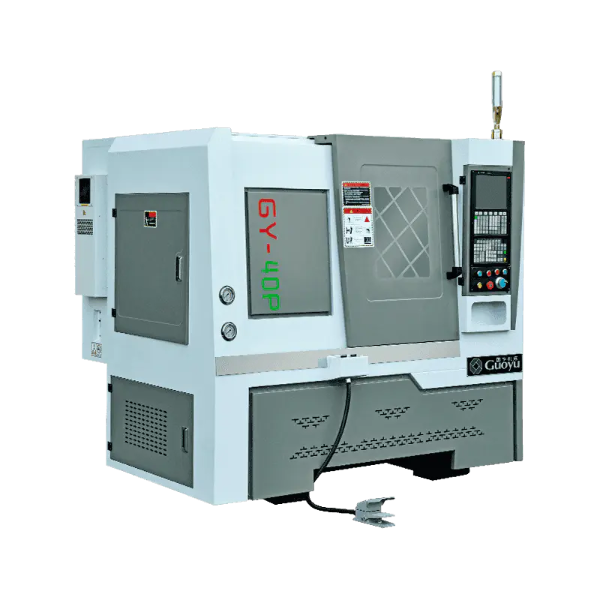
The value of faster changeovers isn't simply about getting the next part started sooner than usual. It also involves keeping the shop floor organized, reducing confusion between overlapping orders, and letting production teams respond more smoothly when customer requirements shift midweek.
For shops handling different workpieces throughout the day, the way a machine supports setup and job transitions can have a real, noticeable effect on everyday production flow.
A changeover involves a lot more than simply stopping one order and starting another right away. Operators may need to remove materials from the previous job, prepare new workpieces, adjust tooling, review job information, check the setup, and confirm the machine's actually ready for the next task on the schedule.
Each activity might look small when considered on its own. Together, though, they can create a genuinely significant interruption if the whole process isn't well organized from the start.
Common changeover activities include the following.
| Changeover Activity | Production Consideration |
|---|---|
| Previous job removal | Clears the machine for the next order |
| Material preparation | Ensures the new job is ready |
| Tool preparation | Supports the next machining task |
| Setup adjustment | Matches the machine to the new work |
| Program selection | Provides the required production instructions |
| Initial checking | Helps confirm the setup before regular production |
The challenge grows a lot bigger when a shop handles many different orders with changing requirements week to week. A poorly planned transition can also ripple out and affect other activities happening around the machine.
Workers may end up searching for tools, hunting down materials, confirming job information, or waiting on another task to wrap up before they can continue. This means changeover speed depends partly on the machine itself and partly on the organization surrounding it on the floor.
A Precision CNC Lathe can contribute to an organized setup by pulling many production activities into one controlled machining environment. The machine itself doesn't eliminate every preparation task on its own, though.
Instead, it provides a consistent foundation that operators can organize the transition from one order to another around. When a shop uses repeatable setup practices, operators get to follow familiar steps, rather than inventing a slightly different process for every single job that comes through.
This makes the transition a lot easier to understand for everyone involved. A clear setup routine may involve preparing materials, confirming job information, arranging required tools, checking the machine condition, and reviewing the next production task before the previous order gets fully cleared out.
The operator can then move through the process without repeatedly stopping to figure out what happens next. This approach proves particularly useful when several orders get scheduled close together on the calendar.
A predictable setup process also makes responsibilities a lot easier to divide among workers on the floor. One person may prepare materials while another handles machine-related preparation, depending on the shop's workflow and safety procedures already in place. The result is a changeover process that depends a lot less on improvisation and guesswork.
Standardization can make repeated production activities a lot easier to manage day after day. A shop doesn't need every job to follow the exact same procedure, but common preparation steps can create a useful structure to lean on.
Operators, for example, can use a familiar checklist covering machine condition, material availability, tooling, job information, and initial inspection before diving in. The checklist doesn't replace operator judgment at any point in the process. It simply reduces the chance that a basic preparation task slips through the cracks unnoticed.
| Standardized Area | Possible Benefit |
|---|---|
| Material preparation | Reduces waiting for workpieces |
| Tool organization | Makes required items easier to locate |
| Job documentation | Clarifies the next production task |
| Machine cleaning | Provides a clear starting condition |
| Setup checks | Helps identify issues before production continues |
The same principle applies across different orders running through the shop. When operators recognize the basic sequence already, they spend a lot less time deciding how to even begin each transition.
This proves especially helpful for shops where production changes frequently throughout the week. Standardized practices also make training a lot easier, since newer operators can learn a defined workflow, rather than relying entirely on informal instructions passed along verbally. Over time, a familiar setup routine becomes part of the normal rhythm of the shop floor without anyone thinking twice about it.
Tool preparation is often closely tied to changeover time, more than people initially expect. If required tools sit stored far from the machine or get mixed in with items from other jobs, operators end up spending unnecessary time just hunting for what they actually need.
Good organization creates a clearer connection between the upcoming order and the items required to actually produce it. Tools can get prepared before the previous job has fully wrapped up, when the shop's workflow allows for that safely.
This creates an important distinction worth remembering between machine preparation and machine downtime. Some preparation can happen away from the machine entirely, off to the side.
Workers, for example, may organize tools, review job information, prepare materials, and confirm supporting items before the machine even becomes available for the next order. This reduces the amount of work that has to happen while the machine sits there waiting idle.
A Precision CNC Lathe therefore becomes part of a wider changeover strategy, rather than getting treated as the only factor affecting setup speed on the floor. The machine provides the production platform, while organized preparation elsewhere helps make that platform ready for the next order coming in.
Frequent order changes can create real clutter if materials, documents, tools, and finished parts aren't clearly separated from each other. A busy shop floor can turn confusing pretty fast when several jobs are getting processed at the same time.
One order may be waiting for machining while another's already in prep nearby. Without clear organization, workers end up spending time just checking which material belongs to which job before they can even start.
Simple visual organization can cut down on this confusion considerably. Each order can get a clearly identified preparation area where its materials and supporting items stay together, according to whatever procedures the shop already follows.
This creates a physical connection between the order itself and the resources needed to process it properly. The machine area should also stay clear enough for safe and efficient operation throughout the shift.
| Shop Floor Area | Organizational Purpose |
|---|---|
| Material area | Keeps upcoming work accessible |
| Tool area | Supports preparation and retrieval |
| Machine area | Provides a clear working space |
| Inspection area | Separates checking activities |
| Finished-part area | Keeps completed work organized |
A well-organized floor makes a changeover feel a lot simpler, since fewer decisions need to get made mid-transition. It also helps workers actually understand what's happening around them at any given moment.
When production schedules shift unexpectedly, this visibility makes it a lot easier to rearrange tasks without creating unnecessary confusion for the whole team.
Modern machining shops often receive a mixture of production orders coming through at once. Some jobs may involve repeated production of the same workpiece over and over, while others need a shorter run before the machine moves on to something else entirely.
This creates a practical challenge worth thinking through. Long production runs can make a changeover seem less important, simply because the setup gets spread across a larger amount of production overall.
Shorter orders make setup efficiency a lot more noticeable, since the machine changes from one job to another more often throughout the day. A Precision CNC Lathe can fit into both situations well, once the shop develops repeatable preparation methods that actually stick.
The key here isn't simply the type of order coming through. It's how easily the production team can actually prepare for the next task ahead of time.
For shorter runs, organized setup procedures help reduce the disruption created by frequent order changes piling up. For longer runs, preparation for the next order can start while the current production task is still underway, whenever that's practical to arrange.
This creates a much smoother transition between production stages overall. The approach also helps shops manage mixed schedules without treating every single order as a completely separate process from scratch.
One genuinely useful way to improve changeovers is preparing as much as possible before the current production task even finishes up. The idea itself is fairly simple.
Instead of waiting for the machine to stop before beginning every preparation activity, workers can identify the requirements of the upcoming order well in advance. Materials can get located ahead of time. Tools can get organized on a nearby cart. Job information can get reviewed while the current job's still running. Supporting equipment can get prepared according to normal workplace procedures already in place.
This doesn't mean every task should happen while the machine's actively operating, though. Safety remains the priority throughout, and machine-related work should only happen when the equipment is in a suitable, stopped condition.
The practical goal is separating preparation that can safely happen away from the machine from activities that genuinely require the machine to be stopped first. This distinction can make the actual changeover shorter and a lot easier to control overall.
It also gives workers a clearer sense of what needs to happen before the next order even begins. A Precision CNC Lathe becomes a lot more effective in this setting, since the machine gets supported by preparation elsewhere, rather than carrying the entire burden of the changeover process alone.
People play a genuinely important role in production changeovers, arguably more than the equipment itself. Even when equipment and procedures are well organized on paper, operators still need to make judgment calls based on the job, workplace conditions, and production requirements in front of them.
Consistent working habits can help reduce unnecessary variation between changeovers happening across the week. Operators can develop routines around preparing the work area, checking required materials, confirming job information, and keeping frequently used items in familiar spots they can find without thinking.
Clear communication matters quite a bit too, especially when more than one person's involved in the same changeover. If one worker prepares materials while another handles the machine itself, both people need to understand which order's being worked on and what still remains to get done.
Simple communication can prevent duplicated work from happening across the team. It can also reduce those situations where one person's standing around waiting for another without really knowing why.
Training supports this consistency over time. New operators can learn not only how to run a Precision CNC Lathe, but also how their machine fits into the wider production process happening around them. This broader understanding helps them recognize that changeover efficiency depends on preparation, organization, communication, and machine readiness all working together at once.
Changeover planning affects a lot more than just the period between two orders sitting back to back. When transitions become easier to manage, the production schedule itself becomes a lot more flexible for the whole shop.
A shop may be able to arrange different orders according to available materials, workforce needs, machine conditions, and delivery priorities without creating unnecessary disruption along the way. Planning also encourages workers to think about the next job before the current job even wraps up.
This forward-looking approach can surface missing materials or unclear instructions a lot earlier than they'd otherwise show up. Finding a problem before the changeover even begins is generally a lot easier to manage than discovering it after the machine's already stopped and everyone's standing around.
A simple planning process might include the following steps.
The exact process will naturally vary between shops depending on their setup. The important point is that preparation should begin well before the transition becomes urgent and everyone's scrambling.
This can make production movement a lot more predictable across the week. It also helps operators keep their attention on the current job, while knowing the next order's already quietly being prepared in the background.
Changeover needs should get considered right alongside everyday production requirements when selecting a Precision CNC Lathe. A machine may end up running many different orders over its lifetime, so ease of setup and practical operation can matter just as much as the machining task itself.
Shops can think through how clearly operators can access controls, prepare jobs, organize supporting tools, and move between different production tasks without friction. The physical arrangement around the machine deserves real attention too.
There should be enough practical space for materials, tools, inspection activities, and general movement without creating unnecessary obstacles for workers walking around. A machine that fits naturally into the existing workflow tends to be a lot easier to integrate than one that forces workers to reorganize every surrounding activity around it.
| Selection Consideration | Changeover Relevance |
|---|---|
| Ease of operation | Helps operators follow familiar procedures |
| Setup accessibility | Supports practical job preparation |
| Tool organization | Reduces unnecessary searching |
| Material handling | Supports smoother order transitions |
| Machine layout | Helps maintain a clear work area |
| Operator familiarity | Supports consistent daily routines |
The right choice depends heavily on the shop's products, workflow, workforce, and production schedule already in place. There's no single setup that suits every manufacturing environment out there.
What genuinely matters is whether the machine can support the way the shop actually handles orders day to day. When equipment selection and shop floor organization get considered together from the start, changeovers can become a planned part of production, rather than an interruption workers simply have to manage on the fly.
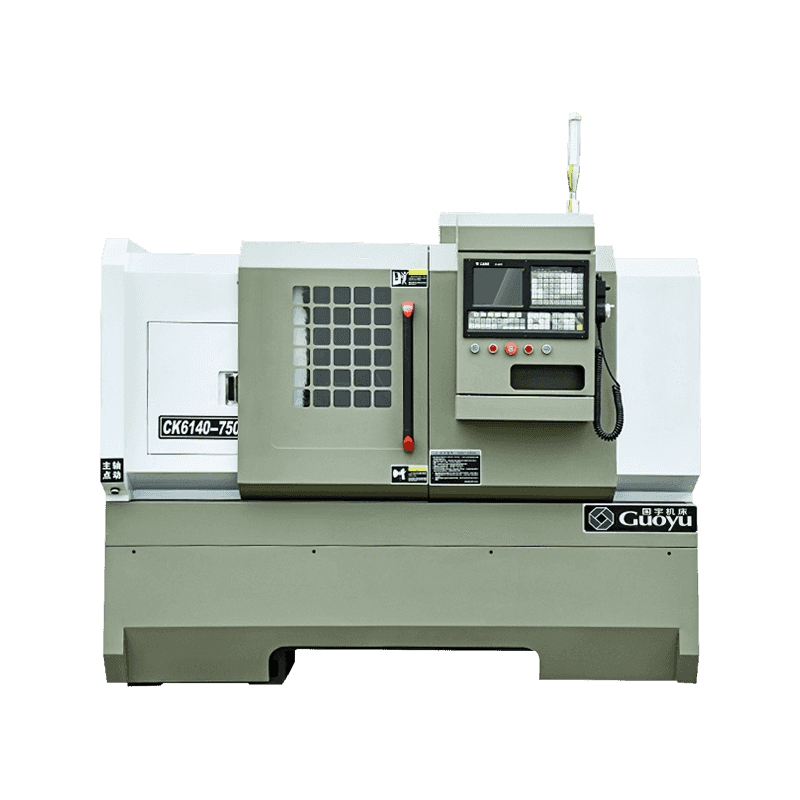
Technical Characteristics: It can cut all kinds of turning surfaces by bicycle, such as conical surf...
See Details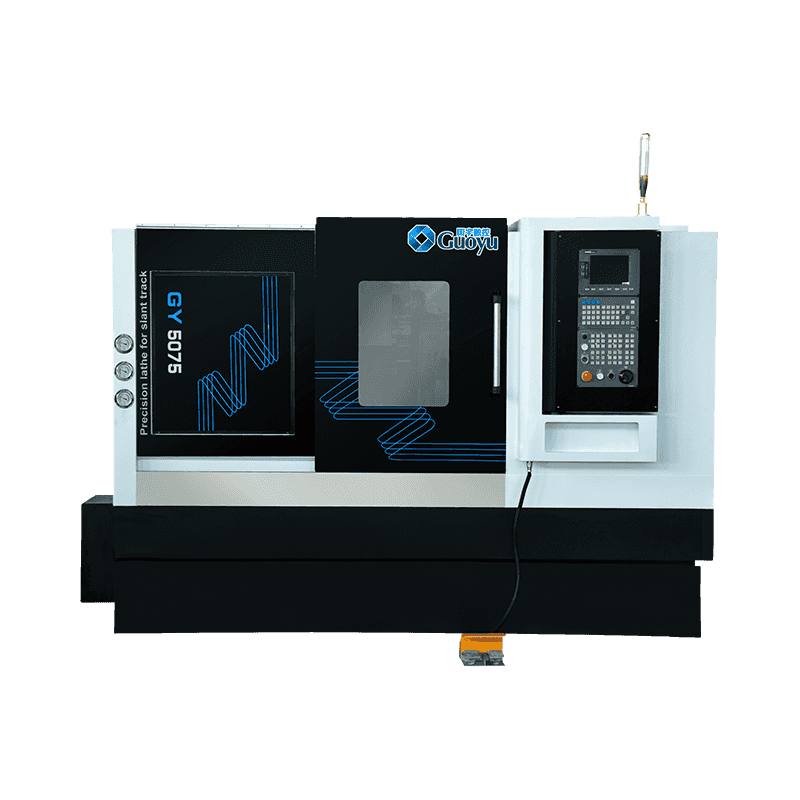
Technical Characteristics: The CNC machine tool for inclined beds adopts the domestic or imported hi...
See Details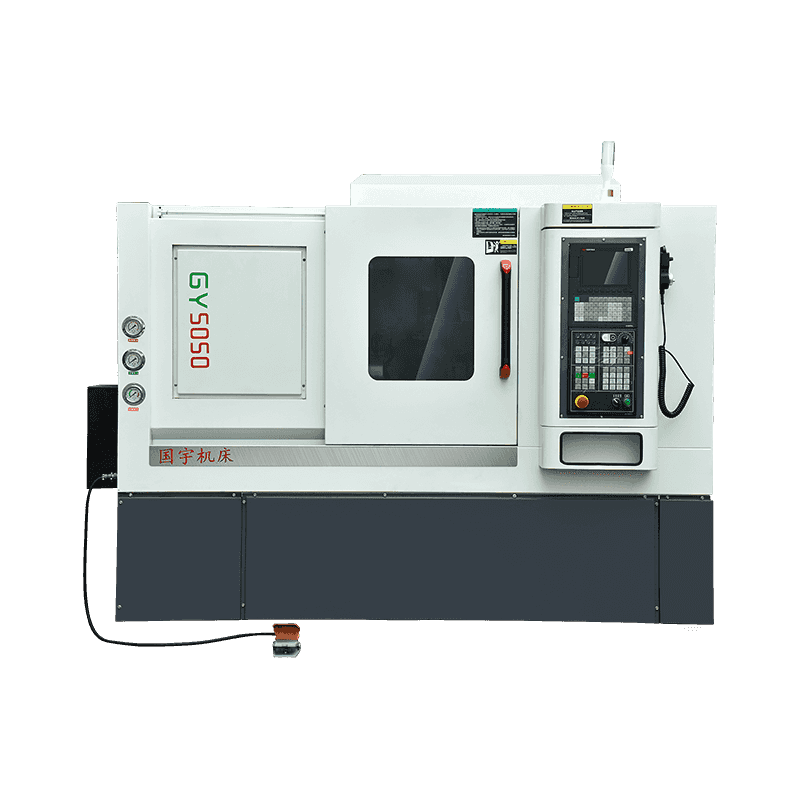
Technical Characteristics: The machine tool is of high precision, and the spindle is supported by hi...
See Details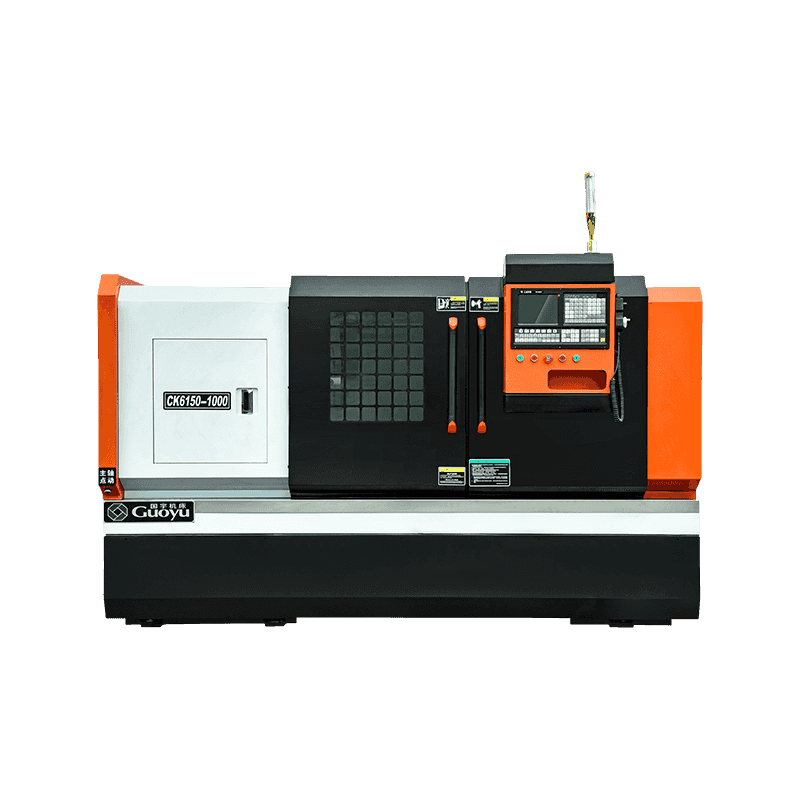
The Heavy Cutting Hard Guideway CNC Lathe For Metal Cutting is a really tough, heavy-duty machining ...
See Details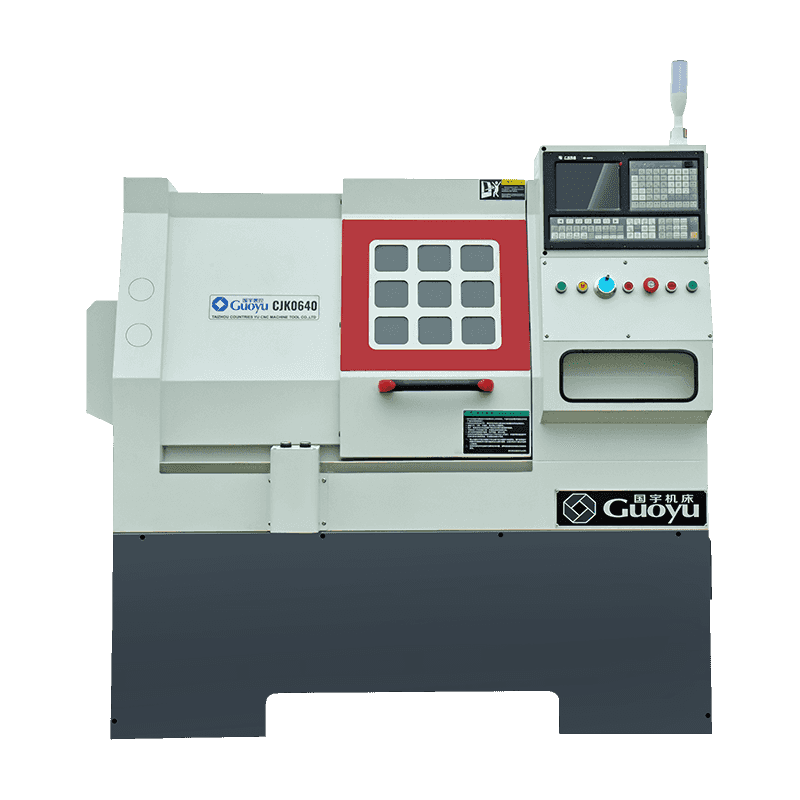
Technical Characteristics: The machine tool is equipped with a quantitative automatic lubrication sy...
See Details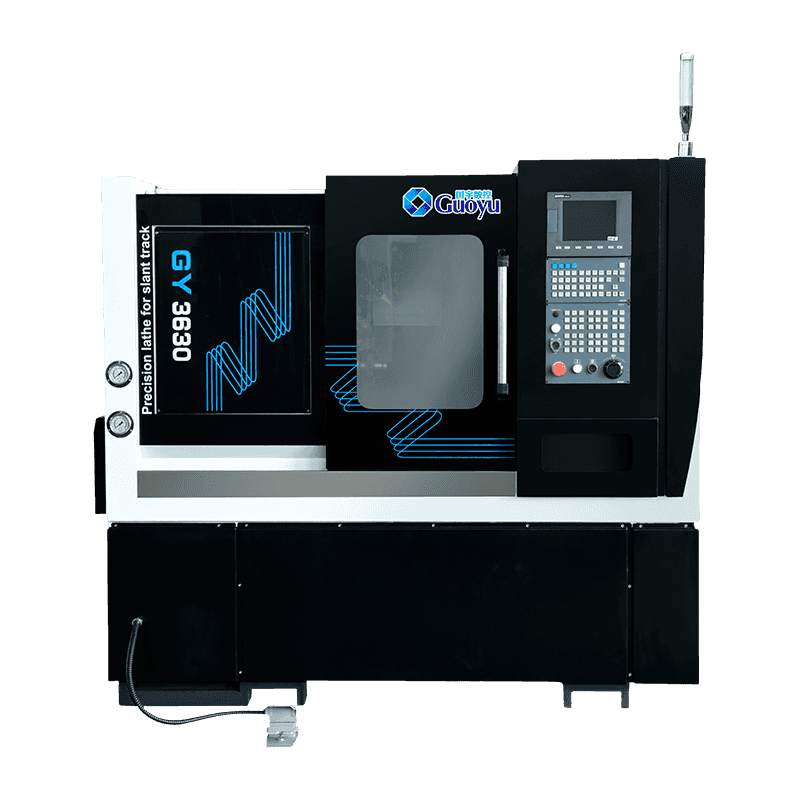
The Conjoined 45° Oblique Gauge Cutter Precision CNC Lathe is a really practical machining solution ...
See Details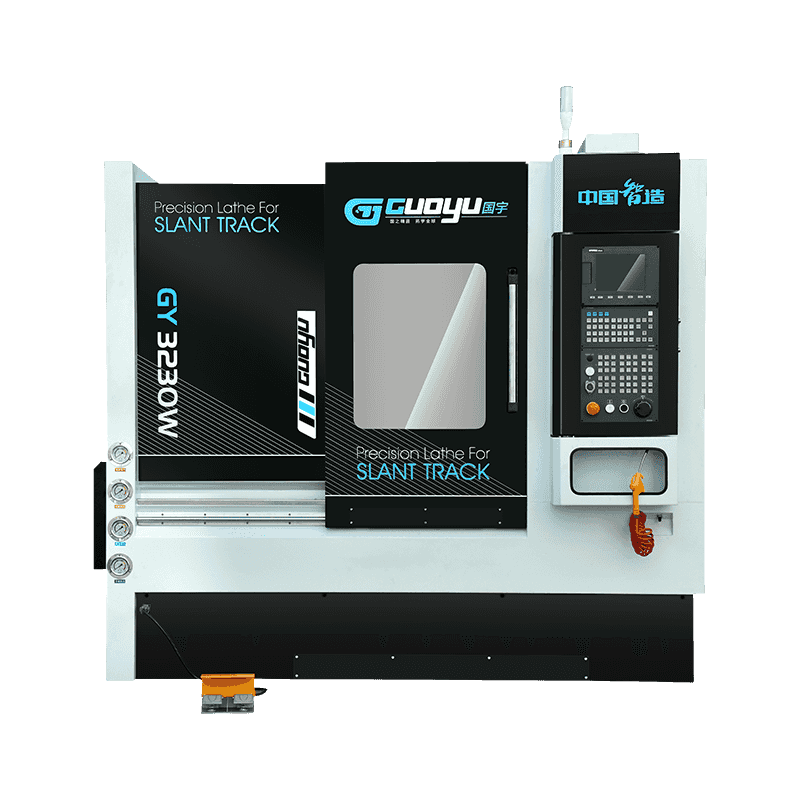
Technical Characteristics: The machine tool is of high precision, and the spindle is supported by hi...
See Details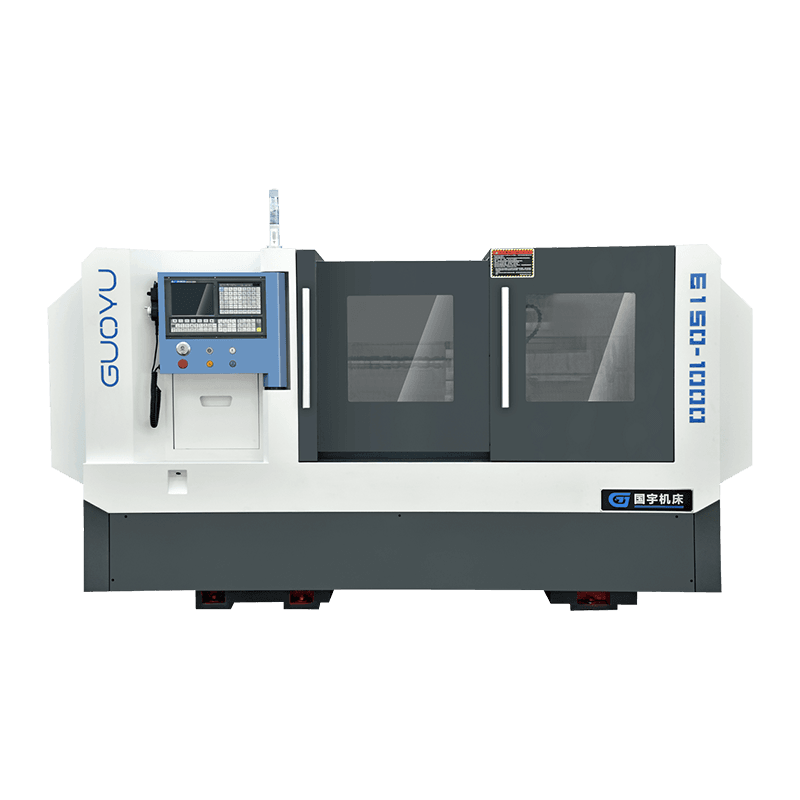
Technical Characteristics: It can cut all kinds of turning surfaces by bicycle, such as conical surf...
See DetailsOur team of digital and business experts will guide you to the right direction.
Let's Talk
Zhejiang Guoyu CNC Machine Tool Co., Ltd. relies on rich experience, professional technology and advanced methods to ensure the quality of its products, so that customers can enjoy more professional and thoughtful service.
 [email protected]
 +86-15356565970
 Xialiang Industrial Area, Luqiao District, Taizhou City, Zhejiang Province, China
Copyright © Zhejiang Guoyu CNC Machine Tool Co., Ltd. All Rights Reserved.