English
 中文简体
中文简体 русский
 Español

The Precision CNC Lathe With Programmable Tailstock For Connected Inclined Rail Tool Tower is just a...
See DetailsPart manufacturing keeps drifting toward shapes that don't fit neatly into simple machining routines anymore. A single component might carry small grooves, curved surfaces, narrow sections, and several other features all at once, close enough together that they start to interact with each other during machining.
That shift puts more weight on both the machining equipment and the planning that happens before a part ever gets loaded into the machine. A High Precision CNC Lathe can offer a controlled setup where these kinds of designs get worked through as a sequence of carefully arranged cutting steps, rather than one continuous pass.
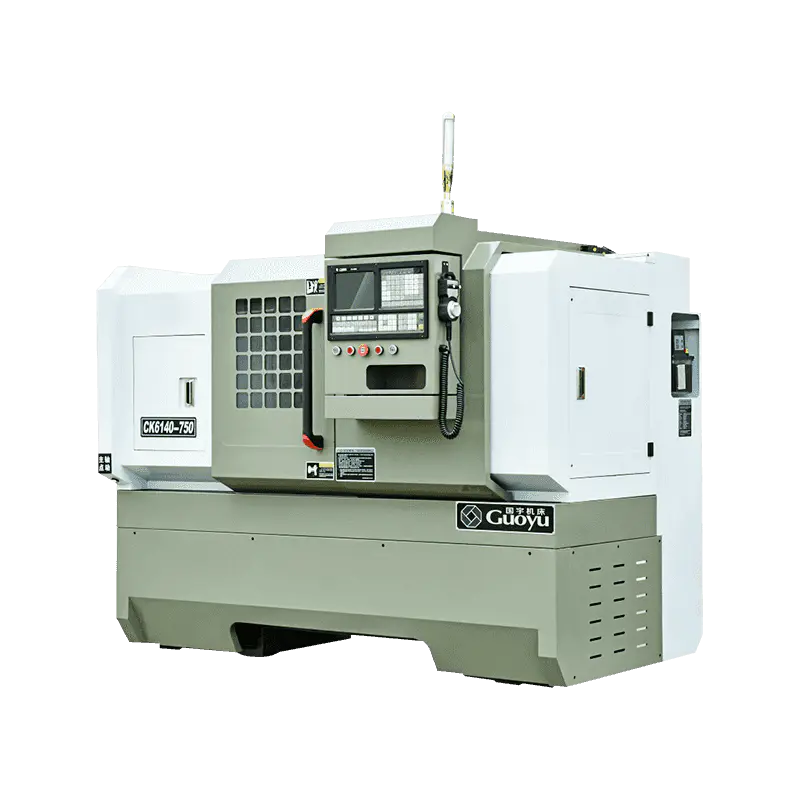
Producing a complicated shape is only part of the problem, though. Manufacturers also have to figure out how the workpiece gets held in place, how the tool reaches each surface without bumping into something it shouldn't, how the cutting steps get ordered, and how the finished part stays consistent as it moves from one stage of production to the next.
A Precision CNC Lathe helps by coordinating movement and cutting according to a machining plan that's been worked out ahead of time. The machine repeats what it's told to do, which frees manufacturers up to focus on adapting that plan to different part geometries instead of fighting inconsistent results.
As part designs pick up more detail, the relationship between what a machine can actually do and how well the production is planned starts to matter more, not less. That's part of why a High Precision CNC Lathe gets considered in situations where a conventional turning setup doesn't leave enough room to handle the part structure being asked for.
A simple turned component usually has a fairly plain outer surface and a short list of machining steps. Parts that get more complicated tend to combine several shapes that all have to survive being cut without damaging the features sitting next to them.
One component might carry curved contours, recessed areas, threaded sections, grooves, shoulders, and a mix of other surface forms. Each of those features tends to bring its own machining requirement along with it, and that gets trickier when several of them sit close together on the same part.
| Part Feature | Manufacturing Consideration |
|---|---|
| Curved contour | Needs controlled tool movement |
| Narrow groove | Needs tool access that actually fits |
| Recessed section | Needs careful positioning |
| Threaded area | Needs coordinated cutting |
| Multiple shoulders | Needs a planned machining sequence |
| Fine surface detail | Needs controlled processing |
The order these operations happen in can shape the final result more than people expect. Cut one feature too early, and later machining can interfere with it or make holding the part steady a lot harder than it needed to be.
A High-Precision CNC Lathe can help organize these steps within a controlled process, though it's worth being clear that the machine doesn't remove the need for planning on its own. What it offers is a more repeatable platform for carrying that plan out once it's been worked through.
Complexity doesn't only come from the shape itself, either. It can come from the material and from how the part is going to be used. A component destined for industrial equipment might need several functional surfaces to work correctly, while something meant for a consumer product might put more weight on how the visible shape actually looks.
Because of that, manufacturers tend to do better treating the whole part as one connected problem, rather than machining each feature as if it existed on its own.
Complex contours need tool movement that actually follows the shape the part is supposed to end up with. Even a small shift in tool position can change how smoothly one surface blends into the next.
CNC control lets the machine follow a programmed path instead of depending on someone moving the tool by hand the whole way through. That tends to make complicated shapes easier to reproduce consistently, once the machining process has actually been set up properly beforehand.
A Precision CNC Lathe becomes useful when a component has several connected curves or surfaces that change shape as you move along the part. The cutting path can be worked out around that shape ahead of time, so the tool approaches each section in a controlled way instead of improvising.
| Contour Type | Machining Focus |
|---|---|
| Straight section | Consistent tool movement |
| Curved section | Controlled path following |
| Transition area | Smooth movement between surfaces |
| Recessed contour | Tool access that fits the space |
| Repeated profile | Consistent machining sequence |
Where two adjacent surfaces meet deserves particular attention.
A part can look plain from a distance and still hide a transition between two sections that needs careful control while it's being cut. The tool has to reach that spot without leaving marks on the surfaces around it, which isn't always as simple as it sounds on paper.
That's a big part of why machining complex contours often takes more than just upgrading to a more capable machine. The cutting path, the tool choice, how the workpiece is held, and the order operations happen in all need to work together to support the shape being cut.
When those pieces are actually coordinated with each other, the machine can take on a wider range of part shapes without needing a separate manual workaround for every individual feature.
Fine structures usually occupy tight space on a part, which leaves less room for the cutting tool to maneuver and makes the relationship between neighboring features harder to ignore.
Small grooves, narrow edges, fine threads, and features positioned close together all demand careful machining. A small error in one spot can end up affecting how a nearby feature looks or functions, even if that wasn't the area being worked on at the time.
A High Precision CNC Lathe supports this kind of work through controlled tool movement and positioning that repeats reliably from one part to the next. The machine follows the programmed sequence, while the production team still has to decide how each feature should actually be approached.
Fine structures tend to raise a few practical questions.
| Fine Feature | Key Consideration |
|---|---|
| Small groove | Tool access and movement |
| Fine thread | Consistent cutting path |
| Narrow edge | Controlled approach |
| Small recessed area | Clearance around the tool |
| Detailed profile | Smooth transition between features |
Tool choice matters more when the working area is tight. A tool that handles a broad surface just fine might not fit into a narrow feature at all.
The machining sequence deserves the same attention. Cutting a delicate feature before surrounding material has been cleared away can leave it exposed to unnecessary contact during later steps, sometimes damaging work that already looked finished.
That's why fine machining tends to get treated as part of the overall process plan, rather than tacked on as a separate final step at the end.
A High-Precision CNC Lathe provides the controlled movement this kind of work needs, but operators and programmers still have to work out how the part should actually be processed, step by step.
Some components need several machining activities before they're actually done. Moving a workpiece between different machines adds handling steps, and every transfer creates another chance for positioning to drift slightly.
A more coordinated process cuts down on unnecessary movement between production stages. Depending on the equipment configuration and the part itself, several operations can sometimes be arranged into one connected workflow instead of scattered across separate machines.
| Production Need | Possible Process Approach |
|---|---|
| Outer shaping | Turning operation |
| Internal feature | Internal machining |
| Grooving | Dedicated cutting operation |
| Thread creation | Threading operation |
| Surface finishing | Additional controlled operation |
The goal here isn't cramming every possible operation onto a single machine just because it can technically be done.
Manufacturers can instead look at which processes naturally fit together and which ones make more sense staying separate. That kind of evaluation helps keep the production line from getting more complicated than it needs to be.
A Precision CNC Lathe fits into that kind of workflow when turning-related operations make up a significant share of what the component actually needs.
This approach also tends to make planning easier for parts that carry several related features. Fewer transfers between machines usually means fewer chances for a part to get positioned incorrectly or for confusion to creep in between production stages.
What ends up making sense depends on the part, the material, the equipment on hand, and what the production run actually requires. A process arrangement that works well for one component won't necessarily suit another one that looks similar on paper.
The workpiece has to stay properly positioned the whole time machining is happening. That gets harder to guarantee when several features sit on different areas of the same part.
A workholding setup that actually fits the part helps keep a stable relationship between the workpiece and the cutting tool throughout the process. It also has to leave enough clearance for the tool to reach whatever operations are still needed.
| Workholding Concern | Why It Matters |
|---|---|
| Stable positioning | Supports consistent cutting |
| Tool access | Lets required surfaces actually get reached |
| Part shape | Shapes how the component can be held |
| Repeated production | Helps keep the setup consistent run to run |
| Surface protection | Cuts down on unnecessary contact with finished areas |
Complex parts can throw up workholding problems that don't show up with simpler shapes.
A component with an irregular exterior might not offer many convenient gripping surfaces to begin with. Another part might already have machined areas from an earlier step that need to stay protected while a later operation is carried out nearby.
Because of that, workholding often deserves attention before machining even starts, not as an afterthought once the part is already loaded.
A High Precision CNC Lathe provides controlled cutting, but the quality of the result also depends greatly on how the workpiece is positioned and supported before machining begins.
Solid workholding also feeds into everyday production efficiency. When a part loads and positions the same way every time, operators spend less time correcting the setup between one machining stage and the next.
Producing a complex part isn't just a matter of dropping a drawing into a machine program and pressing start. Someone on the manufacturing team has to translate that design into a sequence of steps that actually work on the shop floor.
The order machining happens in shapes tool access, how stable the workpiece stays, the condition of the surface, and how much material is left over for later operations.
A basic planning process tends to walk through a few things:
This kind of planning becomes more useful, not less, as part designs get more detailed and crowded with features.
A High-Precision CNC Lathe can repeat a prepared machining process reliably, but consistent results still depend on a setup and production process that actually make sense for the part.
Clear planning cuts down on unnecessary mid-run adjustments and makes the whole process easier for operators to follow without guessing.
It also helps manufacturers catch potential problems before production starts, instead of discovering them after a batch of parts has already been run.
Not every complex component calls for the same machining approach. A small precision part might demand careful work around fine structures, while a different part might involve larger contours and several connected surfaces instead.
Manufacturers can start by looking closely at the actual geometry of the part. From there, material, required operations, workholding method, production quantity, and the surface finish that's expected can all get weighed together.
| Part Requirement | Equipment Planning Focus |
|---|---|
| Complex outer profile | Controlled contour movement |
| Fine features | Tool access that actually fits |
| Multiple operations | Process coordination |
| Repeated production | Consistent setup |
| Limited working space | Compact tool approach |
| Detailed component | Careful machining sequence |
A Precision CNC Lathe may suit a job where turning operations make up the main part of production. A High Precision CNC Lathe becomes worth considering when the part design leans more heavily on controlled positioning and consistent feature production across a run.
Equipment selection should stay tied to what the application actually needs.
A machine shouldn't get picked just because its name mentions precision. The real question is whether its configuration, working method, tooling options, and production workflow actually fit the component being made.
Thinking in terms of the application also helps purchasing teams talk to machine suppliers more clearly.
Instead of describing a part as simply "complex," buyers can explain the contours involved, the fine structures, the machining steps, and the conditions the production run has to work within.
Designers increasingly weigh appearance, function, installation space, and how a component fits with everything around it, all at the same time. That tends to produce shapes that pack several features into a fairly compact part.
Manufacturing teams end up needing to connect design decisions with production methods earlier in the process than they might have in the past. A shape that looks reasonable on a drawing can call for a very different machining sequence once tool access and workholding get factored in.
A High Precision CNC Lathe becomes part of that design-to-production conversation.
Manufacturers can check whether complex contours can be approached smoothly, whether fine structures can be reached safely without damaging nearby work, and whether multiple operations can fit into a workflow that actually holds together on the shop floor.
That back-and-forth between design and machining tends to shape material choices too.
Some materials cut differently and need a different approach because of how they behave under the tool. The machine, the tooling, the workholding method, and the production sequence end up needing to be thought through as one connected group rather than picked separately.
For companies working across a mix of components, flexibility in production planning tends to pay off in ways that aren't obvious upfront.
A High-Precision CNC Lathe can support a range of part designs when its configuration and tooling can adapt to the work in front of it. The focus shifts from just producing a shape to building a process around that shape that can be repeated reliably.
As part designs keep picking up more contours, finer structures, and machining requirements that overlap with each other, manufacturers keep paying closer attention to how machine capability, workholding, tooling, and process planning fit together before production ever begins.
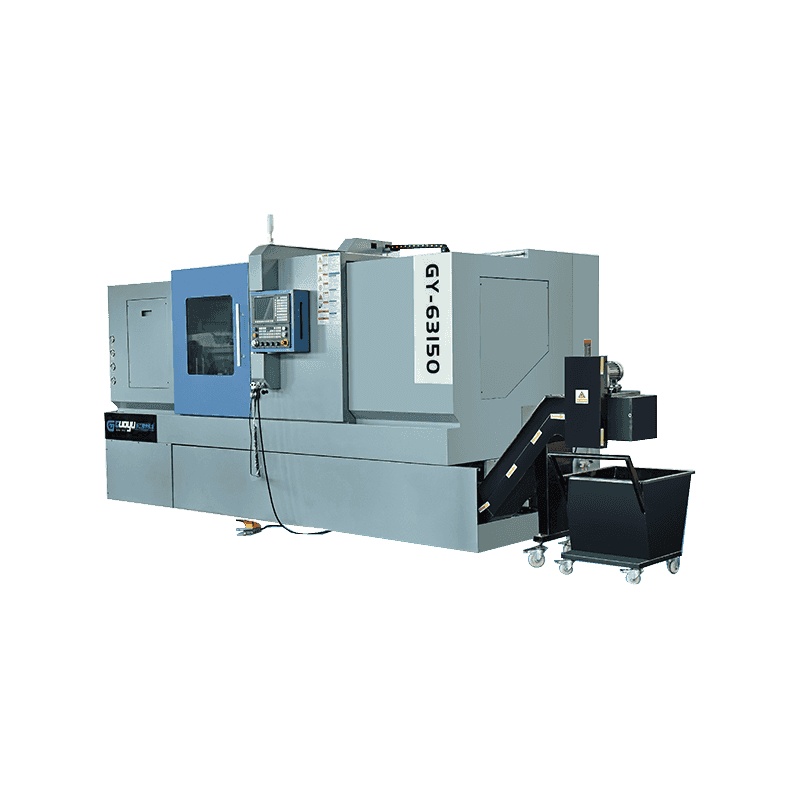
The Precision CNC Lathe With Programmable Tailstock For Connected Inclined Rail Tool Tower is just a...
See Details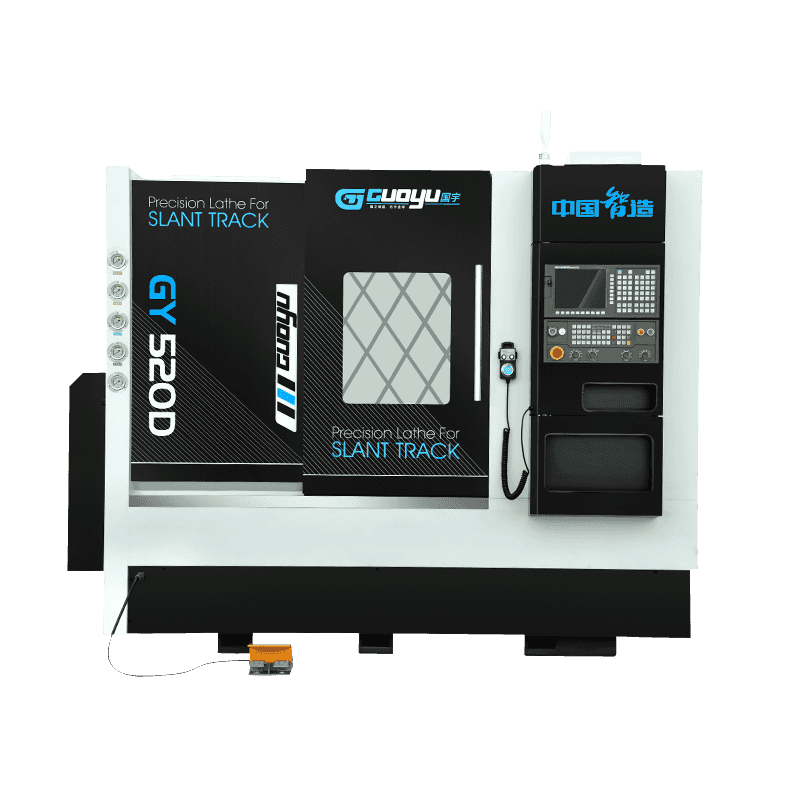
Technical Characteristics: The CNC machine tool for inclined beds adopts the domestic or imported hi...
See Details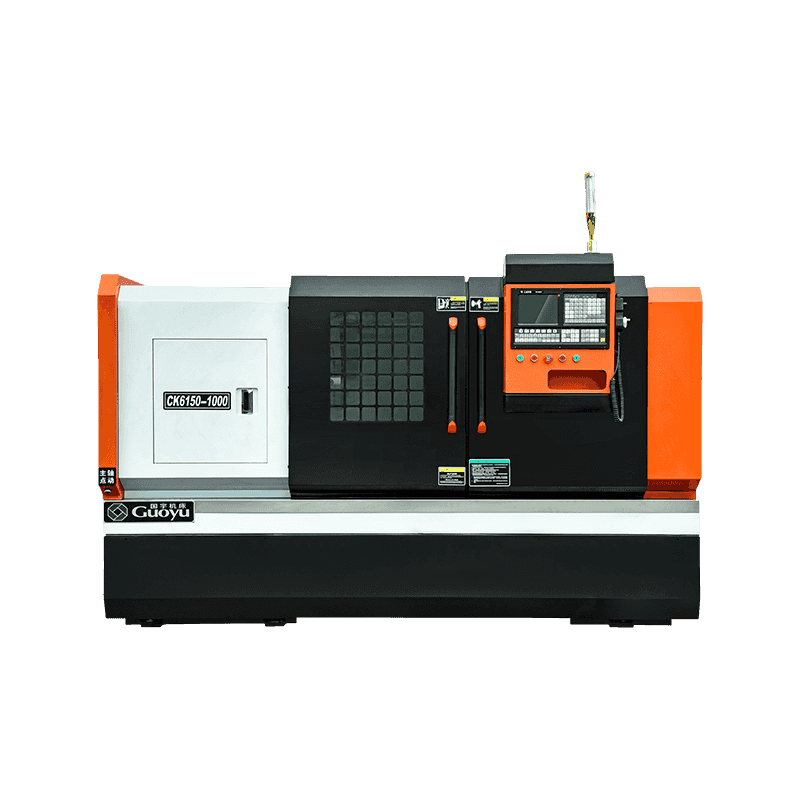
The Heavy Cutting Hard Guideway CNC Lathe For Metal Cutting is a really tough, heavy-duty machining ...
See Details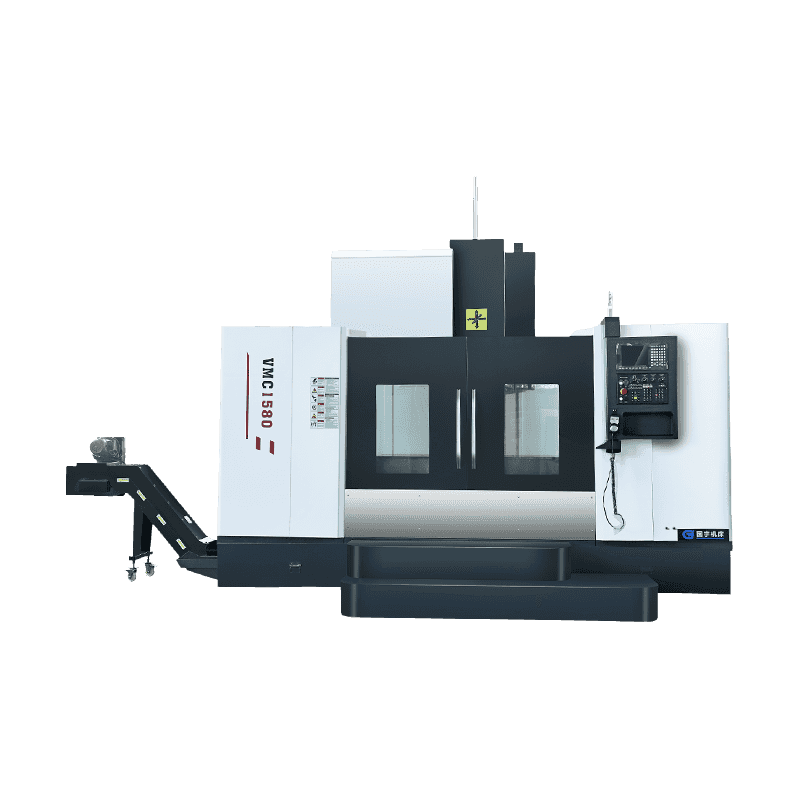
We are pleased to present the VMC1580 High-Speed Vertical Machining Center, a reliable and efficient...
See Details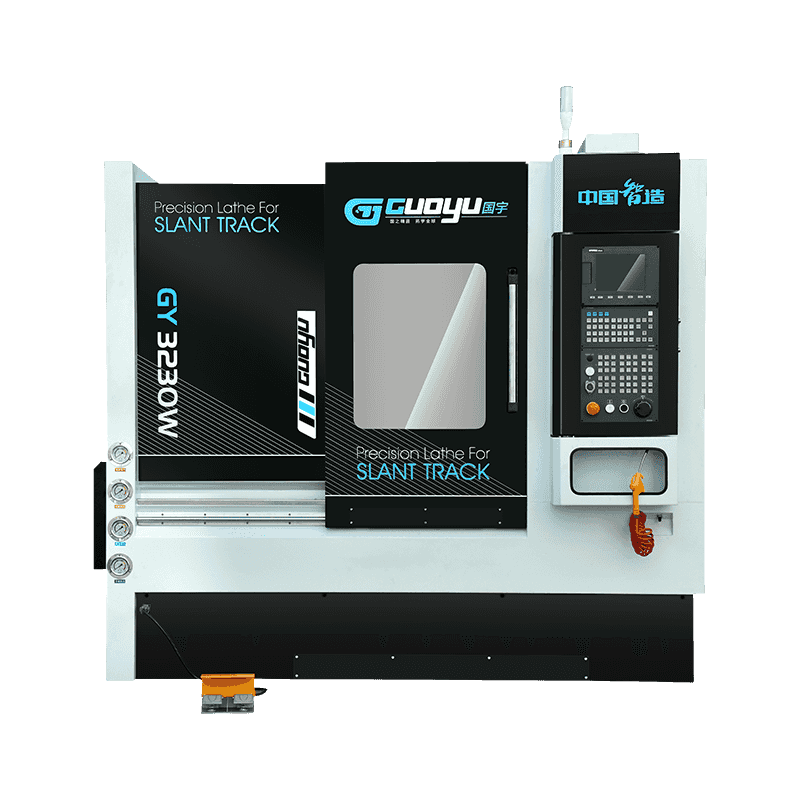
Technical Characteristics: The machine tool is of high precision, and the spindle is supported by hi...
See Details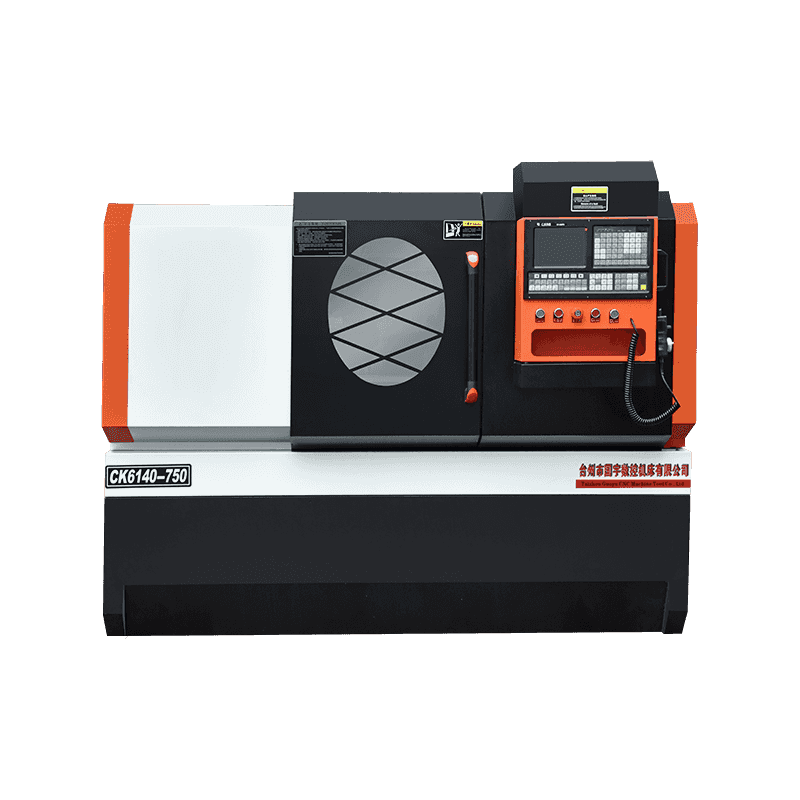
Technical Characteristics: It can cut all kinds of turning surfaces by bicycle, such as conical surf...
See Details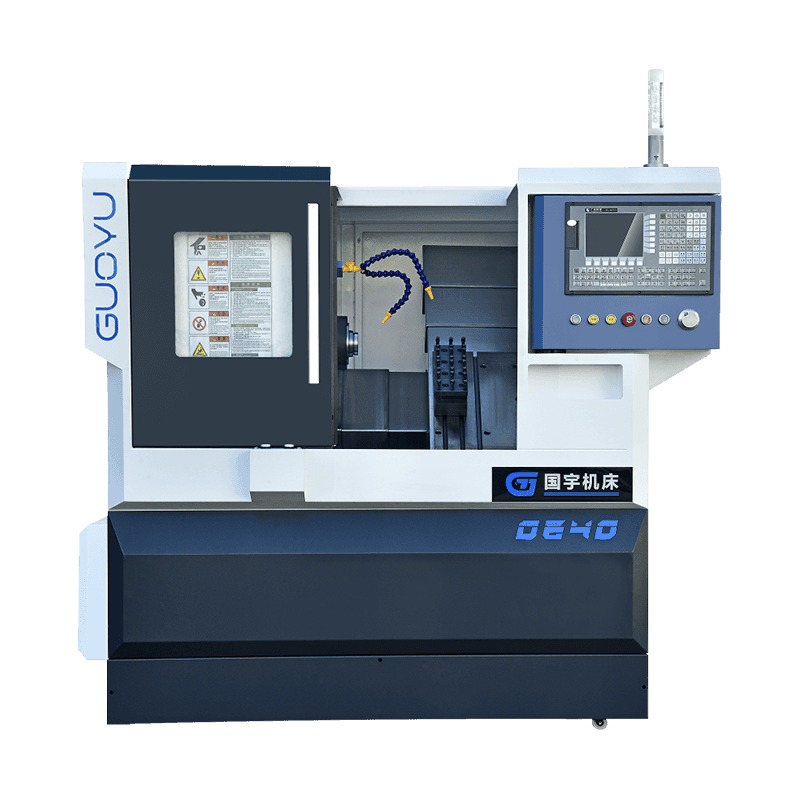
Introducing our Optional Control System CNC Lathe for Metal Processed, a sophisticated and reliable ...
See Details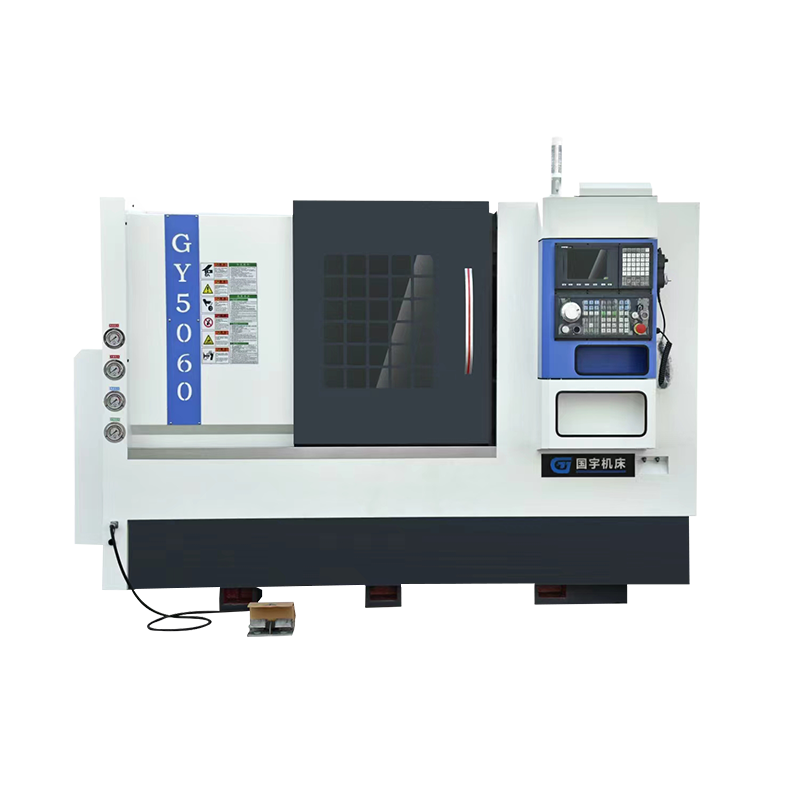
Technical Characteristics: All lathes are integrally cast with 250 materials to ensure processing ri...
See DetailsOur team of digital and business experts will guide you to the right direction.
Let's Talk
Zhejiang Guoyu CNC Machine Tool Co., Ltd. relies on rich experience, professional technology and advanced methods to ensure the quality of its products, so that customers can enjoy more professional and thoughtful service.
 [email protected]
 +86-15356565970
 Xialiang Industrial Area, Luqiao District, Taizhou City, Zhejiang Province, China
Copyright © Zhejiang Guoyu CNC Machine Tool Co., Ltd. All Rights Reserved.