English
 中文简体
中文简体 русский
 Español

Technical Characteristics: It can cut all kinds of turning surfaces by bicycle, such as conical surf...
See DetailsHigh-mix production can turn chaotic fast when every order brings different parts, quantities, machining tasks, or delivery windows all landing at once. A Precision CNC Lathe fits this kind of production because it lets manufacturers move between different machining jobs while keeping the overall workflow from falling apart.
The challenge isn't simply making one part accurately and calling it done. It's managing frequent changes without letting every new order throw the whole production floor into disarray.
A high-mix environment may involve small-batch orders arriving right alongside repeat work, with each job needing its own preparation, tooling arrangement, inspection approach, and production schedule. This makes flexibility a genuinely important part of machining planning, not a nice-to-have.
A High-Precision CNC Lathe can support this environment when its use gets connected with a clear production process, rather than treated as a standalone machine sitting in the corner. The same principle applies to a High Precision CNC Lathe, especially when manufacturers need to handle different component shapes and shifting customer requirements within one production operation.
High-mix production involves frequent changes in what actually needs to get made week to week. One order may involve a small group of similar components, while the next order calls for a different shape, another material, or a completely different machining sequence altogether.
The production team therefore has to think beyond raw machine running time. It has to think about everything surrounding that time as well.
| Production Situation | Main Challenge |
|---|---|
| Small-batch order | Avoid unnecessary preparation time |
| Different part shapes | Adjust the machining process |
| Changing customer needs | Rearrange production plans |
| Mixed orders | Keep jobs clearly separated |
| Repeat orders | Reproduce the required process |
In repetitive production, the same task can sit on the schedule for a long stretch without much fuss. High-mix work breaks that rhythm, since the production team may need to prepare for another job shortly after wrapping up the current one.
This makes the ability to shift from one machining task to another a genuinely important consideration for the whole floor. A machine that fits high-mix production needs to work as part of a flexible workflow, not a fixed routine. The surrounding processes matter just as much, since preparation, inspection, material handling, and scheduling all shape how smoothly production actually changes gears.
Different parts often demand different machining approaches from the operator standing at the machine. A small shaft, a threaded component, and a cylindrical fitting may share some basic characteristics while still needing genuinely different production arrangements behind the scenes.
A Precision CNC Lathe can get used across these shifting tasks when the production team prepares the process according to each part in front of them. The focus stays on making each transition clear and manageable, rather than a scramble.
Operators may need to review the drawing, confirm the material, prepare the required tools, check the machining sequence, and verify the finished part before moving into regular production runs. These steps become especially important once the order quantity shrinks down.
A large repeat order can absorb preparation work across many pieces without much strain. A small order has a lot less room for wasted setup effort, since there's nothing to spread that cost across. For this reason, high-mix machining often depends on practical process planning just as much as raw machine capability. The machine provides the production platform, while the manufacturing team decides how each job should actually move through it.
Small-batch work creates a genuinely different production rhythm compared with a long campaign run. Manufacturers may receive orders calling for only a limited number of components, making it impractical to treat every job like a drawn-out production campaign.
A flexible machining process can make these orders a lot easier to fit into the wider schedule without disrupting everything else. The key isn't simply cutting preparation time down to nothing.
It's creating a repeatable way to prepare, produce, inspect, and move on to the next task without reinventing the process each time. For example, a production team may organize several small orders according to material, part family, or required process, grouping what naturally belongs together. This can cut down on unnecessary movement between unrelated jobs scattered across the shop.
| Small-Batch Planning Area | Practical Approach |
|---|---|
| Order grouping | Arrange similar jobs together |
| Material preparation | Prepare materials before machining |
| Tool preparation | Organize tools around upcoming jobs |
| Inspection | Check parts at suitable stages |
| Job changeover | Keep transitions clearly defined |
A High-Precision CNC Lathe can become genuinely useful in this environment when its flexibility gets supported by organized preparation ahead of time. The goal is avoiding turning every small order into a completely separate production exercise from scratch. Instead, manufacturers can build a workflow where different jobs move through a shared production structure while still getting the specific adjustments they need along the way.
A high-mix workshop rarely follows one fixed production pattern from morning to closing. Customer orders can shuffle the priority of jobs on the fly, while material availability and delivery requirements may also shift the sequence around.
Production planners therefore need to keep enough flexibility built into the schedule to absorb these changes without everything grinding to a halt. A rigid schedule becomes genuinely difficult to maintain once an urgent small-batch order shows up or another job suddenly needs additional inspection.
A more flexible arrangement lets the production team move tasks around without losing track of what's already been prepared for later. This doesn't mean rewriting the schedule every hour on a whim.
It means leaving room for reasonable adjustments when they're actually needed. A Precision CNC Lathe can support this approach, since different jobs can get arranged around the same machining resource without forcing a rigid queue. The production team can decide whether similar parts should get processed together or whether a particular customer order needs to jump earlier in the schedule. That decision depends on the wider production situation at that moment, not a fixed rulebook. This makes scheduling an active part of high-mix manufacturing, rather than a document written once and forgotten in a drawer.
Process adjustments come up constantly when different parts move through the same production area day after day. A new component may call for a different cutting sequence, tool arrangement, workholding method, or inspection approach than the last job.
These changes work when they're planned ahead, rather than improvised on the fly during production. Clear preparation helps operators understand exactly what's different about the next job coming down the line.
It also cuts down the chance that an earlier setup simply gets carried into a new production task without proper review first. For manufacturers using a High Precision CNC Lathe, process flexibility can therefore get viewed as part of daily production management, not a special event.
The machine doesn't determine every production decision on its own. Operators and planners still need to decide how the next component should actually get handled.
| Process Change | Production Consideration |
|---|---|
| New part shape | Review the machining sequence |
| New material | Confirm suitable process preparation |
| Different order size | Adjust production scheduling |
| New customer requirement | Review drawings and inspection needs |
| Repeat component | Refer to the established process |
A structured approach makes these adjustments a lot easier to manage day to day. It also lets useful experience from previous orders inform future production planning, rather than assuming every order will show up looking identical to the last.
Changeovers are simply a natural part of high-mix production, showing up whether anyone likes it or not. The practical goal isn't eliminating them entirely, since that's not realistic.
It's organizing them, so each transition feels understandable and doesn't pile on unnecessary work for the operator. One useful approach is grouping compatible jobs together on the schedule.
Similar components may share some preparation steps, while related materials or production requirements may let several orders get arranged within the same general workflow. Another approach is prepping upcoming work before the current job has fully wrapped up.
Tools, materials, drawings, inspection documents, and other production information can get organized in advance wherever the workflow allows for it. This can make the transition between jobs feel a lot more orderly instead of rushed.
The arrangement of the production area itself matters here too. When materials and tools have clear, consistent locations, operators spend a lot less time hunting around during a changeover. A Precision CNC Lathe can therefore become part of a broader changeover strategy that includes preparation, organization, and scheduling working together. The machine itself is only one element of that transition. The surrounding workflow determines how much disruption a new order actually creates on the floor.
High-mix production often requires manufacturers to arrange jobs according to more than just order quantity alone. Part similarity, material availability, delivery needs, inspection requirements, and current machine workload can all shape the schedule in different ways.
A flexible production arrangement gives planners more options once these conditions inevitably shift. For example, several small orders may get placed around an existing production run, instead of getting treated as isolated jobs floating on their own.
Another arrangement may group related components together, so preparation work can get shared wherever that makes sense. This approach can make better use of available production time without assuming every job needs to follow the exact same route through the shop.
| Production Arrangement | Possible Benefit |
|---|---|
| Similar parts grouped together | Easier process preparation |
| Small orders scheduled together | More organized workflow |
| Repeat work retained in the schedule | Greater production continuity |
| Urgent jobs given suitable priority | More responsive planning |
| Related materials grouped where practical | Simpler material handling |
A High-Precision CNC Lathe can fit these arrangements because the machine becomes a shared resource across different production tasks, rather than dedicated to just one job type. Its role shifts according to whatever the current order mix happens to be. One production period may focus mainly on repeat components, while another may involve several smaller jobs with genuinely different requirements. The production plan, in the end, determines how the machine actually contributes to the overall workflow.
Manufacturers evaluating a Precision CNC Lathe for high-mix production need to look beyond the machine's basic ability to turn a part accurately. The more important question is how easily the equipment actually fits into the company's real production routine on a normal day.
Consideration should go toward how operators prepare different jobs, how quickly production information can get updated, how tools are organized around the floor, and how finished parts move toward inspection afterward. The machine should also fit the types of components the business commonly receives through its doors.
A workshop producing many small and varied parts may have genuinely different priorities from one handling larger repeat orders week after week. This makes the intended production mix a genuinely important part of equipment selection from the start.
A High Precision CNC Lathe may suit manufacturers that need to balance different component orders within one production environment without constant disruption. The decision should also weigh operator familiarity carefully. A flexible machine still depends on people who can read production drawings, prepare the required process, monitor the work as it runs, and respond appropriately once an order changes shape. Good production planning and suitable equipment therefore need to work together, not in isolation from each other.
High-mix manufacturing creates a steady stream of small production decisions throughout any given week. A company may need to decide which jobs should run together, which processes need adjustment, when materials should get prepared, and how completed parts should move to the next stage down the line.
These decisions get a lot easier once previous production experience is recorded and organized somewhere useful. Information from earlier jobs can help teams prepare for repeat orders without treating every new order as a complete mystery from scratch.
At the same time, each production run still needs its own review, since customer requirements and part designs can shift even on familiar work. A Precision CNC Lathe can fit this ongoing adjustment when the production system around it stays genuinely flexible, rather than locked into one routine.
The value comes from the relationship between equipment, operators, process preparation, material organization, inspection, and scheduling all working in step together. This approach lets manufacturers handle changing part requirements without turning every small-batch order into its own separate production system from the ground up. As product mixes continue shifting, flexible machining arrangements can give production teams more room to adjust tasks, reorganize schedules, and respond to different orders while keeping the workflow clear and manageable on the floor.
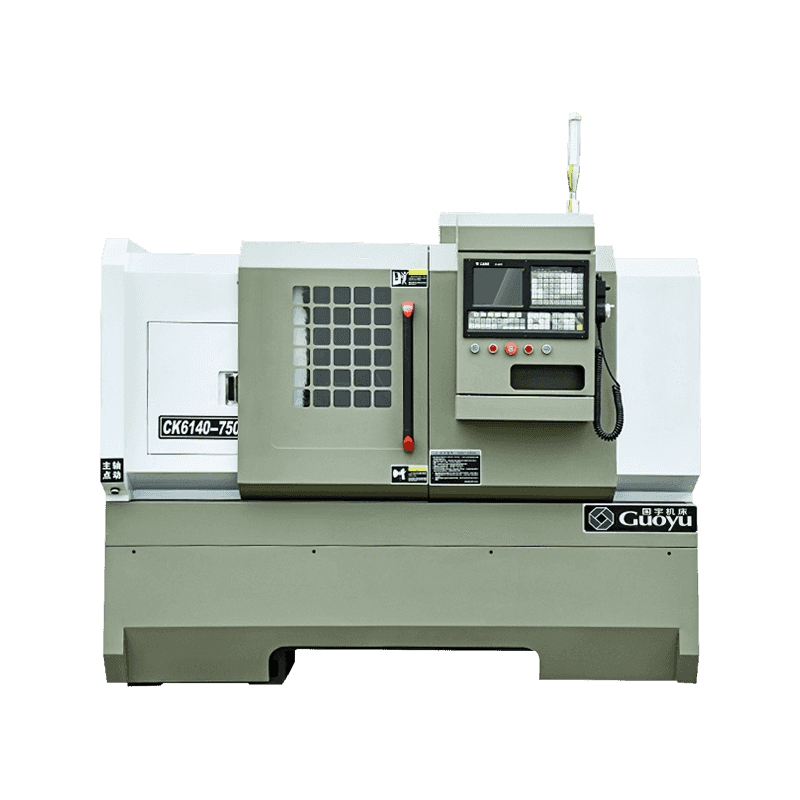
Technical Characteristics: It can cut all kinds of turning surfaces by bicycle, such as conical surf...
See Details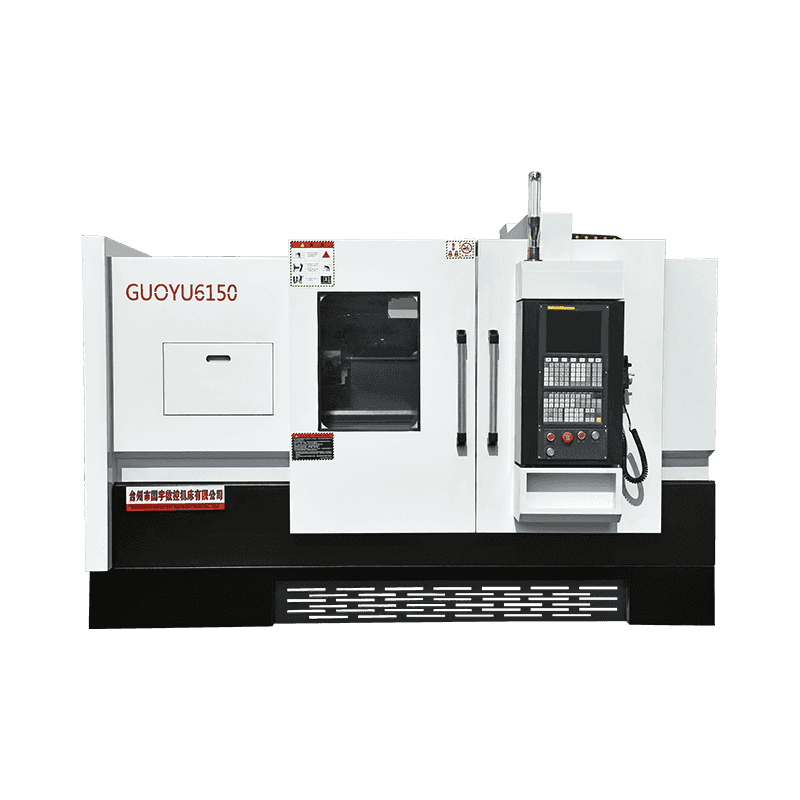
Technical Characteristics: It can cut all kinds of turning surfaces by bicycle, such as conical surf...
See Details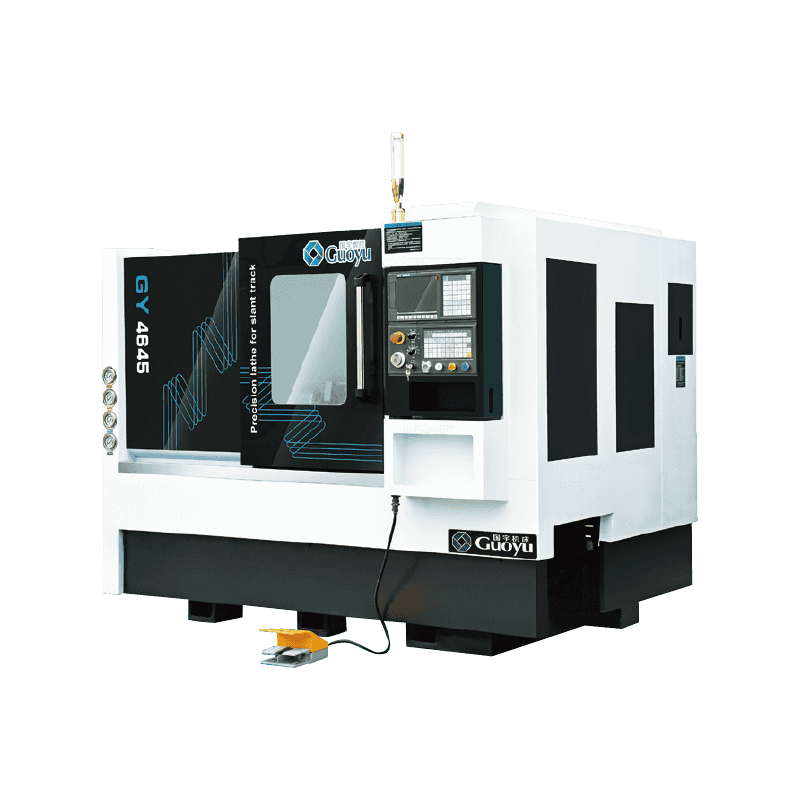
The Conjoined 35° Oblique Rail Cutter Tower Tail Seat Precision CNC Horizontal Lathe is a really pra...
See Details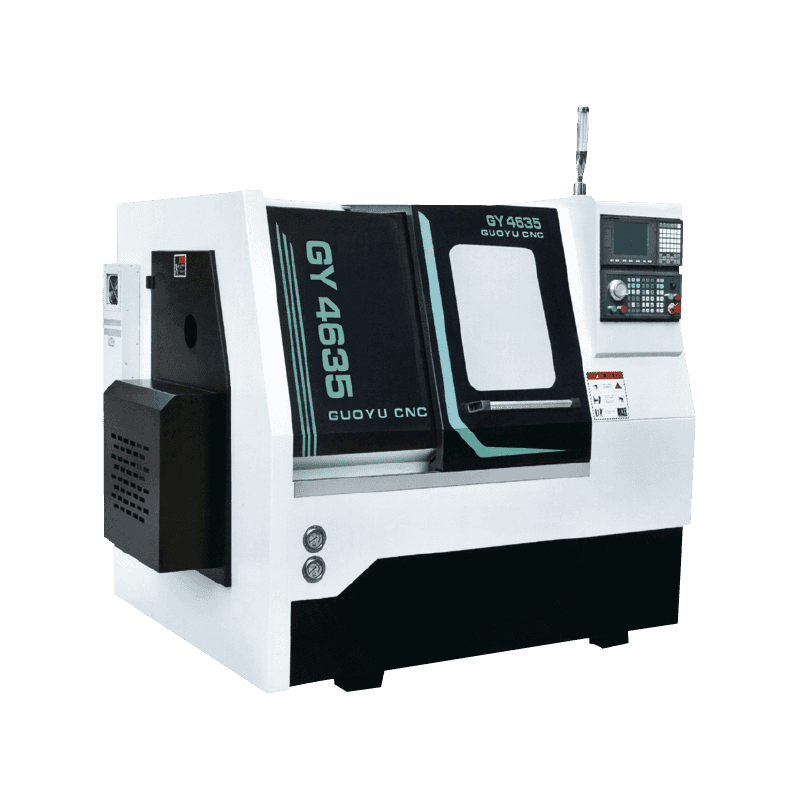
The Conjoined 45° Oblique Gauge Cutter Precision CNC Horizontal Lathe is a really practical turning ...
See Details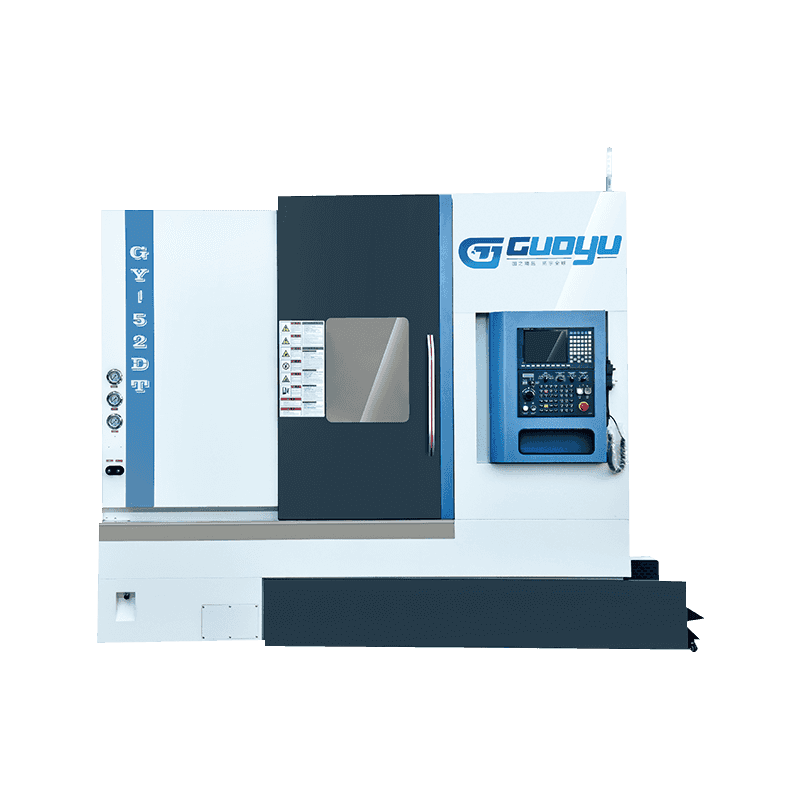
Technical Characteristics: The CNC machine tool for inclined beds adopts the domestic or imported hi...
See Details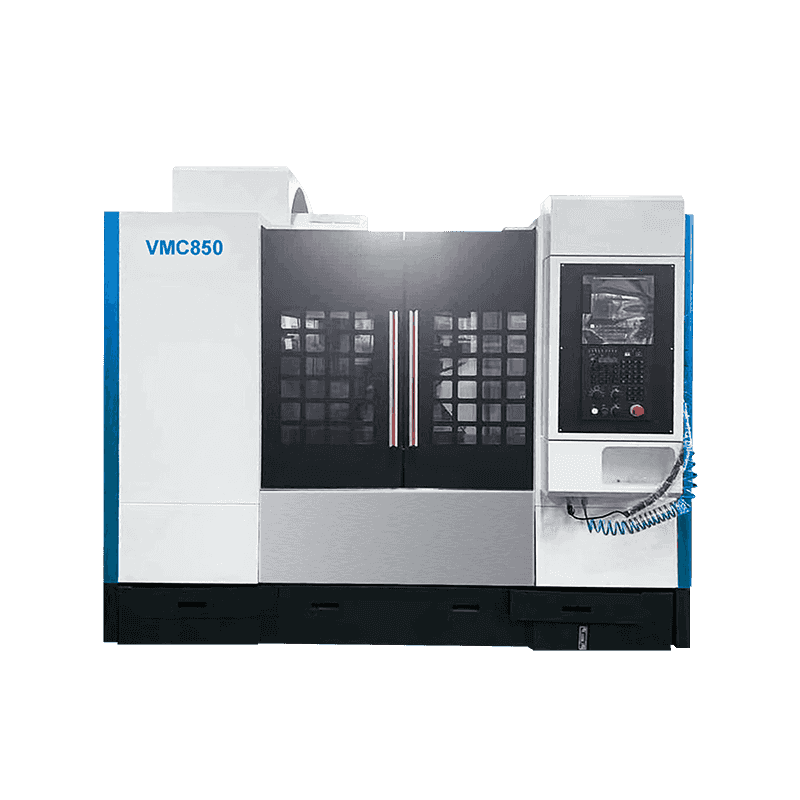
Technical Characteristics The machine tool is a single-column vertical guideway structure. The colum...
See Details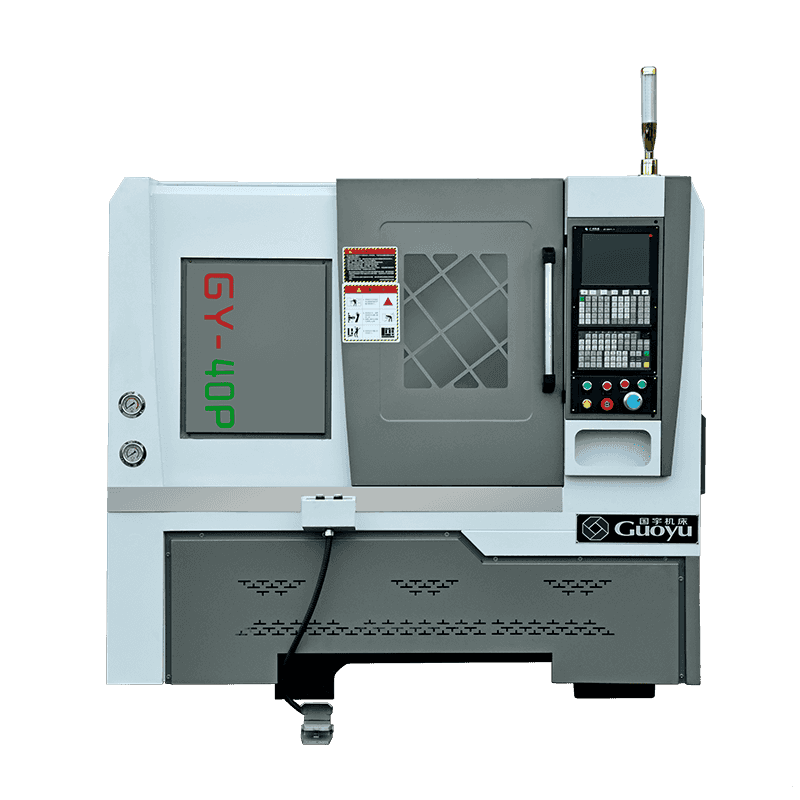
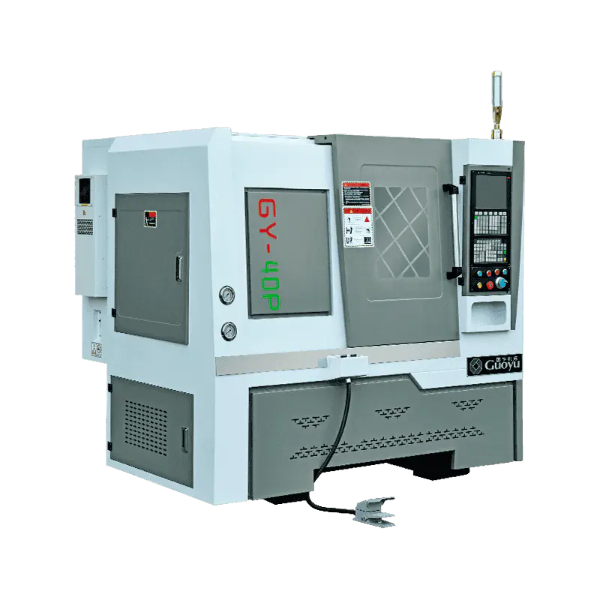
Technical Characteristics: 40P is a kind of small precision machine tool, that is suitable for the e...
See Details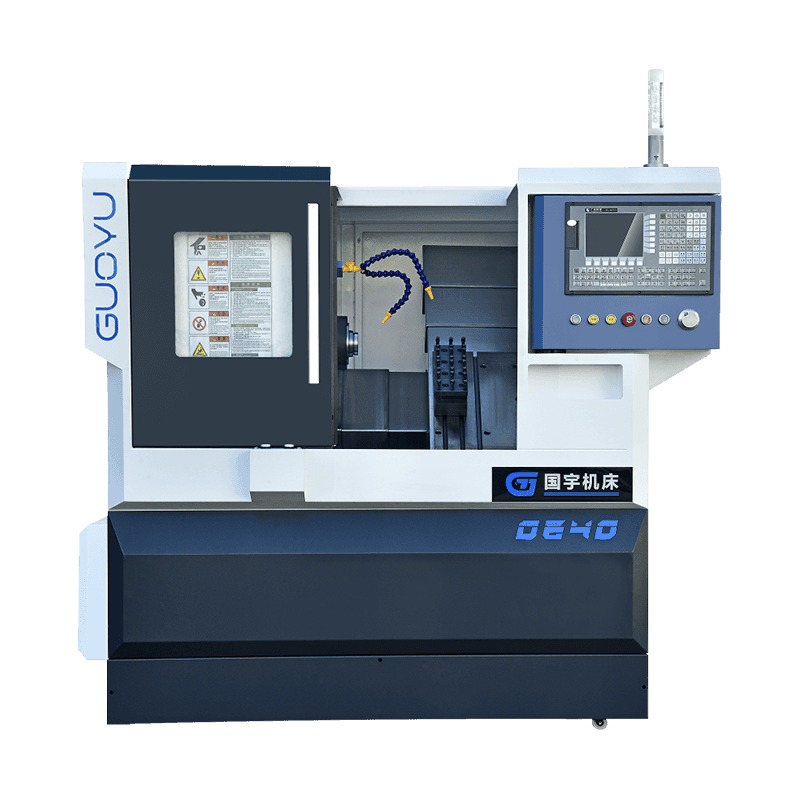
Introducing our Optional Control System CNC Lathe for Metal Processed, a sophisticated and reliable ...
See DetailsOur team of digital and business experts will guide you to the right direction.
Let's Talk
Zhejiang Guoyu CNC Machine Tool Co., Ltd. relies on rich experience, professional technology and advanced methods to ensure the quality of its products, so that customers can enjoy more professional and thoughtful service.
 [email protected]
 +86-15356565970
 Xialiang Industrial Area, Luqiao District, Taizhou City, Zhejiang Province, China
Copyright © Zhejiang Guoyu CNC Machine Tool Co., Ltd. All Rights Reserved.