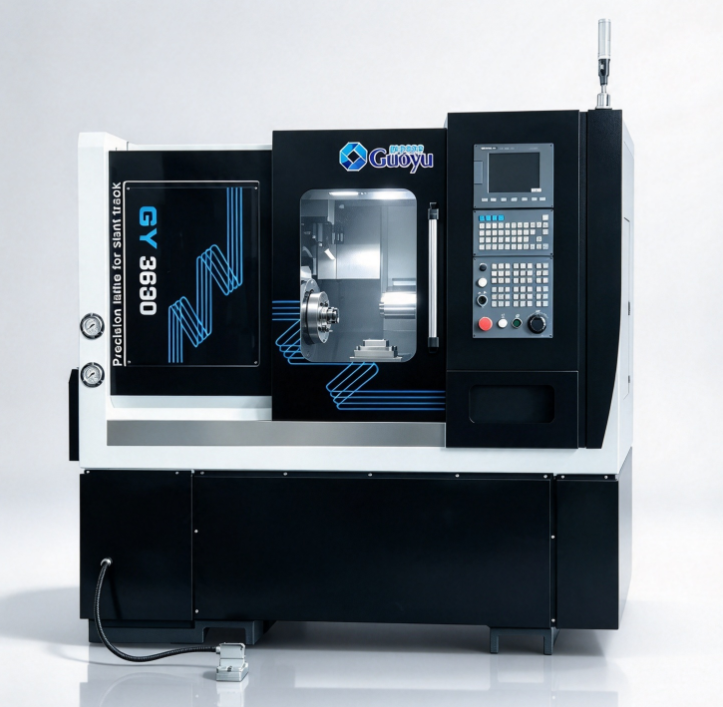
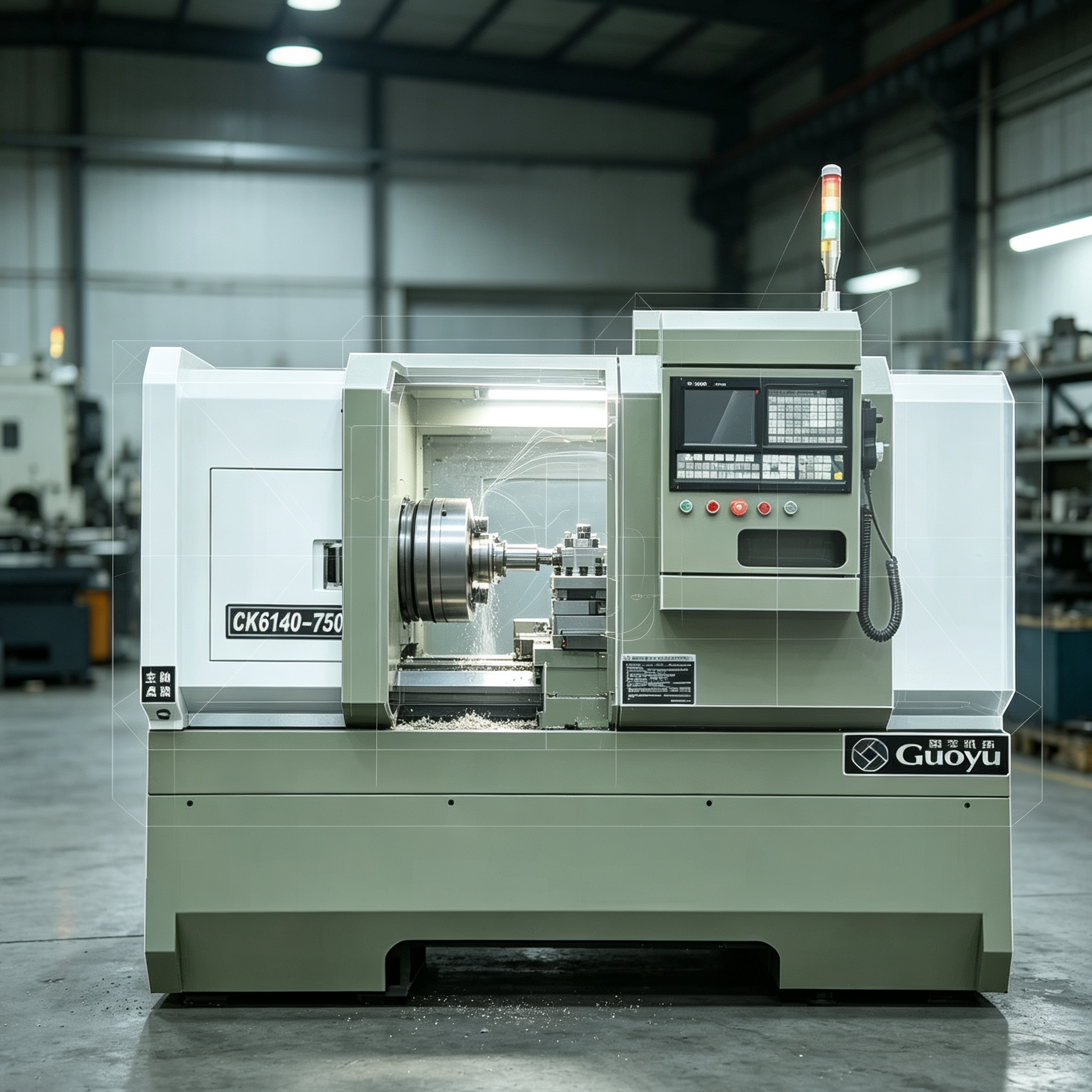
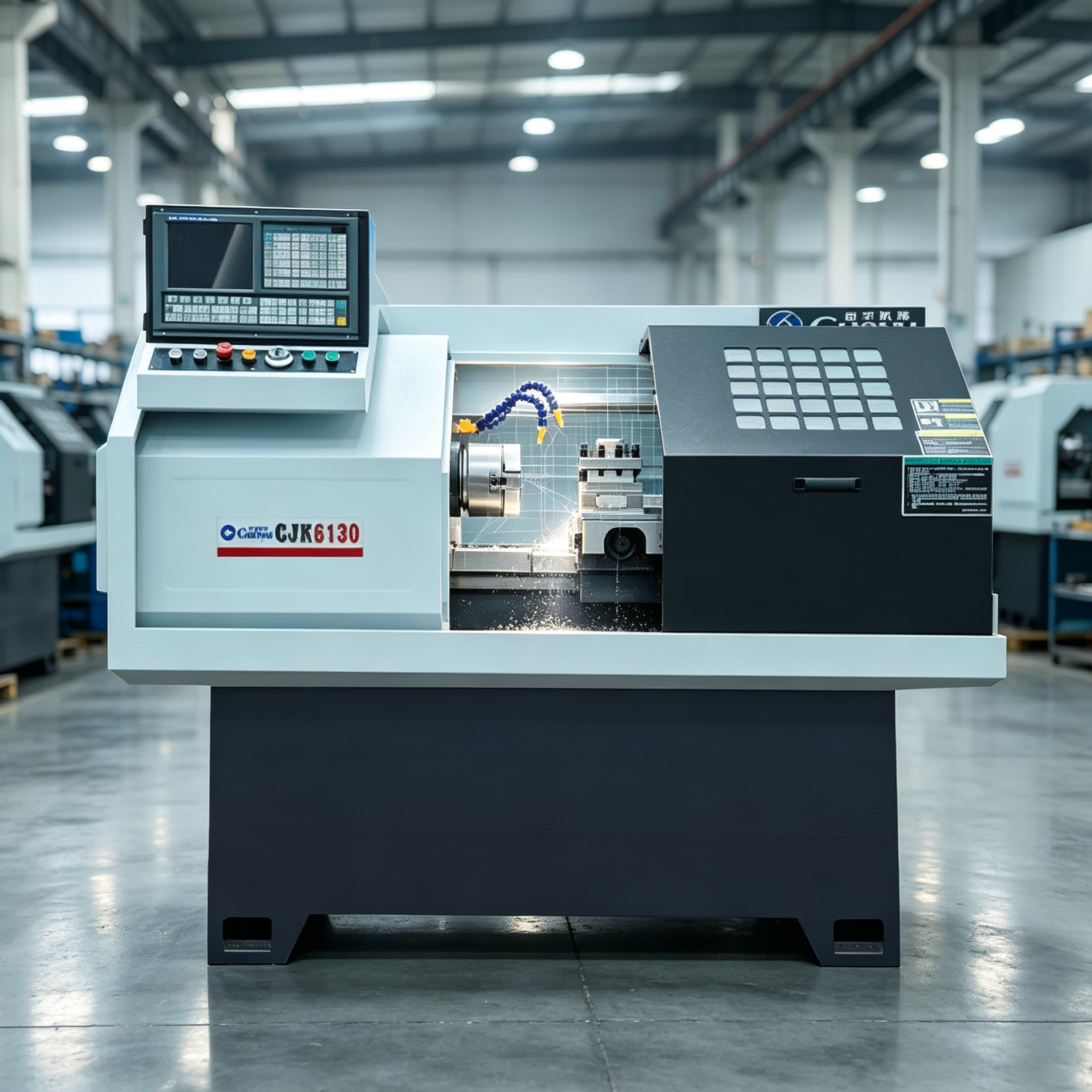
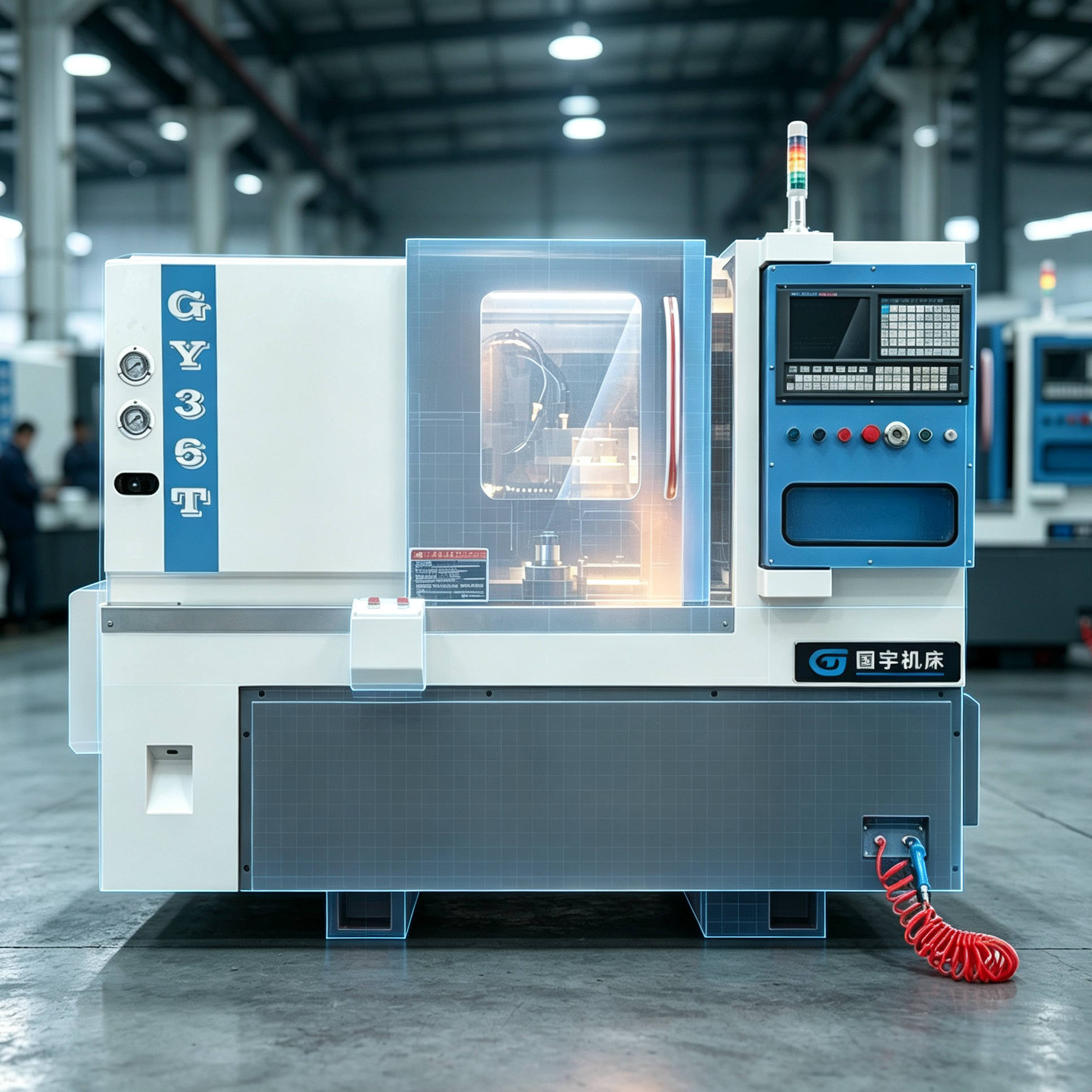
How to Choose a Precision Vertical Machining Center for Stable and Efficient Metal Processing
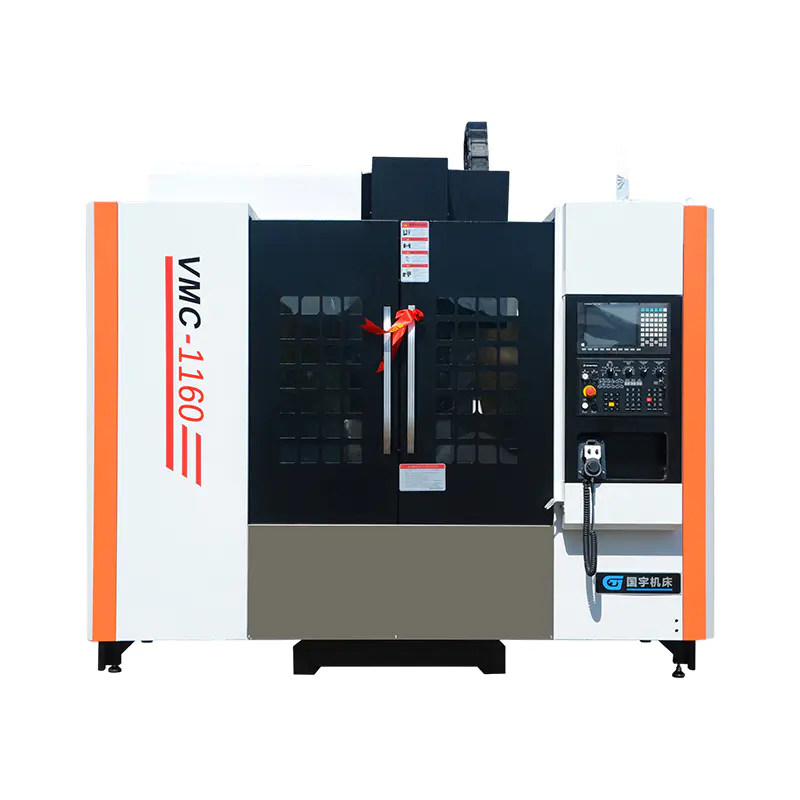
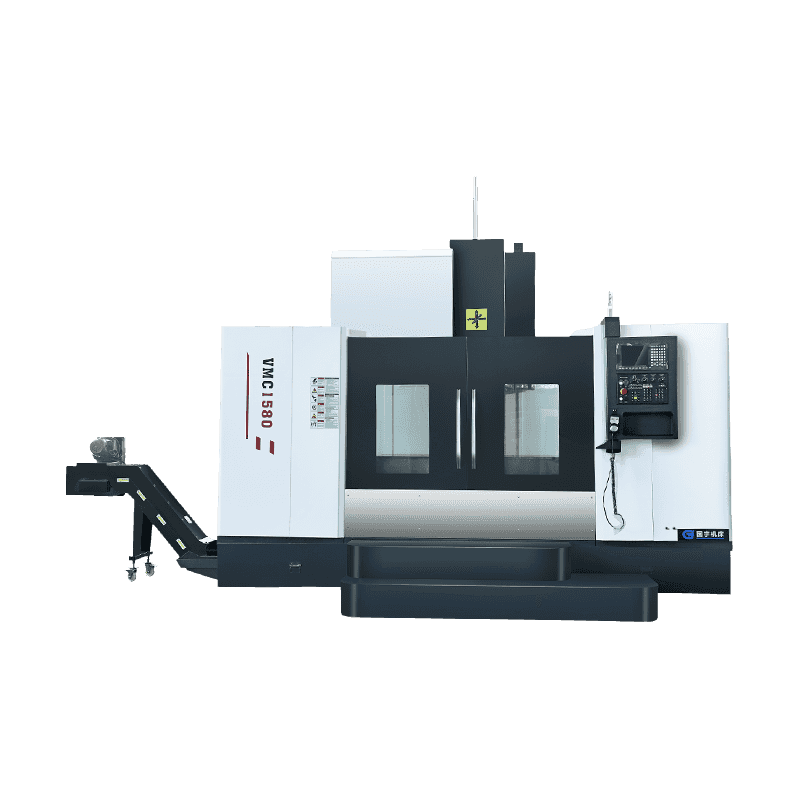
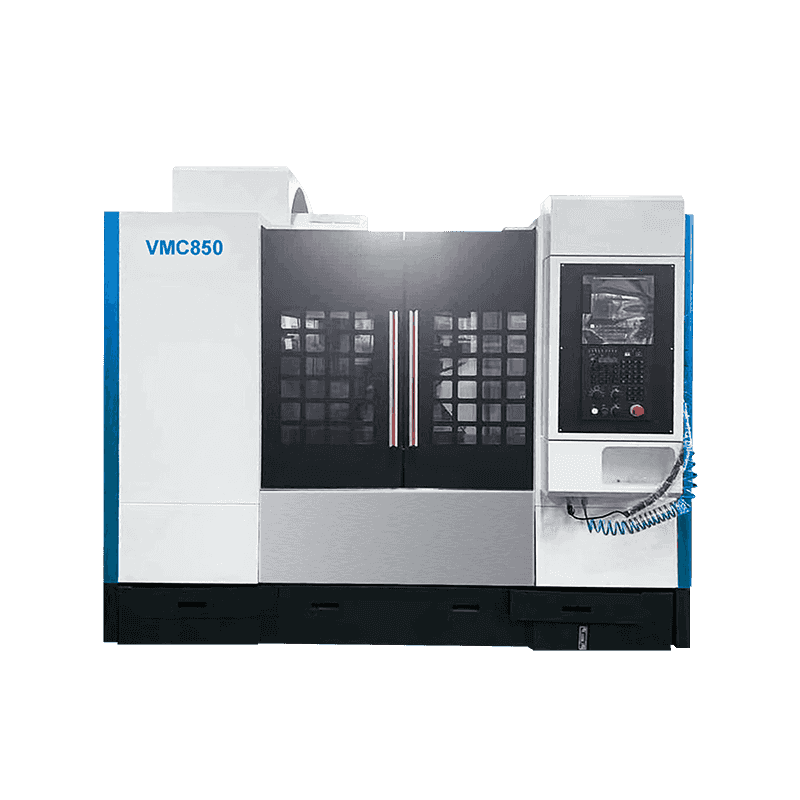
Selecting a machining center is rarely just about comparing travel size or spindle speed. In real production, buyers usually care more about whether the machine can maintain stable accuracy, support repeatable cutting performance, and fit smoothly into day-to-day manufacturing work. That is why a Precision Vertical Machining Center is often evaluated not only by specification, but by how well it performs over time under practical shop conditions.
For manufacturers producing mechanical components, mold parts, fixtures, or batch-machined metal products, the machine must do more than simply run. It needs to hold consistency, respond well to different cutting tasks, and remain dependable during continuous use. A machine that looks strong on paper but performs inconsistently in production can quickly become a source of inefficiency.
Machine Structure Has a Direct Effect on Accuracy
Structural integrity plays a major role in how a machine performs during actual cutting. The base, column, saddle, and table are not simply load-bearing components. They also influence how effectively the machine controls vibration, maintains stiffness, and holds cutting accuracy as machining demands shift from one operation to another.
A Precision Vertical Machining Center built with a solid structural layout is often better prepared to maintain dimensional accuracy and surface consistency during repeated production cycles. This is especially valuable in applications where tight tolerances, reliable finish quality, and repeatable results are necessary for efficient batch machining.
Buyers often pay attention to points such as:
- overall machine rigidity
- casting quality and structural design
- guideway configuration
- spindle stability during continuous work
- machine behavior under different cutting conditions
These factors influence whether the machine can perform reliably beyond the initial testing stage.
Linear Guideway Design Can Improve Speed and Response
In many modern workshops, production is no longer based only on heavy cutting. Faster response, smoother movement, and reduced non-cutting time are also important. This is one reason linear guideway machines are widely considered in industries that value efficiency as well as precision.
A Precision Vertical Machining Center equipped with a linear guideway structure can offer practical advantages in dynamic movement, positioning response, and cycle efficiency. For factories handling varied part types or frequent job changes, this type of design may support more flexible production planning.
However, machine selection should still be based on actual processing needs. The right configuration depends on material type, part geometry, cutting style, and the balance between speed and rigidity required in daily work.
Long-Term Reliability Matters More Than Short-Term Specification
Many buyers have learned that a machine is not judged only by the day it is installed. The real value of a machining center appears over time through stable operation, manageable maintenance, and dependable support in everyday production. Long-term reliability often affects output more than headline specifications.
This is especially true when the machine is expected to handle regular batch work or precision tasks where unplanned downtime creates direct production pressure. A Vertical Machining Center should therefore be assessed as a long-term manufacturing asset rather than a short-term equipment purchase.
In practice, buyers often look beyond the machine itself and consider the manufacturer's ability in several areas:
- product consistency
- production capacity
- technical support
- customization capability
- after-sales response
- training and service reliability
A capable supplier helps reduce uncertainty not only before purchase, but throughout the machine's working life.
Why Manufacturer Strength Also Influences Equipment Value
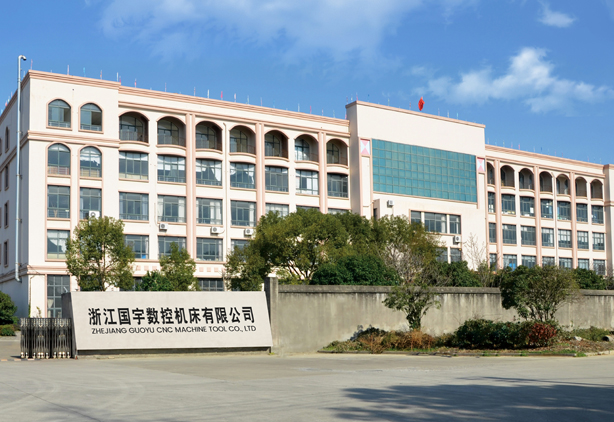
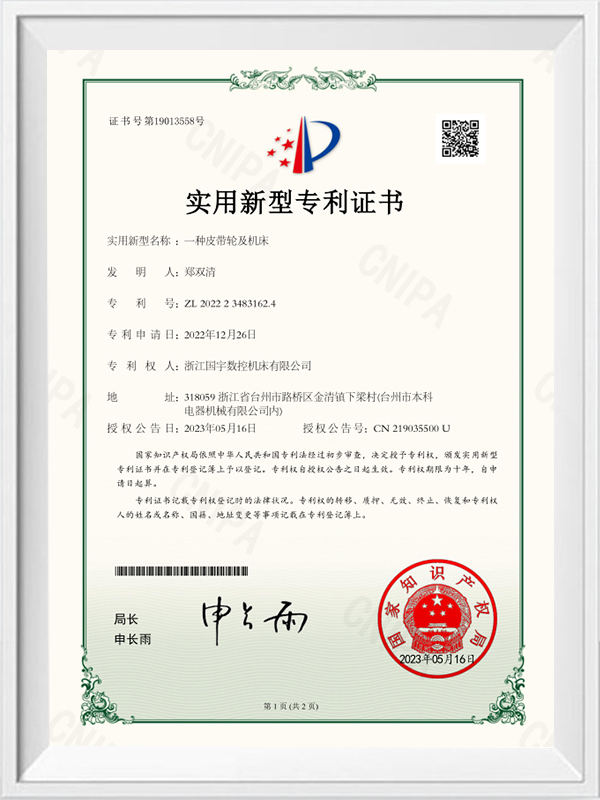
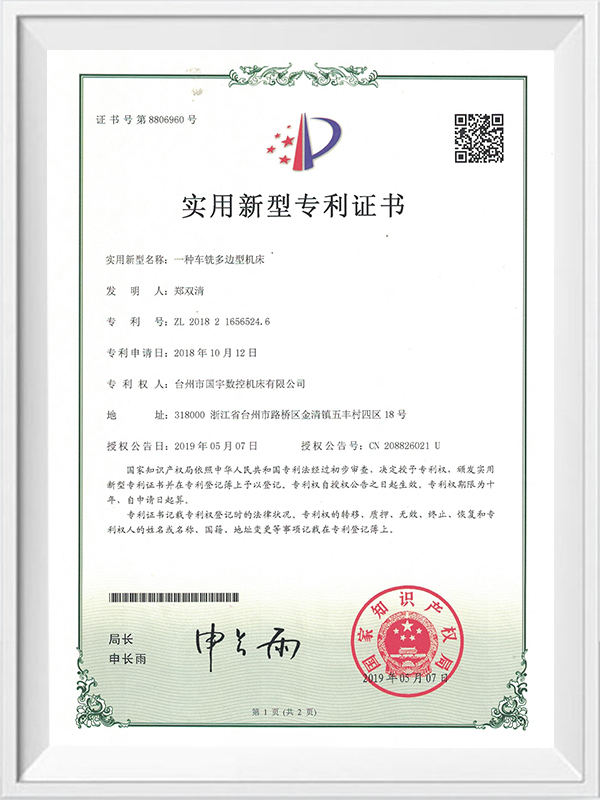
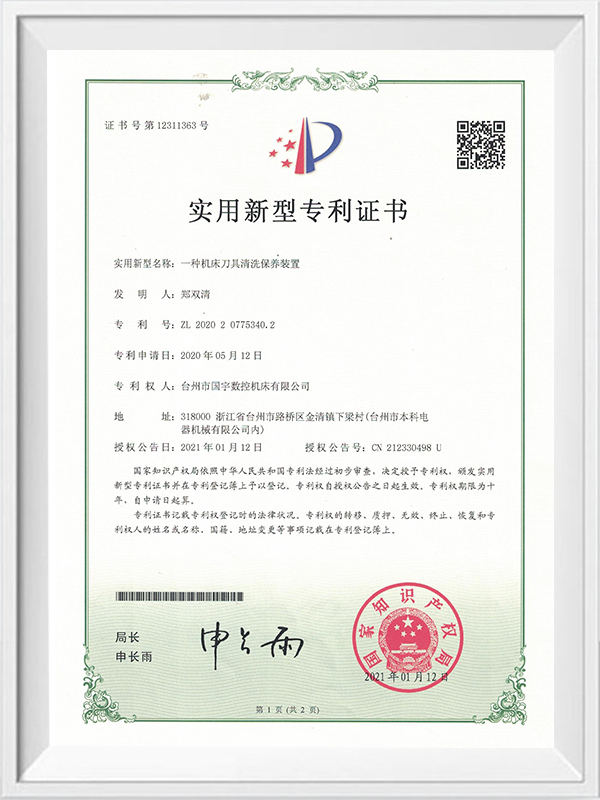
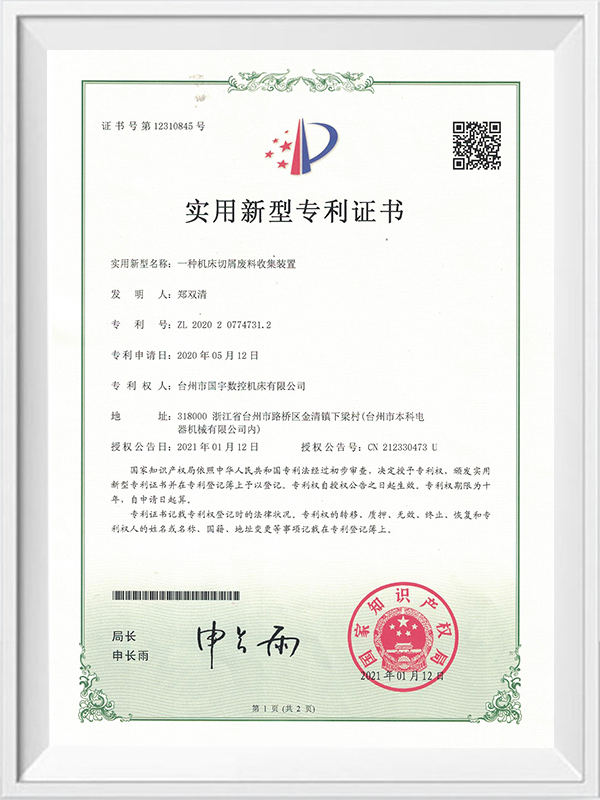
Equipment performance is shaped not only by the components it uses, but also by the standards behind its manufacture. Process control, machining expertise, quality consistency, and service responsiveness all influence how a machine performs once it enters real production. Manufacturers with strong engineering experience and disciplined production practices are often better able to deliver machines that run steadily across different workloads and machining applications.
For buyers choosing a Precision Vertical Machining Center, this means the factory behind the machine matters as much as the configuration itself. Strong production management, diverse machine series, and the ability to offer tailored solutions can all improve the practicality of the final purchase decision.
Manufacturers that combine machining experience, technical development, and responsive service are often better positioned to support customers in industries where precision and continuity are essential.
As production demands continue to shift toward tighter tolerances, flexible workflows, and more efficient machining, the need for dependable vertical machining equipment becomes increasingly clear. A suitable Precision Vertical Machining Center can help manufacturers improve machining consistency, reduce unnecessary downtime, and support long-term processing stability across different applications.
For companies looking for a machine that combines structural reliability, practical performance, and responsive service support, working with an experienced manufacturer can make the selection process more effective and the investment more valuable over time.


 English
 中文简体
中文简体 русский
 Español