English
 中文简体
中文简体 русский
 Español

Technical Characteristics: The machine tool is a single-column vertical guideway structure. The colu...
See DetailsWhen operating a Hard Rail CNC Lathe for metal turning, safety measures are essential to protect the operator and ensure proper machine function. First, operators should wear appropriate personal protective equipment (PPE), including safety goggles, gloves, and closed-toe shoes. Protective clothing should be close-fitting to prevent entanglement with rotating parts.
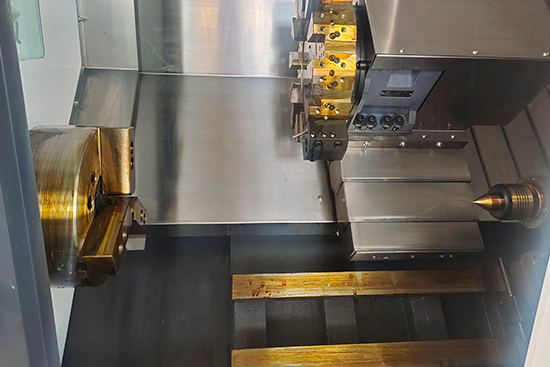
Machine guards and safety shields should always be in place. The chuck, cutting tools, and moving carriage pose a risk of injury if unprotected. Operators must ensure all safety covers are secured before starting a cycle.
Verify that workpieces are firmly clamped and that the tailstock and steady rest are correctly positioned. Loose components can be ejected at high speed during turning, causing potential harm.
Avoid reaching into the working area while the machine is operating. Emergency stop buttons should be easily accessible and tested regularly. Operators should also follow proper startup and shutdown sequences as defined in the machine manual.
Periodic machine maintenance, such as lubrication of guide rails and inspection of tool wear, helps prevent accidents caused by mechanical failure.
Selecting a Hard Rail CNC Lathe involves evaluating multiple mechanical and operational features. One important factor is bed length and swing over bed, which determine the workpiece size the machine can accommodate. Longer beds and larger swings allow machining of larger shafts and rods.
Guideway type and hardness are also crucial. Hard rails increase rigidity, reducing vibration and improving surface finish accuracy during metal turning. Users should verify that guide rails are made of high-quality, heat-treated steel.
Spindle speed range and torque influence the machine's adaptability to different metals. High spindle torque allows machining of tough materials such as steel or stainless steel, while variable speed controls enable optimized cutting for aluminum or brass.
Tooling configuration is another key consideration. Machines with gang-type turrets or multi-tool stations reduce idle time between operations and allow complex turning cycles to be performed without manual intervention.
CNC control system compatibility should be evaluated. Advanced controllers enable precise programming of feed rates, cutting paths, and threading operations. Finally, build quality, machine rigidity, and maintenance accessibility are practical factors to ensure reliable long-term performance.
Hard Rail CNC Lathes are used across a range of industrial applications where cylindrical components require precision turning. In the automotive industry, they machine axles, drive shafts, and engine components, providing consistent dimensions and surface finish.
In mechanical engineering, these lathes are employed for producing bushings, pins, bolts, and hydraulic rods. High rigidity allows operators to maintain tight tolerances on small to medium-sized metal parts.
The aerospace sector also relies on Hard Rail CNC Lathes for turning aluminum or titanium shafts and structural components. Precision and minimal vibration are critical for these materials to maintain structural integrity.
In general manufacturing, the machines are used for creating shafts, rollers, couplings, and threaded components. The hardened guide rails ensure stable cutting even when performing repetitive operations on bar stock or long workpieces.
Hard Rail CNC Lathes are suitable for custom or batch production of parts that require multiple turning operations in a single setup, reducing handling time and improving overall efficiency.
Optimization Tips:
By following these steps, machining efficiency, surface finish, and dimensional accuracy can be enhanced on Hard Rail CNC Lathes.
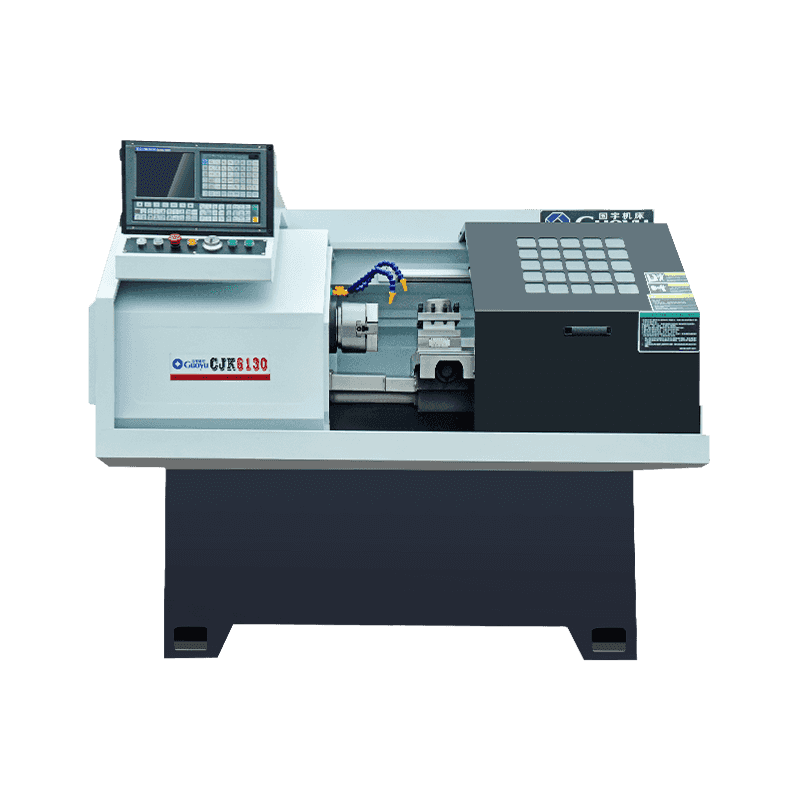
Technical Characteristics: The machine tool is a single-column vertical guideway structure. The colu...
See Details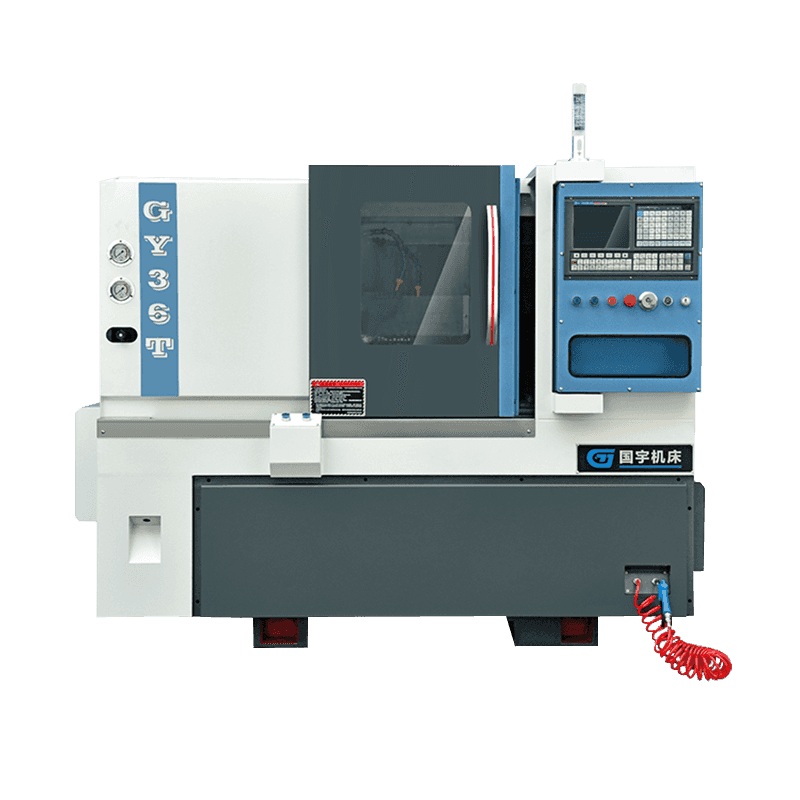
Technical Characteristics: The CNC machine tool for inclined beds adopts the domestic or imported hi...
See Details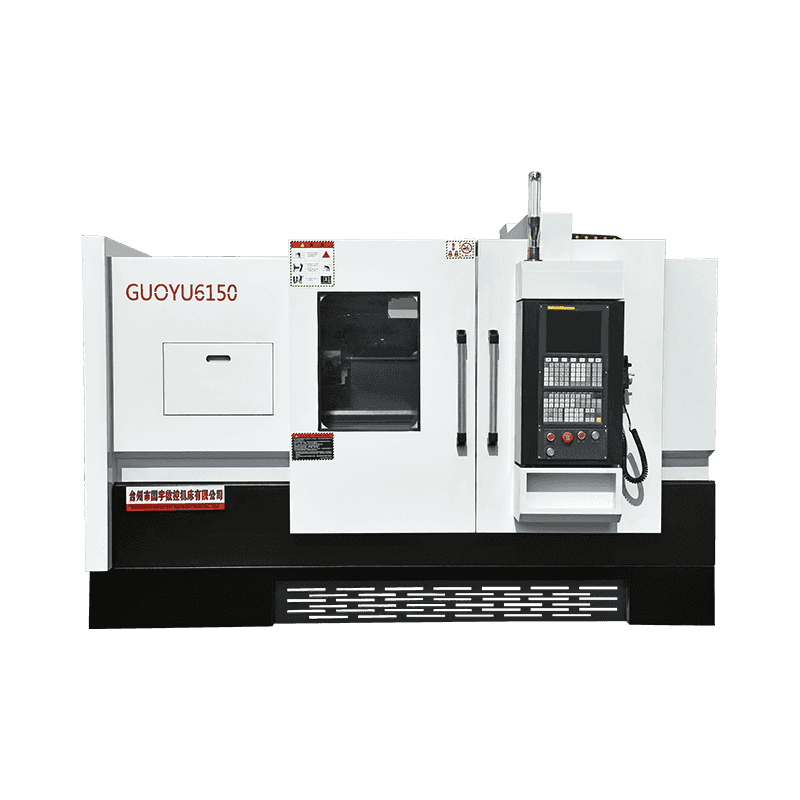
Technical Characteristics: It can cut all kinds of turning surfaces by bicycle, such as conical surf...
See Details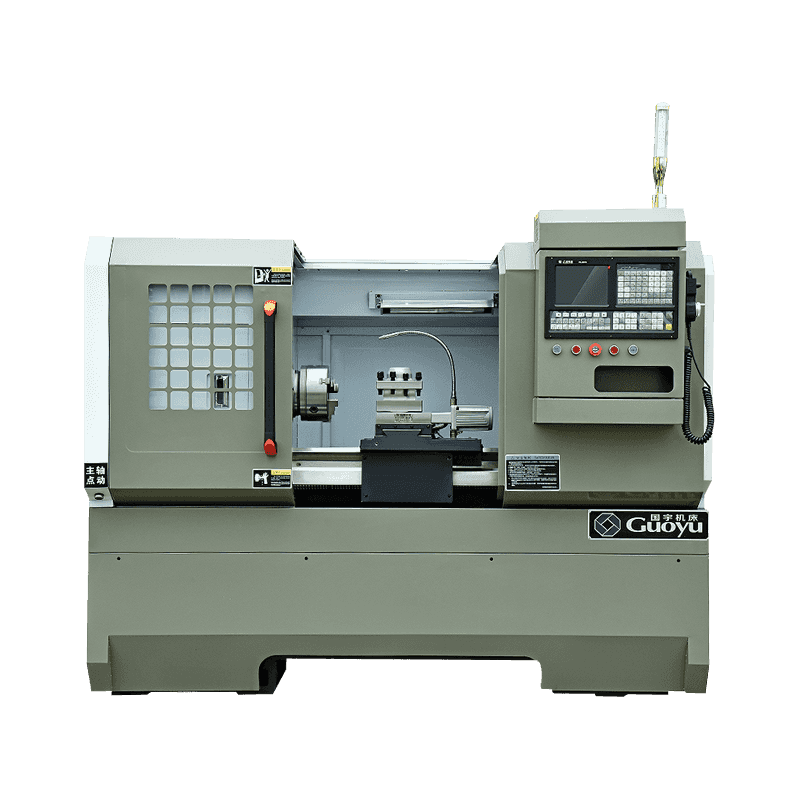
Technical Characteristics: It can cut all kinds of turning surfaces by bicycle, such as conical surf...
See Details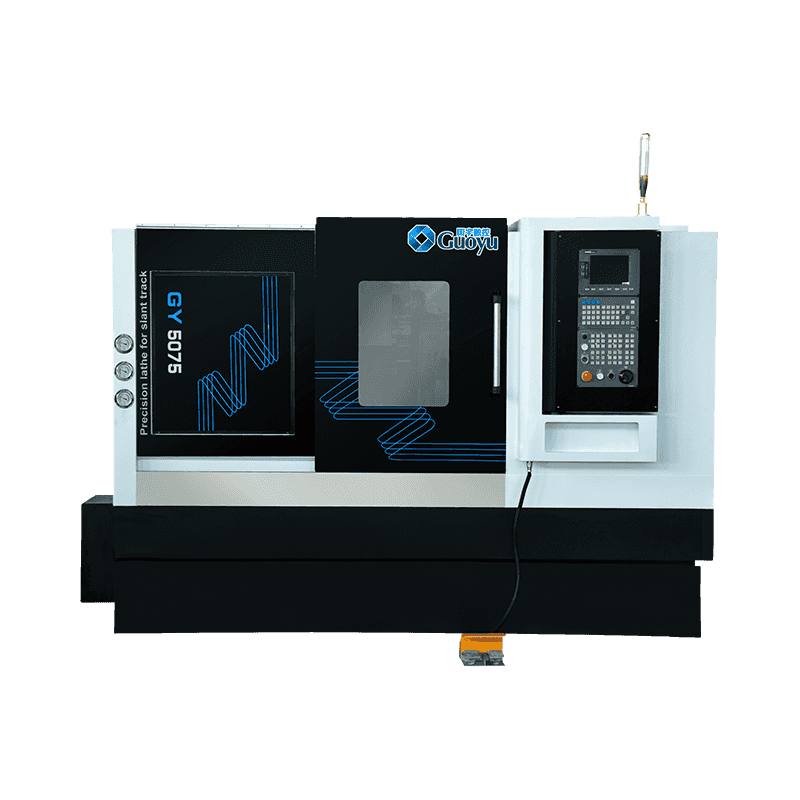
Technical Characteristics: The CNC machine tool for inclined beds adopts the domestic or imported hi...
See Details
The Conjoined 35° Oblique Rail Cutter Tower Tail Seat Precision CNC Lathe is a really practical mach...
See Details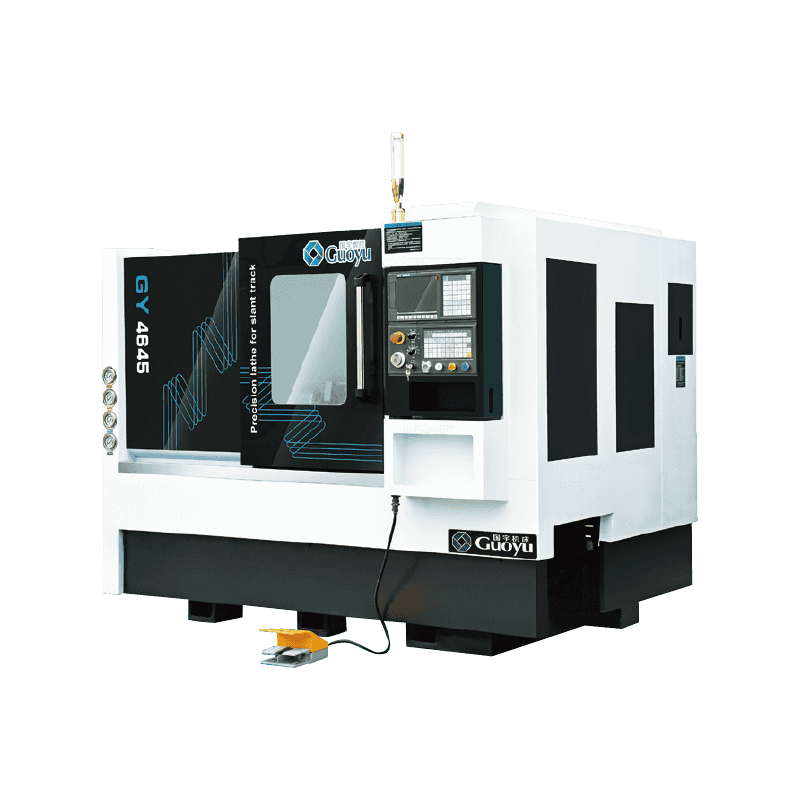
The Conjoined 35° Oblique Rail Cutter Tower Tail Seat Precision CNC Horizontal Lathe is a really pra...
See Details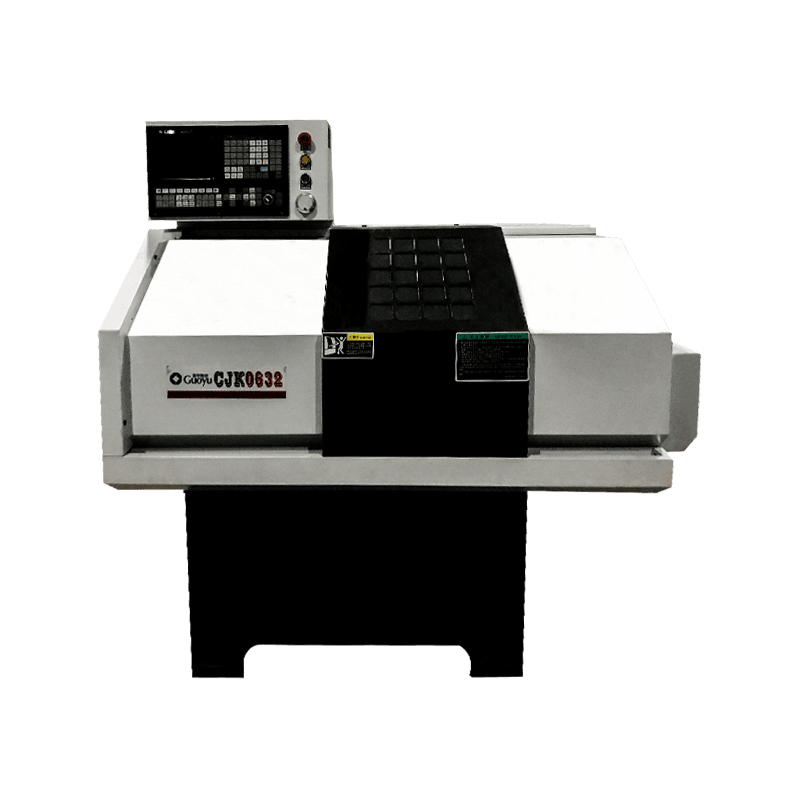
The Precision Line Rail Precision CNC Lathe is a completely practical machining choice if you want t...
See DetailsOur team of digital and business experts will guide you to the right direction.
Let's Talk
Zhejiang Guoyu CNC Machine Tool Co., Ltd. relies on rich experience, professional technology and advanced methods to ensure the quality of its products, so that customers can enjoy more professional and thoughtful service.
 [email protected]
 +86-15356565970
 Xialiang Industrial Area, Luqiao District, Taizhou City, Zhejiang Province, China
Copyright © Zhejiang Guoyu CNC Machine Tool Co., Ltd. All Rights Reserved.