Universal Precision CNC Lathe: A Practical Choice for Accurate and Flexible Turning
Manufacturers today need machine tools that can adapt to different part requirements without sacrificing precision or operating stability. The Universal Precision CNC Lathe is designed to meet that need, offering versatile turning capability along with reliable accuracy and repeatable performance. This makes it a useful choice for workshops focused on both efficiency and consistent part quality.
Why Universal Precision CNC Lathes Matter in Production
Many machine shops and production facilities need lathes that can adjust to different part specifications, order volumes, and machining tasks. For most buyers, speed alone is not enough. They also pay close attention to machining reliability, ease of use, and a machine build that can perform well over time.
A Universal Precision CNC Lathe is commonly selected because it allows manufacturers to:
- Process a range of turning profiles with dependable accuracy
- Accommodate different part shapes and machining requirements
- Maintain better consistency in repeated production
- Minimize interruptions through practical machine construction
- Achieve a workable balance between machining capability and equipment cost
For manufacturers involved in industrial equipment, automotive parts, metal component production, and custom machining, this kind of flexibility offers clear practical value.
Common Machine Types and Their Practical Value
Machine Type
|
Key Features
|
Applications
|
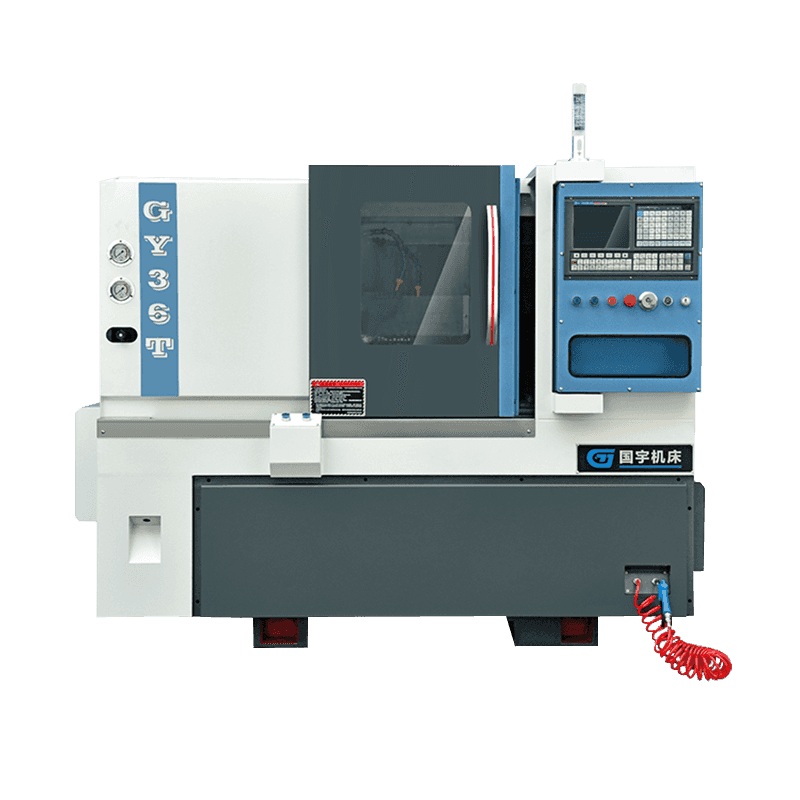
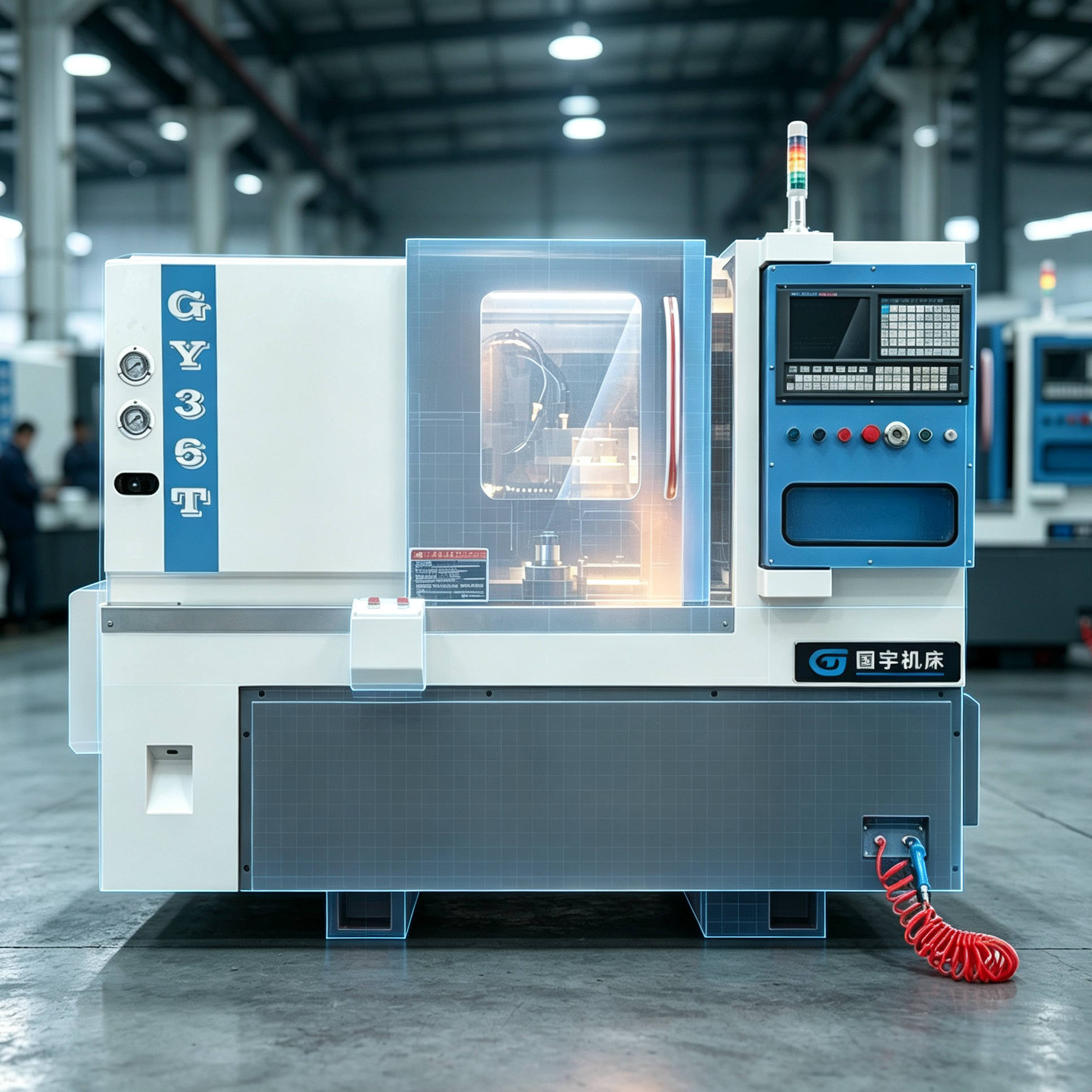
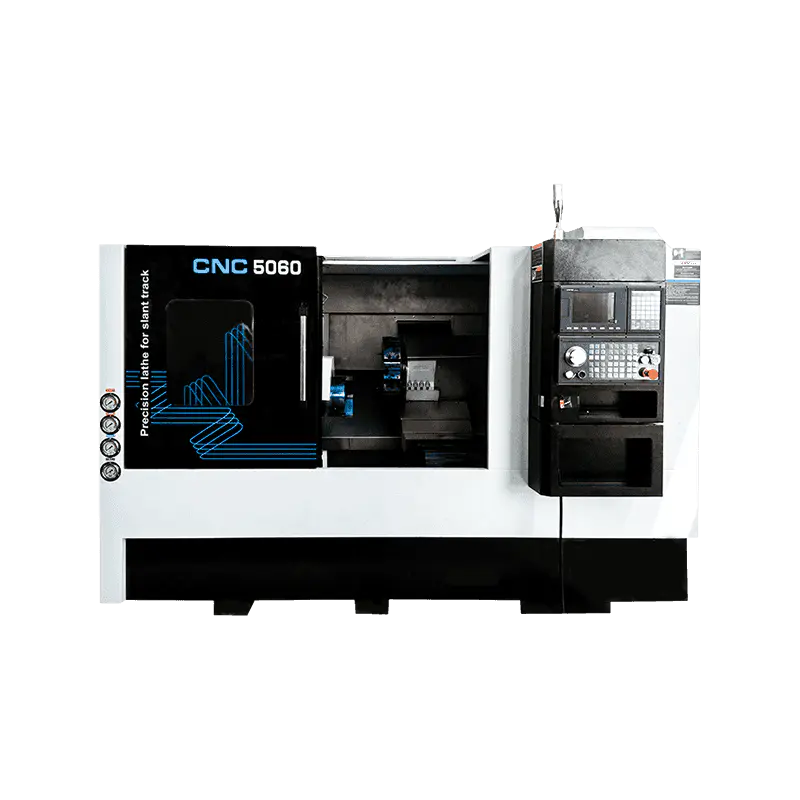
Inclined Bed CNC Lathe
|
Better chip removal, stable rigidity, efficient tool movement
|
Precision turning with smooth operation, strong structural support
|
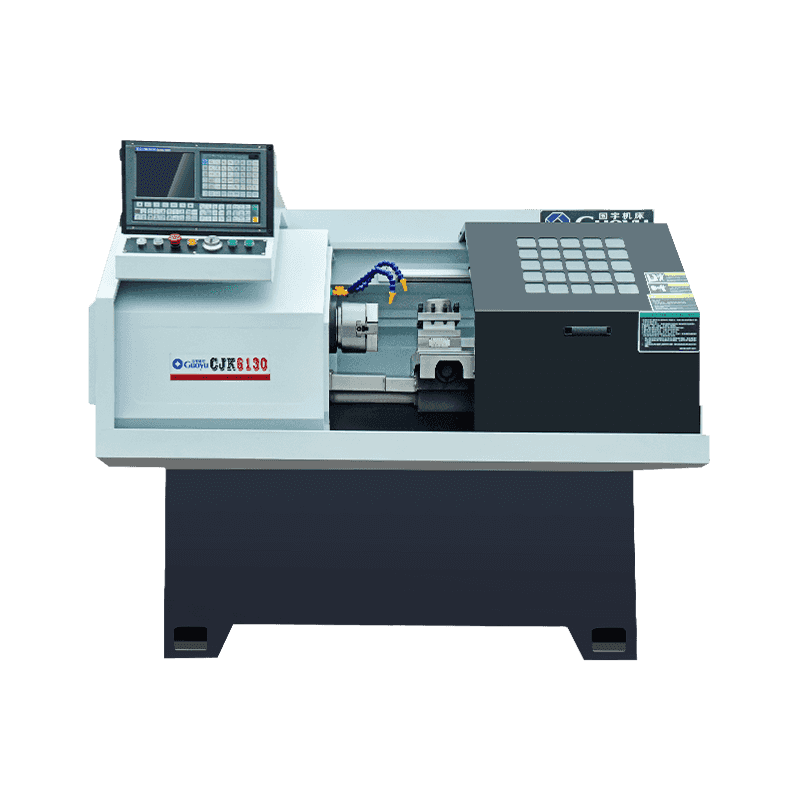
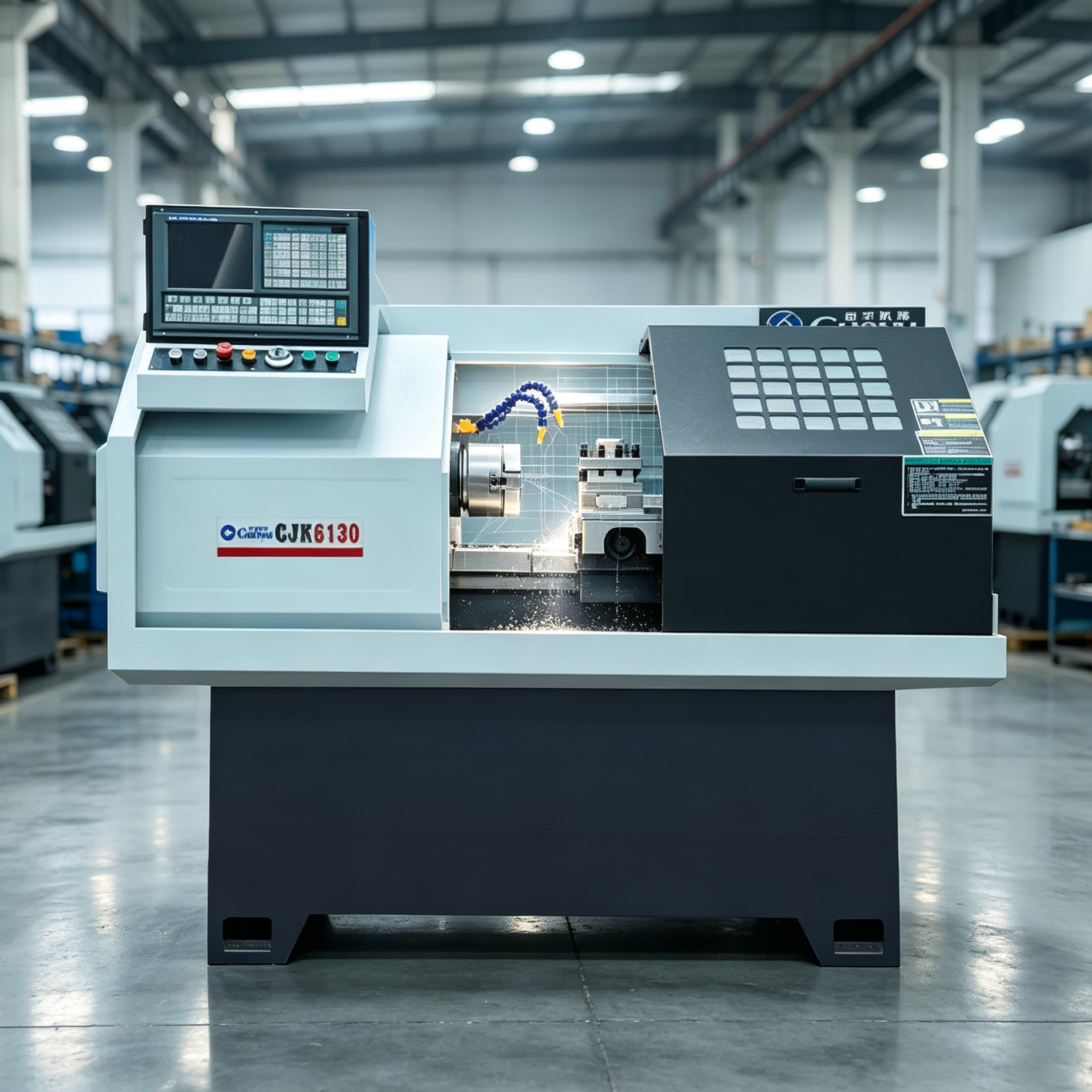
Small Economical Precision CNC Lathe
|
Compact size, cost-effective, practical functionality
|
Small parts, light-to-medium production, cost-sensitive workshops
|
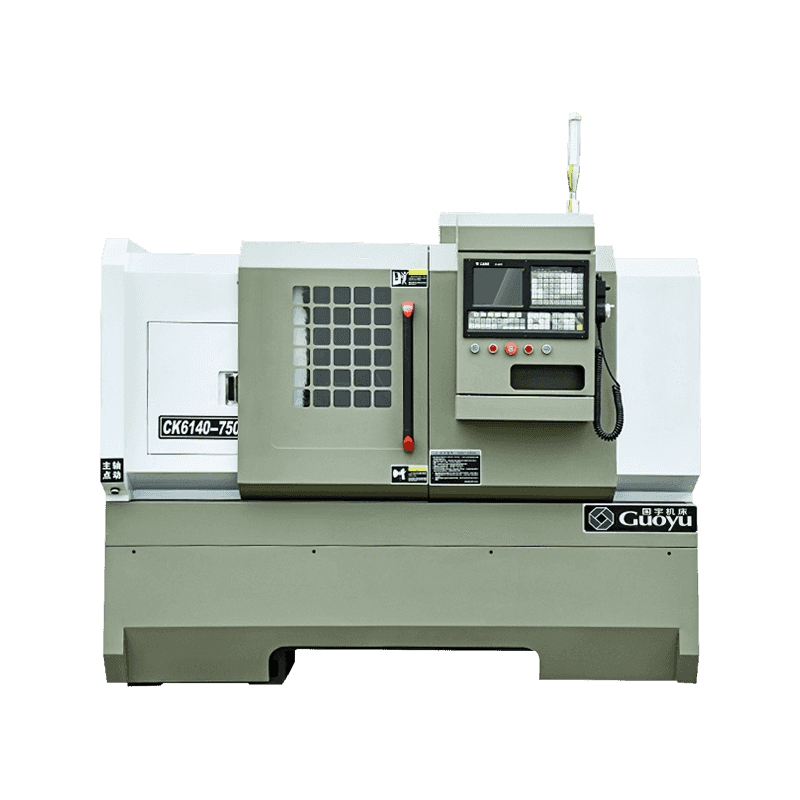
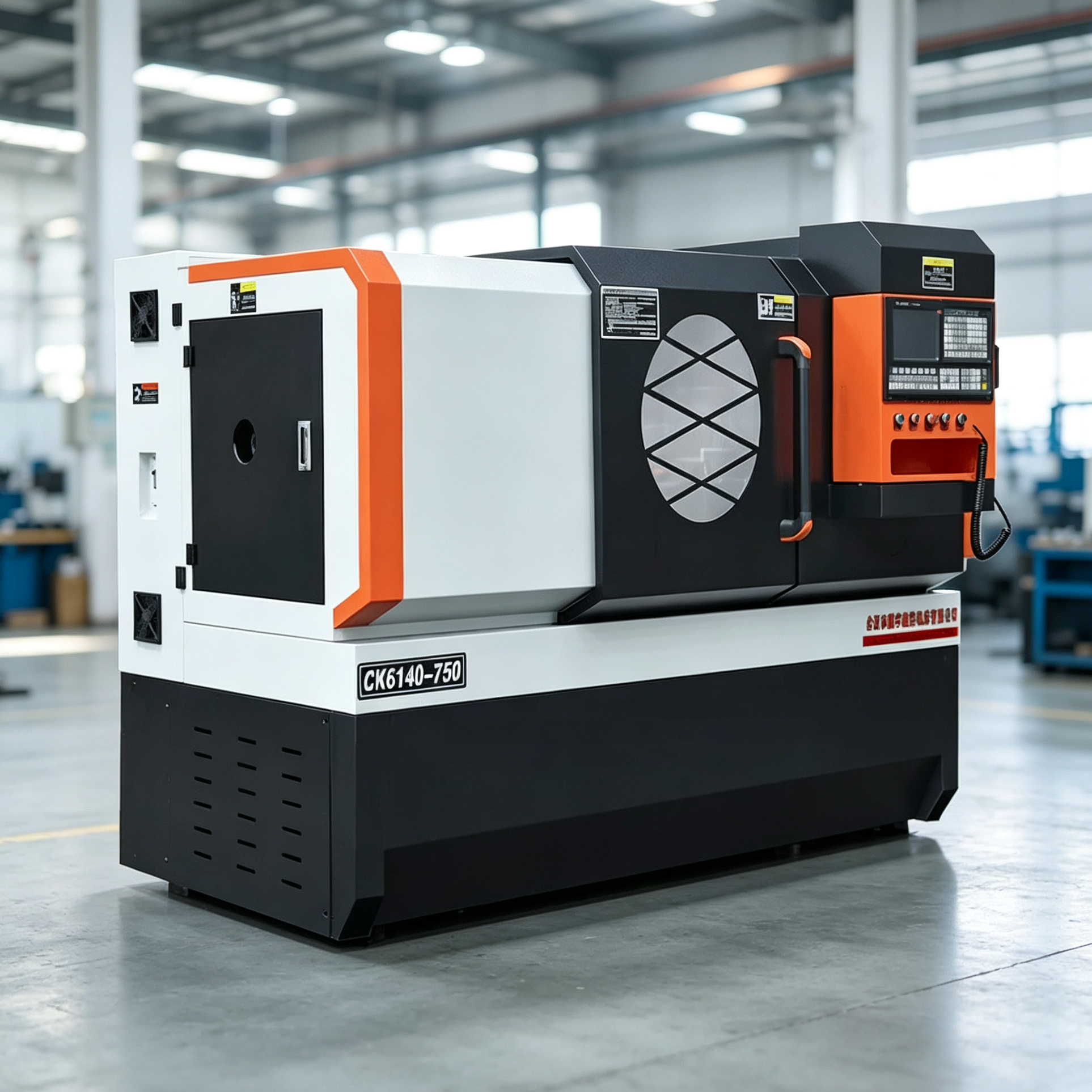
Hard Rail Automatic Precision CNC Lathe
|
Strong support, wear resistance, suited for heavy cutting
|
Machining strength and durability-focused tasks
|
What Buyers Often Look For
When evaluating a Universal Precision CNC Lathe, experienced buyers usually look beyond catalog specifications alone. Technical parameters are important, but real-world machining results, operating stability, and day-to-day usability often carry greater weight in the final decision.
- Key considerations often include:
- Machining Accuracy
- Reliable dimensional consistency is especially important for parts that must meet repeat tolerance targets and fit correctly during assembly.
- Machine Rigidity
- A stronger machine structure can help limit vibration, improve cutting stability, and support consistent performance over extended use.
- Tool Change Efficiency
- Quick and accurate tool indexing helps shorten cycle times and keeps production running more smoothly.
- Guideway Structure
- Linear guideways and hard rail systems each serve different machining needs, depending on cutting speed, load requirements, and structural support expectations.
- Customization Capability
- Some manufacturers require machine configurations tailored to their materials, component sizes, or specific processing methods.
For this reason, suppliers with a solid understanding of actual shop-floor demands often provide greater long-term value than those that focus only on standard machine specifications.
Why Customization Matters
Not every workshop has the same machining tasks. Some customers focus on small precision parts. Others need machines for larger rotating components or more demanding cutting operations. A supplier that can provide flexible machine selection and customized support is often in a better position to meet these differences.
Guoyu focuses on delivering practical solutions based on customer needs, whether the requirement is for a single machine or a complete equipment package. This approach helps manufacturers choose a Universal Precision CNC Lathe that matches both production goals and budget expectations.
Long-Term Value for Manufacturers
The long-term value of a CNC lathe is not measured by price alone. It also depends on how the machine performs over time in actual shop conditions. Stable operation, consistent quality, and reasonable maintenance demands all influence total production efficiency.
A suitable Universal Precision CNC Lathe can help manufacturers:
- Maintain better part consistency
- Improve machining efficiency
- Support a wider range of turning applications
- Reduce unnecessary production interruptions
- Create better cost performance over the machine lifecycle
For manufacturers aiming to improve output while keeping quality under control, machine selection plays a direct role in operational results.
A Universal Precision CNC Lathe offers a practical way for manufacturers to combine machining accuracy, processing flexibility, and reliable turning performance in one machine. From cost-effective small-part work to heavier hard rail applications, the right machine configuration can help support daily production needs while also improving long-term operating value.
For companies aiming to strengthen machining capacity with a solution that offers broader processing adaptability, this category of equipment continues to hold strong value in today’s manufacturing environment.


 English
 中文简体
中文简体 русский
 Español