English
 中文简体
中文简体 русский
 Español

Technical Characteristics: It can cut all kinds of turning surfaces by bicycle, such as conical surf...
See DetailsA machined part can have the correct shape and still show an unwanted surface texture that catches the light wrong. Small marks, uneven areas, visible tool paths, or changes in texture can affect how a finished component looks, feels, and performs in its intended application.
This is where a Precision CNC Lathe can influence a lot more than the basic cutting process happening on the shop floor. The machine provides a controlled environment for turning operations, but the final surface finish also depends on tool condition, cutting speed, feed rate, cooling, workpiece material, tool path, and the way each machining condition gets selected by the operator.
Surface finish therefore doesn't get created by the machine alone sitting in the corner. It develops through the interaction between the machine, cutting tool, material, and machining process working together.
For manufacturers, understanding these relationships can help explain why the same material may produce genuinely different surface results under different machining conditions applied on separate days.
Turning removes material while the workpiece rotates against a cutting tool held in position. The contact between the tool and material creates a new surface, and the character of that surface depends heavily on how the cutting process gets controlled throughout the run.
A High-Precision CNC Lathe can provide a controlled platform for this work, but the machine needs pairing with suitable cutting conditions chosen for that specific job. If the tool moves too aggressively, loses its cutting edge, or encounters unstable contact with the workpiece, the resulting surface may show unwanted marks that weren't there before.
| Machining Factor | Possible Surface Effect |
|---|---|
| Cutting tool condition | Can influence marks and texture |
| Cutting speed | Can affect cutting behavior |
| Feed rate | Influences the pattern left by the tool |
| Cooling | Helps manage heat and cutting conditions |
| Workpiece material | Changes how the material responds to cutting |
| Machine movement | Affects the path followed by the tool |
Several factors can interact during turning in ways that aren't always obvious at a glance. This relationship explains why surface finish should get considered during the entire machining process, rather than checked only after the part leaves the lathe.
A suitable machining setup allows each part of the process to support the desired surface condition from start to finish.
The cutting tool is the point where the machining process directly meets the workpiece sitting in the chuck. Its condition can therefore have a genuinely noticeable effect on the surface left behind after material gets removed.
A tool with a suitable cutting edge can remove material in a controlled manner without much drama. As the edge becomes worn through repeated use, the interaction can change, and the surface may develop more visible marks or an uneven appearance that shows up under inspection.
| Tool Condition | Possible Surface Result |
|---|---|
| Suitable cutting edge | More controlled material removal |
| Gradual wear | Increasing surface marks |
| Damaged edge | Irregular cutting pattern |
| Incorrect tool choice | Unwanted surface behavior |
| Poor tool positioning | Uneven contact with the workpiece |
Tool wear doesn't always appear suddenly on the shop floor. A gradual change can develop during repeated machining over many parts, making regular observation genuinely useful for production teams watching the run.
The tool material and shape also matter here, because different cutting tasks place different demands on the edge itself. Tool selection should therefore reflect the material being machined and the type of surface being produced for that particular order.
A tool intended for rough material removal may not be the same choice for a later finishing pass on the same part. Separating these roles can help the machining process move from bulk material removal toward a genuinely cleaner final surface.
Cutting speed influences how quickly the cutting edge moves against the rotating workpiece spinning in the chuck. Changing this condition can alter heat, contact behavior, and the way material separates from the surface being cut.
A Precision CNC Lathe allows manufacturers to control cutting movement as part of the machining process from the program itself. The useful setting depends on the workpiece material, tool selection, cutting operation, and other conditions surrounding the job at hand.
| Cutting Speed Consideration | Related Question |
|---|---|
| Material | How does the workpiece respond to cutting? |
| Tool | Can the cutting edge handle the selected condition? |
| Operation | Is the pass intended for roughing or finishing? |
| Heat | Does the process generate unwanted heat? |
| Surface goal | What type of surface appearance is required? |
If the cutting speed doesn't suit the tool and material combination chosen, the surface may show unwanted changes worth investigating. Heat can become a genuine concern, while the cutting edge may experience different wear behavior than expected.
A suitable cutting speed is therefore part of process planning, rather than a value that can get selected independently of everything else. The relationship isn't simply about increasing or reducing speed on a dial.
Manufacturers need to consider how speed interacts with the other conditions surrounding the cut happening in real time. This broader approach can help reduce situations where one adjustment creates a new problem somewhere else in the machining process down the line.
Feed rate describes how quickly the cutting tool advances relative to the rotating workpiece turning beneath it. It has a genuinely direct connection with the pattern created as the tool travels across the surface being formed.
A faster feed can leave a more noticeable tool path etched into the material, while a slower feed may produce a genuinely different surface pattern altogether. The appropriate condition depends on the tool, material, operation, and desired finish for that specific part.
| Feed Consideration | Surface-Related Effect |
|---|---|
| Higher feed | May create more visible tool marks |
| Lower feed | Can change the spacing of surface marks |
| Uneven movement | May create irregular patterns |
| Inappropriate feed | Can increase unwanted texture |
This is particularly important during finishing work near the end of the job. The final movement of the tool can leave a genuinely visible pattern that remains on the completed surface long after the part comes off the machine.
For a High Precision CNC Lathe, feed selection can therefore get considered alongside tool geometry and cutting speed rather than in isolation. A change that appears helpful under one cutting condition may behave quite differently when the tool, material, or speed changes.
Manufacturers can evaluate feed as part of the complete cutting combination, rather than treating it as a separate setting adjusted on its own.
Heat develops naturally when material gets removed through cutting friction. If the heat generated during machining changes the behavior of the tool or workpiece, the surface can also get affected in ways that show up later.
Cooling can help manage the conditions around the cutting area as the operation continues. It may also assist with removing chips and keeping the cutting zone genuinely cleaner during certain operations that generate more debris.
| Cooling Role | Possible Benefit |
|---|---|
| Heat management | Helps control the cutting environment |
| Chip movement | Helps move removed material away |
| Tool support | Can help manage tool temperature |
| Surface protection | May reduce unwanted heat-related effects |
| Process control | Helps maintain suitable cutting conditions |
The choice of cooling method depends on the machining process and workpiece material involved that day. Not every turning operation requires the same approach applied uniformly across every job.
Too little attention to cooling can create problems worth addressing, but simply adding more cooling doesn't automatically produce a better surface either. The cooling method needs to genuinely match the machine, tool, material, and operation happening together.
This is another reason surface finish should get viewed as a process result, rather than a single machine feature listed on a spec sheet.
Different materials respond quite differently when a cutting tool moves across their surface. Some materials produce chips that separate cleanly away from the cut, while others can create more challenging cutting conditions for the operator to manage.
Material behavior can influence tool wear, heat generation, chip formation, and the appearance of the machined surface once the part comes off the lathe.
A High-Precision CNC Lathe may provide controlled machine movement through its programming, but the cutting process still needs to reflect the material actually being turned that day. Manufacturers can consider the way the material responds to the cutting edge itself, along with how chips leave the cutting area during the operation.
Whether the material creates additional heat matters too, alongside how quickly the tool edge changes during use on that particular batch. Material preparation can also affect the result in ways easy to overlook.
Surface contamination, unsuitable workpiece condition, or an unstable starting surface may influence what happens during cutting once the spindle starts turning. Understanding the material before selecting the machining conditions gives production teams a genuinely more useful starting point for the whole job.
The path followed by the cutting tool determines how the cutting edge travels across the workpiece from entry to exit. Even when the machine moves as programmed, different paths can create genuinely different visual patterns on the finished part.
A finishing pass may follow a smoother and more controlled route than a roughing operation earlier in the same job. The transition between cutting paths can also influence the appearance of areas where one tool movement meets another along the surface.
| Tool Path Area | Surface Consideration |
|---|---|
| Cutting direction | Influences the tool's contact with the material |
| Entry movement | Can affect the starting mark |
| Exit movement | May leave a visible transition |
| Pass sequence | Changes how surfaces are produced |
| Direction changes | Can create differences in surface pattern |
Tool path planning becomes especially relevant when a part contains several connected surfaces meeting at different angles. Changes in direction, entry points, or cutting sequence can affect the marks left behind on each section.
A well-planned path doesn't need to be genuinely complicated to work well. It needs to match the shape being machined and the intended cutting operation for that stage of the job.
This makes tool path planning another area where machine control and process knowledge work together on the shop floor.
Even when cutting conditions get carefully selected ahead of time, the way the workpiece and tool are positioned can still affect the final surface produced. The workpiece needs to remain properly supported during machining from start to finish.
The cutting tool also needs to approach the material in a suitable position for the operation being performed. If the setup allows unwanted movement anywhere in the chain, the tool may not maintain the intended contact with the workpiece throughout the cut.
| Setup Area | Surface-Related Concern |
|---|---|
| Workpiece support | Unwanted movement during cutting |
| Tool position | Changes contact with the material |
| Tool mounting | Can influence cutting stability |
| Workholding | Affects how the workpiece is supported |
| Machine condition | May influence movement during operation |
This can produce marks that are genuinely difficult to explain by looking only at cutting speed or feed rate on their own. A Precision CNC Lathe can provide controlled movement through its programming, but that control depends on a suitable physical setup around the cutting area itself.
Setup inspection can therefore be genuinely useful before changing cutting conditions in response to a problem. If the underlying support isn't suitable, adjusting speed or feed may not address the actual source of the surface problem showing up.
Unwanted movement during cutting can leave repeated marks on a machined surface that weren't intended. The effect may appear as a regular pattern, rough-looking area, or change in texture across the part.
Vibration can be influenced by several conditions around the machining process happening simultaneously. Tool position, workpiece support, cutting conditions, and the relationship between the tool and material can all play a role in creating it.
| Possible Source | What to Review |
|---|---|
| Tool setup | Is the tool securely positioned? |
| Workpiece support | Is the part adequately supported? |
| Cutting condition | Does the selected process suit the material? |
| Tool condition | Has the cutting edge changed? |
| Machine movement | Is the cutting path behaving as expected? |
Manufacturers often need to look at the whole cutting arrangement when a surface suddenly changes without warning. The key is avoiding treating every surface issue as a tool problem right away, before checking anything else.
A visible mark can result from several interacting conditions working together rather than one obvious cause. A structured inspection process can help narrow down the cause, before production teams make unnecessary changes to a working setup.
Roughing and finishing serve genuinely different purposes during turning. Roughing focuses on removing material quickly, while finishing gives greater attention to the final condition of the surface being left behind.
A finishing pass generally uses a different combination of tool movement and cutting conditions from earlier material-removal work done on the same part. This allows the final stage to focus on the surface, rather than simply removing a large amount of material efficiently.
Tool condition becomes particularly important here at this stage. A worn or damaged edge may leave marks that remain genuinely visible after the finishing operation completes.
Cooling can also matter, because the final pass still takes place within an active cutting environment generating heat. The manufacturer needs to consider the interaction between tool, workpiece, speed, feed, and heat all happening together.
A useful finishing process may therefore involve a suitable cutting tool paired with a suitable feed rate and cutting speed chosen for that stage. Controlled cooling matters alongside stable workpiece support and a planned tool path worked out ahead of time.
These elements should work together as a coordinated system, rather than being adjusted independently of each other without a plan.
A sudden surface change can be frustrating because the machine may continue running normally while the finished parts appear different from the expected result. A practical response is to carry out a structured check of the machining process from several angles.
Looking at several conditions together can help identify whether the change comes from the tool, material, setup, cooling, or cutting movement involved. A production team can review tool condition first, checking for visible wear or damage on the cutting edge.
Feed movement deserves a look too, watching for changes in the cutting pattern showing up on parts. Cutting speed should get confirmed as still suitable for the material and tool combination in use.
Cooling needs checking to verify the cutting area is being managed as intended throughout the run. Workpiece support deserves attention as well, looking for unwanted movement during machining that might explain the change.
Tool path review matters too, checking whether the cutting sequence has changed from what was programmed originally. This approach can prevent a surface issue from being treated as a machine problem, without sufficient evidence pointing that direction.
For a High Precision CNC Lathe, machine capability is only one part of the result achieved. The interaction between equipment, tooling, workpiece, and machining conditions determines how the surface genuinely develops during actual production runs.
Not every machined surface needs the same appearance or texture across a part. A hidden internal surface may have genuinely different requirements from a visible outer surface, while a contact area may require different treatment from a section that simply needs to remove material efficiently.
This means manufacturers can assign different machining approaches to different areas of the same workpiece as it moves through the process. A Precision CNC Lathe can support these different operations by allowing the cutting process to get organized around the surface being produced at each stage.
| Surface Area | Process Consideration |
|---|---|
| Outer surface | Tool path and visible marks |
| Internal surface | Tool access and cutting conditions |
| Contact area | Surface condition and tool behavior |
| Roughing area | Material removal |
| Finishing area | Final surface texture |
Tool selection, feed, speed, cooling, and cutting sequence can then get considered according to the needs of each machining stage separately. This approach helps avoid applying one cutting condition to every part of the machining process regardless of what's actually needed.
It also gives manufacturers a lot more flexibility when a component contains several surfaces with different functional or visual requirements built into the design.
Surface finish gets shaped during cutting, not added after the machine stops turning. The condition of the tool, movement of the machine, choice of feed and speed, cooling approach, workpiece material, and overall setup all contribute to what remains on the finished surface.
For users evaluating a High-Precision CNC Lathe or a High Precision CNC Lathe, these process factors provide genuinely useful context when considering how machining equipment may fit a particular surface-finishing workflow on the shop floor.
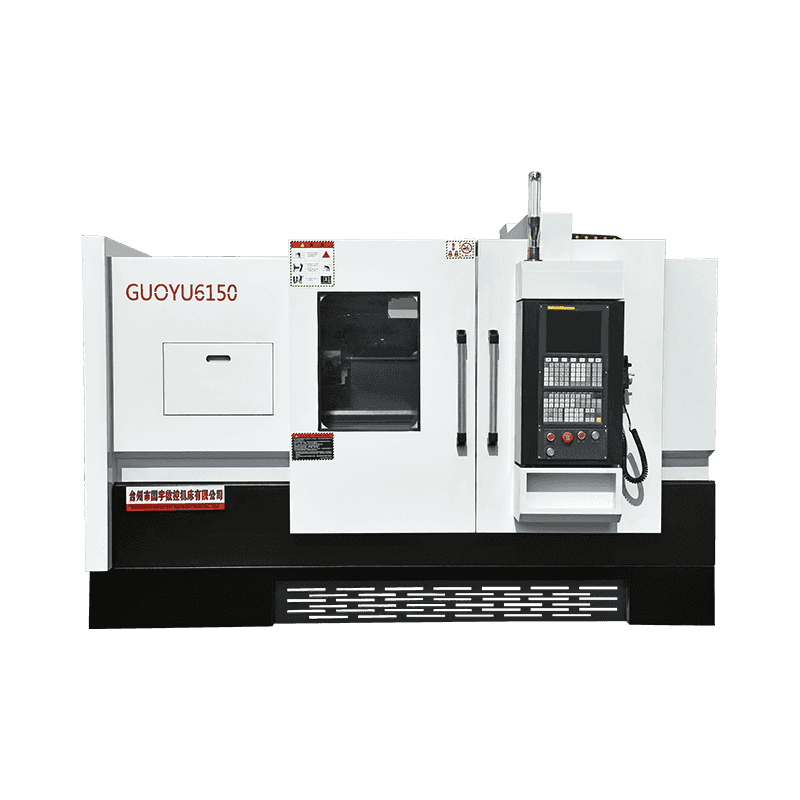
Technical Characteristics: It can cut all kinds of turning surfaces by bicycle, such as conical surf...
See Details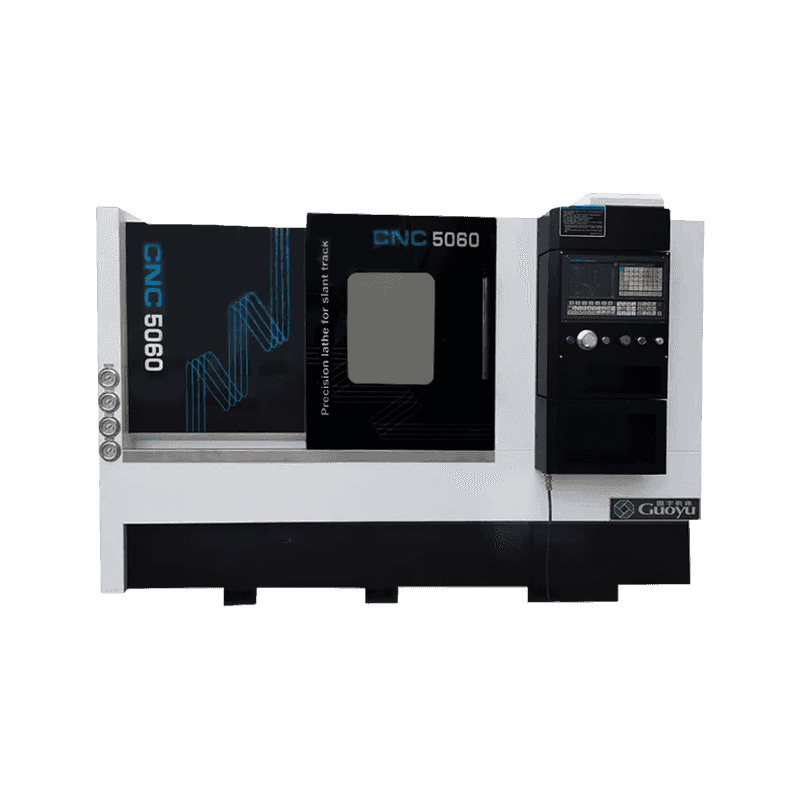
The Conjoined 35° Oblique Rail Cutter Tower Tail Seat Precision CNC Lathe is a really practical mach...
See Details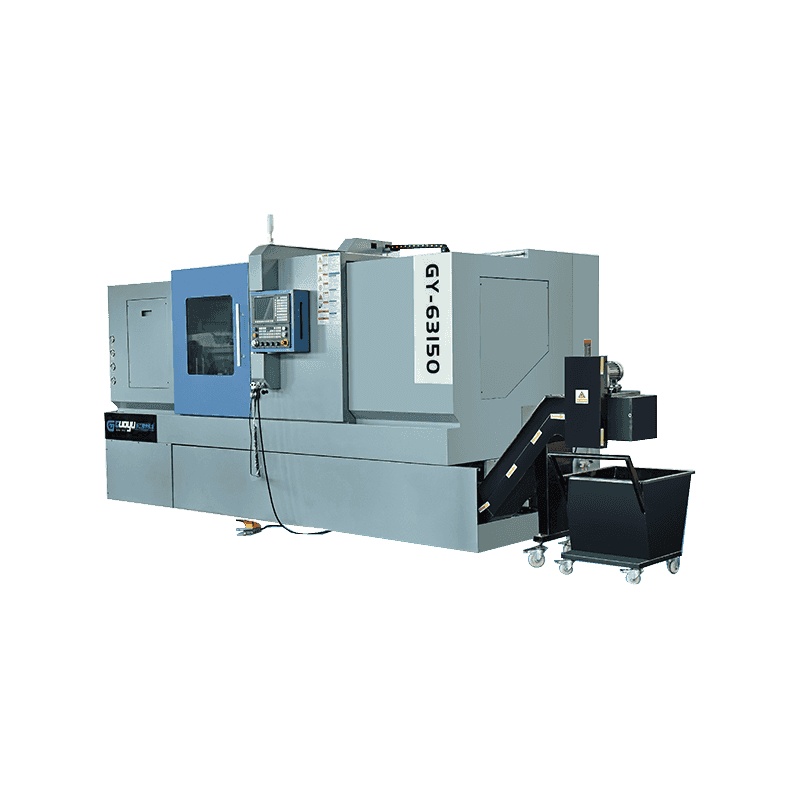
The Precision CNC Lathe With Programmable Tailstock For Connected Inclined Rail Tool Tower is just a...
See Details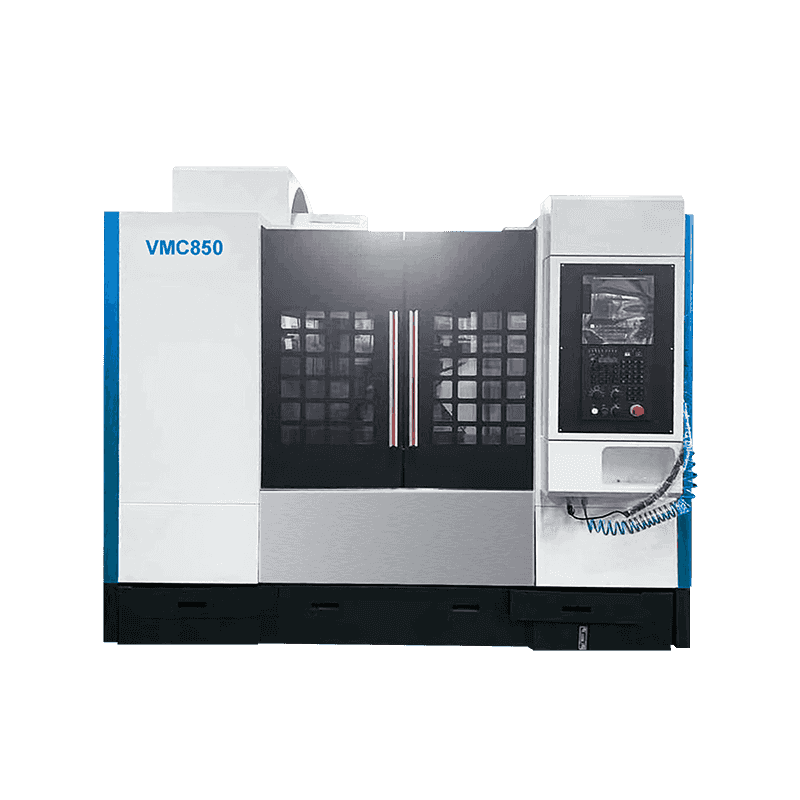
Technical Characteristics The machine tool is a single-column vertical guideway structure. The colum...
See Details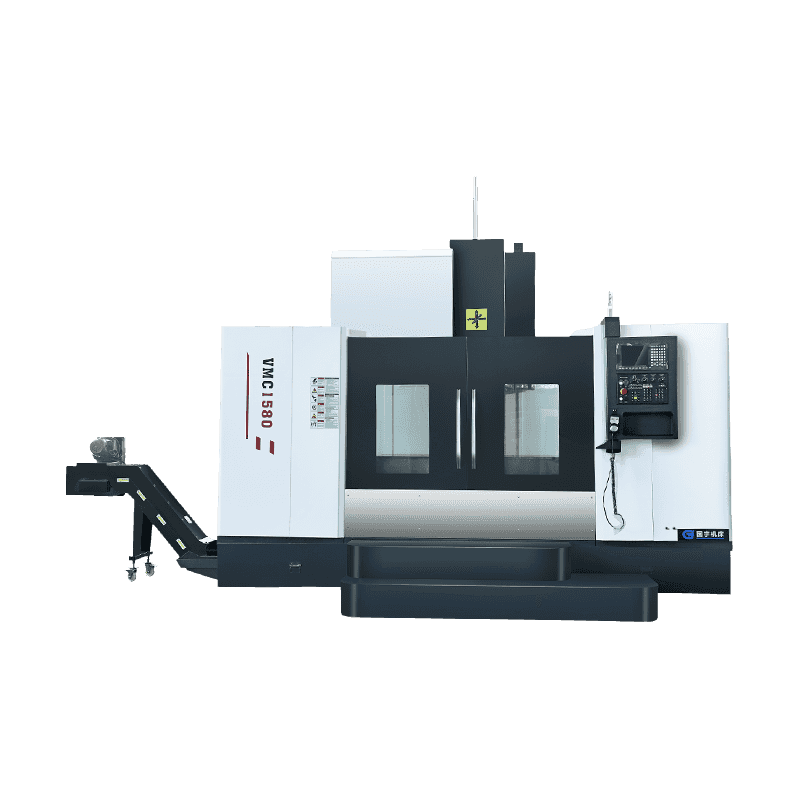
We are pleased to present the VMC1580 High-Speed Vertical Machining Center, a reliable and efficient...
See Details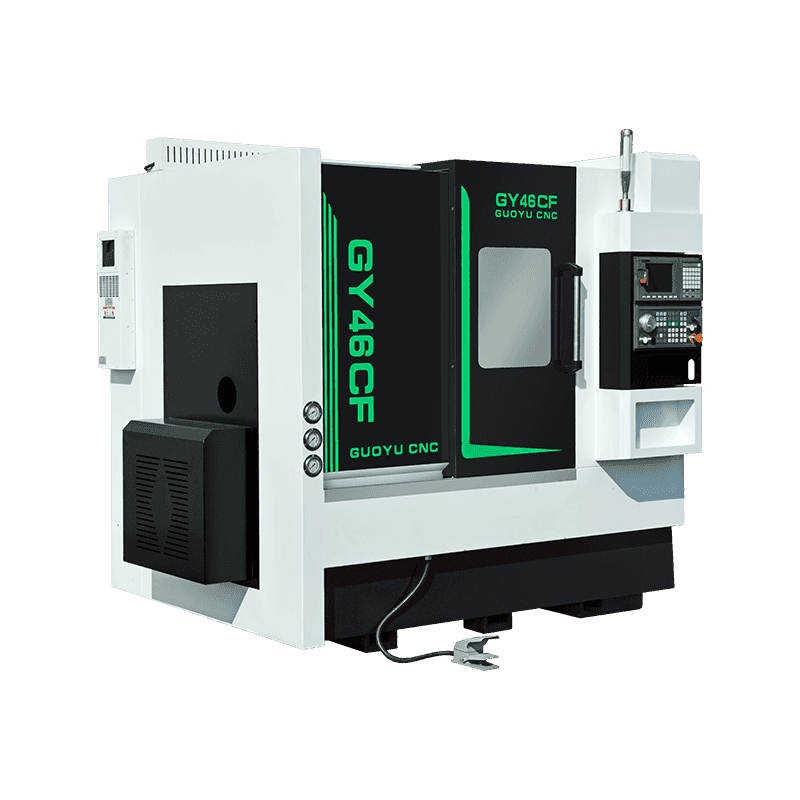
The 4+4 Type Precision CNC Lathe With Conjoined Oblique Rail Cutter Tower is a really practical, mul...
See Details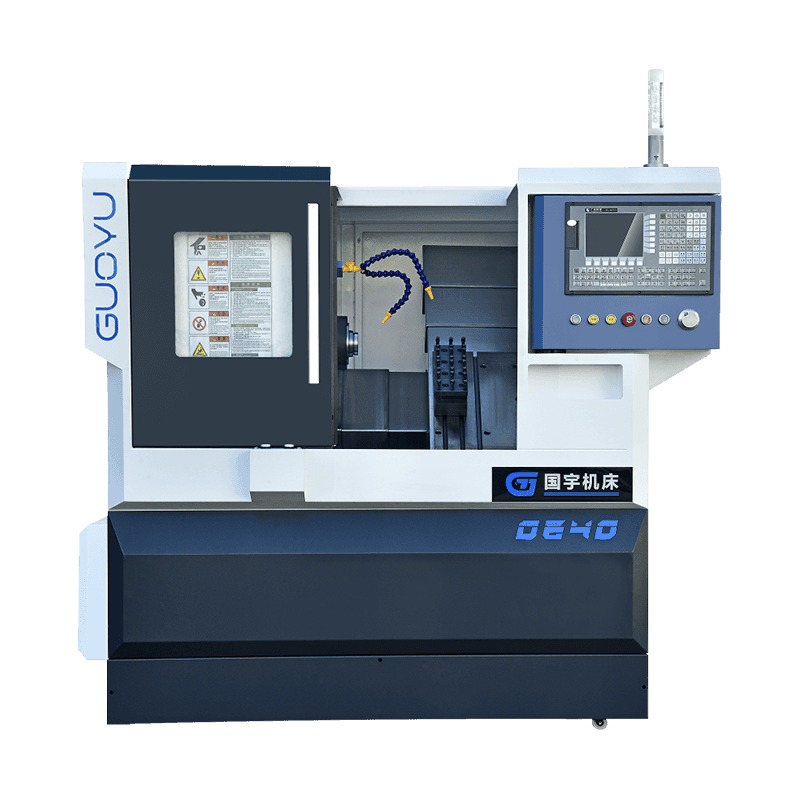
Introducing our Optional Control System CNC Lathe for Metal Processed, a sophisticated and reliable ...
See Details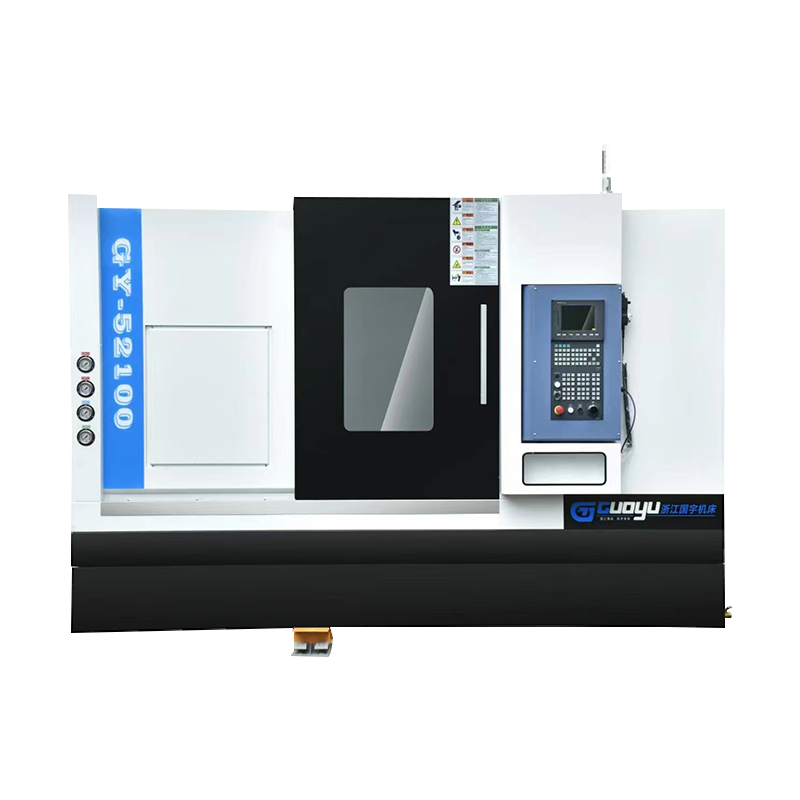
Technical Characteristics:Line Rail CNC lathes are integrally cast with 250 materials to ensure proc...
See DetailsOur team of digital and business experts will guide you to the right direction.
Let's Talk
Zhejiang Guoyu CNC Machine Tool Co., Ltd. relies on rich experience, professional technology and advanced methods to ensure the quality of its products, so that customers can enjoy more professional and thoughtful service.
 [email protected]
 +86-15356565970
 Xialiang Industrial Area, Luqiao District, Taizhou City, Zhejiang Province, China
Copyright © Zhejiang Guoyu CNC Machine Tool Co., Ltd. All Rights Reserved.