English
 中文简体
中文简体 русский
 Español

Technical Characteristics: It can cut all kinds of turning surfaces by bicycle, such as conical surf...
See DetailsA CNC lathe can run smoothly for a long stretch, yet its working condition doesn't stay completely unchanged the whole time. As the machine operates, different components warm gradually, almost like an engine block heating up during a long drive. The surrounding environment can shift too, and these temperature differences can cause small movements within the machine structure that aren't always obvious right away.
For ordinary machining work, these changes may not stand out much. In precision applications, though, even small dimensional movement can influence how the machine behaves from one stage of production to another. This is exactly why thermal stability deserves attention when considering a Precision CNC Lathe for continuous operation on a busy shop floor.
Thermal stability isn't simply about keeping a machine cool with a fan or coolant line. It's about how predictably the machine responds as its temperature changes over the course of a shift. A High-Precision CNC Lathe needs to maintain a stable working relationship between its main structural parts while the machine moves through different operating conditions throughout the day.
The same idea applies to a High Precision CNC Lathe used for repeated production work week after week. When temperature changes stay gradual and predictable, machine behavior becomes a lot easier to understand and manage on the floor.
Thermal stability describes how consistently a machine behaves as its temperature changes during operation. Every working machine produces and transfers heat in some way, but the important point is how that heat affects the physical relationship between its components over time.
Different parts may warm at different rates depending on their size, material, and position. Some areas reach a stable condition fairly quickly, while others keep changing as operation continues well into the shift.
| Thermal Condition | Possible Machine Response |
|---|---|
| Stable temperature | More predictable machine movement |
| Gradual temperature change | Slow structural movement |
| Uneven temperature distribution | Different parts may move differently |
| Repeated temperature changes | Working conditions may vary over time |
Thermal stability therefore concerns both temperature and movement together, not just one or the other. The machine doesn't need to remain at one fixed temperature throughout its entire working life, since what actually matters is whether temperature-related changes stay controlled and predictable across the shift.
A machine that operates for a short period may behave differently from one that runs continuously throughout a production shift. Continuous operation gives components more time to warm and allows heat to move from one part of the machine to another, gradually redistributing itself.
The machine's internal condition can therefore change quite a bit as operation continues hour after hour. At the beginning of a working period, some components may still sit close to the surrounding room temperature, while later on, their temperature becomes more settled.
If production continues past that point, the machine may enter a genuinely different thermal state from the one it had when the shift started. This creates a practical sequence worth keeping in mind: start-up leads to gradual warming, which leads to temperature redistribution, which eventually settles into a more stable operating condition.
The timing and pattern of this change depend on the machine structure, operating conditions, surrounding environment, and length of continuous operation on any given day. For a Precision CNC Lathe, understanding this process helps production teams recognize why machine behavior may shift during a long working period even when the basic program running on the controller hasn't changed at all.
Materials expand and contract as their temperature changes, a basic physical behavior that shows up in everything from bridges to kitchen countertops. This same principle applies directly to machine components sitting inside a lathe.
When a structural part becomes warmer, its dimensions can shift slightly, even if the shift feels tiny to the naked eye. If different parts experience different temperature changes at different times, their movement may not occur at the same rate, which affects how everything lines up.
| Temperature Situation | Potential Dimensional Effect |
|---|---|
| Gradual warming | Slow dimensional movement |
| Uneven warming | Different components may move differently |
| Cooling period | Components may contract |
| Repeated temperature changes | Working position may shift over time |
The changes involved may be small in absolute terms, but precision machining makes small movements a lot more relevant than they'd be in rougher work. This is exactly why thermal behavior needs consideration as part of machine structure itself, rather than getting treated as some separate environmental issue off to the side.
The structure of a CNC lathe determines how temperature changes actually move through the machine as a whole. Large structural components may warm differently from smaller parts, while enclosed areas often behave differently from exposed surfaces sitting out in the open air.
The arrangement of these components matters just as much as their individual behavior. If one part shifts position slightly due to heat, the effect can transfer through connected structures nearby, rippling outward in ways that aren't always predictable.
A stable machine structure helps keep these changes reasonably predictable across the whole system. Important structural areas worth watching include the machine bed, spindle-related structures, tool support components, guide structures, housing and enclosure areas, and supporting frame sections underneath.
These parts don't respond to temperature changes in exactly the same way as each other. Their materials, shapes, connections, and positions all influence how thermal movement develops over the course of a shift, which is exactly why structural design becomes an important part of thermal behavior for manufacturers and users of a High-Precision CNC Lathe.
Thermal conditions don't come only from the machine itself grinding away. The surrounding environment can influence how the machine behaves just as much, sometimes more than people expect.
Changes in room temperature, airflow, nearby equipment, sunlight coming through a window, doors opening and closing, and ventilation can all create different conditions around the machine throughout the day. A machine positioned near a changing air source may experience a genuinely different thermal pattern from one tucked into a more stable corner of the shop.
This becomes particularly noticeable during long production periods stretching across a full shift. A practical environment check can consider whether surrounding temperature changes during operation, whether airflow reaches one side of the machine more strongly than the other, whether nearby equipment adds extra heat nearby, whether direct sunlight reaches the machine structure, and whether the machine's location stays reasonably consistent day to day.
The goal isn't eliminating every environmental change entirely, which would be nearly impossible anyway. It's understanding how the surrounding conditions interact with the machine so nobody gets caught off guard by unexpected behavior.
Thermal stability becomes more complicated once different components start responding at different speeds from each other. Imagine a machine structure where one section warms relatively quickly while another stays cooler for a much longer stretch.
The two sections may experience different amounts of dimensional movement during the exact same period, which can slightly change their relative position to one another. As operation continues, the temperature difference may shrink, or it may stick around depending on the machine structure and surrounding conditions at play.
Either way, the machine's behavior can shift over time in ways that aren't always immediately visible. This is exactly why average temperature alone doesn't describe the full thermal condition of a machine.
The distribution of temperature across the machine can matter just as much as the overall temperature reading itself. A machine may show a relatively stable overall environment on paper while still experiencing real local differences between individual components sitting inside it.
Machining stability ties closely to how consistently the machine maintains the intended relationship between its moving and stationary parts throughout a job. If temperature-related movement stays predictable, the machine's behavior becomes a lot easier to understand from the operator's chair.
If thermal changes occur unevenly or repeatedly, the working position may shift as operation continues over time. This does not mean every temperature change will automatically create a machining problem that requires attention.
The practical concern is really whether the movement matters for the specific work being performed that day. For a Precision CNC Lathe, thermal stability can therefore support a genuinely more predictable machining process during extended operation across a full shift.
| Thermal Factor | Relationship to Machining |
|---|---|
| Temperature distribution | Influences structural movement |
| Warming rate | Affects when dimensional changes occur |
| Cooling behavior | Influences movement after operation |
| Environmental variation | Can change thermal conditions |
| Continuous operation | Allows thermal changes to develop |
This broader view proves a lot more useful than focusing on temperature as some isolated number sitting on a display screen.
A machine doesn't necessarily begin every production period in the same thermal condition it eventually finishes in. After sitting idle overnight, its components may have drifted toward room temperature by the time morning arrives.
Once operation begins, internal activity gradually changes that resting condition into something else entirely. This means the machine may pass through a transition period before settling into a more stable working state as the shift progresses.
The transition can matter quite a bit when production work depends on predictable dimensional relationships between parts. Rather than viewing start-up and continuous operation as identical conditions, manufacturers can treat them as genuinely different stages of machine behavior worth tracking separately.
A simple operating sequence might run through idle condition, start-up, thermal transition, stable operation, shutdown, and finally cooling. Each stage can affect the physical condition of the machine in its own distinct way, which helps explain why a machine's behavior may not stay exactly the same throughout an entire production cycle.
Thermal stability begins with the physical design of the machine long before it ever runs a job. Structural layout, material selection, component placement, and heat transfer paths all influence how temperature changes move through the equipment over time.
A well-considered design aims to make thermal movement understandable rather than unpredictable and mysterious. The relationship between major components matters a great deal here, since connected structures that respond differently to temperature changes can see their relative positions shift unexpectedly.
Designers can weigh structural symmetry, material behavior, component arrangement, heat distribution, airflow around the machine, and connections between structural sections. These considerations don't exist purely for laboratory conditions tucked away in a research facility somewhere.
They influence how a machine behaves during ordinary, everyday production runs on a real shop floor. A High-Precision CNC Lathe designed with thermal behavior in mind can provide a genuinely more stable physical environment for precision machining work over the long haul.
Warm-up often gets discussed as a practical part of machine operation, but it connects directly with thermal behavior too. When a machine begins operating, its components gradually move from an idle thermal condition toward an operating condition, much like a car engine settling in on a cold morning.
The purpose of a suitable warm-up routine is letting this transition happen in a controlled manner before demanding production work actually begins. The exact routine depends on the machine design and manufacturer instructions specific to that piece of equipment.
There's no single process that applies across every CNC lathe out there, since designs vary enough to matter. The important concept is simply that temperature-related movement can be part of normal machine behavior rather than something alarming.
Understanding this can prevent operators from treating every change during the early stage of operation as some unexpected mechanical issue needing a service call.
Thermal changes don't stop immediately once machining ends for the day. After the machine stops running, components can gradually release heat and move back toward the surrounding room temperature over the following hours.
This cooling process can create dimensional movement running in the opposite direction from the earlier warming process. The machine may therefore show different physical conditions during operation, immediately after operation wraps up, and after a longer idle period stretching overnight or over a weekend.
For businesses that operate a High Precision CNC Lathe repeatedly, this cycle becomes part of the normal working environment they plan around.
| Operating Stage | Thermal Behavior |
|---|---|
| Before operation | Machine approaches surrounding conditions |
| Early operation | Components begin warming |
| Continued operation | Temperature distribution develops |
| After operation | Components begin cooling |
| Extended idle period | Machine moves toward ambient conditions |
Recognizing this cycle helps place thermal movement into a genuinely normal production context rather than treating it as some anomaly.
Long production runs give the machine more time to experience internal and external temperature changes as the hours stack up. Components that haven't fully warmed at the beginning of a shift may reach a genuinely different condition later on.
This doesn't automatically make long operation unsuitable for precision work, to be clear. Instead, it means thermal behavior becomes a more important part of understanding the machine's working condition as time passes on the floor.
A machine intended for continuous operation should therefore get considered as a complete thermal system rather than a collection of separate parts. The structure, operating cycle, surrounding environment, and cooling behavior all interact with each other continuously throughout a shift.
For precision machining specifically, this relationship can matter a great deal, because dimensional movement that seems small in ordinary equipment may become a lot more noticeable when the machining task depends on a stable physical relationship between components.
Production planning can take machine operating conditions into account without making the workflow unnecessarily complicated for the team running it. When a machine is expected to operate for an extended period, the production team can think through when the machine begins operating, how its condition changes during the working cycle, and whether the surrounding environment stays reasonably stable throughout.
This information helps teams understand normal thermal behavior rather than reacting to it with surprise each time. It also makes production planning a lot more realistic when a machine gets shared between different types of work throughout the week.
A machine that's been sitting idle may behave differently from one that's already been running for hours. The key really is recognizing thermal condition as part of the machining environment itself, not some separate footnote.
This approach lets production teams think about machine behavior over time, rather than treating every machining stage as some isolated event disconnected from what came before it.
Thermal stability connects closely with the complete machine structure from top to bottom. It can't really get separated from how components are arranged, how materials respond to temperature, and how the machine operates over the course of its working life.
For a Precision CNC Lathe, these considerations become part of the machine's working behavior day after day. A High-Precision CNC Lathe may need to support extended operation without letting temperature-related movement become difficult to understand or predict.
A High Precision CNC Lathe can also benefit from a design approach that weighs both internal warming and external environmental changes together. Manufacturers can examine the machine across different operating stages rather than looking only at its condition while sitting idle in a showroom.
This includes the transition from start-up to continuous operation, changes in surrounding conditions throughout a shift, and the cooling period once machining stops for the day. Thermal stability therefore stays closely linked with dimensional behavior and machining stability, and looking at these relationships during machine development can help create equipment that behaves in a genuinely more predictable way as operating conditions shift across a working day.
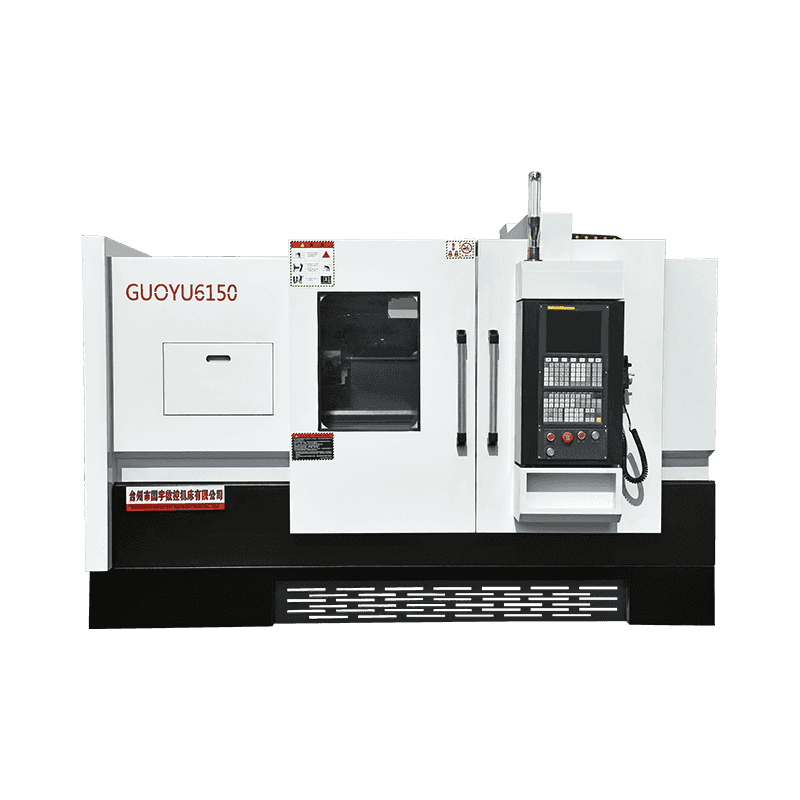
Technical Characteristics: It can cut all kinds of turning surfaces by bicycle, such as conical surf...
See Details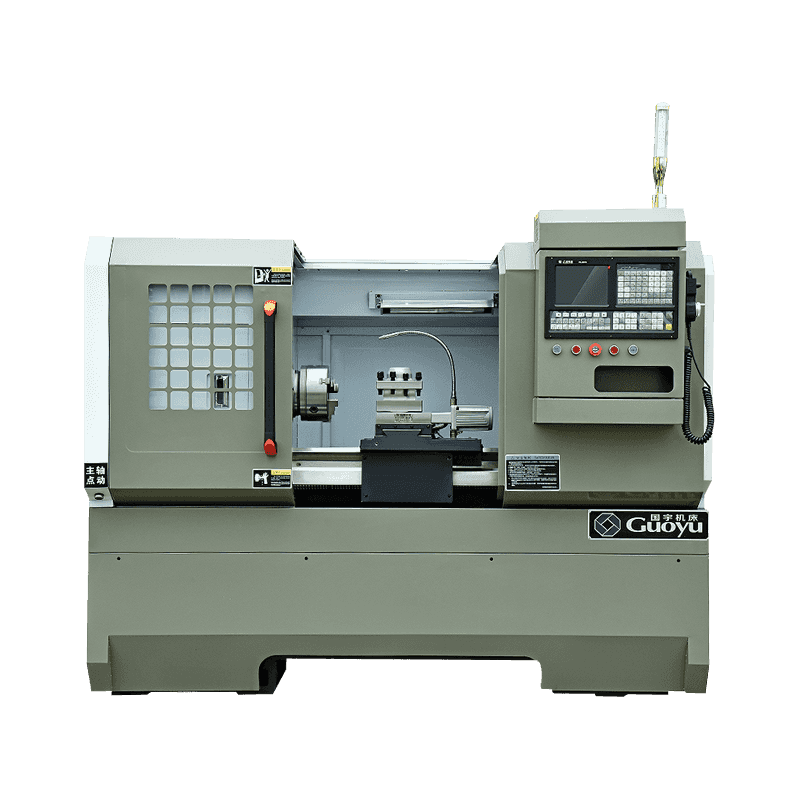
Technical Characteristics: It can cut all kinds of turning surfaces by bicycle, such as conical surf...
See Details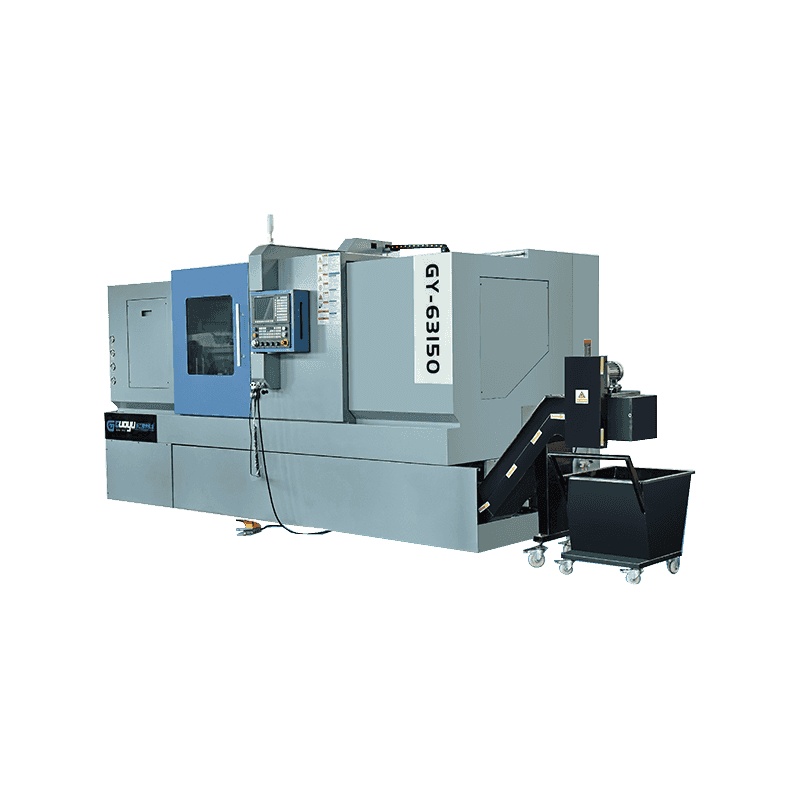
The Precision CNC Lathe With Programmable Tailstock For Connected Inclined Rail Tool Tower is just a...
See Details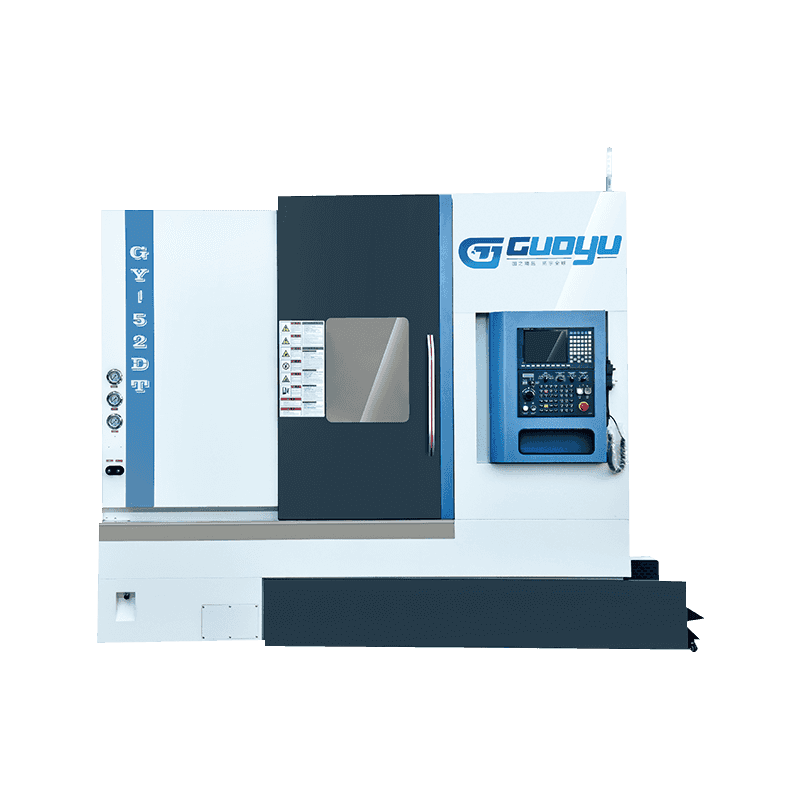
Technical Characteristics: The CNC machine tool for inclined beds adopts the domestic or imported hi...
See Details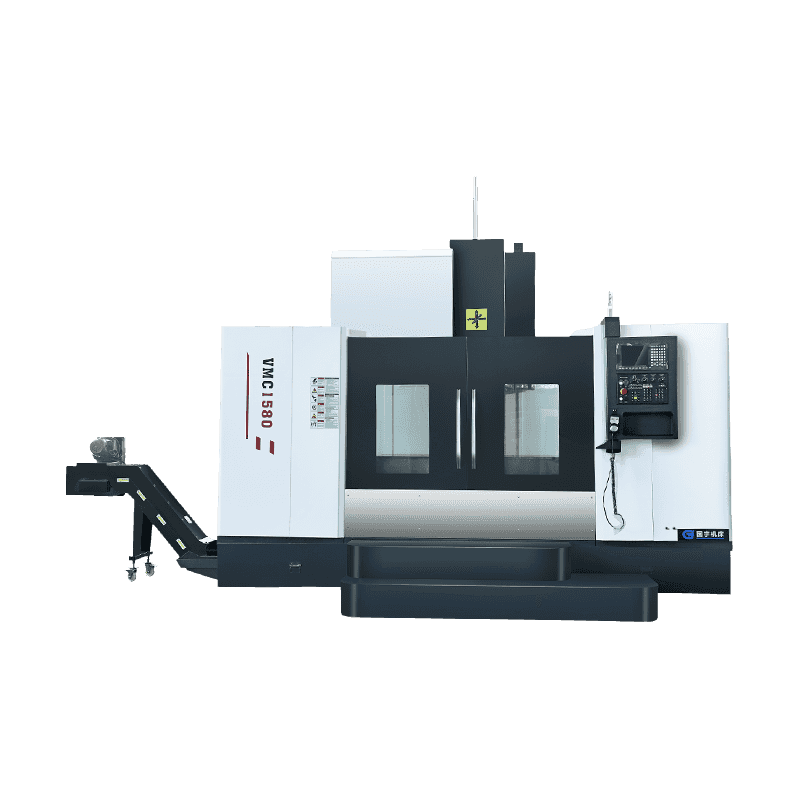
We are pleased to present the VMC1580 High-Speed Vertical Machining Center, a reliable and efficient...
See Details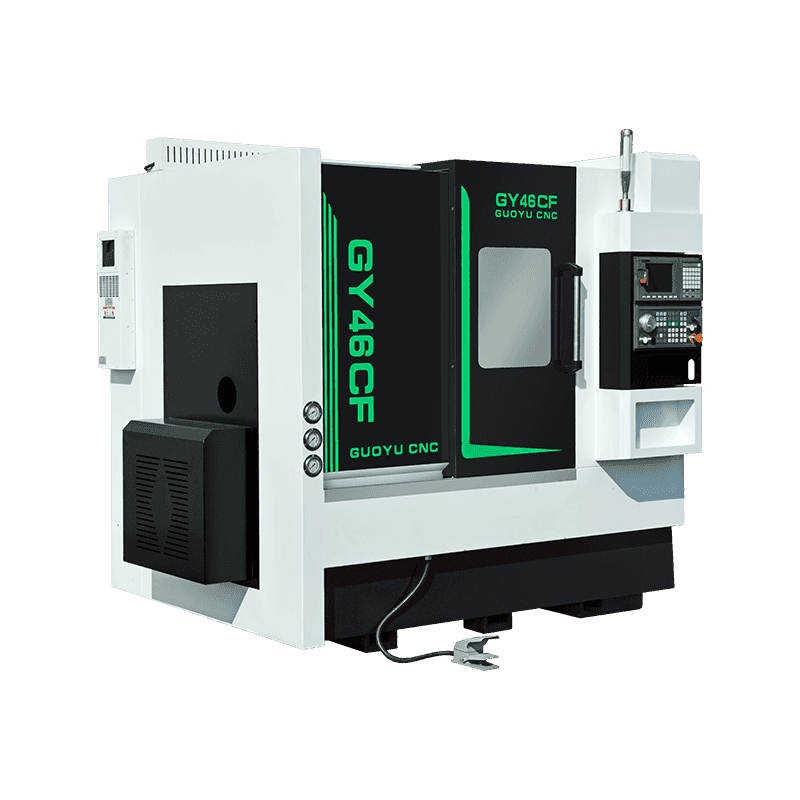
The 4+4 Type Precision CNC Lathe With Conjoined Oblique Rail Cutter Tower is a really practical, mul...
See Details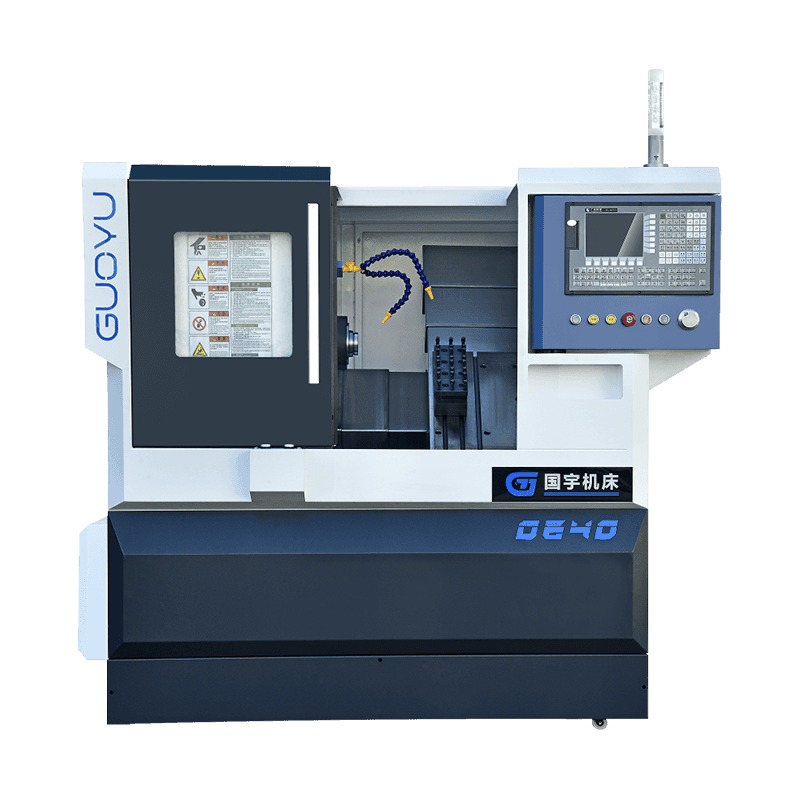
Introducing our Optional Control System CNC Lathe for Metal Processed, a sophisticated and reliable ...
See Details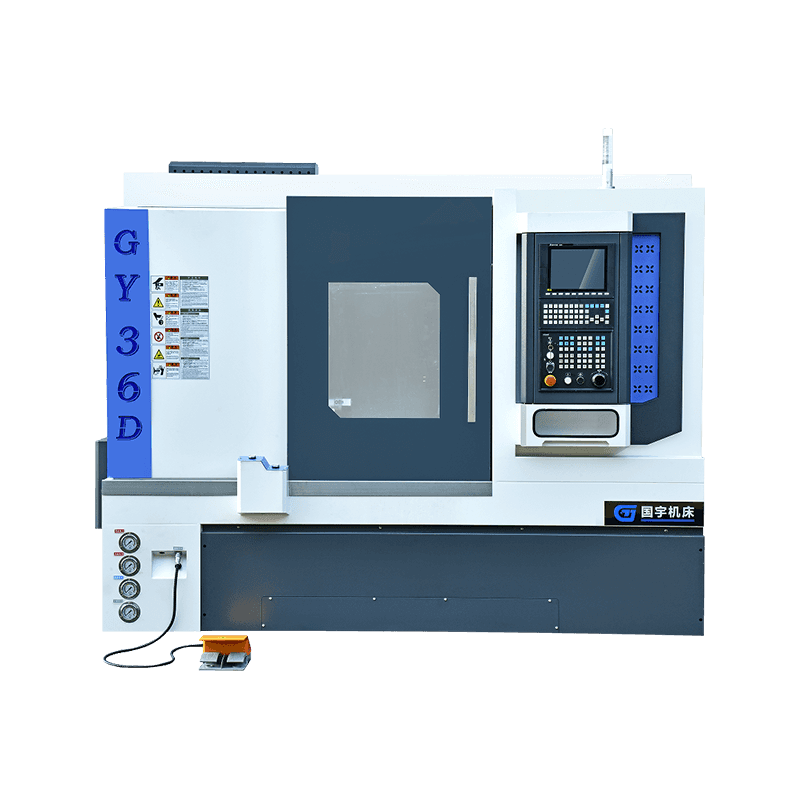
Technical Characteristics: All lathes are integrally cast with 250 materials to ensure processing ri...
See DetailsOur team of digital and business experts will guide you to the right direction.
Let's Talk
Zhejiang Guoyu CNC Machine Tool Co., Ltd. relies on rich experience, professional technology and advanced methods to ensure the quality of its products, so that customers can enjoy more professional and thoughtful service.
 [email protected]
 +86-15356565970
 Xialiang Industrial Area, Luqiao District, Taizhou City, Zhejiang Province, China
Copyright © Zhejiang Guoyu CNC Machine Tool Co., Ltd. All Rights Reserved.