English
 中文简体
中文简体 русский
 Español

Technical Characteristics: It can cut all kinds of turning surfaces by bicycle, such as conical surf...
See DetailsTool wear is a normal part of machining, much like brake pads wearing down gradually on a car that gets driven every day. A cutting tool gradually changes as it works against the material, and the rate of that change depends on how the machine, tool, workpiece, and cutting process interact with each other. When production continues for long periods, these small changes can become a genuinely important part of daily machine operation on the shop floor.
A High-Precision CNC Lathe can help manage tool wear by providing controlled and repeatable machine movement throughout a job. The benefit doesn't come from the machine simply being more precise on paper. It comes from how the machine structure, movement, workholding, and operating conditions work together while the tool stays in contact with the workpiece.
For manufacturers, tool life is also a genuinely practical production concern worth tracking closely. A tool that wears unevenly may require more frequent attention from an operator, while a tool that experiences steady and predictable wear can be a lot easier to manage on a schedule. A Precision CNC Lathe can support this process by creating a more controlled machining environment around the cutting edge.
The same principle applies to a High Precision CNC Lathe used for different types of turning work across a shop. The machine can't prevent normal tool wear entirely, but its design can genuinely influence the conditions under which that wear actually develops over time.
A cutting tool gets exposed to repeated contact with the workpiece throughout a job, and this contact creates physical stress that gradually changes the cutting edge. The amount and pattern of that wear depend on several factors working together at once.
The workpiece material, tool material, cutting movement, machine condition, and way the part is held can all influence what happens right at the cutting edge.
| Factor | Possible Effect on Tool Wear |
|---|---|
| Workpiece material | Changes the demands placed on the tool |
| Cutting movement | Influences contact between tool and part |
| Machine movement | Affects how steadily the tool travels |
| Workholding | Influences part movement during machining |
| Tool condition | Determines the starting condition of the cutting edge |
| Operating time | Creates repeated exposure to machining forces |
Tool wear therefore isn't caused by one factor working alone. It develops through the interaction of several parts of the machining process happening at the same time, which is exactly why a machine that keeps movement controlled can help reduce unnecessary changes in those underlying conditions.
The way a CNC lathe moves its cutting tool has a direct relationship with tool contact throughout a cut. A controlled movement lets the tool follow the intended machining path without unnecessary changes in direction or position along the way.
When movement turns irregular instead, the tool may experience changing contact conditions as it travels. These changes can place additional stress on the cutting edge and may cause wear to develop unevenly across the tip rather than uniformly.
A Precision CNC Lathe gets designed to coordinate machine movement through its control and mechanical structure working in tandem. This helps the tool follow the programmed path in a genuinely predictable manner from start to finish.
The goal here isn't simply making the tool move quickly through the cut. Stable movement matters because a steady relationship between the tool and workpiece can create a more consistent working condition throughout the job.
This becomes particularly useful when a machining operation contains repeated movements across multiple parts. The tool encounters similar conditions across different sections of the process instead of responding to unnecessary mechanical variation that shows up unpredictably.
The workpiece needs to stay securely positioned while the tool moves across its surface, much like a piece of wood needs to stay clamped down while a saw cuts through it. If the part moves unexpectedly mid-cut, the cutting edge can experience genuinely changing contact.
Even a small movement can alter how the tool meets the material at that instant. The result may be additional stress landing on one area of the cutting edge rather than spreading evenly.
Workholding therefore has an indirect but real connection with tool life. A stable setup helps maintain a more predictable relationship between the tool and workpiece throughout the cut.
This doesn't mean every workholding method suits every part that comes through the shop. The shape, material, and machining task all need consideration before choosing an approach.
A practical setup should provide stable support for the workpiece, suitable contact with the holding system, enough access for the cutting tool to reach where it needs to go, limited unnecessary movement, and a clear machining path free of obstructions.
When the part remains properly positioned throughout the process, the machine can maintain the intended cutting movement more consistently from the start of the cut through its completion.
Machine rigidity refers to how well the structure maintains its position when forces act during machining, the same way a sturdy table doesn't wobble when you lean on it. A stable structure helps limit unwanted movement between the cutting tool and workpiece as forces build up.
If the structure moves more than expected during a cut, the tool may experience changing contact conditions it wasn't designed to handle. This can create additional pressure on the cutting edge and influence how wear ultimately develops across it.
A well-designed High-Precision CNC Lathe considers the relationship between its structural components carefully during development. The machine bed, tool support, workholding area, and moving sections all contribute to the overall working condition experienced at the cutting edge.
Rigidity doesn't mean making every part of the machine completely fixed and immovable. Moving components still need to travel as intended for the machine to actually cut anything.
The important point is that their movement should stay controlled while the machine performs its cutting task, which helps create a more stable environment for the tool throughout the job.
The position of the cutting tool changes how it meets the workpiece at every point along the cut. A suitable position lets the tool engage the material as intended and maintain a consistent relationship during movement through the whole operation.
If the tool position changes unexpectedly partway through, the contact area can shift too. This may affect the way force distributes across the cutting edge in ways the original setup didn't account for.
Tool positioning is therefore connected with both machine movement and setup quality at once. A CNC lathe can support controlled positioning through its mechanical structure and programmed movement working together.
When these systems cooperate properly, the tool can follow a planned path without unnecessary positional changes creeping in along the way. The actual tool position still needs to match the machining task at hand, since different operations may require different approaches, and the machine should provide enough control to accommodate those varying requirements.
Fast machining doesn't automatically mean longer tool life, contrary to what a rushed operator might assume. A cutting tool experiences wear according to the conditions created during machining, not simply according to how quickly the machine completes a task and moves on.
Smooth movement tends to prove more useful because it reduces unnecessary changes in tool contact throughout the cut. An abrupt change in movement, for instance, can alter the way the cutting edge meets the material at that exact moment.
A controlled transition, by contrast, allows the tool to move through the machining path a lot more naturally from one section to the next.
| Movement Pattern | Possible Tool Effect |
|---|---|
| Stable movement | Supports predictable contact |
| Sudden movement change | May increase local stress |
| Uneven movement | Can create changing contact |
| Controlled transitions | Helps maintain smoother tool engagement |
This is one area where a High Precision CNC Lathe can genuinely contribute to tool-life management on a shop floor. The machine's movement system can help create a more controlled relationship between the programmed path sitting in the software and the physical movement of the tool as it actually happens.
The relative position of machine components affects how the cutting tool approaches the workpiece throughout every pass. If the machine's working relationship shifts over time, the tool may not meet the material in the intended way anymore.
Alignment therefore isn't only related to part dimensions coming off the machine. It can also influence the conditions experienced directly by the cutting tool as it works.
A machine with a stable structural relationship allows the tool and workpiece to remain properly positioned throughout operation. Regular machine care and suitable setup practices can help preserve this relationship over the long run.
The exact maintenance process depends on the equipment and manufacturer instructions specific to that machine. For production teams, the important point is that tool wear shouldn't always get blamed on the tool itself when something looks off.
A change in machine condition can also alter how the cutting edge is being used, sometimes without anyone realizing it until wear patterns start looking strange.
Temperature can influence machining conditions, but this doesn't mean tool wear should get viewed purely as a heat-related issue on its own. The machine, tool, workpiece, and surrounding environment can all respond to changing operating conditions in their own way.
As a machine runs through a shift, its physical condition can change gradually over the hours. If these changes affect the relative position of the tool and workpiece, the cutting edge may experience slightly different contact conditions than it did earlier that morning.
This creates a genuine connection between thermal behavior and tool life. A Precision CNC Lathe that maintains predictable structural movement can help reduce unnecessary changes during extended operation across a long shift.
The machine still warms and cools during normal use, of course, but its design can influence how those changes affect machining overall. This is different from focusing only on the heat generated directly at the cutting area itself, since the wider machine environment matters just as much.
The tool path determines how the cutting edge travels through the workpiece from entry to exit. A carefully planned path can reduce unnecessary movement and help distribute machining activity in a genuinely controlled way across the whole job.
Repeated sharp changes in direction can place different demands on the tool than smooth transitions would. The shape of the part also affects how the cutting edge enters and leaves the material at each stage.
Tool path planning can therefore be considered alongside machine capability rather than treated separately. A CNC lathe doesn't make every tool path suitable automatically just because it's a capable machine.
The programmed movement still needs to match the part and machining operation for good results. A machine with controlled movement, though, can execute a suitable path a lot more consistently once that planning is in place.
This creates a useful relationship between software planning and physical machine behavior working together. The program defines the intended movement, while the machine structure determines how that movement actually takes place in the real world.
Different materials place different demands on cutting tools, the same way cutting through soft pine differs from cutting through dense oak. Some may produce a more gradual change in the cutting edge, while others can create noticeably more demanding contact conditions.
The same tool may therefore behave quite differently when used with different workpiece materials across separate jobs. This matters when evaluating tool life on a High-Precision CNC Lathe, since a change in tool wear doesn't necessarily indicate a change in machine condition at all.
It may simply reflect a change in the material being machined that day. Production teams can consider workpiece material, part shape, contact area, machining movement, tool condition, and the length of the machining operation together.
Looking at these factors as a group provides a genuinely clearer picture of why a tool may wear differently from one job to another, rather than jumping to conclusions about the machine.
Workholding affects tool life because it determines how firmly the workpiece remains in position during cutting. If the workpiece shifts, even slightly, the cutting edge can encounter a genuinely different surface relationship mid-cut.
A stable holding arrangement reduces this unnecessary movement considerably. The suitable approach depends heavily on the part itself, since a small component may need a different holding method from a larger or irregularly shaped workpiece sitting on the same machine.
The machine itself also plays a role in this equation. The workholding area should provide a suitable connection between the machine and the workpiece without interfering with the cutting path the tool needs to follow.
When the workpiece remains stable throughout, the cutting tool can follow its intended movement with fewer unexpected changes in contact along the way. This can help create genuinely more predictable wear over repeated machining operations across a batch of parts.
A CNC lathe is a complete working system, not just a collection of separate parts bolted together. Tool life can be influenced by the condition of its moving parts, structural connections, workholding area, and control system all at once.
A change in machine condition may alter how the tool moves or how the workpiece is held in place. This can gradually affect the way the cutting edge experiences contact throughout a job, sometimes in ways that aren't obvious right away.
For this reason, manufacturers need to look beyond the tool itself when investigating changes in wear patterns.
| Machine Area | Possible Relationship With Tool Wear |
|---|---|
| Tool support | Influences tool positioning |
| Workholding area | Influences workpiece stability |
| Moving structures | Affect tool travel |
| Machine frame | Supports structural stability |
| Control system | Directs programmed movement |
These areas work together during machining rather than operating in isolation. A problem in one area can sometimes appear as a tool-life issue showing up somewhere else entirely, which is why a broader look matters.
A High-Precision CNC Lathe can support tool-life management through controlled movement, stable positioning, and a machine structure designed for repeated machining work over the long haul. The machine doesn't remove normal tool wear from the equation entirely.
Instead, it can help create conditions in which wear develops in a genuinely more predictable manner across a job. Several machine characteristics contribute to this relationship: controlled tool movement, stable structural support, secure workpiece positioning, predictable tool positioning, suitable machine alignment, and consistent operation throughout.
These characteristics stay connected to each other rather than working independently. A stable machine structure supports movement, movement affects tool contact, and tool contact influences wear, all in a chain running from one to the next.
This is exactly why tool life should get considered as part of the complete machining system rather than as some isolated variable to fix on its own.
Tool wear can be observed through changes in the cutting edge and the way the machining process behaves over a shift. A tool that has gradually changed may no longer interact with the workpiece in quite the same way it did when fresh.
Operators can pay attention to visible changes in the tool, changes in cutting behavior, and differences in the finished machining process coming off the part. The purpose isn't waiting until a tool stops working entirely before doing anything.
Regular observation can help identify gradual changes before they interfere with the planned production process down the line. A practical approach may include checking the tool condition at suitable points in production, observing whether wear is developing evenly across the edge, noting changes in machining behavior as they appear, comparing tool condition with the work being performed, and replacing or adjusting the tool according to the established production procedure already in place.
This approach also helps separate normal tool wear from problems actually caused by machine movement or workpiece positioning, rather than lumping everything together under one label.
Tool life often gets discussed purely as a matter of tool selection, but the machine itself also influences the conditions under which a tool operates every single day. A Precision CNC Lathe provides the mechanical and control foundation for tool movement throughout a job.
A High-Precision CNC Lathe can further support controlled interaction between the tool and workpiece through its structural design and movement system working in concert. A High Precision CNC Lathe used for repeated machining work therefore needs consideration as part of a wider tool-life system rather than a standalone piece of equipment.
Machine movement, structural stability, workholding, tool positioning, material changes, and operating conditions all contribute to how the cutting edge behaves over time on the job. When these elements work together in a genuinely controlled manner, manufacturers can better understand the causes of tool wear and organize tool use around the actual machining process, rather than treating wear as some isolated problem disconnected from everything else happening on the machine.
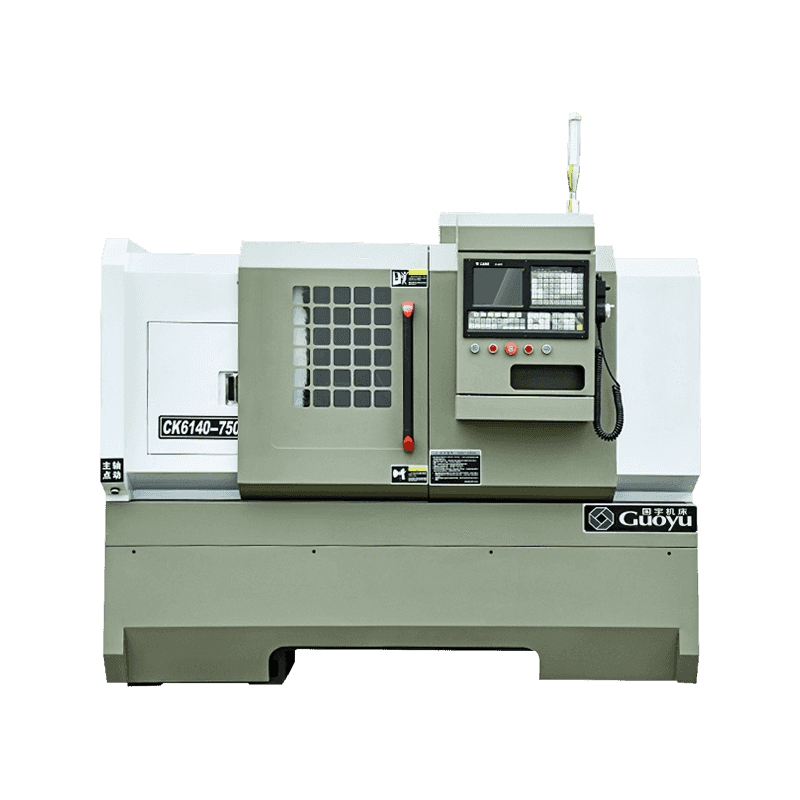
Technical Characteristics: It can cut all kinds of turning surfaces by bicycle, such as conical surf...
See Details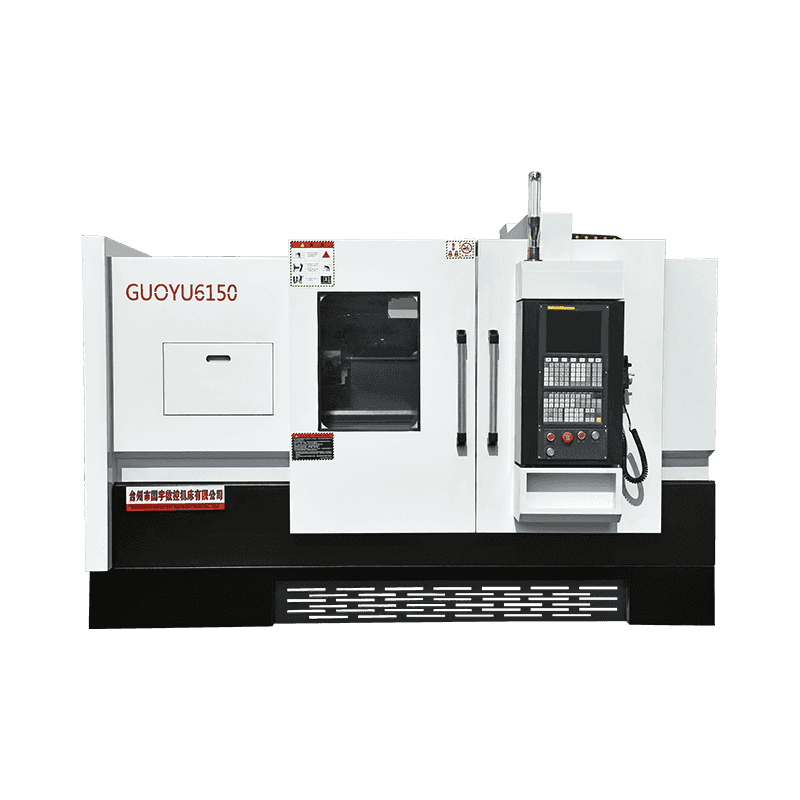
Technical Characteristics: It can cut all kinds of turning surfaces by bicycle, such as conical surf...
See Details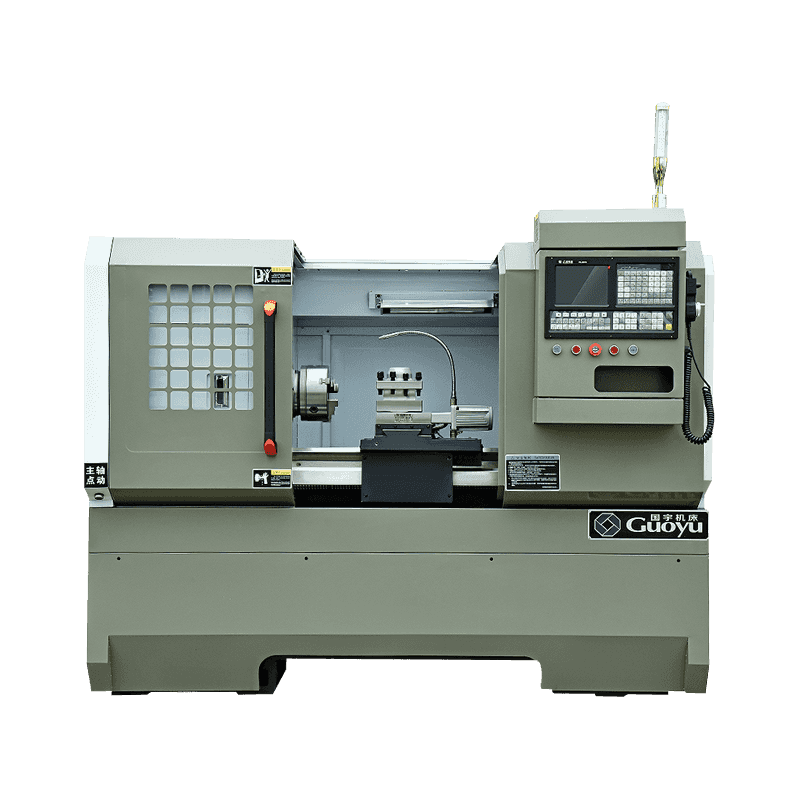
Technical Characteristics: It can cut all kinds of turning surfaces by bicycle, such as conical surf...
See Details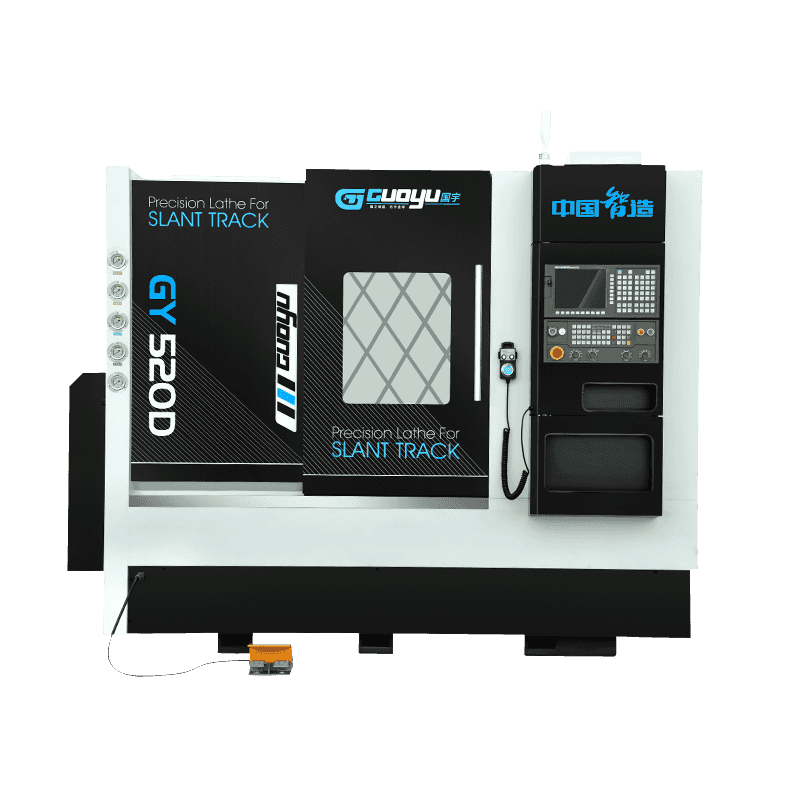
Technical Characteristics: The CNC machine tool for inclined beds adopts the domestic or imported hi...
See Details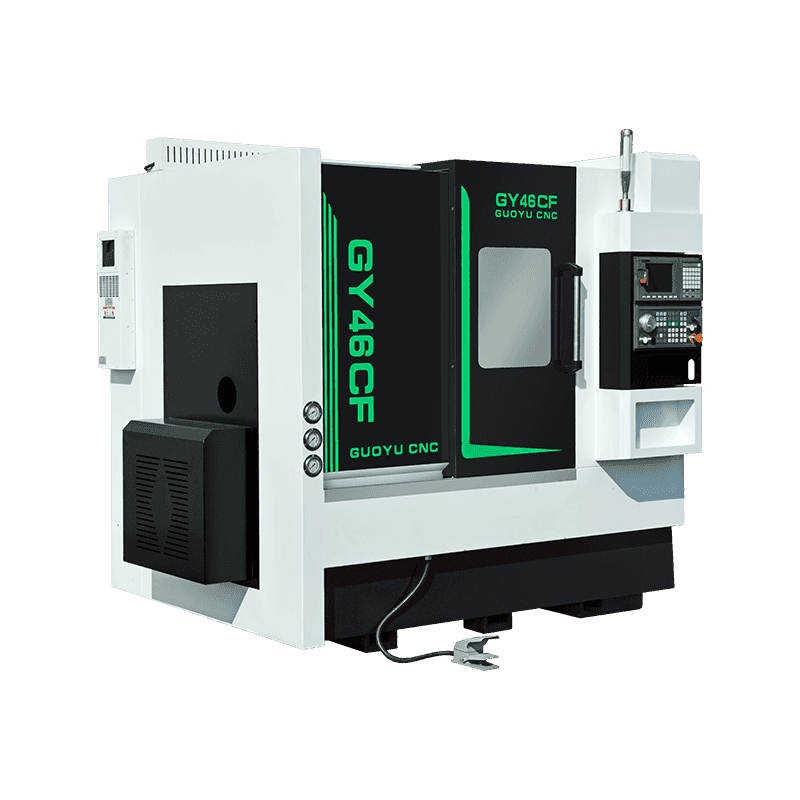
The 4+4 Type Precision CNC Lathe With Conjoined Oblique Rail Cutter Tower is a really practical, mul...
See Details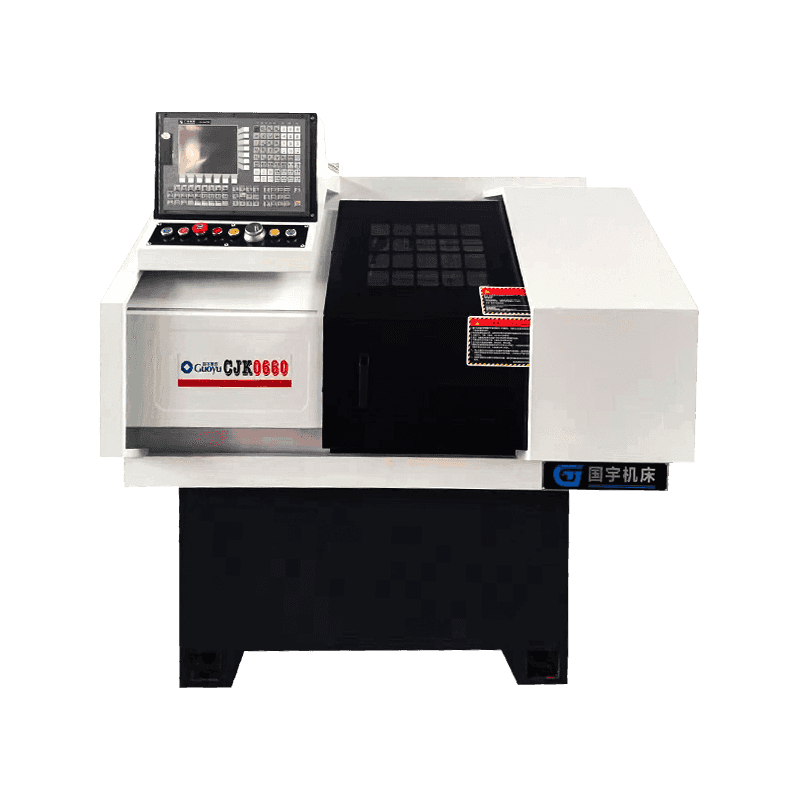
The Custom Precision Line Rail Precision CNC Lathe is just a really practical, compact machining sol...
See Details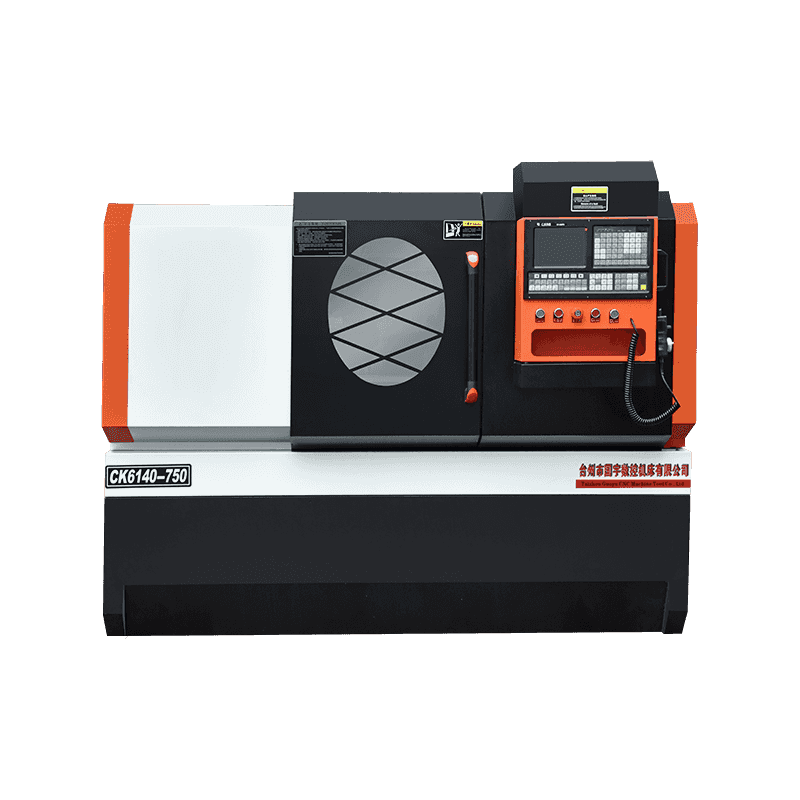
Technical Characteristics: It can cut all kinds of turning surfaces by bicycle, such as conical surf...
See Details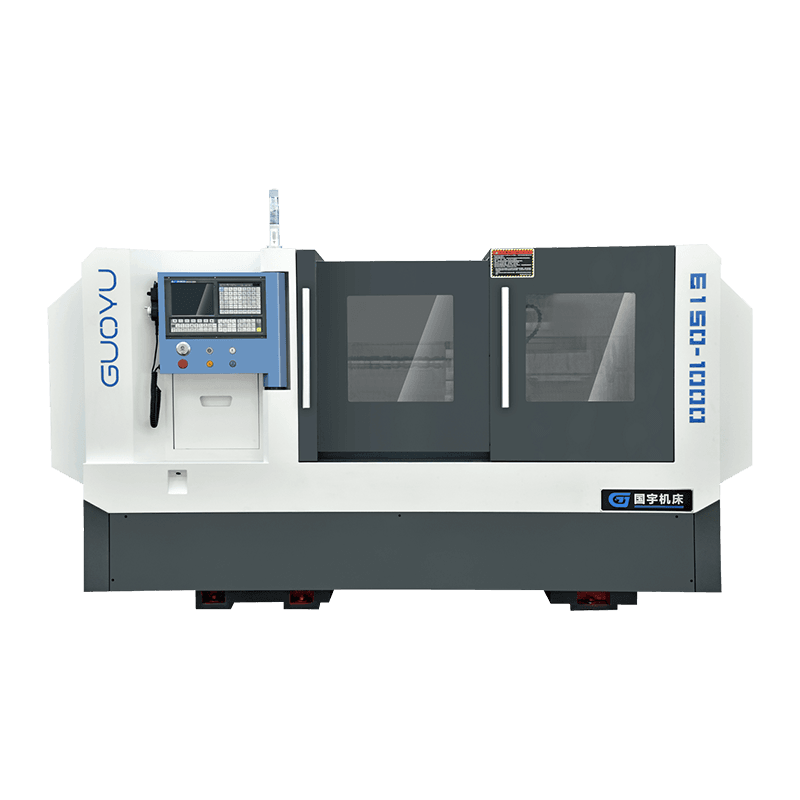
Technical Characteristics: It can cut all kinds of turning surfaces by bicycle, such as conical surf...
See DetailsOur team of digital and business experts will guide you to the right direction.
Let's Talk
Zhejiang Guoyu CNC Machine Tool Co., Ltd. relies on rich experience, professional technology and advanced methods to ensure the quality of its products, so that customers can enjoy more professional and thoughtful service.
 [email protected]
 +86-15356565970
 Xialiang Industrial Area, Luqiao District, Taizhou City, Zhejiang Province, China
Copyright © Zhejiang Guoyu CNC Machine Tool Co., Ltd. All Rights Reserved.