What Really Affects Precision in CNC Turning for Small Metal Parts
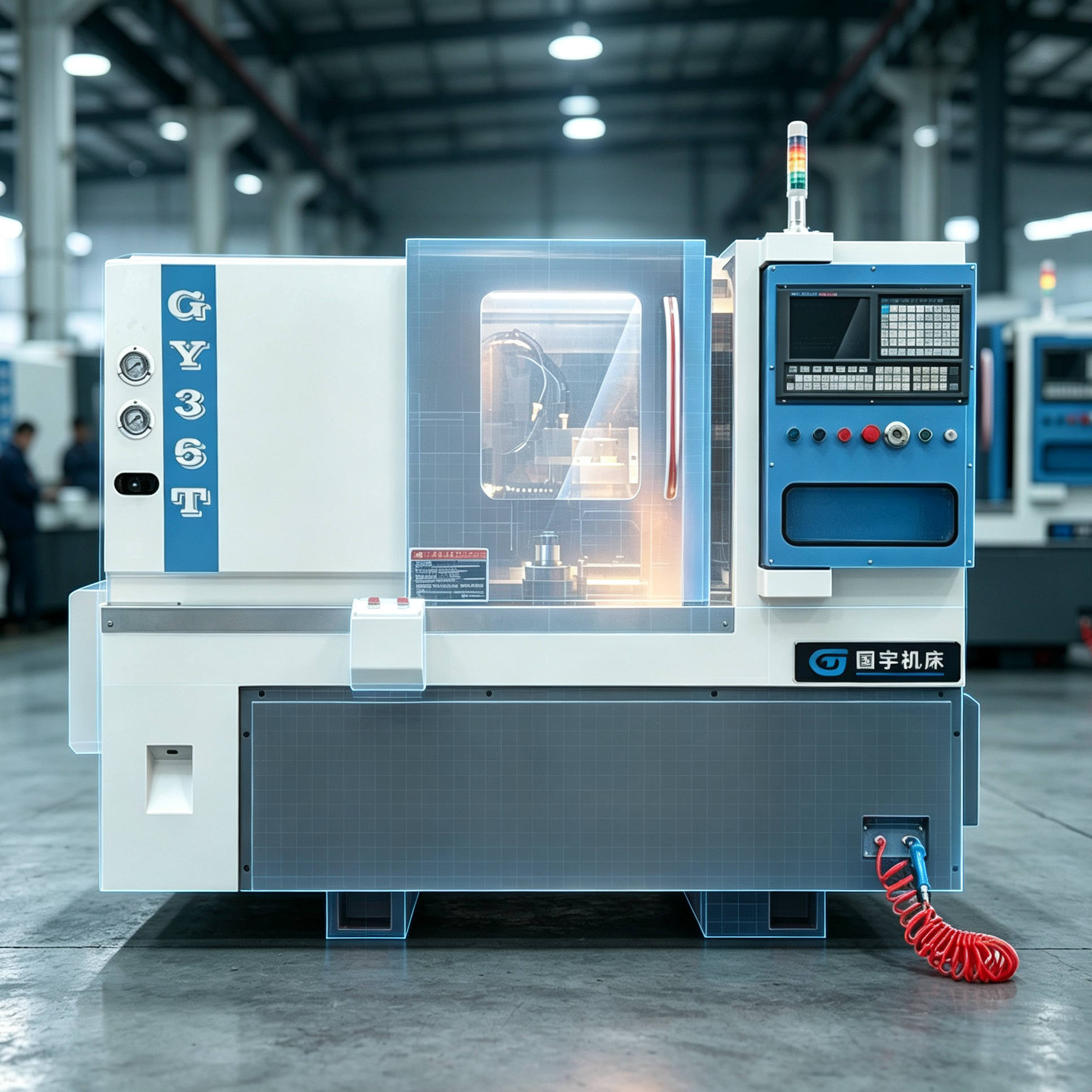
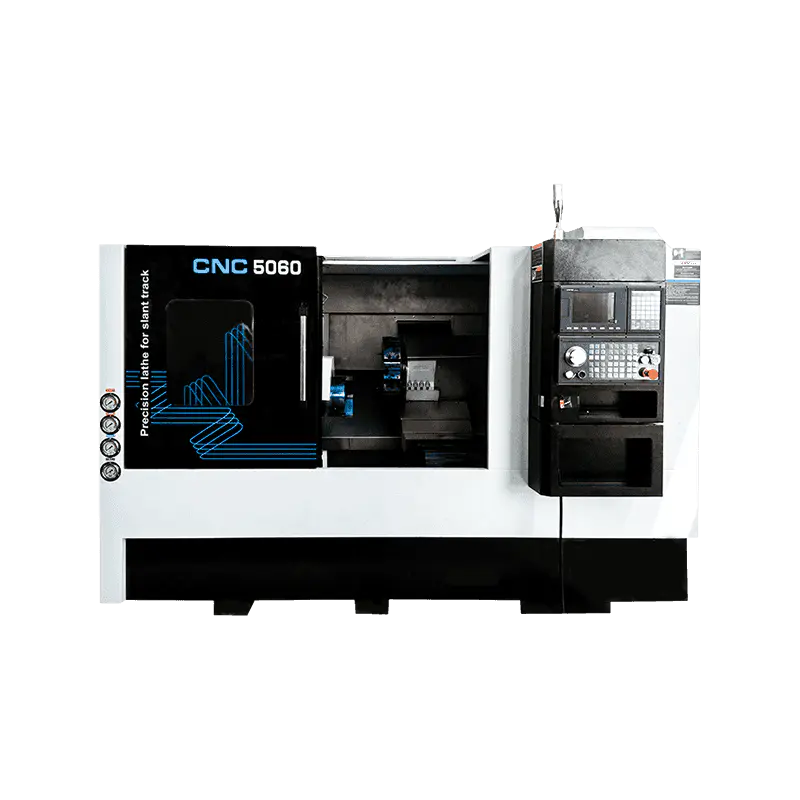
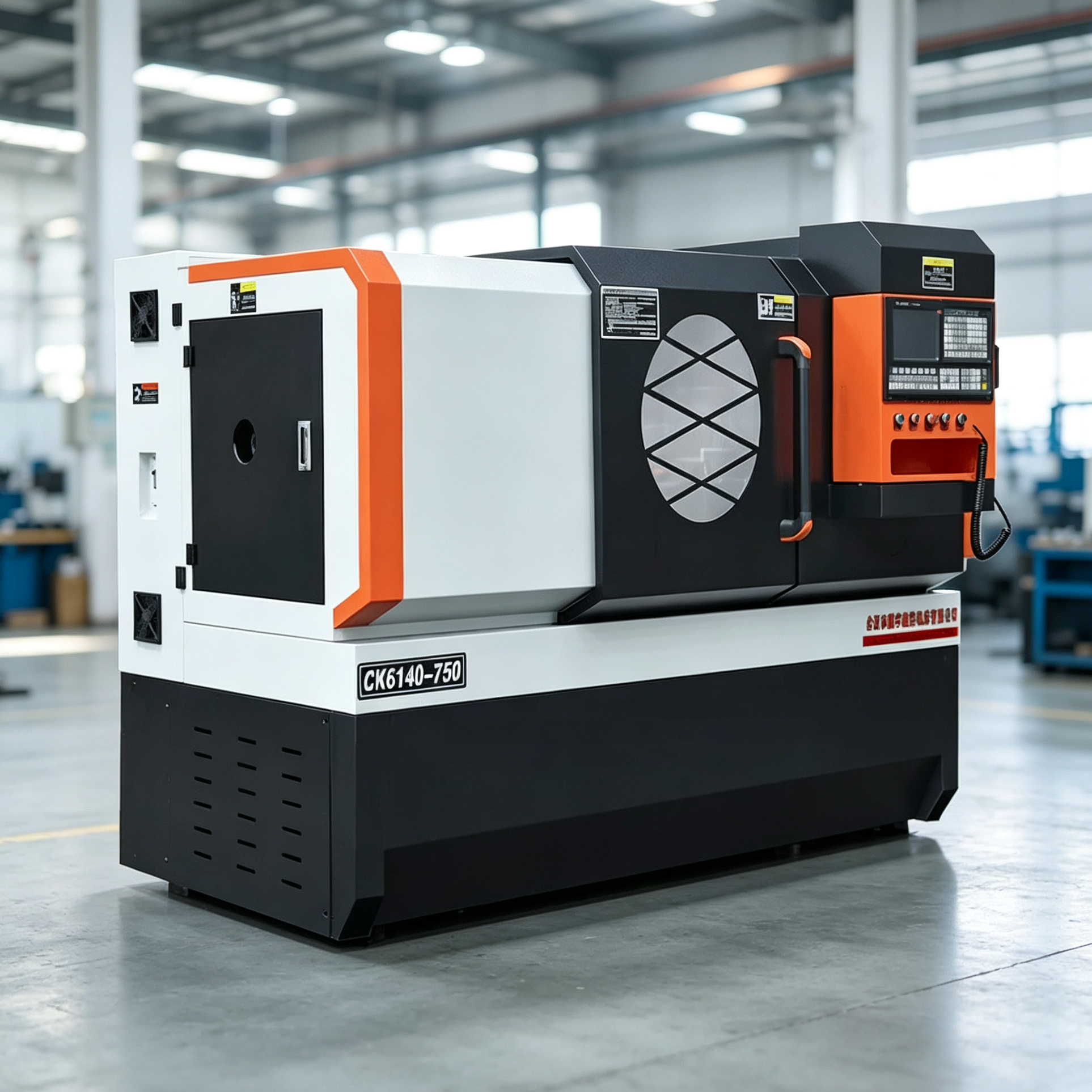
In small-part machining, precision is rarely the result of one feature alone. A High Precision CNC Lathe performs well not simply because it is labeled "precision," but because several machine and process factors work together in a stable way. For manufacturers producing parts for instruments, electronics, medical components, and other detailed applications, understanding these factors is often more useful than comparing specifications line by line.
The first factor is machine stability. When the base structure lacks rigidity, vibration becomes harder to control, especially during repeated cutting cycles. Even small movement in the machine body can affect surface finish, dimensional consistency, and tool life. That is why a properly designed High Precision CNC Lathe is usually built with close attention to guideway support, spindle balance, and overall structural strength.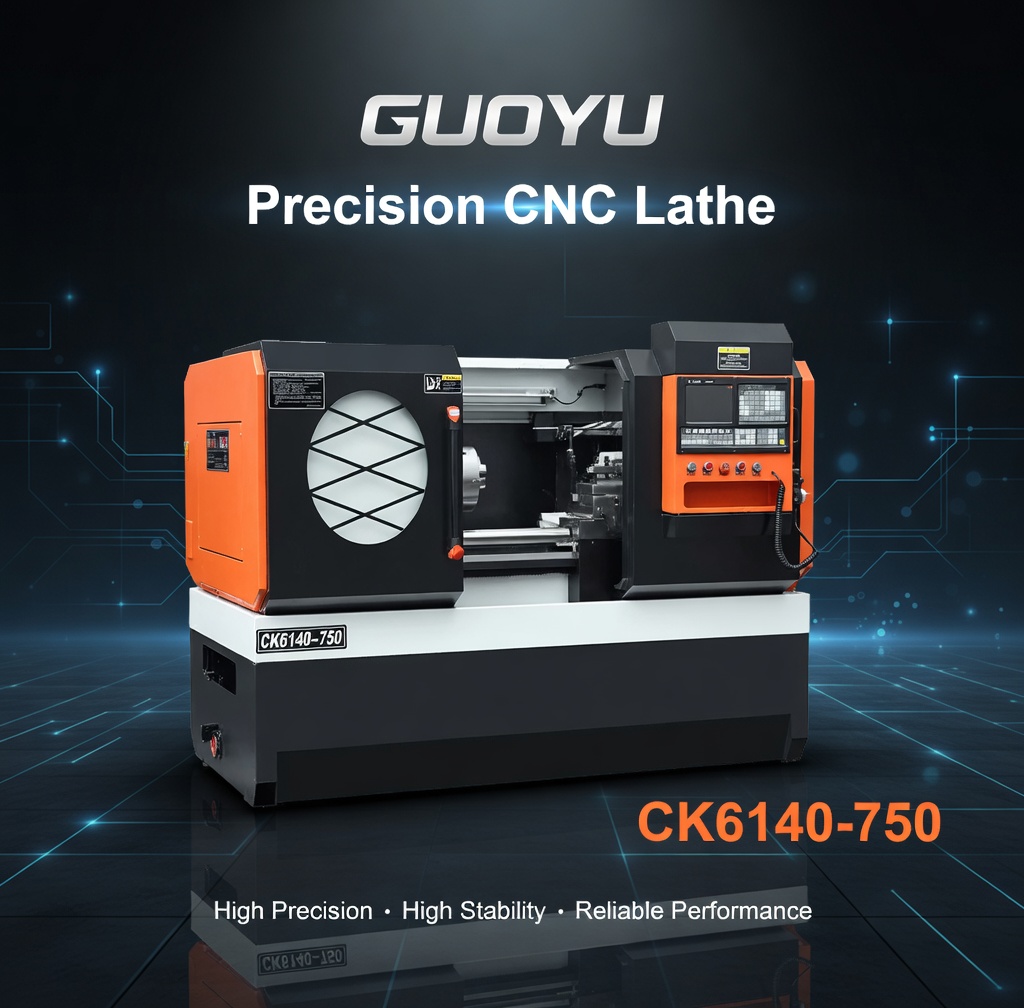
A spindle does more than rotate the workpiece. It affects the smoothness of the cut, the consistency of diameter control, and the machine's behavior during long production runs. In precision turning, poor spindle support can lead to unstable finishing results, especially when the parts require fine tolerances or clean threading.
For small precision parts, movement control is critical. If the X and Z axes do not respond smoothly, even a well-built machine can struggle to maintain consistency on detailed features. Fine boring, threading, and contour turning all depend on accurate axis travel and coordinated servo performance.
Even a well-built machine can fall short if the tooling arrangement is not matched to the job. Holder rigidity, insert geometry, edge condition, and turret alignment all play a direct role in how the finished part turns out. This is especially noticeable when small components require several operations in one cycle, where minor setup issues can quickly affect consistency. In that kind of work, a High-Precision CNC Instrument Lathe delivers the best results when the cutting tools, setup logic, and machining sequence are planned as a complete system rather than treated as separate details.
Material choice also has a bigger influence on turning accuracy than many buyers expect. Different metals react differently under the tool, and those differences show up in heat, chip control, cutting load, and surface behavior. Stainless steel, aluminum alloys, carbon steel, and other common materials each bring their own machining characteristics. Because of that, a process that runs smoothly on one workpiece material may need different speeds, feeds, or tooling adjustments to achieve the same quality on another.
In real manufacturing, precision is not only about reaching a tolerance once. It is about reaching that same result repeatedly across batches. A reliable High Precision CNC Lathe helps reduce variation between parts, lowers rework risk, and supports smoother quality control over time.
When evaluating a High Precision CNC Lathe, it helps to look beyond the surface description and focus on the factors that directly shape machining results. Machine rigidity, spindle stability, axis control, tooling setup, and material compatibility all play a role. For manufacturers working with small and demanding components, choosing the right machine is less about chasing labels and more about securing dependable precision in everyday production.


 English
 中文简体
中文简体 русский
 Español