English
 中文简体
 русский
 Español


Technical Characteristics: The CNC machine tool for inclined beds adopts the domestic or imported hi...
See DetailsPrecision CNC lathe machining is now a fixture of modern manufacturing. It lets manufacturers make metal and plastic parts with controlled shapes, dimensions and surface finishes. Small connectors and large mechanical parts both fall within its range.
Manufacturers deal with varied materials, designs and order sizes. Some need big batches of identical parts. Others make customized pieces in small runs. Traditional machining often calls for more hand adjustment to keep up with those shifting demands. CNC turning gives them a controlled process that adapts to different component designs.
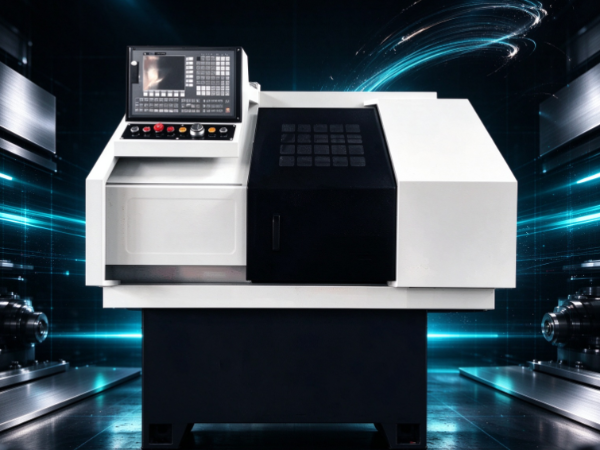
Demand for parts that fit accurately into larger assemblies is another driver. A small difference in size or shape can change how a part connects, moves or performs. That makes machining consistency a real concern in automotive, aerospace, medical equipment, electronics and industrial machinery.
So why do manufacturers pick it? Several factors answer that: accuracy, consistency, material flexibility, design adaptability and production efficiency.
Both methods share one principle. The workpiece spins, and a cutting tool removes material to create the shape. The real difference is how the process is controlled.
In traditional turning, operators adjust by hand as they cut. Their experience and judgment steer the tool and shape the part. That still works well for repairs, one-off components and some specialized jobs.
A precision CNC lathe follows programmed instructions. It moves the cutting tools according to the component design. After setup and programming, the process can repeat without an operator guiding every cut.
This brings several practical advantages:
CNC doesn't make skilled people unnecessary, though. Operators still prepare workpieces, choose tools, set up the machine and watch the run. Programming and inspection take experience too.
What changes is that much of the machining control moves into a programmed system. Manufacturers get a structured way to make parts with repeatable features and carefully managed dimensions.
Accuracy is a leading reason for choosing precision CNC turning. Many mechanical parts are built to work together, so their dimensions, shapes and surface conditions must match the needs of the full assembly.
Picture a shaft that has to sit inside a bearing. Too large, and assembly gets difficult. Too small, and it wobbles in operation. The same problems affect threaded connections, sleeves, bushings and other parts.
Precision turning lets manufacturers control these details. The machine follows a programmed cutting path to form each surface, producing cylindrical features, grooves, shoulders, threads and other shapes as the drawing specifies.
Surface condition counts as well. Some parts need smooth contact surfaces to cut friction between moving components. Others need particular features for sealing, connection or assembly. The machining must reflect what each part is for.
Accuracy matters most where parts depend closely on their neighbors.
In automotive manufacturing, shafts, pins and bushings must fit into mechanical assemblies. Their dimensions affect movement, alignment and wear.
In medical equipment, small connectors and instrument parts may need carefully controlled shapes. Surfaces and dimensions influence assembly and intended use.
In electronics, metal terminals and connectors often sit in compact structures. Small differences can change how components connect.
For manufacturers, accuracy isn't about making a part look precise. It's about making parts that do their job inside a larger product.
Manufacturers often make the same part again and again, whether it's for cars, industrial equipment, electrical products or consumer goods. Every part must follow the same design so it can go into assembly without extra adjustment.
Manual turning can be accurate, but it leans heavily on operator technique. Shifts in hand adjustments, tool positioning or working conditions can show up in the finished part.
CNC lathes use stored programs to control tool movement. When workpiece setup, tooling and machining conditions stay suitable, the same program can produce repeated parts.
Consistency improves in several ways.
Repeatable machining operations
The machine follows an established cutting sequence, which keeps shapes and features similar across batches.
Controlled production procedures
Manufacturers can prepare standard procedures for recurring orders. Operators use them as a reference for setup and running.
Reduced variation from manual operation
Because the machine handles programmed movements, fewer cuts rely on continuous hand adjustment. That can cut down differences caused by operator handling.
More manageable quality inspection
A consistent process makes it easier to set up inspections for key features, spot deviations and trace production problems.
Consistency matters most when a manufacturer supplies parts to another company. Those parts may go onto an assembly line where components must fit together smoothly. If dimensions vary too much, the customer may face assembly trouble, delays or extra inspection work.
Repeatability still depends on the whole setup, however. Tool wear, workpiece positioning, material differences and machine condition all affect the result. Regular inspection and maintenance remain necessary.
Material flexibility is another draw. Industries pick materials based on function, operating conditions, weight needs and design preferences.
CNC turning works with many metals and some engineering plastics. The right method depends on the material's characteristics and the part's shape.
Common material groups include:
Aluminum
Aluminum shows up in automotive parts, electronic housings, equipment fittings and other products where weight matters. It can be turned into shafts, connectors, sleeves and various cylindrical parts.
Stainless Steel
Stainless steel is found in medical equipment, food processing machinery, industrial fittings and fluid control systems. Its properties suit applications needing corrosion resistance and regular cleaning.
Brass
Brass is common for connectors, valves, fittings and electrical components. It's well suited to many small turned parts with detailed shapes.
Carbon Steel
Carbon steel goes into mechanical parts, shafts, fasteners and industrial equipment. Selection depends on the mechanical requirements and working conditions.
Titanium
Titanium appears in some aerospace, medical and specialized industrial uses. Parts made from it may need carefully chosen tools and processing methods.
Engineering Plastics
Some engineering plastics can also be turned. They're used for sleeves, bushings, insulating parts and other components where non-metals work.
Each material cuts differently. Some form chips easily, while others need closer control of cutting conditions. Hardness, heat generation, surface requirements and tool choice all shape the process.
So manufacturers should look at how material and component design relate before choosing a machining method. A suitable setup produces the required shape while keeping tool wear and surface quality under control.
Product designs aren't always standard. Some manufacturers need parts made to customer drawings. Others develop specialized parts for equipment with unusual structural needs.
That's another place where precision CNC turning helps.
A CNC lathe follows a programmed tool path to produce different rotational features. Depending on machine configuration and setup, operations can include turning, facing, threading, grooving, drilling and more.
These operations let manufacturers make a variety of components, including:
Custom work usually starts with a technical drawing or a sample part. The manufacturer reviews the design, material, dimensions and machining features. The production team then decides how to hold the workpiece, arrange the cuts and prepare the program.
If a customer changes the design, the program and setup may need adjusting. That lets a Precision CNC Lathe Machining Factory handle different versions of a part without relying entirely on manual methods.
Not every complex shape suits a standard CNC lathe, though. Some parts need extra machining processes or specialized equipment. Features that turning can't reach may call for milling, grinding or other operations.
The whole design decides the choice, not the machine alone.
For manufacturers serving several customers, this flexibility is handy. They can take recurring orders and still accept specialized work when the machine and tooling fit.
Efficiency covers more than how fast a machine cuts. Manufacturers also weigh setup work, operator involvement, material use, inspection, maintenance and how parts move between stages.
Precision CNC turning supports efficiency by making operations more organized and repeatable.
Less manual intervention is one factor. With a suitable program and setup in place, the machine runs the planned cuts automatically. Operators can monitor the process, check workpieces and prepare the next tasks.
Reusable programs are another. When a repeat order arrives, an existing program may be usable once the workpiece, tooling and conditions are confirmed. That can save some preparation compared with building the process from scratch.
CNC turning also helps organize production sequences. Operations can be arranged to fit the part's design, which makes it easier to plan how workpieces flow through manufacturing.
Material use matters too. A well-prepared process helps control how much material is removed, which counts when materials are costly or hard to process.
The table below shows how CNC turning supports different parts of production.
| Manufacturing Factor | How CNC Lathe Machining Helps |
|---|---|
| Machining operations | Controls cutting movements through programmed instructions |
| Repeated production | Lets manufacturers reuse suitable machining programs |
| Labor arrangement | Reduces the need for continuous manual tool movement |
| Material processing | Supports controlled material removal |
| Production planning | Makes recurring machining procedures easier to organize |
| Quality inspection | Provides a more consistent process for checking repeated parts |
None of this guarantees lower costs on every job. Machine investment, programming, tooling, maintenance and operator training all take resources.
Manufacturers should assess the complete production process to judge whether CNC turning fits their particular orders.
Picking a machining service takes more than confirming a factory owns CNC lathes. Manufacturers need to know whether the supplier can handle their designs, materials, production needs and quality expectations.
Several factors deserve attention.
1. Component design and machining capability
The supplier should understand the dimensions, shapes and features in your drawing. Discuss the parts you plan to make and ask whether the factory has suitable equipment and tooling.
2. Material processing experience
Materials call for different cutting methods. A supplier's experience with aluminum, stainless steel, brass, carbon steel or engineering plastics shows whether its capabilities match your project.
3. Quality inspection procedures
Machined parts must be checked against the design. Buyers should learn how the supplier inspects dimensions, surface conditions and other key features during production.
4. Production flexibility
Some orders are repeat batches. Others involve custom parts or design changes. Consider whether the supplier can organize production around these needs.
5. Communication and technical support
Clear communication matters with technical drawings and custom parts. The supplier should be able to discuss machining requirements, clarify design details and explain any production limits.
6. Delivery and production arrangements
Understand how the factory handles schedules, order quantities, inspection, packaging and delivery. These arrangements affect how smoothly parts enter your own manufacturing process.
Detailed drawings or sample workpieces make the evaluation more practical. Both sides can then talk about real components and real requirements instead of general capabilities.
A good precision CNC lathe machining service should explain its approach, point out relevant production considerations and be straightforward about what its equipment can achieve.
Demand for precision-turned parts comes from many sectors. Their products differ widely, but they share a need for parts that connect, rotate, support movement or form part of larger mechanical systems.
Automotive Manufacturing
Carmakers use turned components in engines, transmissions, steering systems, braking assemblies and electrical systems. Shafts, bushings, pins and threaded fittings must match their assembly positions.
Aerospace Manufacturing
Aircraft systems contain many metal fittings, connectors, sleeves and shafts. They must meet specific design and material requirements because they work under changing temperatures, vibration and mechanical loads.
Medical Equipment
Medical instruments, diagnostic devices and laboratory equipment may contain small turned parts. Connectors, handles, fittings and mechanical components need suitable dimensions and surface conditions for their uses.
Electronics and Electrical Equipment
Electrical connectors, terminals, motor shafts and mounting components may need CNC turning. They often fit into compact structures and must connect securely with other parts.
Oil and Gas Equipment
Pumps, valves, pipelines and drilling equipment use many turned parts. Threaded connections, valve stems, sleeves and fittings must meet the operating and assembly requirements of the equipment.
Industrial Machinery
Manufacturing equipment contains shafts, rollers, couplings, pins and bushings. These parts support movement and mechanical connections, so dimensional consistency matters during assembly and operation.
Applications differ, but the underlying requirements are closely related. Parts must match their designs, fit with surrounding components and work under their intended conditions. Precision CNC lathe machining gives manufacturers a flexible process for producing many of them.
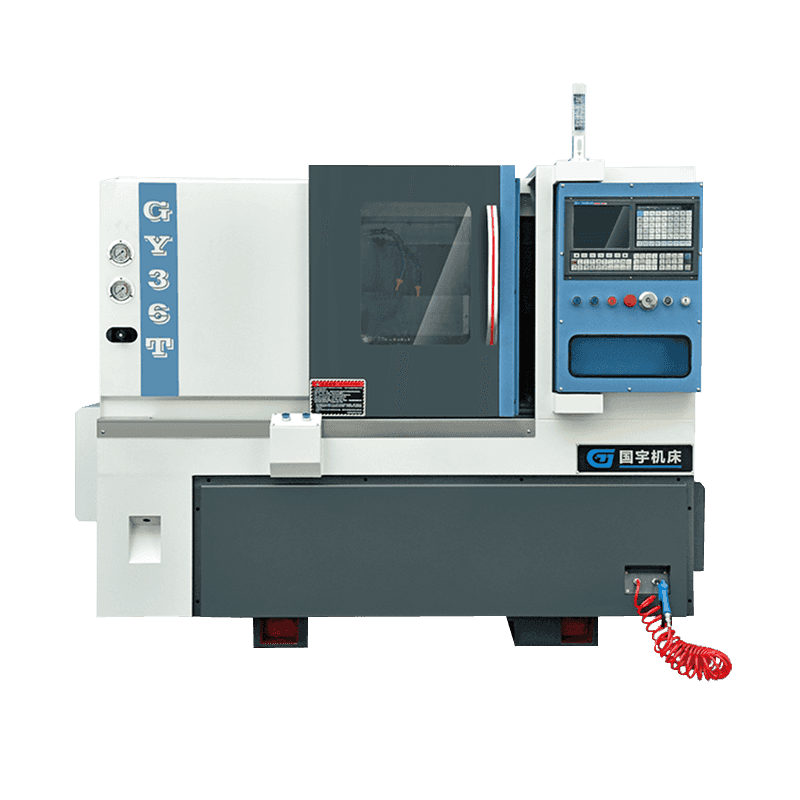
Technical Characteristics: The CNC machine tool for inclined beds adopts the domestic or imported hi...
See Details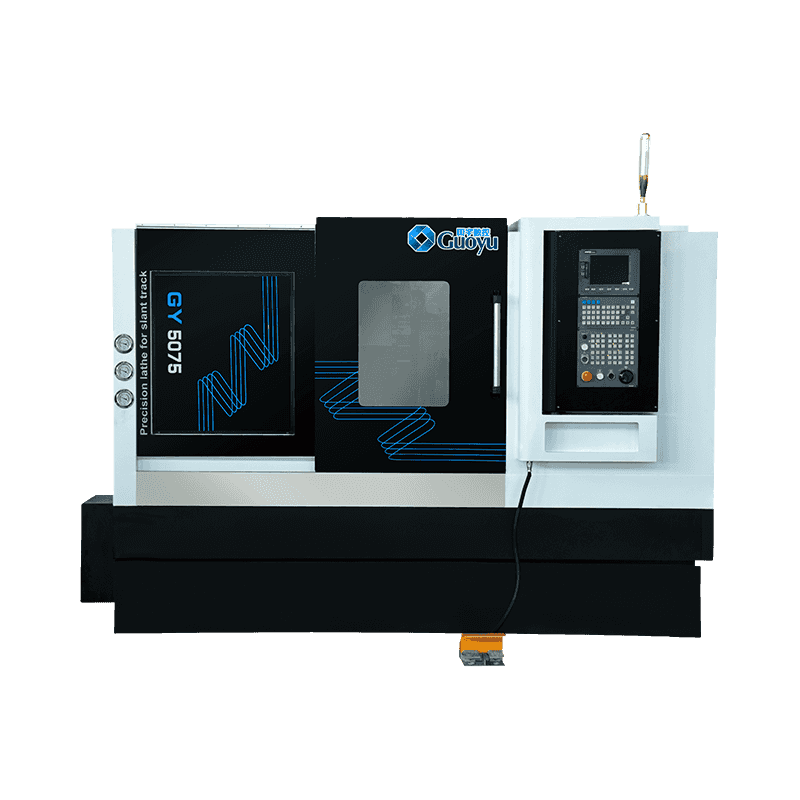
Technical Characteristics: The CNC machine tool for inclined beds adopts the domestic or imported hi...
See Details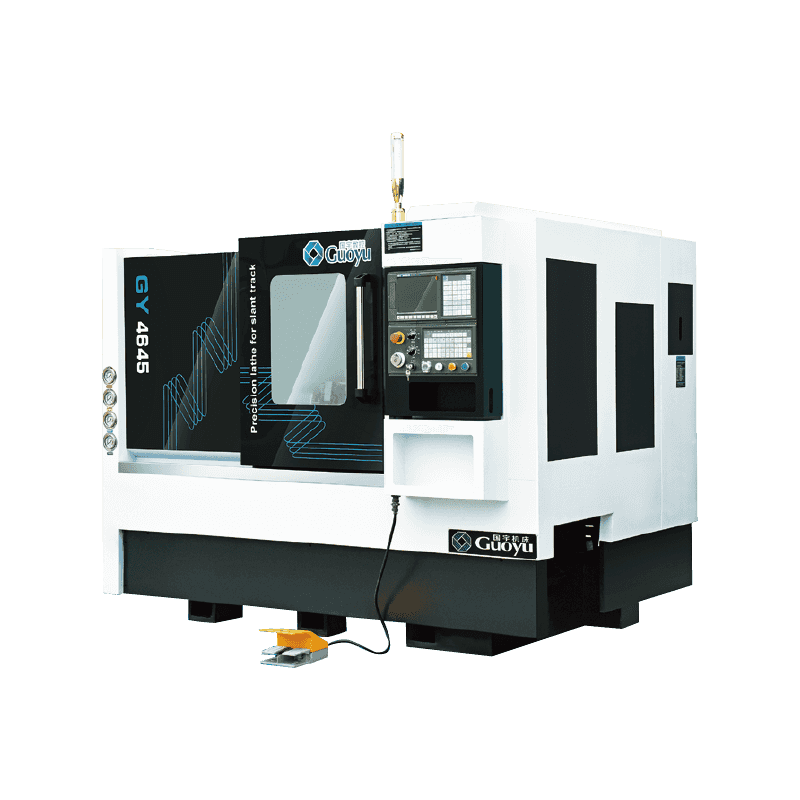
The Conjoined 35° Oblique Rail Cutter Tower Tail Seat Precision CNC Horizontal Lathe is a really pra...
See Details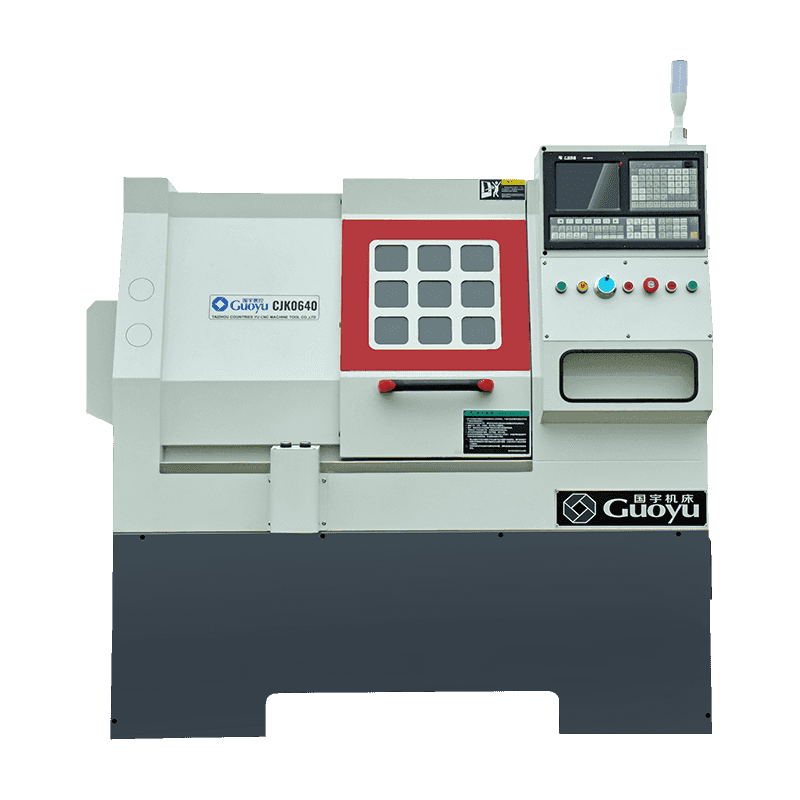
Technical Characteristics: The machine tool is equipped with a quantitative automatic lubrication sy...
See Details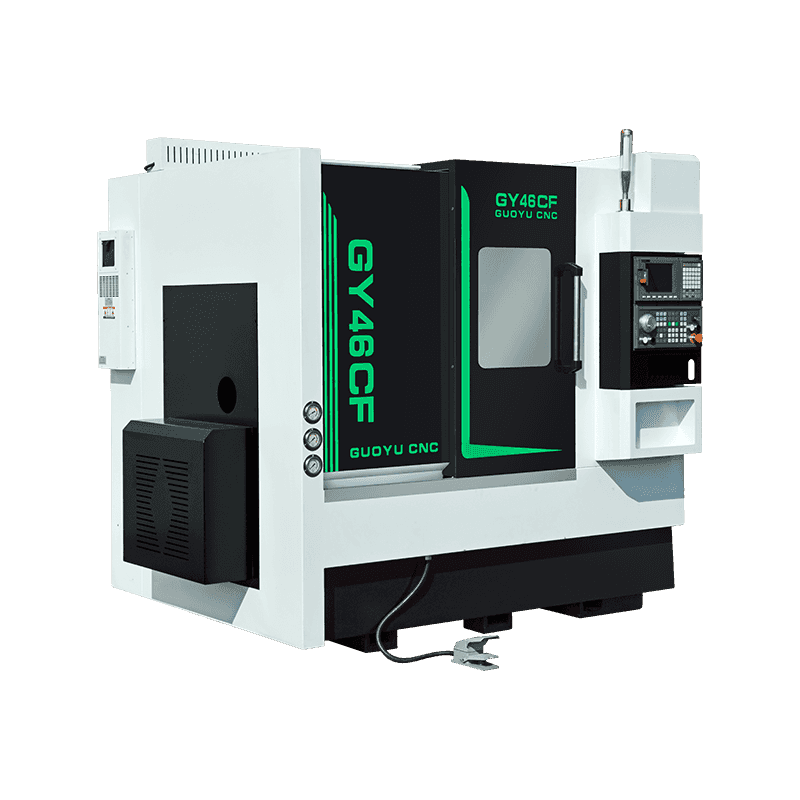
The 4+4 Type Precision CNC Lathe With Conjoined Oblique Rail Cutter Tower is a really practical, mul...
See Details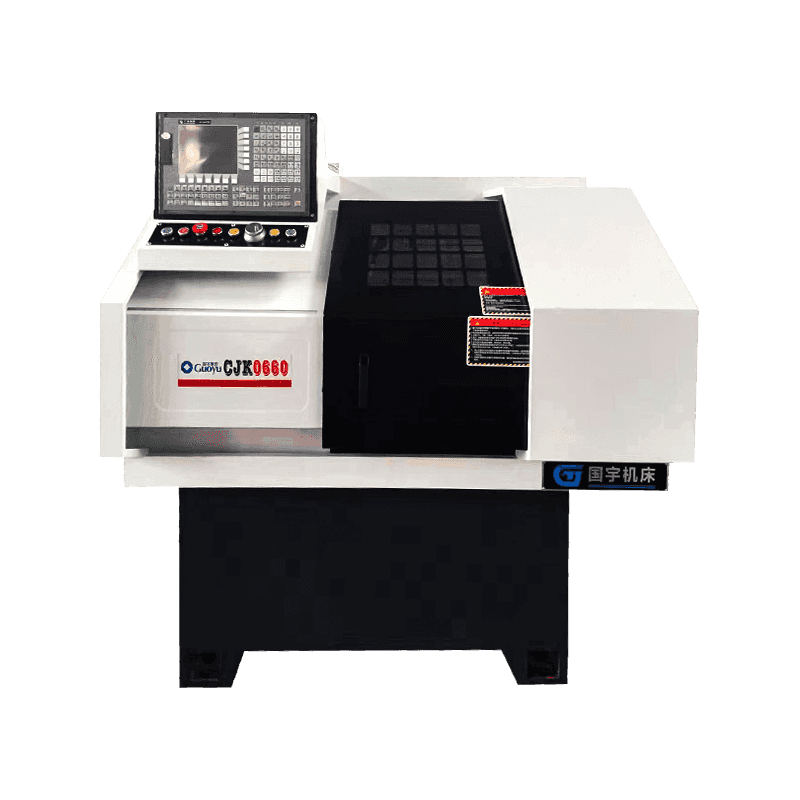
The Custom Precision Line Rail Precision CNC Lathe is just a really practical, compact machining sol...
See Details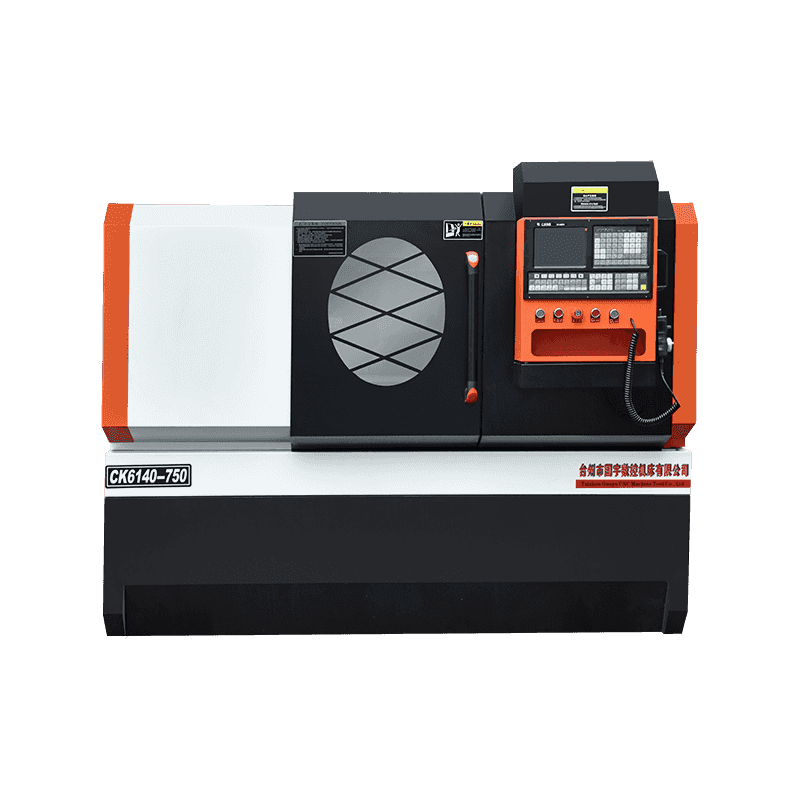
Technical Characteristics: It can cut all kinds of turning surfaces by bicycle, such as conical surf...
See Details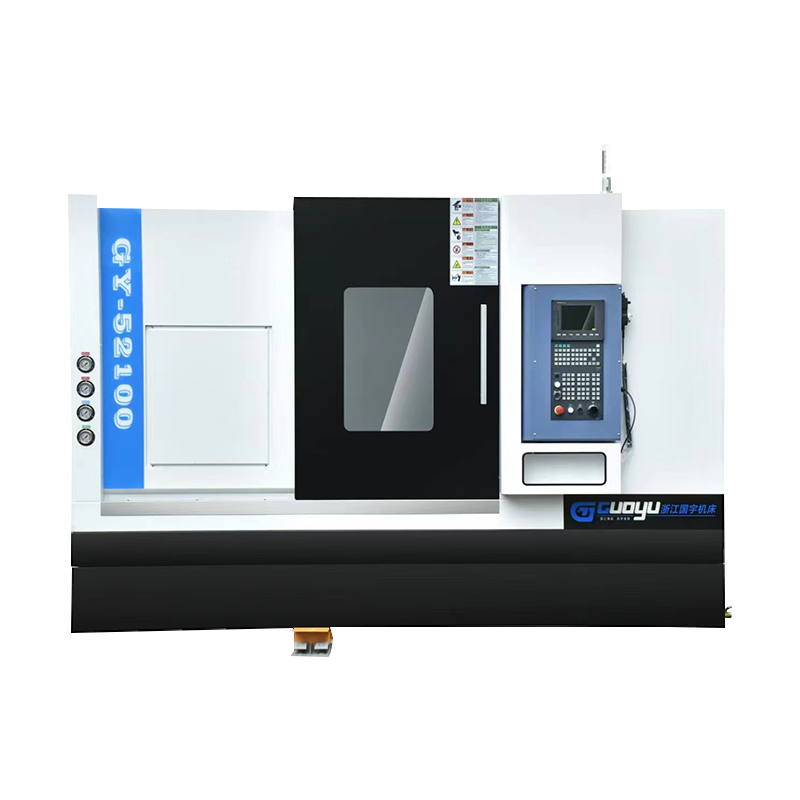
Technical Characteristics:Line Rail CNC lathes are integrally cast with 250 materials to ensure proc...
See DetailsOur team of digital and business experts will guide you to the right direction.
Let's Talk
Zhejiang Guoyu CNC Machine Tool Co., Ltd. relies on rich experience, professional technology and advanced methods to ensure the quality of its products, so that customers can enjoy more professional and thoughtful service.
 [email protected]
 +86-15356565970
 Xialiang Industrial Area, Luqiao District, Taizhou City, Zhejiang Province, China
Copyright © Zhejiang Guoyu CNC Machine Tool Co., Ltd. All Rights Reserved.