English
 中文简体
 русский
 Español


The Conjoined 45° Oblique Gauge Cutter Precision CNC Horizontal Lathe is a really practical turning ...
See DetailsPrecision CNC lathes are a quiet backbone of modern manufacturing. They turn out parts with tightly controlled shapes, dimensions and surface finishes. The range runs from tiny metal fittings to complex machine components, and the results stay consistent from one part to the next.
Plenty of industries rely on precision-turned parts. Carmakers need accurate shafts, bushings and other rotating components. Medical equipment producers use small machined parts in instruments and devices. Aerospace companies need carefully made metal parts for systems that work under harsh conditions.
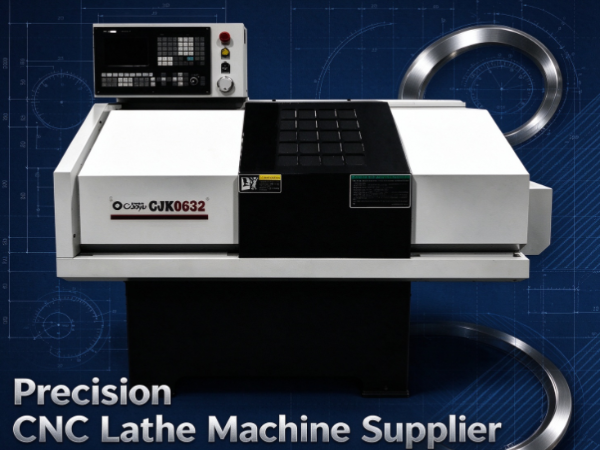
These machines aren't confined to big factories, either. Small workshops use them too, making specialized components, electronics hardware, hydraulic parts and consumer goods. They cope with many materials and part designs, which is why they turn up in so many production settings.
Knowing which industries depend on them shows what role they play in production. It also explains why manufacturers care so much about machining accuracy, equipment capability and production requirements when planning their processes.
A precision CNC lathe uses computer-controlled movement to spin a workpiece while cutting tools remove material from its surface. The workpiece rotates and the tool follows a planned path. The result can be cylinders, grooves, threads, holes and other features.
Manual turning depends on the operator's hands. CNC follows programmed instructions instead, so the machine repeats the same movements every cycle. Once the program and setup are ready, a manufacturer can make many parts with similar dimensions and shapes.
Precision matters because tiny deviations change how parts fit and work together. A shaft that doesn't match its bearing can cause friction or play. A thread with the wrong profile won't hold securely. A rough surface can affect wear and contact between components.
Precision CNC lathes suit production that calls for:
That's why CNC turning serves industries with very different goals. Some manufacturers run large batches of standard parts. Others make small quantities of specialized ones. With the right machine, tooling and setup, the same basic process handles both.
The automotive industry is one of the biggest users. A vehicle is full of parts that rotate, connect, transfer force or support movement, and many of them start life on a lathe.
Engines are a good example. Shafts, sleeves, connectors and other cylindrical parts are often turned. They must fit their neighbors and keep working through temperature swings and mechanical loads. Their dimensions and surface condition can affect how the whole assembly performs.
Transmissions and steering systems depend on turned parts as well. Shafts, pins, bushings and threaded components link moving sections and carry motion. Each must match the assembly's requirements. A poorly machined part can bring unwanted movement, noise or wear.
Precision-turned parts also appear in brakes, suspension, fuel systems and vehicle electronics. As vehicle designs diversify, manufacturers need machining processes that cope with different materials and component structures.
Electric vehicles add more applications. Their motors, drive systems, cooling assemblies and electrical connections contain parts that may need accurate turning. The shift to electric power hasn't ended traditional machining. It has brought new component designs and new production demands.
Repeatability counts most for carmakers. A single vehicle holds many parts that must come together at assembly. Precision CNC lathes help keep quality steady when the same components are made again and again for different models.
Aerospace sets a high bar for component design and production. Aircraft and related equipment contain parts that must work through temperature changes, vibration, pressure and mechanical stress, and many have tightly defined shapes and dimensions.
Precision CNC lathes make shafts, bushings, connectors, sleeves, fittings and other rotational parts. These can sit in engines, landing gear, control assemblies and fluid connections. Their dimensions shape how they fit with other parts and how they behave in service.
Material choice adds another layer. Aerospace parts may use aluminum alloys, stainless steel, titanium and other materials picked for their mechanical properties. They don't all cut the same way, so manufacturers need the right machines, cutting tools and methods for each job.
Shapes can be complex too. Some parts need several turning operations to create different diameters, grooves, shoulders or threaded sections. CNC control coordinates those operations according to the design.
Traceability and inspection matter a great deal here. Manufacturers must know how parts were made and whether they meet specification. Machining is only one step. Inspection, material control, documentation and quality management all shape the finished product.
For that reason, aerospace manufacturers tend to look at the whole production process when choosing machining equipment. Machine capability, process stability, operator experience and inspection arrangements all feed into the decision.
Medical device manufacturing is another field where precision turning has wide use. Instruments and equipment often contain small components that must fit together accurately. Some also need smooth surfaces and carefully controlled shapes because of how they touch other parts or how they're used.
Surgical instruments are one case. Certain handles, connectors, shafts and fittings need turning during production. They must match the design of the complete instrument, and their shape can affect handling, assembly and movement.
Turned components also appear in fluid delivery systems, diagnostic devices, laboratory instruments and monitoring equipment. Small connectors, valves, sleeves and mechanical fittings may come from precision machining. Their dimensions affect how securely they connect and how reliably they work.
Materials depend on the application. Stainless steel is common in medical parts because of its properties and its suitability for certain cleaning processes. Others may use titanium, aluminum or engineering plastics, depending on design, operating environment and applicable requirements.
Surface quality gets special attention. Some parts need smooth surfaces to support cleaning and leave fewer places for unwanted material to collect. Others need specific shapes to fit seals, tubes or moving assemblies.
Quality controls are strict. Manufacturers may need to consider material documentation, inspection procedures, cleaning requirements and regulatory obligations. The lathe handles the machining stage, but the finished part still has to meet the demands of its medical use.
Electronic and electrical products can look small and simple, yet many hold carefully machined metal parts. Precision CNC lathes make these components when dimensions, shape or surface condition need close control.
Connectors are a common example. They may contain metal pins, sleeves, terminals and threaded fittings, all of which must connect securely with other parts. Shape and dimensions affect contact quality and assembly.
Communication equipment also uses precision-machined parts. Some antennas, signal transmission assemblies, housings and connection systems include turned metal components, often fitted into compact structures where space is tight.
The semiconductor industry has its own machining needs. Production equipment may contain precision fittings, shafts, connectors and other mechanical parts, which can belong to systems that control movement, position materials or manage gases and fluids.
Makers of electrical equipment use turned parts in motors, generators, switches and control systems. Shafts, bushings, spacers and mounting parts may all need turning. Their accuracy can affect alignment and the movement of connected assemblies.
As electronics get smaller and more integrated, component size and machining consistency stay in focus. Precision CNC turning offers a way to make small rotational parts that match detailed design requirements.
Oil and gas equipment works in tough conditions. Parts may face pressure, vibration, moisture, chemicals and shifting temperatures, and many need carefully machined surfaces and connections.
Precision CNC lathes commonly produce fittings, threaded connectors, valve components, sleeves, shafts and other cylindrical parts. You'll find them in drilling equipment, pipelines, pumps and fluid control systems.
Threaded connections deserve special mention. Pipes, valves and fittings often have to join securely to prevent leaks, and the shape and condition of the thread affect how parts fit together. CNC turning lets manufacturers produce these features to the component design.
Valves and pumps contain parts that need accurate machining. Valve stems, seats, sleeves and shafts may need specific dimensions to support movement and contact between components. Pump assemblies use rotating parts and supporting components that must fit together while running.
The working environment drives material choice. Stainless steel and other corrosion-resistant materials suit moisture or chemicals. Other uses call for materials that handle pressure or mechanical loading. The machining process has to account for how each material behaves.
For equipment in demanding settings, machining quality is tied to inspection and maintenance. Manufacturers should consider the whole component design, including how it will be assembled, sealed and used in service.
Beyond automotive, aerospace, medical, electronics and oil and gas, many other industries use precision CNC lathes. Their applications usually involve parts that rotate, connect, support movement or sit inside a larger mechanical assembly.
Industrial machinery is one sector. Production machines contain shafts, rollers, bushings, pins, couplings and threaded parts that transmit movement and support mechanical operation. Their dimensions can affect machine alignment, stability and service life.
Agricultural machinery uses turned components too. Tractors, harvesters, irrigation systems and other equipment contain shafts, fittings, connectors and hydraulic parts. Many work outdoors, facing dust, moisture and repeated mechanical loads.
In the marine industry, precision-machined parts go into engines, pumps, steering systems and deck equipment. Some need materials that withstand water and corrosive conditions, and shape and surface condition matter for assembly and operation.
Consumer goods use CNC-turned parts as well. Household appliances, power tools, sporting equipment and personal devices may include metal shafts, knobs, fasteners and small mechanical fittings. These products serve everyday purposes, yet their internal components still have to fit and function properly.
The table below lists some common applications across industries.
| Industry | Common Turned Components | Main Production Considerations |
|---|---|---|
| Automotive | Shafts, bushings, connectors, sleeves | Assembly fit, repeatability, wear |
| Aerospace | Fittings, shafts, sleeves, connectors | Material requirements, dimensional control |
| Medical devices | Instrument parts, connectors, small fittings | Surface condition, cleanliness, material suitability |
| Electronics | Pins, terminals, housings, threaded parts | Small dimensions, connection accuracy |
| Oil and gas | Valve parts, pipe fittings, pump shafts | Pressure conditions, sealing, corrosion resistance |
| Industrial machinery | Rollers, couplings, pins, shafts | Alignment, movement, mechanical loads |
| Agriculture | Hydraulic fittings, shafts, connectors | Durability, environmental exposure |
| Marine equipment | Pump parts, engine fittings, shafts | Moisture exposure, corrosion resistance |
Different industries may use similar turned parts, but their working conditions and product demands can differ a lot. A shaft in an industrial machine faces different requirements from one in an aircraft assembly.
The right machine depends on the parts you plan to make. Industry gives useful context, but it doesn't settle every equipment requirement. Component design, material, production volume and machining operations all count.
Start with part size and shape. A machine built for small connectors may not suit large shafts or heavy components. Review workpiece dimensions and geometry before choosing equipment.
Material compatibility comes next. Aluminum, stainless steel, titanium, brass and engineering plastics all cut differently. The machine and tooling must suit the materials in use, which affects cutting stability, tool selection, surface quality and processing methods.
Think about the kind of work too. Some shops make one design in repeated batches. Others switch between different parts and tasks. Flexibility, setup process and programming capability affect how well a machine fits the factory's workflow.
Other factors include:
Precision CNC Lathe Machine Supplier evaluation belongs in the purchasing process. Ask about machine applications, production examples, installation arrangements, training and after-sales support. It helps to discuss real component drawings or sample workpieces instead of relying only on general product descriptions.
A suitable machine should meet current production needs while leaving room for reasonable changes in product design and workload. Careful evaluation lowers the risk of buying equipment that can't handle the intended machining tasks.
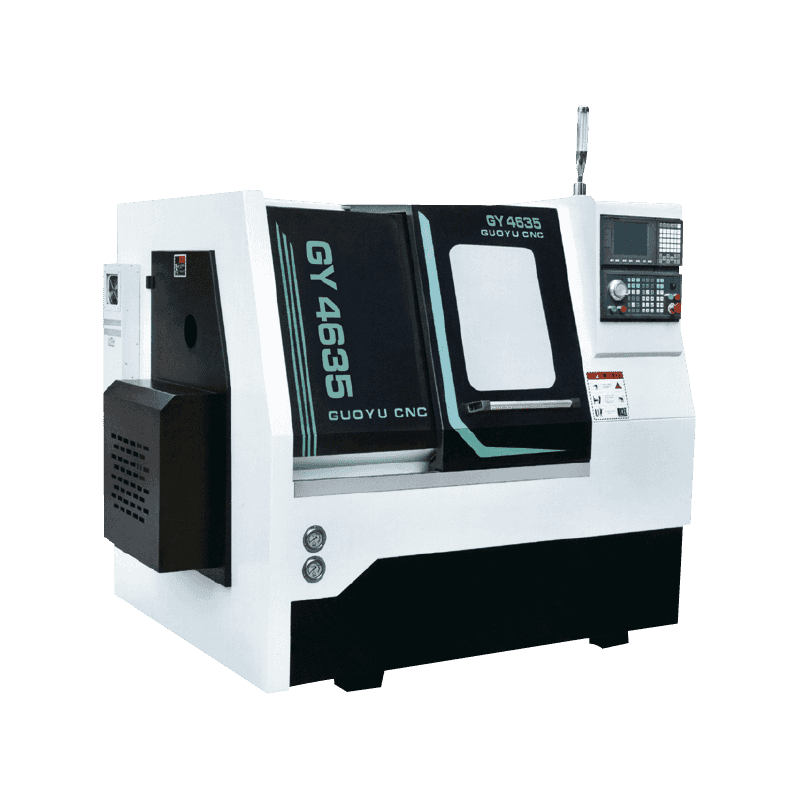
The Conjoined 45° Oblique Gauge Cutter Precision CNC Horizontal Lathe is a really practical turning ...
See Details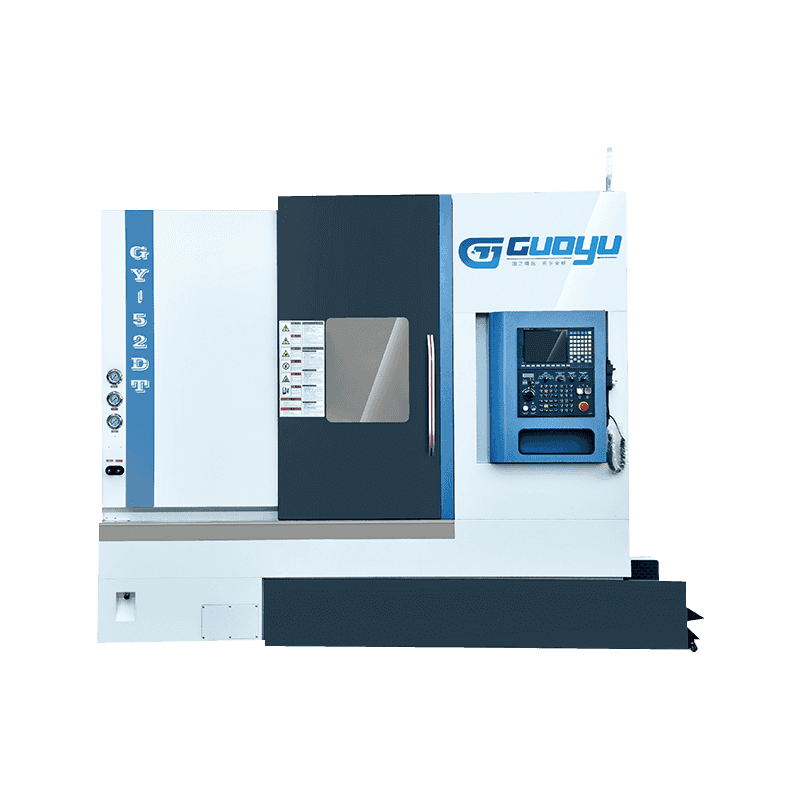
Technical Characteristics: The CNC machine tool for inclined beds adopts the domestic or imported hi...
See Details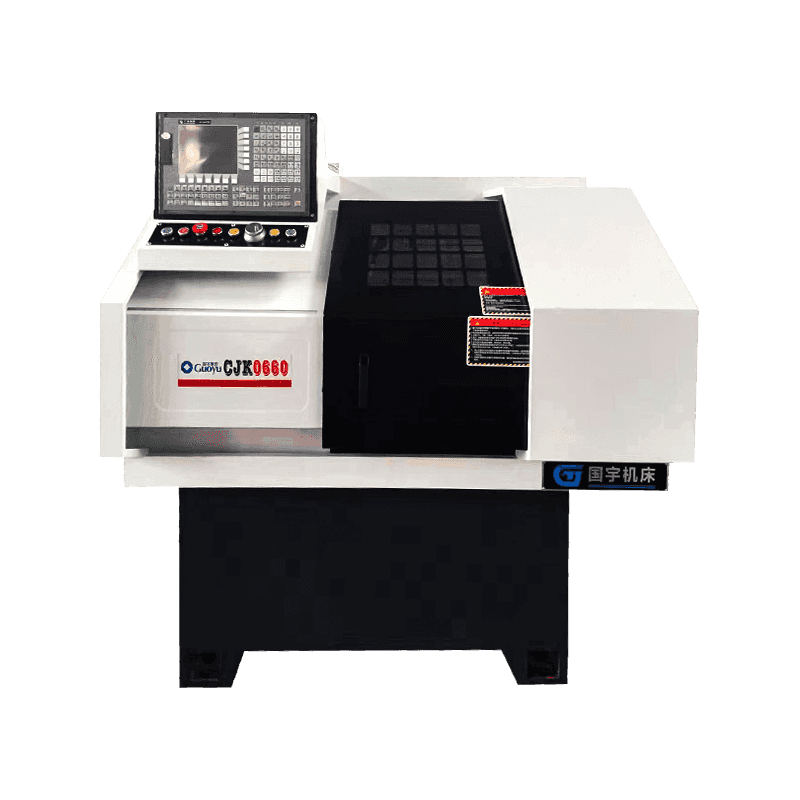
The Custom Precision Line Rail Precision CNC Lathe is just a really practical, compact machining sol...
See Details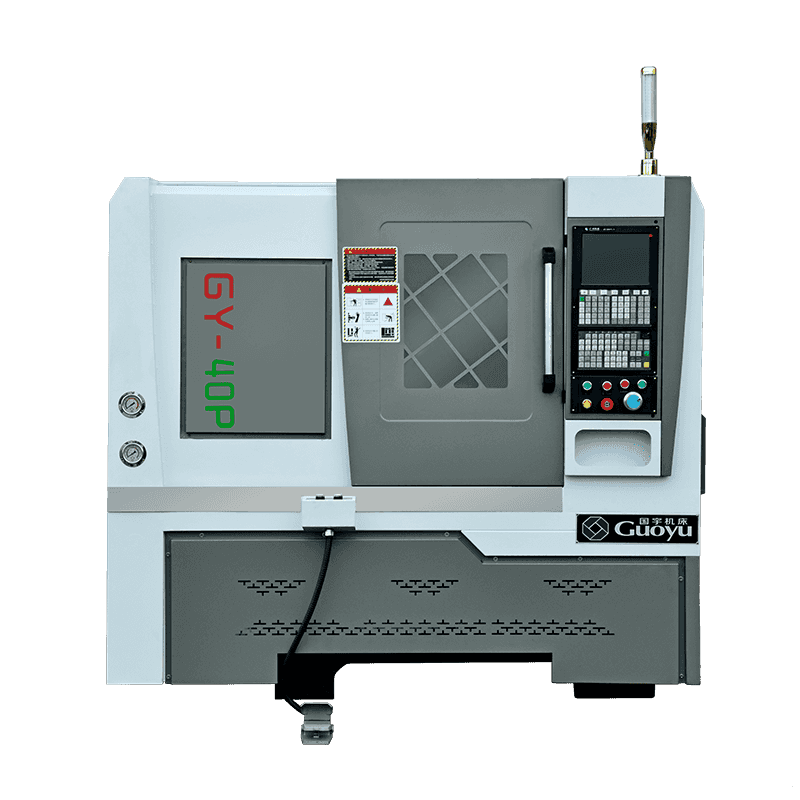
Technical Characteristics: 40P is a kind of small precision machine tool, that is suitable for the e...
See Details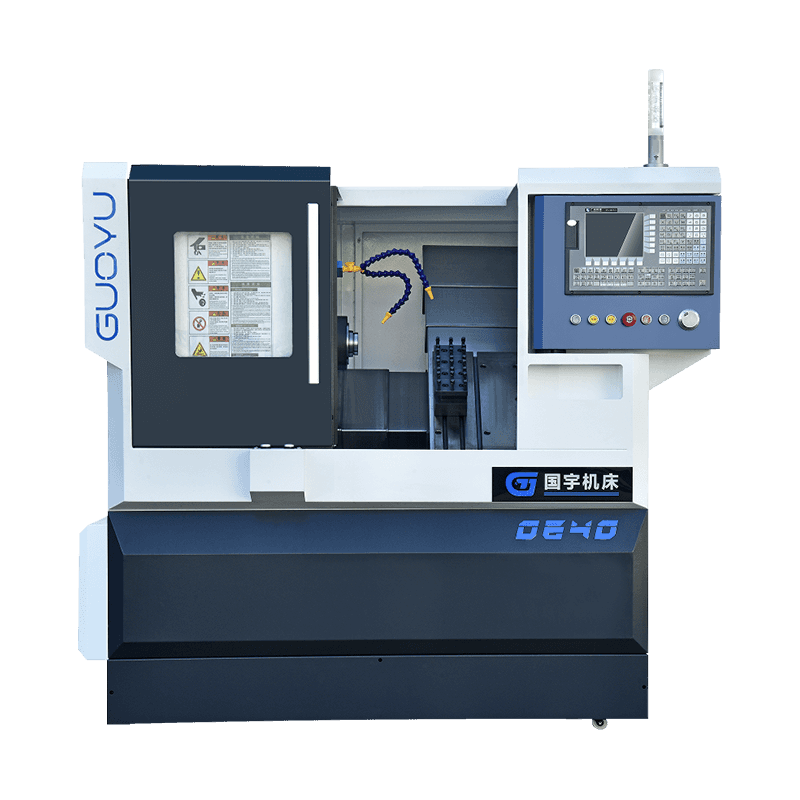
Introducing our Optional Control System CNC Lathe for Metal Processed, a sophisticated and reliable ...
See Details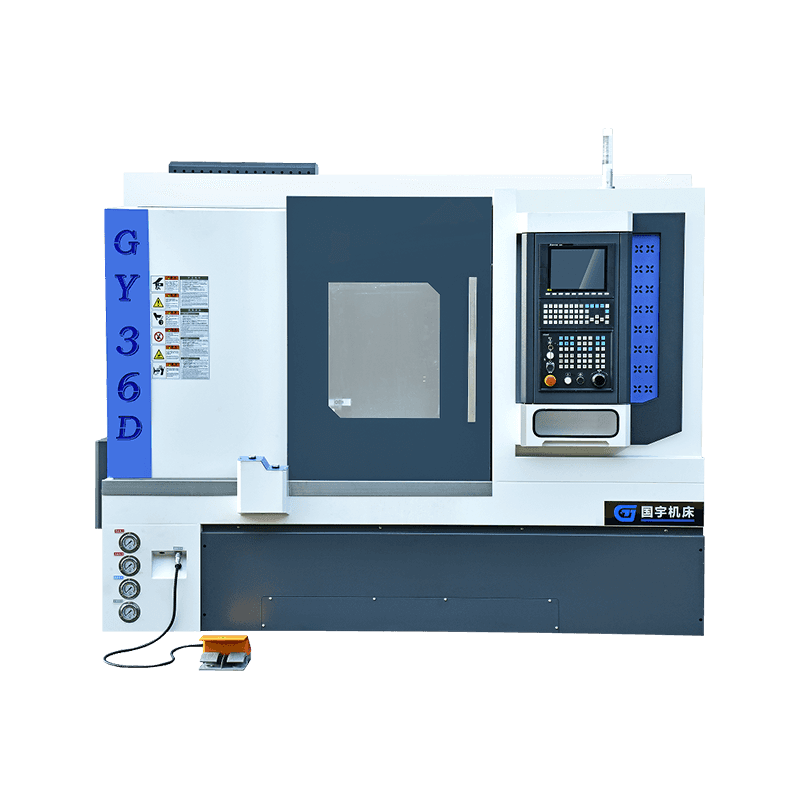
Technical Characteristics: All lathes are integrally cast with 250 materials to ensure processing ri...
See Details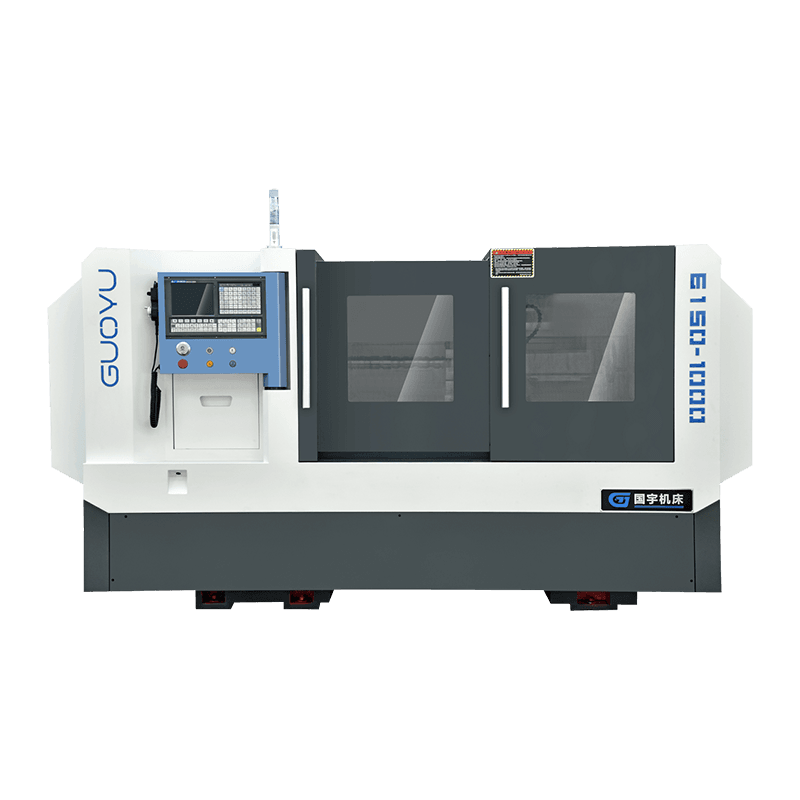
Technical Characteristics: It can cut all kinds of turning surfaces by bicycle, such as conical surf...
See Details
After-sales service commitment: 1. From the date of acceptance, the machine tool host is under warra...
See DetailsOur team of digital and business experts will guide you to the right direction.
Let's Talk
Zhejiang Guoyu CNC Machine Tool Co., Ltd. relies on rich experience, professional technology and advanced methods to ensure the quality of its products, so that customers can enjoy more professional and thoughtful service.
 [email protected]
 +86-15356565970
 Xialiang Industrial Area, Luqiao District, Taizhou City, Zhejiang Province, China
Copyright © Zhejiang Guoyu CNC Machine Tool Co., Ltd. All Rights Reserved.