English
 中文简体
 русский
 Español


Technical Characteristics: The CNC machine tool for inclined beds adopts the domestic or imported hi...
See DetailsA Twin Spindle Twin Turret CNC Lathe shows up in shops where parts need multiple turning operations done with real coordination and a steady, predictable flow. The dual-spindle setup lets a workpiece move from one spindle to another mid-process, while the two turrets give machinists more room to organize cutting tools and sequence operations. Put together, this setup helps manufacturers deal with parts that have features on both ends without constantly stopping to re-handle the piece by hand.
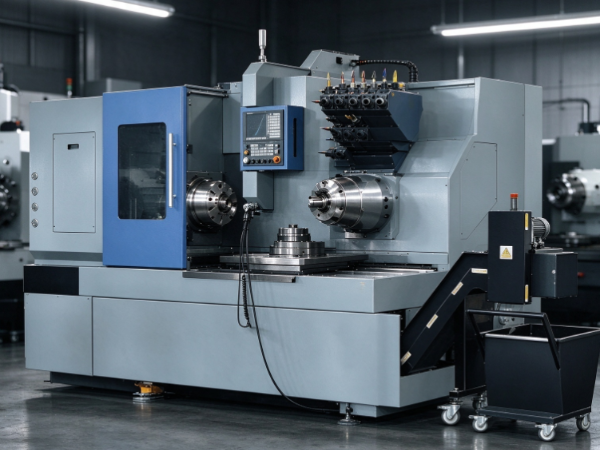
You'll find this equipment across a handful of industries — automotive, aerospace, medical devices, electronics, industrial machinery, and fluid control equipment, among others. Each of these fields has its own expectations around part shape, material, surface finish, and how production actually gets scheduled. Whether a twin spindle twin turret lathe is worth the investment really comes down to how closely its capabilities line up with what a given part needs.
Knowing where this type of machine typically gets used can help manufacturers spot good-fit applications and make smarter equipment decisions.
Automotive manufacturing runs through a lot of cylindrical metal parts — ones with internal bores, grooves, threads, and other machined details. These end up in engines, transmissions, steering systems, brakes, and plenty of other vehicle systems. Most need several machining passes before they're ready to go into assembly.
A twin spindle twin turret CNC lathe fits well here because it lets compatible operations happen within one coordinated process. One spindle might hold the part while tools work on whatever surfaces are accessible. From there, the part can shift over to the second spindle so the other end — or any remaining features — gets finished.
That setup really pays off when a part needs work on both sides. Instead of pulling the piece off the machine and setting it up again somewhere else, the transfer can happen right there on the same equipment. Fewer handling steps generally means simpler planning and fewer chances for something to get positioned wrong.
Common automotive uses include:
That said, this machine isn't a fit for everything in a car. Large castings, flat structural pieces, and parts that need heavy milling work usually call for different equipment entirely. Before committing to a twin spindle twin turret setup, it's worth weighing the part's geometry, material, machining order, and expected volume.
Aerospace manufacturing deals with parts going into aircraft systems, engines, control mechanisms, and support equipment — often with intricate profiles, tight dimensional tolerances, and demanding material specs. Production here has to account for both how the part is designed and what it actually needs to do once installed.
Twin spindle twin turret lathes work well for suitable rotational aerospace parts — sleeves, bushings, shafts, fittings, and certain housing components. Being able to coordinate several turning operations at once helps organize the sequence for parts that need machining on more than one surface or end.
Material choice carries a lot of weight in this field. Aerospace components might be aluminum alloy, stainless steel, titanium, or something else entirely, chosen for specific mechanical properties. Different metals respond differently to cutting force, heat buildup, and tool wear, so the whole process has to be built around the particular material and design in question.
The dual-turret arrangement also opens up more flexibility for tool placement. Compatible operations can be split across turrets based on tool access, spindle position, and the risk of parts colliding. Done right, this cuts down on idle time between cuts when the program and setup are properly coordinated.
Aerospace work still demands rigorous inspection, traceability, and process control on top of all this. Running a part through a twin spindle twin turret lathe doesn't guarantee it meets spec on its own — tool condition, workholding, machine health, and inspection routines all factor into the final outcome.
This machine type earns its place mainly when a part's rotational geometry and machining order actually match what it does well. Parts dominated by flat surfaces or heavy multi-axis milling usually need a different machining approach altogether.
Medical device manufacturing spans a wide range — from reusable instruments and equipment fittings to precision parts built into larger medical systems. A lot of these pieces are small, cylindrical, and detail-heavy, often with narrow grooves, internal openings, threaded sections, or shaped ends that need to mate precisely with other parts.
A twin spindle twin turret CNC lathe can handle suitable metal parts needing several turning operations. Its ability to work different surfaces and shift compatible parts between spindles helps keep production organized for components that need features machined on both ends.
Likely applications include:
Material and finish needs shift depending on what the part is for. Stainless steel often gets picked for its corrosion resistance and compatibility with certain cleaning methods, while other jobs call for different materials based on strength, weight, or design intent.
For medical parts, machining is just one piece of a longer process. Cleaning, surface inspection, finishing, validation — these all still need to happen afterward. A machine that trims down setup steps doesn't eliminate the need for everything that comes after it.
It's also worth separating general medical equipment parts from components meant for direct clinical use — the latter usually comes with extra requirements around material suitability, cleanliness, documentation, and manufacturing controls.
When a part's design includes several turning features that work well together, a twin spindle twin turret lathe can genuinely tighten up the machining workflow.
Electronics and electrical equipment often rely on small metal parts that connect, support, protect, or position other components. People tend to picture circuit boards and chips when they think "electronics," but a lot of these products depend just as much on precision-machined metal fittings.
Think connector shells, contact housings, threaded adapters, sensor bodies, terminal parts, and small shafts used in electromechanical assemblies. Many of these need internal holes, external threads, grooves, and carefully shaped contact surfaces.
A twin spindle twin turret CNC lathe suits rotational components whose dimensions and machining needs match what it's capable of. The two spindle positions give access to different ends of a part, while the turrets let manufacturers arrange tools according to the machining order.
This matters most when a part needs several related operations. A connector body, for instance, might need external turning, internal boring, end-face work, and thread cutting all together. Coordinating all of that on one machine cuts down on moving the workpiece between separate stations for each step.
Small parts bring their own headaches too. They can be tricky to hold securely, and cutting forces need careful management to avoid warping or surface damage. Tool choice and chip clearing both affect machining quality and how stable the whole run is.
Electrical equipment parts often also need to meet standards for conductivity, corrosion resistance, or compatibility with other materials — all of which shapes material choice and whatever surface treatment comes after machining.
None of this replaces every process used in electronics manufacturing, of course. Circuit board fabrication, component placement, molding, sheet-metal work — these all need different equipment entirely. Twin spindle twin turret lathes matter specifically for the machined metal parts woven into these larger product systems.
Industrial machinery covers a lot of ground — factory equipment, workshop tools, material handling systems, packaging lines, and more. These machines are full of rotating parts: shafts, sleeves, pins, couplings, bushings, all the mechanical bits that keep things moving or connected.
These components usually need multiple machining steps. A shaft might need varying diameters along its length, grooves for retaining rings, threaded ends, and machined faces for assembly. A sleeve might need both an internal bore and a shaped exterior.
A twin spindle twin turret lathe helps combine compatible operations into one planned sequence. If the machine supports transferring parts between spindles, it can also handle both ends without a separate manual setup in between.
This capability works for manufacturers running repeat production as well as those handling more customized work. A well-built program can coordinate tool movement and spindle operations for a specific part. When requirements shift, the program, tooling, or workholding can be adjusted to accommodate a different but compatible part.
How much value this adds really depends on the product mix. A shop running small batches of varied parts probably cares most about setup flexibility and ease of programming. A shop producing the same parts repeatedly will likely focus more on cycle timing, tool life, and consistent handling.
Maintenance matters just as much here. Turrets, spindle systems, tool holders, workholding devices, chip management — all of it needs regular attention. Skip maintenance, and machining consistency suffers no matter how good the original setup was.
So twin spindle twin turret lathes make sense for industrial machinery manufacturers whose parts actually benefit from coordinated turning. They're less useful when most of the work involves large fabricated structures or heavy surface milling that falls outside what a turning center handles well.
Hydraulic and pneumatic equipment depends on components that control, direct, or contain pressurized fluids and gases — showing up in manufacturing equipment, mobile machinery, industrial automation, agricultural gear, and fluid handling systems generally.
A lot of these parts are rotational by nature. Valve bodies, adapters, threaded fittings, sleeves, plugs, and certain cylinder-related parts often need turning, boring, grooving, or thread cutting — exactly what, depending on the specific design and function.
A twin spindle twin turret lathe comes in handy when these parts need multiple turning operations and access to both ends. A fitting, say, might need a shaped exterior, an internal passage, and threads across different sections. Coordinating all that in one process cuts down on repeated handling.
Being able to arrange multiple tools also gives manufacturers more room to plan around different cutting needs. Tools get assigned based on the feature being machined, assuming the machine's configuration allows the necessary movement and clearance.
In fluid control work, surface finish and dimensional accuracy directly affect sealing and fit. Thread quality, bore geometry, and mating surface condition all influence whether a part assembles correctly and holds up in use — which is why solid inspection and quality control need to back up the machining itself.
Not every hydraulic or pneumatic part suits turning equipment, though. Large valve blocks with lots of intersecting passages usually need milling, drilling, or other processes instead. Some parts also need heat treatment, grinding, or finishing after the initial turning work.
This machine earns its keep when a part genuinely has a meaningful mix of rotational features that fall within what it can handle.
The same core principles carry over into several other manufacturing fields — this equipment isn't boxed into one product category. What matters is whether a part's geometry, material, and production sequence actually fit a dual-spindle, dual-turret setup.
| Industry | Potential Components | Relevant Machining Needs |
|---|---|---|
| Agricultural machinery | Shafts, pins, adapters, sleeves | Turning, grooving, end machining |
| Power and energy equipment | Rotational fittings, bushings, select shaft parts | Multi-stage turning, internal boring |
| Pumps and compressors | Housings, sleeves, plugs, connectors | Bore machining, threading, surface prep |
| General hardware | Fasteners, threaded fittings, metal connectors | Repeated turning, thread cutting |
| Transportation equipment | Rotating parts, joints, mechanical fittings | Machining multiple surfaces and ends |
| Industrial automation | Sensor housings, pins, actuator components | Small-part machining, coordinated operations |
In agricultural machinery, parts often need to hold up against vibration, movement, and outdoor conditions over time. The lathe handles the turning work fine; material choice and later surface treatment take care of the environmental side.
Pump and compressor manufacturers also lean on a range of rotational metal parts — sleeves, plugs, fittings, select housings — needing both internal and external machining. Which equipment makes sense depends on the part's geometry and how much of the work is actually turning-based.
Power and energy equipment covers a broader spread of manufacturing needs. Some parts suit CNC turning well; others are too large or need machining methods beyond what a turning center offers. A twin spindle twin turret lathe fits the compatible components here, not the whole assembly.
General hardware production benefits from coordinated machining too, when parts need repeated operations. That said, high-volume runs of simple, repetitive parts might actually call for more specialized equipment instead. It comes down to comparing what the lathe offers against what the product actually demands.
These industries share some overlapping machining needs, but their priorities can look quite different day to day. A medical equipment supplier might care most about surface finish and documentation; an automotive parts maker might lean harder into repeatability and flow. Either way, the right machine should match the actual work — not just an industry label.
A few things are worth thinking through carefully.
Part geometry and machining requirements
Take a close look at the part's shape, which features need machining, and how much work each end requires. A dual-spindle setup makes the most sense when a part needs coordinated work on different sides. If a component is mostly about milling rather than turning, a different machine configuration probably serves better.
Tool access and operation coordination
Two turrets open up more tool arrangement options, but that flexibility needs careful planning too. The sequence has to account for tool access, spindle positioning, chip clearance, and the risk of parts colliding mid-cycle. Operations should get assigned based on what the part actually needs and what the machine can realistically do.
Production volume and product variety
Manufacturers running repeat parts tend to benefit from fewer separate handling steps. Shops juggling frequent product changes should weigh programming time, tooling swaps, and setup overhead instead. The machine's real value shows up when it solves an actual production problem rather than adding complexity for its own sake.
Material and quality requirements
Different metals cut differently. Workpiece stability, tool wear, chip formation, surface finish, and the inspection process all deserve attention here. Parts headed for demanding environments may need extra checks or finishing work after machining wraps up.
Operator skills and maintenance planning
Running a twin spindle twin turret lathe well takes coordinated programming and a solid grasp of how it moves. Operators need to set the machine up correctly, verify tool paths, and catch potential collisions before anything runs live. Routine maintenance keeps things stable and heads off avoidable downtime.
Integration with the wider production line
Machining is only one piece of the bigger picture. Loading, unloading, inspection, cleaning, finishing, and downstream assembly all shape how the overall workflow plays out. It's worth evaluating how the lathe fits into those surrounding steps — including whether automated material handling makes sense.
Across automotive, aerospace, medical, electronics, industrial machinery, and fluid control manufacturing, twin spindle twin turret CNC lathes serve essentially the same purpose everywhere: coordinating multiple turning operations for parts that fit the machine's strengths. Their real value comes down to how well the machine's design lines up with what a given part actually needs. Once manufacturers understand that relationship clearly, figuring out where this equipment fits into their own production becomes a much easier call.
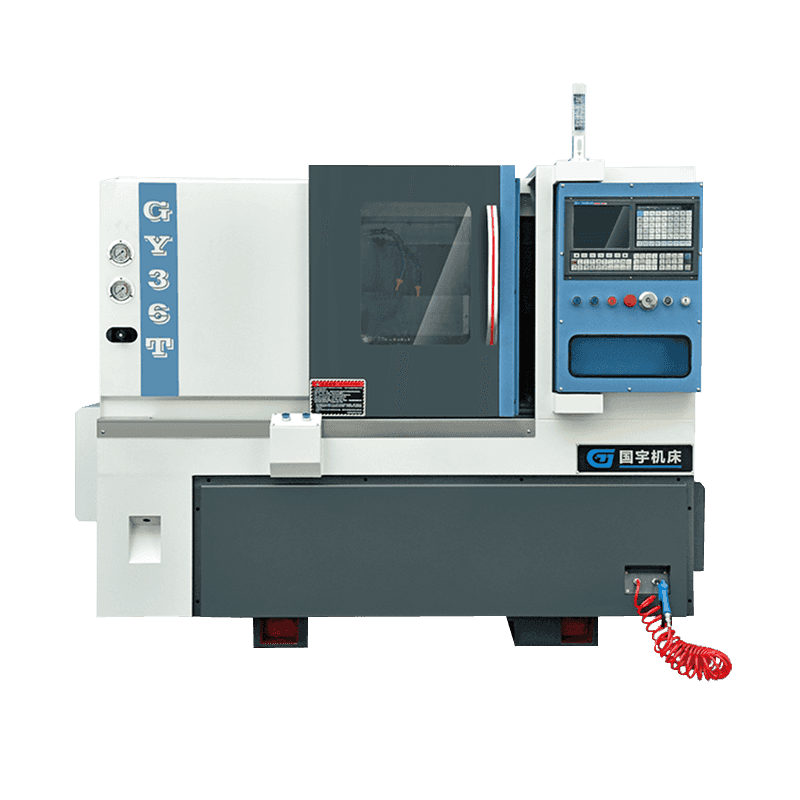
Technical Characteristics: The CNC machine tool for inclined beds adopts the domestic or imported hi...
See Details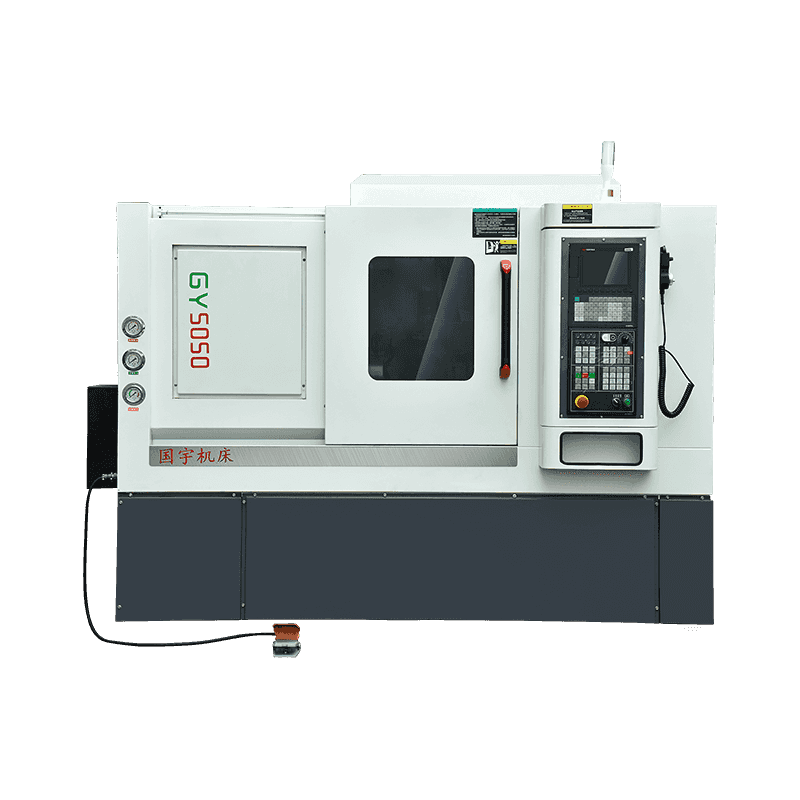
Technical Characteristics: The machine tool is of high precision, and the spindle is supported by hi...
See Details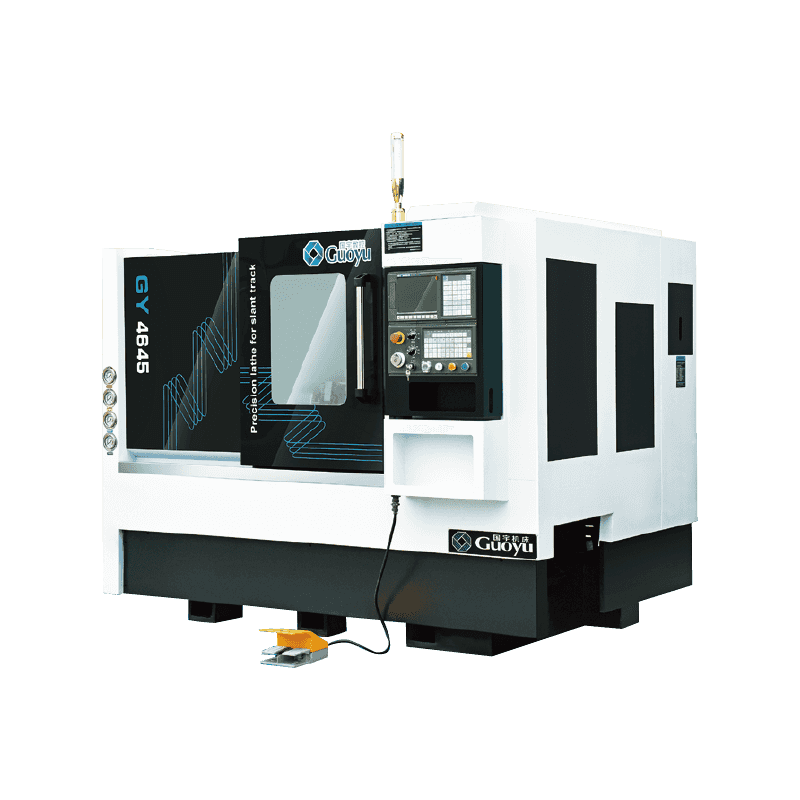
The Conjoined 35° Oblique Rail Cutter Tower Tail Seat Precision CNC Horizontal Lathe is a really pra...
See Details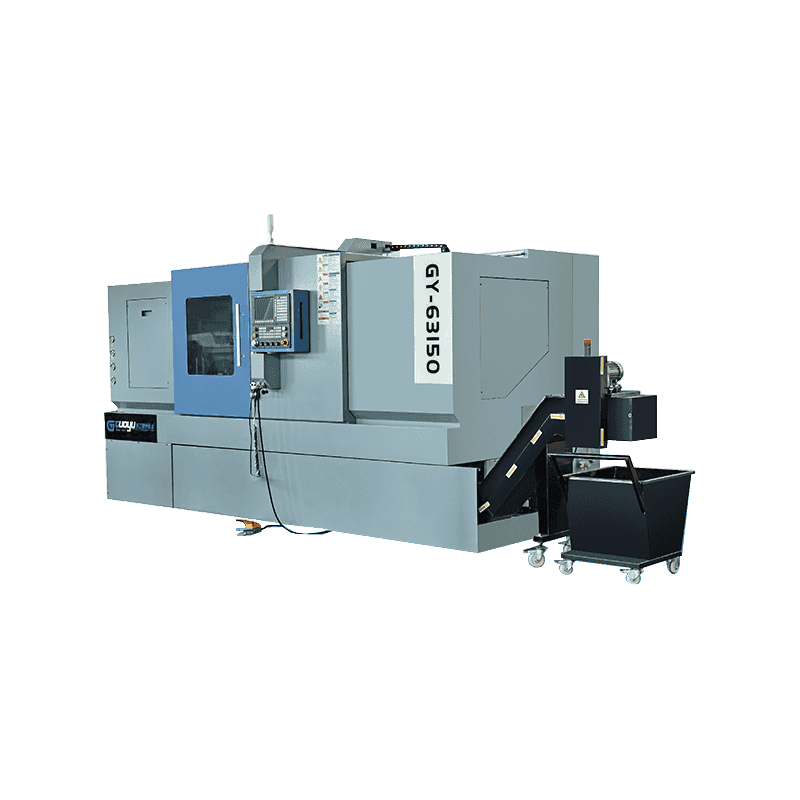
The Precision CNC Lathe With Programmable Tailstock For Connected Inclined Rail Tool Tower is just a...
See Details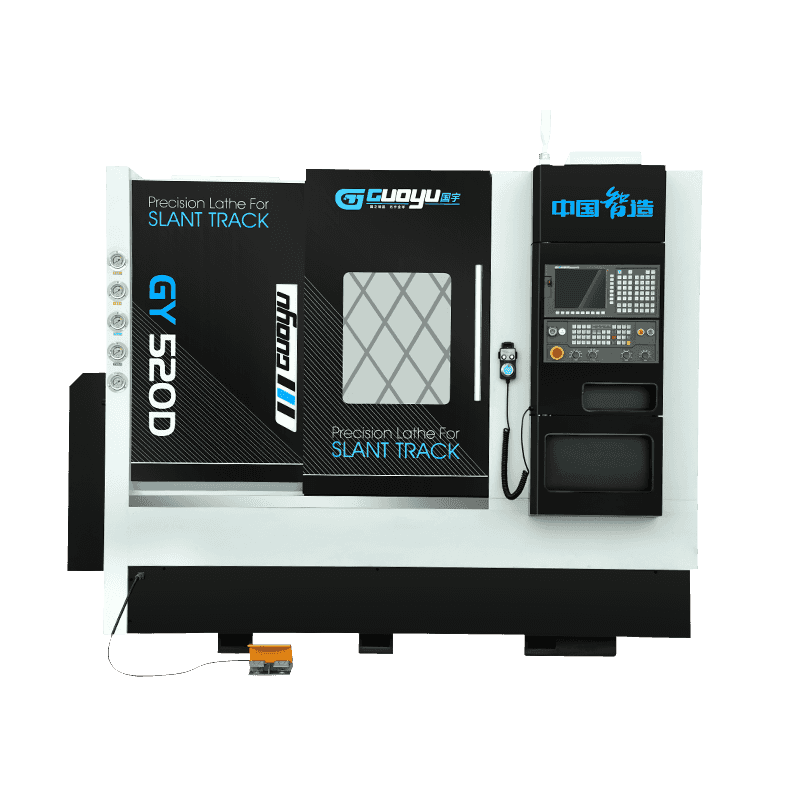
Technical Characteristics: The CNC machine tool for inclined beds adopts the domestic or imported hi...
See Details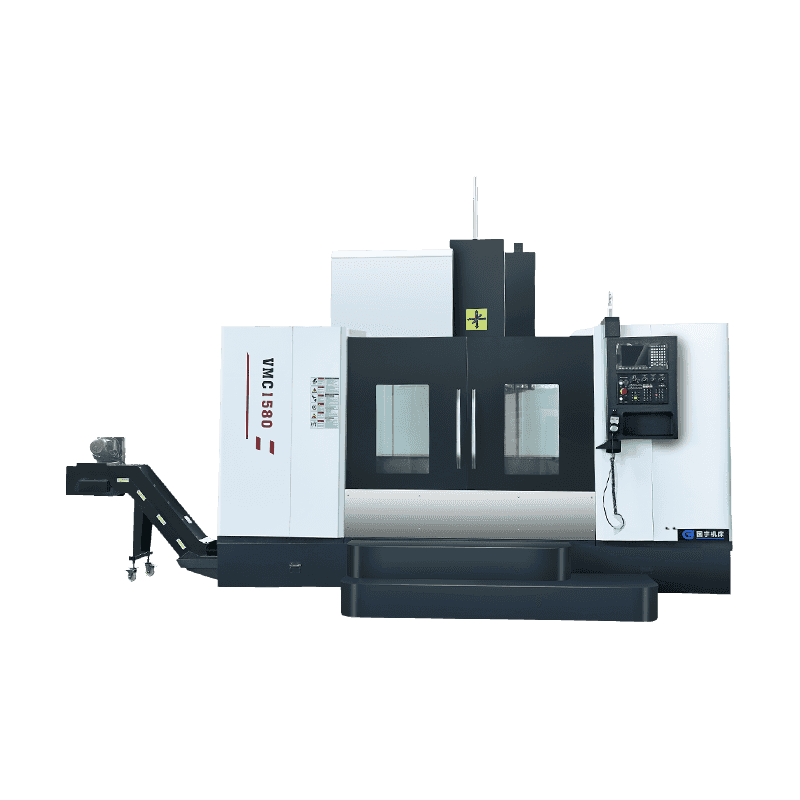
We are pleased to present the VMC1580 High-Speed Vertical Machining Center, a reliable and efficient...
See Details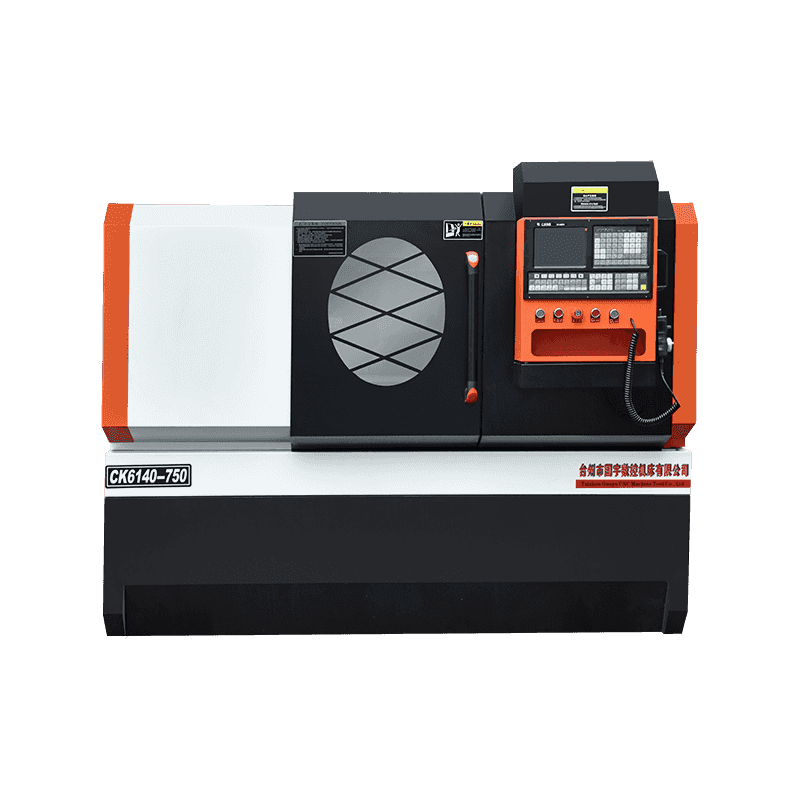
Technical Characteristics: It can cut all kinds of turning surfaces by bicycle, such as conical surf...
See Details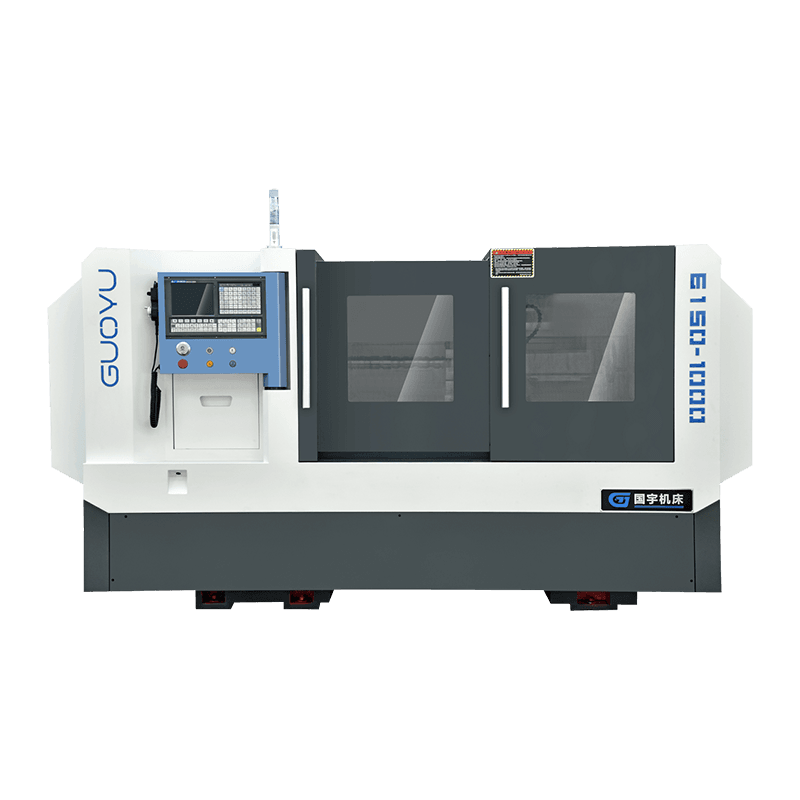
Technical Characteristics: It can cut all kinds of turning surfaces by bicycle, such as conical surf...
See DetailsOur team of digital and business experts will guide you to the right direction.
Let's Talk
Zhejiang Guoyu CNC Machine Tool Co., Ltd. relies on rich experience, professional technology and advanced methods to ensure the quality of its products, so that customers can enjoy more professional and thoughtful service.
 [email protected]
 +86-15356565970
 Xialiang Industrial Area, Luqiao District, Taizhou City, Zhejiang Province, China
Copyright © Zhejiang Guoyu CNC Machine Tool Co., Ltd. All Rights Reserved.