English
 中文简体
中文简体 русский
 Español

Technical Characteristics: It can cut all kinds of turning surfaces by bicycle, such as conical surf...
See DetailsA machine shop rarely deals with just one type of machining task. Some components need several surfaces turned, while others require different cutting operations before they are ready for the next stage of production. Managing these tasks can involve repeated workpiece handling, tool changes, and careful coordination between machines. These demands have made the twin turret CNC lathe a practical option for manufacturers looking to organize their machining processes.
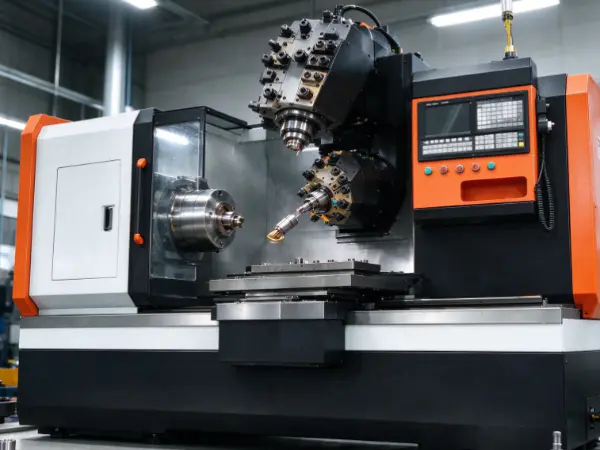
A twin turret CNC lathe uses two tool turrets to carry out machining operations on a workpiece. Depending on the machine design, the turrets can work independently or coordinate their movements to perform related tasks. This arrangement gives manufacturers more options when planning how a component should be machined.
The value of this equipment is not limited to having two turrets instead of one. Its usefulness depends on how the machine handles cutting operations, how the tools are arranged, and whether the production process makes good use of both turrets. For machine shops working with varied component designs and changing production requirements, these factors can influence equipment selection and daily workflow.
The main difference lies in the tool arrangement. A conventional CNC lathe often uses one turret to hold and position the cutting tools required for a job. A CNC lathe has two tool turrets, giving the machine another set of tools that can be assigned to suitable operations.
Each turret can carry tools for different machining tasks. One may handle an external turning operation while the other works on another accessible area of the component. Depending on the machine structure and control system, both turrets may operate at the same time or perform their tasks in a planned sequence.
This arrangement changes the way machining work can be organized. With a single turret, certain operations must wait until the current task is complete and the tool has been repositioned or changed. A twin turret configuration may allow some of these tasks to overlap, provided the workpiece geometry, tool paths, and machine capabilities permit it.
However, two turrets do not automatically mean that every job will run faster. Some components have limited machining requirements and may not benefit much from an additional turret. Other parts involve several operations that can be divided between the available tools, making the second turret more useful.
The distinction is therefore about production flexibility. A machine shop needs to consider how its components are made, which operations can be coordinated, and whether the additional tooling arrangement fits the actual workload.
The second turret gives programmers and operators another way to distribute machining tasks. Rather than assigning every operation to one tool station, they can plan which tasks belong to each turret and determine when those tasks should take place.
Consider a component that requires several turning operations along different sections of its surface. One turret may be assigned to machine a particular area while the other performs a compatible operation elsewhere. If the machine design supports simultaneous cutting in that arrangement, some work can take place during the same cycle.
This approach can reduce waiting between operations. It may also help limit unnecessary turret movement and repeated tool positioning. The actual result depends on the part design, cutting conditions, and how effectively the program coordinates the available tools.
The two turrets can also be used in sequence rather than at the same time. One turret may complete its assigned task before the second begins another operation. This can still be useful when the tool arrangement simplifies the machining plan or provides convenient access to the tools required for a component.
Programming becomes an important part of this process. The machine needs clear instructions for tool movement, cutting order, and coordination between the turrets. Operators must also check that the planned movements are compatible with the workpiece, fixtures, and other machine components.
When the process is planned carefully, the second turret becomes more than an additional tool holder. It provides another way to arrange the work so that each operation fits into the wider machining cycle.
Some components require several machining operations before they reach the intended shape. A part may need external turning, internal machining, facing, grooving, or other cutting tasks. Managing these operations on separate machines can involve additional transfers and repeated setup work.
A twin turret CNC lathe can help bring compatible operations together. The available tools can be arranged to address different features of a component, reducing the need to reorganize the job around a single turret. This can be useful when several machining tasks need to be coordinated within the same work area.
The benefits depend on the part's geometry. A component with multiple accessible surfaces may offer opportunities to divide work between the turrets. A relatively simple part that requires only a small number of operations may gain less from this arrangement.
Tool access also matters. The second turret must be able to reach the intended cutting area without interfering with the other turret, the workpiece, or the machine structure. Some operations may need to take place separately because their tool paths overlap or because the workpiece does not allow safe simultaneous machining.
Complexity is not always a reason to choose a twin turret machine. Manufacturers need to examine the actual sequence of operations rather than judge the part only by its appearance. A well-planned process may use the two turrets to handle different features efficiently, while another component may be better suited to a simpler machine configuration.
For machine shops producing a range of turned components, this flexibility can help them adapt their machining plans to different jobs without treating every part as a completely separate production challenge.
Workpiece handling can take up a meaningful part of the manufacturing process. A component may need to be removed from one machine, transferred to another, positioned again, and checked before machining continues. Each transfer creates another opportunity for delays, handling marks, or setup differences.
When compatible operations can be completed on a CNC lathe, some of these transfers may be avoided. The workpiece remains in the machining area while the two turrets carry out their assigned tasks. This can simplify the production route and reduce the number of times the component needs to be repositioned.
Fewer transfers may also make it easier to maintain consistency between related operations. Repeated setup can introduce small differences in alignment or positioning. Completing more work within one setup can help limit those differences, although the result still depends on the machine condition, workholding method, tooling, and process control.
There are limits to this benefit. Some components require machining on surfaces that cannot be reached in the existing setup. They may still need to be repositioned or transferred to another machine. Additional operations, such as specialized grinding or treatment, may also take place elsewhere.
Manufacturers should therefore review the full production route before assuming that a twin turret CNC lathe will eliminate handling. The useful question is whether the machine can combine the operations that currently require separate setups, not whether it can perform every manufacturing task.
| Production consideration | Potential role of a twin turret CNC lathe |
|---|---|
| Repeated tool changes | Allows different tools to be arranged across two turrets |
| Multiple turning operations | Provides options for dividing tasks between turrets |
| Workpiece transfers | May reduce transfers when compatible operations share one setup |
| Tool access | Offers additional tool positions for suitable component features |
| Production planning | Requires coordination of tool paths and machining order |
| Quality checks | Supports a planned inspection process alongside machining |
The table describes possible uses rather than guaranteed results. The actual benefits depend on the component and the way the machine is configured.
Machine shops rarely handle exactly the same production mix. Some manufacture recurring components, while others receive orders for different part designs. The choice of equipment should reflect these patterns instead of relying on a single idea of what efficient machining looks like.
For recurring production, a CNC lathe may provide a way to coordinate repeated operations within a planned cycle. Once the program, tooling, and workholding arrangement have been established, the shop can use that process for similar components. Regular checks are still needed to account for tool wear, material differences, and changes in machine condition.
For varied production, tool arrangement becomes an important consideration. A machine with suitable tooling options may accommodate different machining tasks without requiring a completely new equipment layout for each job. However, switching between components can still involve programming, setup, tool replacement, and inspection work.
The type of material also influences the process. Different metals respond differently to cutting, and the suitable tools and machining conditions may change accordingly. A production plan that works for one material should not automatically be applied to another without review.
Order size matters as well. A twin turret CNC lathe may suit a shop that regularly produces parts with several compatible turning operations. For occasional jobs involving simple shapes, setup requirements may outweigh the benefits of the additional turret.
A realistic assessment looks at the mix of parts, how often designs change, and which operations can be combined. The machine should fit the production pattern rather than force the factory to reorganize every job around its capabilities.
Two tool turrets create additional machining options, but they also require careful programming. Each turret must follow a suitable tool path, and the relationship between their movements needs to be clearly defined. Without proper planning, the extra tooling can introduce unnecessary movement or create a risk of interference.
The program determines which tools are used, when each operation begins, and whether the turrets work simultaneously or in sequence. Some tasks can overlap, while others must wait for a particular operation to finish. The order depends on the component's geometry, the cutting tools, and the machine's structure.
Collision prevention is an important part of programming. A turret must not move into the path of the other turret, the workpiece, or the surrounding machine components. Tool holders, fixtures, and workholding equipment also need to be considered when planning movement.
Simulation and program checks can help identify potential problems before actual machining begins, where the machine's control and software support these functions. Operators still need to confirm that the setup matches the program and that the selected tools are installed correctly.
Tool allocation deserves attention too. Assigning operations between turrets involves more than splitting the work into two groups. Tool availability, cutting access, operation order, and the time needed for each task can affect the overall process. Poorly balanced assignments may leave one turret waiting while the other handles most of the work.
For this reason, programming and process planning should be considered part of the equipment decision. A twin turret CNC lathe offers additional options, but skilled planning is needed to turn those options into a practical machining process.
The number of turrets is only one factor in equipment selection. Manufacturers need to understand the parts they intend to produce and determine whether the machine's structure supports the required operations. Part dimensions, geometry, material, and machining sequence all influence suitability.
The available working area is another consideration. The machine must provide suitable access for the tools and allow the intended operations to take place without interference. Buyers should discuss representative components with the equipment supplier and review how each operation would be arranged.
Workholding also affects the result. The component needs to remain secure during cutting, particularly when different tools operate in close coordination. The chosen fixture or chuck must suit the part and allow the required cutting access.
Maintenance and operator experience should not be overlooked. Two turrets introduce more tooling positions and additional movements to manage. The shop needs a practical way to inspect tools, replace worn components, maintain the machine, and train operators to work with its control system.
Integration with the existing production line may influence the final decision. Material feeding, part unloading, inspection, and downstream processes should all be considered. If the machine is intended to work with automated handling equipment, compatibility and the planned movement of parts need to be reviewed before installation.
Manufacturers can discuss several questions when evaluating equipment:
The answers help establish whether the machine's capabilities match the shop's production requirements. They also provide a practical basis for comparing different machine configurations.
A twin turret CNC lathe is used in modern machine shops because it offers another way to organize turning operations. By distributing suitable tasks between two turrets, manufacturers may reduce unnecessary waiting, simplify some production routes, and limit repeated workpiece handling. These benefits depend on the part design, tooling arrangement, programming, and overall workflow. The equipment is useful when its additional capabilities solve real production problems rather than simply add complexity to the machining process.
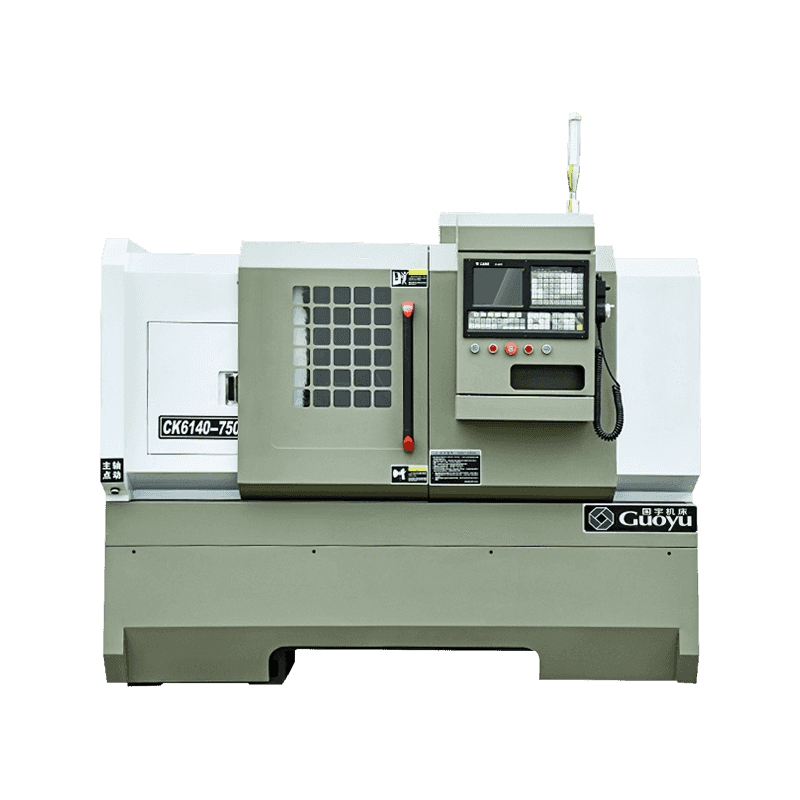
Technical Characteristics: It can cut all kinds of turning surfaces by bicycle, such as conical surf...
See Details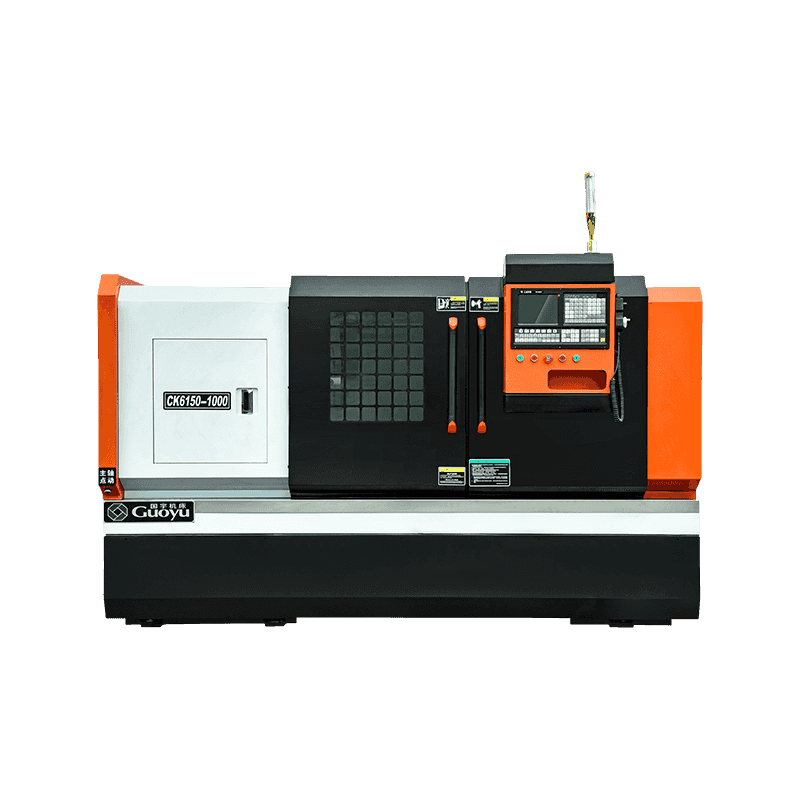
The Heavy Cutting Hard Guideway CNC Lathe For Metal Cutting is a really tough, heavy-duty machining ...
See Details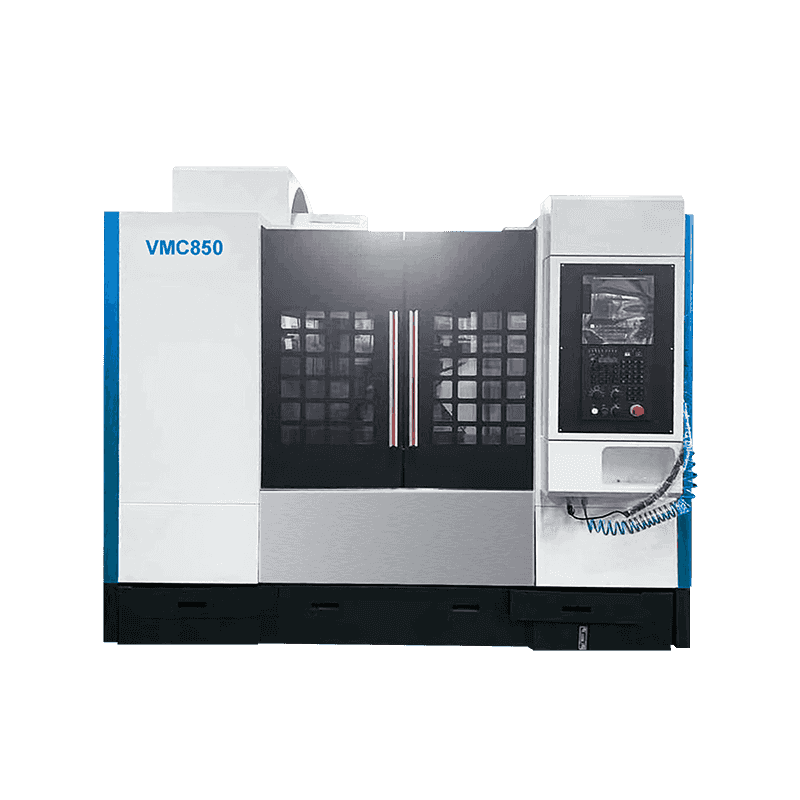
Technical Characteristics The machine tool is a single-column vertical guideway structure. The colum...
See Details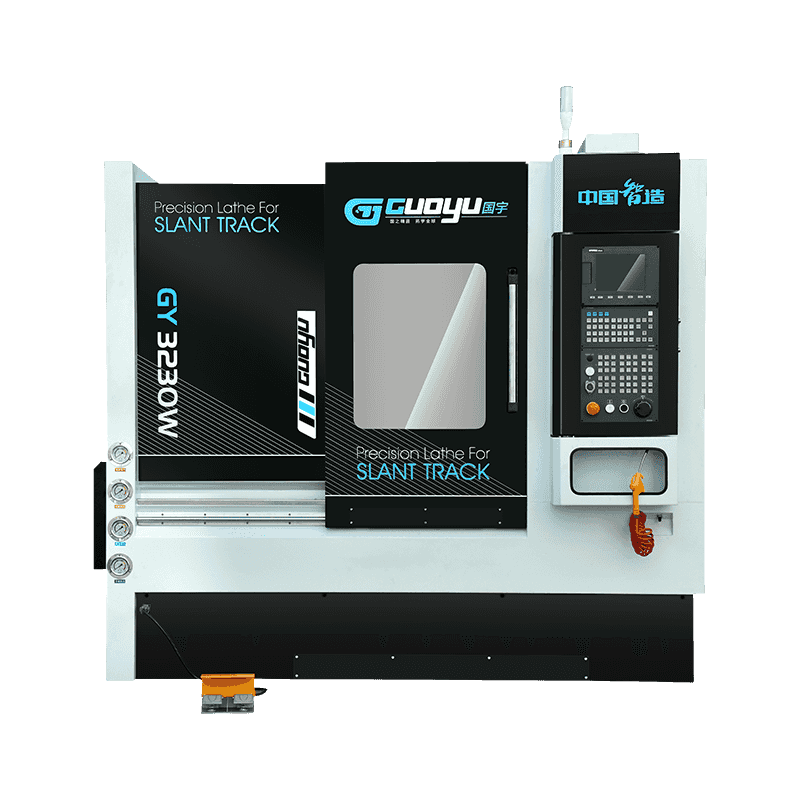
Technical Characteristics: The machine tool is of high precision, and the spindle is supported by hi...
See Details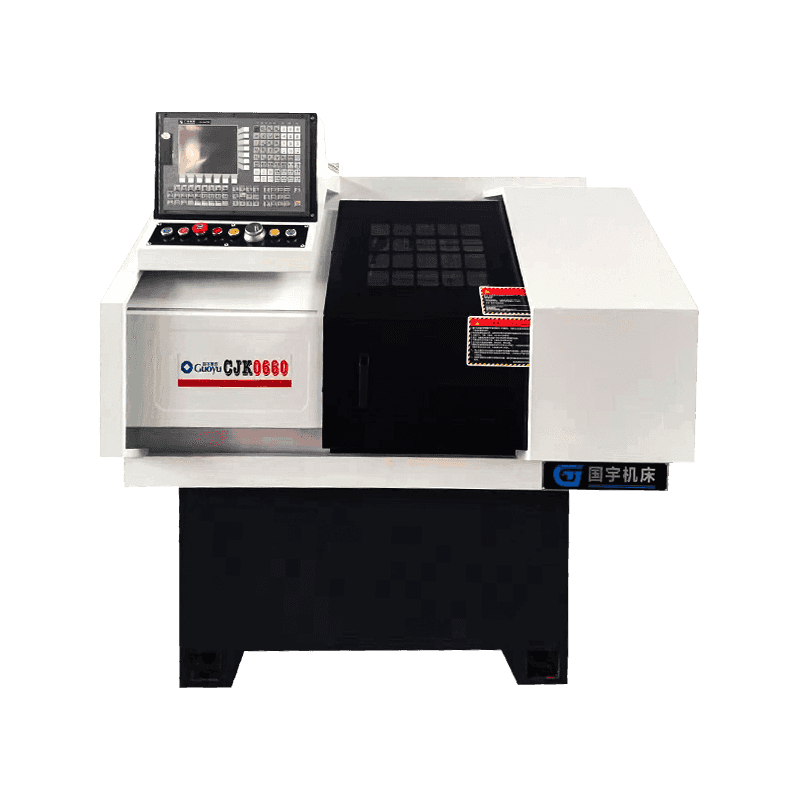
The Custom Precision Line Rail Precision CNC Lathe is just a really practical, compact machining sol...
See Details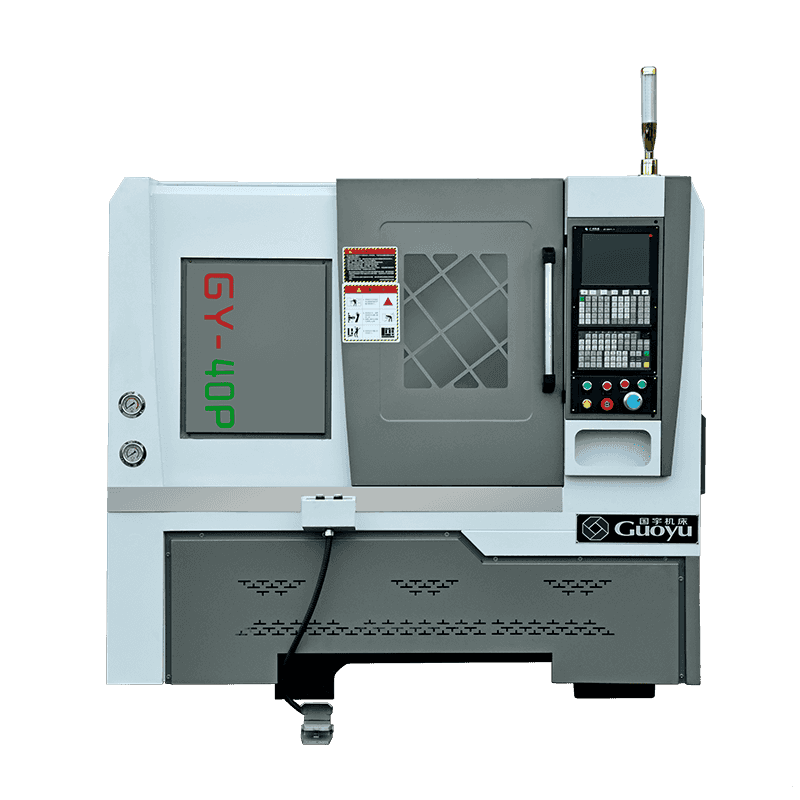
Technical Characteristics: 40P is a kind of small precision machine tool, that is suitable for the e...
See Details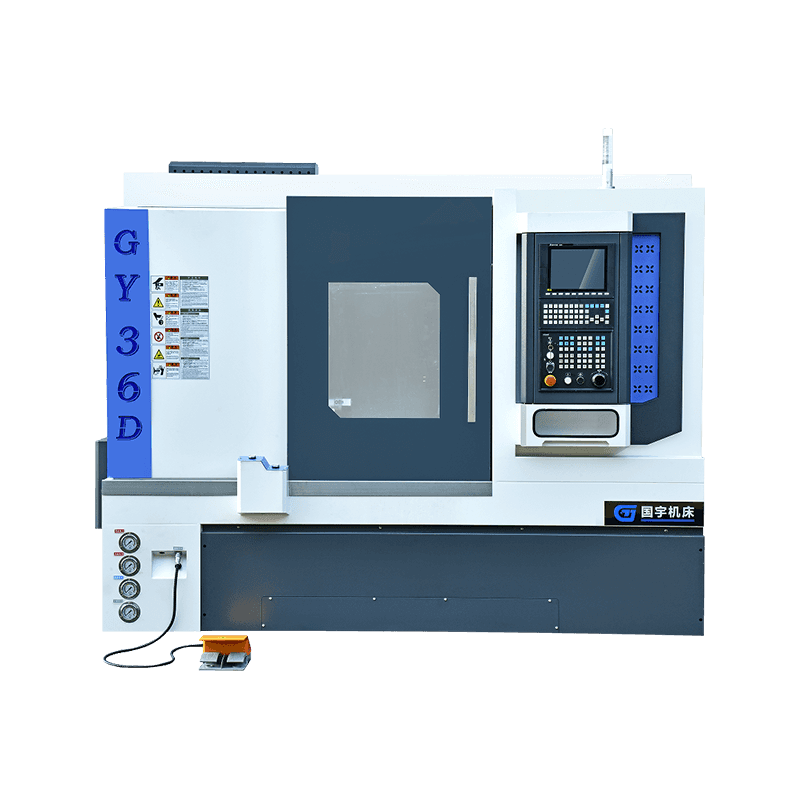
Technical Characteristics: All lathes are integrally cast with 250 materials to ensure processing ri...
See Details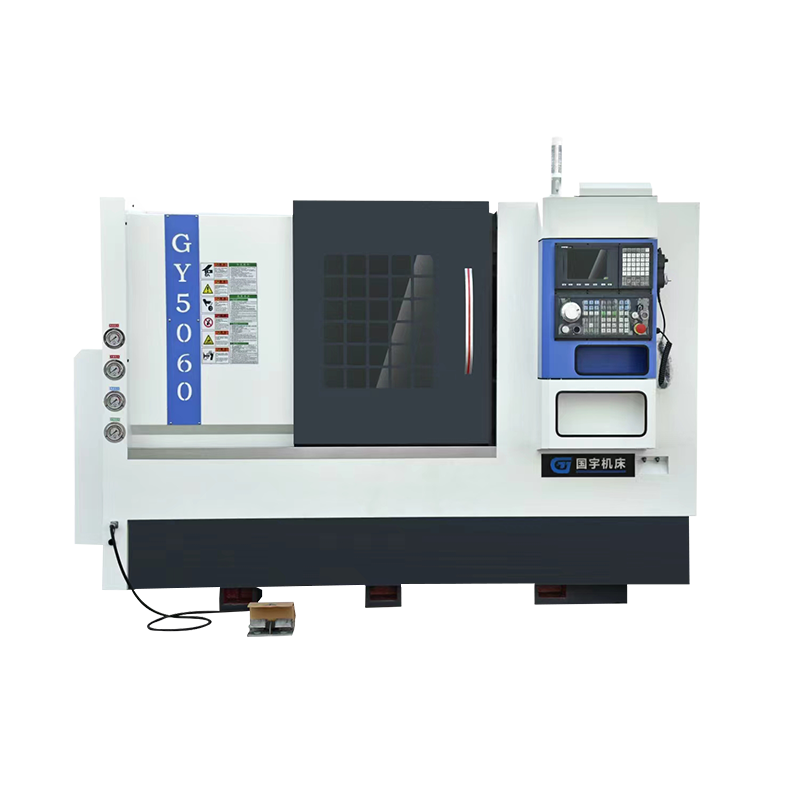
Technical Characteristics: All lathes are integrally cast with 250 materials to ensure processing ri...
See DetailsOur team of digital and business experts will guide you to the right direction.
Let's Talk
Zhejiang Guoyu CNC Machine Tool Co., Ltd. relies on rich experience, professional technology and advanced methods to ensure the quality of its products, so that customers can enjoy more professional and thoughtful service.
 [email protected]
 +86-15356565970
 Xialiang Industrial Area, Luqiao District, Taizhou City, Zhejiang Province, China
Copyright © Zhejiang Guoyu CNC Machine Tool Co., Ltd. All Rights Reserved.