English
 中文简体
 русский
 Español


Technical Characteristics: The CNC machine tool for inclined beds adopts the domestic or imported hi...
See DetailsMetal parts show up in almost every corner of modern manufacturing. They form the shafts inside machines, the fittings in plumbing systems, the connectors in industrial equipment, and the rotating components found in countless mechanical products. These parts might look simple from the outside, but producing them actually requires careful control over shape, size, and surface condition every step of the way.
A CNC lathe for metal helps manufacturers create these components through a controlled turning process. CNC stands for computer numerical control — the machine follows programmed instructions to coordinate cutting tool movement with workpiece rotation. As the metal spins, the cutting tool strips away material from selected areas until the part reaches its required shape.
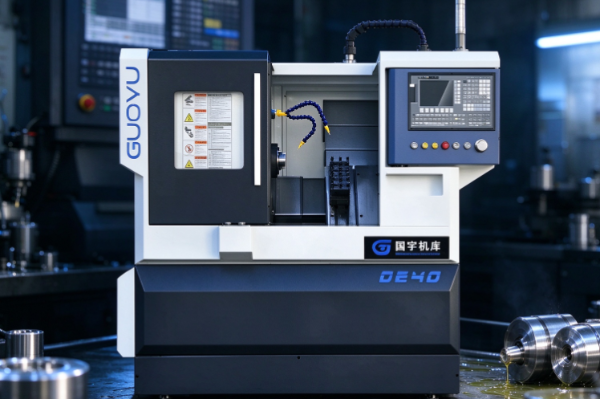
Unlike manual turning, CNC machining lets many movements get planned and repeated through a computer-controlled process. That's what makes the equipment well suited for producing cylindrical parts, threaded components, stepped shafts, bushings, and other shapes that call for turning operations specifically.
The working principle is fairly straightforward on paper, but the actual process runs through several connected stages. The workpiece needs securing, the cutting tool needs to follow its intended path, and the operator needs to confirm the material and machining conditions genuinely suit the part. Understanding how these pieces work together goes a long way toward explaining why CNC lathes have become so widely used in metalworking.
A CNC lathe is a machine tool that shapes metal by rotating a workpiece against a cutting tool. The workpiece sits held by a clamping device while the cutting tool moves along a planned path, stripping away unwanted material as it goes.
This process goes by the name turning. It's particularly useful for components with round or cylindrical features. Depending on the machine's design and tooling, a CNC lathe can also handle operations like facing, grooving, threading, and drilling.
The machine's main purpose is producing a component that matches a specified design — whether that design calls for a particular outside diameter, a flat end, a narrow groove, a threaded section, or several connected cylindrical surfaces.
A typical CNC lathe packs in several key components.
| Component | Main function |
|---|---|
| Machine bed | Supports the main machine components and guides their movement |
| Spindle | Rotates the workpiece during machining |
| Chuck or clamping device | Holds the workpiece securely |
| Cutting tool | Removes material from the workpiece |
| Tool holder or turret | Holds and positions the cutting tools |
| Control system | Interprets programmed instructions and coordinates machine movements |
| Drive system | Moves the spindle and machine axes |
| Enclosure | Helps contain chips and cutting fluid during operation |
Each piece plays a different role, but the machine really depends on how well they coordinate together. The spindle provides rotation, the clamping device keeps the workpiece in position, and the cutting tool carves out the required features. The control system ties these actions together according to the machining program running underneath it all.
CNC lathes commonly handle steel, aluminum, stainless steel, brass, and other machinable metals. Which cutting method actually suits the job depends on the material's properties, the part geometry, and the surface condition being chased.
The turning process kicks off when the machine secures the metal workpiece and spins it around its central axis. A cutting tool then contacts the rotating surface and strips away material as it moves across it.
Picture a round metal bar that needs to become a shaft with several different diameters. The original bar starts out thicker than the finished component demands. The cutting tool removes material from selected sections, leaving the required shape behind once it's done.
The basic turning process breaks down into three main actions.
Workpiece rotation
The spindle spins the workpiece while the clamping device holds it in position. Stable rotation matters a great deal here, since movement or poor clamping can throw off the machining result entirely.
Tool movement
The cutting tool moves toward or along the workpiece. One direction controls how deep the tool cuts into the surface; another controls the length of the area actually being machined.
Material removal
As the tool makes contact with the metal, small pieces of material peel away from the workpiece. Repeated tool movements gradually build out the required diameter, length, and surface shape.
Different operations create different features. Facing produces a flat end surface. Straight turning shrinks the outside diameter. Grooving carves a narrow channel, while threading forms a spiral profile that lets parts engage with matching threads.
A CNC lathe can run through several of these operations within a single setup, provided the machine and tooling support it. That cuts down on the need to shuttle the workpiece between separate machines.
The process isn't simply about stripping away as much material as possible, either. The tool path needs to match the design, and the cutting conditions need to suit the metal being worked. Excessive cutting forces, unsuitable tooling, or unstable workholding can all throw off the surface and final dimensions.
The control system is really what sets a CNC lathe apart from a conventional manually operated one. Instead of leaning entirely on an operator to guide each movement by hand, the CNC machine follows a program that spells out the machining operations in advance.
That program contains instructions for spindle rotation, tool movement, cutting operations, and other machine functions. The control system interprets these instructions and coordinates the relevant movements accordingly.
The process usually kicks off with a digital part design or an engineering drawing. A programmer figures out how the component should get machined and lays out the tool paths. These instructions then get converted into a machine-readable program the lathe can actually run.
During operation, the control system directs the machine axes and spindle according to that programmed sequence. The cutting tool follows the planned path, stripping away material from the intended areas as it goes.
This makes it possible to produce parts with several connected features without manually guiding every single cut. It also lets manufacturers repeat the same machining sequence reliably when producing a batch of similar components.
Computer control doesn't remove the need for careful preparation, though. The program needs to match the actual workpiece, tool arrangement, and machine setup exactly. Incorrect instructions can send the tool cutting in the wrong location or moving into territory it shouldn't touch.
Tool position needs establishing correctly too. The machine needs to know where the workpiece actually sits and how the cutting tool relates to the component's reference points. These settings let the programmed movements line up with the intended part geometry.
Operators stay responsible for checking the setup, reviewing the program, and keeping an eye on the machining process throughout. The control system directs the movements, sure, but the quality of the result still comes down to suitable planning and execution on the human side.
Individual machining jobs vary quite a bit, but many CNC lathe operations follow a broadly similar workflow. Each stage preps the machine or workpiece for whatever comes next.
Workpiece preparation
The process starts with suitable raw material — a metal bar, a prepared blank, or a partly formed component. The material needs enough stock on hand to allow the required features to actually get machined.
The operator checks the workpiece condition and confirms it suits the planned operation. Material defects, unsuitable dimensions, or poor surface conditions can create real headaches down the line otherwise.
Workholding and tool setup
The workpiece gets secured in a chuck or another suitable holding device. Cutting tools get installed in their holders, and their positions get established within the machine control system.
Proper clamping matters because the workpiece needs to stay stable while it's rotating and getting cut. The setup also needs to let the cutting tool actually reach the areas that need machining.
Program preparation
The machining program defines tool movements and the order operations happen in. It needs to account for component shape, tool geometry, material, and machine capabilities all at once.
Before production kicks off, the program and setup deserve a check to flag potential collisions or incorrect movements before they cause real damage.
Cutting and shaping
The machine carries out the programmed operations here. The cutting tool strips away material to build the required surfaces and features.
Depending on the component, this might involve several passes and different tools entirely. The operator keeps watch for unusual noise, vibration, tool damage, or unexpected chip formation throughout.
Inspection
The finished part gets checked against its drawing or specification. Inspection might cover measuring diameters, checking lengths, examining threads, and reviewing surface condition.
If a part misses its required dimensions, the cause could trace back to tool wear, incorrect setup, material variation, or program errors. Pinning down the actual cause helps keep the same issue from spreading to later parts.
These stages form a genuinely connected process. Problems during material preparation or workholding can ripple into the cutting operation, while errors in machining tend to surface during inspection down the line.
CNC lathes commonly produce components built around rotational shapes. Their applications stretch from simple cylindrical pieces to parts carrying several diameters, grooves, holes, or threaded sections.
Shafts and pins
Shafts and pins often carry round surfaces, shoulders, and changes in diameter. Turning builds these features while keeping the relationship between different sections of the part intact.
Threaded components
Certain screws, studs, and other threaded parts can get machined on CNC lathes equipped for thread cutting. The thread needs to match the intended connection and whatever the component's design actually requires.
Bushings and sleeves
These components often carry cylindrical outer surfaces alongside internal openings. Suitable CNC lathes can turn the outside and handle supported internal machining operations too.
Flanges and fittings
Plenty of fittings carry round profiles, stepped surfaces, or grooves. Turning produces these features for use across piping systems, machinery, and industrial assemblies.
Custom metal components
Manufacturers often turn to CNC lathes for specialized parts built for particular equipment or assemblies. The machining plan hinges on the component geometry and whatever material's required.
Not every metal part suits turning, worth noting. Components with complex flat surfaces, deep pockets, or features scattered across several sides often need milling or another process instead. Some jobs end up combining turning and milling to round out the full design.
The real consideration here is the component's shape. CNC turning shines particularly when a part's main features arrange themselves around a central axis.
A CNC lathe can only follow its program accurately when the machine, tooling, material, and setup all work together properly. Several factors shape the quality and consistency of the finished part.
Material properties
Different metals behave quite differently under the cutting tool. Some produce long chips; others break into shorter fragments. Some machine easily; others place much greater demands on the cutting tool itself.
The material shapes tool selection, cutting conditions, chip control, and the condition of the finished surface overall.
Cutting tool condition
A worn or damaged tool can leave rough surfaces, shift dimensions, or produce inconsistent results. Tool wear tends to develop gradually, which is exactly why regular inspection matters so much.
The tool also needs to suit the material and operation at hand. A tool designed for one type of metal might perform poorly on another entirely.
Workpiece clamping
The workpiece needs to stay secure during rotation and cutting. Poor clamping invites movement, vibration, or unwanted deformation into the process.
Long or slender parts might need additional support, since they can bend under cutting forces otherwise. The holding method should reflect the shape and stiffness of whatever's being worked.
Machine condition
The machine's mechanical condition shapes how smoothly its components actually move. Worn guides, poor alignment, or spindle problems can all undermine machining stability.
Regular maintenance helps catch issues before they ripple through a larger batch of parts.
Program and setup accuracy
The program needs to describe the intended tool path accurately, and the machine setup needs to match that program closely. Incorrect tool positions, workpiece references, or machining instructions can lead to dimensional errors or outright collisions.
Chip and heat management
Cutting generates both heat and metal chips. If chips pile up around the cutting area, they can interfere with machining or damage the surface outright. Suitable chip removal and cooling practices help keep operating conditions stable throughout.
These factors tie together in practice. A suitable cutting tool can still produce poor results if the workpiece isn't clamped properly. Likewise, a well-prepared program can't make up for damaged tooling or unsuitable raw material.
Both CNC and manual lathes shape metal through rotation and cutting. Where they really differ comes down to how the tool movements get controlled.
A manual lathe leans on an operator guiding the cutting tool through handwheels and machine controls directly. The operator adjusts tool position mid-operation and makes calls based on the workpiece and cutting conditions in front of them.
A CNC lathe follows programmed instructions instead. The operator preps the machine, establishes tool and workpiece positions, and starts the machining cycle running. The control system then takes over, coordinating the movements described in the program.
| Comparison point | CNC lathe | Manual lathe |
|---|---|---|
| Tool movement | Directed by a machining program | Guided directly by the operator |
| Repeated production | Can repeat programmed operations | Depends more heavily on operator technique |
| Part changes | Usually require program and setup adjustments | Require manual adjustment and setup |
| Operator role | Programming, setup, monitoring, and inspection | Direct control and adjustment during machining |
| Suitable work | Repeated components and planned machining sequences | Repair work, one-off parts, and hands-on machining tasks |
Which one actually fits comes down to the work at hand. CNC equipment proves useful when a factory needs to repeat complex or consistent machining sequences reliably. Manual machines tend to suit repair shops and tasks involving frequent adjustments to individual parts instead.
Neither machine type removes the need for operator skill, worth stressing. CNC machining demands real knowledge of programming, tooling, setup, and process control. Manual turning depends on practical hands-on control of the machine and the ability to judge the cutting process as it unfolds.
Some workshops run both types side by side. A manual lathe might handle simple repair tasks, while a CNC lathe cranks out components that genuinely need repeatable programmed movements.
Consistent machining comes down to maintaining control over the entire production process, start to finish. A part might meet its requirements during one run but drift later if the material, tool condition, or machine setup shifts even slightly.
A practical approach starts with a stable setup. The workpiece should sit clamped securely, tools should be installed correctly, and the program should match the intended component exactly. These checks cut down the chance of errors well before cutting even begins.
Operators should keep watching the machining process as it runs too. Changes in cutting sound, vibration, chip shape, or surface appearance can all signal that a tool or setup needs attention. Catching these signs early helps head off defects before they spread across an entire batch.
Inspection adds another layer of control on top of that. Measuring selected features during production helps confirm the process stays within required limits throughout. How often and how inspection happens should reflect the component's design and intended use.
Tool maintenance matters just as much. Cutting tools wear down gradually with use, and worn edges can throw off both dimensions and surface finish. Replacing or servicing tools at suitable intervals helps keep cutting conditions stable over time.
Manufacturers should also keep machining information well organized. Records covering tool changes, setup adjustments, inspection findings, and maintenance work can help flag recurring problems before they become bigger ones. If the same defect keeps turning up across several production runs, these records can reveal whether the cause traces back to material, tooling, programming, or machine condition.
A CNC lathe, in the end, works through the coordination of spindle rotation, controlled tool movement, and planned material removal. The control system follows the machining program, while the operator makes sure the machine, workpiece, and cutting conditions stay suitable for the task at hand. Manage these elements together well, and CNC turning delivers metal components with repeatable shapes and surfaces across a genuinely wide range of industrial applications.
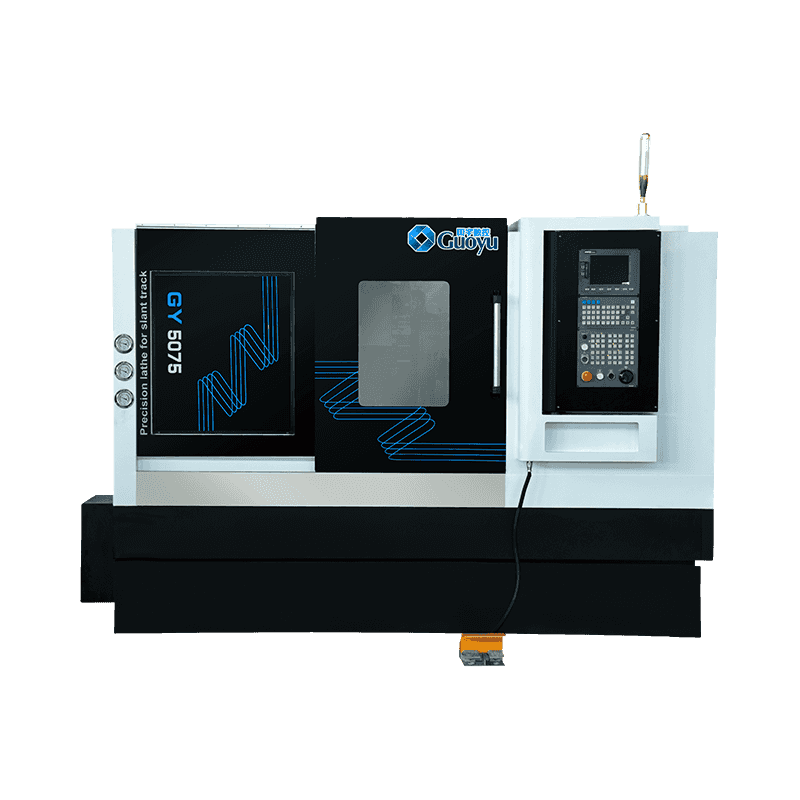
Technical Characteristics: The CNC machine tool for inclined beds adopts the domestic or imported hi...
See Details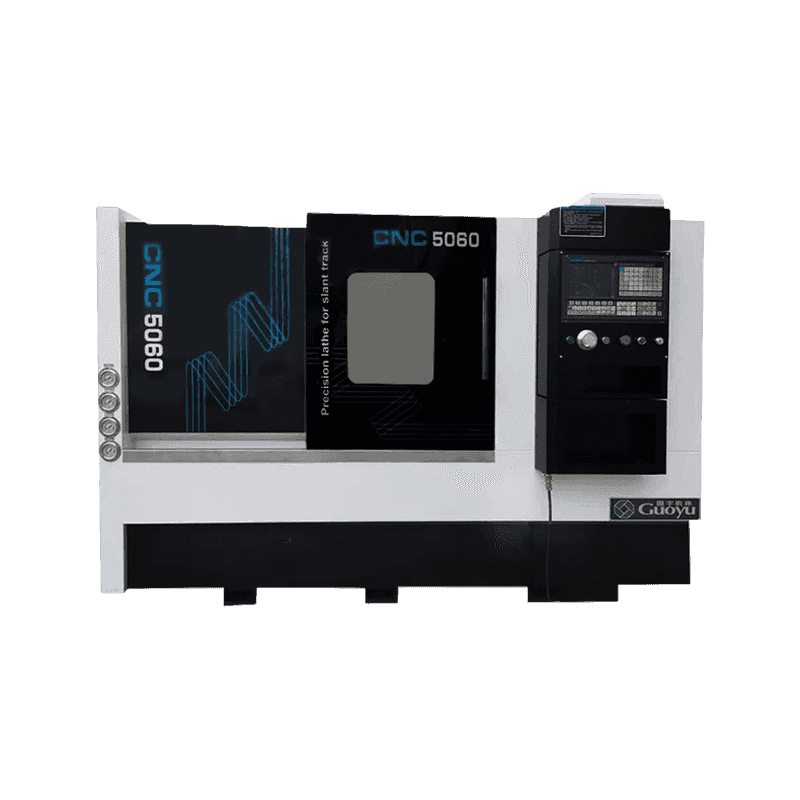
The Conjoined 35° Oblique Rail Cutter Tower Tail Seat Precision CNC Lathe is a really practical mach...
See Details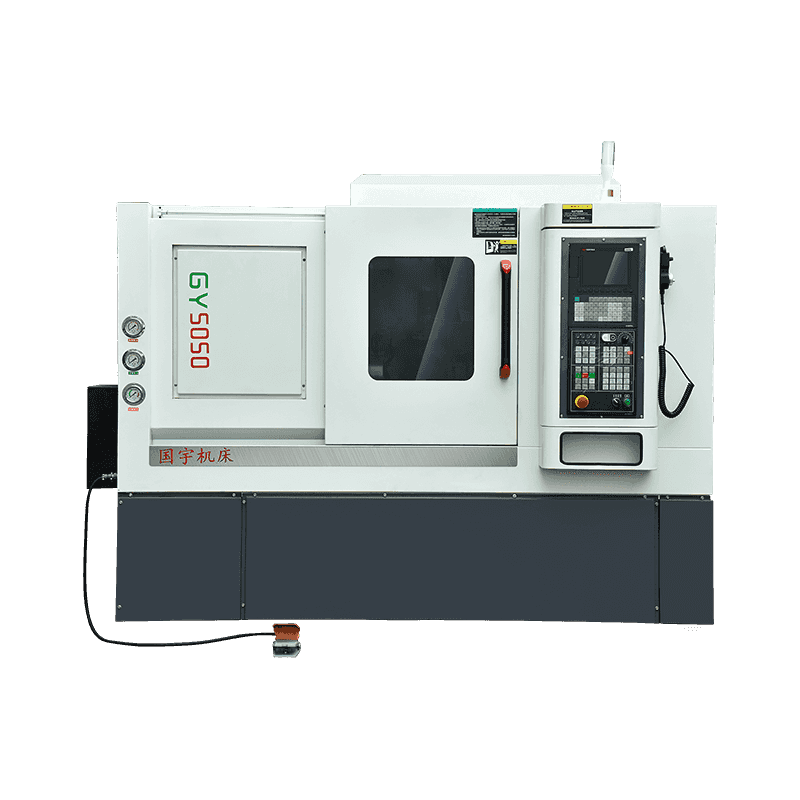
Technical Characteristics: The machine tool is of high precision, and the spindle is supported by hi...
See Details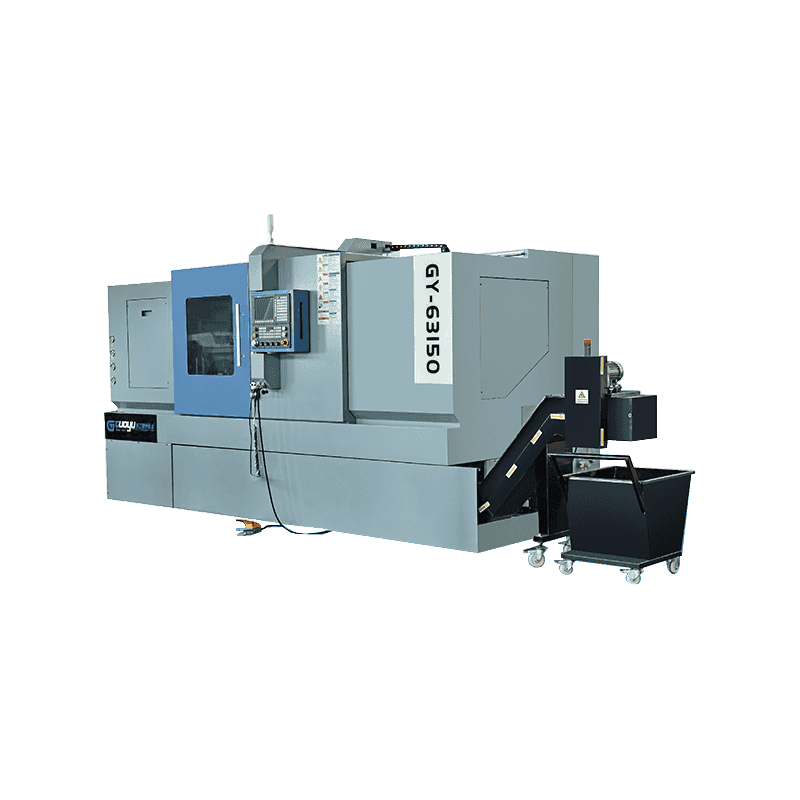
The Precision CNC Lathe With Programmable Tailstock For Connected Inclined Rail Tool Tower is just a...
See Details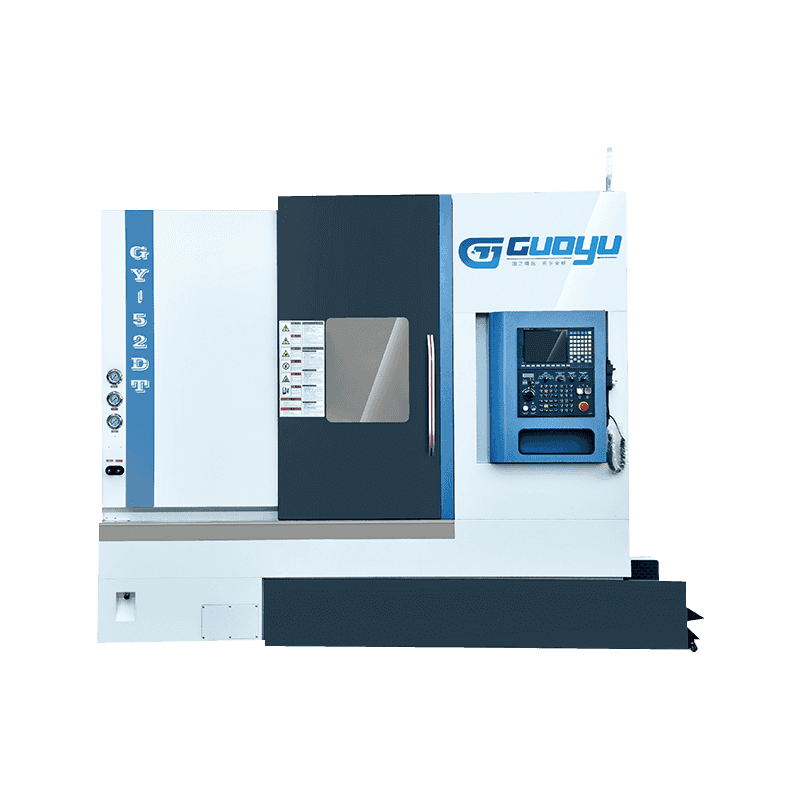
Technical Characteristics: The CNC machine tool for inclined beds adopts the domestic or imported hi...
See Details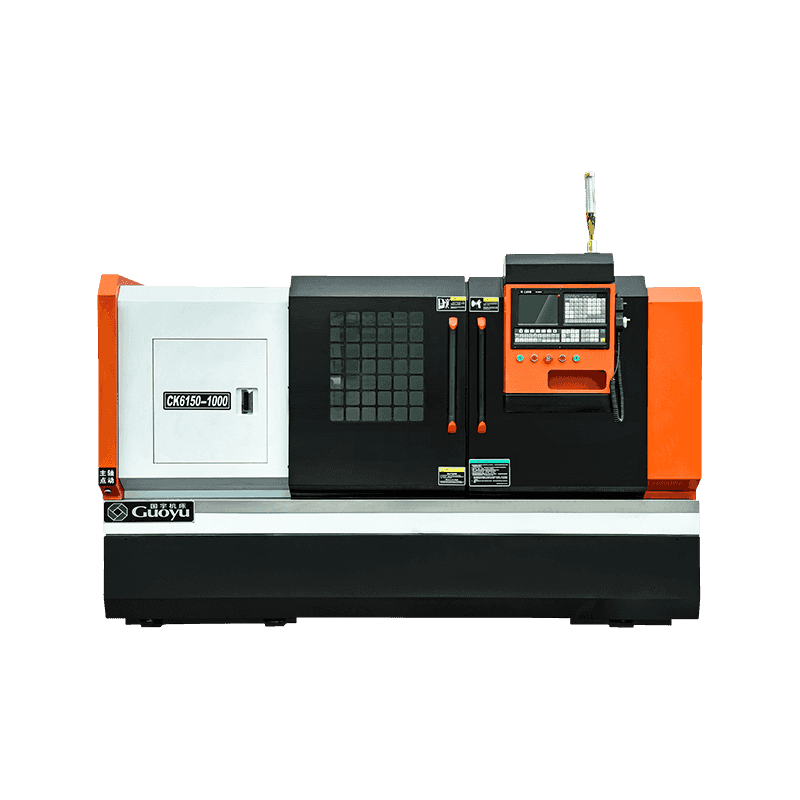
The Heavy Cutting Hard Guideway CNC Lathe For Metal Cutting is a really tough, heavy-duty machining ...
See Details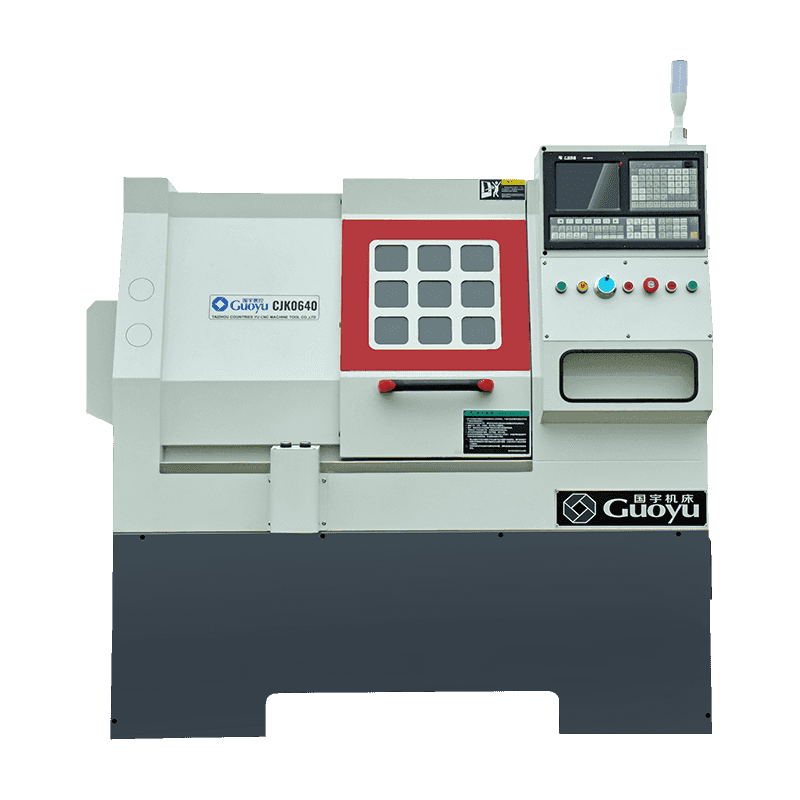
Technical Characteristics: The machine tool is equipped with a quantitative automatic lubrication sy...
See Details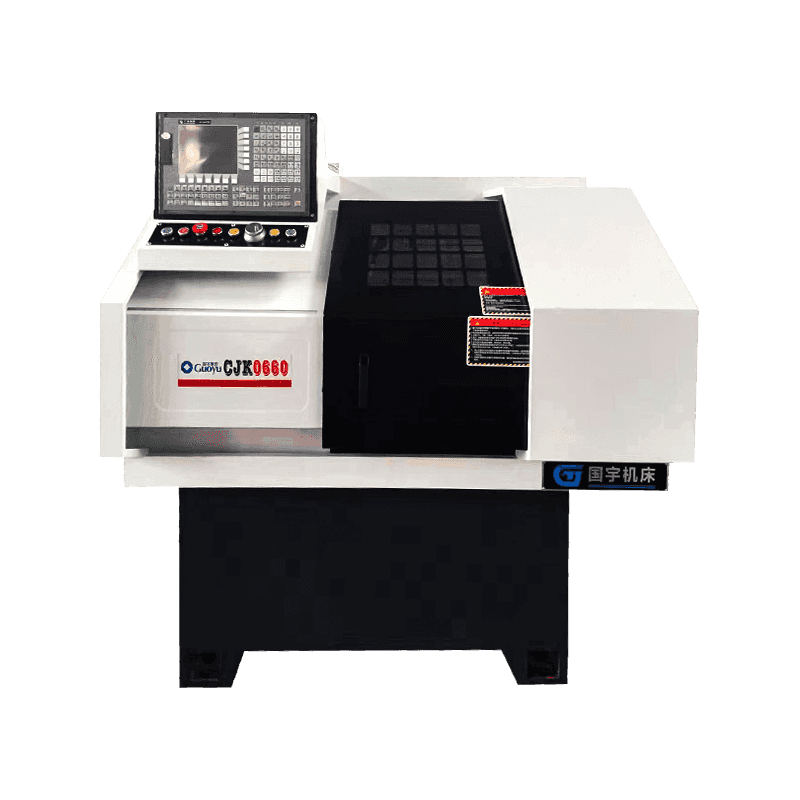
The Custom Precision Line Rail Precision CNC Lathe is just a really practical, compact machining sol...
See DetailsOur team of digital and business experts will guide you to the right direction.
Let's Talk
Zhejiang Guoyu CNC Machine Tool Co., Ltd. relies on rich experience, professional technology and advanced methods to ensure the quality of its products, so that customers can enjoy more professional and thoughtful service.
 [email protected]
 +86-15356565970
 Xialiang Industrial Area, Luqiao District, Taizhou City, Zhejiang Province, China
Copyright © Zhejiang Guoyu CNC Machine Tool Co., Ltd. All Rights Reserved.