English
 中文简体
中文简体 русский
 Español

Technical Characteristics: The CNC machine tool for inclined beds adopts the domestic or imported hi...
See DetailsThe design of a micro wood turning lathe is distinct from larger lathes, as it is made for smaller, more detailed tasks. The key components of a micro wood turning lathe include the headstock, tailstock, bed, tool rest, and motor. Each of these parts serves a specific function in the lathe's operation.
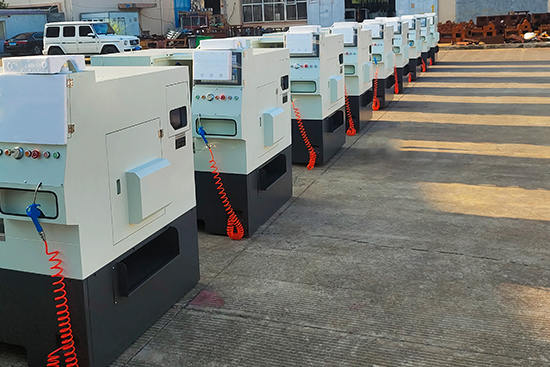
Key Components:
Headstock: The headstock contains the motor and the drive mechanism, which rotates the wood. It houses the spindle and is located at the left end of the lathe.
Tailstock: Positioned opposite the headstock, the tailstock supports the other end of the workpiece. It is adjustable to accommodate different lengths of wood.
Bed: The bed is the foundation of the lathe and supports the headstock and tailstock. It ensures the alignment of the tool rest and provides stability during operation.
Tool Rest: The tool rest provides a stable platform for the cutting tools, allowing woodworkers to control the angle and pressure when shaping the wood.
Motor: A micro wood turning lathe typically features a small, variable-speed motor that provides control over the rotation speed of the workpiece.
|
Component |
Function |
Position |
|
Headstock |
Houses the motor and spindle, rotates the wood |
Left end of the lathe |
|
Tailstock |
Supports the opposite end of the workpiece |
Right end of the lathe |
|
Bed |
Provides a stable base for alignment |
Middle of the lathe |
|
Tool Rest |
Holds the cutting tools in place |
Adjustable, next to the bed |
|
Motor |
Drives the rotation of the workpiece |
Typically located on the headstock |
The micro wood turning lathe is primarily used for shaping and turning small wooden pieces. It is capable of performing a range of tasks, from simple rough shaping to fine detailing. The lathe can be used to turn a variety of wooden objects, including pens, chess pieces, small furniture parts, and other decorative items. It is especially useful for creating intricate designs that require precision.
Common Uses:
The ability to adjust the speed and use different tool bits allows the woodworker to work on a variety of materials, making the lathe adaptable for various creative or practical uses.
Micro wood turning lathes offer several advantages when compared to traditional, larger lathes. These benefits primarily stem from the lathe’s size, precision, and ease of use.
Advantages:
Compact Size: The micro lathe is smaller and more portable than larger models, making it ideal for those with limited workspace or who prefer working on small projects.
Precision: The smaller size of the lathe allows for finer adjustments and more detailed work, which is essential when crafting delicate pieces.
Cost-Effective: Micro lathes are often more affordable than full-sized wood lathes, making them a cost-effective choice for hobbyists and beginners.
Ease of Use: These lathes are easier to operate due to their smaller size and simpler controls, making them a good choice for novice woodworkers or those just starting with turning projects.
Lower Noise and Vibration: Micro wood turning lathes typically produce less noise and vibration than their larger counterparts, providing a more comfortable working environment.
These advantages make the micro lathe ideal for small-scale, precision work, especially in settings where space, cost, and ease of use are major considerations.
Maintaining a micro wood turning lathe is essential for ensuring its longevity and smooth operation. Proper care and attention will help prevent mechanical issues and maintain the accuracy of the lathe. Regular maintenance includes cleaning, lubricating parts, and ensuring all components are aligned and functioning properly.
Maintenance Tips:
Cleaning: Regularly clean the lathe to remove wood shavings, dust, and debris that can accumulate during use. This prevents buildup that can damage the motor and other parts.
Lubrication: Apply lubricant to moving parts like the spindle and tailstock to reduce friction and ensure smooth operation. This will prolong the life of these components.
Check for Wear: Inspect the lathe’s tool rest and bed for signs of wear. These parts are essential for the accuracy of the lathe and should be replaced if damaged.
Tighten Components: Ensure that all screws and components are properly tightened before use to avoid wobbling or misalignment, which can affect the quality of the work.
Motor Care: Keep the motor clean and free of dust. Periodically check the motor’s functionality and replace the motor brushes if necessary.
Precautions:
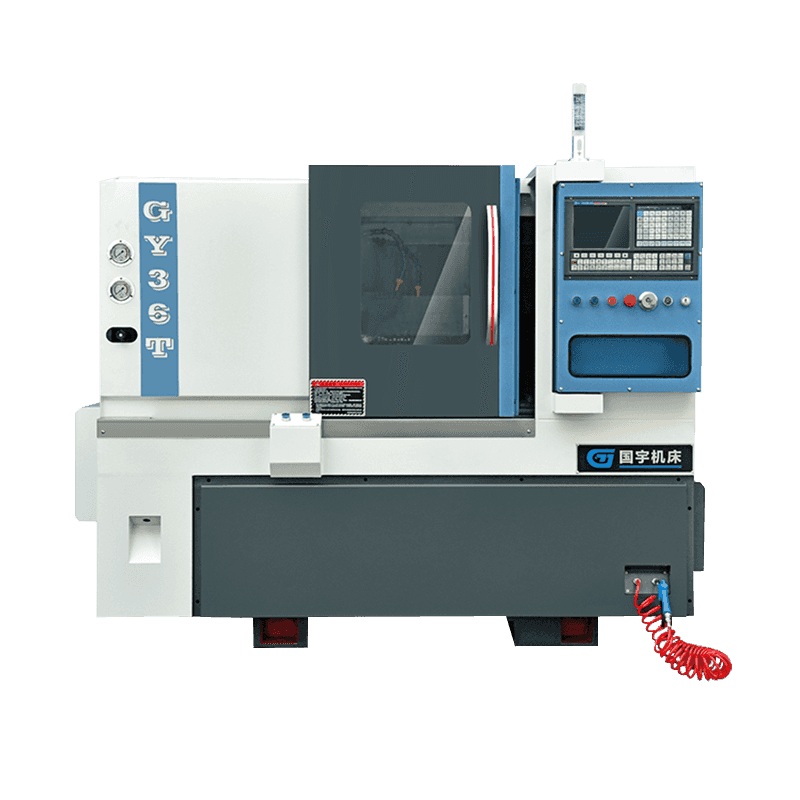
Technical Characteristics: The CNC machine tool for inclined beds adopts the domestic or imported hi...
See Details
The Conjoined 35° Oblique Rail Cutter Tower Tail Seat Precision CNC Lathe is a really practical mach...
See Details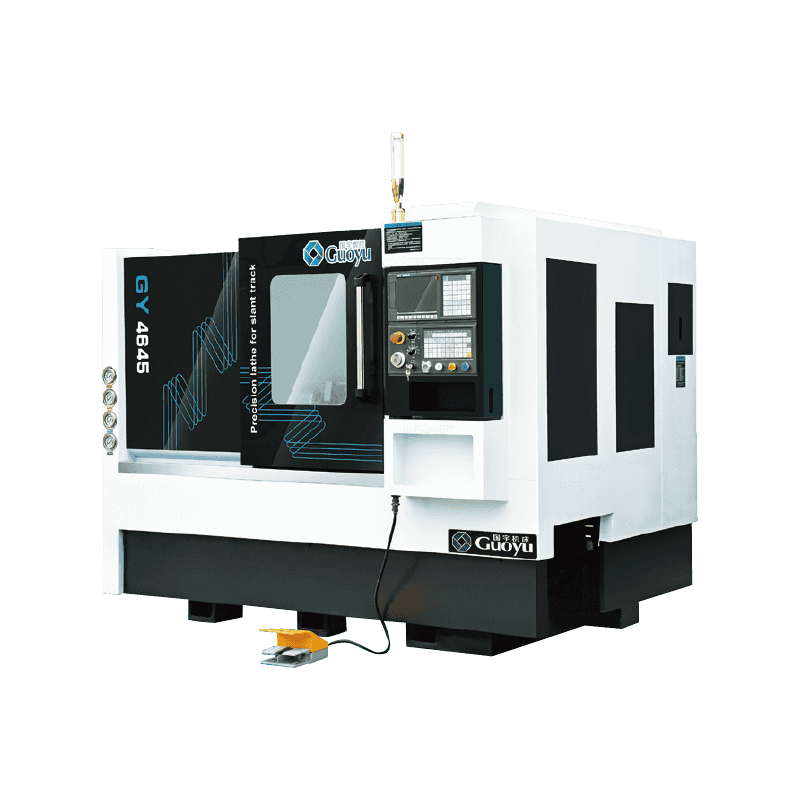
The Conjoined 35° Oblique Rail Cutter Tower Tail Seat Precision CNC Horizontal Lathe is a really pra...
See Details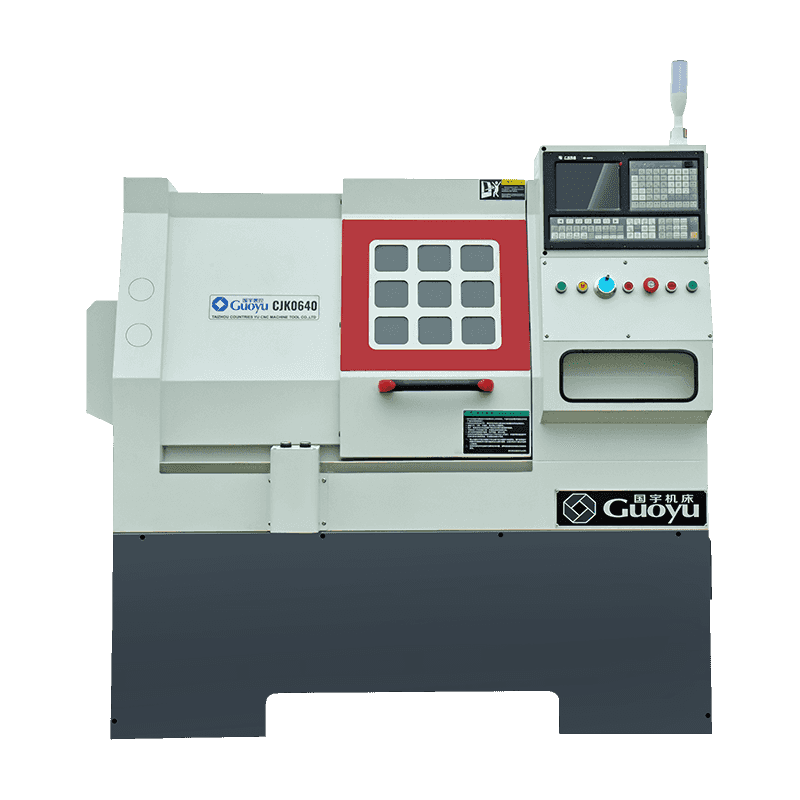
Technical Characteristics: The machine tool is equipped with a quantitative automatic lubrication sy...
See Details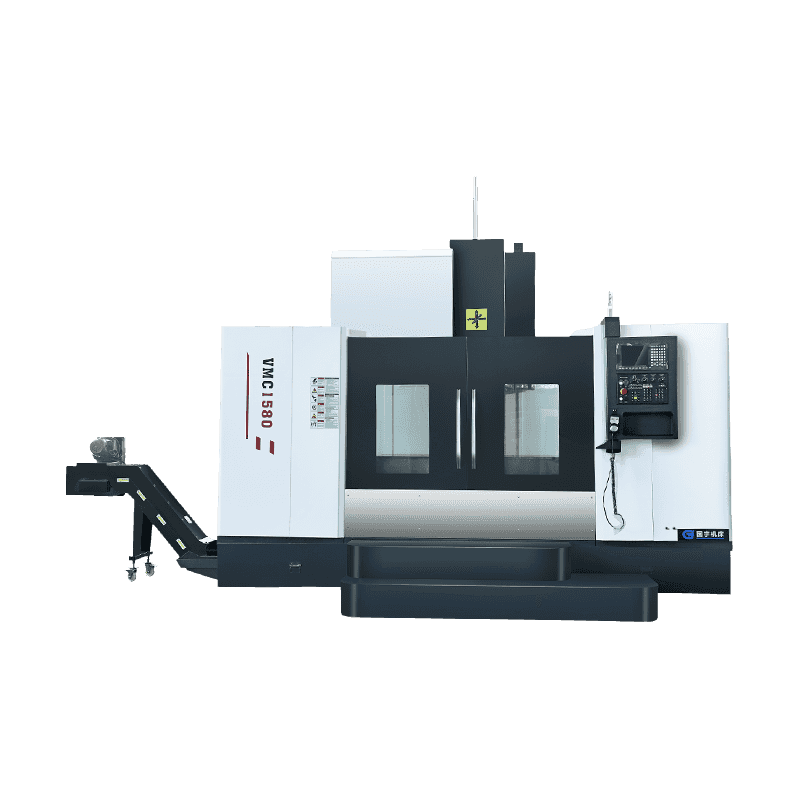
We are pleased to present the VMC1580 High-Speed Vertical Machining Center, a reliable and efficient...
See Details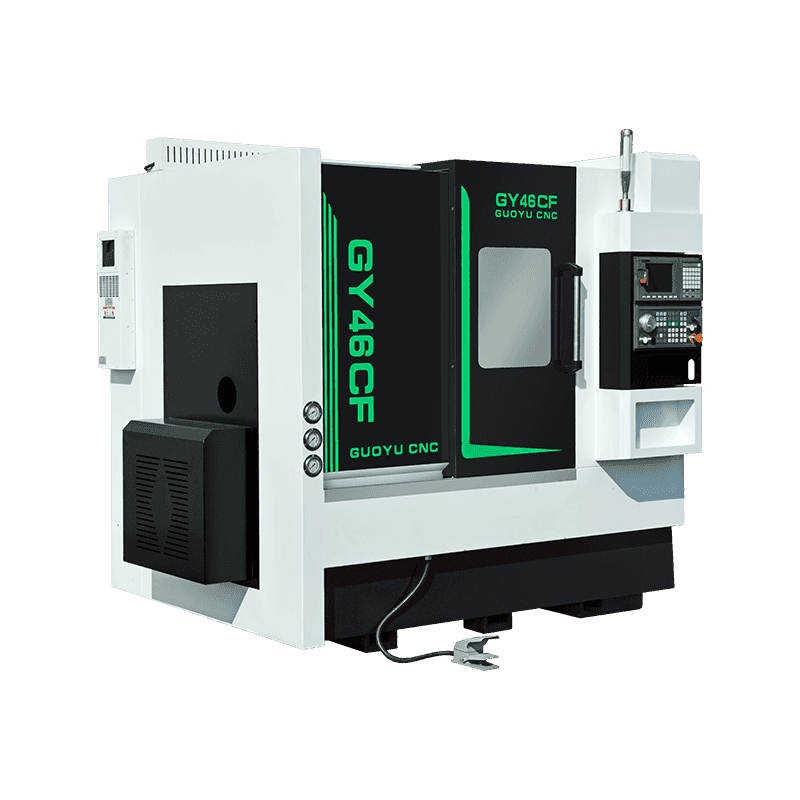
The 4+4 Type Precision CNC Lathe With Conjoined Oblique Rail Cutter Tower is a really practical, mul...
See Details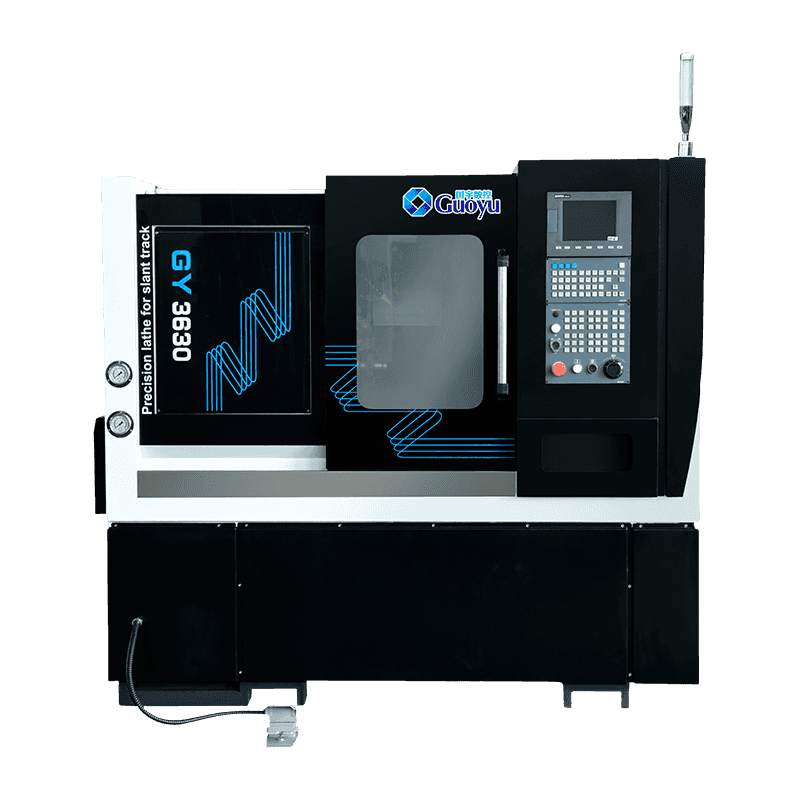
The Conjoined 45° Oblique Gauge Cutter Precision CNC Lathe is a really practical machining solution ...
See Details
Technical Characteristics: The machine tool is of high precision, and the spindle is supported by hi...
See DetailsOur team of digital and business experts will guide you to the right direction.
Let's Talk
Zhejiang Guoyu CNC Machine Tool Co., Ltd. relies on rich experience, professional technology and advanced methods to ensure the quality of its products, so that customers can enjoy more professional and thoughtful service.
 [email protected]
 +86-15356565970
 Xialiang Industrial Area, Luqiao District, Taizhou City, Zhejiang Province, China
Copyright © Zhejiang Guoyu CNC Machine Tool Co., Ltd. All Rights Reserved.