English
 中文简体
中文简体 русский
 Español

Technical Characteristics: It can cut all kinds of turning surfaces by bicycle, such as conical surf...
See DetailsA slant-bed CNC lathe is a type of computer numerically controlled lathe characterized by its bed, which is inclined at a fixed angle, typically between 30 to 60 degrees from the horizontal plane. This fundamental design distinction from a traditional flat-bed lathe informs its structural mechanics, operational advantages, and typical use cases in modern machining. The configuration positions the headstock at a higher elevation than the tailstock, with the bed and carriage assembly set on this diagonal plane.
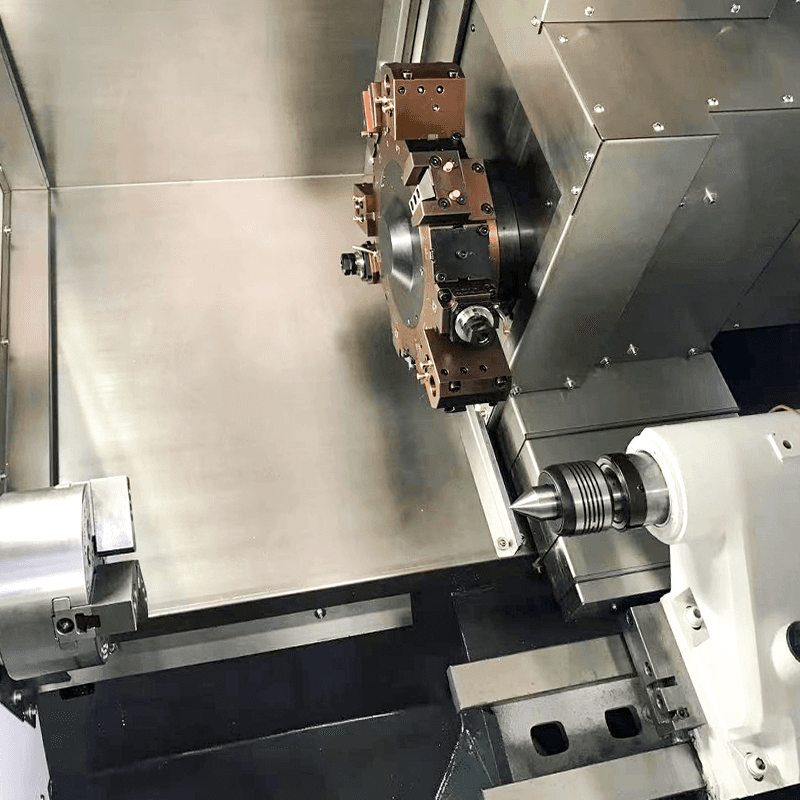
The slanted bed is an engineering solution to several practical challenges in high-precision, automated turning. The primary reasons are centered on chip management, structural rigidity, and ergonomics.
While it shares core functional elements with other CNC lathes, the slant-bed configuration defines the relationship and form of these components.
CNC Control System: The computer and software that interpret part programs (G-code) and control the servomotors governing axis movement, spindle speed, and tool changes.
Slant-bed CNC lathes are not universal for all turning tasks but are selected for specific production environments. They are predominantly found in settings requiring medium to high-volume production of precision parts. Their efficiency in chip removal and rapid tool changing makes them suitable for running untended for extended periods, especially when paired with bar feeders or robotic loaders. Common applications include the machining of complex shaft-type components, precision fittings, and parts requiring multiple turning, facing, grooving, and threading operations in a single setup. Industries such as automotive (for components like transmission shafts and hydraulic fittings), aerospace (for landing gear pins and couplings), and general precision engineering frequently utilize these machines. They are less commonly employed for very small hobbyist work or for one-off prototypes where the setup time and cost of a high-end CNC may not be justified, or for exceptionally large, heavy workpieces that may be better suited to a vertical turning lathe or large horizontal flat-bed lathe.
The design imposes specific maintenance considerations. The positive effect on chip management generally leads to cleaner guide ways and ball screws, reducing abrasive wear from chip contamination. However, the inclined plane means that lubricants and coolants must be effectively distributed against gravity to ensure all sliding surfaces are properly serviced. Maintenance points like lubrication lines and way covers require regular inspection to ensure they are functioning correctly on the slope. Furthermore, the often more compact and integrated design can make access to some internal components, such as certain spindle drive elements or servo motors, more complex compared to some open flat-bed designs, potentially requiring more deliberate disassembly procedures during major servicing.
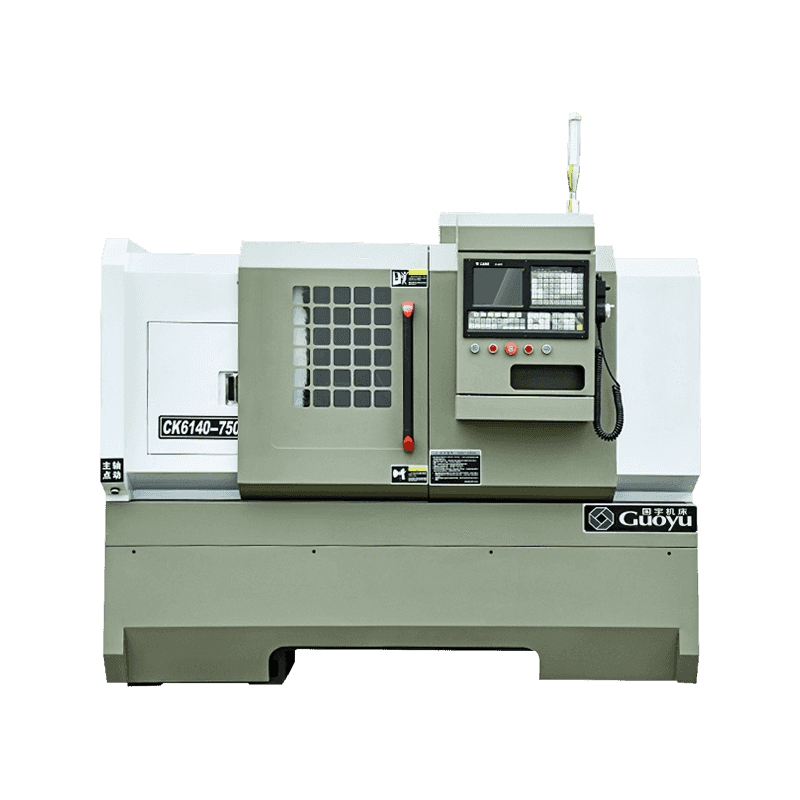
Technical Characteristics: It can cut all kinds of turning surfaces by bicycle, such as conical surf...
See Details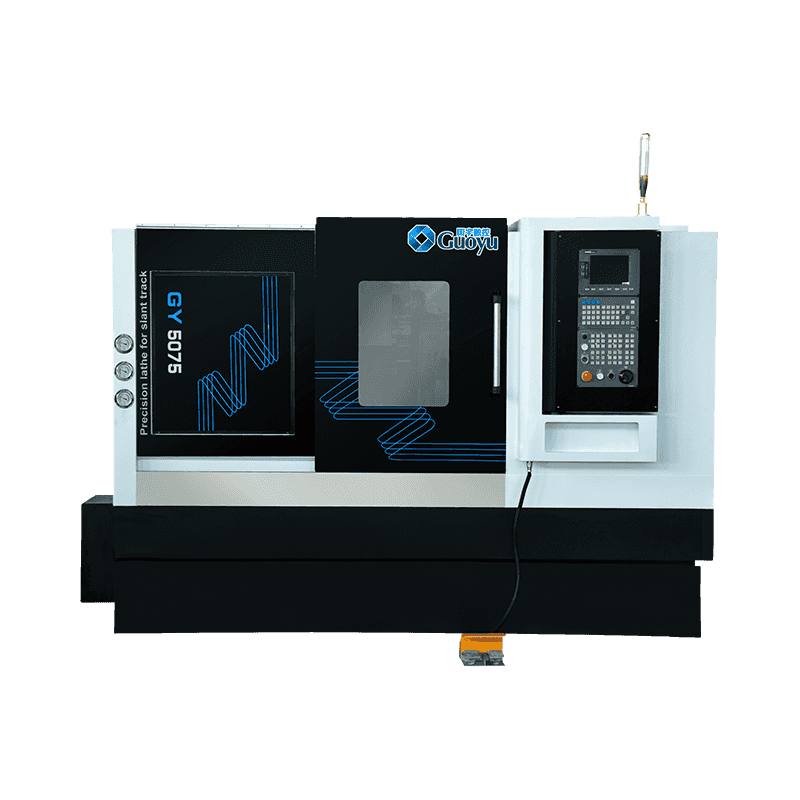
Technical Characteristics: The CNC machine tool for inclined beds adopts the domestic or imported hi...
See Details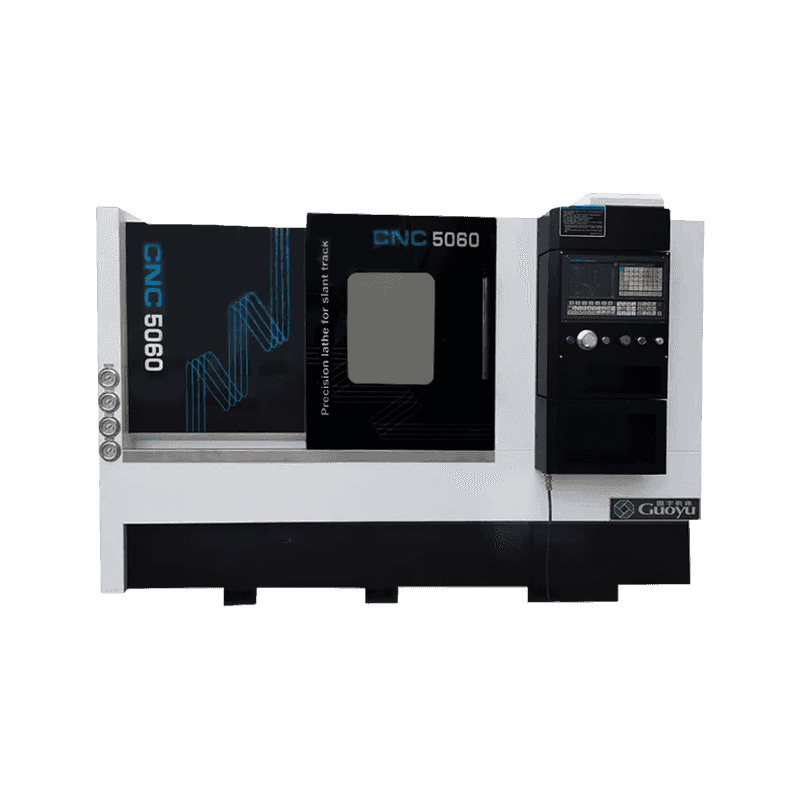
The Conjoined 35° Oblique Rail Cutter Tower Tail Seat Precision CNC Lathe is a really practical mach...
See Details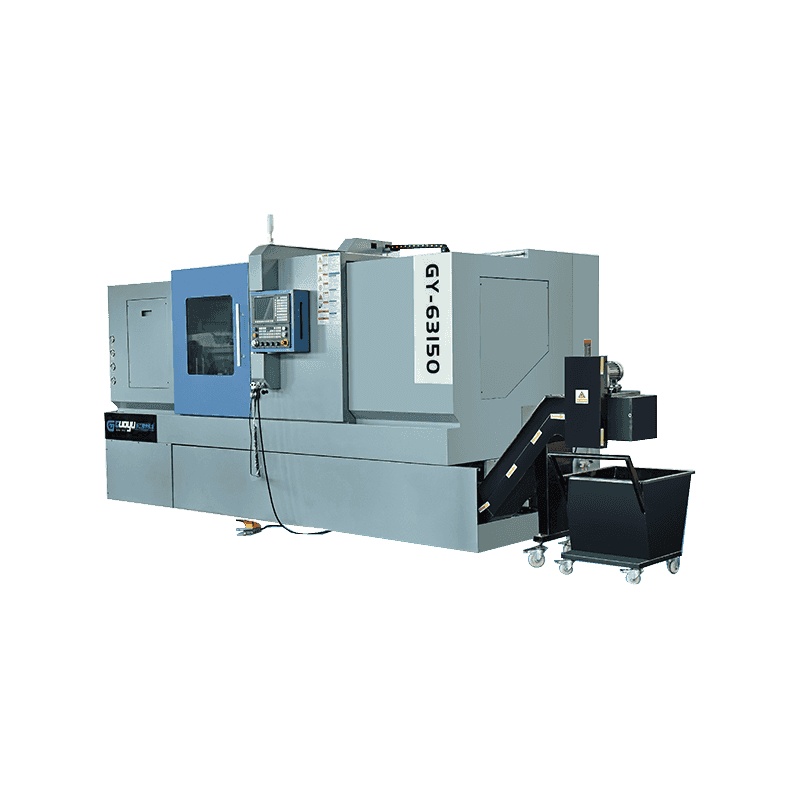
The Precision CNC Lathe With Programmable Tailstock For Connected Inclined Rail Tool Tower is just a...
See Details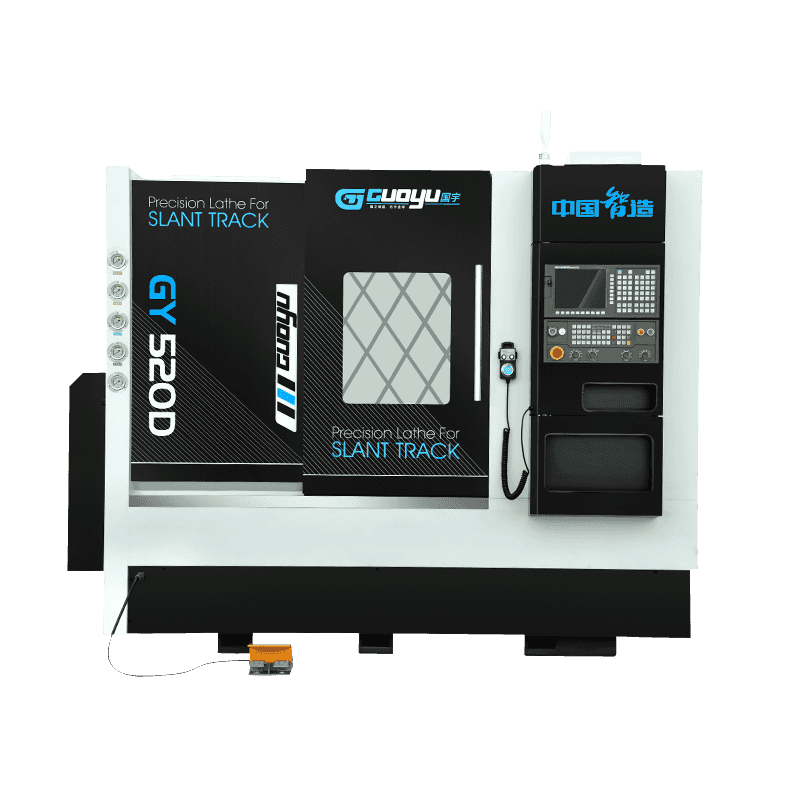
Technical Characteristics: The CNC machine tool for inclined beds adopts the domestic or imported hi...
See Details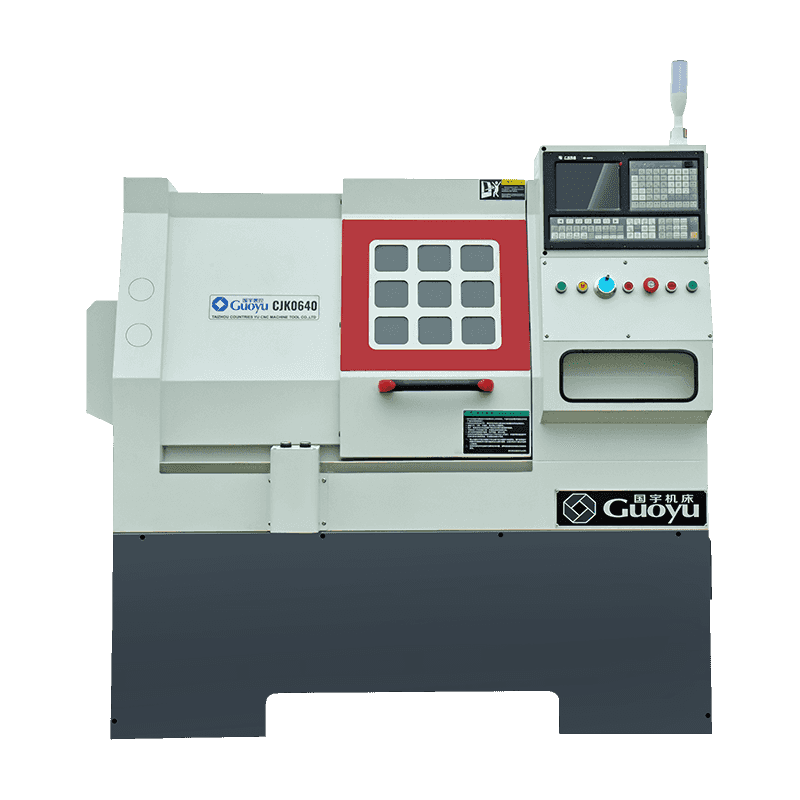
Technical Characteristics: The machine tool is equipped with a quantitative automatic lubrication sy...
See Details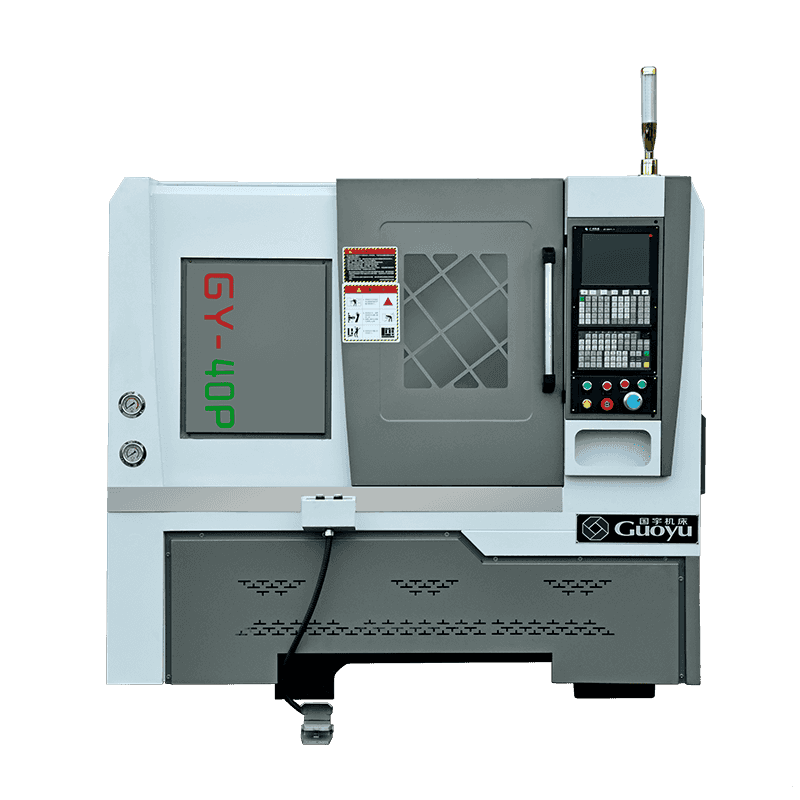
Technical Characteristics: 40P is a kind of small precision machine tool, that is suitable for the e...
See Details
After-sales service commitment: 1. From the date of acceptance, the machine tool host is under warra...
See DetailsOur team of digital and business experts will guide you to the right direction.
Let's Talk
Zhejiang Guoyu CNC Machine Tool Co., Ltd. relies on rich experience, professional technology and advanced methods to ensure the quality of its products, so that customers can enjoy more professional and thoughtful service.
 [email protected]
 +86-15356565970
 Xialiang Industrial Area, Luqiao District, Taizhou City, Zhejiang Province, China
Copyright © Zhejiang Guoyu CNC Machine Tool Co., Ltd. All Rights Reserved.