English
 中文简体
中文简体 русский
 Español

Technical Characteristics: The CNC machine tool for inclined beds adopts the domestic or imported hi...
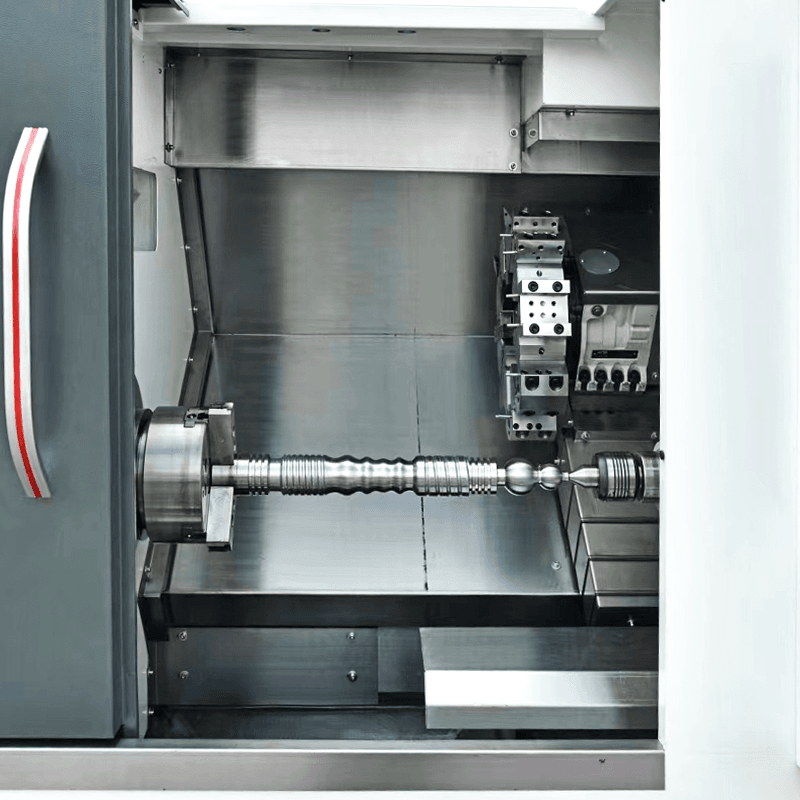
See DetailsSwiss turning centers, also known as Swiss-type lathes, are specialized CNC machines designed for precision turning of small, complex parts. These machines are widely used in the manufacturing industry for producing high-precision components, particularly those with long, slender geometries. The key to the Swiss turning center's functionality is its unique design, which allows for high-speed, accurate machining of small parts, making them ideal for industries that require parts with tight tolerances.
Swiss turning centers are primarily used for the production of small, complex, and high-precision parts, especially those that require turning, drilling, milling, and other operations within a single setup. These machines are versatile and commonly used in industries such as medical device manufacturing, aerospace, electronics, and watchmaking. The table below outlines some common applications of Swiss turning centers
|
Industry |
Application |
Description |
|
Medical Device |
Small components like screws, implants, and tubes |
Swiss turning centers are used to create tiny, intricate parts required for medical instruments or implants, ensuring high precision. |
|
Aerospace |
Aerospace fasteners, structural parts |
Swiss lathes are used to manufacture high-precision fasteners and parts used in aircraft assembly, where accuracy is critical. |
|
Electronics |
Small electrical components like connectors, terminals |
These machines can produce small, complex parts for electronic devices such as connectors, capacitors, and other miniaturized components. |
|
Watchmaking |
Watch parts, gears, and other precision components |
Swiss-type lathes are historically associated with the production of fine watch parts, requiring minute accuracy and high efficiency. |
Swiss turning centers are particularly suited for applications where high volumes of small, intricate parts need to be produced with minimal setup changes, making them ideal for mass production with tight tolerances.
The Swiss turning center offers several advantages, particularly for industries that require the production of small, precision parts. One key benefit is its ability to handle complex geometries. Swiss machines are capable of machining parts with multiple features in a single operation, minimizing the need for secondary operations and reducing the potential for human error. This results in higher productivity and less part handling, making it an ideal machine for precision engineering.
Swiss turning centers excel at high-speed machining. The unique setup of these machines allows for extremely efficient cutting, which translates to faster cycle times and the ability to produce parts at a higher rate. This is especially important in industries where speed and cost-efficiency are crucial factors.
The Swiss turning center also provides accuracy due to its design, which features a sliding headstock that moves along the length of the part. This feature helps maintain tight tolerances even for long, slender parts, where traditional lathes might struggle with stability or precision. These machines are also able to support multiple tool stations, allowing for simultaneous operations, which improves overall machining time and reduces downtime for tool changes.
While Swiss turning centers offer many benefits, they also come with certain drawbacks. One of the main disadvantages is the high initial cost. Swiss machines tend to be more expensive than other types of CNC lathes, due to their specialized design and the advanced technology they employ. This makes them less suitable for small businesses or operations with a limited budget. The higher cost is also compounded by the fact that maintenance and repair can be expensive, as these machines require skilled operators and technicians to ensure their performance.
While Swiss turning centers excel at producing small, precise parts, they are less adaptable to larger components or more diverse machining operations. For example, they are not typically used for large-scale part production or parts that require heavy-duty cutting operations. The machine's design, while for intricate parts, can be limiting when handling larger workpieces or when flexibility is required across different types of manufacturing processes.
The setup time for a Swiss turning center can be longer compared to simpler machines. Though Swiss lathes are known for their efficiency during operation, setting up a job—especially for a new part design—requires a good deal of time and precision. This can impact the overall efficiency of the machine, particularly if it is used for low-volume or prototype production.
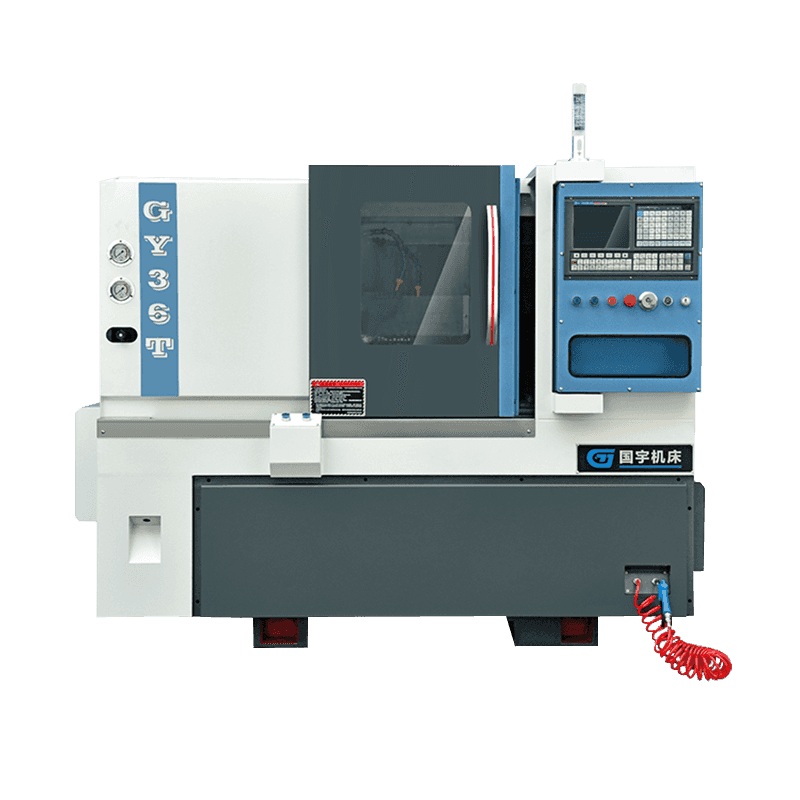
Technical Characteristics: The CNC machine tool for inclined beds adopts the domestic or imported hi...
See Details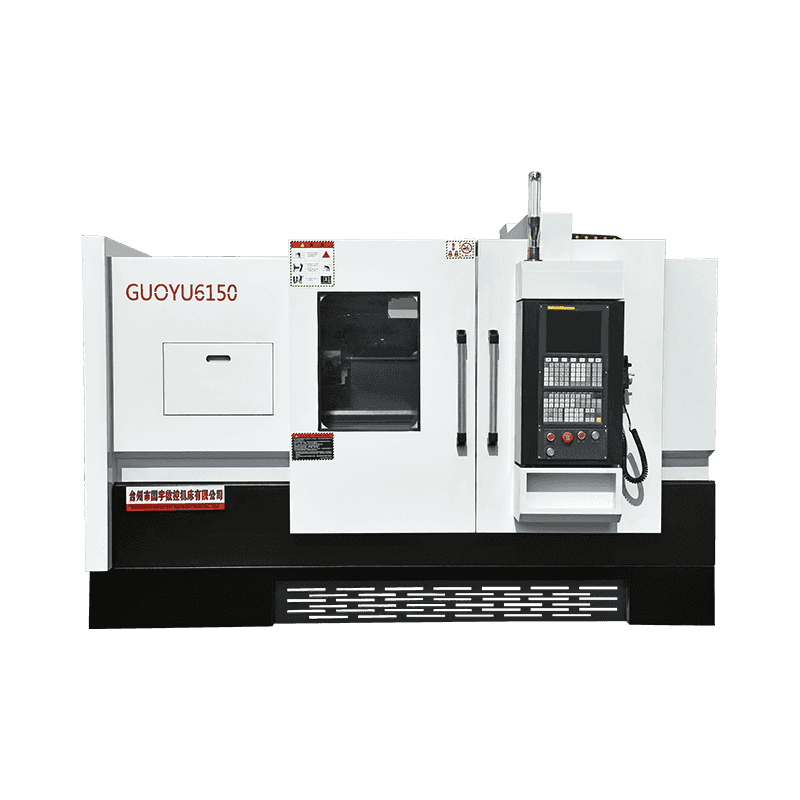
Technical Characteristics: It can cut all kinds of turning surfaces by bicycle, such as conical surf...
See Details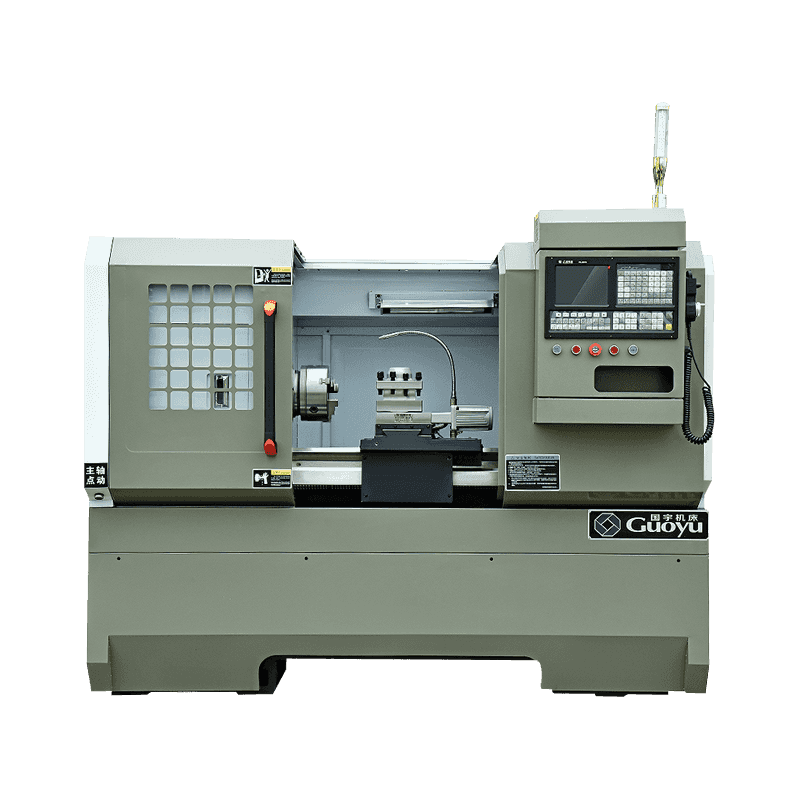
Technical Characteristics: It can cut all kinds of turning surfaces by bicycle, such as conical surf...
See Details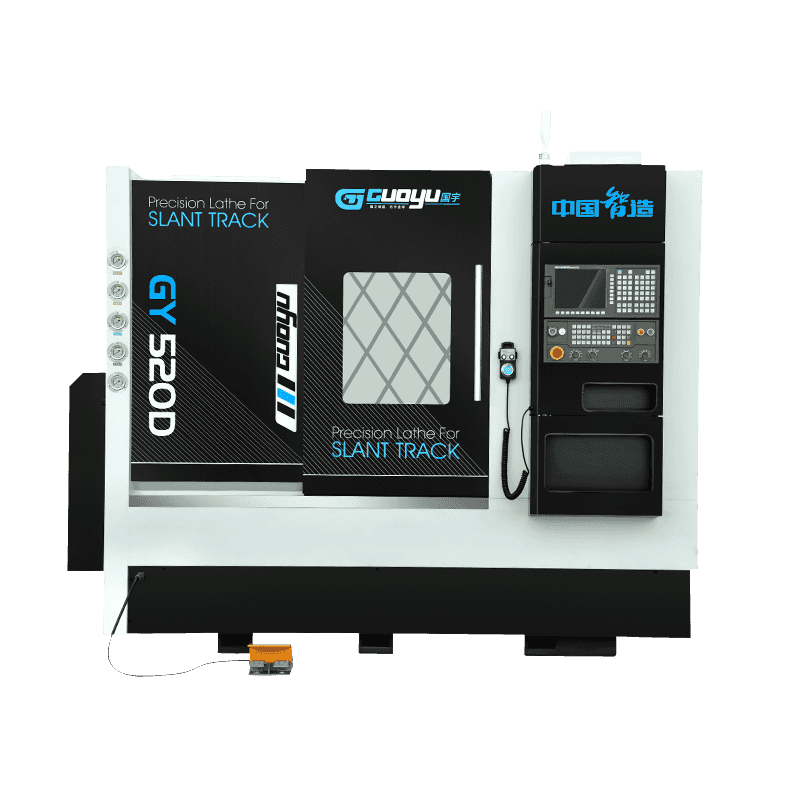
Technical Characteristics: The CNC machine tool for inclined beds adopts the domestic or imported hi...
See Details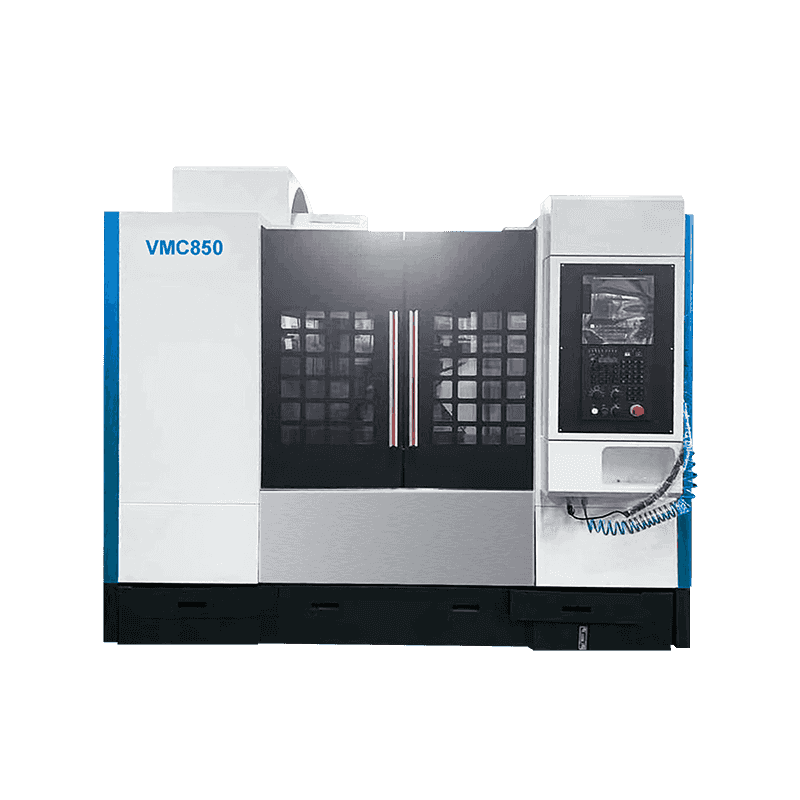
Technical Characteristics The machine tool is a single-column vertical guideway structure. The colum...
See Details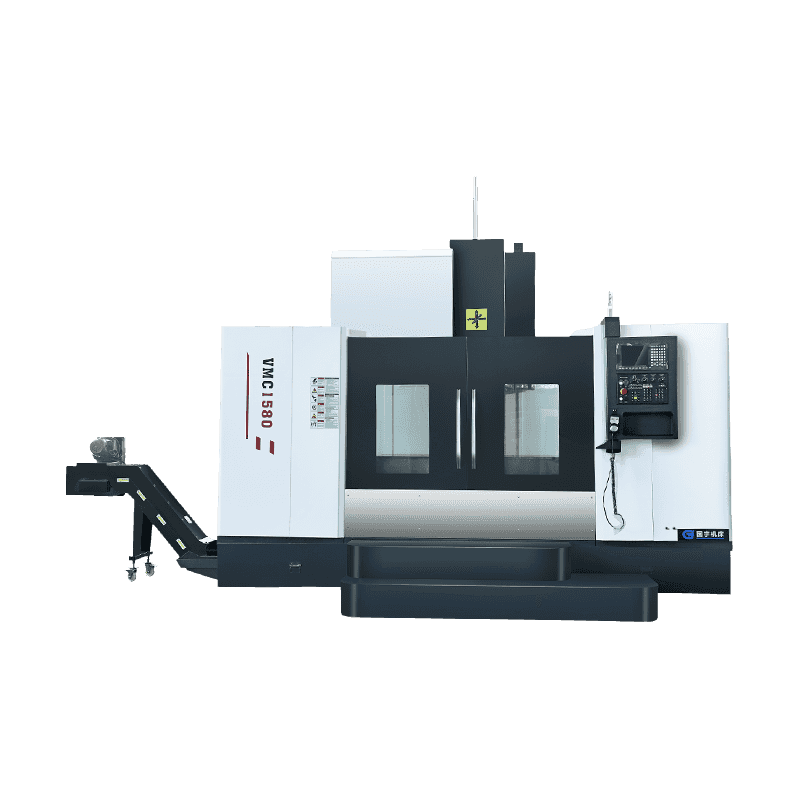
We are pleased to present the VMC1580 High-Speed Vertical Machining Center, a reliable and efficient...
See Details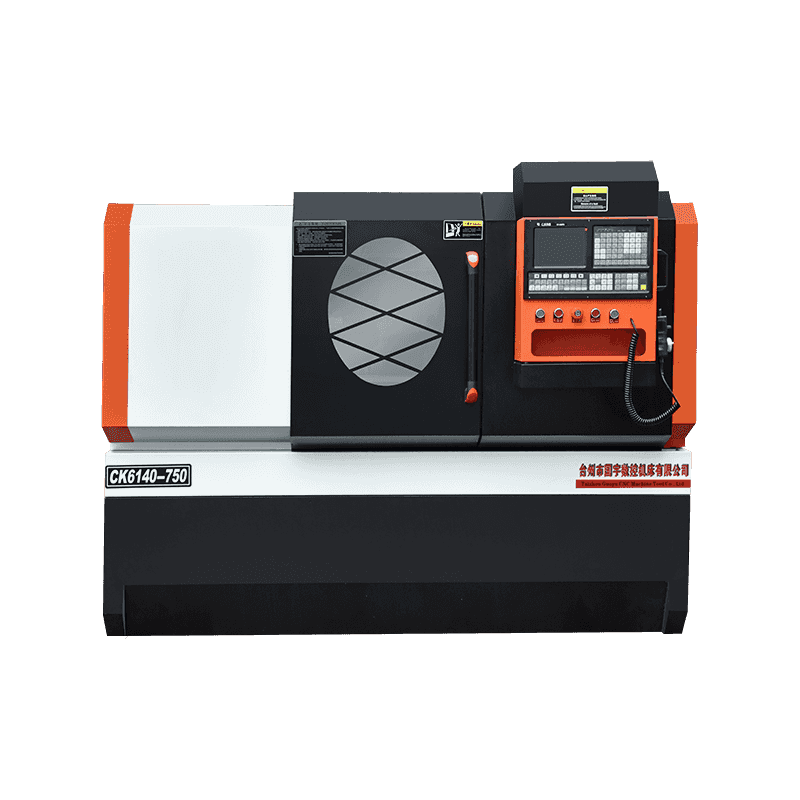
Technical Characteristics: It can cut all kinds of turning surfaces by bicycle, such as conical surf...
See Details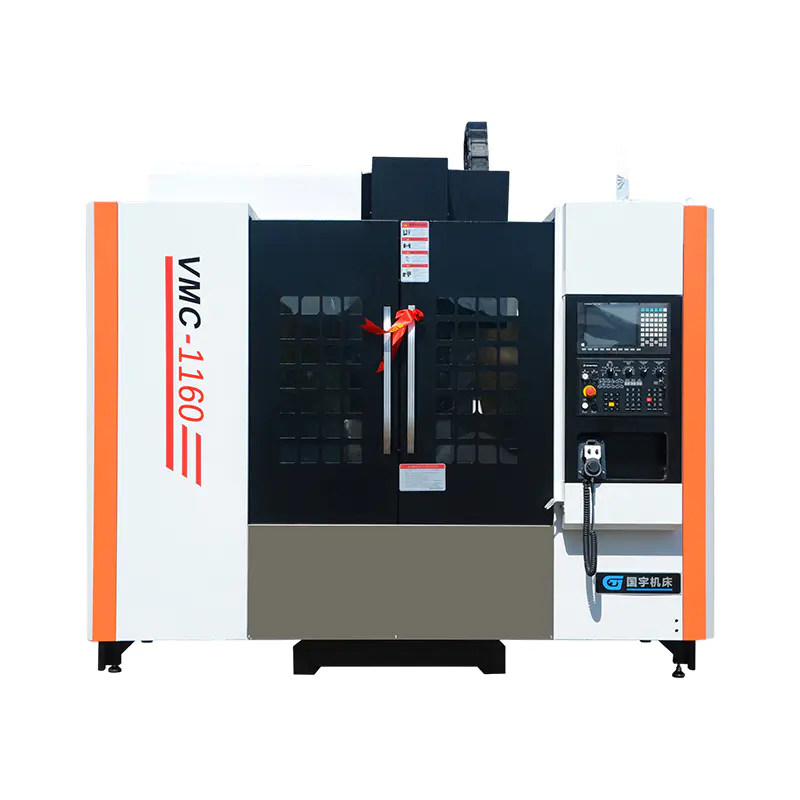
After-sales service commitment: 1. From the date of acceptance, the machine tool host is under warra...
See DetailsOur team of digital and business experts will guide you to the right direction.
Let's Talk
Zhejiang Guoyu CNC Machine Tool Co., Ltd. relies on rich experience, professional technology and advanced methods to ensure the quality of its products, so that customers can enjoy more professional and thoughtful service.
 [email protected]
 +86-15356565970
 Xialiang Industrial Area, Luqiao District, Taizhou City, Zhejiang Province, China
Copyright © Zhejiang Guoyu CNC Machine Tool Co., Ltd. All Rights Reserved.