English
 中文简体
中文简体 русский
 Español

Technical Characteristics: It can cut all kinds of turning surfaces by bicycle, such as conical surf...
See DetailsA machine shop that used to run one steady product line now finds itself quoting jobs for heavier housings, unfamiliar alloys, and tolerances tighter than what its equipment was originally built for. When a lathe struggles to keep up with that shift, the problem usually isn't the operator — it's a mismatch between the machine's original purpose and what the shop is actually being asked to produce.
Shops used to run the same part for extended stretches without much change. That's less common now. Orders come in smaller batches, materials shift from one job to the next, and customers expect tighter tolerances than they used to accept without complaint.
This shift doesn't show up as one dramatic change — it shows up as a series of small pressures. A part that used to be a common material becomes something harder to machine. A large batch becomes a much smaller one. A tolerance that used to be generous gets specified down to a much narrower range. None of these alone forces a shop to rethink its equipment, but together they add up, and a lathe built for a narrower job description eventually starts holding the shop back.
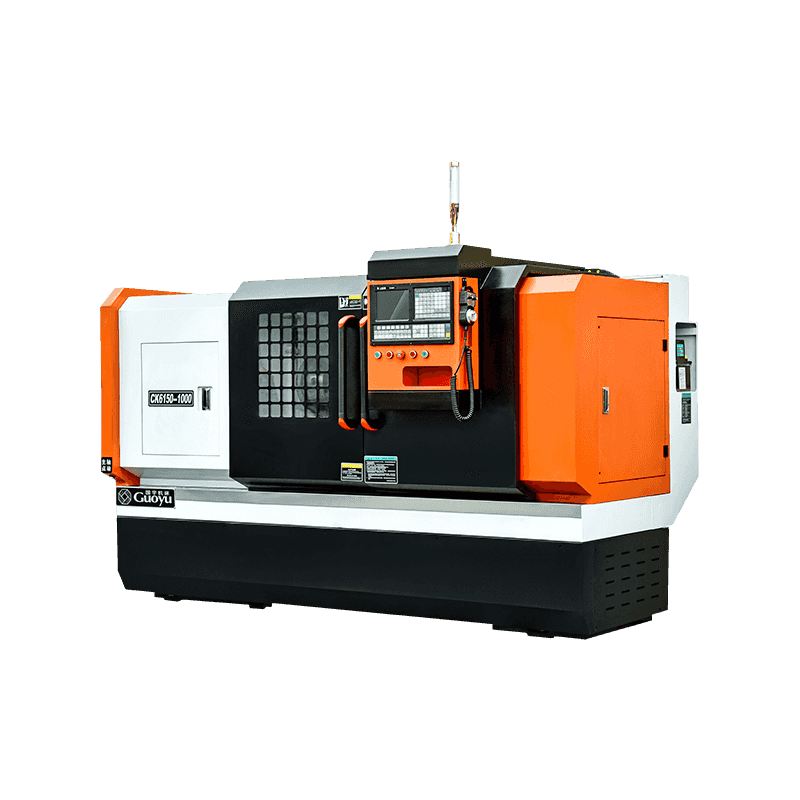
The label describes a real structural difference, not just a marketing term. A Heavy Duty CNC Lathe is built with a reinforced frame and bed designed to hold larger, heavier workpieces steady during cutting. Paired with computer-guided control, this creates a machine that can process bigger components without losing the consistency automation provides.
This becomes especially relevant in several common application settings. Shops machining structural components for heavy equipment need something that won't flex under the weight of what's being cut. Work involving turbines, pumps, or similar systems often includes large pieces that demand the same stability. Manufacturing for mechanical components used in transportation leans on it to hold tolerance across long production runs. General industrial shops end up relying on it simply because their job list spans several of these categories at once.
It's tempting to think a heavy duty lathe is only about handling bigger parts. That's part of it, but the more useful trait day to day is how easily the machine shifts between different jobs without a shop losing time to reconfiguration.
A machinist running one type of heavier component and then switching to a smaller, lighter batch doesn't want to rebuild the setup from the ground up each time. Programming that adjusts for different geometries without new tooling, support for a range of diameters and weights, and control software that doesn't need a full recalibration between materials — these are the details that actually save time on a busy floor, more than any single capacity figure.
Heavier workpieces expose weaknesses that lighter ones never would. Any wobble in the frame, any flex under load, shows up directly as inconsistent tolerances or a rougher finish than the job called for.
| What Stability Affects | Why It Matters |
|---|---|
| Workpiece support | Prevents shifting during cutting on larger parts |
| Consistency across a run | Reduces variation part to part |
| Predictability of the process | Makes cutting parameters reliable, not guesswork |
| Unattended operation | Reduces the risk of finding a batch of scrapped parts later |
A shop running a batch without direct supervision is essentially trusting the machine's stability to do the job correctly on its own. That trust has to be earned by the frame and structure, not just the control software.
The better lathe manufacturers stay close to the shops using their equipment — not through formal surveys, but through ongoing contact about what's actually breaking, what's slowing operators down, and what features get used versus ignored. That feedback loop shapes design more than any theoretical specification.
A manufacturer paying attention this way tends to refine structural design around real weight and size ranges shops are processing, rather than guessing at what "heavy duty" should mean. It also means control software gets adjusted based on how operators actually program jobs, not how an engineer assumes they will.
A shop serving clients in one sector and then picking up work in a completely different one runs into a practical question: does it need a separate machine for each, or can one lathe adjust to both?
Heavy Duty CNC Lathes tend to handle this because the structure and control system are built with adjustment in mind rather than locked to a single application. That shows up in practice as:
A shop running all of these off the same equipment avoids the cost and floor space of buying separate machines for each niche.
Digital control on a heavy duty lathe isn't just about pushing buttons instead of turning dials. It changes how consistent output stays between different operators and different shifts — something that matters more than expected on a floor running multiple crews.
A supervisor checking in on several machines at once benefits when the system flags inconsistencies early, before an entire batch turns out wrong. Flexible programming also means a machine can pick up a new job type without being reprogrammed from the ground up, which saves real time on a floor juggling several active orders.
Nothing exposes a rigid piece of equipment faster than a request slightly outside the usual pattern — an unusual shape, a material the shop doesn't normally cut, a batch small enough that a full setup change wouldn't typically be justified.
A Heavy Duty CNC Lathe with enough adjustment range absorbs these requests without requiring a separate machine reserved just for exceptions. That flexibility is often what lets a shop accept a custom order instead of turning it away.
A lathe purchased to solve a current problem can become a future limitation if the shop's workload shifts, which it usually does. The practical question for anyone buying new equipment isn't only whether it handles present jobs, but whether it can handle jobs that haven't come up yet.
Structure that adapts as job types change, operation simple enough that new hires pick it up without extended training, performance that stays consistent as usage increases over time — these hold more long-term value than any single feature that only solves an immediate problem.
A machine that cuts quickly but takes a long time to reconfigure between jobs doesn't actually save a shop much. Real efficiency gains tend to come from smaller, less obvious places: less time lost between one job ending and the next starting, fewer interruptions caused by tolerance drift mid-run, better use of the machine's capacity across a mixed job list instead of running it at a fraction of what it can handle.
These add up more over sustained use than any improvement in raw cutting speed alone.
Machining demands aren't likely to settle back into predictable, uniform batches. Shops will keep facing smaller runs, unfamiliar materials, and tighter tolerances mixed into the same production cycle. Equipment built around one narrow use case tends to become the bottleneck once that variety shows up.
A Heavy Duty CNC Lathe earns its place on a floor precisely because it's built to adjust rather than lock into one process. Anyone evaluating a purchase would do well to ask a manufacturer directly how the machine performs across a range of workpiece sizes and materials in actual daily use — that conversation tends to reveal more than a specification comparison alone.
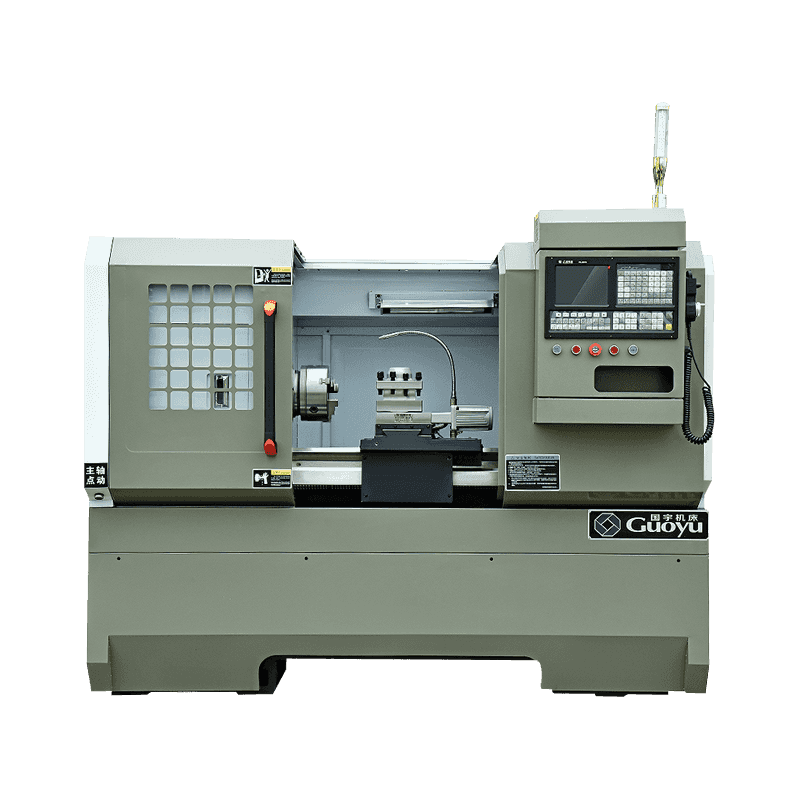
Technical Characteristics: It can cut all kinds of turning surfaces by bicycle, such as conical surf...
See Details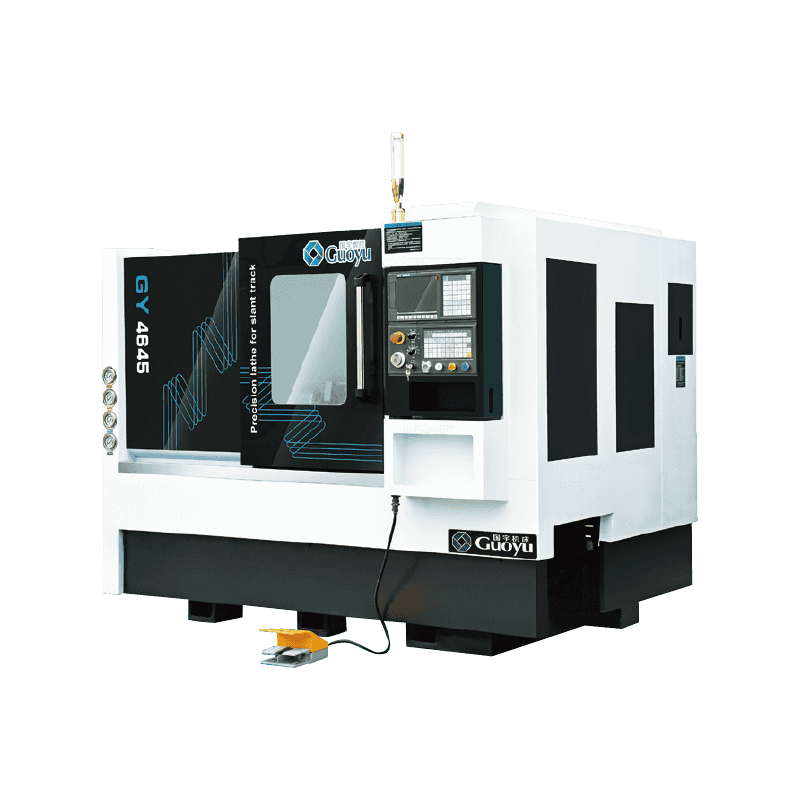
The Conjoined 35° Oblique Rail Cutter Tower Tail Seat Precision CNC Horizontal Lathe is a really pra...
See Details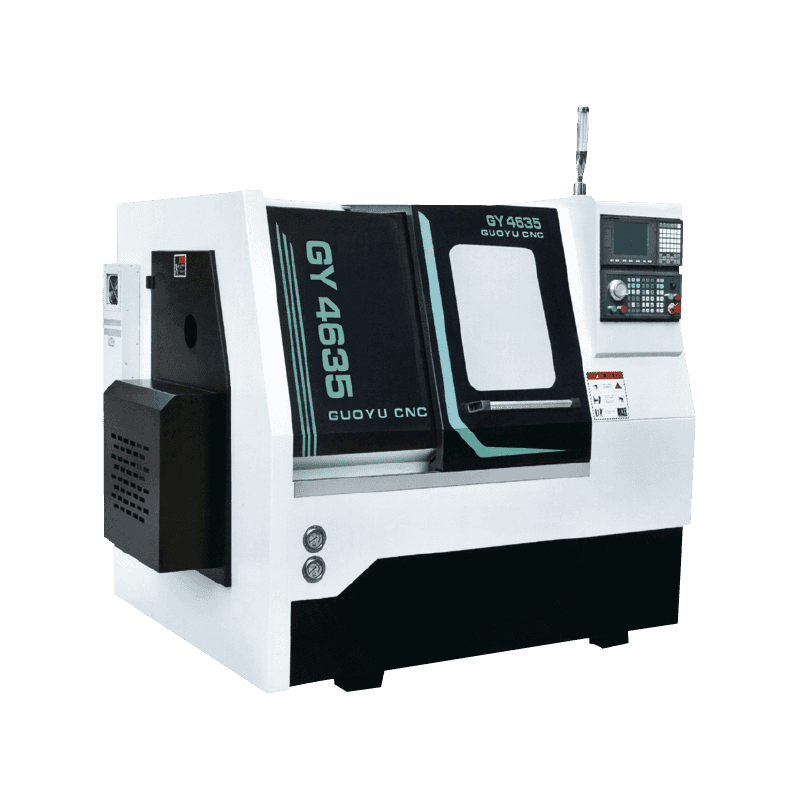
The Conjoined 45° Oblique Gauge Cutter Precision CNC Horizontal Lathe is a really practical turning ...
See Details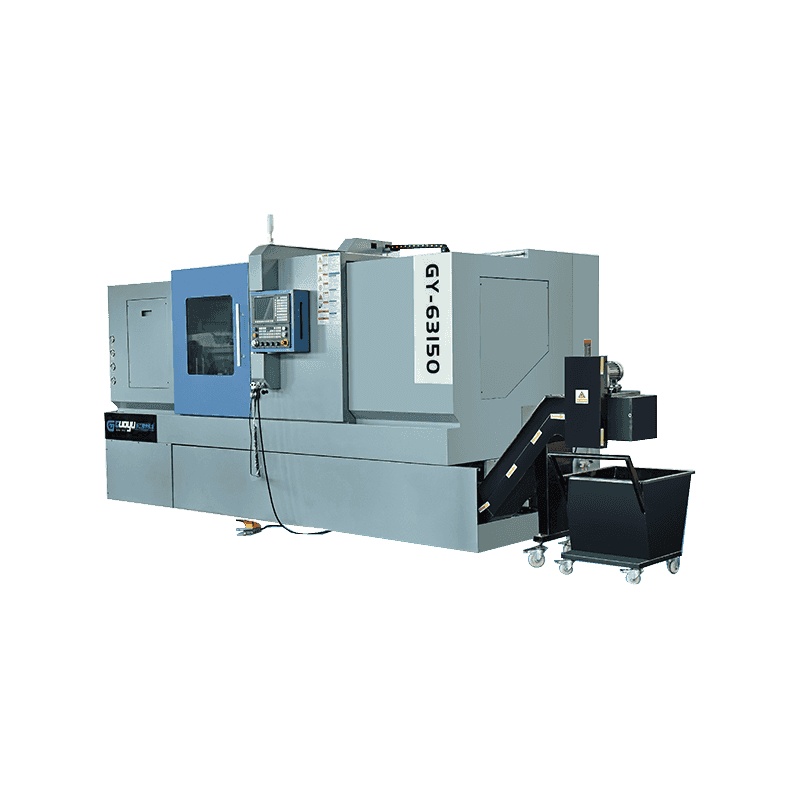
The Precision CNC Lathe With Programmable Tailstock For Connected Inclined Rail Tool Tower is just a...
See Details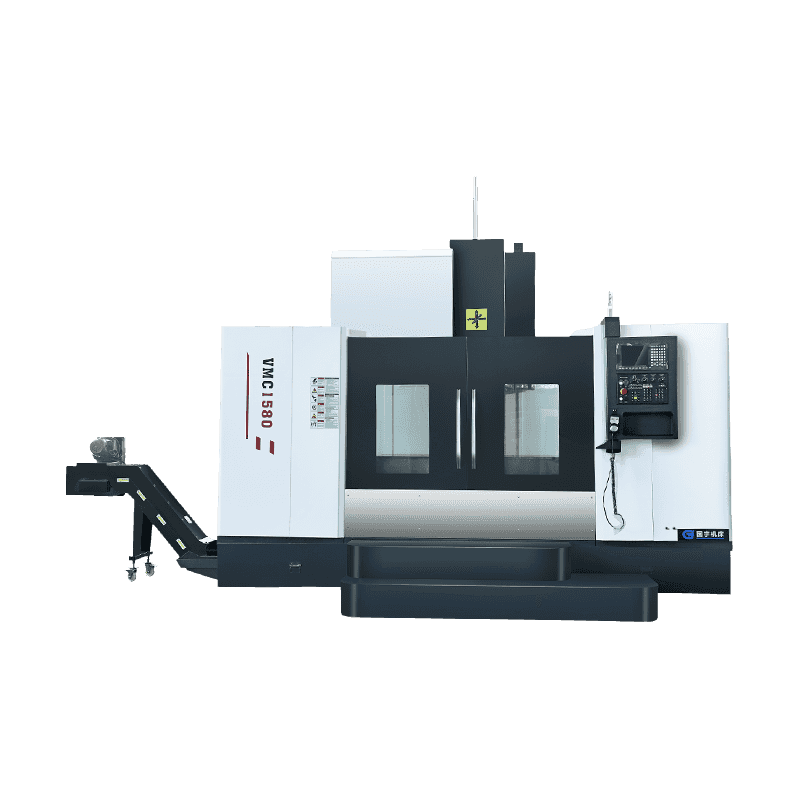
We are pleased to present the VMC1580 High-Speed Vertical Machining Center, a reliable and efficient...
See Details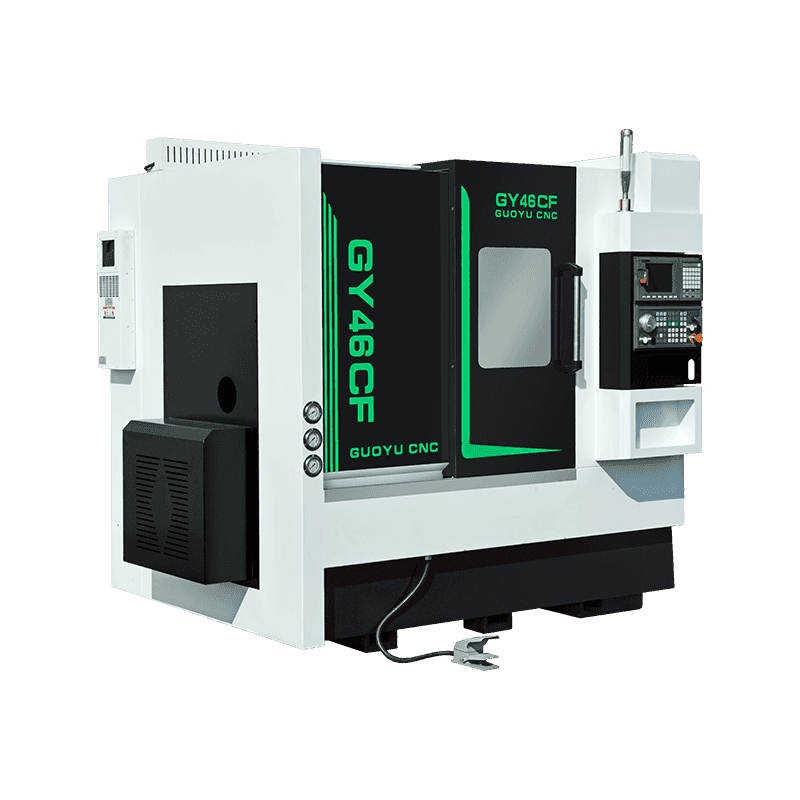
The 4+4 Type Precision CNC Lathe With Conjoined Oblique Rail Cutter Tower is a really practical, mul...
See Details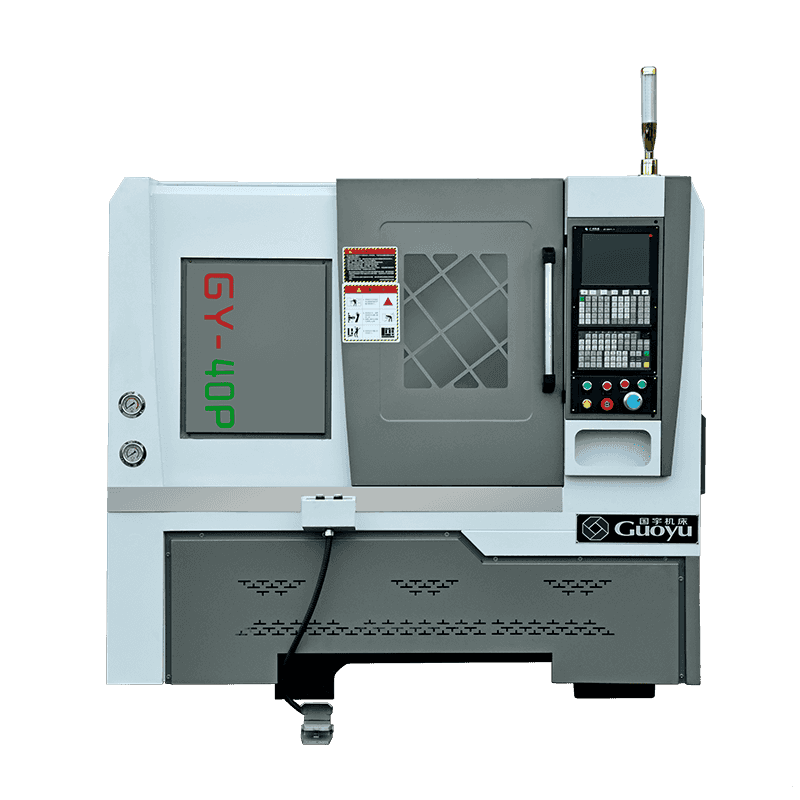
Technical Characteristics: 40P is a kind of small precision machine tool, that is suitable for the e...
See Details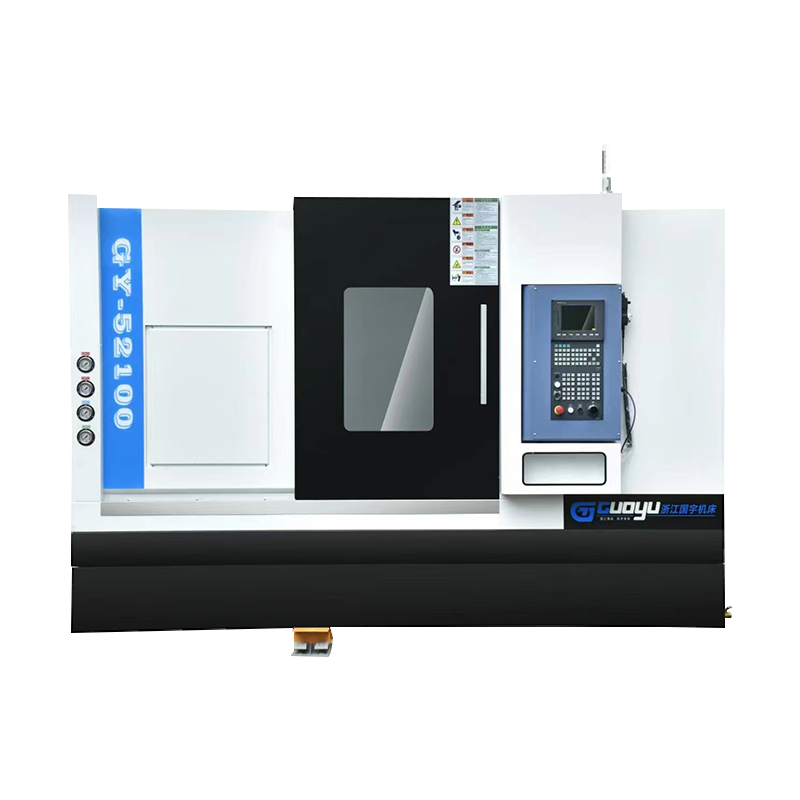
Technical Characteristics:Line Rail CNC lathes are integrally cast with 250 materials to ensure proc...
See DetailsOur team of digital and business experts will guide you to the right direction.
Let's Talk
Zhejiang Guoyu CNC Machine Tool Co., Ltd. relies on rich experience, professional technology and advanced methods to ensure the quality of its products, so that customers can enjoy more professional and thoughtful service.
 [email protected]
 +86-15356565970
 Xialiang Industrial Area, Luqiao District, Taizhou City, Zhejiang Province, China
Copyright © Zhejiang Guoyu CNC Machine Tool Co., Ltd. All Rights Reserved.