English
 中文简体
中文简体 русский
 Español

Technical Characteristics: It can cut all kinds of turning surfaces by bicycle, such as conical surf...
See DetailsWalk into a machine shop producing bolts, shafts, or engine components, and you'll notice something interesting: the same part gets made over and over with barely any variation between pieces. That kind of consistency doesn't happen by accident. A High Speed CNC Lathe sits behind a lot of that repeatable precision, turning raw metal stock into finished round or cylindrical parts through programmed, computer-guided cutting.
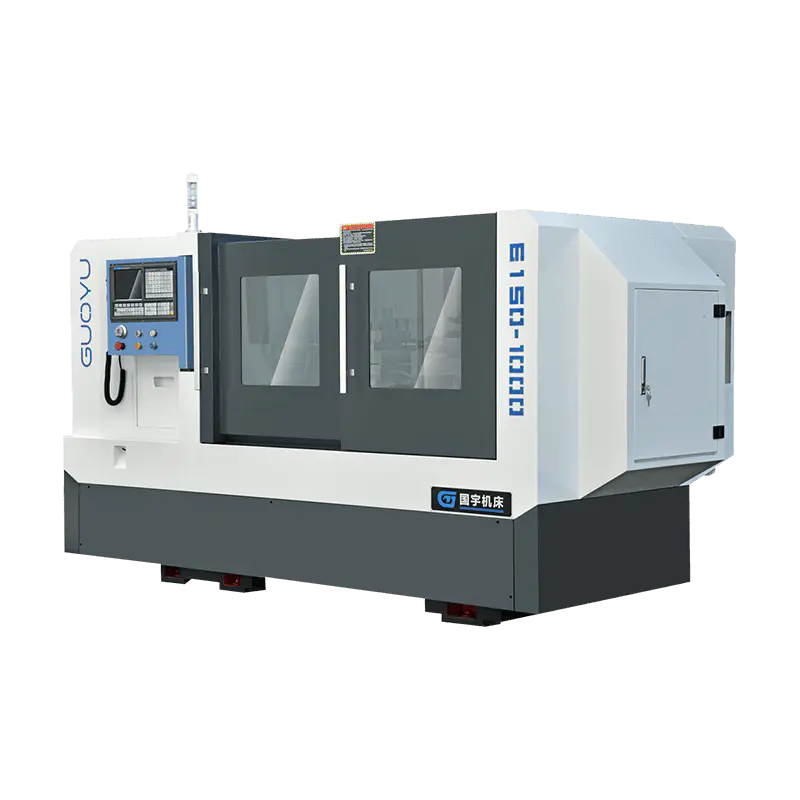
Manufacturing has always leaned on tools that behave predictably. As product designs get more detailed and production schedules demand more flexibility, machines like this one keep earning their place on the shop floor, not because they're flashy, but because they solve a genuinely practical problem: producing accurate parts again and again without drifting off spec.
The "CNC" in the name stands for computer numerical control, which really just means the machine follows a set of programmed instructions rather than relying on an operator manually turning wheels and adjusting settings throughout the cut.
A traditional manual lathe depends heavily on the operator's hand-eye coordination and experience, adjusting feed rates and depths by feel as the cut progresses. A CNC lathe removes a lot of that manual guesswork. Once a program is set up correctly, the machine executes each cutting movement the same way, run after run, which matters a lot when a shop needs to produce a batch of identical shafts for an automotive supplier or matching fittings for industrial equipment.
That said, calling these machines "automated" doesn't mean they run themselves without oversight. Skilled operators still handle the parts that actually require judgment, setting up production plans, checking measurements along the way, and confirming that finished pieces actually meet the tolerances a customer specified.
Watching a CNC lathe in action, the basic sequence becomes fairly easy to follow, even for someone who's never set foot in a machine shop before.
A workpiece, maybe a length of steel rod or aluminum bar, gets loaded into the machine and clamped securely in place. Once secured, the machine follows its programmed path, rotating the material at a controlled speed while a cutting tool removes material bit by bit, gradually shaping the rough stock into the intended form.
| Stage | What Happens |
|---|---|
| Material setup | The workpiece gets loaded and clamped into position |
| Program configuration | Cutting paths and operations get defined ahead of time |
| Cutting operation | Material rotates while the tool removes stock to form the shape |
| Inspection | The finished piece gets checked against required specifications |
A shop producing small brass fittings for plumbing hardware might run this exact sequence hundreds of times in a single shift, relying on that repeatability to keep every fitting interchangeable with the next.
Manufacturing today asks for more than just churning out parts. A company running a production line needs equipment that keeps pace with changing order sizes, supports a smoother workflow, and doesn't introduce quality problems that show up later during assembly.
A High Speed CNC Lathe supports that kind of environment in a fairly direct way. Because the machine follows the same programmed path each cycle, a batch of parts tends to come out with far less variation than what manual machining would typically produce.
Workflow benefits too. With the machine handling repetitive cutting motions on its own, workers can shift their attention toward preparing the next job, monitoring the current run, or checking finished parts, rather than standing at the machine making constant manual adjustments.
Flexibility matters as well. A shop that needs to switch from producing one part design to another doesn't need a completely different machine, just a new program loaded into the existing lathe, which cuts down on setup time between different production runs.
Different CNC lathe models come with different specifications, but many of them share common features that become noticeable during everyday shop operations.
The control system forms the backbone of how the machine operates, following detailed instructions to complete cutting tasks without needing constant manual input. That automation is what lets a single operator oversee a machine running through a long production cycle instead of hovering over every single cut.
The way these lathes are built lets shops move through machining tasks in an organized sequence, keeping production moving steadily while still paying attention to how each finished part turns out.
Shops often handle a variety of parts rather than a single design. Since CNC lathes operate through programmed instructions, moving between different component designs usually involves changing the program instead of manually adjusting the machine setup.
Newer machines tend to come with clearer control interfaces, which makes day-to-day operation more manageable and cuts down on the learning curve for someone new to running the equipment.
Efficiency on a shop floor isn't just about shaving seconds off a single cut. It's about how smoothly the whole production process runs from start to finish.
A CNC lathe cuts down on repeated manual actions once a program is set up correctly, letting the machine handle many cycles without needing an operator to reset or readjust settings between parts. That frees workers to spend more time on planning upcoming jobs, inspecting finished pieces, or managing the overall production schedule instead.
There's also a stability benefit. A machining process that runs consistently tends to run into fewer interruptions caused by inconsistent manual handling, which matters a lot for a shop trying to hit delivery deadlines without constant troubleshooting.
Resource planning gets easier too. When a shop knows roughly how long a machine takes to complete a batch, scheduling materials, staffing, and delivery timelines becomes a lot more manageable than trying to estimate around unpredictable manual processes.
Machining touches a surprising number of everyday products, which explains why CNC lathes turn up across such a wide range of industries.
The automotive sector relies on machined components for all kinds of mechanical systems, from engine parts to steering components, many of which need tight tolerances and dependable repeatability across large production runs.
Aerospace manufacturing also relies on precision-machined parts, often requiring stricter tolerances than many other fields due to the importance of reliable performance in operation.
Electronics manufacturers use CNC lathes for small, detailed components that fit into devices where space is tight and precision genuinely matters.
Industrial equipment makers lean on these machines to produce mechanical parts that eventually become part of larger assembled systems, like pumps, gearboxes, or machine frames.
| Industry | How CNC Lathes Get Used |
|---|---|
| Automotive | Producing mechanical and structural components |
| Aerospace | Machining parts that require careful, precise processing |
| Electronics | Creating small, detailed industrial components |
| Machinery | Manufacturing parts for larger equipment systems |
| Energy | Producing mechanical elements for supporting systems |
A shop supplying parts to a local machinery manufacturer might run entirely different programs on the same lathe depending on which customer's order is up next, switching from producing gearbox shafts one week to valve components the next.
Picking the right CNC lathe for a shop isn't just about comparing spec sheets. It comes down to matching the machine to how that shop actually operates day to day.
Material type matters early on. A shop working primarily with softer metals faces different machining demands than one cutting hardened steel or specialty alloys, and that difference can shape which lathe configuration makes sense.
Production needs matter just as much. A shop running short batches of varied parts benefits from different capabilities than one producing large volumes of a single component repeatedly.
Ease of use deserves attention too. A machine that's straightforward to program and operate cuts down on training time for new employees and reduces the chances of costly setup mistakes.
Maintenance requirements shouldn't get overlooked either. Regular upkeep keeps a lathe running reliably, and a shop should think realistically about how much time and expertise they can dedicate to that upkeep.
Future plans matter as well. A shop expecting to take on new types of work down the line benefits from equipment flexible enough to handle a broader range of machining tasks, rather than something narrowly built for current needs alone.
Selecting a lathe is about finding equipment that matches the shop's current workflow, rather than focusing only on impressive specifications listed in a product description.
Automation hasn't eliminated the need for skilled machinists on the shop floor. It's shifted what that skill actually looks like day to day.
Instead of manually guiding every cut, operators now spend more time writing and adjusting programs, monitoring machines during production runs, handling maintenance tasks, and checking finished parts against required specifications.
That combination, human judgment paired with machine consistency, tends to produce a more balanced approach to manufacturing than either side working alone. The machine handles repetitive precision. The operator handles the decisions that still require experience and attention, like catching a tool wear issue before it affects an entire batch of parts.
Manufacturing continues to move toward production methods that can adjust to shorter schedules, changing designs, and growing demands for consistent parts. Many shops that once relied mainly on manual equipment have moved toward CNC machining because it offers greater flexibility for these changing needs.
A High Speed CNC Lathe fits naturally into that shift, offering automated machining that suits how modern shops actually need to operate. Its role goes beyond just removing material from a workpiece. It helps shops organize their workflow more clearly, manage more complicated production schedules, and keep a tighter connection between what a design calls for and what actually comes off the machine.
As manufacturing continues adapting to new demands, machines like this one remain a practical part of how shops balance accuracy, flexibility, and dependable day-to-day operation, quietly doing the repetitive work that keeps production moving without constant manual intervention.
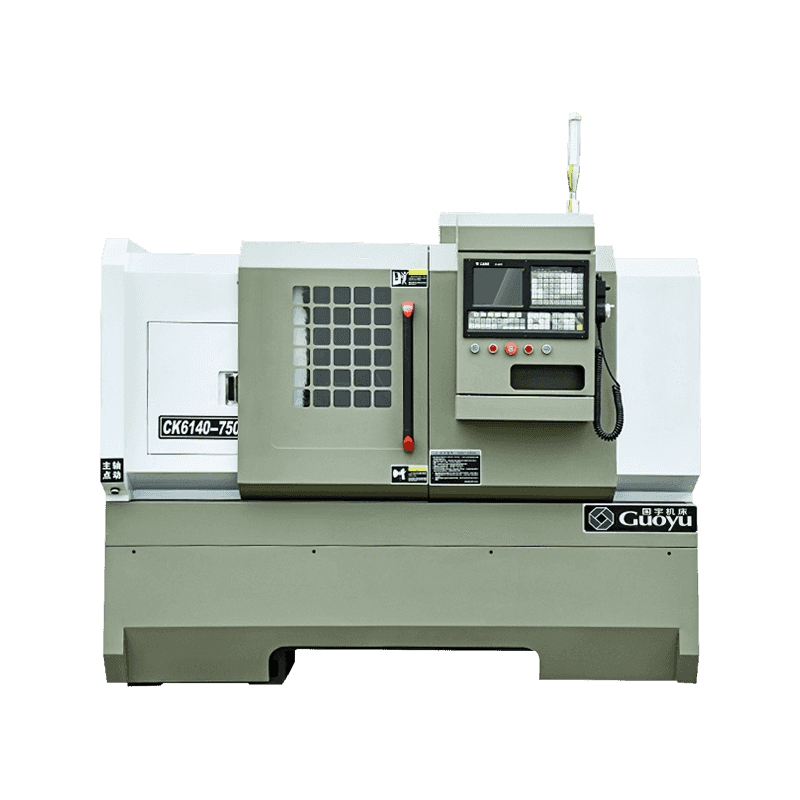
Technical Characteristics: It can cut all kinds of turning surfaces by bicycle, such as conical surf...
See Details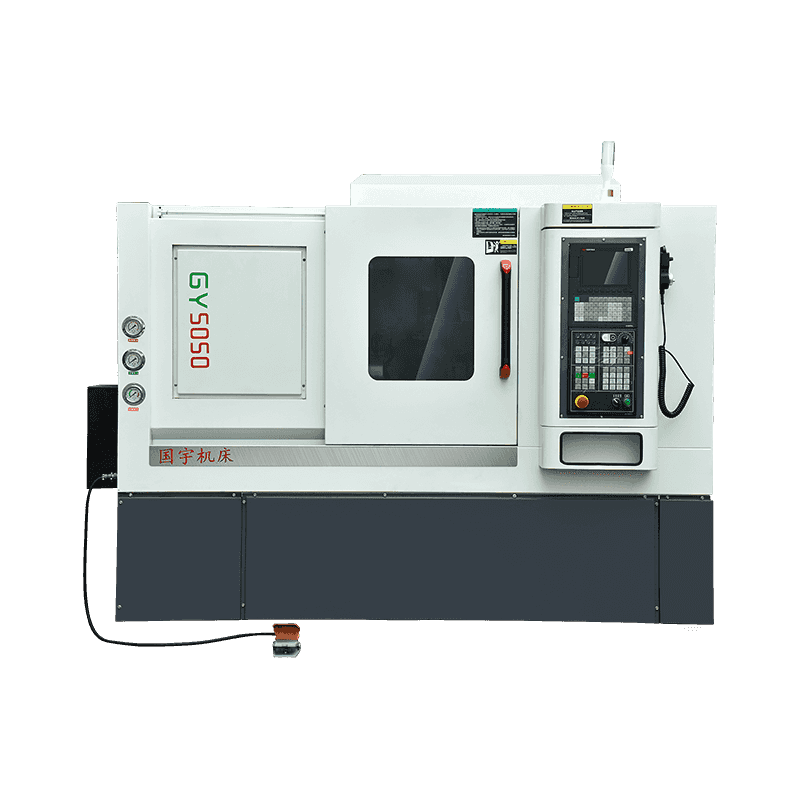
Technical Characteristics: The machine tool is of high precision, and the spindle is supported by hi...
See Details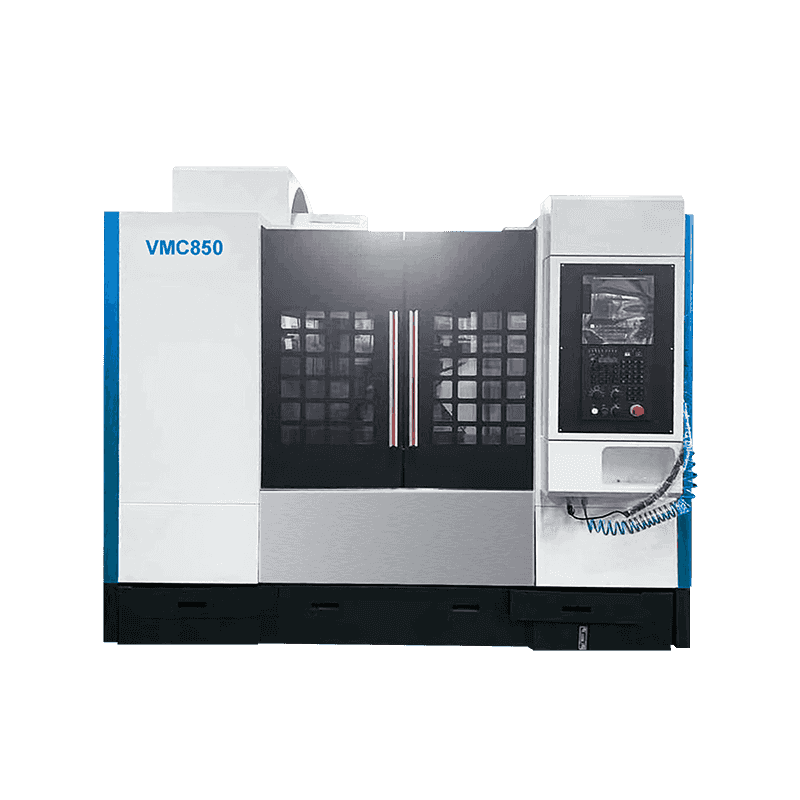
Technical Characteristics The machine tool is a single-column vertical guideway structure. The colum...
See Details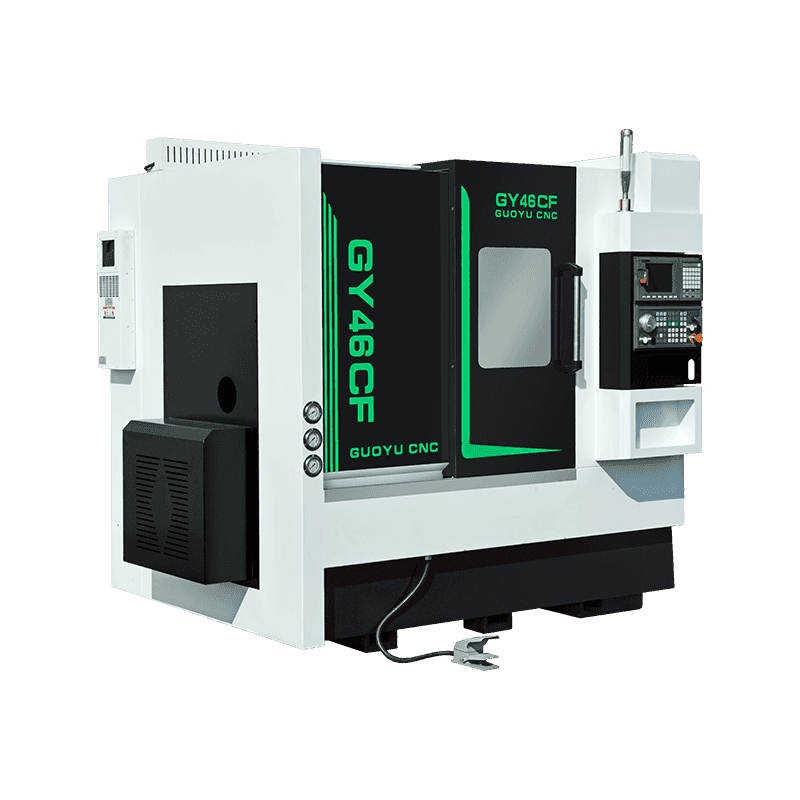
The 4+4 Type Precision CNC Lathe With Conjoined Oblique Rail Cutter Tower is a really practical, mul...
See Details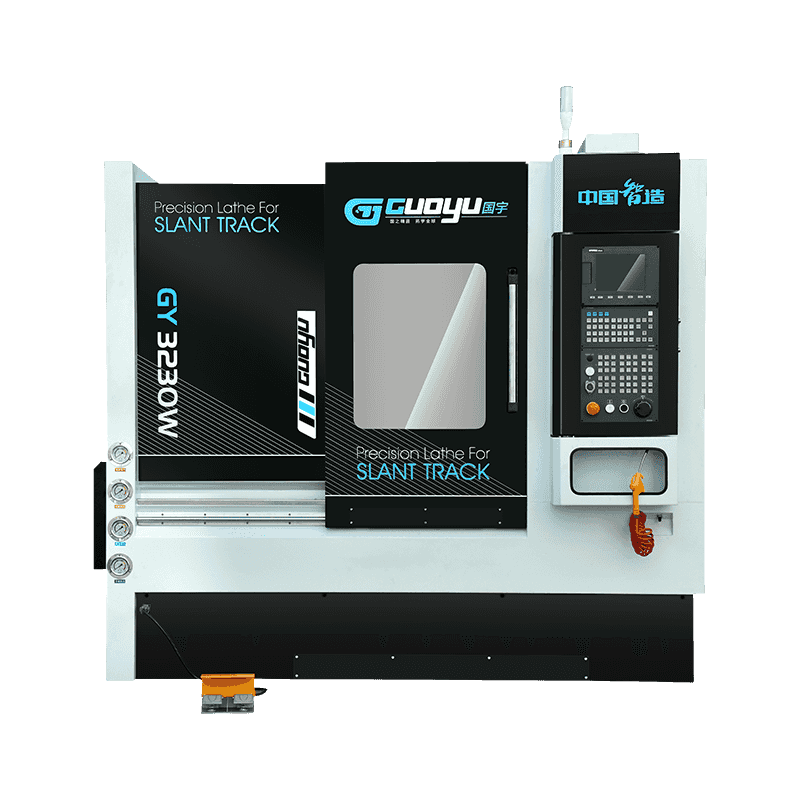
Technical Characteristics: The machine tool is of high precision, and the spindle is supported by hi...
See Details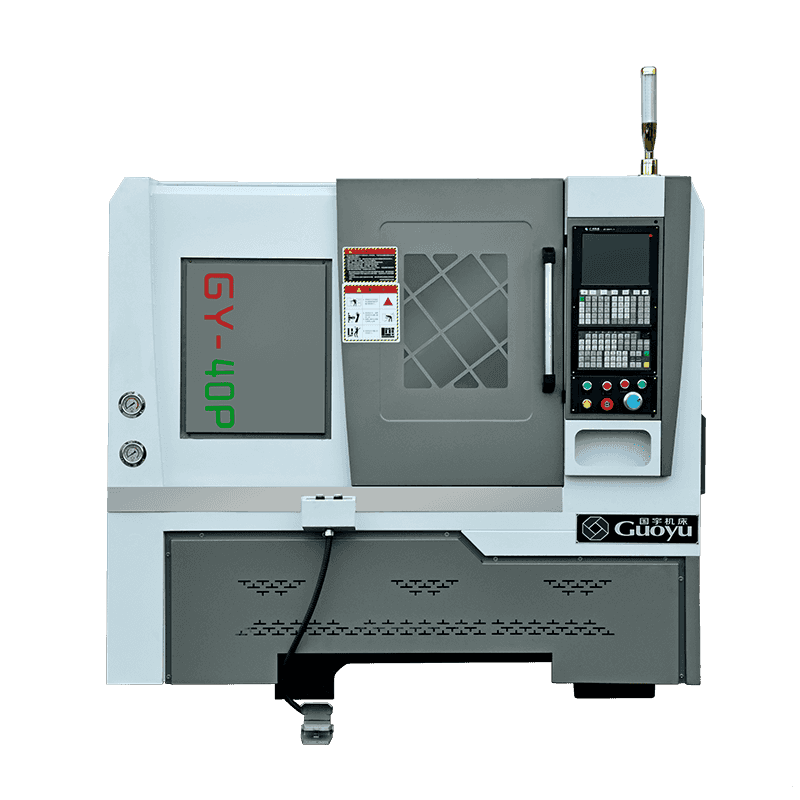
Technical Characteristics: 40P is a kind of small precision machine tool, that is suitable for the e...
See Details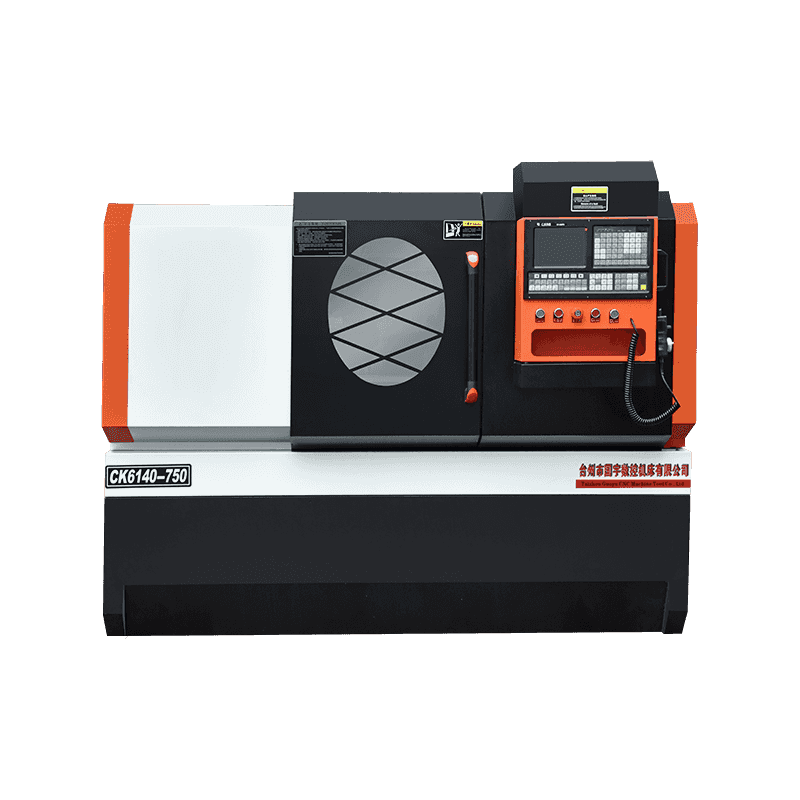
Technical Characteristics: It can cut all kinds of turning surfaces by bicycle, such as conical surf...
See Details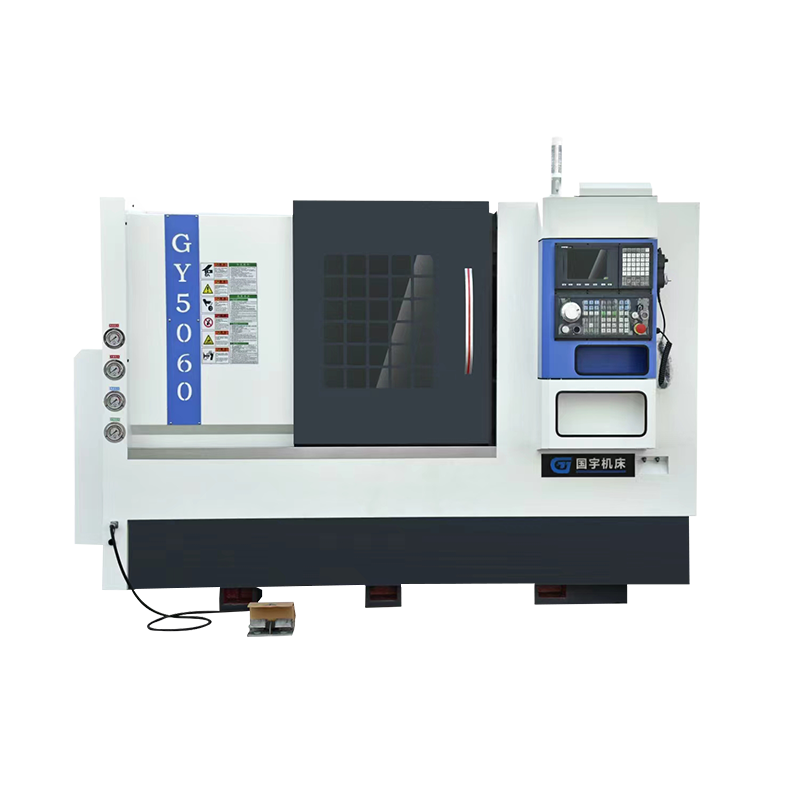
Technical Characteristics: All lathes are integrally cast with 250 materials to ensure processing ri...
See DetailsOur team of digital and business experts will guide you to the right direction.
Let's Talk
Zhejiang Guoyu CNC Machine Tool Co., Ltd. relies on rich experience, professional technology and advanced methods to ensure the quality of its products, so that customers can enjoy more professional and thoughtful service.
 [email protected]
 +86-15356565970
 Xialiang Industrial Area, Luqiao District, Taizhou City, Zhejiang Province, China
Copyright © Zhejiang Guoyu CNC Machine Tool Co., Ltd. All Rights Reserved.