English
 中文简体
中文简体 русский
 Español

Technical Characteristics: It can cut all kinds of turning surfaces by bicycle, such as conical surf...
See DetailsManufacturing does not always involve large or complicated products. Many finished products depend on small parts that need to fit together in a particular way. A pin may hold two components together. A sleeve may help one part connect with another. A shaft may transfer movement inside a machine.
Although these parts can look simple, producing them often requires a suitable machining process.
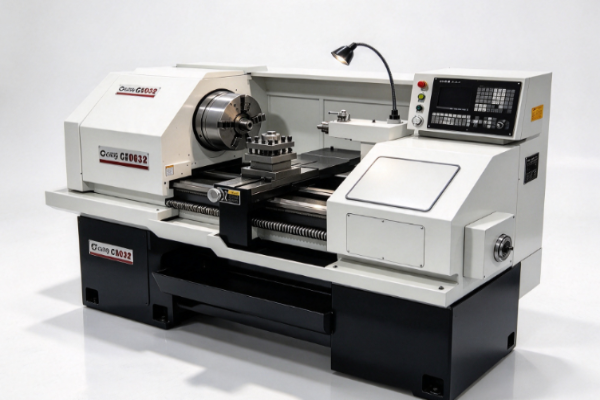
This is where a Gang Tool Lathe For Sale can attract attention from manufacturers looking for equipment for different machining needs. A gang tool lathe is designed around a practical production idea. Tools are arranged so that different machining operations can be carried out as part of the same workflow.
The actual use of this type of lathe depends on the part design, production requirements, material, and intended application.
For manufacturers, the important question is not simply whether a machine is available for sale. The more useful question is whether the equipment fits the type of parts that need to be produced.
A gang tool lathe is commonly used to produce parts with round or rotational forms.
It can be suitable for components that need turning, shaping, drilling, or other related operations during production. The exact process depends on the design of the part.
Many products contain components that share similar manufacturing characteristics. They may be small, cylindrical, or based around a central shape.
Examples can include:
These parts can appear in many types of products.
A machinery manufacturer may need a shaft for an internal assembly. An equipment company may require a custom connector. A product developer may need a small component designed around a new product.
The gang tool lathe can become part of the production process used to make these components.
Its value is closely related to the way the tools and workpiece are organized during machining. Instead of treating every operation as a completely separate task, several related operations can be arranged within the same production workflow.
This can make the equipment suitable for manufacturers that need to produce different types of small or medium-sized machined components.
Different parts create different production requirements.
A simple cylindrical component may need a relatively straightforward machining process. Another part may include several sections, holes, or connection features.
The production approach needs to reflect these differences.
A gang tool lathe can support different machining needs by allowing the production process to be arranged around the part design.
For example, one component may require several shaping steps. Another may need additional work before it can be assembled into a finished product.
The same general type of machine may therefore be used for different applications, provided that the machine is suitable for the specific part.
Manufacturers may use gang tool lathes for:
| Machining Need | Possible Part Applications |
|---|---|
| Basic round parts | Pins, shafts, spacers |
| Connection components | Fittings, connectors, sleeves |
| Mechanical parts | Bushings, machine components |
| Custom components | Parts developed for specific products |
| Replacement parts | Components made for existing equipment |
| Small product components | Parts used inside compact assemblies |
The important point is that the machine should match the product requirement.
A manufacturer producing one type of component may have different needs from a company handling many customer orders. Production volume, part design, material, and workflow can all influence the equipment choice.
This makes the buying process more than a simple equipment search.
The range of possible parts is connected to the design of the component.
Gang tool lathes are often associated with smaller parts that have rotational or cylindrical features. These components can be used in larger assemblies across many industries.
Shafts are one example.
A shaft can transfer movement from one part of a machine to another. Its design depends on the equipment in which it will be installed.
Pins are another common type of component. They may be used to connect or position parts.
Bushings and sleeves can also be produced for assemblies where one component needs to fit around or support another.
Fittings and connectors create another application area. These parts may be used to join different sections of a product or system.
Custom parts can also be produced when a standard component does not match the required design.
The shape of a part may be influenced by the final application. A component designed for machinery may look very different from one used in an electrical product, even though both are suitable for similar machining processes.
This is why part drawings, product requirements, and assembly conditions should be considered before selecting equipment.
Custom manufacturing is an important part of modern production.
Not every product uses standard components. Product developers may create a new design that requires a part with a particular shape.
A custom component may also be needed when an existing machine or product requires a replacement part.
A gang tool lathe can be used in these situations when the component is suitable for this type of machining.
The production process can be organized around the individual part.
This may involve:
The workflow can change depending on the project.
Custom production also creates opportunities for product development. A manufacturer may need several versions of a component while testing a new product design. Later, the same type of part may become part of regular production.
This makes flexible machining useful for businesses that work with changing product requirements.
A Gang Tool Lathe For Sale may therefore attract different types of buyers. Some may be looking for equipment for regular production. Others may need a machine that can support custom orders or new product development.
Gang tool lathes can be used across a range of manufacturing industries.
The automotive sector may require many small mechanical components. Machinery manufacturers may need shafts, bushings, pins, and other parts for equipment assemblies.
Agricultural equipment can also contain machined components. These parts may be used in moving assemblies, connection systems, or replacement applications.
Construction equipment creates another area of use. Larger machines often contain many smaller components that need to fit together as part of a larger structure.
Electrical and general industrial products may also use custom machined parts.
| Industry | Common Part Applications |
|---|---|
| Automotive | Shafts, pins, bushings, connectors |
| Machinery | Mechanical and replacement components |
| Agriculture | Equipment components and fittings |
| Construction | Connection and mechanical parts |
| Electrical equipment | Small housings and connectors |
| General manufacturing | Custom product components |
| Industrial equipment | Machine and assembly parts |
The application can vary greatly between industries.
A manufacturer should therefore consider the final use of the component rather than assuming that one production method fits every product.
A machine does not work independently from the rest of the factory.
The machining process is usually connected with material preparation, inspection, storage, assembly, packaging, and delivery.
A gang tool lathe can fit into this workflow by handling the machining stage of the component.
The process may begin with raw material.
The material is prepared according to the production plan. It then moves to the machining stage, where the part is shaped according to its design.
After machining, the component may need inspection. Some parts may also require additional processing before they can be used.
The finished components can then move into assembly or be stored as replacement parts.
This simple flow shows why equipment selection should not be based only on the machine itself.
Manufacturers should think about how the machine will interact with the rest of the production process.
For example, a company with many different orders may need a workflow that allows production changes to be handled without creating unnecessary disruption.
A manufacturer producing one product continuously may organize the process differently.
The equipment needs to fit the way the factory actually operates.
Buying a machine is closely connected to the type of production a company expects to handle.
A buyer can start with the parts that need to be produced.
Several questions can help clarify the requirement.
A clear list of the intended components can help determine whether a gang tool lathe is suitable.
Custom components may require a different production approach from regular standard parts.
Companies involved in product development may need equipment that can support different designs over time.
Material selection can influence the machining process and the way production is organized.
Space, material handling, inspection, storage, and assembly should all be considered as part of the wider production process.
Equipment is part of a long-term manufacturing process. Buyers may therefore want to understand installation, training, maintenance, replacement parts, and technical assistance.
These questions can help buyers compare available options based on their own production needs rather than focusing only on the machine's sales description.
Manufacturing requirements can change as products develop.
A company may begin with a small number of custom components. Later, the same parts may become part of regular production.
Another business may work with several customers, each requiring different component designs.
This creates a need for a machining process that can respond to changing orders.
A gang tool lathe can be useful when the production environment involves different part designs that share suitable machining characteristics.
The flexibility may be especially relevant to manufacturers working with custom orders.
For example, a company may produce shafts for one customer and connectors for another. The parts are different, but both may involve similar types of machining.
The production process can be organized around the individual component.
Product development can create another type of change.
When a new product is being developed, its components may go through several design revisions. The manufacturer may need to adjust the machining process as the product changes.
This makes communication between the product designer, machining team, and equipment supplier important.
The goal is not simply to purchase a machine and begin production. The equipment should make sense within the complete manufacturing process.
A Gang Tool Lathe For Sale can therefore serve different machining needs when its capabilities, production workflow, and intended applications are considered together. The right application may range from small mechanical parts and custom components to replacement parts and components used in larger industrial products.
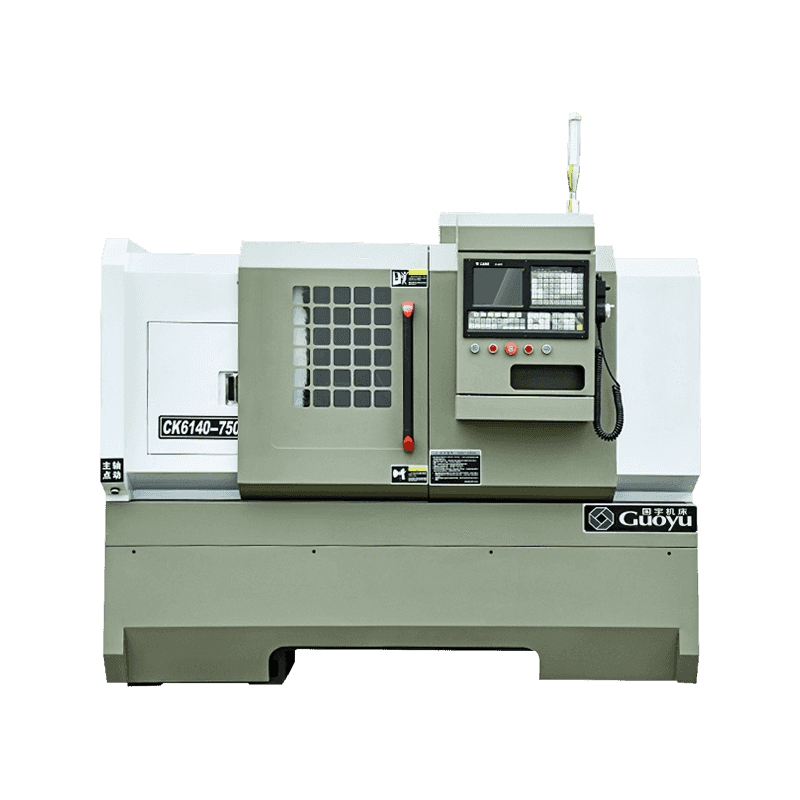
Technical Characteristics: It can cut all kinds of turning surfaces by bicycle, such as conical surf...
See Details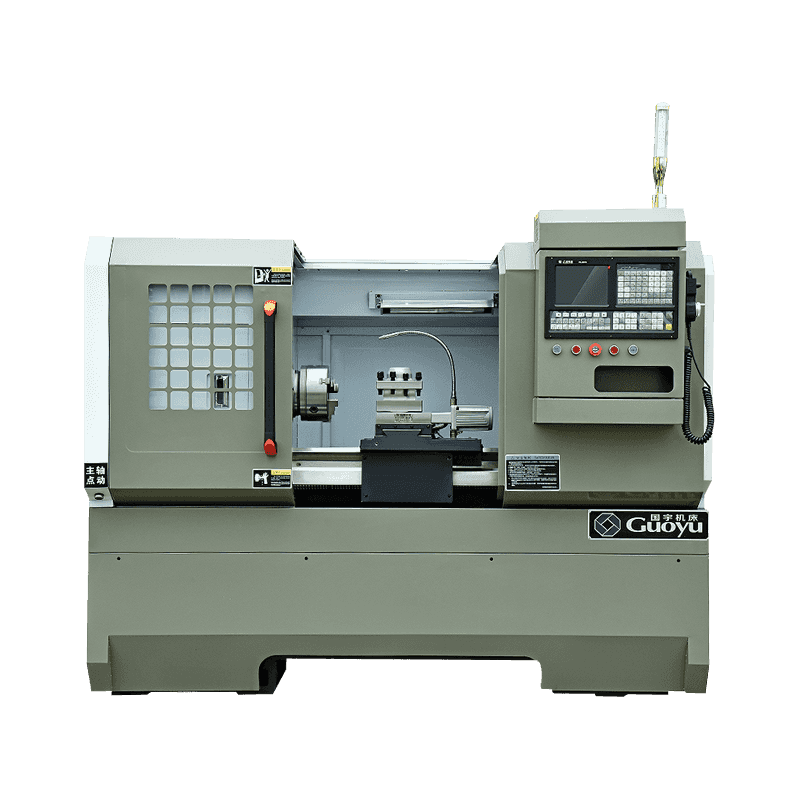
Technical Characteristics: It can cut all kinds of turning surfaces by bicycle, such as conical surf...
See Details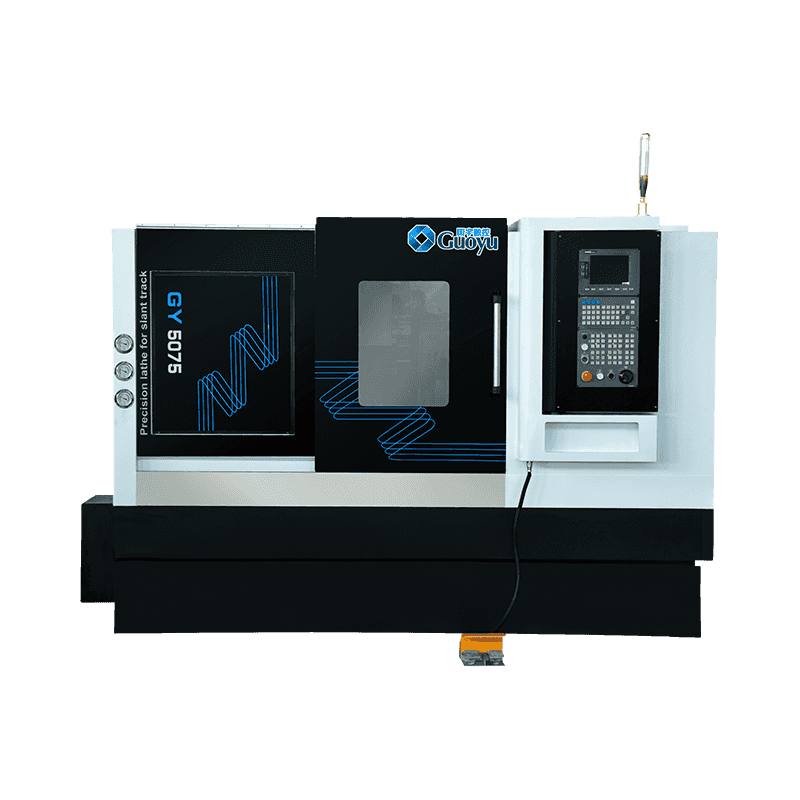
Technical Characteristics: The CNC machine tool for inclined beds adopts the domestic or imported hi...
See Details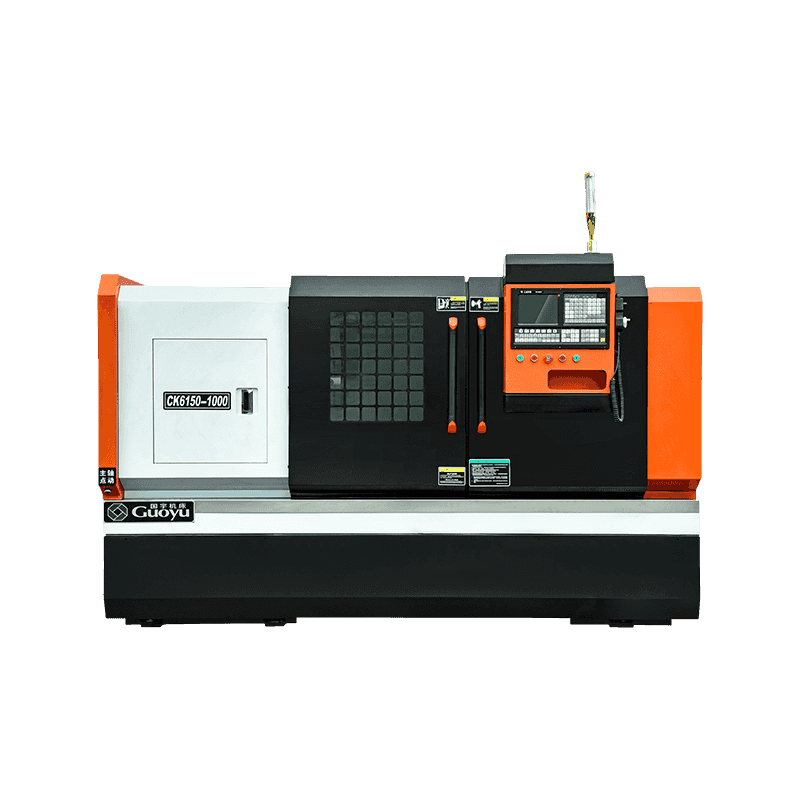
The Heavy Cutting Hard Guideway CNC Lathe For Metal Cutting is a really tough, heavy-duty machining ...
See Details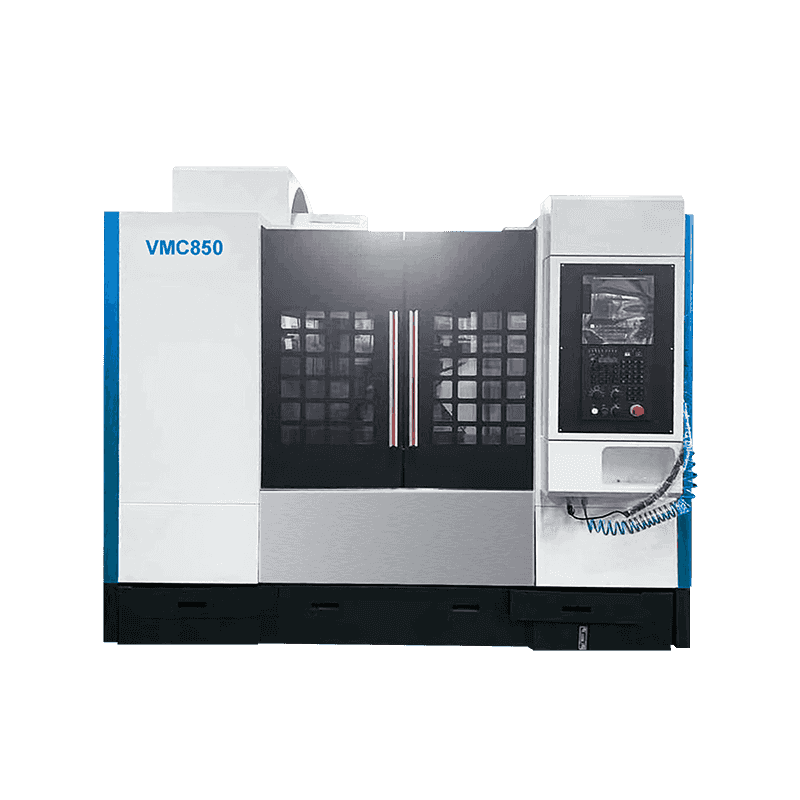
Technical Characteristics The machine tool is a single-column vertical guideway structure. The colum...
See Details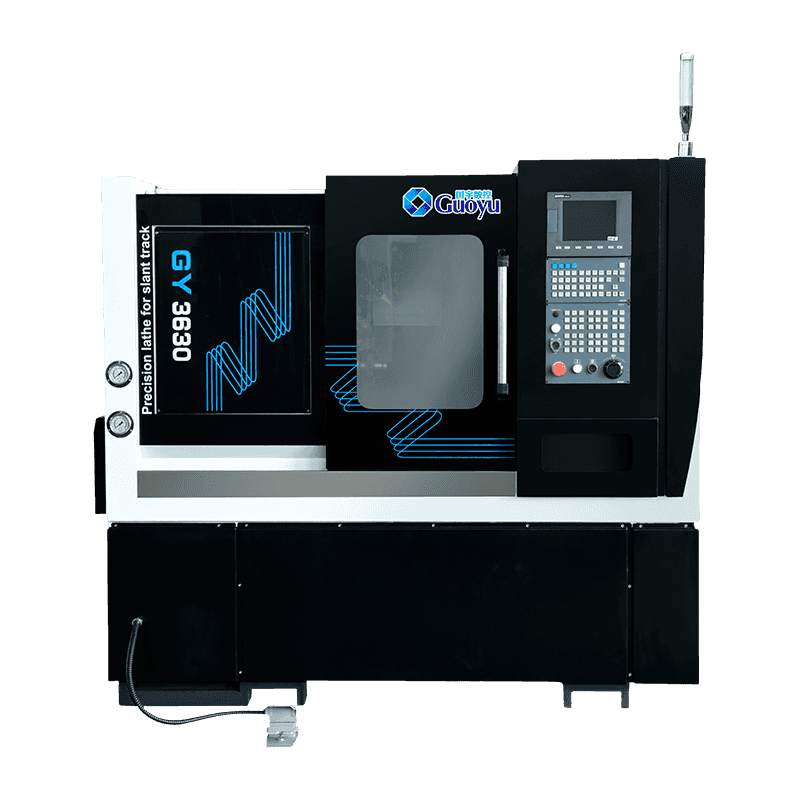
The Conjoined 45° Oblique Gauge Cutter Precision CNC Lathe is a really practical machining solution ...
See Details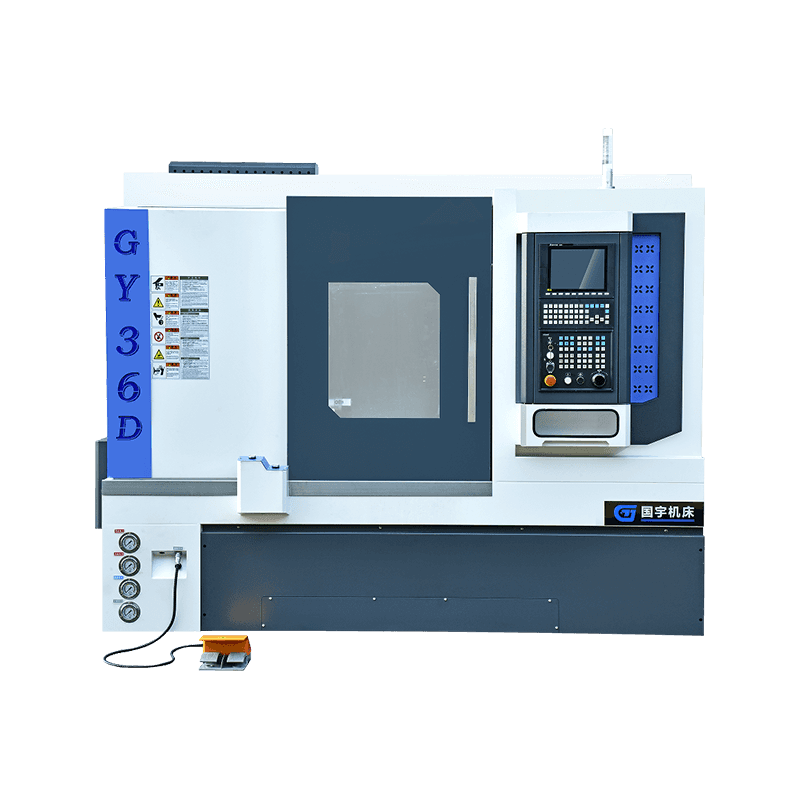
Technical Characteristics: All lathes are integrally cast with 250 materials to ensure processing ri...
See Details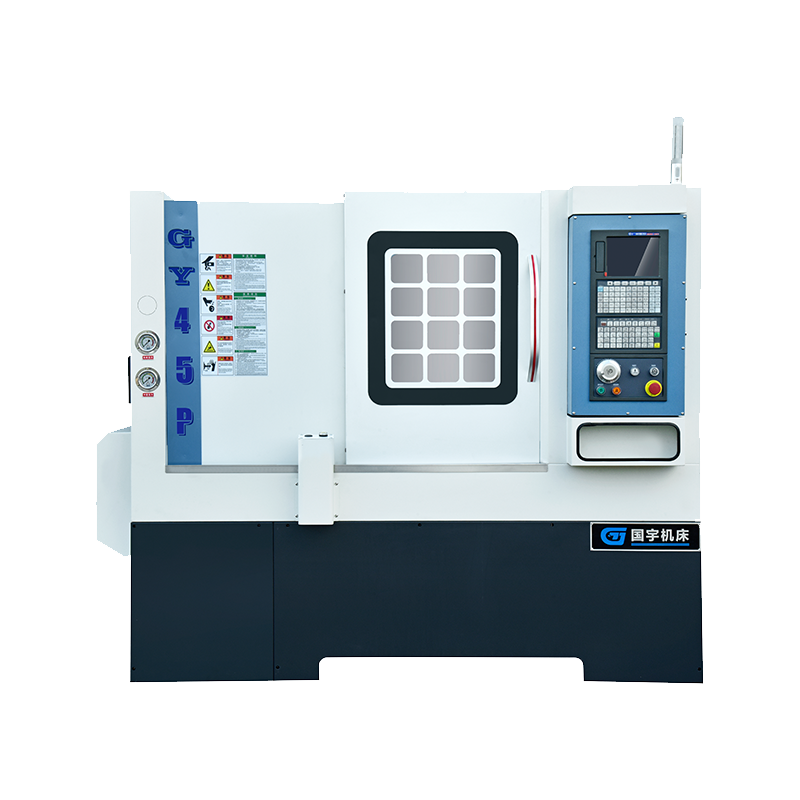
Technical Characteristics:Based on international advanced technology, the design of this machine too...
See DetailsOur team of digital and business experts will guide you to the right direction.
Let's Talk
Zhejiang Guoyu CNC Machine Tool Co., Ltd. relies on rich experience, professional technology and advanced methods to ensure the quality of its products, so that customers can enjoy more professional and thoughtful service.
 [email protected]
 +86-15356565970
 Xialiang Industrial Area, Luqiao District, Taizhou City, Zhejiang Province, China
Copyright © Zhejiang Guoyu CNC Machine Tool Co., Ltd. All Rights Reserved.