English
 中文简体
中文简体 русский
 Español

Technical Characteristics: It can cut all kinds of turning surfaces by bicycle, such as conical surf...
See DetailsHeavy-duty CNC lathes are designed to handle large, heavy, and high-strength workpieces. One of their primary advantages lies in their robust structural design. The machine bed is typically made from high-grade cast iron or welded steel structures that undergo stress-relief treatment. This construction minimizes deformation during long-term operation and ensures consistent dimensional accuracy.
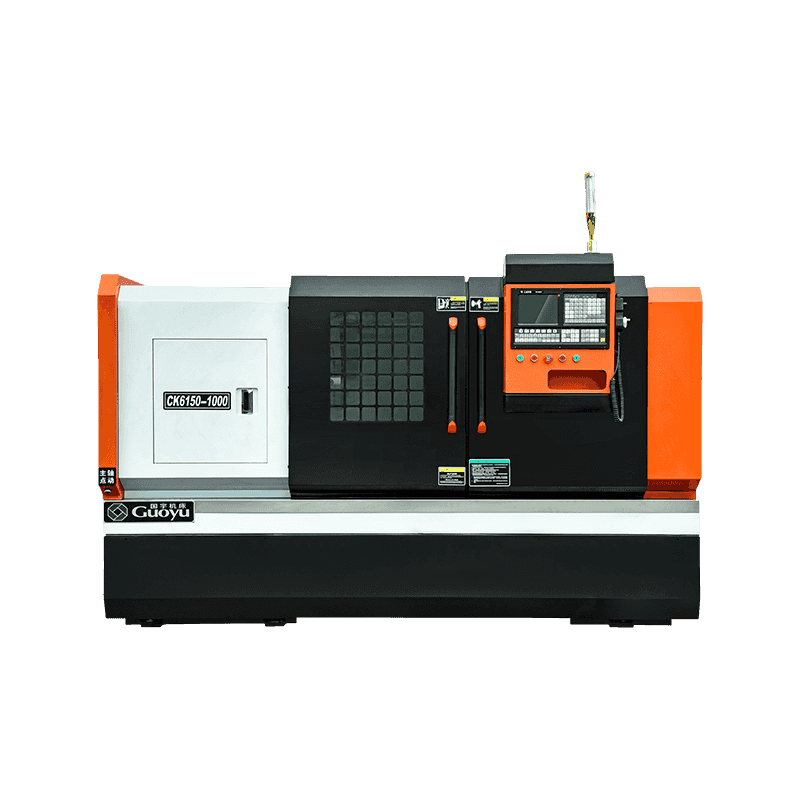
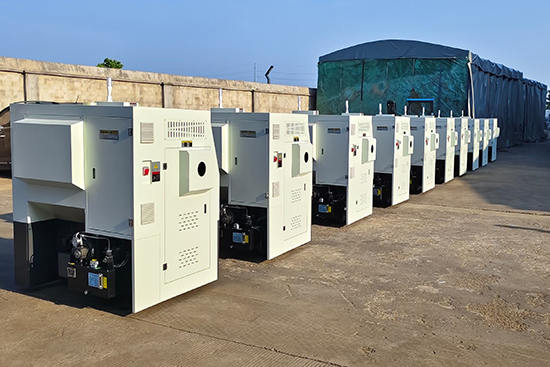
The wide and thick bed design provides strong resistance to vibration. When machining large parts at high cutting forces, vibration control is critical to surface finish and tool life. Heavy-duty CNC lathes often incorporate reinforced rib structures within the bed to further improve rigidity. This mechanical stability allows the machine to maintain precision even under demanding cutting conditions.
In addition, the overall weight of a heavy-duty CNC lathe contributes to its stability. Compared with light or medium-duty machines, the increased mass helps absorb cutting forces and reduces movement during operation. This design feature is particularly important for rough machining processes that involve high material removal rates.
Another significant advantage of heavy-duty CNC lathes is the design of their spindle and drive systems. These machines are equipped with high-power motors capable of delivering substantial torque at low and medium speeds. This allows them to machine large-diameter components and tough materials such as alloy steel, stainless steel, and cast iron.
The spindle is usually supported by high-precision, heavy-load bearings designed to withstand both radial and axial forces. This bearing configuration ensures stable spindle rotation and reduces thermal deformation during extended machining cycles. In many designs, the spindle system includes advanced cooling and lubrication to maintain consistent performance.
The drive system of heavy-duty CNC lathes often uses high-capacity gearboxes or direct-drive motors, depending on application requirements. Gear-driven systems provide high torque for heavy cutting, while direct-drive solutions offer smoother operation and reduced maintenance. Both designs aim to balance power, accuracy, and reliability for industrial production environments.
Precision and repeatability are essential advantages of heavy-duty CNC lathes, achieved through advanced CNC control systems. Modern machines are equipped with high-performance controllers that manage spindle speed, feed rates, and tool movements with high accuracy. This ensures consistent machining results even when producing large batches of complex parts.
The guideway design plays a key role in precision control. Heavy-duty CNC lathes often use hardened and ground box ways or large linear guideways that support heavy loads while maintaining smooth motion. Box ways are especially suitable for heavy cutting, as they provide a large contact area and good damping characteristics.
In addition, feedback systems such as high-resolution encoders and closed-loop control improve positioning accuracy. These systems allow the machine to monitor actual movement and make real-time corrections. As a result, dimensional accuracy is maintained over long production runs, reducing scrap rates and rework.
Heavy-duty CNC lathes are designed not only for strength and precision but also for flexibility and efficiency in modern manufacturing environments. Many machines support multiple tooling configurations, such as turret systems, tool changers, and optional live tooling. This allows a single machine to perform various operations, including turning, boring, and threading.
Automation is another important design aspect. Heavy-duty CNC lathes can be integrated with automatic loading systems, robotic arms, and conveyor solutions. These features reduce manual handling of heavy workpieces, improving safety and productivity. Automation also supports continuous operation, which is valuable for high-volume or long-cycle production.
From a practical standpoint, the machine layout emphasizes operator accessibility and maintenance efficiency. Control panels are positioned for clear visibility, while safety enclosures protect operators from chips and coolant splash. Maintenance-friendly designs, such as centralized lubrication systems and accessible service points, help reduce downtime and extend machine life.
Heavy-duty CNC lathes offer clear advantages in machining large and demanding components. Their robust structural design provides mechanical stability, while high-power spindle systems support heavy cutting operations. Advanced CNC control ensures precision and repeatability, and flexible, automation-ready designs improve efficiency and safety. Together, these aspects make heavy-duty CNC lathes essential equipment in industries such as aerospace, energy, heavy machinery, and large-scale manufacturing.
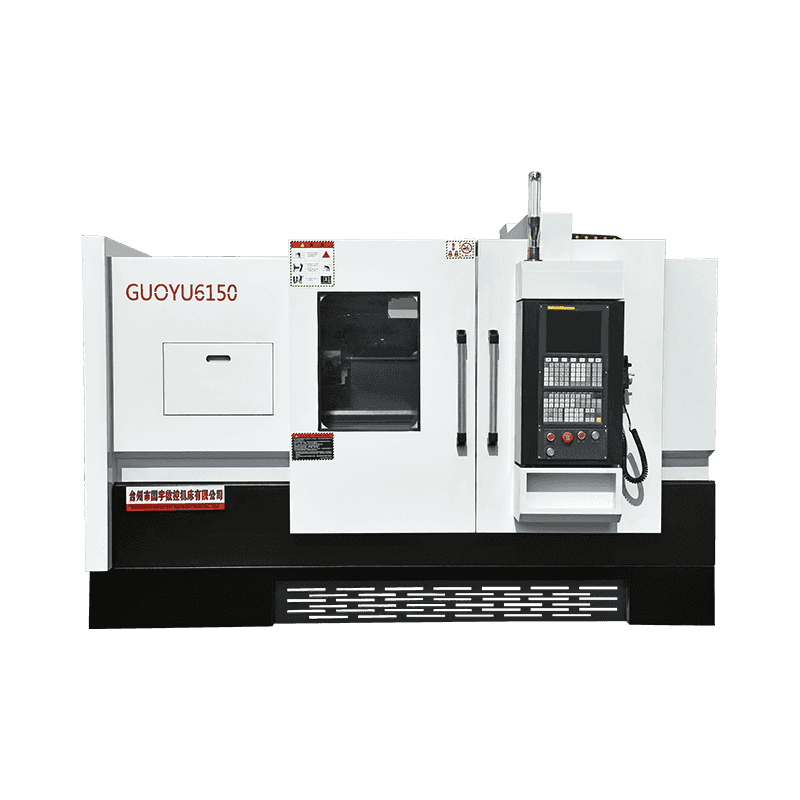
Technical Characteristics: It can cut all kinds of turning surfaces by bicycle, such as conical surf...
See Details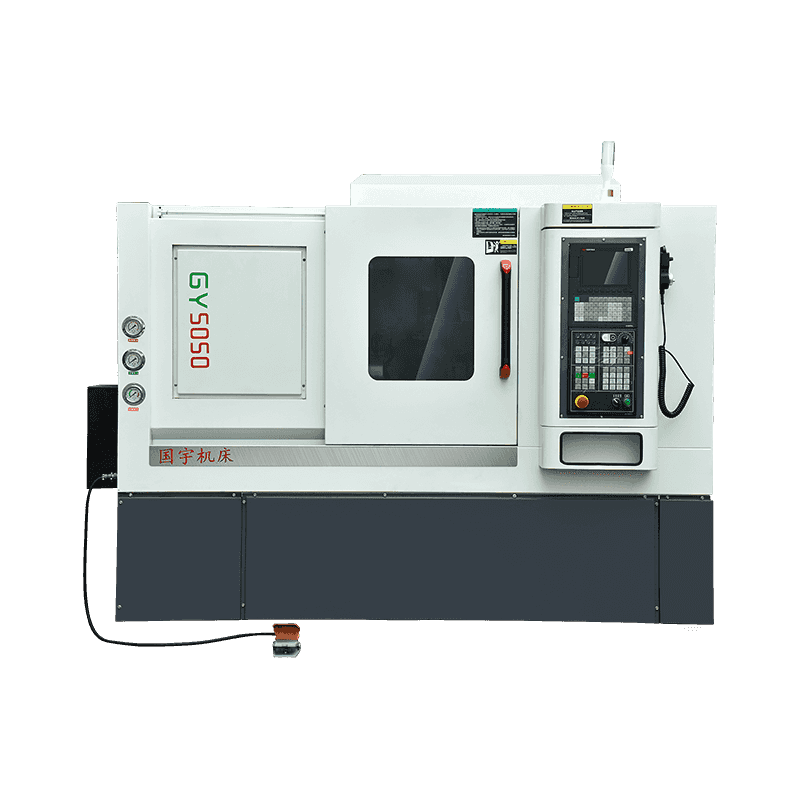
Technical Characteristics: The machine tool is of high precision, and the spindle is supported by hi...
See Details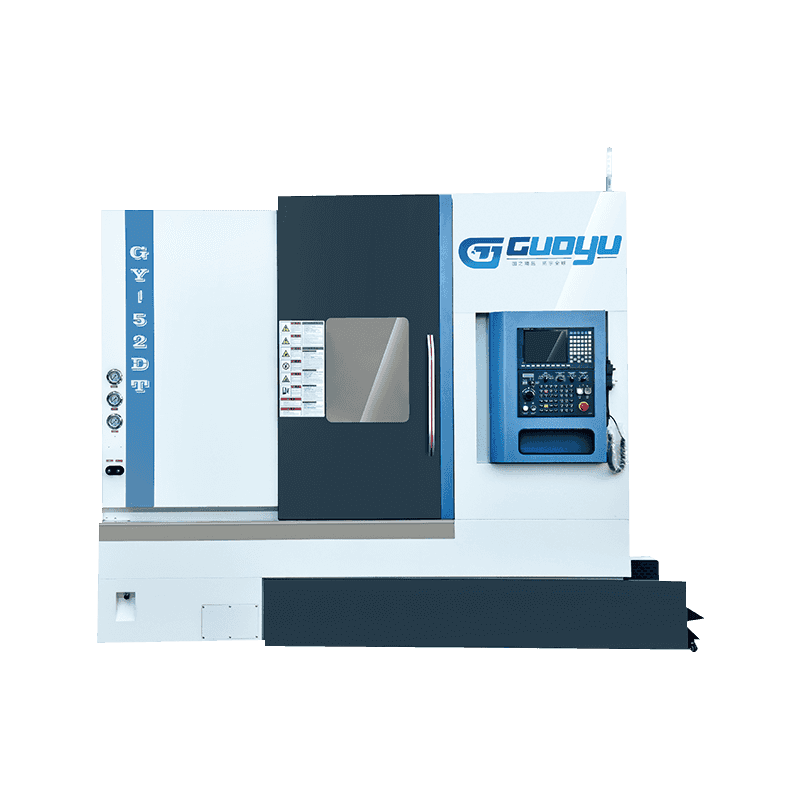
Technical Characteristics: The CNC machine tool for inclined beds adopts the domestic or imported hi...
See Details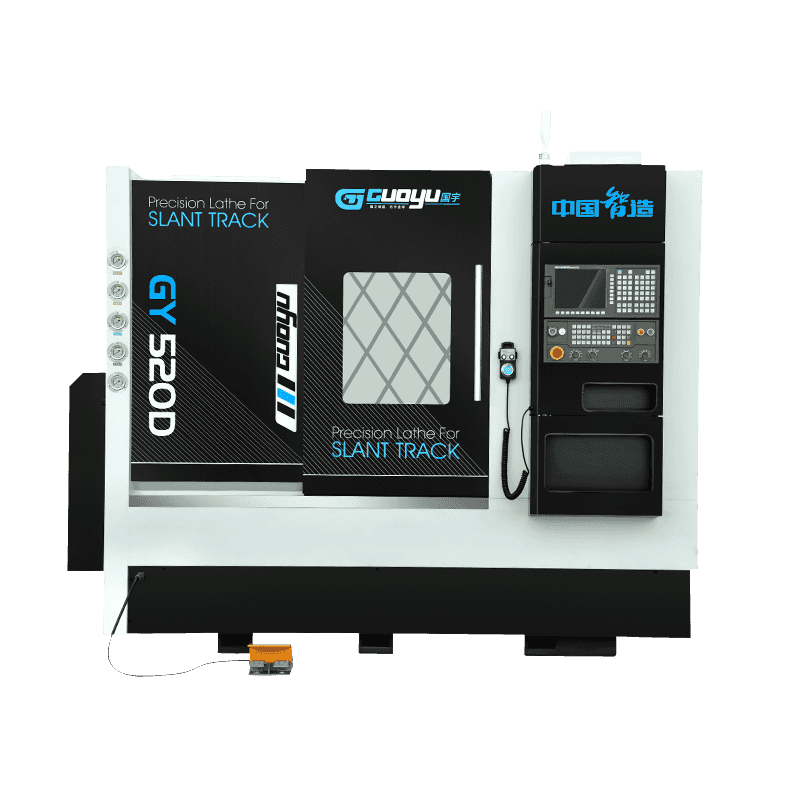
Technical Characteristics: The CNC machine tool for inclined beds adopts the domestic or imported hi...
See Details
The Heavy Cutting Hard Guideway CNC Lathe For Metal Cutting is a really tough, heavy-duty machining ...
See Details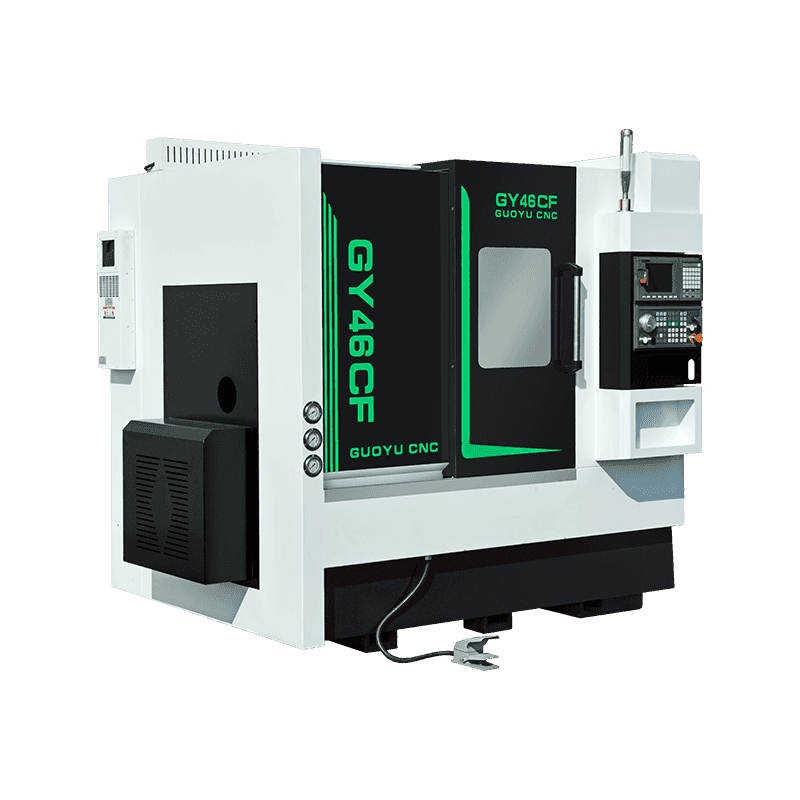
The 4+4 Type Precision CNC Lathe With Conjoined Oblique Rail Cutter Tower is a really practical, mul...
See Details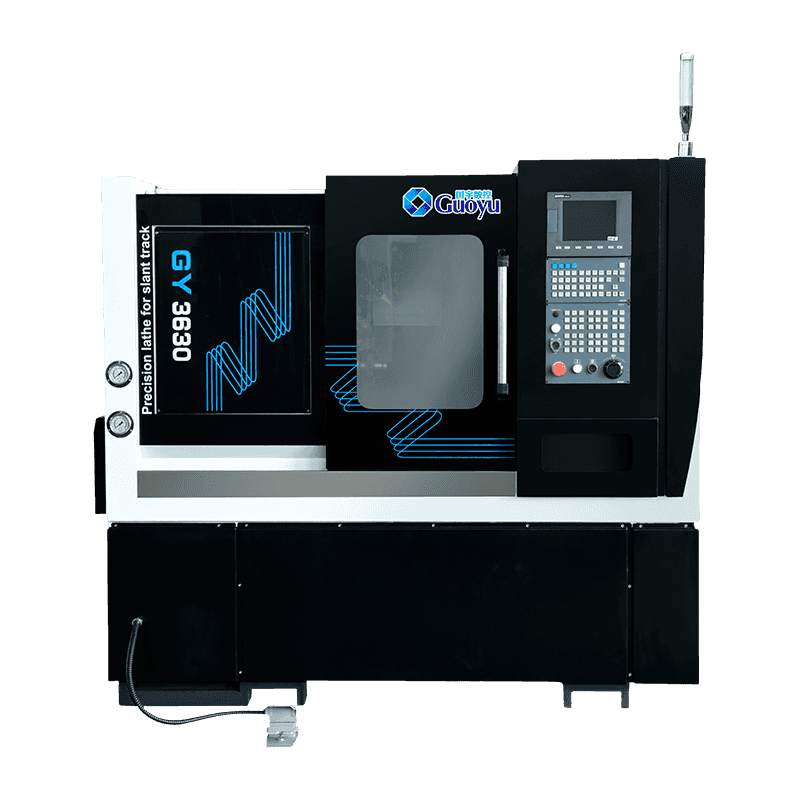
The Conjoined 45° Oblique Gauge Cutter Precision CNC Lathe is a really practical machining solution ...
See Details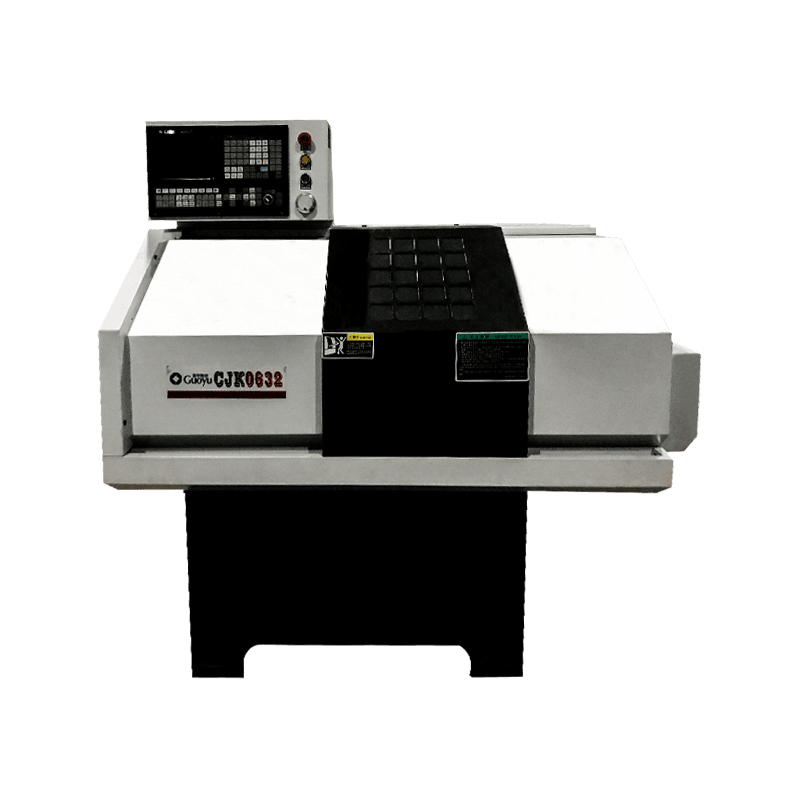
The Precision Line Rail Precision CNC Lathe is a completely practical machining choice if you want t...
See DetailsOur team of digital and business experts will guide you to the right direction.
Let's Talk
Zhejiang Guoyu CNC Machine Tool Co., Ltd. relies on rich experience, professional technology and advanced methods to ensure the quality of its products, so that customers can enjoy more professional and thoughtful service.
 [email protected]
 +86-15356565970
 Xialiang Industrial Area, Luqiao District, Taizhou City, Zhejiang Province, China
Copyright © Zhejiang Guoyu CNC Machine Tool Co., Ltd. All Rights Reserved.