English
 中文简体
中文简体 русский
 Español

Technical Characteristics: The machine tool is a single-column vertical guideway structure. The colu...
See Details1. Limited Accessibility for Larger Parts
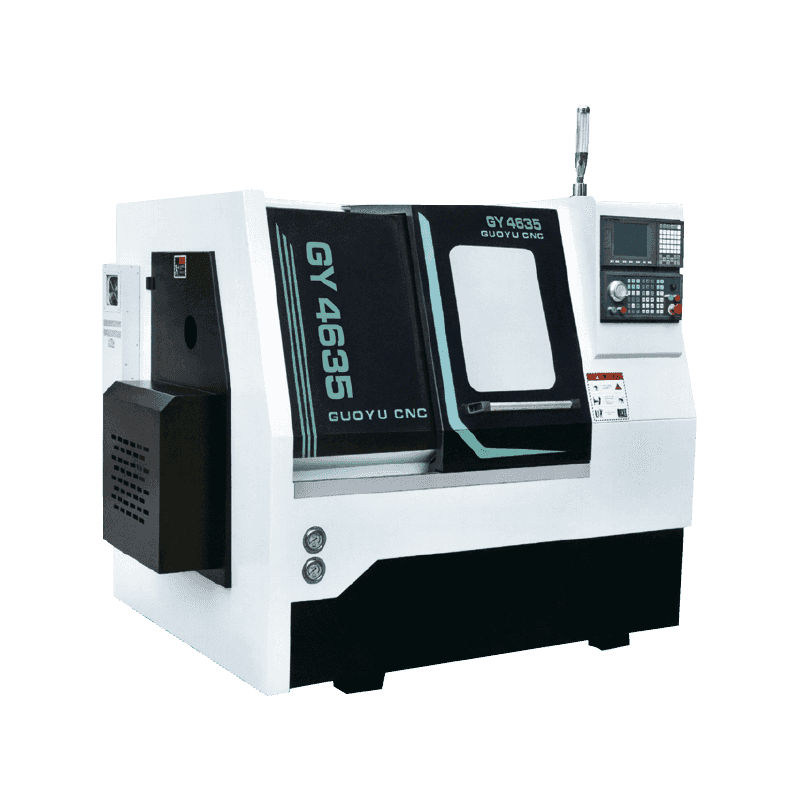
One of the primary limitations of slant-bed CNC lathes is that they may not be ideal for handling larger or more complex parts. The slanted design, which helps improve chip flow and machine rigidity, also limits the size of the workpiece that can be accommodated. While these lathes are good for smaller to medium-sized parts, larger parts may require additional setups or may not fit within the machine's work envelope at all.
2. Increased Complexity in Setup and Operation
The angled bed design, while beneficial for certain operations, can make the machine harder to set up compared to a traditional flat-bed CNC lathe. Operators may find it more challenging to align parts precisely due to the slanted configuration, requiring additional care during setup. Furthermore, the machine's geometry can make it more difficult to change tools and perform other maintenance tasks, especially for those less experienced with slant-bed machines.
3. Cost Considerations
Slant-bed CNC lathes are generally more expensive than their flat-bed counterparts due to their advanced design and capabilities. The increased cost of the machine may not always justify the benefits, especially for smaller operations or businesses that do not require the high-performance features that a slant-bed lathe provides.
Slant-bed CNC lathes are advanced machining tools known for their high performance and efficiency, but understanding how they operate is key to their potential. Here's a breakdown of important aspects to help users grasp the workings of slant-bed CNC lathes.
1. Slanted Bed Design for Improved Chip Evacuation
2. Increased Rigidity and Stability
3. Flexible Setup and Increased Precision
Slant-bed CNC lathes offer several advantages over traditional flat-bed lathes, particularly in applications requiring high precision and efficiency. Below, we explore some of the key benefits of these machines.
1. Enhanced Chip Removal and Cleanliness
The slanted bed design of these lathes is specifically intended to facilitate the efficient removal of chips from the machining area. Chips generated during the cutting process are funneled directly down and out of the machine, preventing buildup around the workpiece or tooling. This improves the overall cleanliness of the work area and reduces the chances of chip contamination during critical operations. Efficient chip removal also lowers the risk of clogging the machine, which can disrupt machining processes and bring about unplanned downtime.
Reduced Risk of Damage: By preventing chips from collecting in the machine, there is less risk of tool damage or part defects caused by debris interfering with the machining process.
Quicker Setup: The efficient chip removal process allows for faster tool changes and setup times. With less cleaning and maintenance needed between jobs, operators can spend more time focusing on production.
2. High Rigidity for Complex Operations
One of the standout features of slant-bed CNC lathes is their rigidity. The slanted bed design helps improve the stability of the machine during high-precision operations by vibrations and deflection. This rigidity is especially beneficial when machining harder materials or performing operations that require tight tolerances. The ability to withstand vibrations and movement means that the machine can maintain high accuracy, even during heavy-duty cuts.
Increased Machining Capability: The rigidity provided by the slanted bed allows slant-bed CNC lathes to handle more aggressive cutting tasks than traditional lathes. This means they are often used in industries such as aerospace, automotive, and heavy machinery, where both strength and precision are critical.
Consistency Over Time: The increased stability of slant-bed CNC lathes ensures that parts are manufactured consistently, even when running large production batches. This reliability makes these machines suitable for high-volume manufacturing and high-precision applications.
Slant-bed CNC lathes are versatile machines that can handle a wide range of operations. These lathes are particularly useful for industries where high precision, rigidity, and chip removal are paramount. Below are some of the common applications of slant-bed CNC lathes:
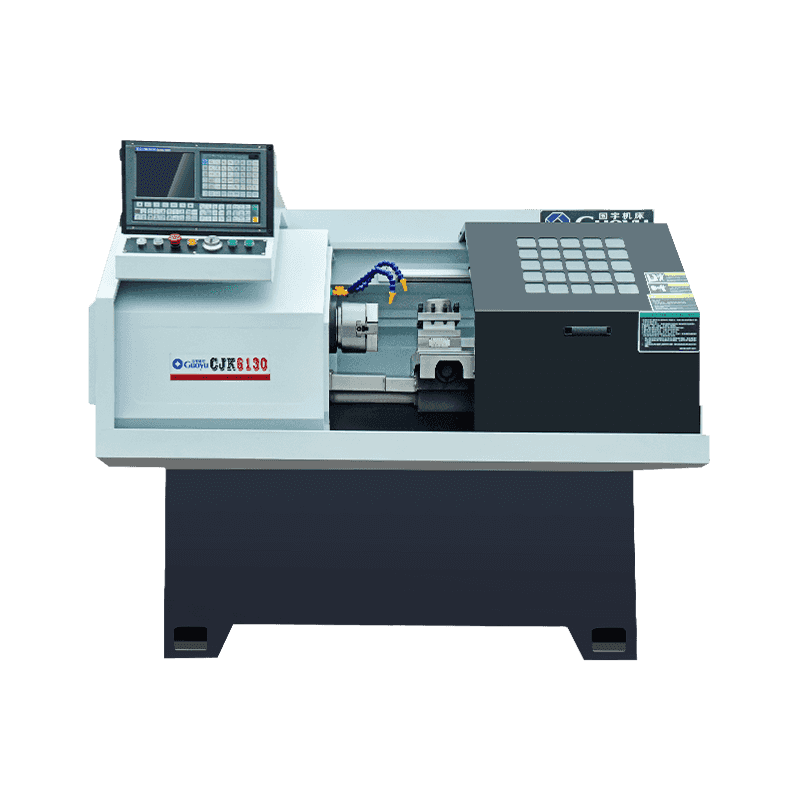
Technical Characteristics: The machine tool is a single-column vertical guideway structure. The colu...
See Details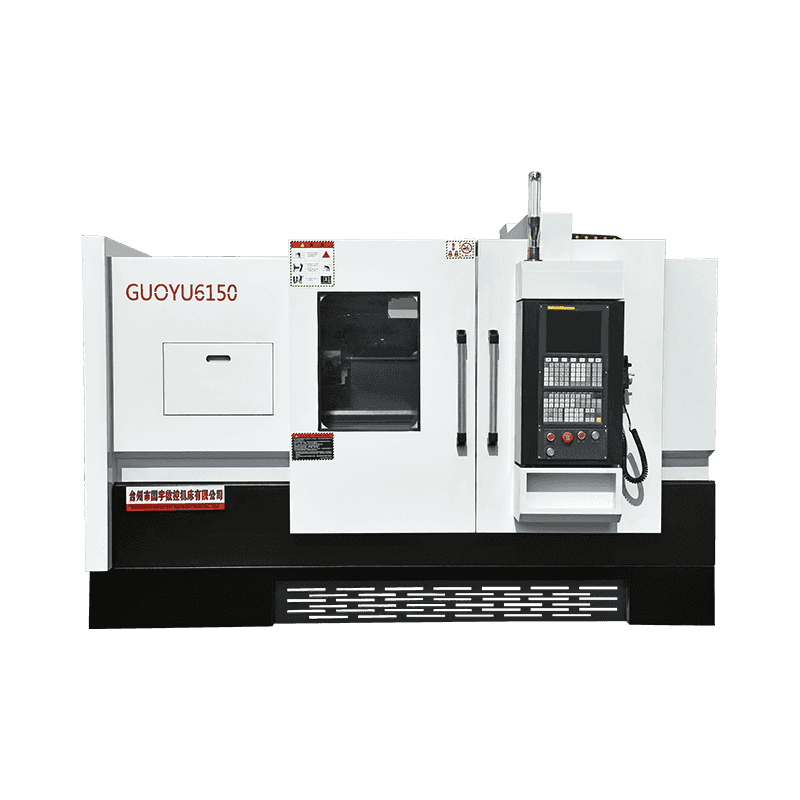
Technical Characteristics: It can cut all kinds of turning surfaces by bicycle, such as conical surf...
See Details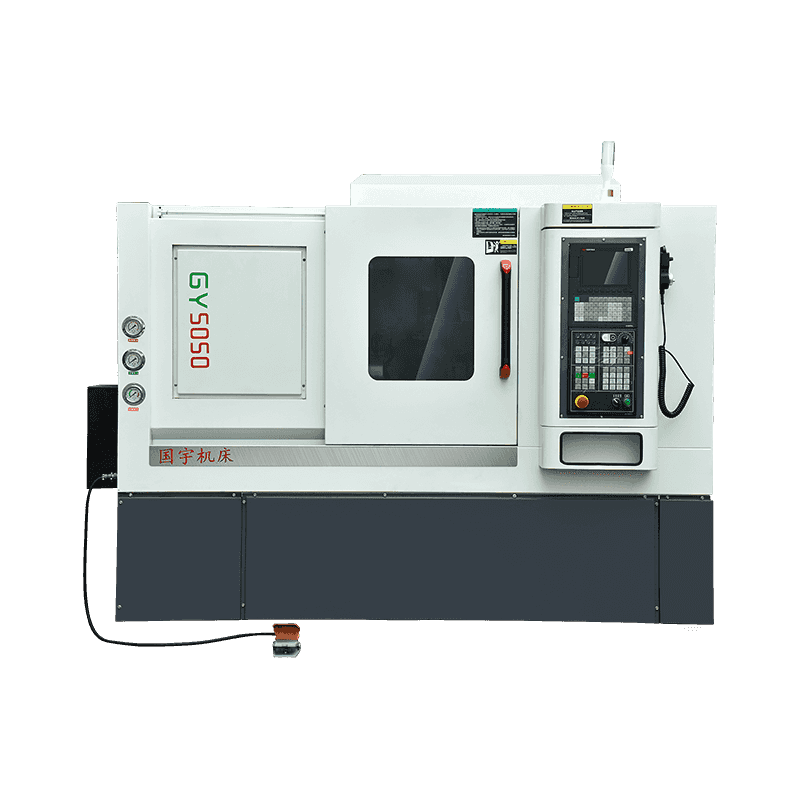
Technical Characteristics: The machine tool is of high precision, and the spindle is supported by hi...
See Details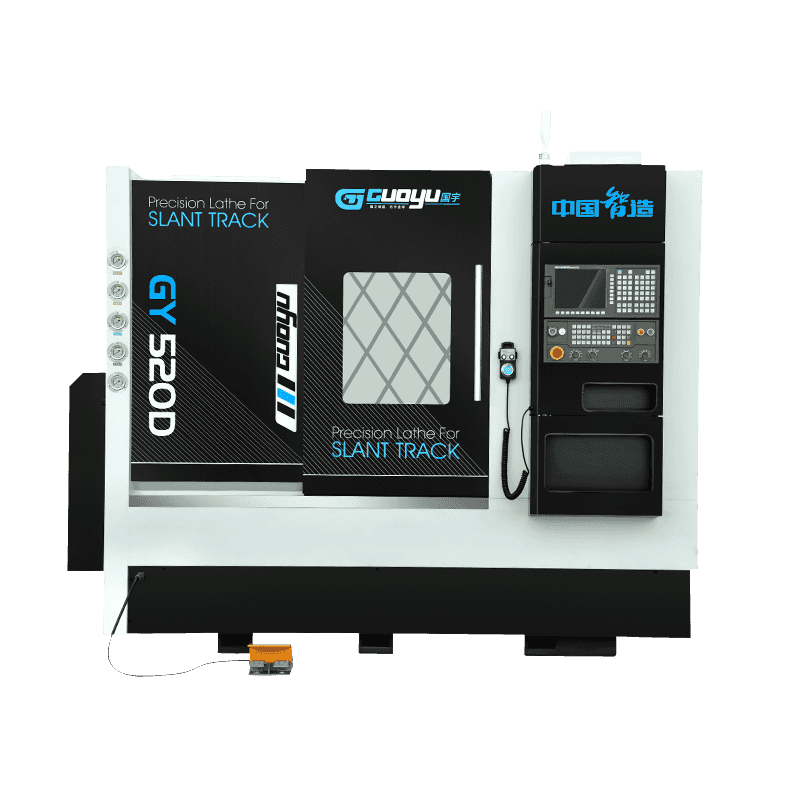
Technical Characteristics: The CNC machine tool for inclined beds adopts the domestic or imported hi...
See Details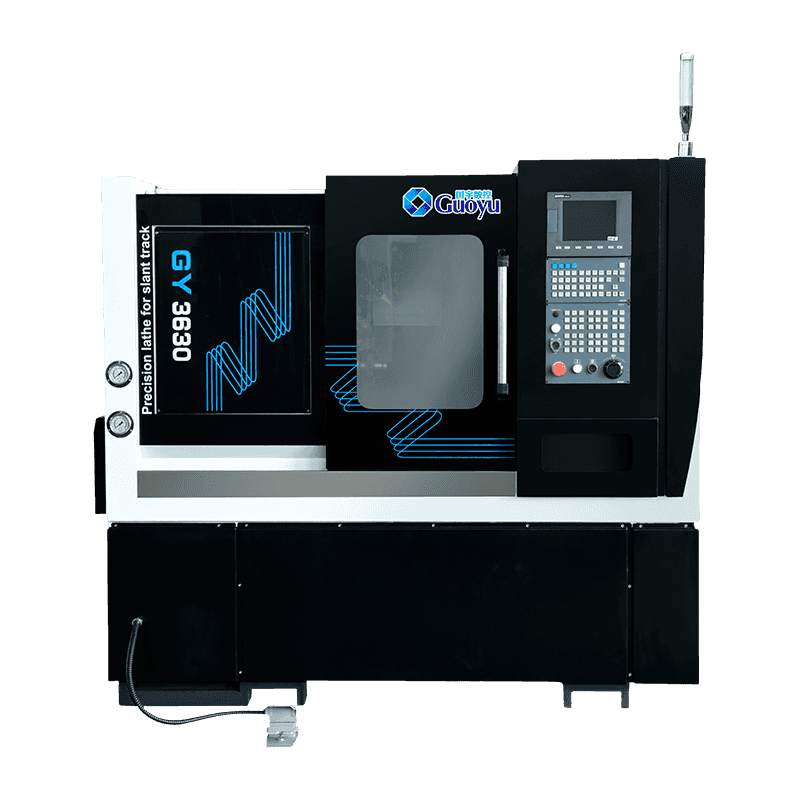
The Conjoined 45° Oblique Gauge Cutter Precision CNC Lathe is a really practical machining solution ...
See Details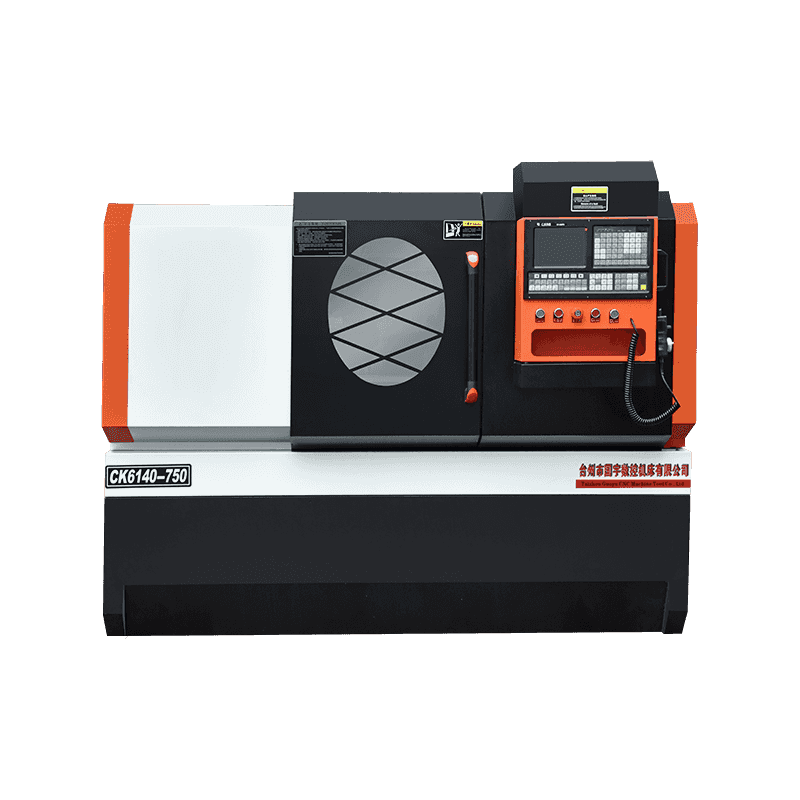
Technical Characteristics: It can cut all kinds of turning surfaces by bicycle, such as conical surf...
See Details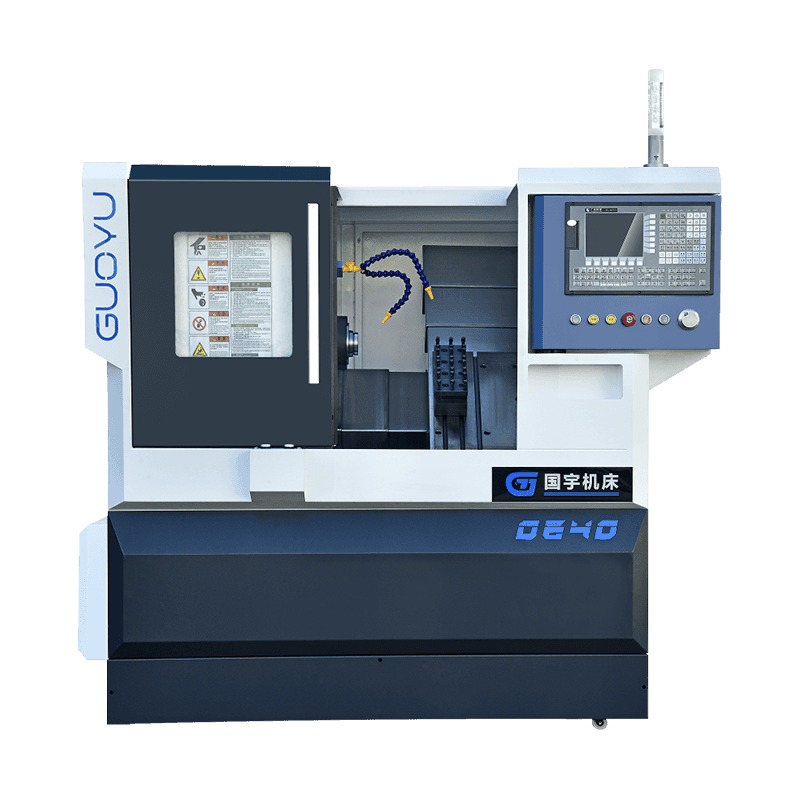
Introducing our Optional Control System CNC Lathe for Metal Processed, a sophisticated and reliable ...
See Details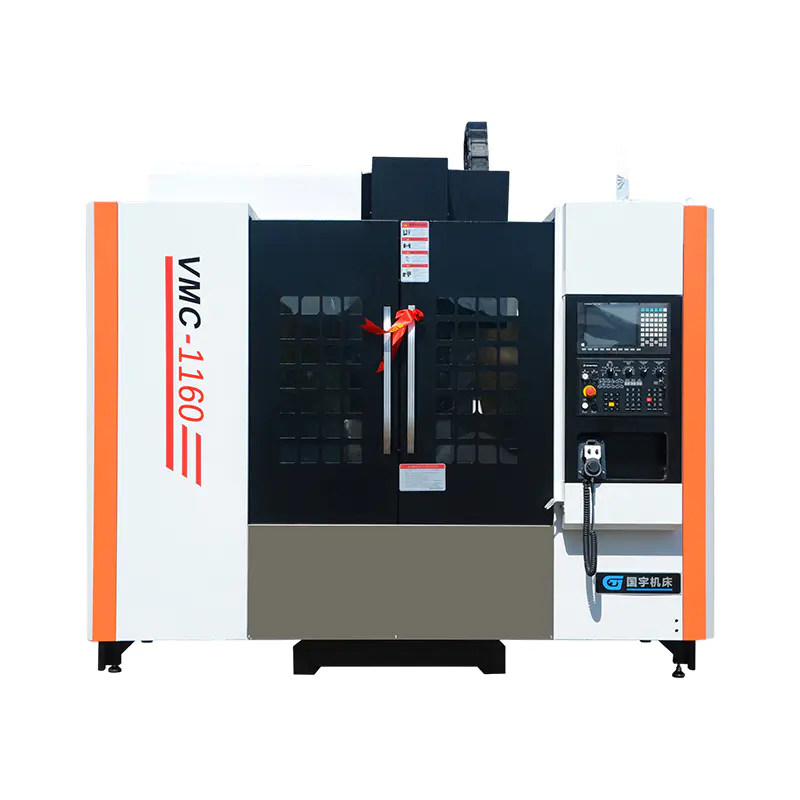
After-sales service commitment: 1. From the date of acceptance, the machine tool host is under warra...
See DetailsOur team of digital and business experts will guide you to the right direction.
Let's Talk
Zhejiang Guoyu CNC Machine Tool Co., Ltd. relies on rich experience, professional technology and advanced methods to ensure the quality of its products, so that customers can enjoy more professional and thoughtful service.
 [email protected]
 +86-15356565970
 Xialiang Industrial Area, Luqiao District, Taizhou City, Zhejiang Province, China
Copyright © Zhejiang Guoyu CNC Machine Tool Co., Ltd. All Rights Reserved.