Why Mill-Turn CNC Machines Are Replacing Traditional Multi-Step Machining
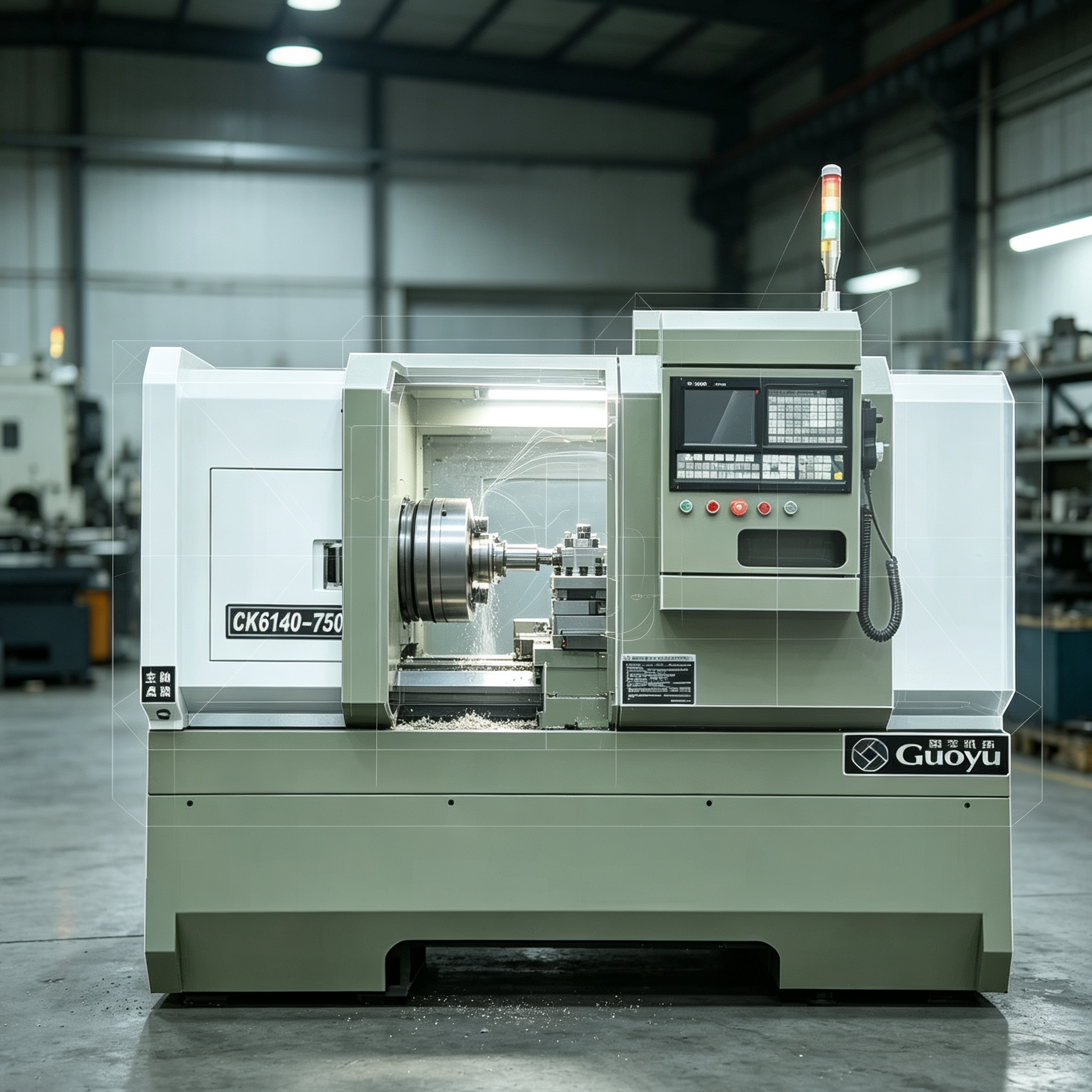
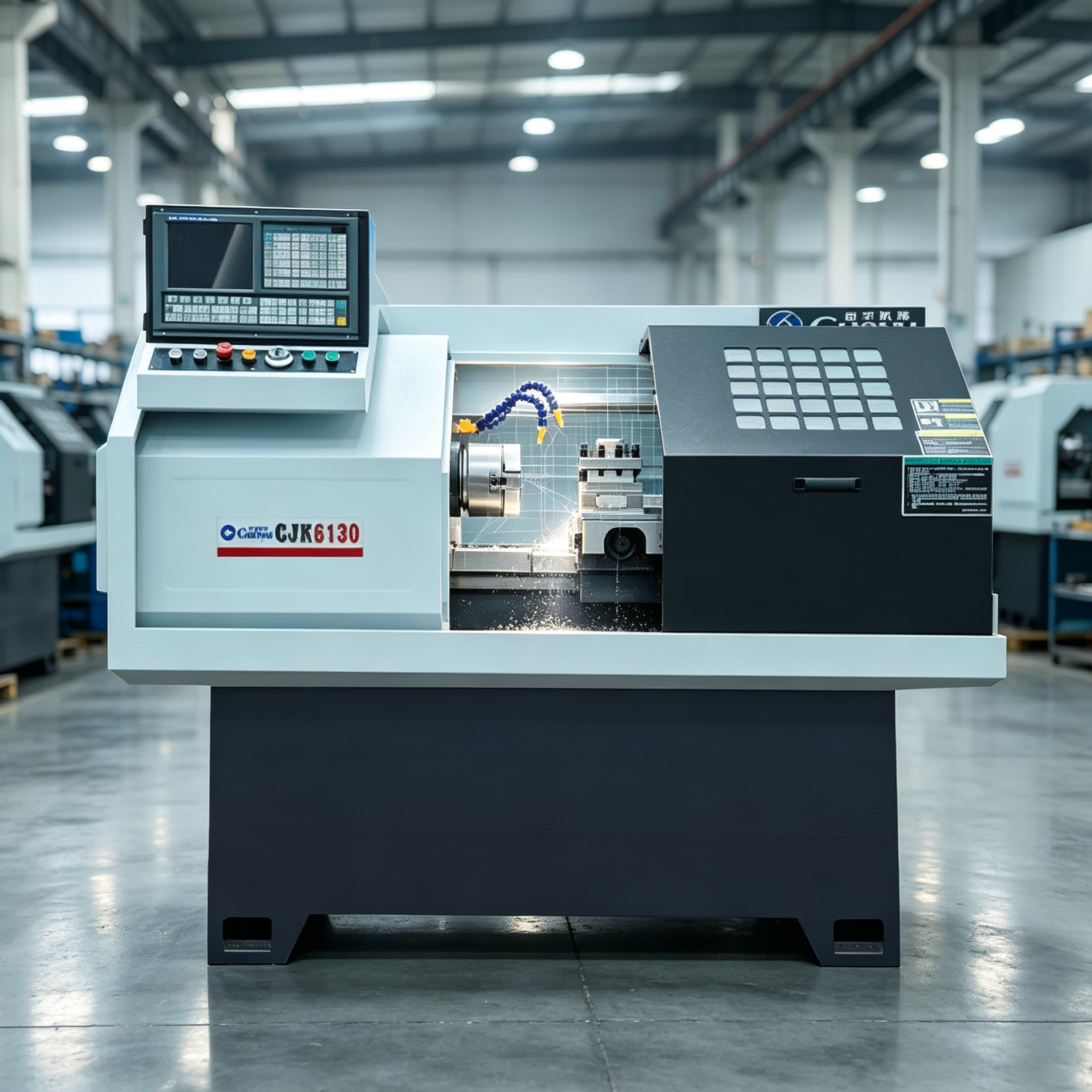
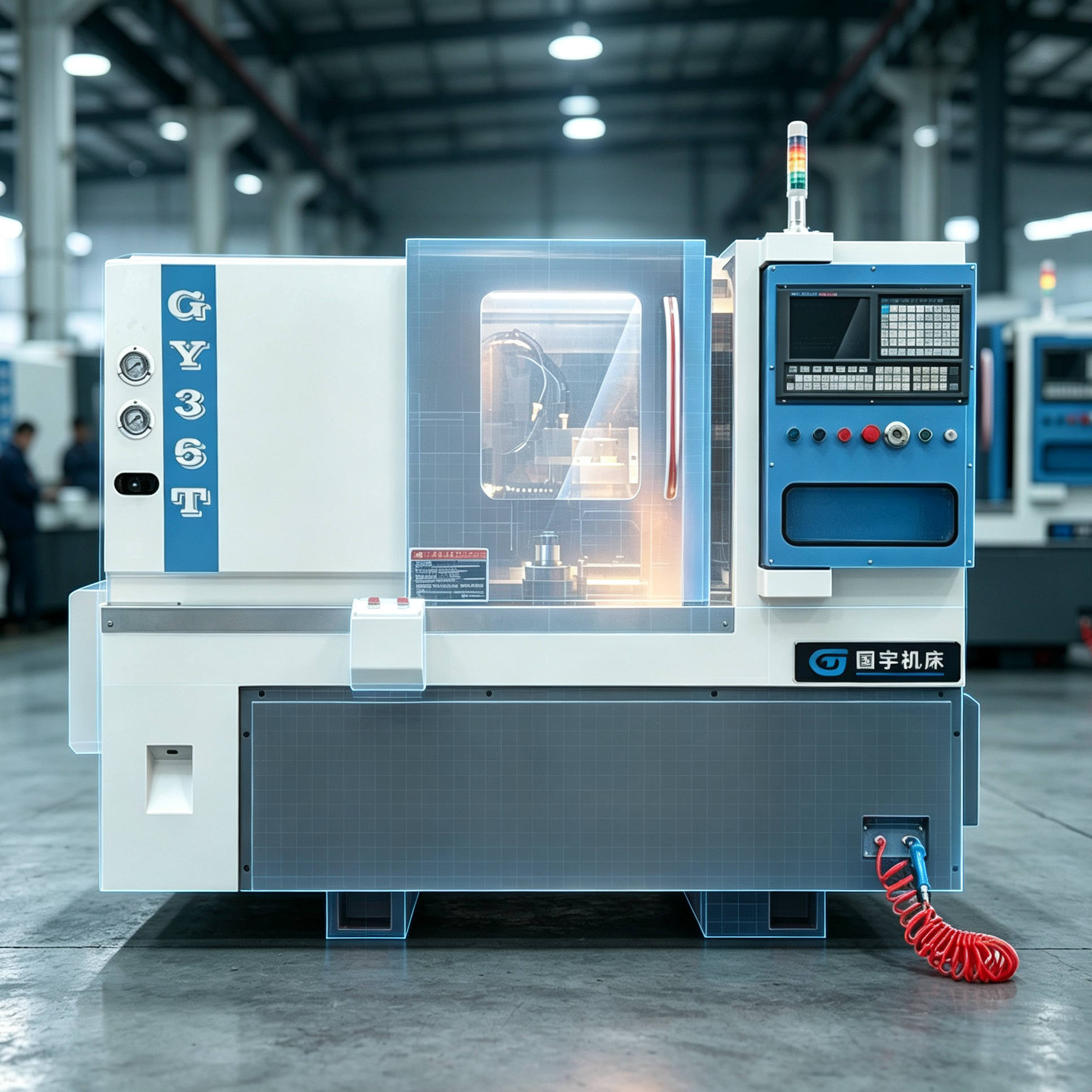
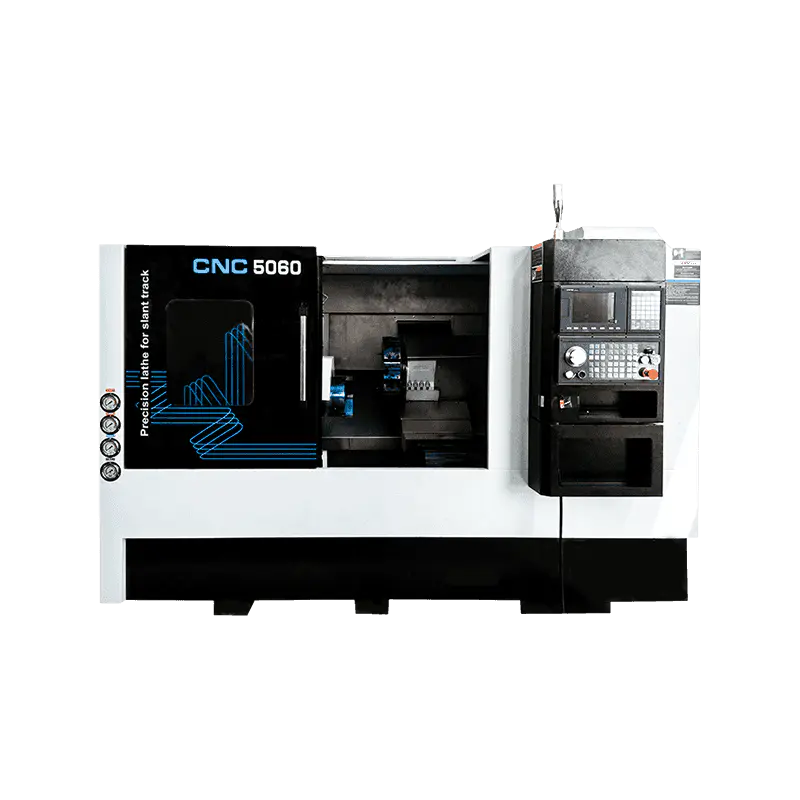
In many metalworking shops, production efficiency is no longer defined only by cutting speed. It is increasingly influenced by how many setups a part requires, how often operators need to transfer workpieces between machines, and how consistently the final dimensions can be maintained from one batch to the next. This is one reason the Mill-Turn CNC Machine has become a preferred solution in modern machining environments.
Fewer Setups Mean Better Accuracy and Faster Throughput
Traditional part production often involves separate turning, drilling, and milling operations performed on different machines. While this method can still work for certain jobs, it usually increases handling time and introduces more opportunities for positioning error.
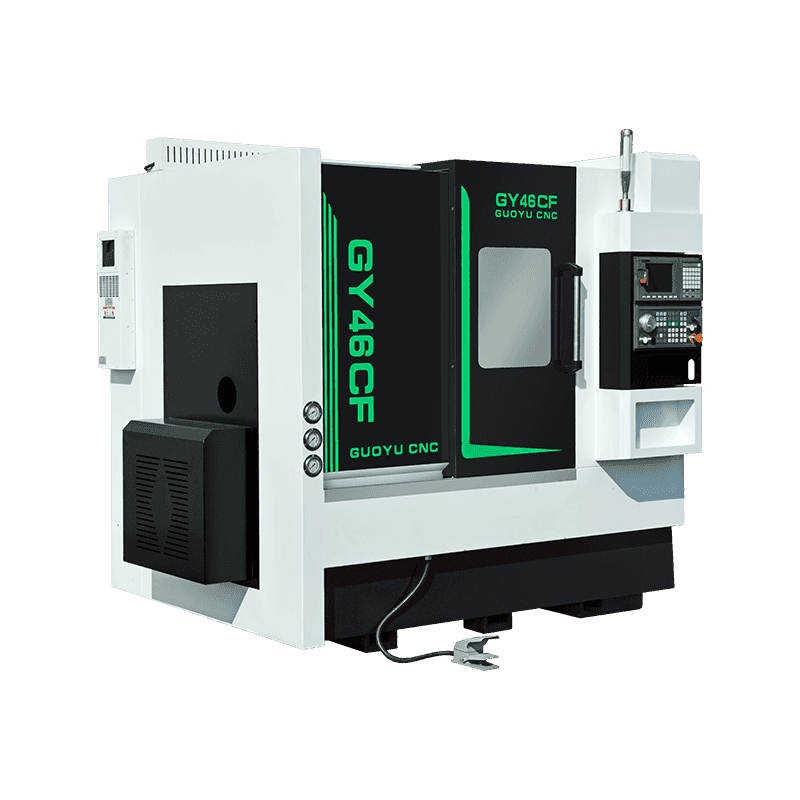
A Mill-Turn CNC Machine combines multiple machining functions in one platform, allowing more operations to be completed in a single setup. In practice, this can improve dimensional consistency, reduce fixture changes, and shorten the overall production cycle. For shops handling repeat orders or medium-batch work, fewer setups often translate directly into more stable output.
Reduced Part Handling Helps Control Labor and Workflow Costs
Every additional transfer between machines adds time, labor, and production risk. Operators may need to re-clamp the part, check alignment, and confirm dimensional references before the next process begins. Over time, these repeated steps can raise production cost even when the individual machining operations are not complex.
By consolidating turning and milling capabilities, a Mill-Turn CNC Machine can help simplify workflow and reduce unnecessary manual intervention. This is especially valuable for manufacturers seeking CNC Lathe Factory Direct Supply solutions that improve daily productivity without making the production process more complicated.
Better Process Integration Supports Modern Batch Production
Manufacturers today are often asked to deliver shorter lead times while maintaining stable part quality. In this environment, process integration becomes more important than adding isolated machine functions.
A machine that can handle turning, drilling, tapping, and milling in one coordinated process gives production teams more control over timing and consistency. It also makes it easier to standardize machining procedures across different batches. For precision parts, this can help improve repeatability and reduce variation caused by repeated repositioning.
Compact Production Planning Creates More Shop Floor Flexibility
Another reason more companies are moving toward mill-turn equipment is floor space efficiency. Using one integrated machine instead of several separate units can help simplify shop layout and improve equipment utilization.
For growing workshops and parts manufacturers, this creates more flexibility in production planning. It may also reduce the need for additional support equipment, which can make expansion more manageable over time. When equipment is sourced through CNC Lathe Factory Direct Supply, buyers often look not only at machine price, but also at how the machine can improve long-term production efficiency.
Choosing the Right Machine for Integrated Machining
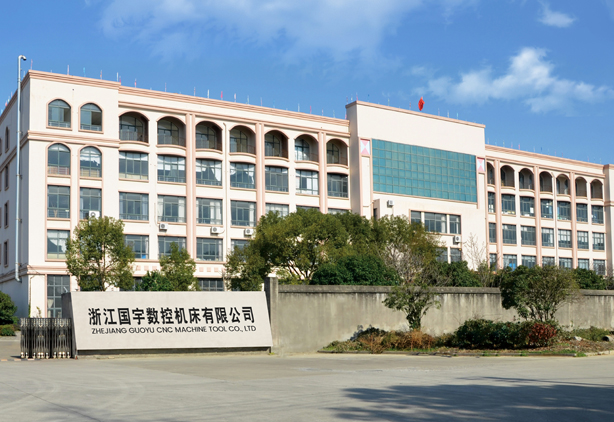
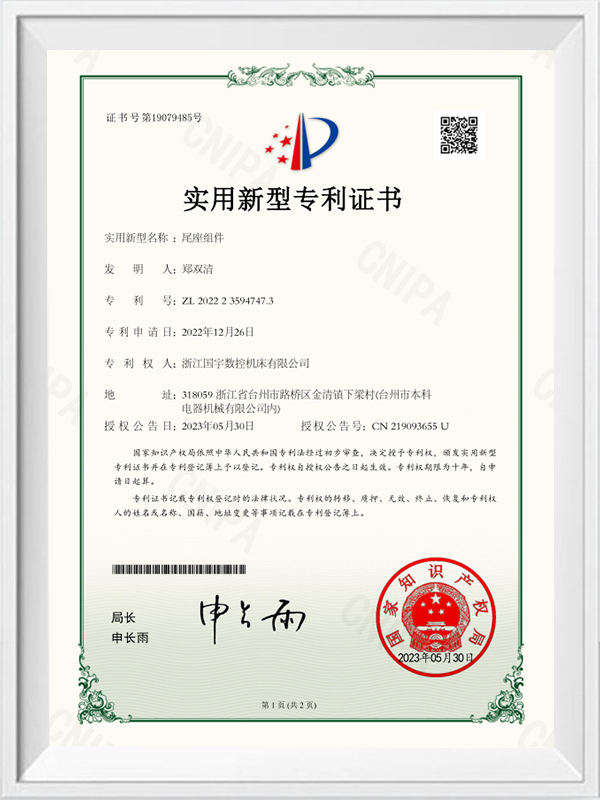
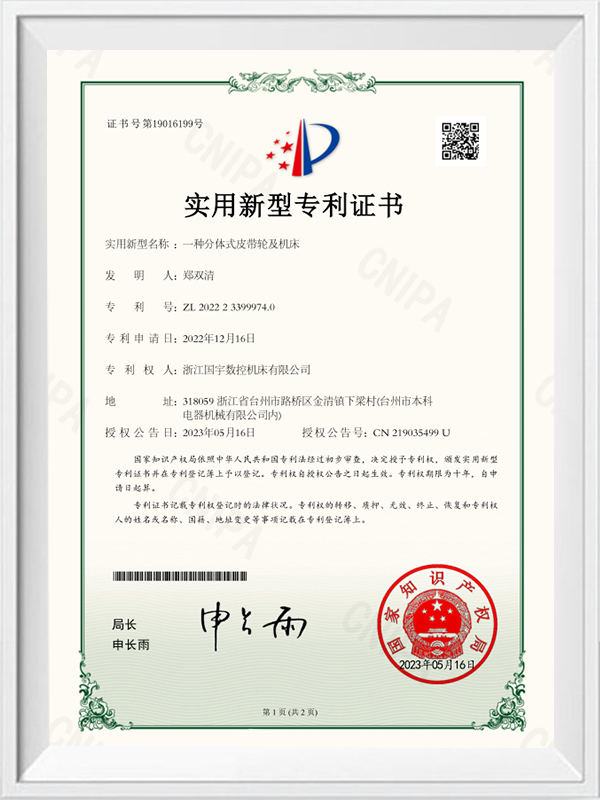
Not every machine is equally suited to combined turning and milling work. Buyers should pay attention to machine rigidity, spindle stability, guideway design, tooling flexibility, and the technical capability of the manufacturer.
Below is a quick overview of what this means in production terms:
|
Machine Factor
|
Production Impact
|
Why It Matters
|
|
Rigid Structure
|
Better vibration control
|
Supports stable cutting results
|
|
Spindle Stability
|
Smoother high-speed operation
|
Improves finish and accuracy
|
|
Flexible Tooling
|
Handles more part types
|
Increases process versatility
|
|
Precision Motion System
|
Maintains repeatability
|
Reduces variation across batches
|
|
Factory Capability
|
Ensures machine consistency
|
Supports long-term production use
|
These factors often matter more than headline specifications alone. A machine that performs reliably in everyday production will usually create more value than one that only looks competitive on paper.
As labor costs rise and delivery expectations become stricter, manufacturers are under increasing pressure to simplify production without sacrificing quality. This is where the Mill-Turn CNC Machine continues to gain attention. By reducing setup changes, improving process integration, and supporting more efficient part flow, it offers a practical path for shops that want stronger output with fewer production interruptions.
For buyers evaluating CNC Lathe Factory Direct Supply options, the key is not only to compare machine configurations, but also to consider how well the equipment fits real production goals. In many cases, the move from multi-step machining to integrated mill-turn processing is no longer just a technical upgrade. It is becoming a competitive advantage.


 English
 中文简体
中文简体 русский
 Español